
Magazine Current IssueMagazine Current Issue
Tokyo Nude
Tokyo Nude
From our Mag
May 1, 2026

Tokyo Nude

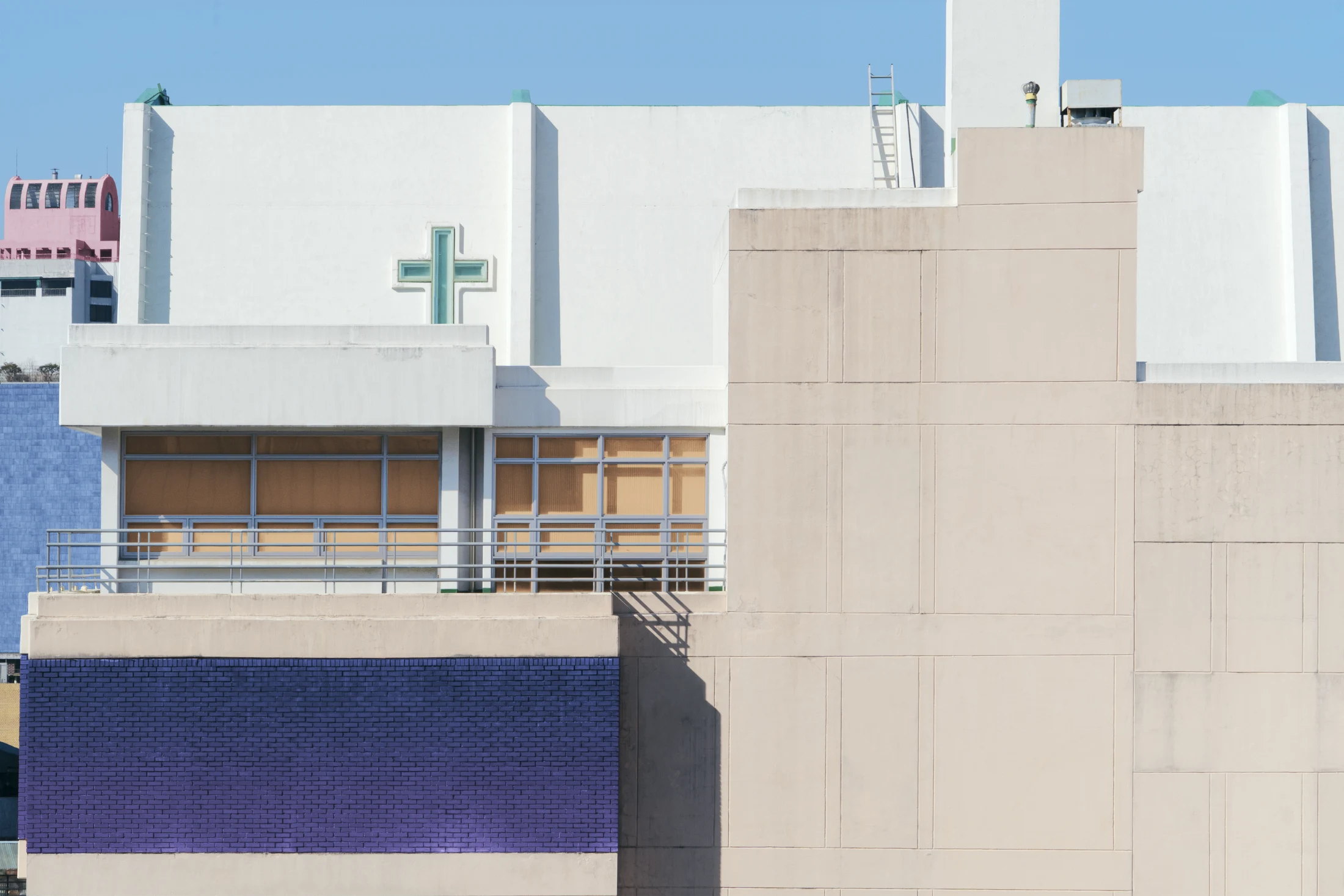
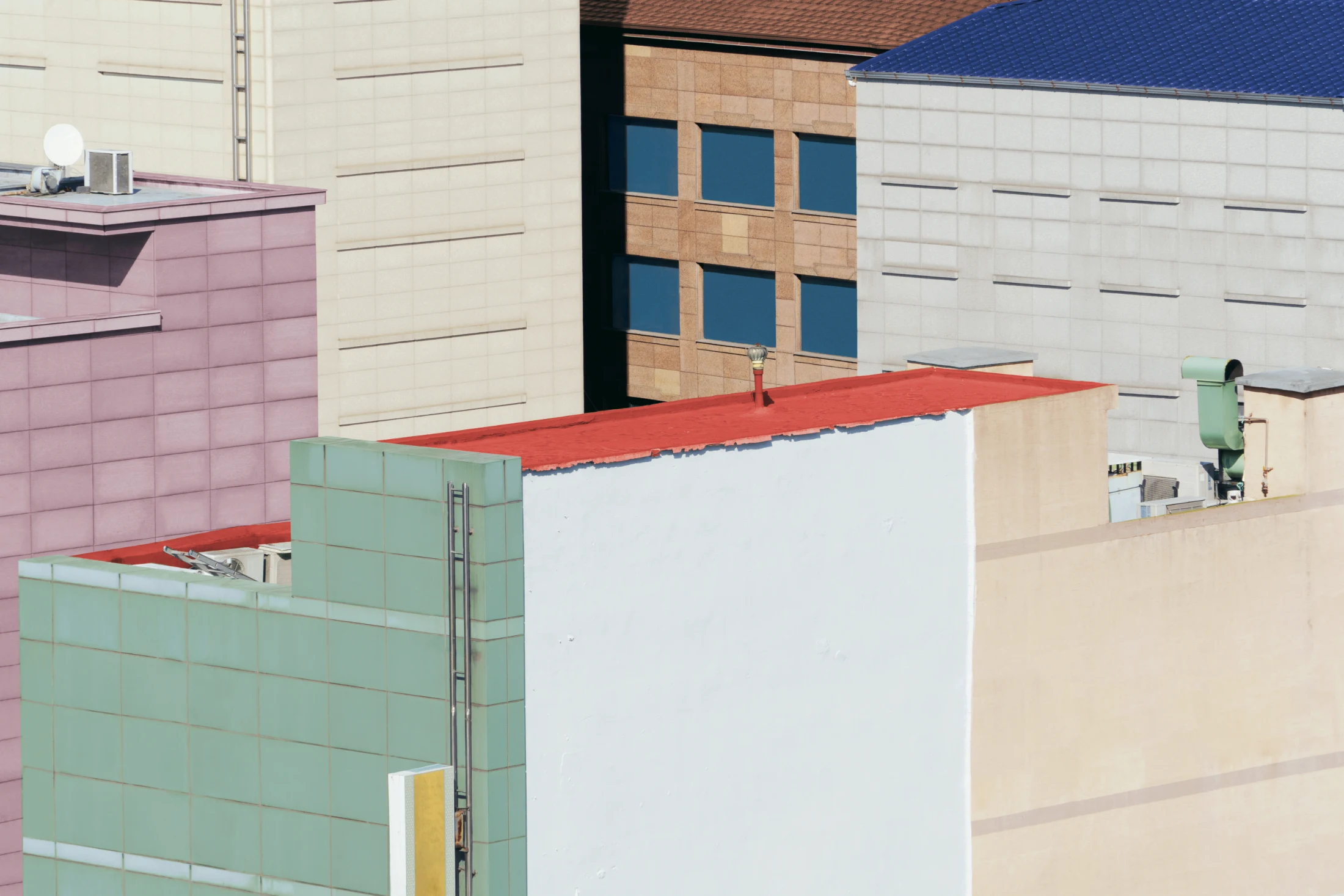
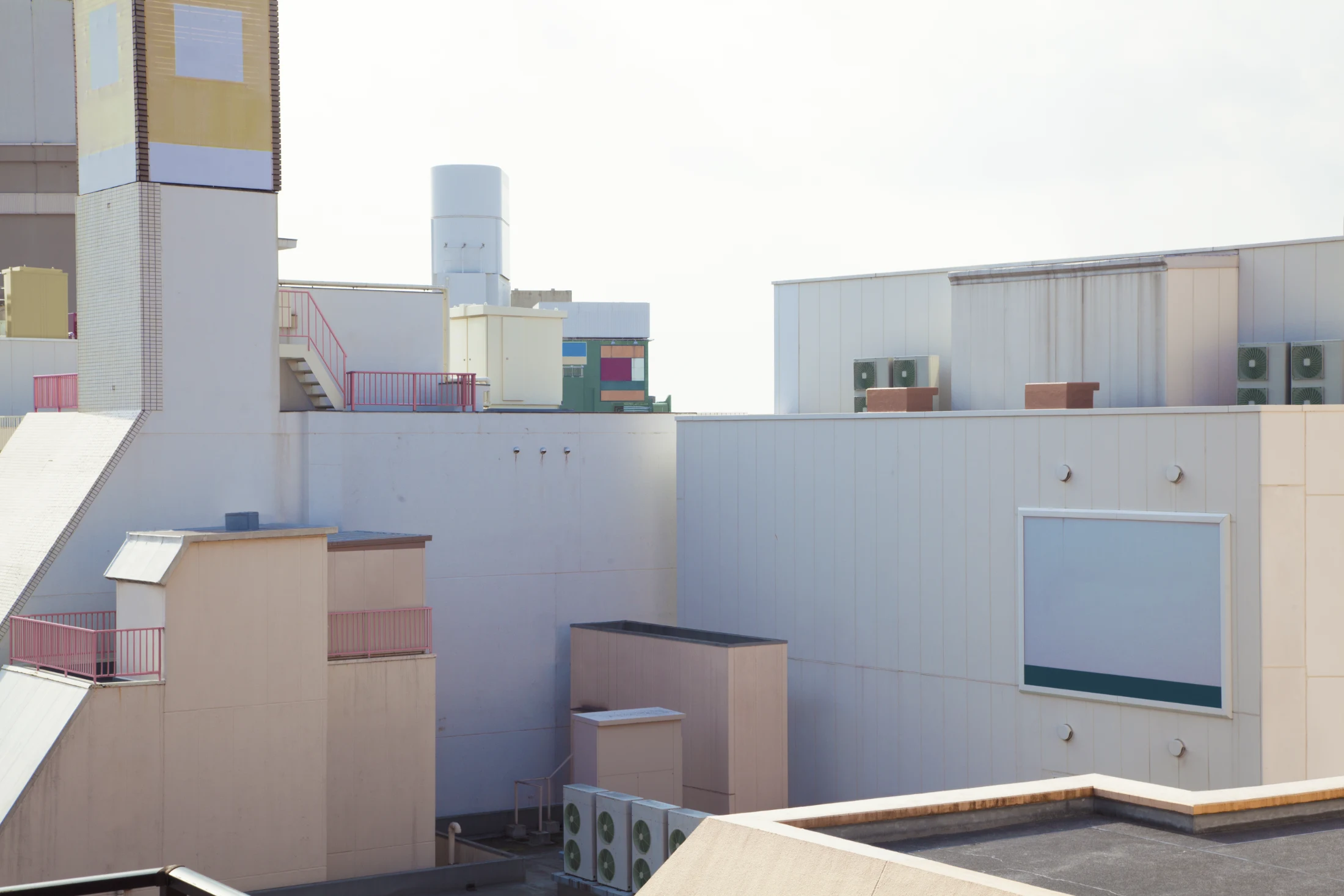
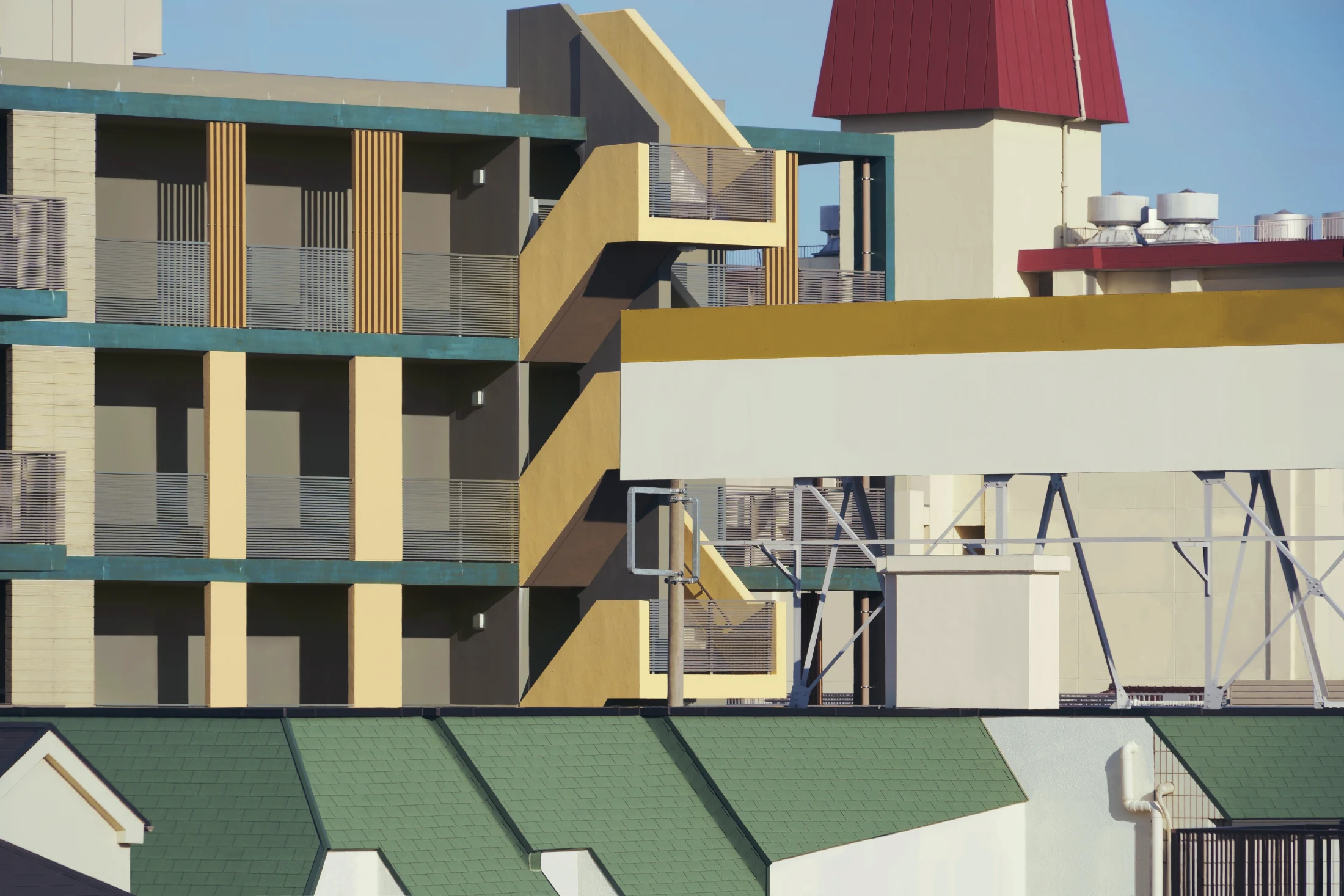
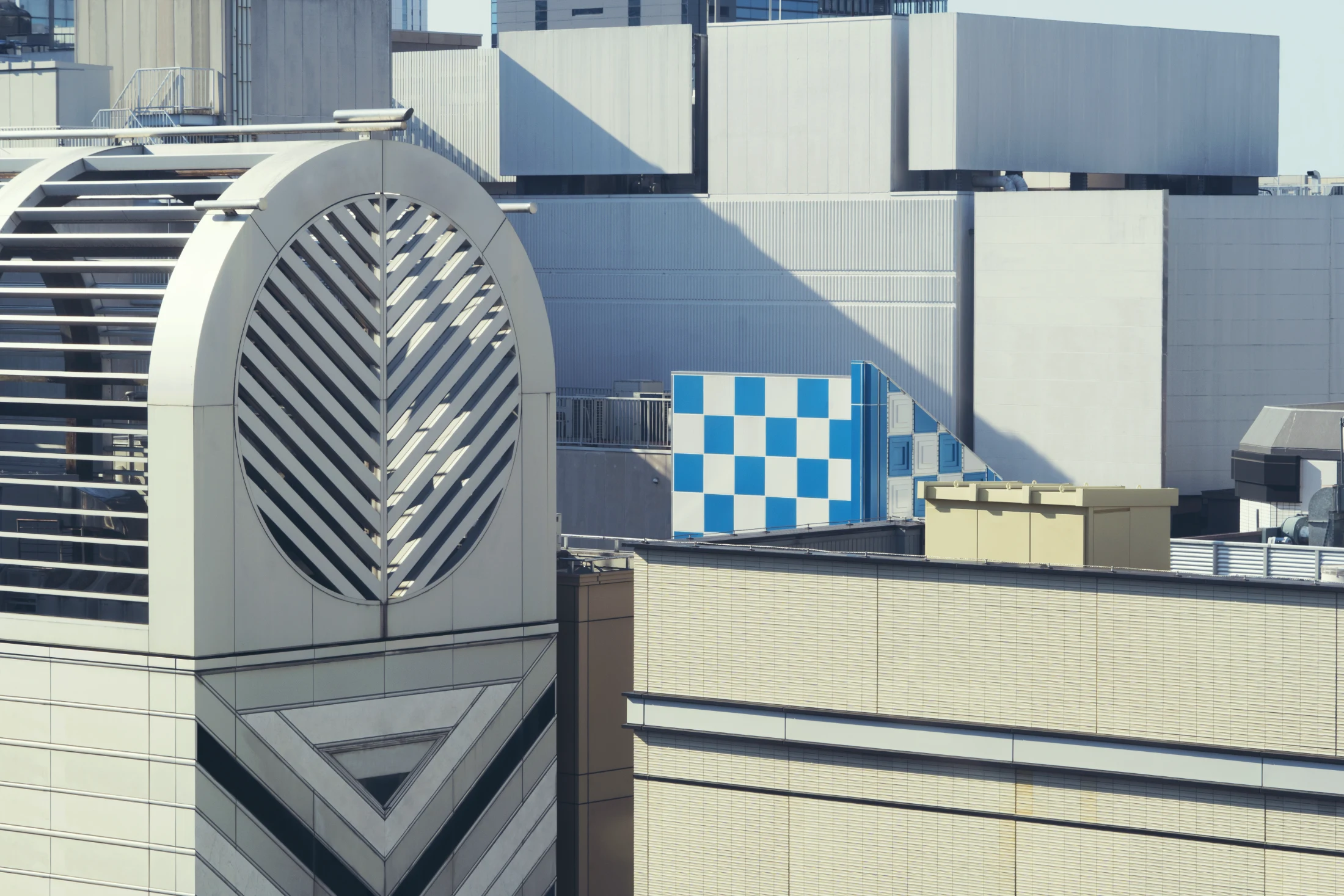
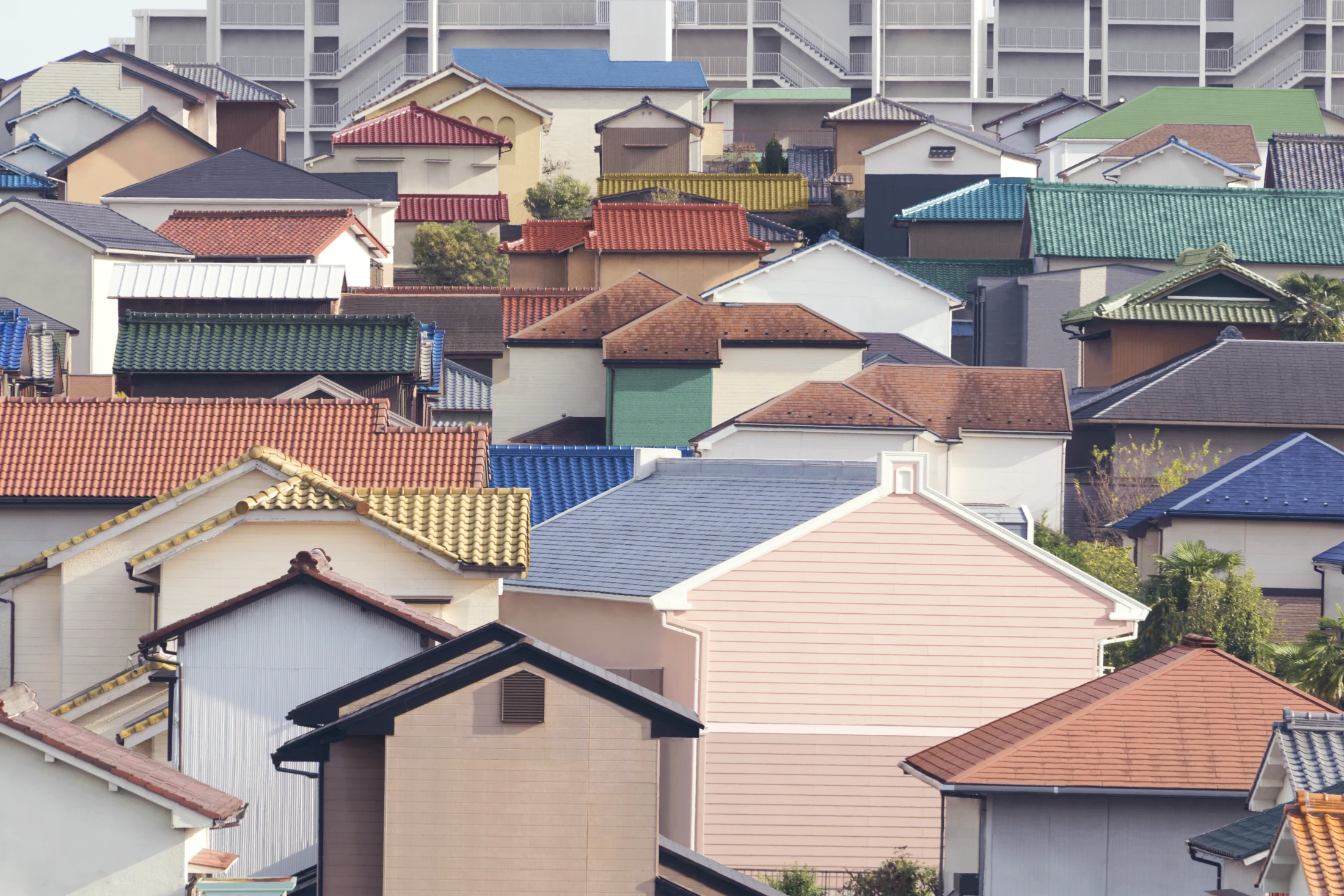
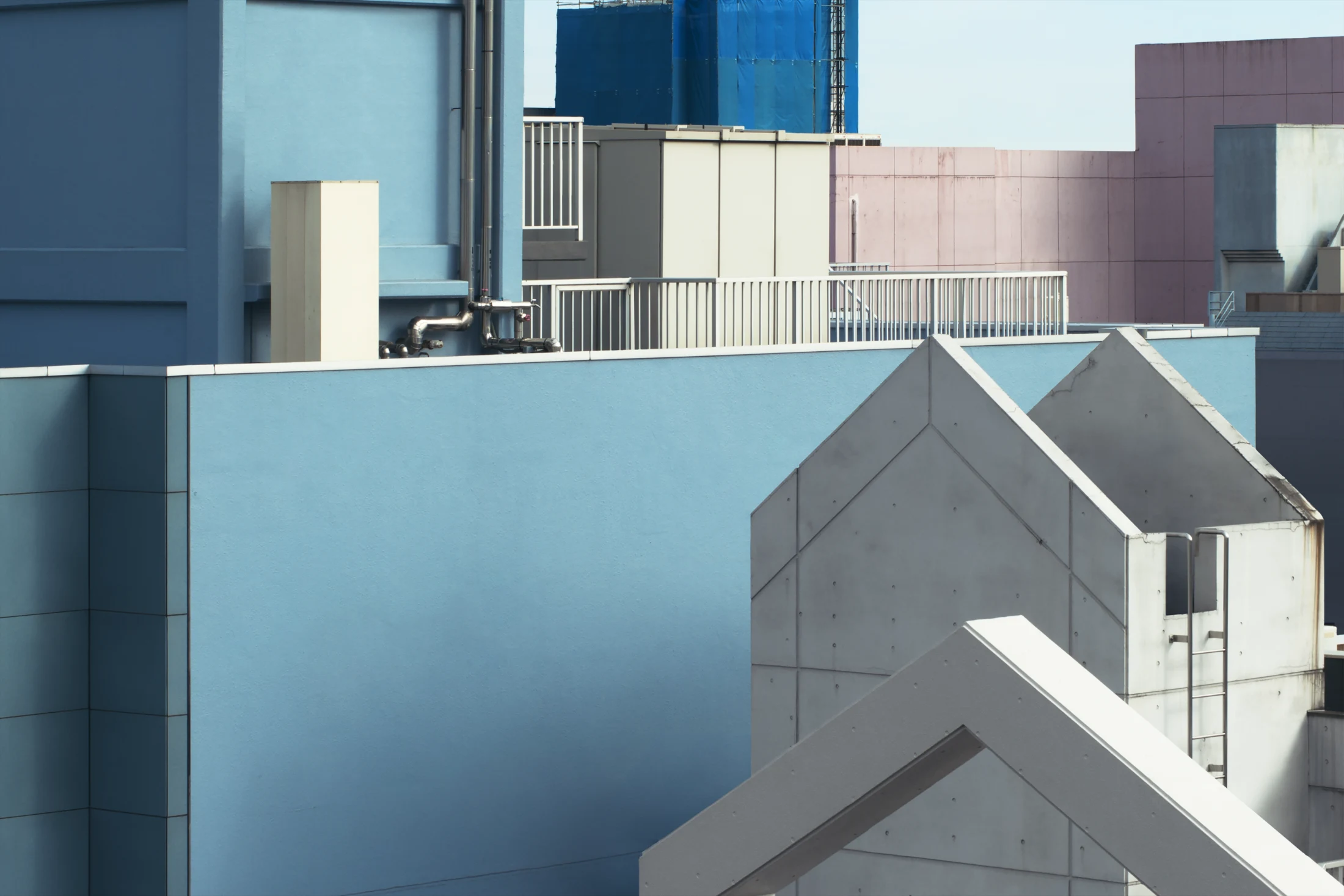
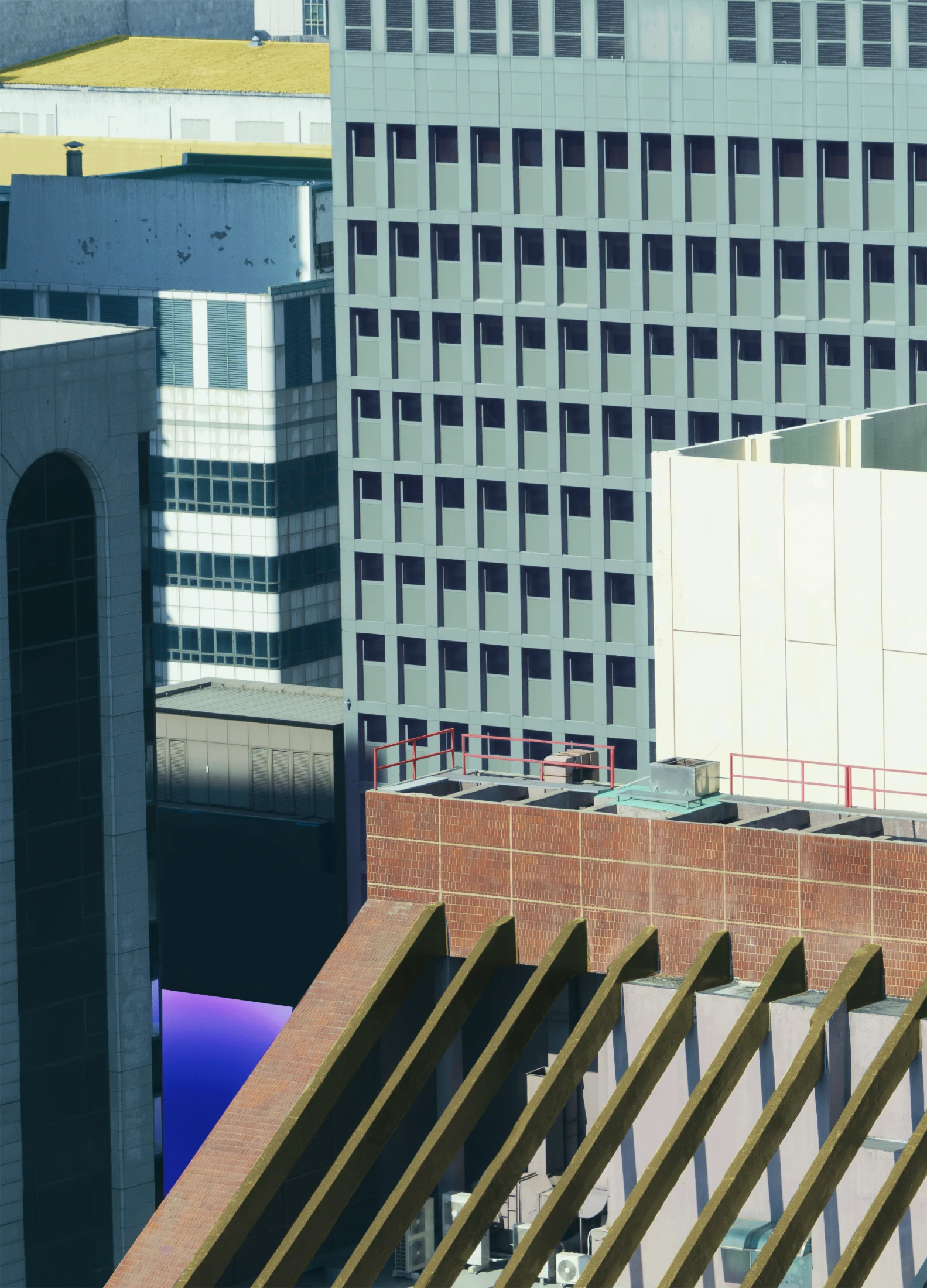
Artist Rumi Ando uses her photographic series of pastel-coloured dream-like cityscapes, stripped of their urban noise, to understand and rehabilitate her relationship with her home city of Tokyo.

Rumi Ando’s imaginary Tokyo is at once utopian and dystopian. The Japanese photographer and retoucher has made a name for herself by creating “nude” visions of Tokyo – stripping away all the so-called social symbols that have come to define the city’s identity. Her photography reflects a determined struggle to find calm in her overcrowded city while also grappling with some of its fundamental flaws. We meet with Rumi to learn more about her tense relationship with Tokyo, and how and why she felt the need to undress the city as a means of making peace with it.

Nagisa Nasu
Writing:
Writing:
Nagisa Nasu
Photography:
Photography:
Rumi Ando
No items found.
Magazine Current IssueMagazine Current Issue
The After shot of the Floorplan
Before
before
after
After
Top
Arrow UpArrow Up

How did your TOKYO NUDE series come to be?

When I first moved to Tokyo from my hometown, Okayama, I felt a sense of stagnation in the city. Even though Tokyo is full of people and information, I felt like I had no place to belong, and my negative image of Tokyo kept growing. Looking back now, the desire to change that situation was the beginning of TOKYO NUDE.

At first, I started going out into the city to take photos. I felt a sense of comfort in places like Ueno around sunset when there was nobody around. Moments like that made me feel that Tokyo was showing me its true self, and I honestly liked it. Also, having a personal purpose of going out into the city for photography gradually reduced my feelings of discomfort toward Tokyo.

What made you start retouching and altering your cityscape photos?

At that time, I was working at a company retouching photos. One day, I received a request to “remove all the telephone poles in the photo.” While focusing on that task, I realised that organising a cityscape through retouching was really interesting. Also, I’m the type of person who prefers to take time to carefully create my work rather than just capture a decisive moment, so I thought retouching the photos I had taken myself would be worth exploring.

You remove signage, windows and outdoor air conditioning units from your city scenes. What’s your intention in erasing these elements?

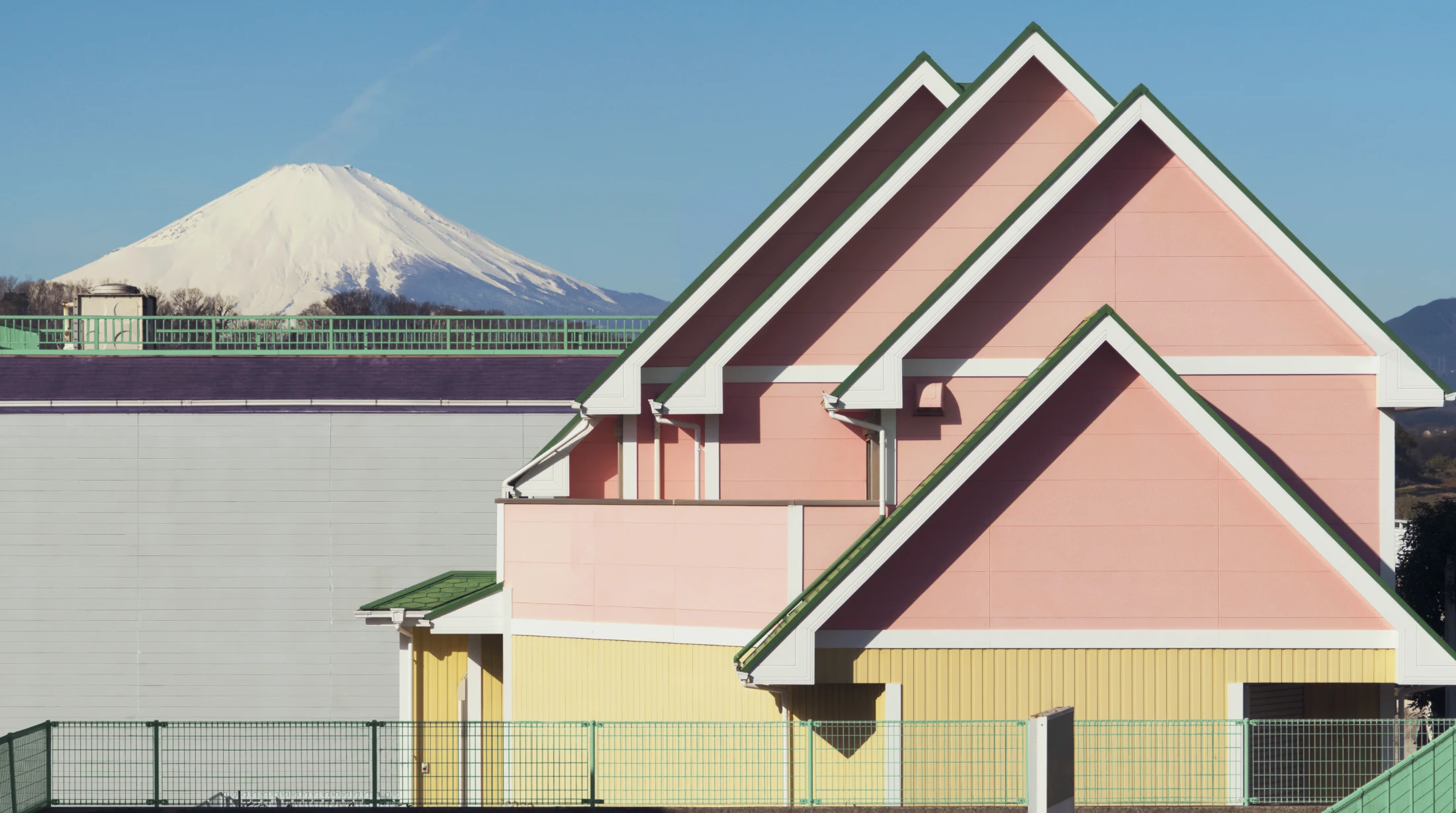
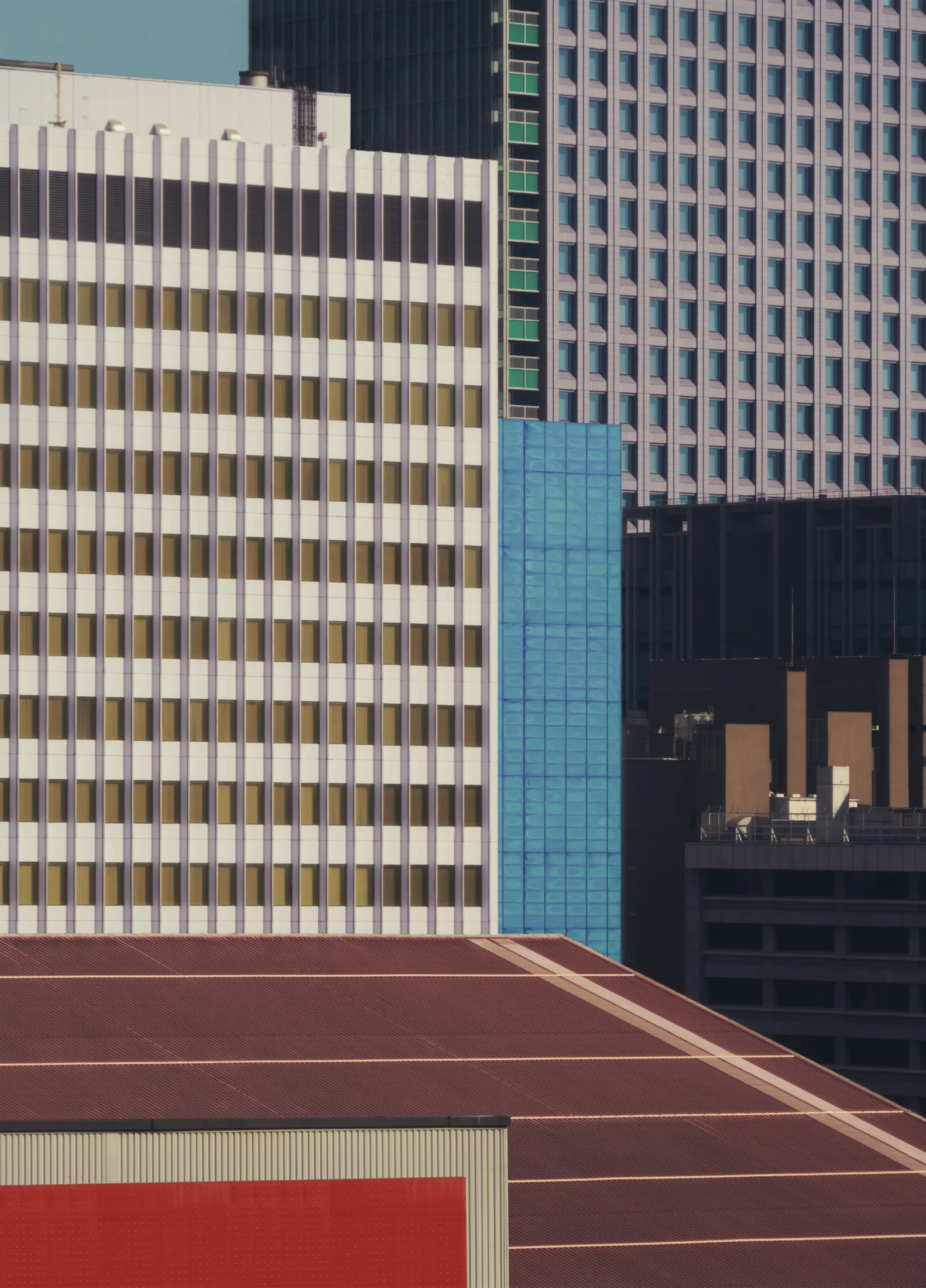
As I retouched images, I removed what I thought was ‘noise’ in the landscape, only to realise it was ‘social symbols’ like signs and outdoor air conditioning units. I believe Tokyo is an exceptionally dense, unique place where countless elements intermingle. Stripping away all these ‘social symbols’ from this information-saturated city reveals a form liberated from the roles the city had been burdened with. That new ‘unforced’ form of Tokyo felt incredibly comfortable to me.

Does that sense of comfort with a quieter urban landscape relate to your relationship with your hometown, Okayama?

Not really. A significant influence on me came from when I was 12 years old. When I was in the sixth grade, there was a period when I stopped going to school. I didn’t have any particular reason; I just didn’t feel like going, so I stayed home. At first, it was very fun and I felt a great sense of freedom. After a few months, however, the feeling of guilt began to outweigh the enjoyment. Yet the sensation I felt at that time – being free from the ‘social symbol’ of being an elementary school student – had its own unique sweetness. It was a strange feeling where my mind was a little foggy, yet my senses seemed unusually sharp. I still treasure that feeling, and it has become the motivation behind my creative work. I think the reason I remove social symbols from the city in TOKYO NUDE may be because I want to express, through my work, those feelings I experienced at that time.
How do you decide how much to edit in a photo?

I’m careful not to make it just a collage of photos, so I try to respect the city’s spontaneous charm and unique ‘poses’. For example, I avoid changing the positions or number of buildings too much. I try to capture the city’s mood while creating a balance that feels comfortable to me.

What drives your decision making in relation to colour?

I choose the colours entirely by feel and strive to create a ‘dreamlike’ atmosphere. The first time I retouched a Tokyo landscape, it ended up looking like a dystopia. That scene felt a little frightening and made me feel anxious, so I wanted to bring some relief by adjusting the colours to something more appealing. I create while recalling faint traces of pleasant scenes that linger softly in my mind, or streets I’ve seen in dreams.

Along with colour, composition is such a striking element of your work. What influences do you draw on when it comes to composition?

I originally wanted to be a painter, so I spent my student years drawing constantly. I also experimented with collage on the recommendation of a teacher at prep school. That is when I learned about compositions that feel right to me and how viewers move their eyes across a work, and I think I’ve been able to incorporate that unconsciously into my own pieces.

I was also greatly influenced by Japanese painting. The pan-focus and composition in my work are inspired by Katsushika Hokusai’s Thirty-six Views of Mount Fuji.

What’s next for you and your work? Are you working on anything new that you’re able to share?

I’m not the type to start from theory, so I think I will continue making works based on whatever interests me at the time. Right now, I’m thinking it would be interesting to create an overseas version of TOKYO NUDE.

And as I mentioned earlier, I started making works to overcome my sense of discomfort with Tokyo. My sense of creating for myself hasn’t changed, but at the same time, I am conscious of the issues surrounding recent urban development in Tokyo. I don’t aim to comment on city problems through my work, but I do feel the desire to continue to record the city’s distorted yet unique landscape as much as possible through my creations.

rumiando.com

Writing:
Writing:
Nagisa Nasu
Photography:
Photography:
Rumi Ando
Back to Top
Arrow UpArrow Up
Top
Arrow UpArrow Up
The After shot of the Floorplan
Before
before
after
After
Businesses featured in this project
No items found.
Products featured in this project
No items found.
Magazine Current IssueMagazine Current Issue
Writing:
Rumi Ando
Writing:
Nagisa Nasu
Photography:
Photography:
Rumi Ando
Back to Top
Arrow UpArrow Up