Search


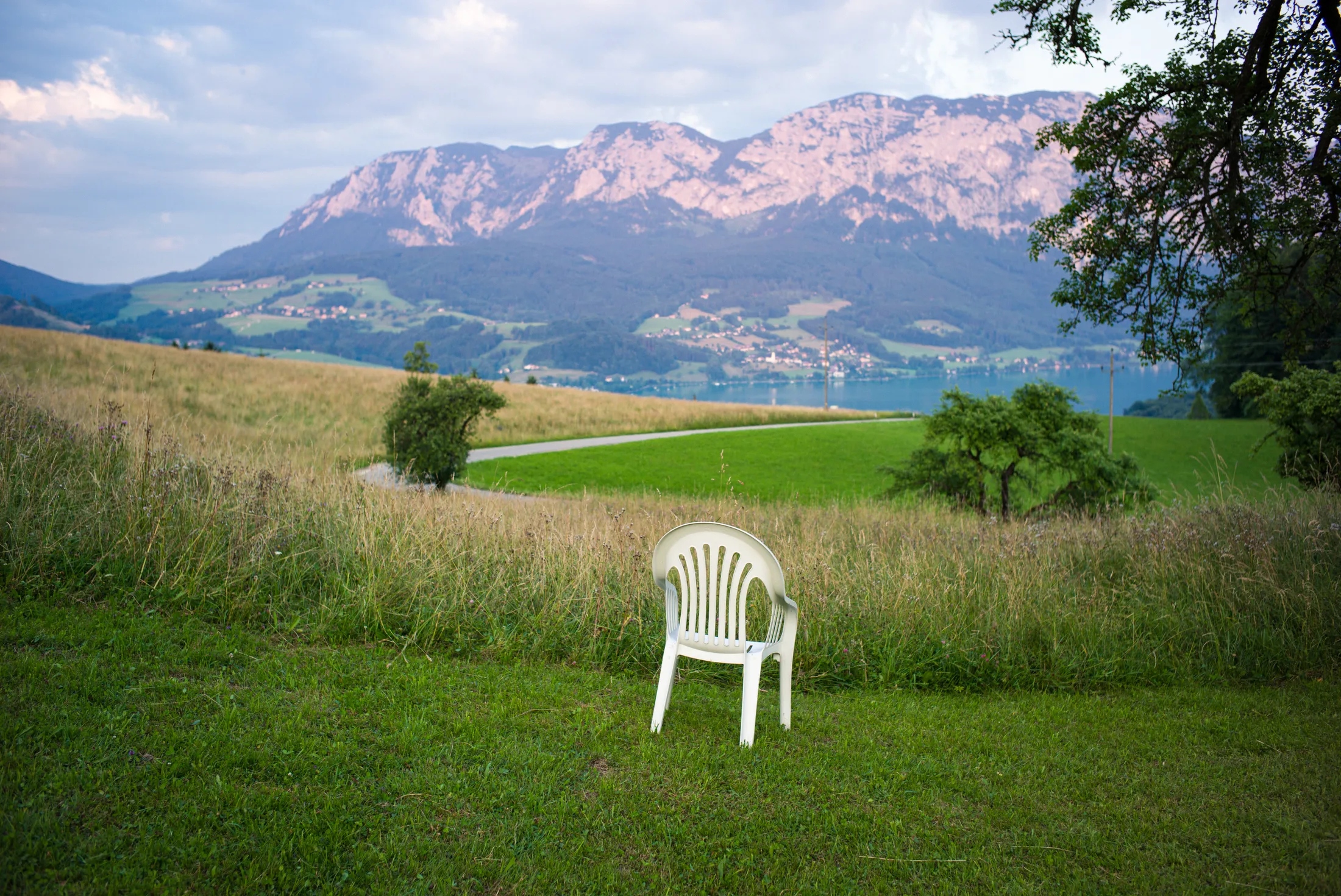
Photographer Jürgen Lindemann’s Monobloc series, capturing the ubiquitous chair around the globe, reveals the quiet celebrity of the humble Monobloc. We chat to Jürgen Lindemann to learn about the chair’s cultural significance and the Monobloc series’ appeal.


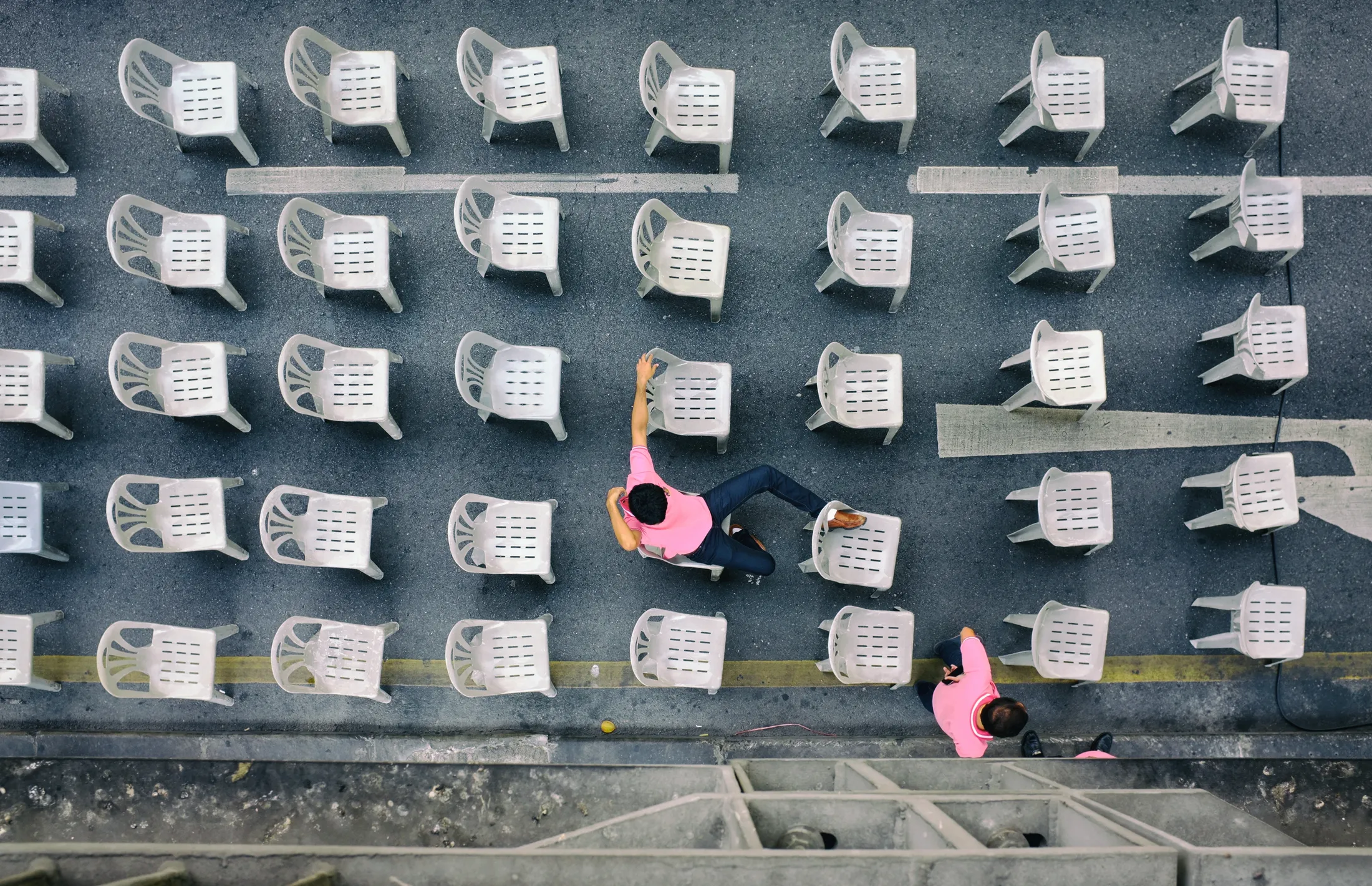
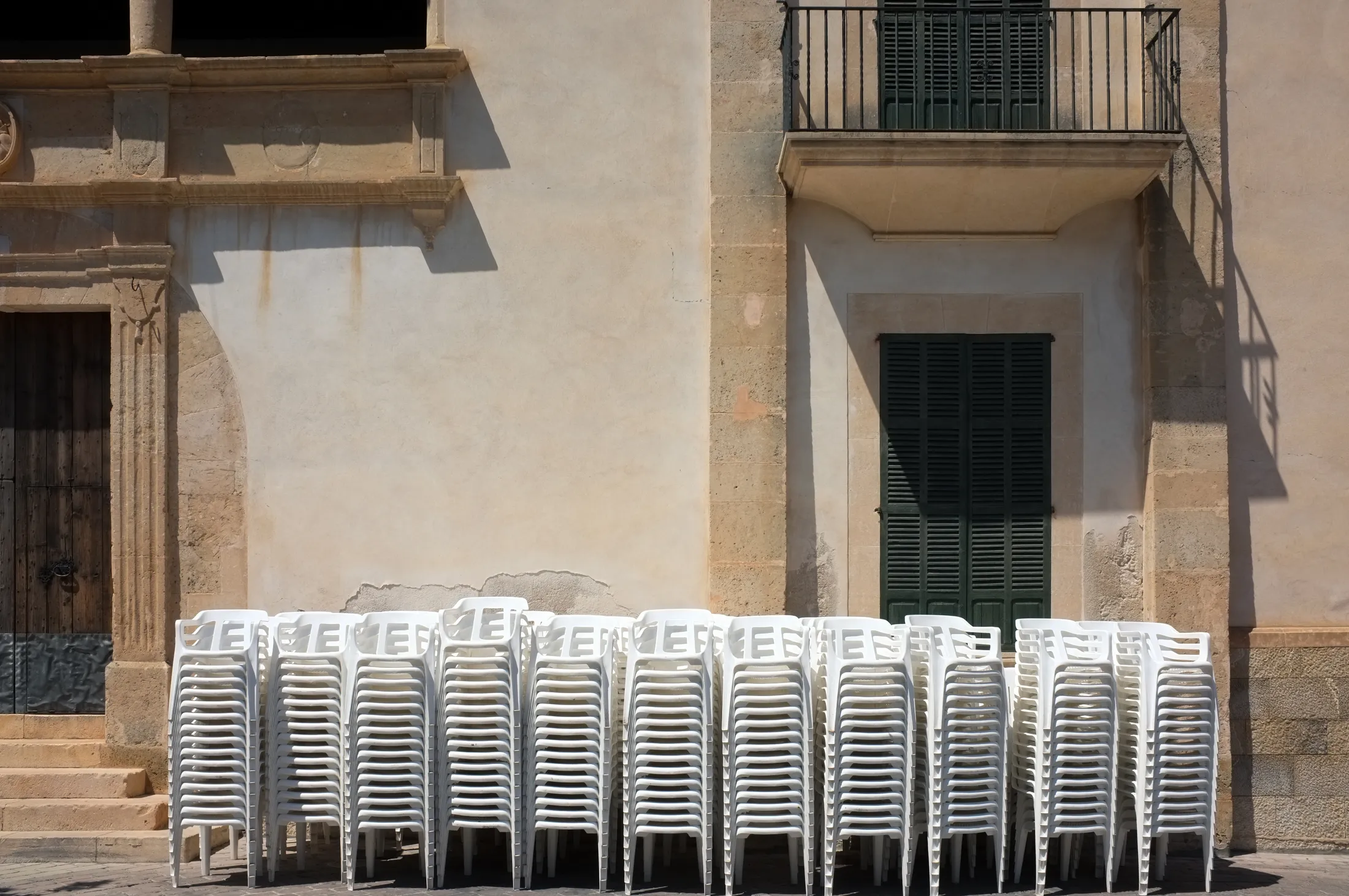


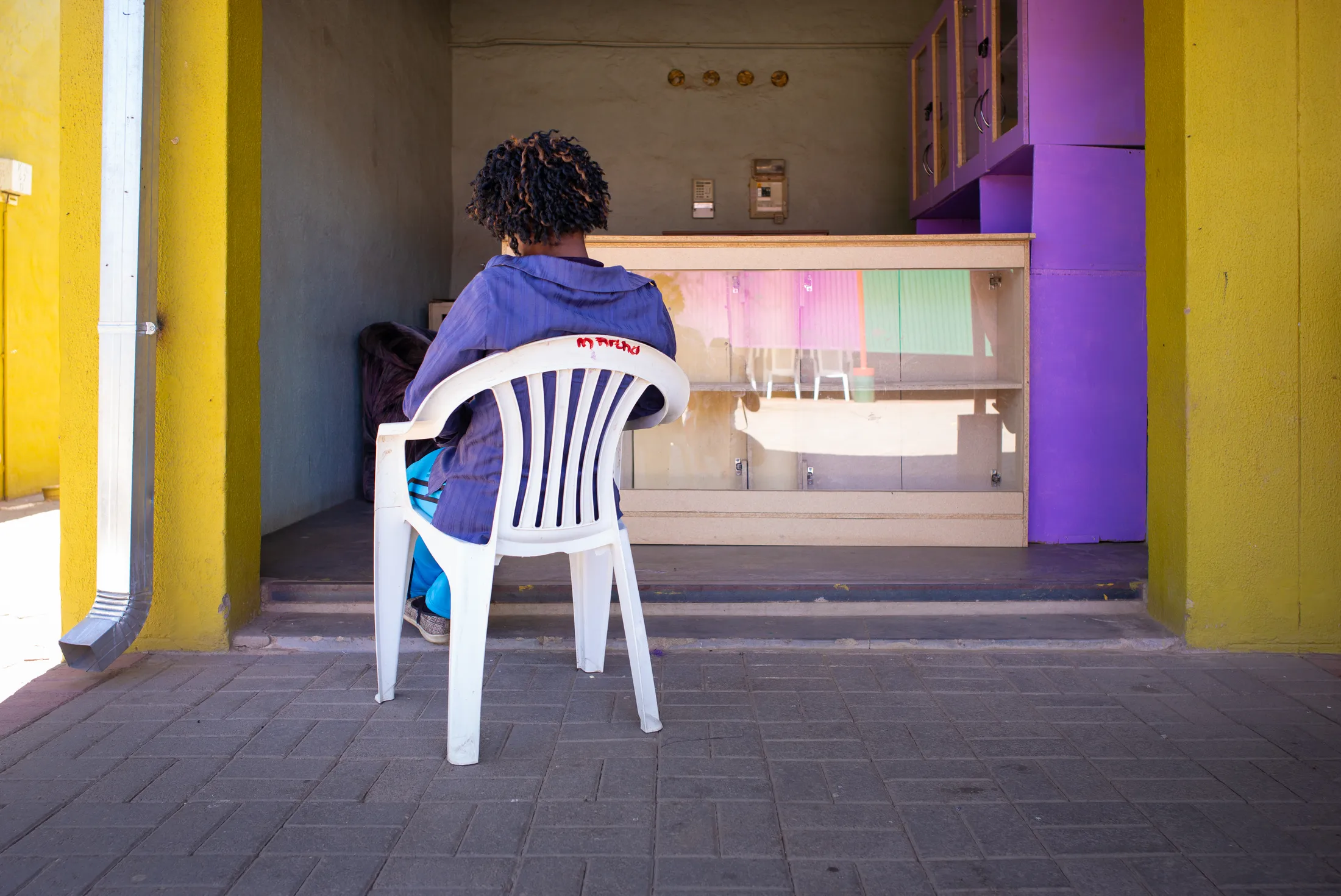

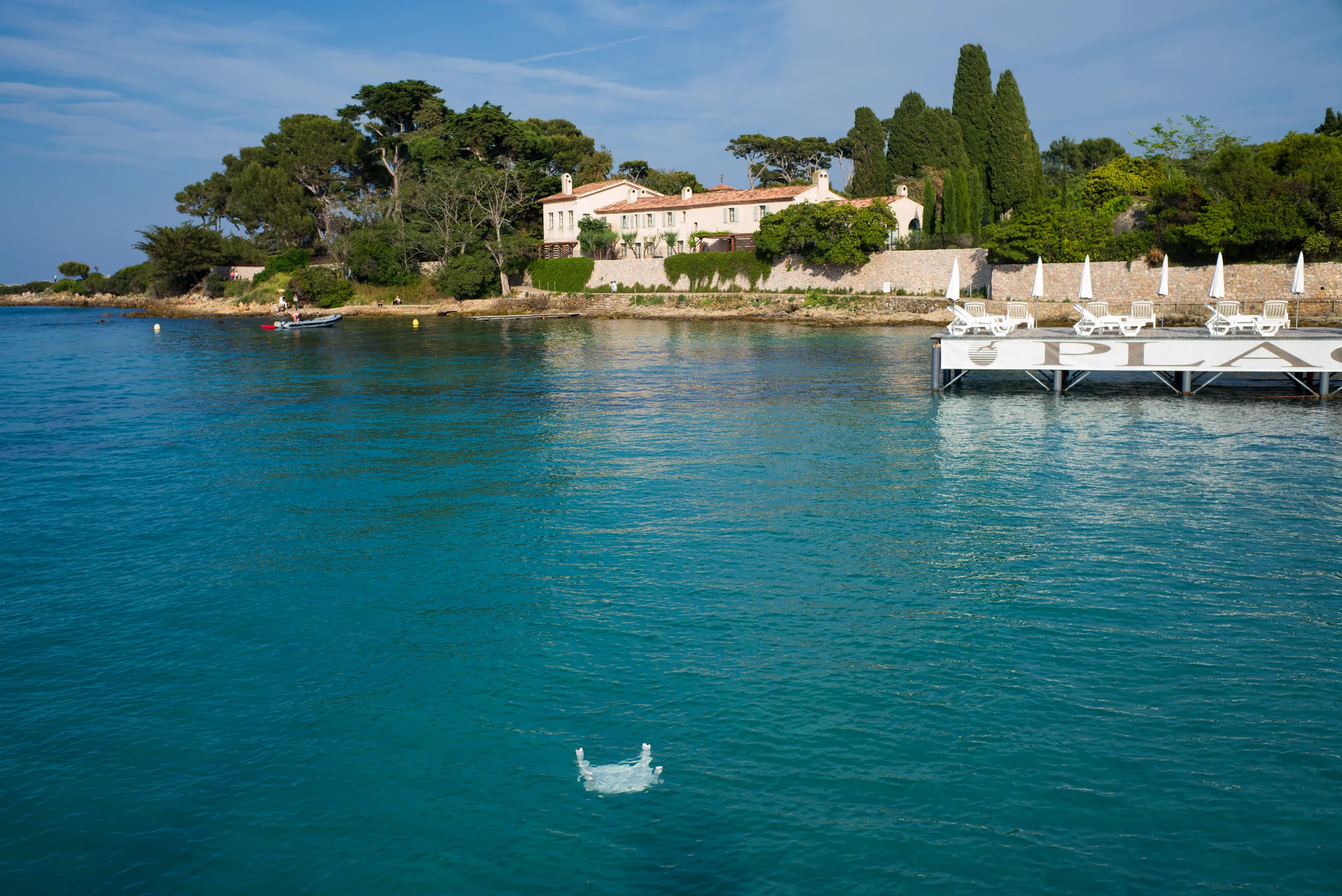
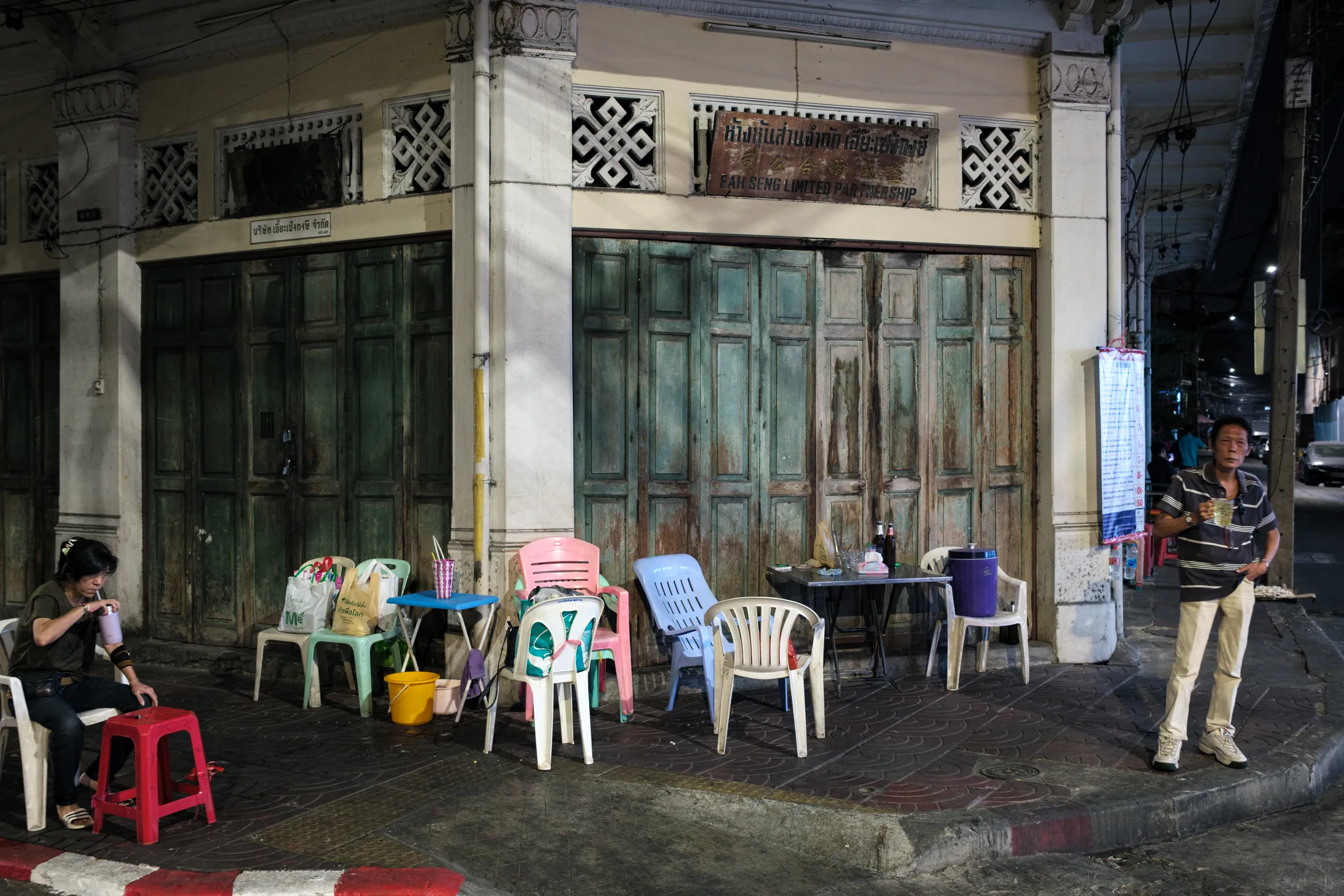
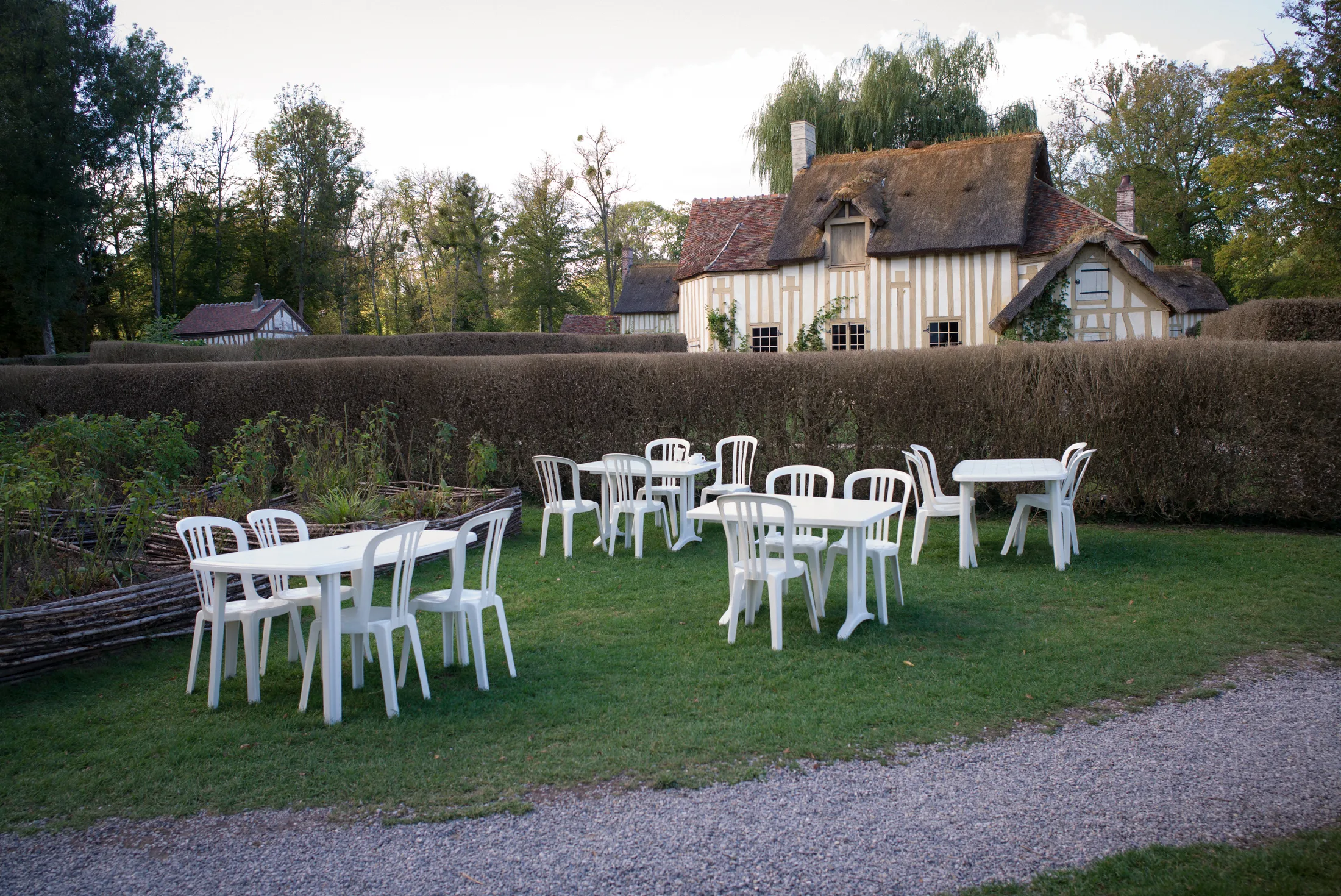
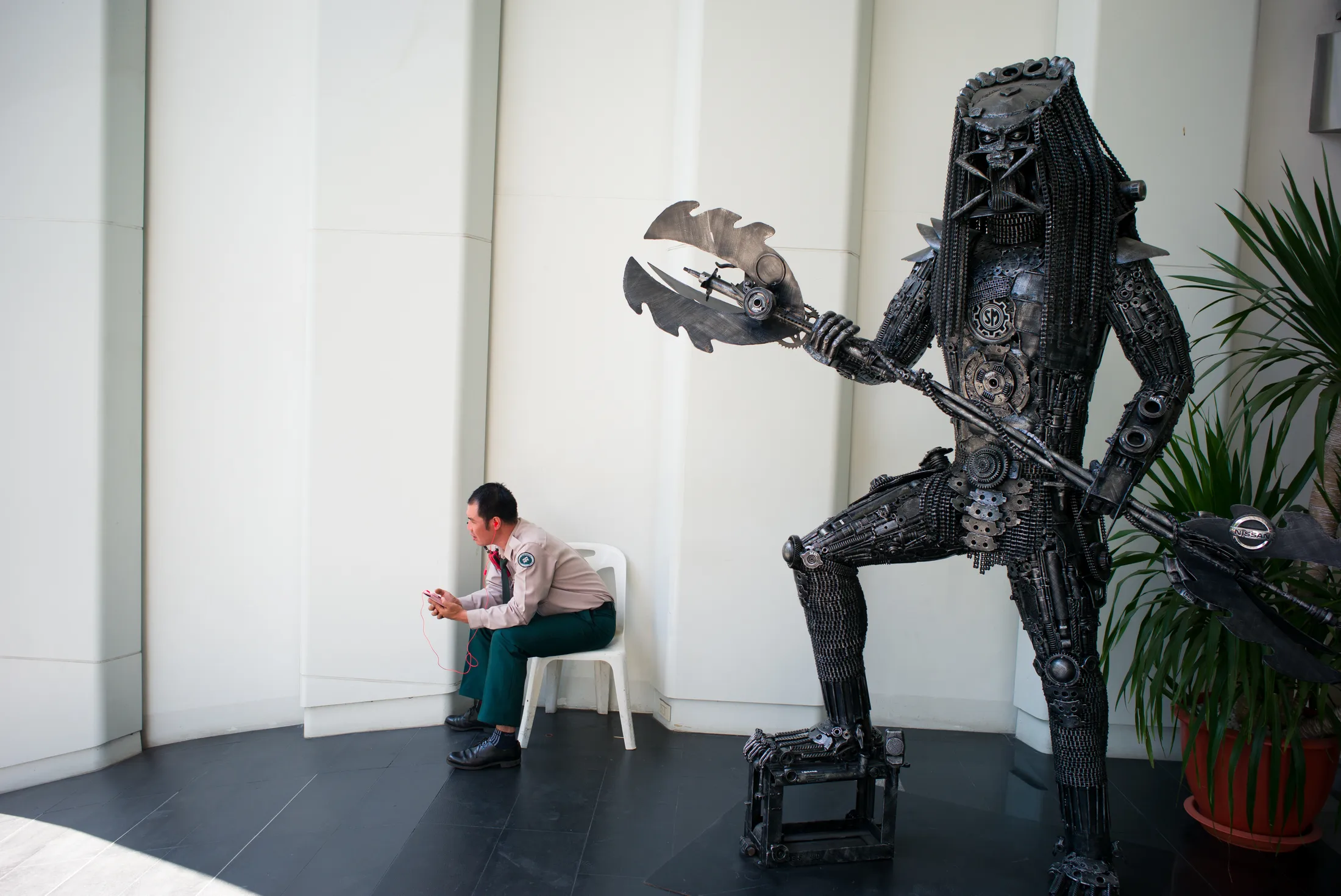

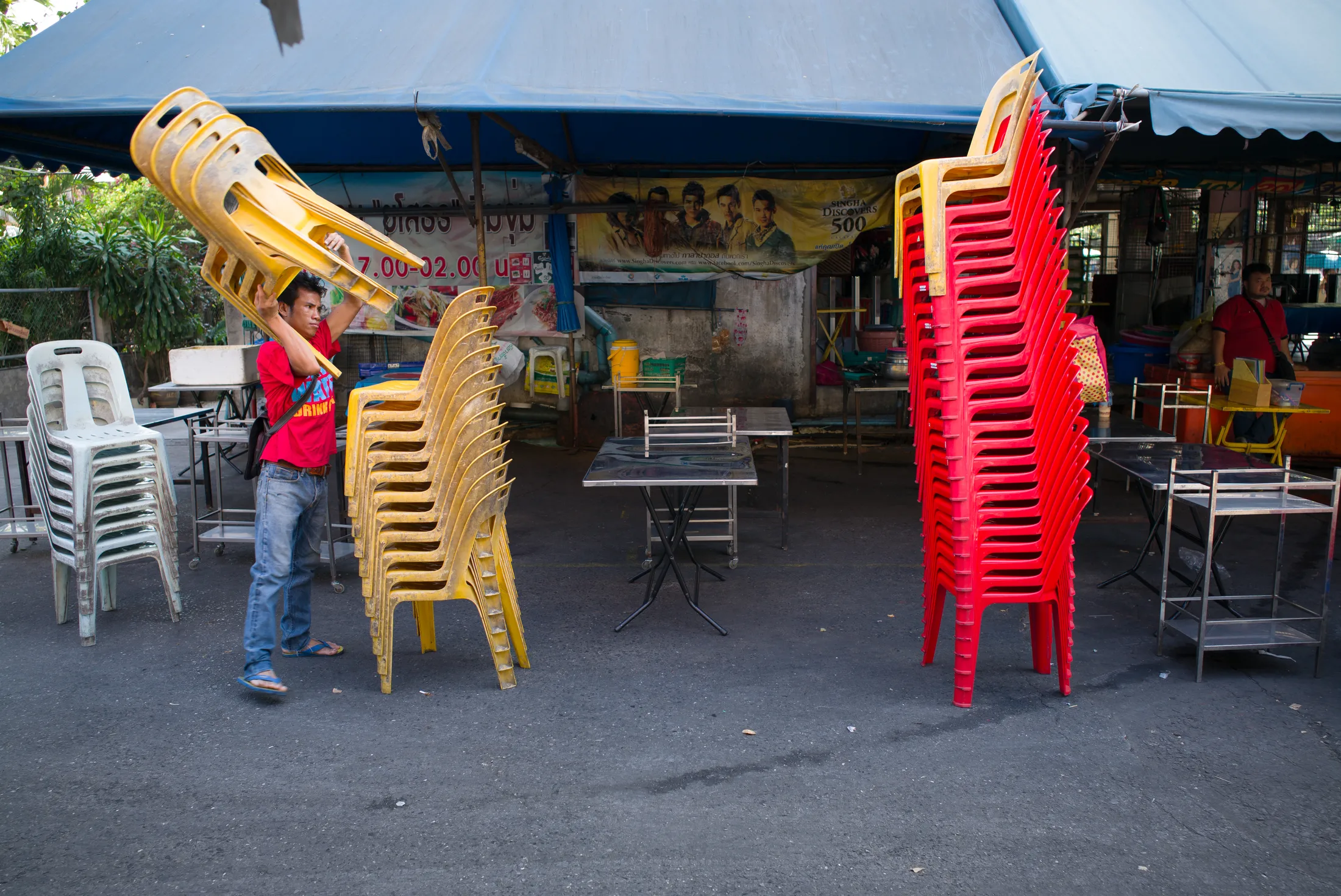
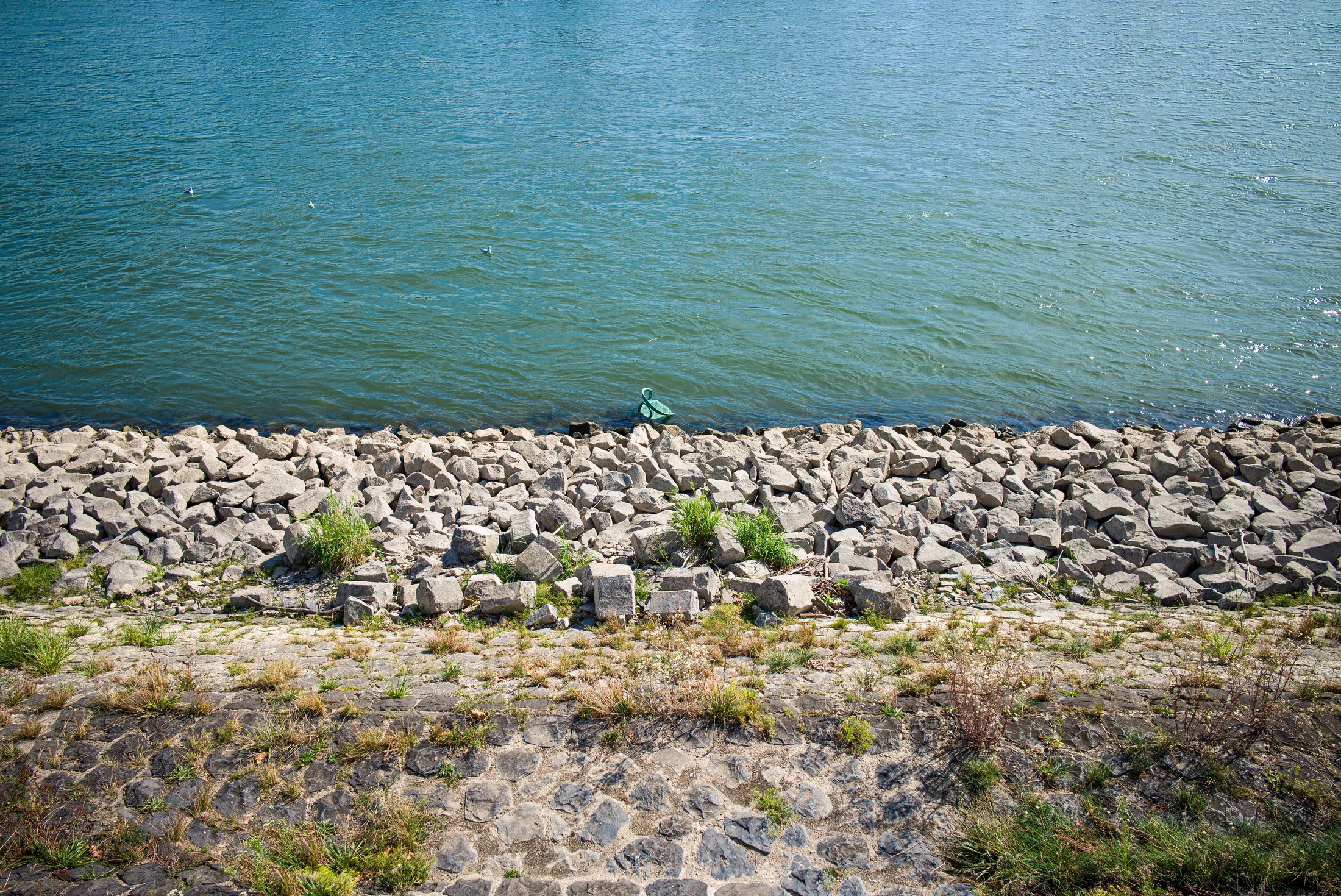
When looking through my photos, I noticed that the Monobloc appeared surprisingly often. In fact, I had practically overlooked it while photographing, even though it was sometimes standing right in the middle of the frame. And yet it is the chair with the most superlatives. For many people, it’s certainly the ugliest chair.
But the truly astonishing thing is this: although the Monobloc is everywhere, no one seems to really notice it. It’s estimated that there are more than one billion Monoblocs worldwide and around 20 million of them are thrown away every year. I wanted to show what nobody sees — to make the Monobloc visible.
And then there’s the important question: is mass production a problem or a blessing?
One thing is certain: my friends still send me photos of plastic chairs from their holidays, proudly telling me they’ve found one. Once you’ve noticed one, it’s like a virus.
Yes, of course. By now I can spot them from 100 kilometres away — it’s just a matter of practice. And since they can be found almost everywhere, for me it’s always about whether it’s photogenic and has something to say. You don’t come across that very often — but when you do, it’s great.
What surprised me most were the haute couture shows in Paris. Here, a single outfit can cost more than 100,000 euros — it’s the crown of the fashion industry. And then backstage, where the models are getting dressed and made up, I suddenly noticed that everyone was sitting on plastic chairs. That really astonished me. It was a very famous fashion house, and even world-famous stars sat on these chairs after the show and chatted with the designer.
That surprised me as well. The theme didn’t seem to fit there at all. But afterwards, it turned out to be their most successful exhibition — in terms of visitor numbers and media response. Even the main national news broadcasts reported on it. It was a huge success. I didn’t want to ask how they discovered me; after all, there was only one person documenting plastic chairs.
I now think more in terms of projects and phenomena. A single photo — no matter how beautiful — is basically useless. You look at it and forget it. I believe something needs to happen in the mind, a kind of “ah – wow, I’ve never heard that before,” or “I’ve never seen it like this.” It has to inspire reflection. My newer works build on that.
-
As featured in Issue 7 of our magazine!
Purchase a copy of Issue 7 https://www.nts-store.com
Subscribe to our NTS Sub Club https://www.nts-store.com/collections/subscribe