How do you pick the bulbs?
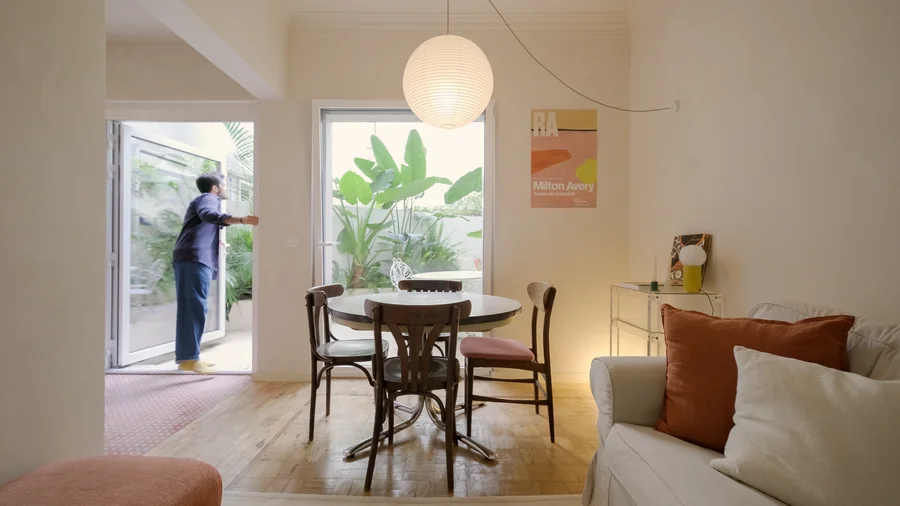
Rory: A basic thing to think about is the colour temperature. For a home, don't go above 2700K, because it starts to give a harsh, sterile blue light that doesn't feel cosy.
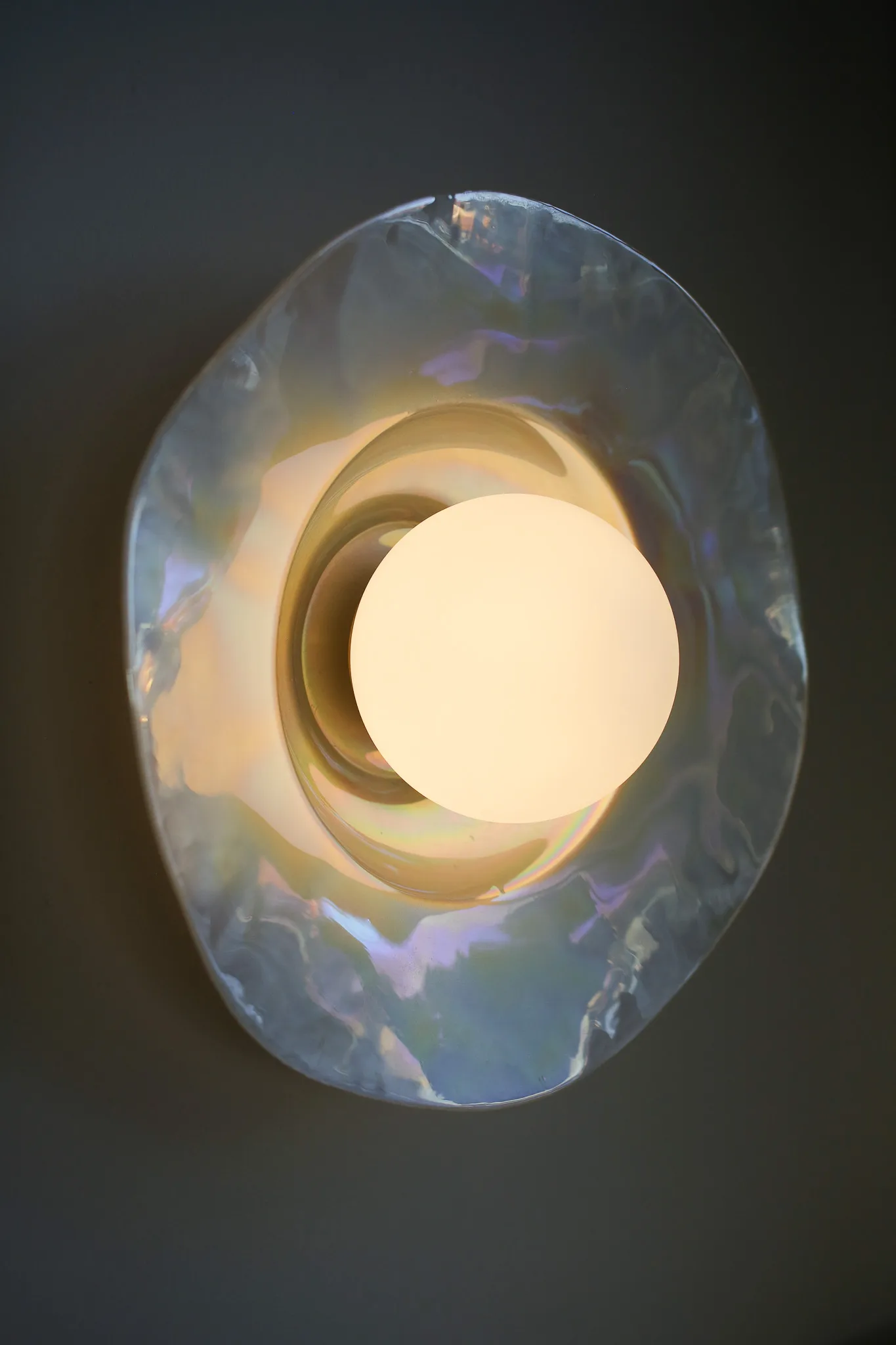
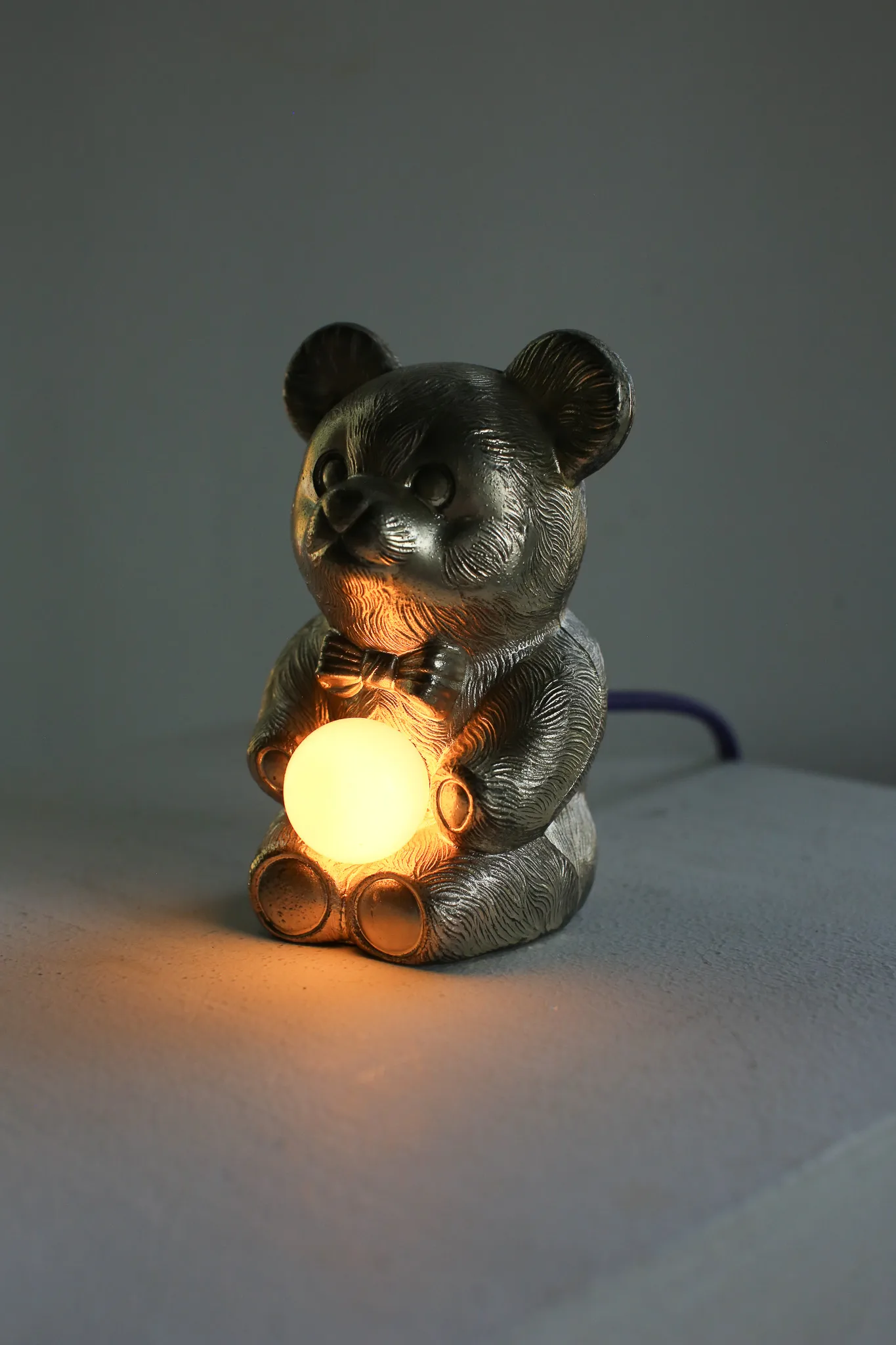
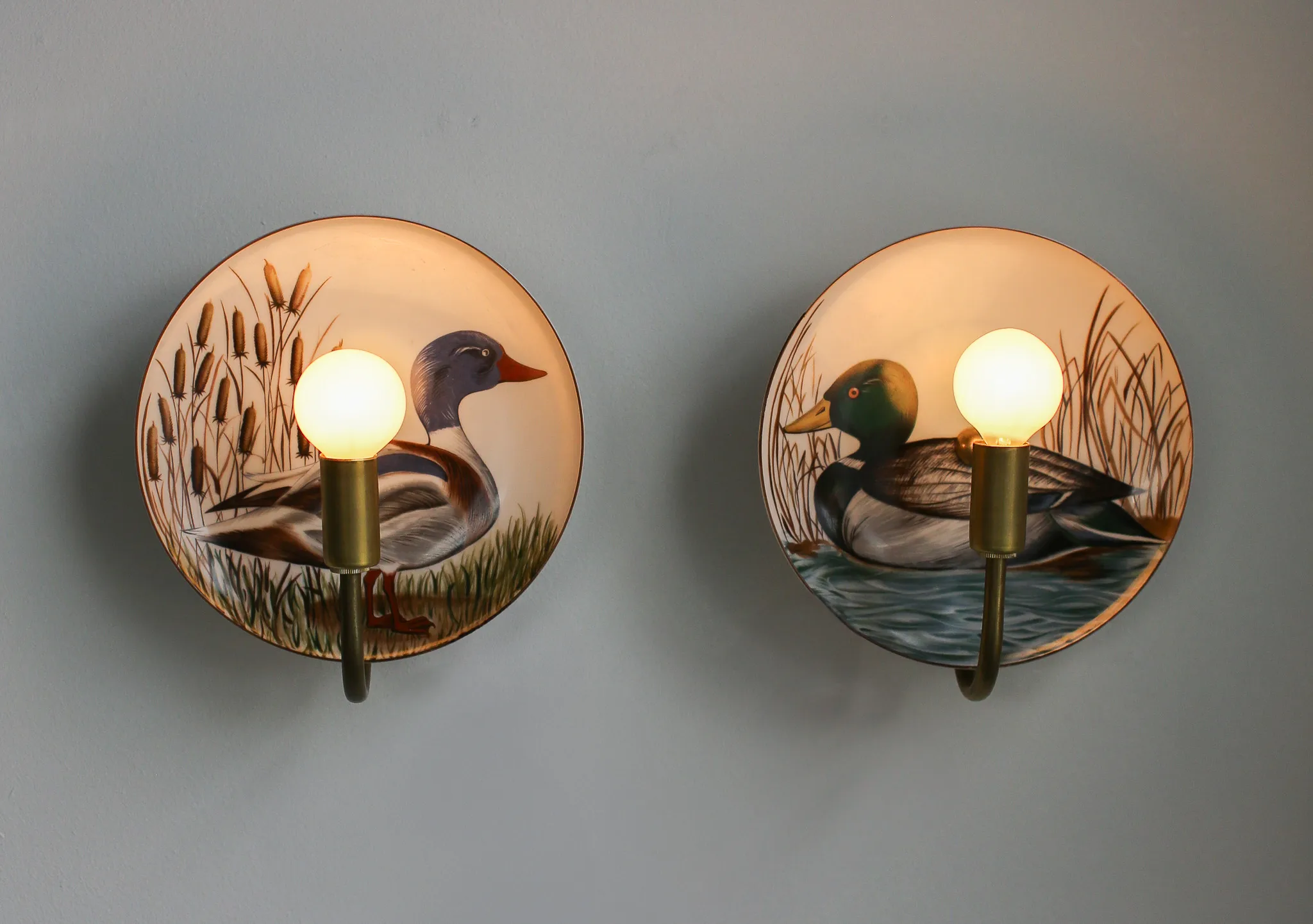
In terms of shape, we have this ongoing joke where we always say: “put a globe on it!” – we think everything looks better with a beautiful, frosted globe on top. We challenge ourselves to find other options but people do love the globe… It's funny, we get comments of "I wish you'd do something else,” so, we will for 10 episodes. Then, when we go back to a globe, people lose their minds!
So a tip for those starting out in DIY lighting is “put a globe on it”?
Rory: Yes! We’re actually doing some workshops soon teaching people how to make a globe table lamp.
That’s based on an early episode with a lamp made by stacking three green bowls, right?
Clay: Yes, we feel that design is really fun and approachable. Everybody has bowls or can find them in thrift stores.
What should people look out for when thrifting an object to turn into a lamp?
Clay: The sky's the limit in terms of what to choose. For me, it’s not so much about looking for specific forms or types of objects but about considering if something's good quality, well-made or a cool antique.
Sometimes I look for things with little brass or chrome accents so lamp parts can be easily matched. Getting in with your local thrift store employees is definitely another recommendation – they'll save stuff for you.
Rory: Candle holders really lend themselves to making a lighting fixture as they’re ripe-and-ready for bulbs or globes. You can also look out for things that already resemble lamp parts, for example flipping a brioche tin over because it looks like a shade.
Once you’ve got an object, what’s the most useful tool to have to hand?
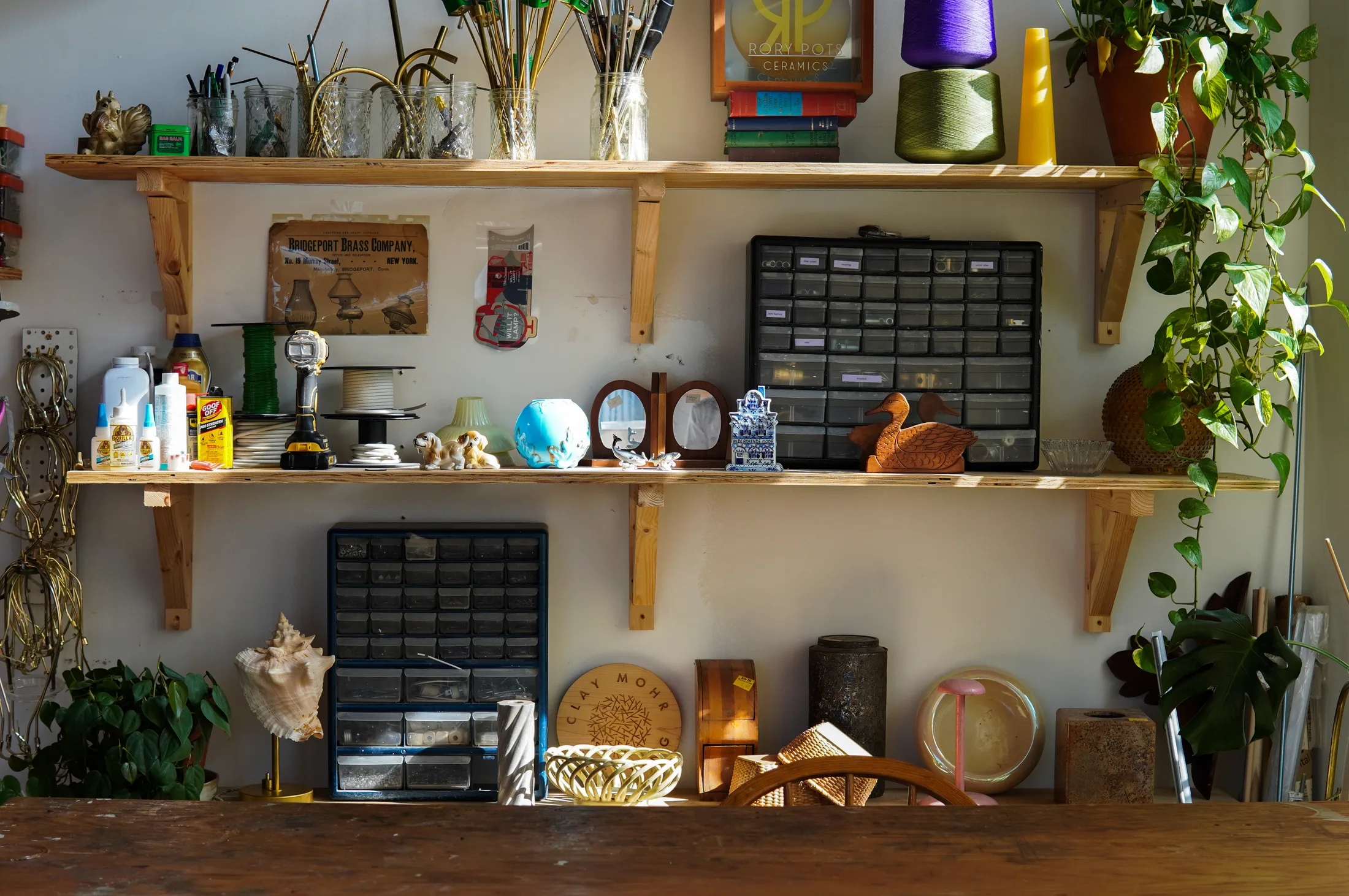
Clay: Your toolkit with good, sharp tools is the most important element on your lamping journey. A solid pair of wire strippers – totally transformative!
Rory: There are four or five tools that you really need for basic wiring to lamp anything. Then there's the bigger stuff – a small drill press for making straight holes is amazing.
What’s the single piece of advice you’d give to someone who wants to try out their hand at making a lamp?
Rory: Start with the basics. Learn how to wire a standard socket for a table lamp. Then, attach the socket to an object – use glue if you want – and see how it lights up. Notice how the light interplays with the object itself. Then, just go for it!
Any suggestions for people looking to lamp in smaller homes?
Clay: When floor space is precious, putting things on the wall or finding different surfaces that you can adhere fixtures to can have such an amazing impact. They bring attention to things and can make spaces feel bigger.
Rory: We've made a lot of really cute little lamps – tiny baby lamps! For instance, we found two wooden candle holder arches and put different sized globes on them (“Put a globe on it!”). I’ve arranged them in little moments on my bookshelf. While they don't provide task lighting, they add an amazing feeling. That’s what is so powerful about lighting – it really changes your experience of a space. It’s welcoming, it's calming, it’s soothing.
For lamp-making tool tips, general entertainment, joy and much more, follow Rory and Clay on Instagram: @willitlamp_clayandrory
-
As featured in Issue 7 of our magazine!
Purchase a copy of Issue 7 https://www.nts-store.com
Subscribe to our NTS Sub Club https://www.nts-store.com/collections/subscribe