
Magazine Current IssueMagazine Current Issue
Threads Of A City
Threads Of A City
From our Mag
February 15, 2026

Threads Of A City

When you live in a small apartment, the humble laundromat is often just a necessary part of life. But maybe there are worse things? These democratic, nostalgic and cinematic wash houses might just be the cool new place to hang.

Wash, spin, rinse, spin. The humble public laundry has gone through several cycles since emerging from the cholera-ridden slums of 19th century Britain. But around 10 years ago, something happened that no-one saw coming: coin laundries suddenly became cool. From after-dark raves to fighting hygiene poverty, the modern laundromat is way more than a token gesture.

James Shackell
Writing:
Writing:
James Shackell
Photography:
Photography:
Magazine Current IssueMagazine Current Issue
The After shot of the Floorplan
Before
before
after
After
Top
Arrow UpArrow Up

When I was growing up, owning your own washer and dryer was considered, if not posh, then definitely posh-adjacent. Our laundry at home was a sort of semi-attached outhouse thing with no insulation, one rusty sink, and a tap which would cause the oxidised copper pipes to moan and shake. Like a cow in distress. 

So every Sunday mum would take my sister and me to our local coin laundry. It became a sort of ritual. We exchanged cash for pressed metal tokens, then helped mum load the week’s washing into machine drums so cavernous they could comfortably hold a six-year-old child (a fact I verified personally). This was 30-something years ago, so I was surprised to discover recently that communal laundries have not only stuck around – they’re making a well-deserved comeback. 

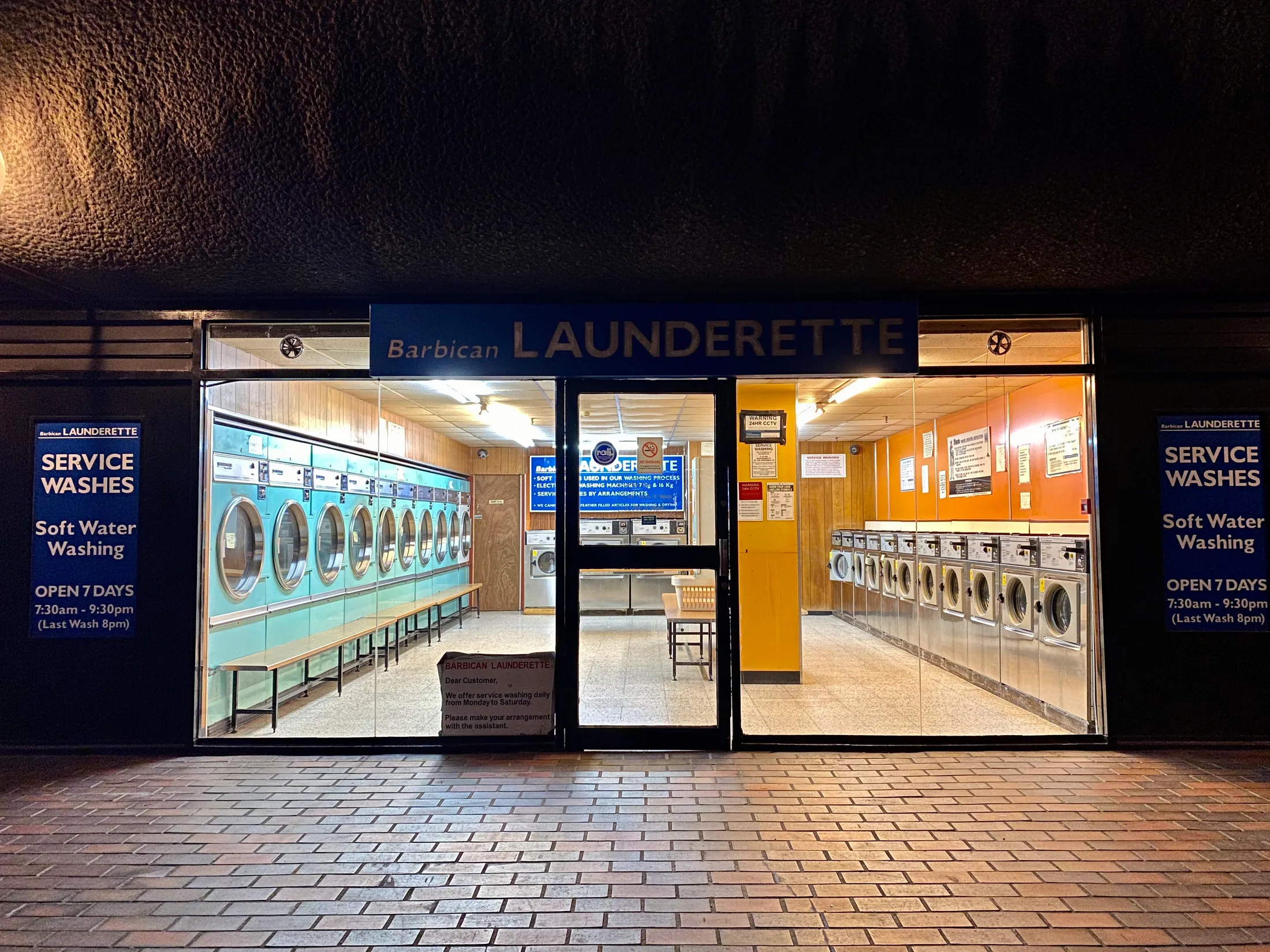
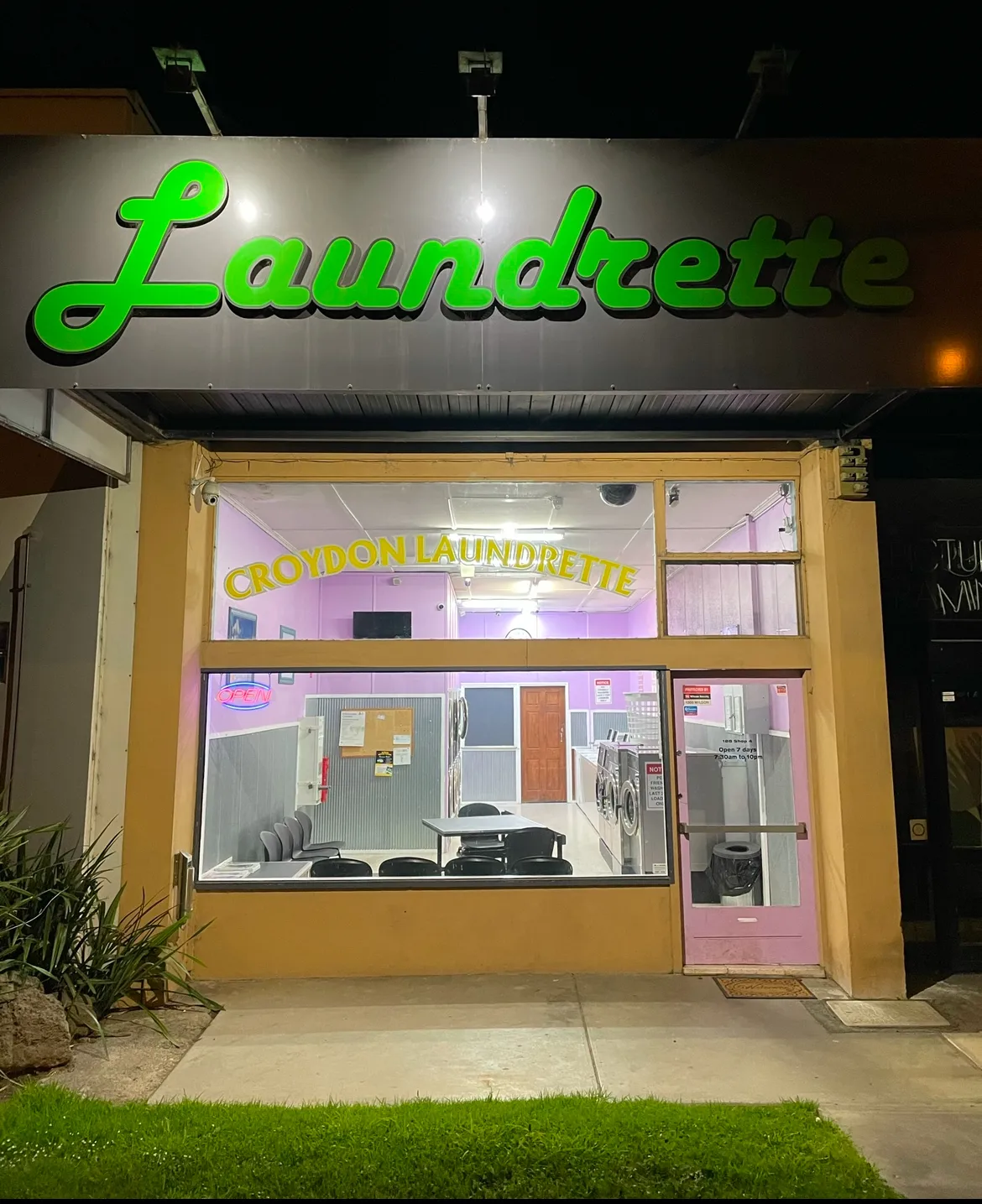
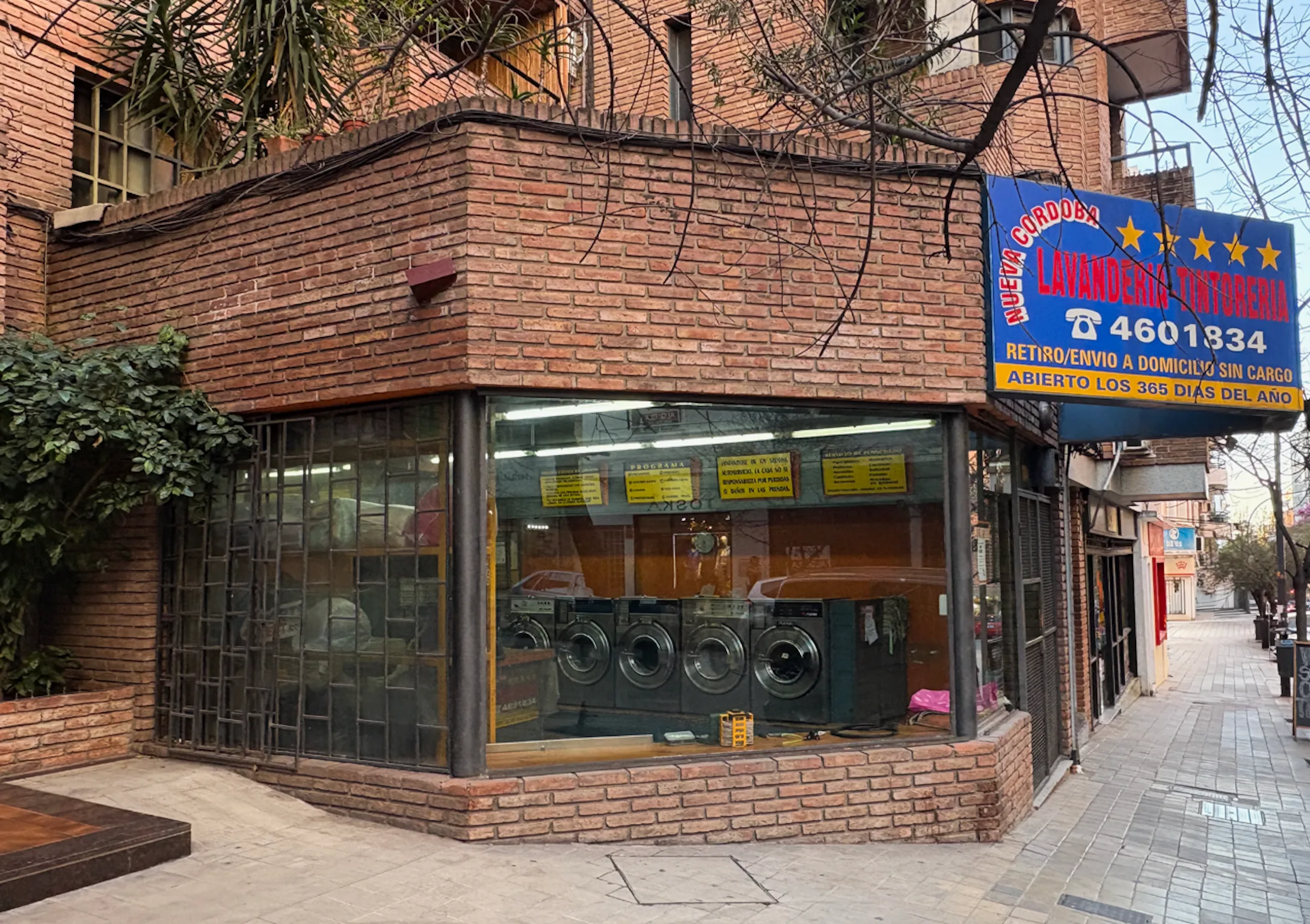
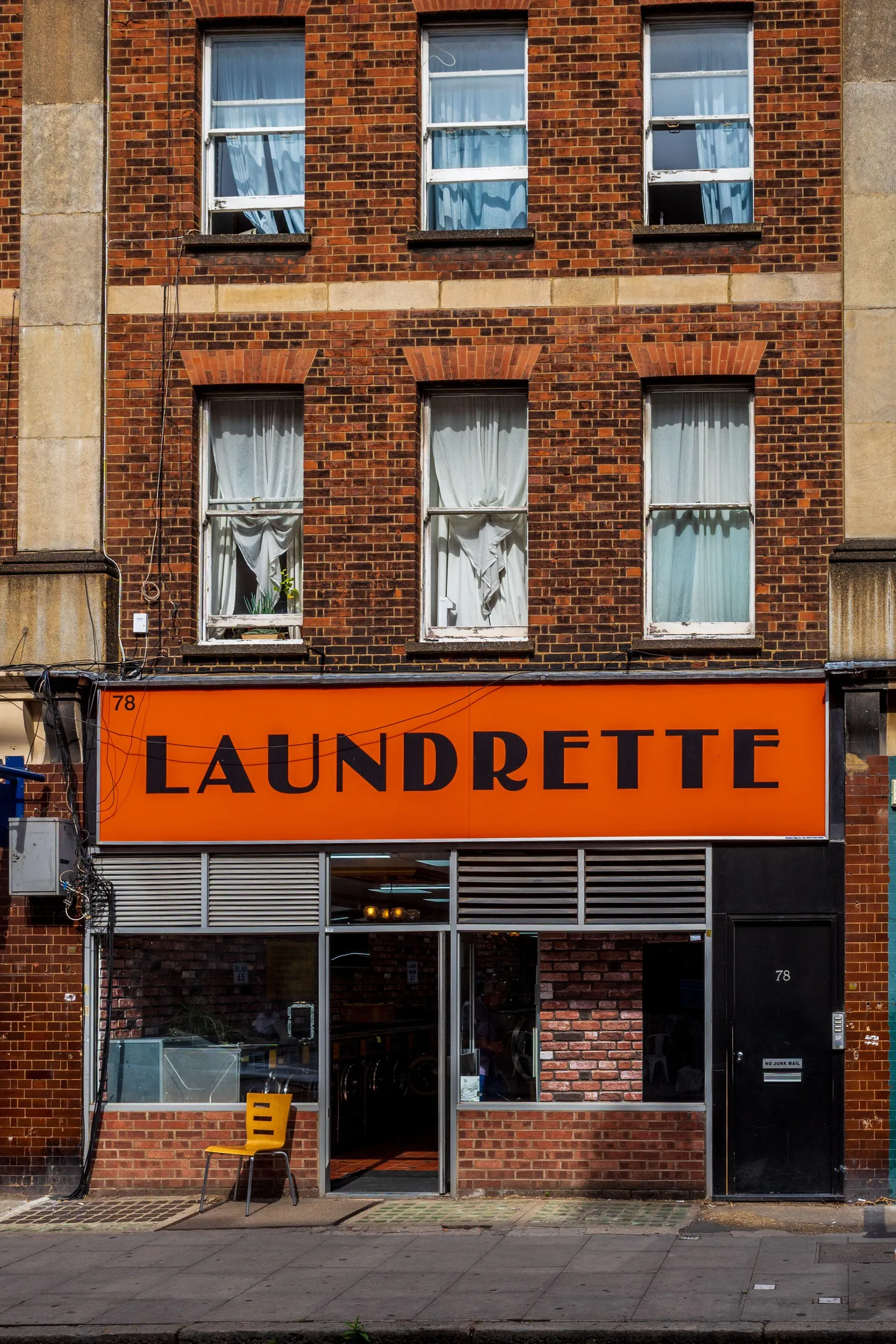
In France, they’re known as laverie automatique, or often just laverie for short. In the US, the term has always been laundromat, except in Texas and other southern states, where you might come across the wonderfully kitsch ‘washateria’. In the United Kingdom, they go by laundrette, with some operators still clinging to that vestigial e: launderette. The Germans have perhaps my favourite moniker. They call them waschsalon – wash salons – which seems to neatly capture the special magic of coin laundries: they’re not just for washing but for watching. And chatting. And general milling about. 

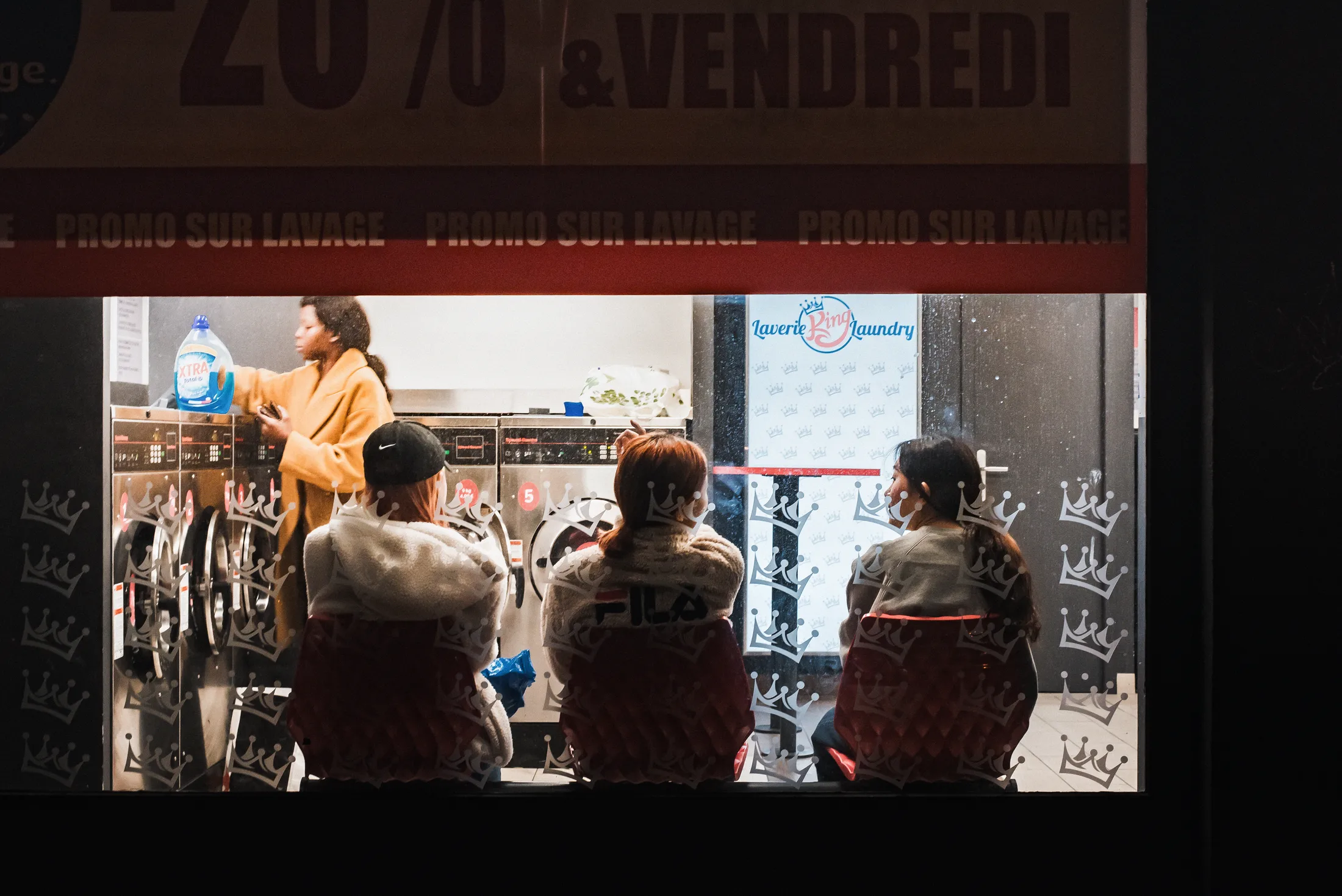
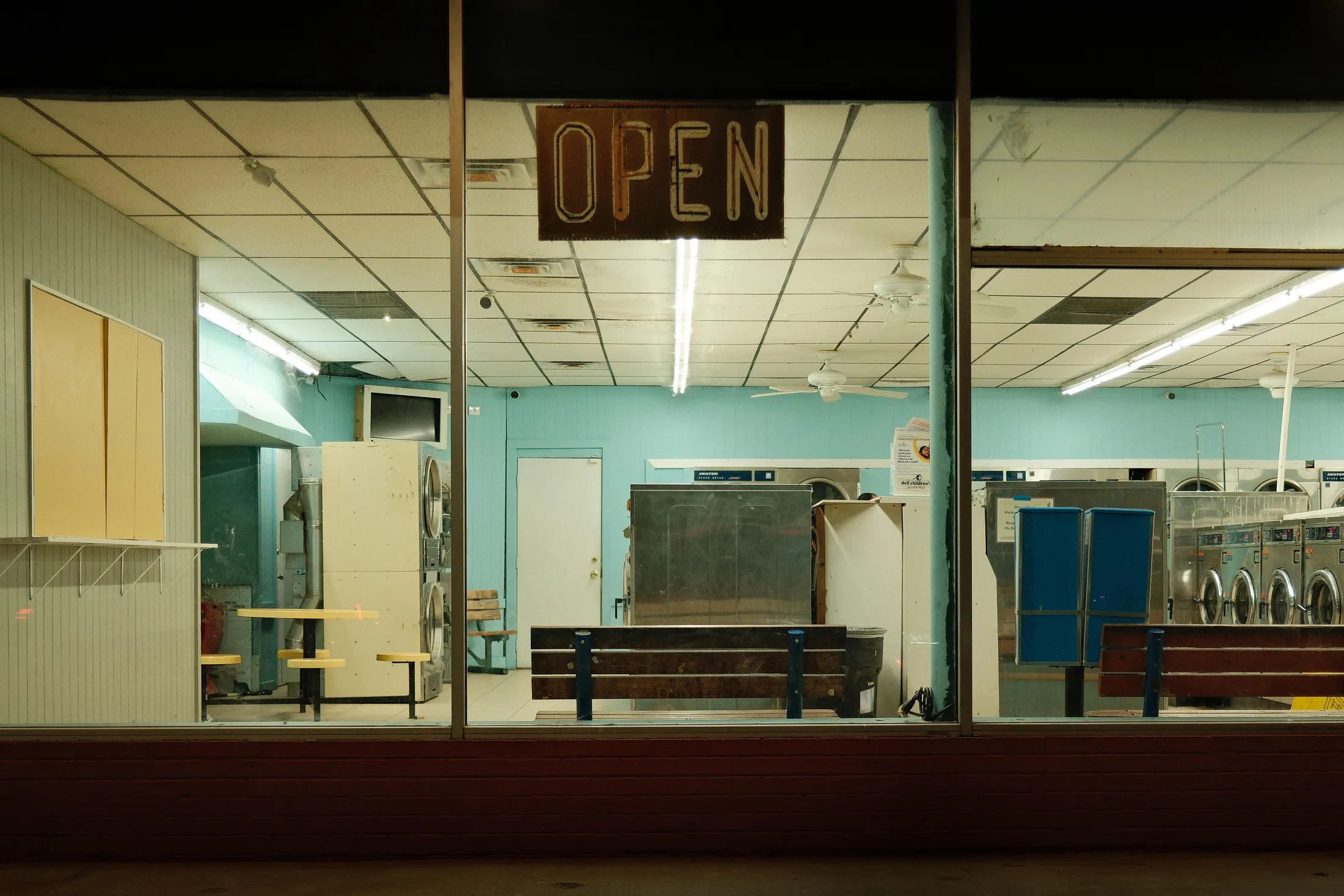
For many apartment-dwellers, coin laundries are the modern equivalent of the 18th century salon. They’re places for gossip and community and clandestine intrigue. The fact that clothes get washed there is kind of a secondary detail. Seriously, there’s a reason why directors love setting scenes inside coin laundries: they’re evocative, relentlessly ordinary, familiar to everyone, and weirdly intimate. Simultaneously lonely and public. The flickering halogen. The sterile metallic surfaces. There’s always a vague but unspoken sensation that something else is going on. Something much deeper than fabric softener. Coin laundries – or at least the coin laundries I grew up with – are a perfect visual metaphor for boredom, chance encounters and the daily cycle of banality: hum drum, hum drum, hum drum. 

Of course, they weren’t always this way. What we think of as coin laundries evolved from the public wash houses of 19th century Britain. In an effort to curb plagues and cholera epidemics, the British government passed the Public Health Act in 1848, and wash houses began popping up all over the country, giving working-class people access to boiling water, large tubs, communal drying areas, and primitive detergents like chloride of lime (calcium hypochlorite) or lye soap (an alkaline mix of potash and tallow that left washerwomen’s hands red raw and cracked). They weren’t perfect, but they represented a landmark leap in sanitation and public health, and it’s probably not an exaggeration to say that early communal laundries saved an uncountable number of lives. 

They also started to represent something else: the crackle and buzz of community. 

By the 1900s, many wash houses in the UK came equipped with simple cafes, or even a creche, giving women – early launderettes were almost exclusively the domain of women – a place to catch up, socialise, get some washing done, and entertain the kids. 

The first actual self-service laundry is credited to J.F. Cantrell, who opened a facility in Fort Worth, Texas, in 1934, where customers could use four primitive electric washers – for a fee. In the 1950s and 60s, with a baby boom underway and rapid suburban expansion across the developed world, demand for laundry services exploded. And with personal whitegoods still out of reach for most people, coin-operated laundries became standard practice in America, the UK, Australia, Europe and Asia. And the funny thing was, during this time, no matter where you went, or where you washed, coin laundries shared an almost universal design language and general vibe. And there’s a good reason for that: it worked.

The design of the average coin laundry is one of the earliest examples of user flow mapping, even if a phrase like ‘user flow mapping’ would have got you labelled a communist at the time. See, at its core, every coin laundry is about moving customers through a very specific functional process: enter, load, wait, fold and exit. It’s why the entrances often feature a glass frontage (good for safety, plus it encourages walk-ins) and automatic doors (so people can enter the laundry while carrying baskets or bags). Washers are usually near the entrance, driers at the back, because this mirrors the cycle of laundry itself. 

There are also practical considerations. Front-load washers are more common, since they’re easier to load, use less water, and allow you to observe your clothes being washed. They give the eye something to do. Dryers are stacked vertically to save floor space. Seating is scattered, but generally faces the machines, and the lighting is almost always bright and fluorescent for maximum visibility (and minimum romance). Well-thumbed trashy mags manifest, as if by magic. 

Coin laundries are a bit like docks: there are only so many ways to load and unload things from boats, which is why all docks kind of look like docks everywhere. The generic layout and aesthetics of coin laundries are the direct result of what we might call Design Darwinism: they’re the evolutionary endpoint of washing socks at scale.
And this worked, for a while. But with an increase in efficiency came an inevitable decrease in community, and for a few decades there at the end of the 20th century – unfairly or not – coin laundries became cultural touchstones for all the wrong things: social isolation, modernist tedium, poverty, crime and existential angst. 

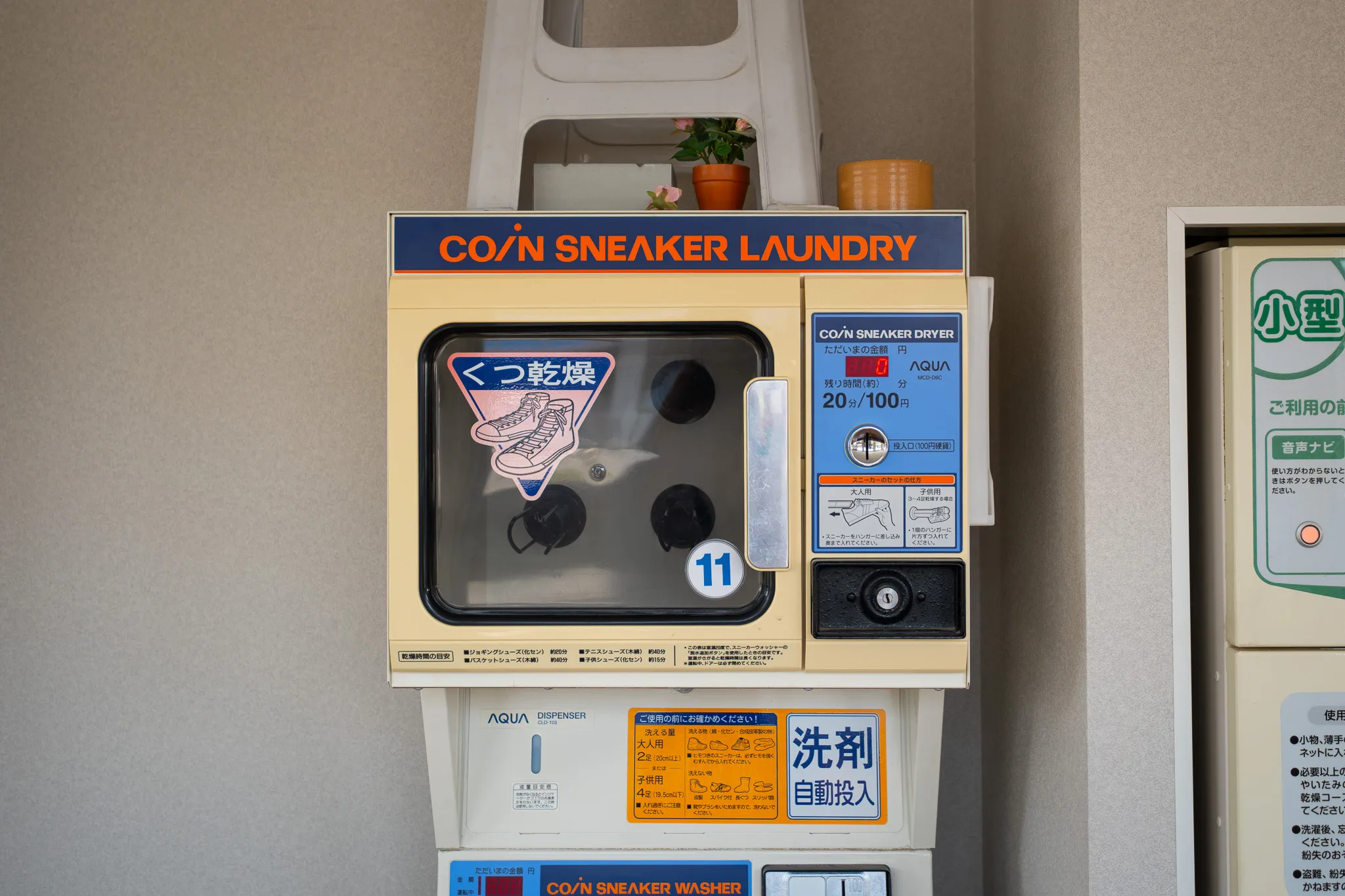
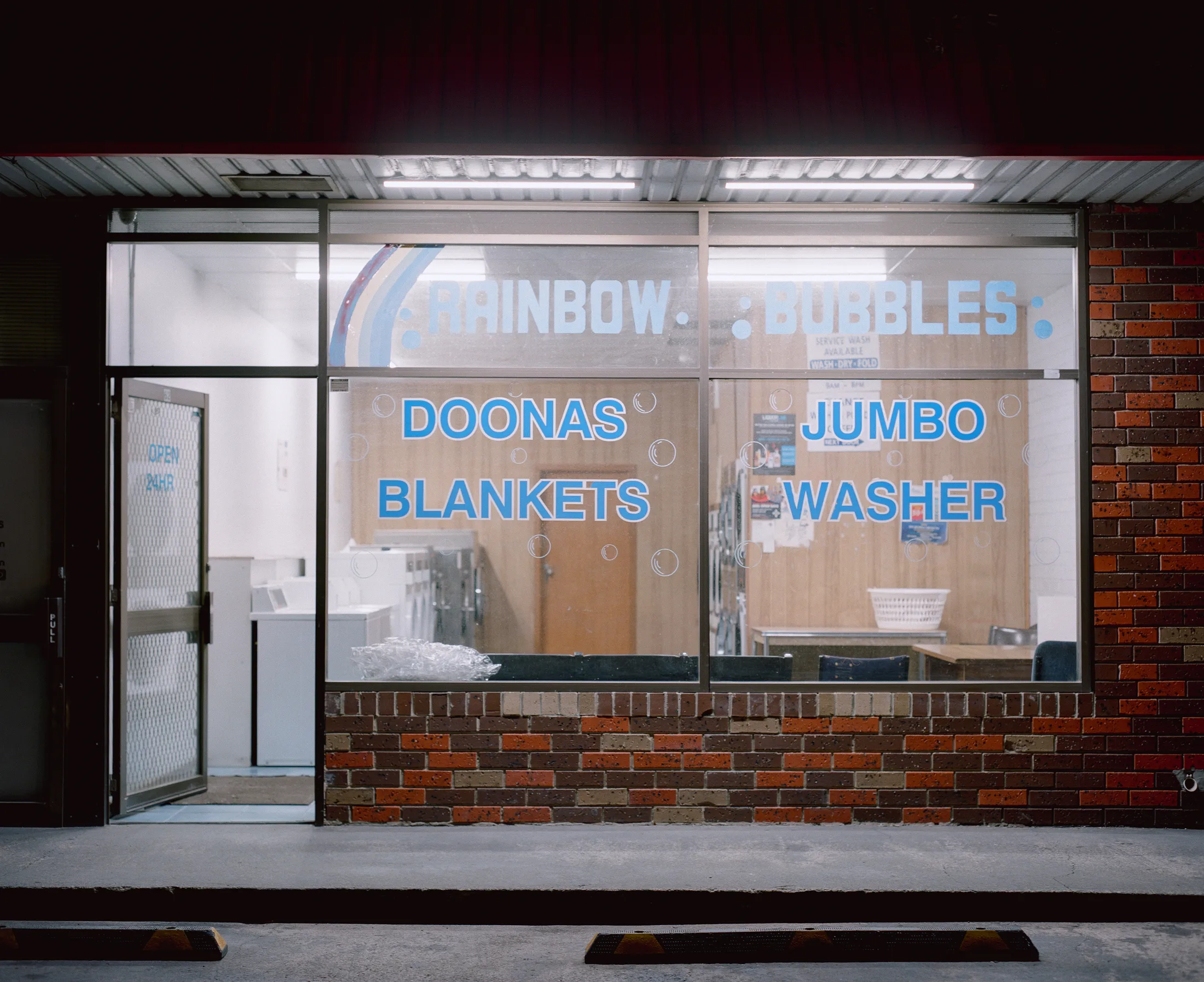
But then something unexpected happened: at some point in the early 2010s, coin laundries stopped being sad and started becoming cool. Or at least pleasant. More than a merely functional space. Which is ironically an example of gentrification moving backwards – returning the public laundry to its 1800s socio-cultural wash house roots. As entrepreneurs cast around desperately for their next ‘preneur’, coin laundries started to look very different. Neon signage. Slick branding. Attached cafes with hip, tattooed baristas. DJ soundtracks. Free WIFI. Retro 90s arcade machines were snapped up and installed for maximum nostalgia-bait. In Australia, organisations like Soap Bar introduced board games, snacks and massage chairs. Laundries adopted one-syllable, dot-com names like Splash (Barcelona, founded in 2012) and Rinse (American laundry start-up, founded in 2013, which quickly raised more than $23 million in Series D funding; that’s $23 million for a laundry service). 

In a lot of ways, this movement represented more sizzle than substance: people had worked out there was still good money in coin laundries, particularly with a certain cohort of upwardly mobile apartment-dwellers, and had simply repackaged the business model. But there was something deeper going on, too. Something that was hard to define, maybe, but had an old-time achy sort of pull. The way you feel around public libraries and legitimate barber shops. 

In 2019, we started to see the emergence of co-op community laundries, like Kitty’s in Liverpool, UK, which operate as non-profits, funnelling revenue back into the business. Kitty’s members are also its owners. Functionally speaking, it’s a community centre that happens to wash clothes: it’s warm inside, there’s coffee and WIFI, the washing itself is offered at cost price, and Kitty’s gives out free laundry vouchers to local homeless shelters and food banks in an effort to fight the rising scourge of ‘hygiene poverty’ (the dehumanising reality of having to choose between warmth and washing, clean clothes and food). A lot of the time, people go there just to hang. 

In Australia, we’ve seen something similar with the rise of social housing organisations and ethical developers like Nightingale and Assemble. Founded by a group of architects in 2007, Nightingale builds mostly sustainable, high-density urban housing, and nearly all of their projects feature a communal laundry. There are no individual washing machines in the apartments. If you want to clean your socks, you have to leave your house and, you know, interface with the world. 

This not only saves serious water and money – an independent study found that apartment residents using communal laundry rooms saved 500 percent more energy and 32,000 litres of water per year – it encourages something that money can’t buy. 

“The decision to swap individual laundries for a communal one works on several levels,” says Toby Dean, Nightingale’s Head of Community. “It frees up space in each apartment, returning valuable room to the living area. It also helps reduce construction costs, with those savings passed on to residents. And most importantly, it creates a shared space that brings the community together.

“These laundries, mostly found on the rooftop of each project, have become natural meeting points, where neighbours might share a quick hello, or settle in for a longer catch-up. In some Nightingale buildings, they’ve even become the spot for Friday night drinks, to get a chore done while enjoying a beverage and a chat.”

This is the true value of the communal laundry movement. It’s not just about ironic DJ raves in after-dark laundromats (although those have happened). Or stand-up comedy nights at La La Laundry in New York’s East Village (yep, that’s a real thing too). Organisations like Nightingale and Kitty’s are moving past the massage chairs and gimmicky pinball machines and building places of genuine social utility. And while savings on energy and water are easy to quantify, there’s no way to put an exact dollar figure on social interaction. Or community. Or a warm, safe space for those on the street to go and wash their clothes with dignity. Still, your gut tells you it’s significant. 

Many Gen Zs are also hitting that critical move-out-of-home phase now, and it’s interesting to see a new generation discover the magic of public laundries. Julissa James, staff writer for the LA Times, has written about her local laundry before. She calls it her “home away from home”.

“I love the laundromat. I’ll tell anyone who will listen,” James says. “You will catch me at a party giving what might as well be a PowerPoint presentation about the joys of the laundromat – its familiar, sterile smell of cleaning products and metal, the constant chugging sound of water and hot air. I sit and stare at people until it hurts. I fantasize about what their lives are like. The dryer whirs soft, the fluffy smell of chemical flora rises, the badass little kids with silver teeth run circles around their mom while she folds their Spiderman T-shirts.”

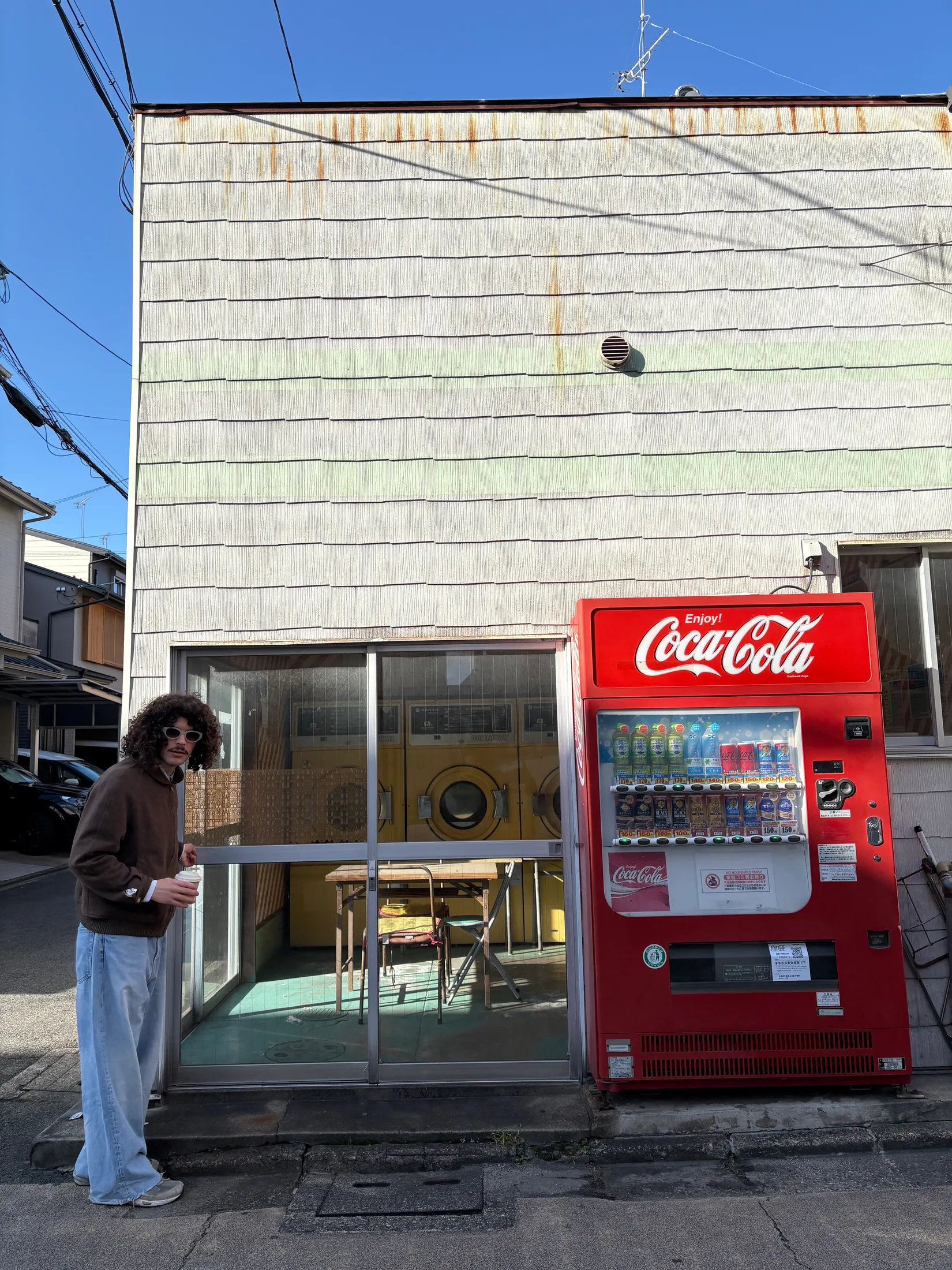
The great tragedy of modern life is that, somewhere along the way, we collectively decided convenience was more important than connection. We happily sacrificed one for the other. But coin laundries are one place where you don’t need to make that trade-off. Whether they look like Japanese cyberpunk or a Danish mid-century café, though they may change in appearance and function with the advent of new tech, whether you pay via coin or app, public laundromats deal in certain immutable truths. Stains endure. Dirt accumulates. Clothes will always need cleaning. And people will always need people. 

“My local laundromat is open 24 hours – as all the good ones are,” James says, “and any time of day or night, for the rest of my life, I know there is a place that is open and waiting for me, as long as I have a hoodie to wash.”

-

As featured in Issue 6 of our magazine!

Purchase a copy of Issue 6 https://www.nts-store.com

Subscribe to our NTS Sub Club https://www.nevertoosmall.com/magazine

Writing:
Writing:
James Shackell
Photography:
Photography:
Back to Top
Arrow UpArrow Up
Top
Arrow UpArrow Up
The After shot of the Floorplan
Before
before
after
After
Businesses featured in this project
No items found.
Products featured in this project
No items found.
Magazine Current IssueMagazine Current Issue
Writing:
Writing:
James Shackell
Photography:
Photography:
Back to Top
Arrow UpArrow Up