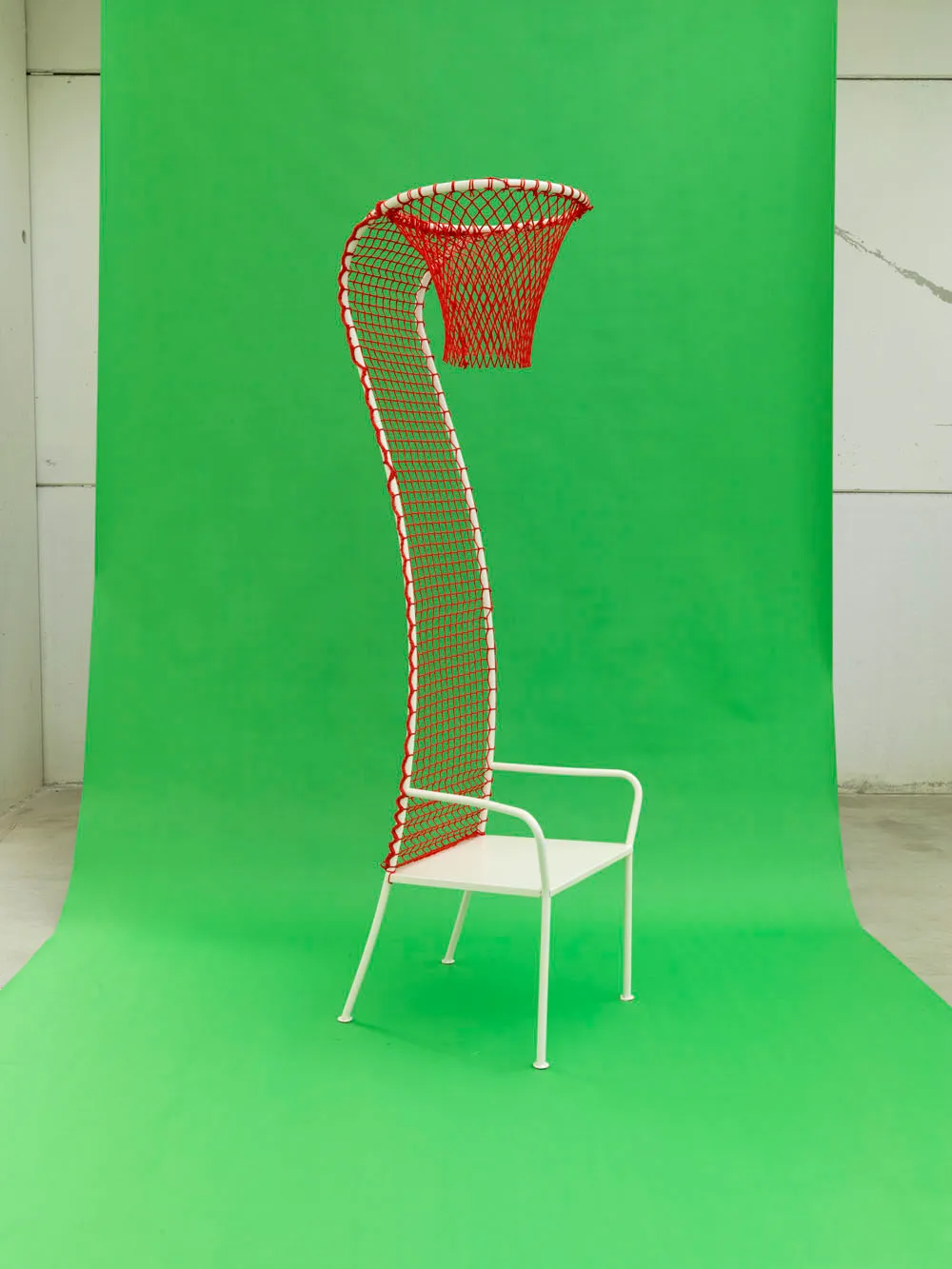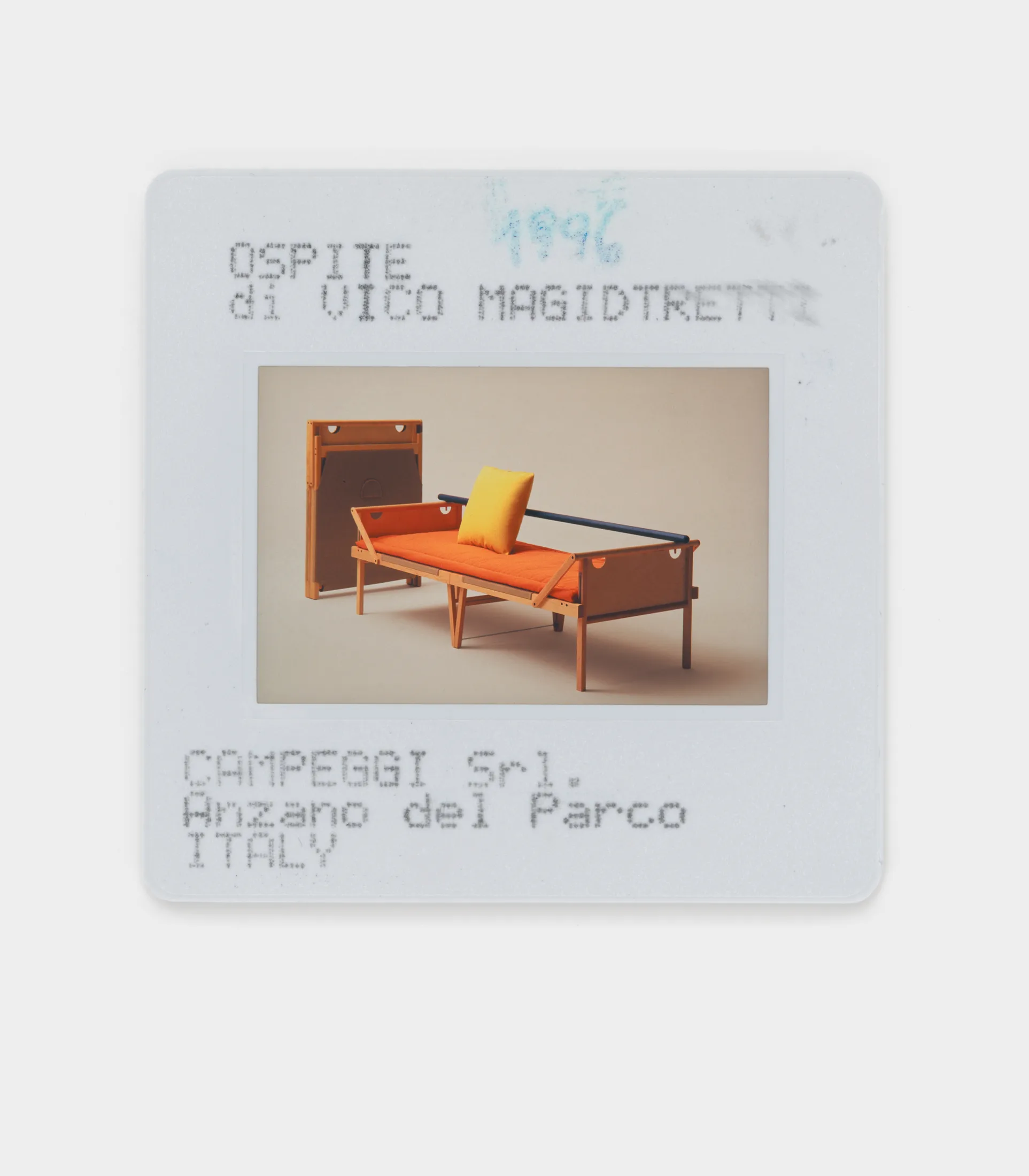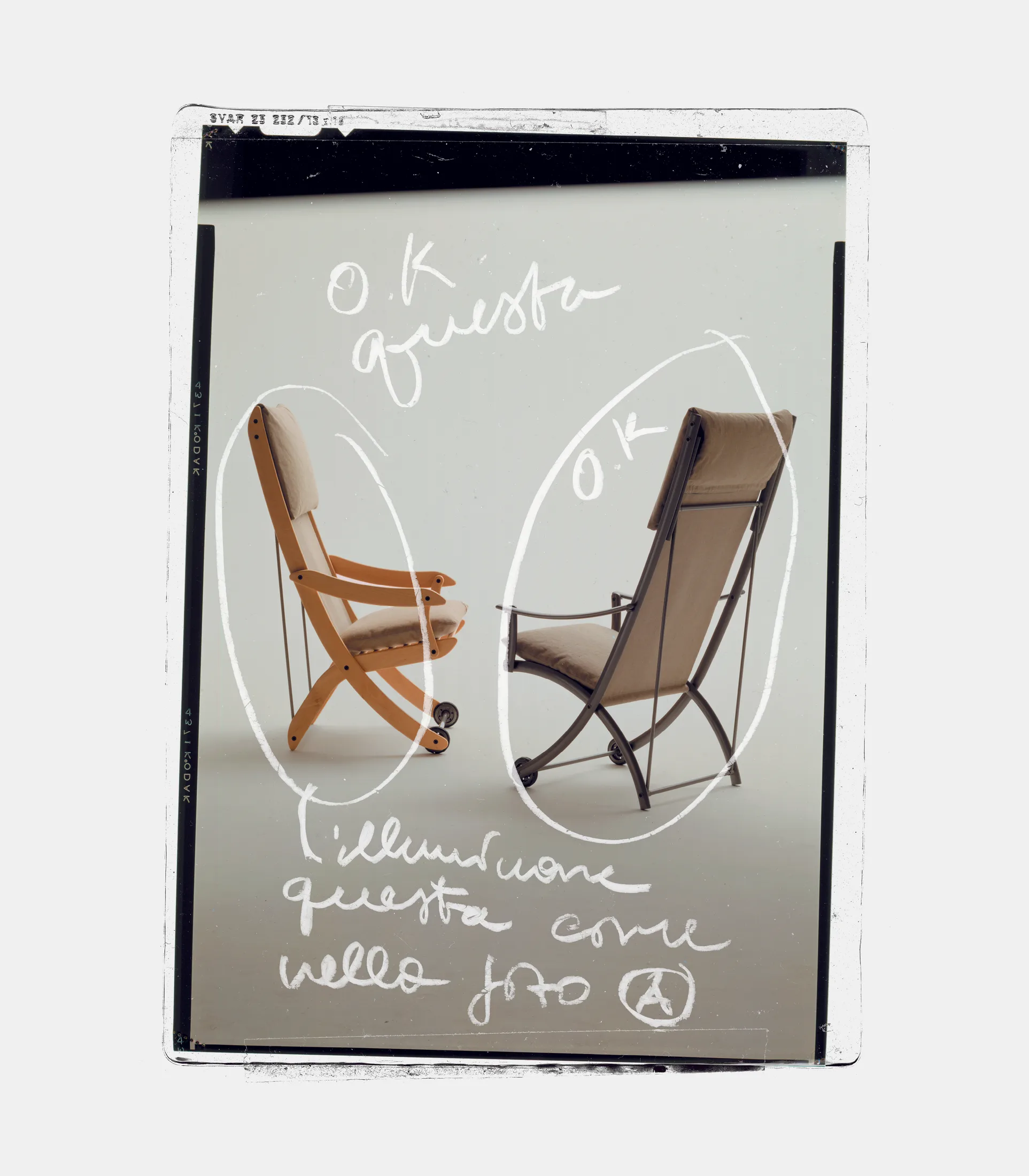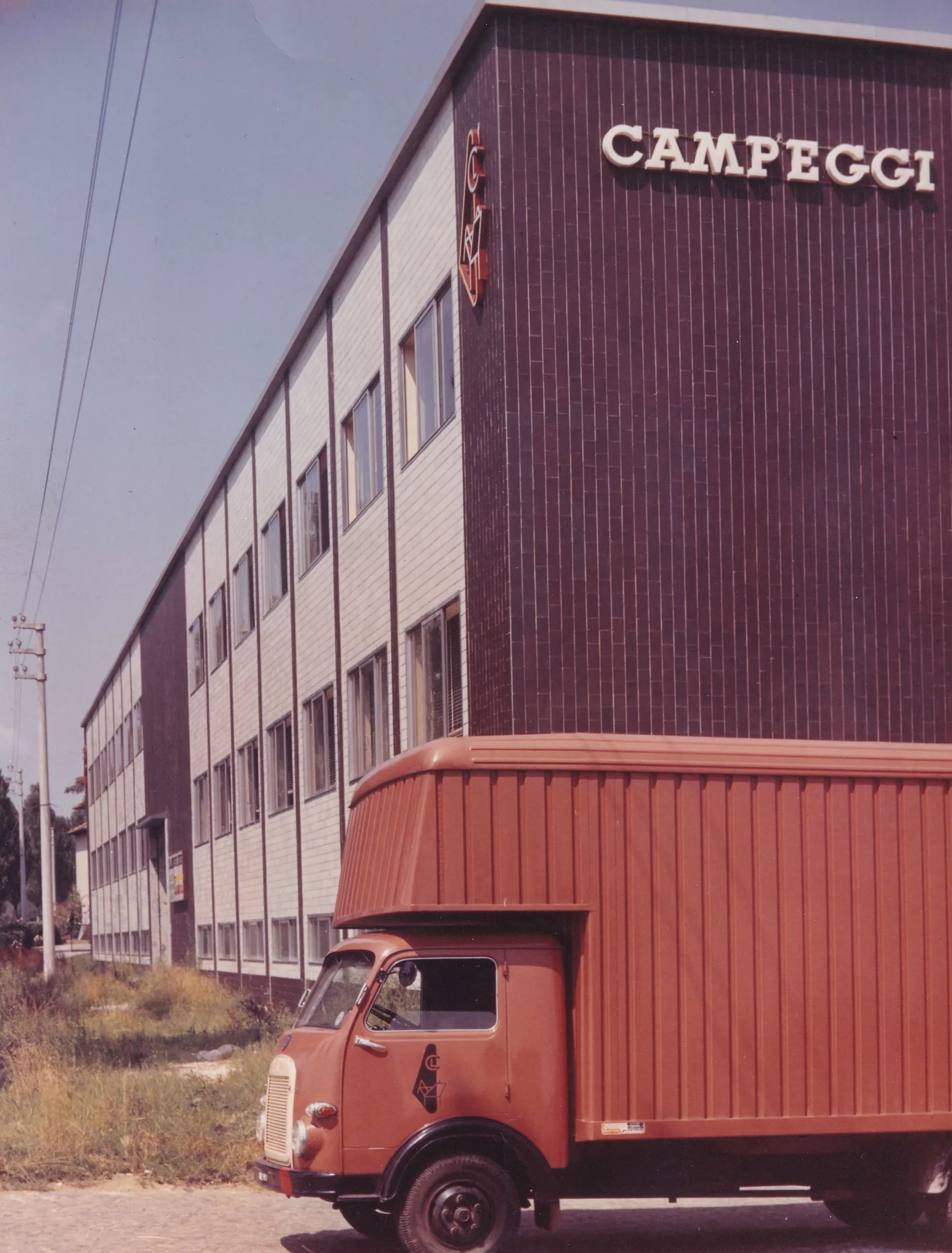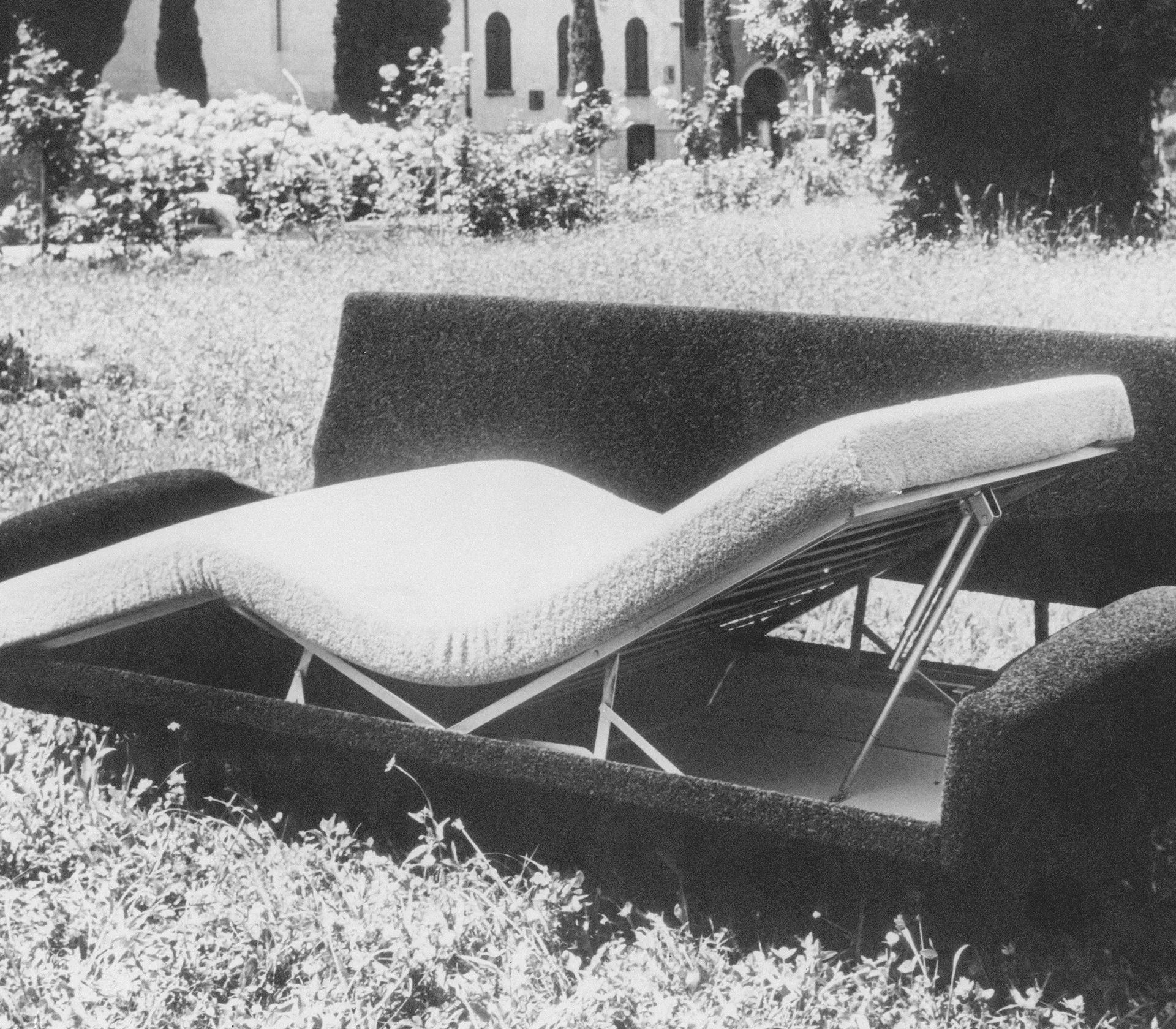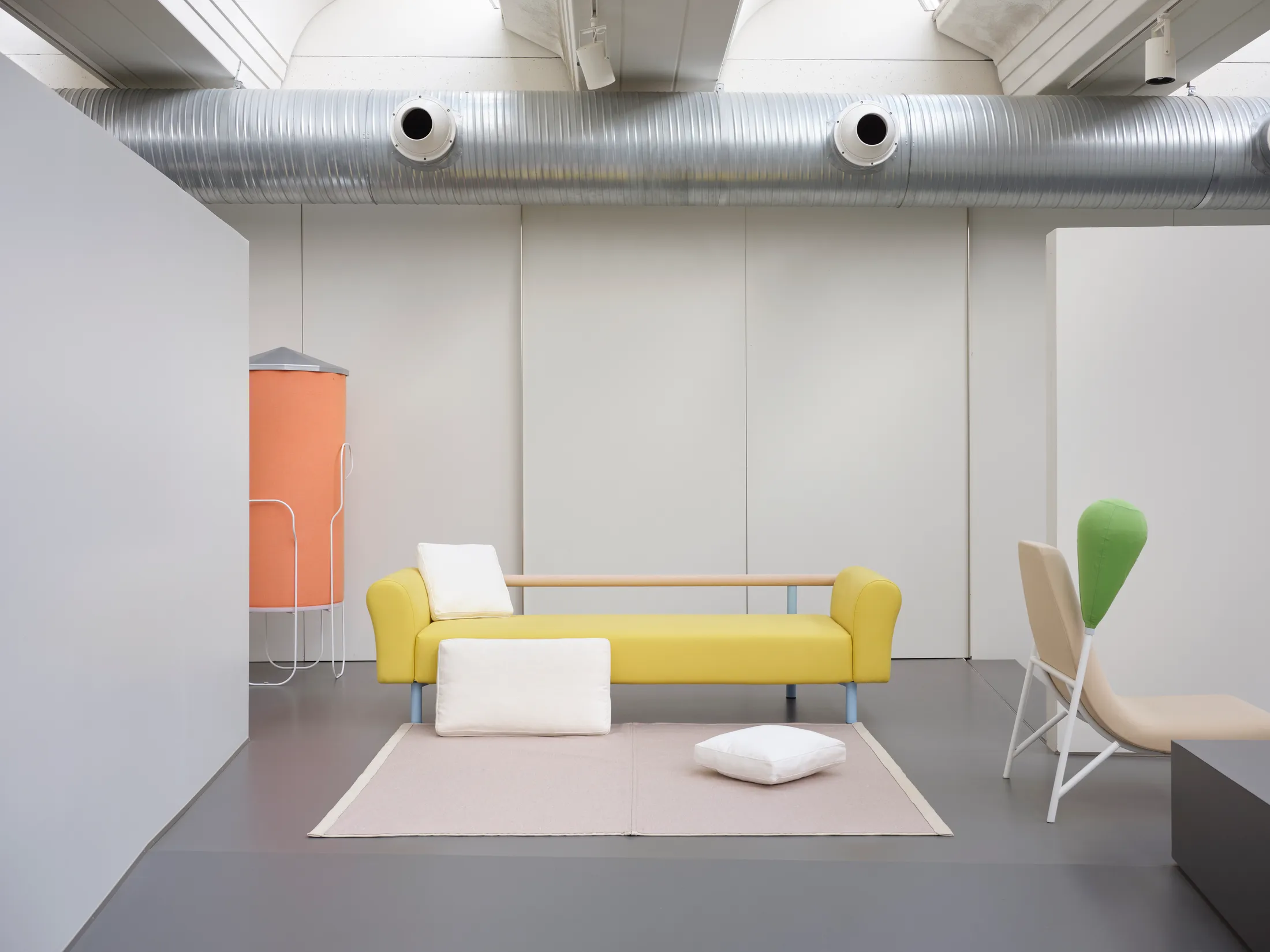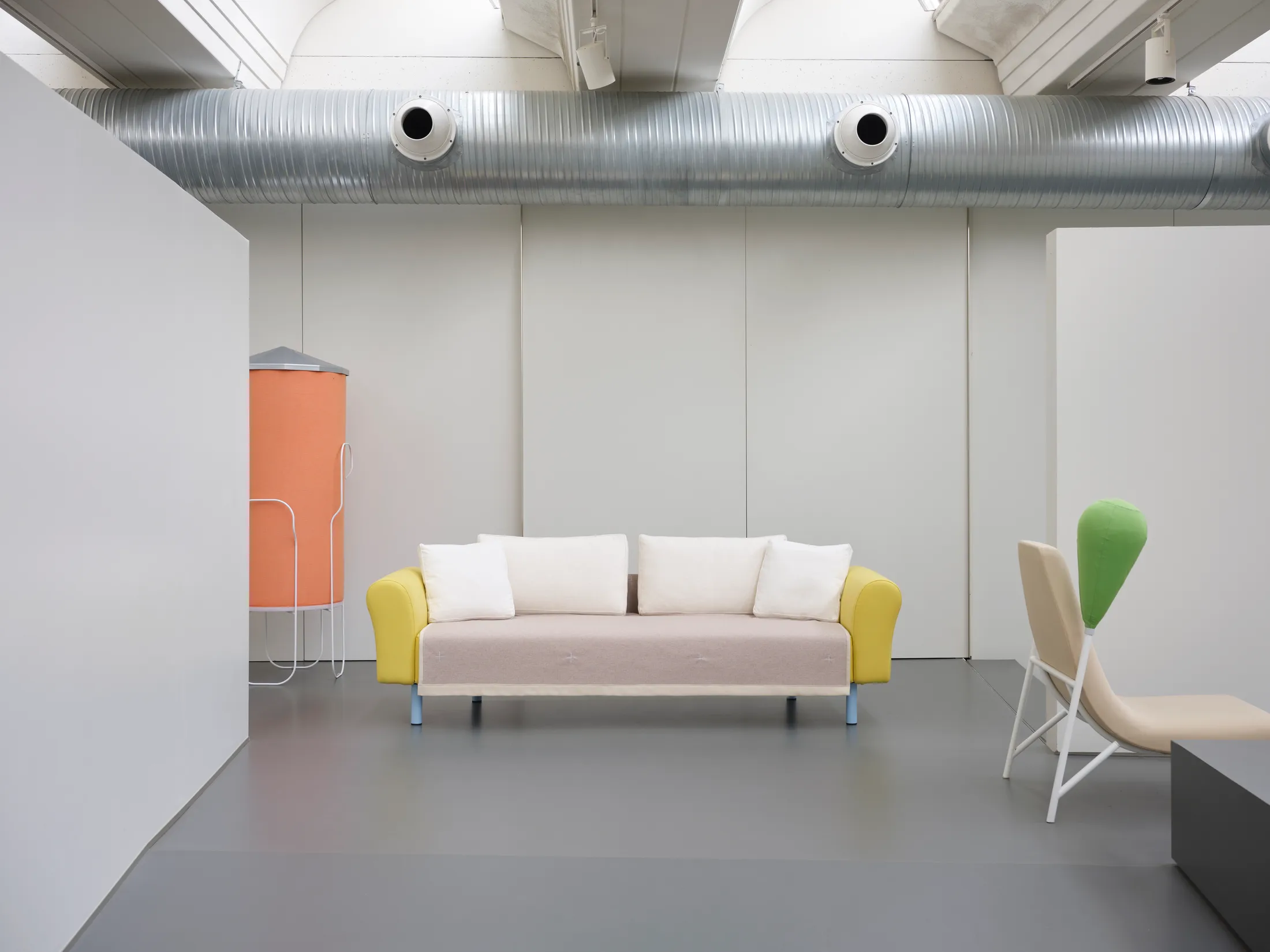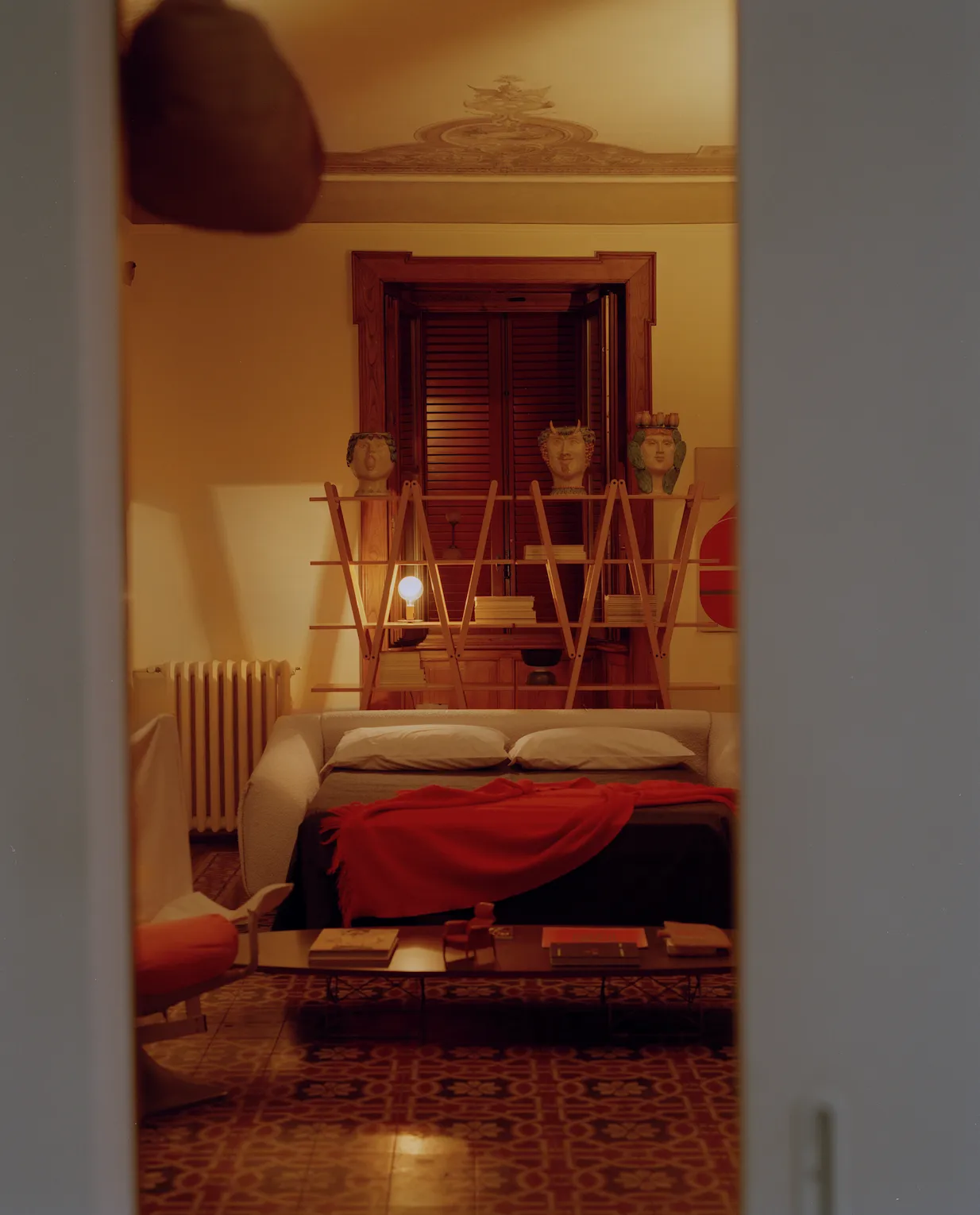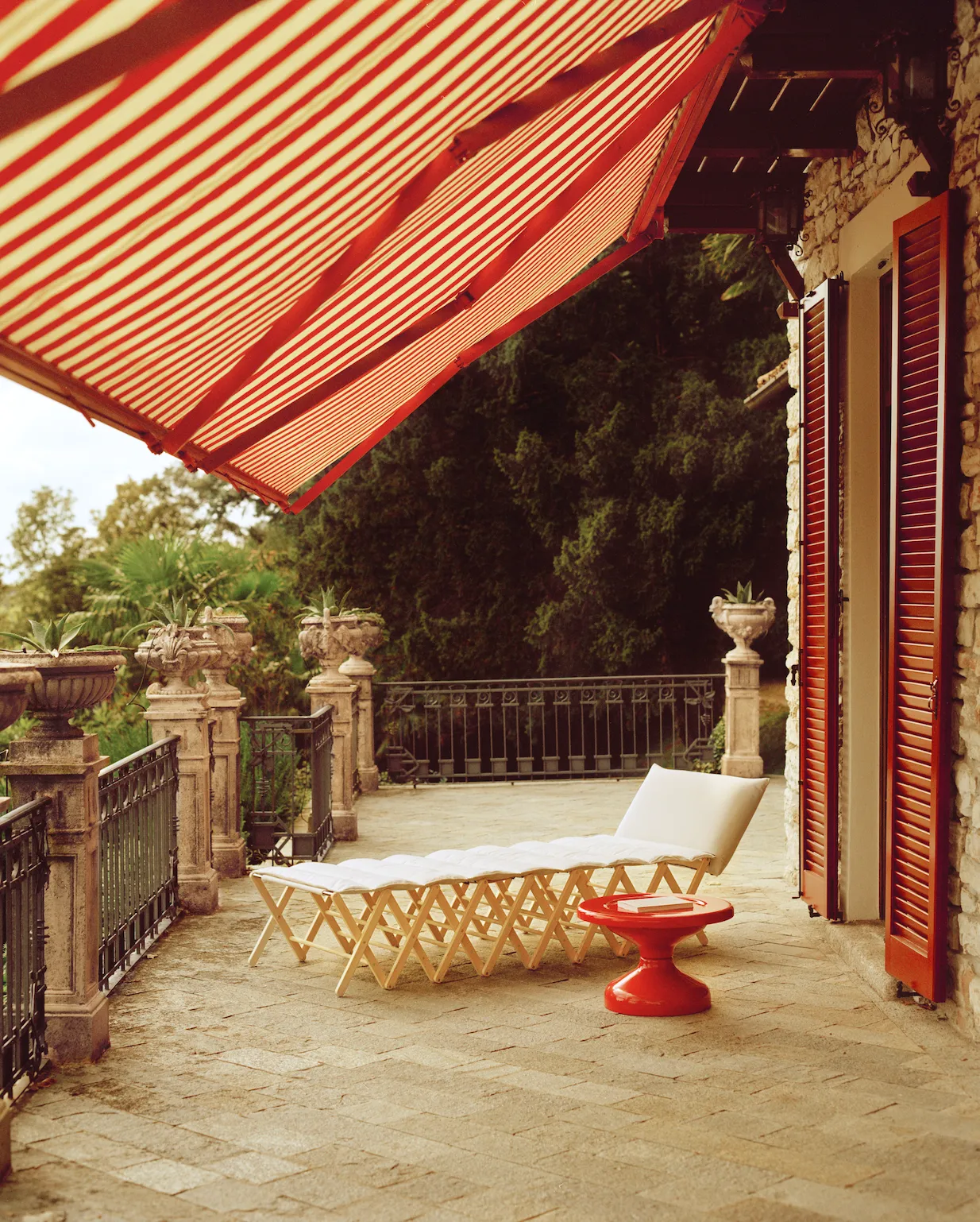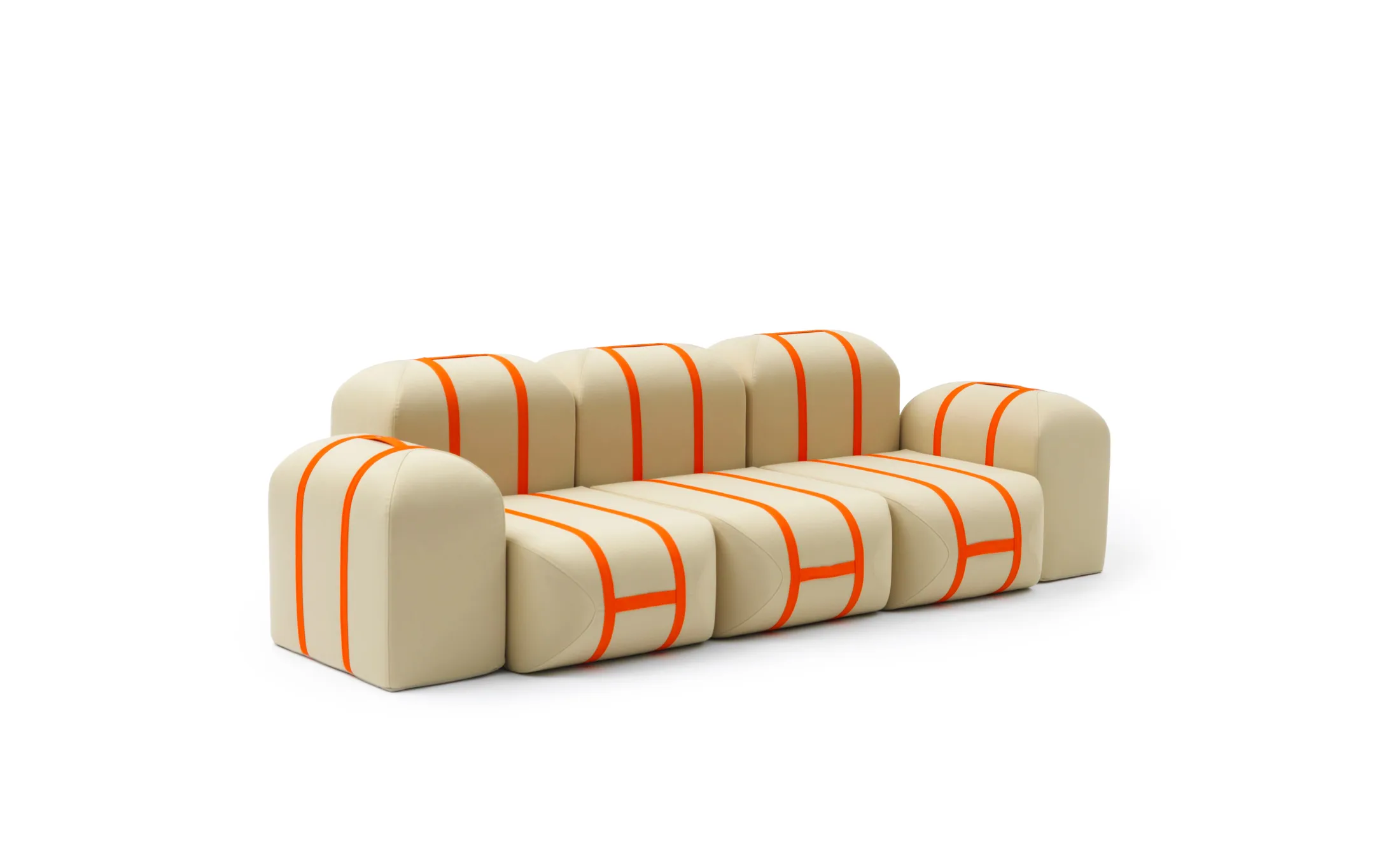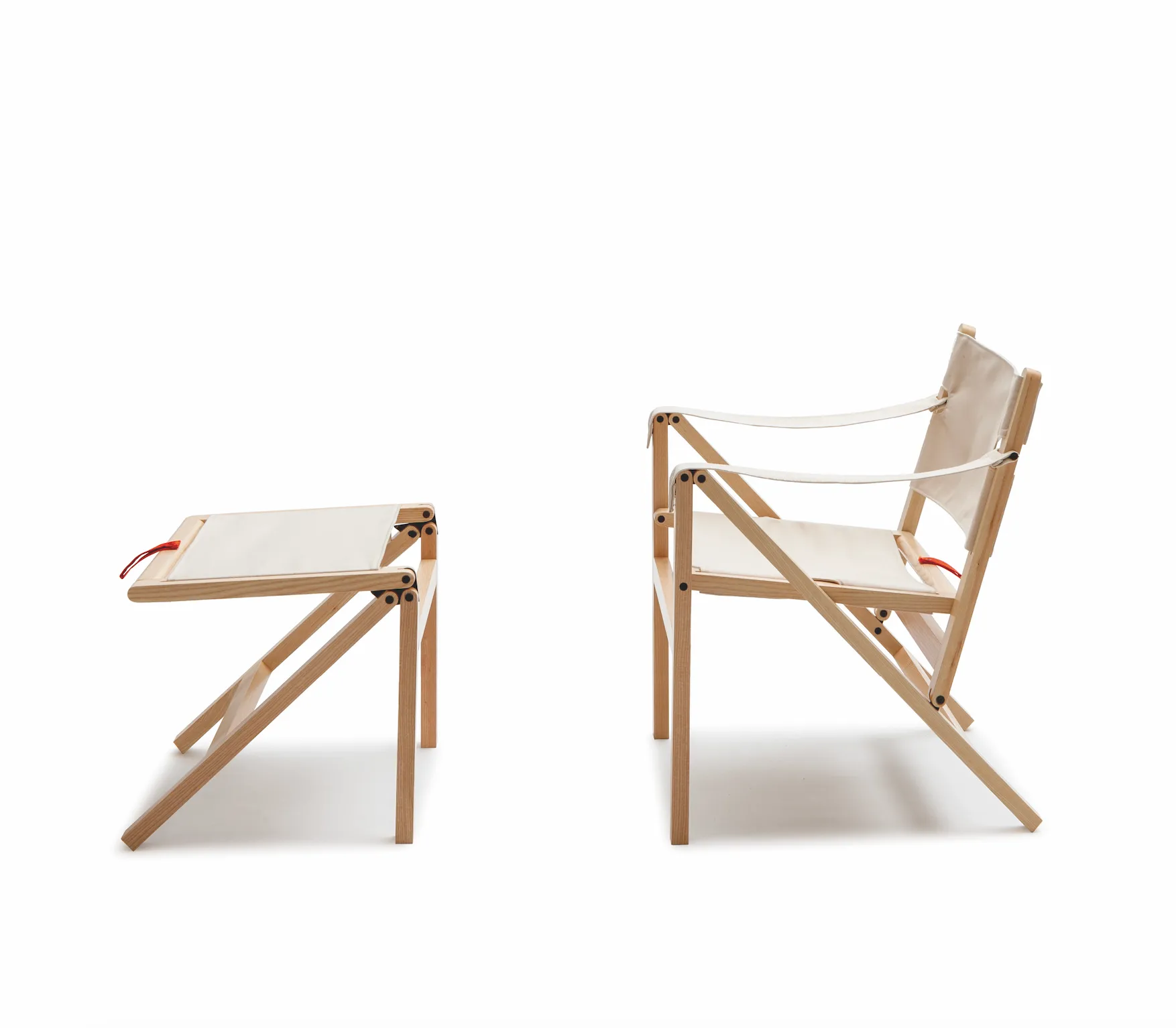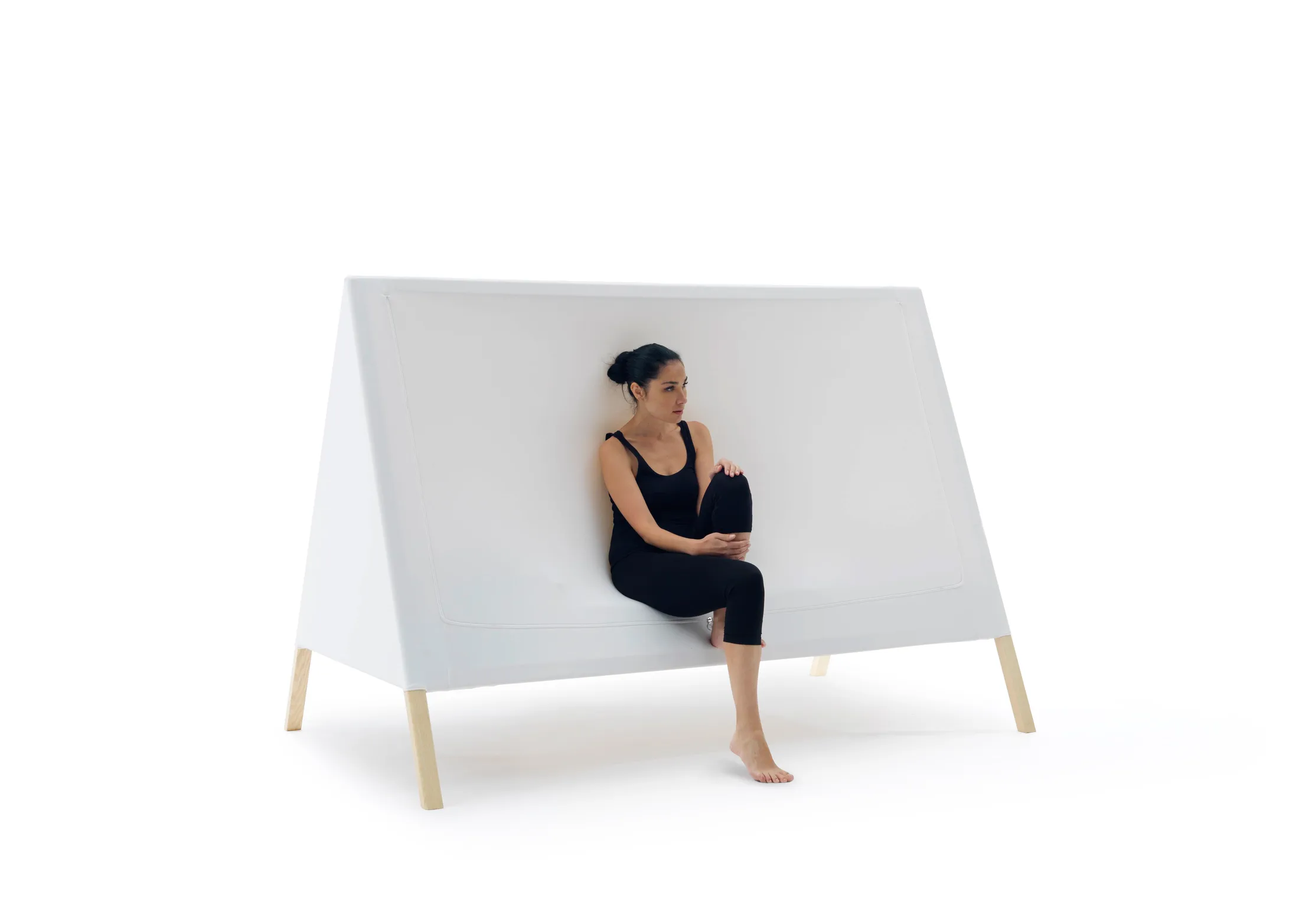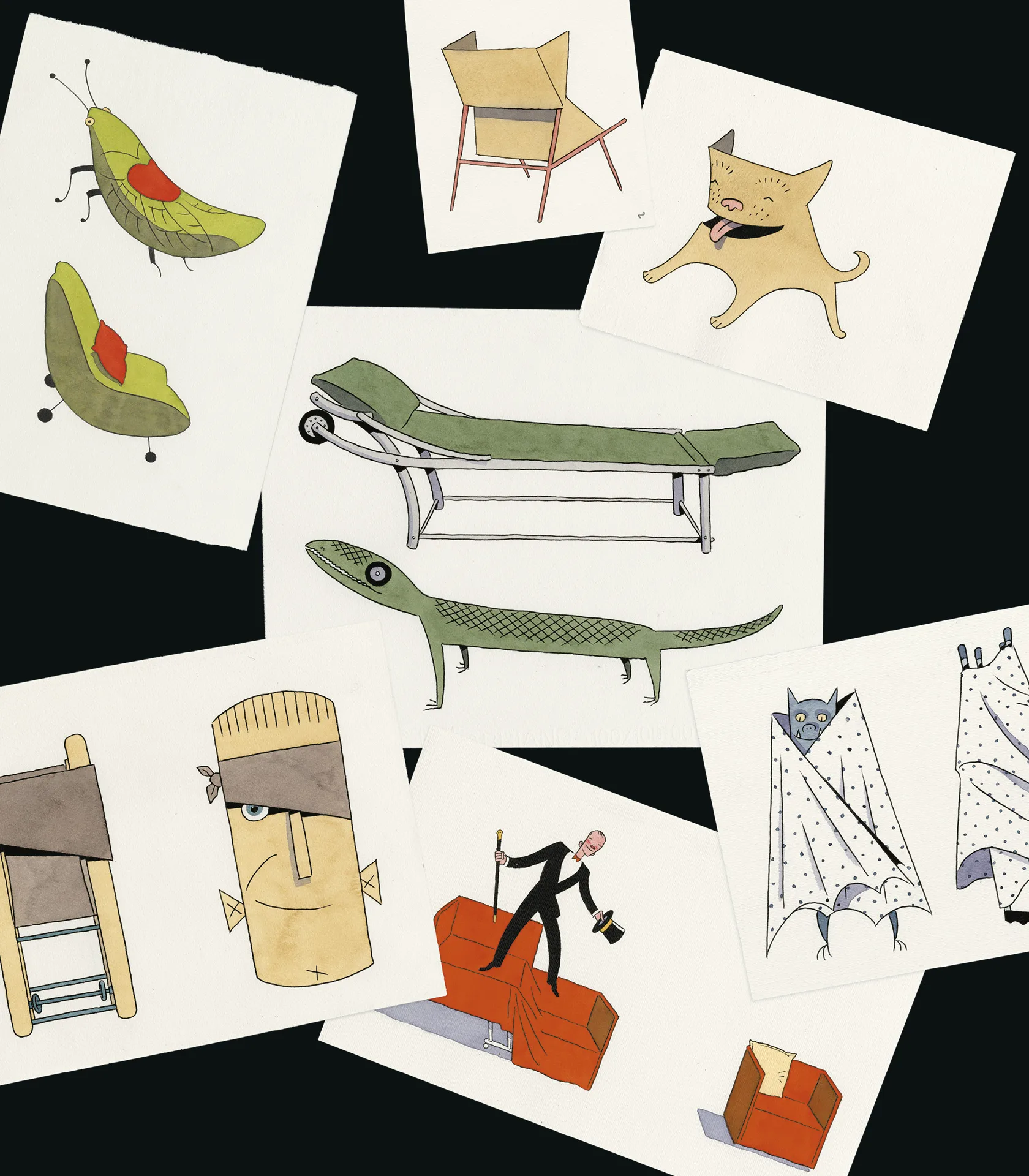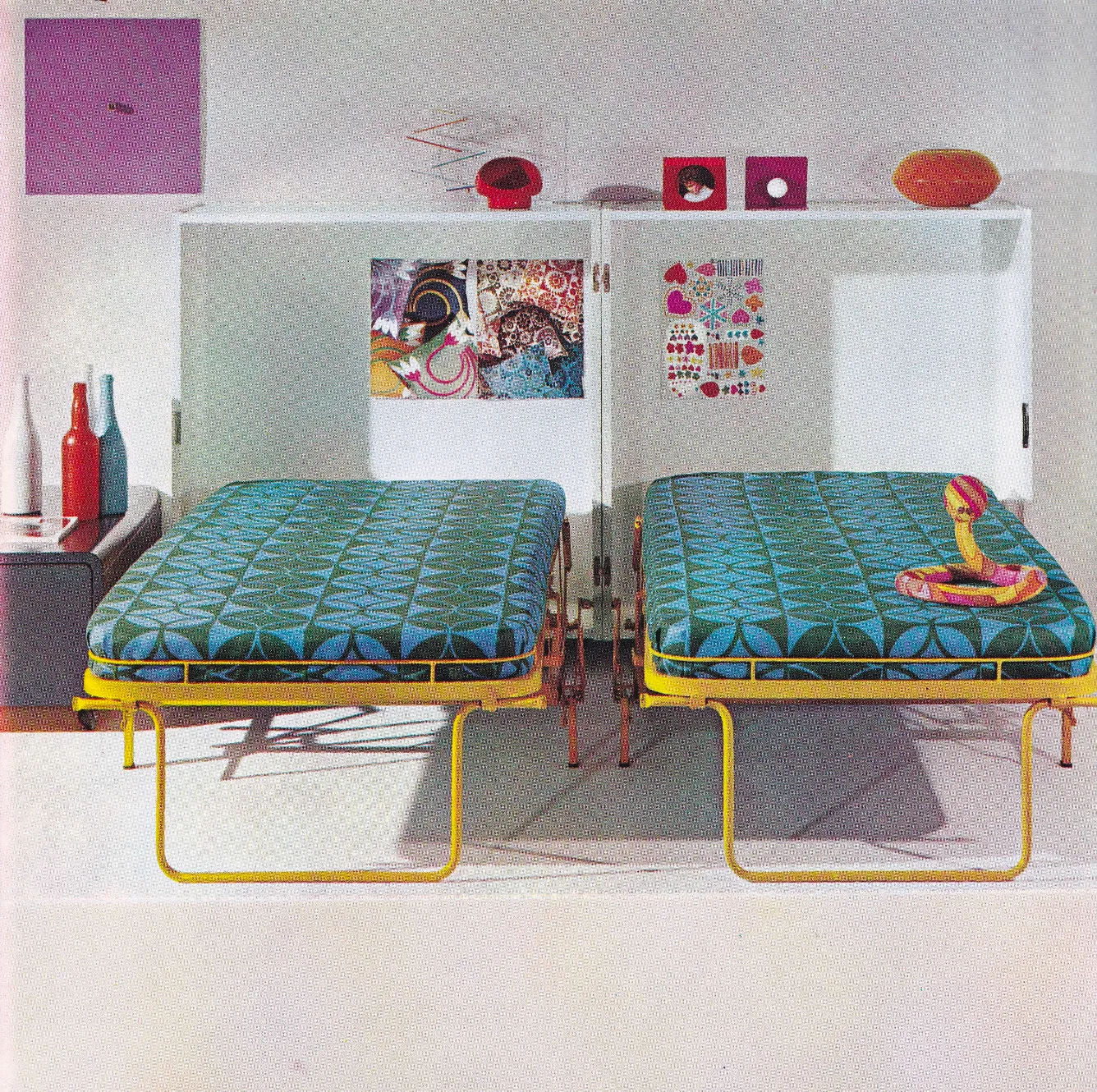



I’m going to propose something radical here. There are a lot of words for furniture that can change its shape or form – modular, transformative, adjustable, collapsible and so on – but I think we should all adopt the vernacular of the family-owned Italian design firm, Campeggi. They call their pieces “convertibles”. Which just sounds so much cooler.
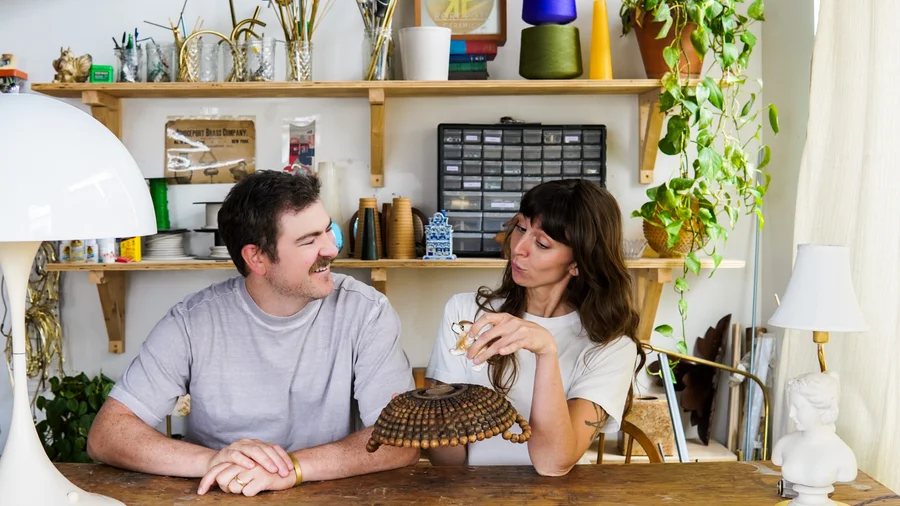
“Campeggi is not about identity or luxury,” says Guglielmo Campeggi, the company’s creative director and third-generation steward, “it’s about essence. The essence of convertible design.”
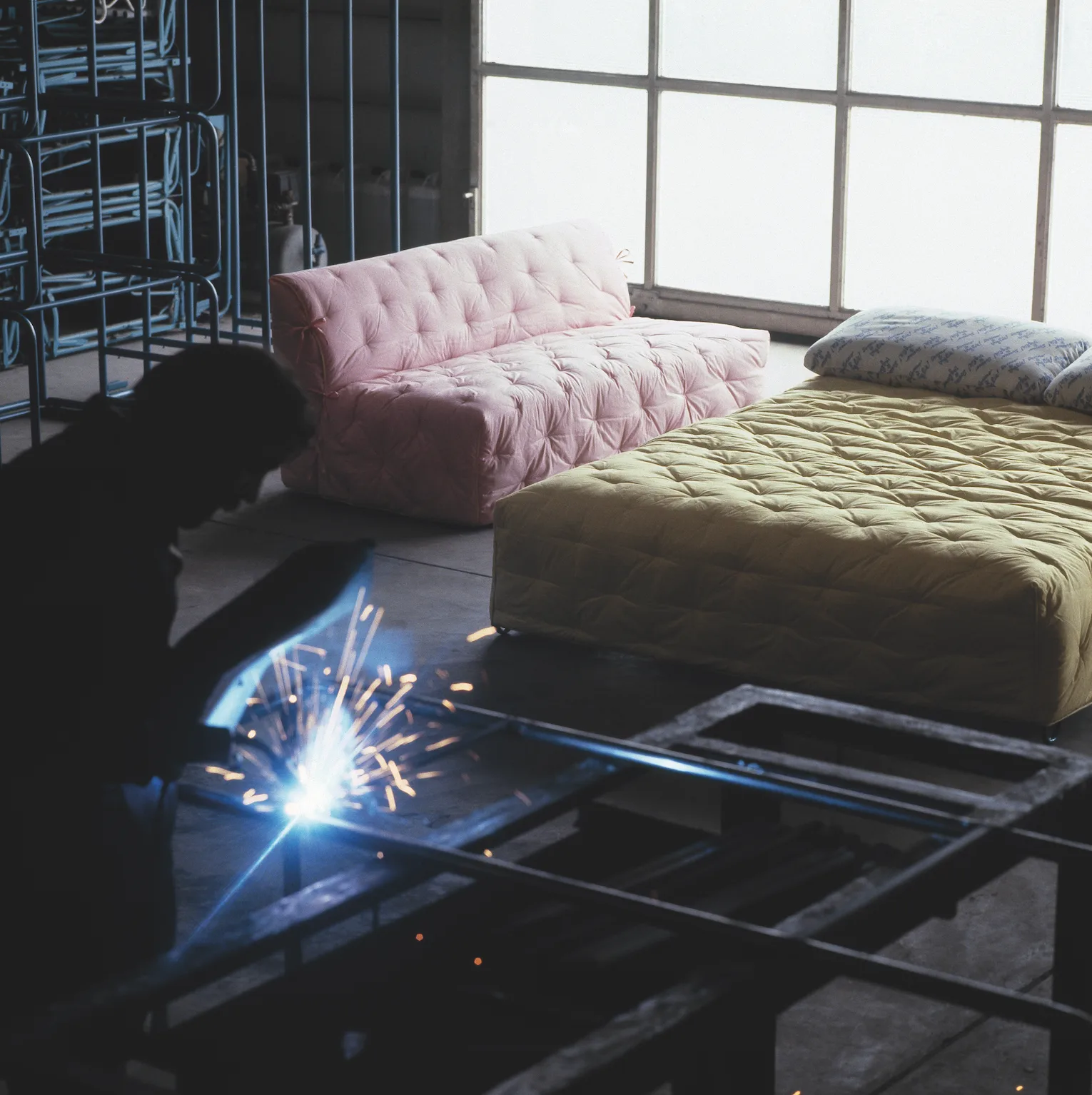
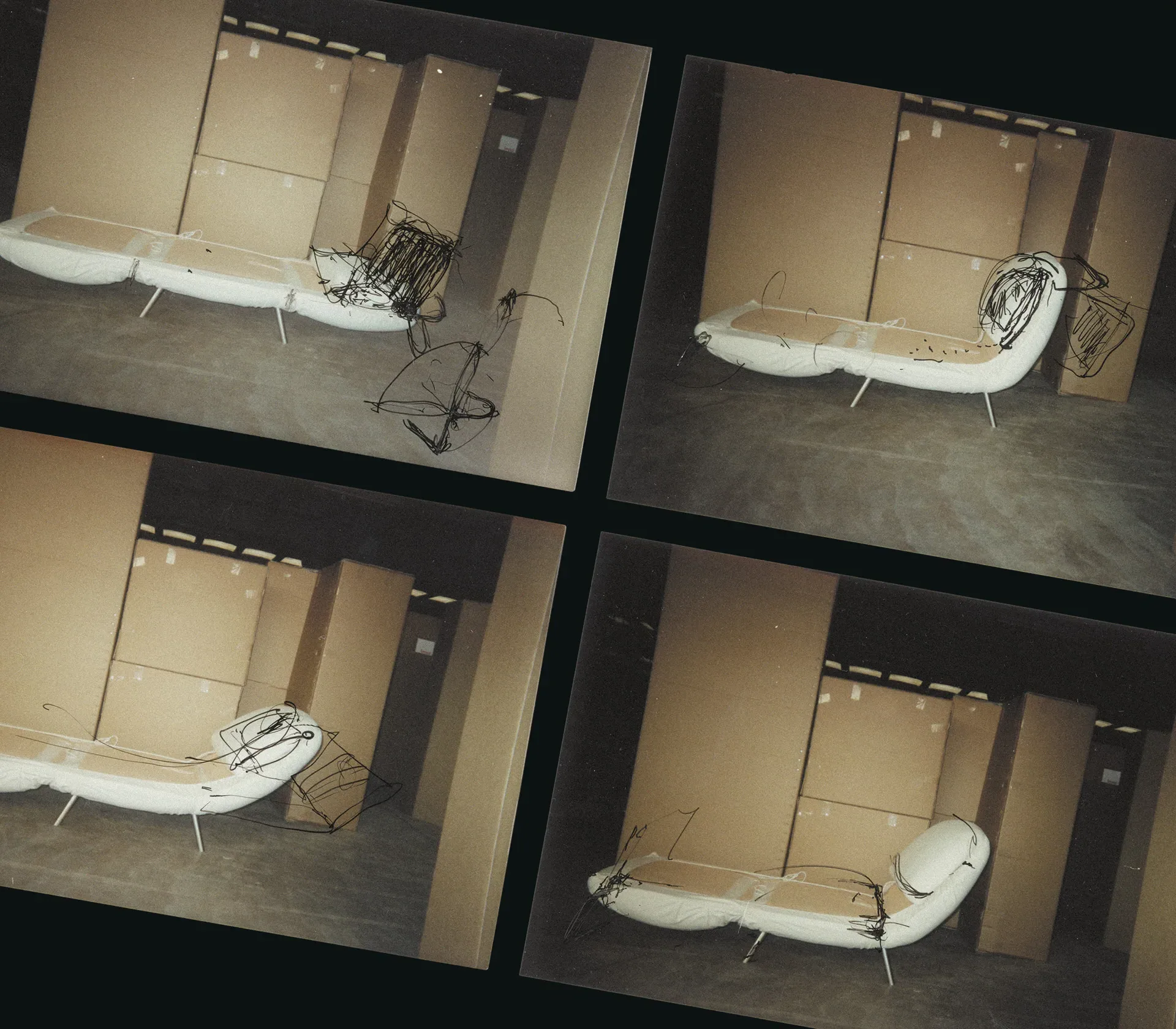
We kind of take convertible furniture for granted these days. Walk into any luxury showroom and you’ll find sofas that become beds, beds that become lounge sets, lounge sets that split and divide – cell-like – into chairs, chairs that morph back into sofas. Flexibility is a core principle of modern design. But Campeggi were the pioneers and risk-taking frontrunners behind this trend. They were making multi-functional furniture before the industry even had a name for such things. If you’re sleeping on a sofa bed right now, it’s largely because of this family.
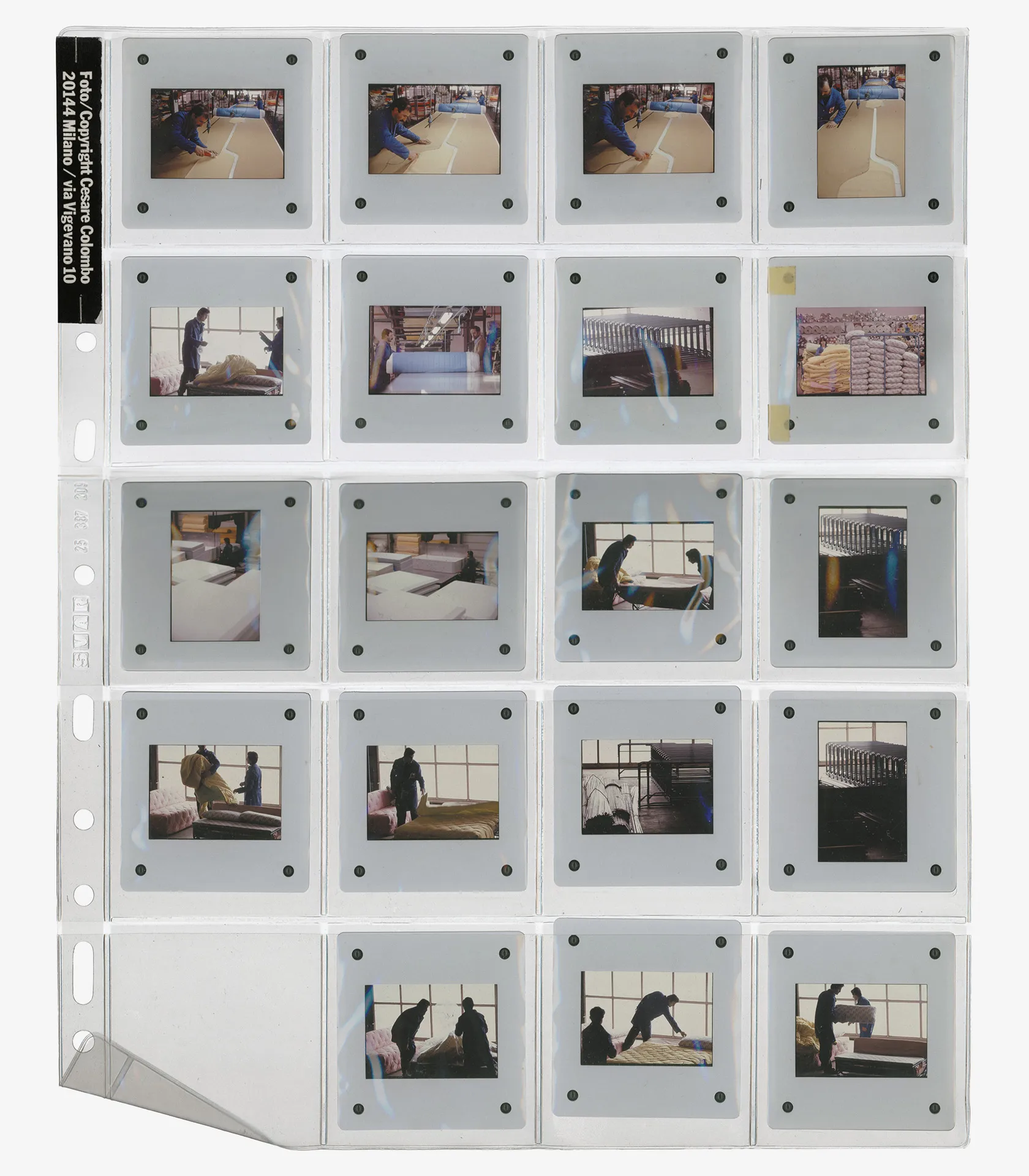
The brand was founded in 1959 by Luigi Campeggi, Guglielmo’s grandfather, in the Brianza region of Italy – right at the foot of the Alps, halfway between Milan and Lake Como. Already a renowned hub for high-end craftsmanship, in the 1950s Brianza and Milan became more or less the epicentre of post-war Italian furniture design, home to groundbreaking studios like Cassina, Arflex and Zanotta. But right from the start Campeggi carved out its own quirky, experimental niche, launching with a range of folding sofa beds – quite a commercial risk in the middle of the 20th century. You have to remember, this was a time when prawn cocktails were considered haute cuisine.
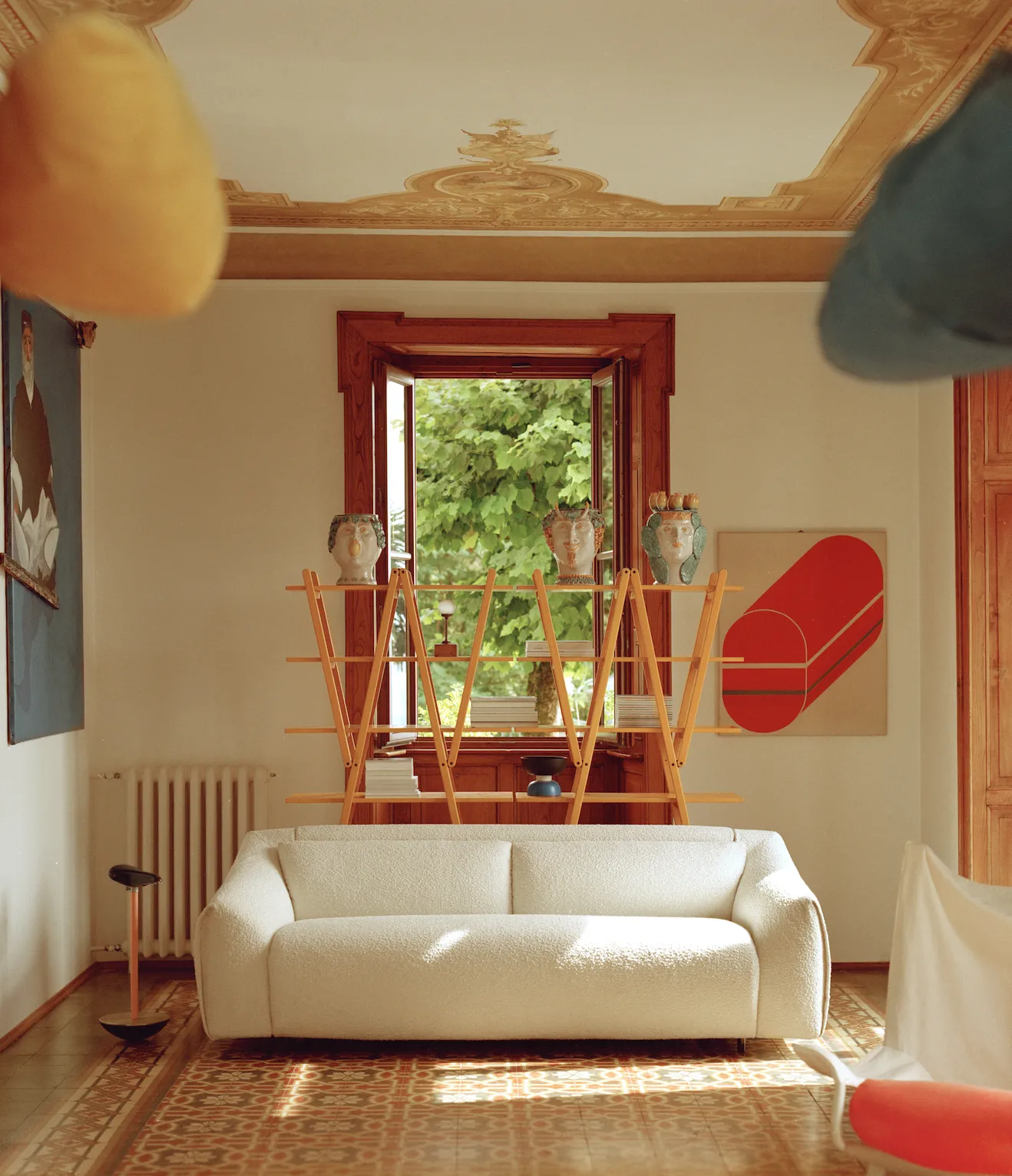
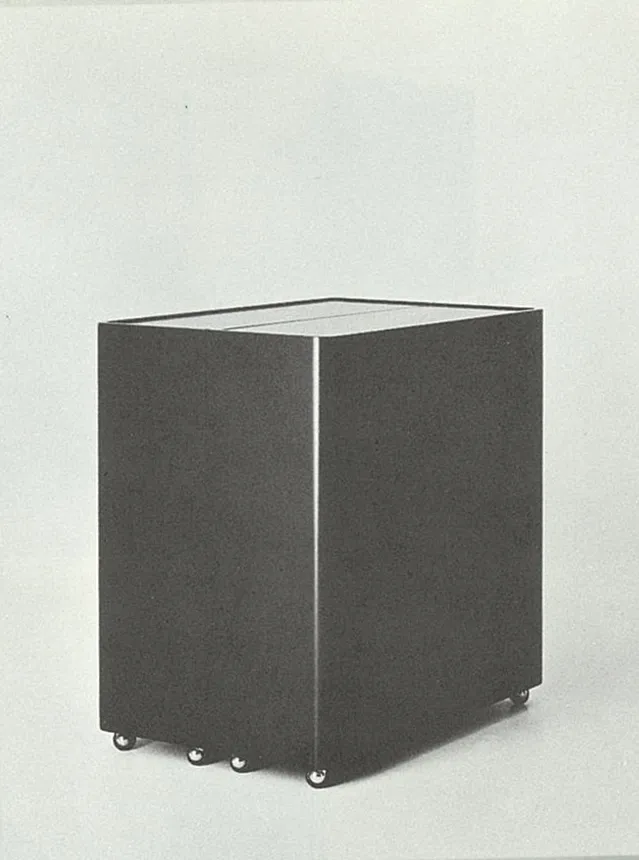
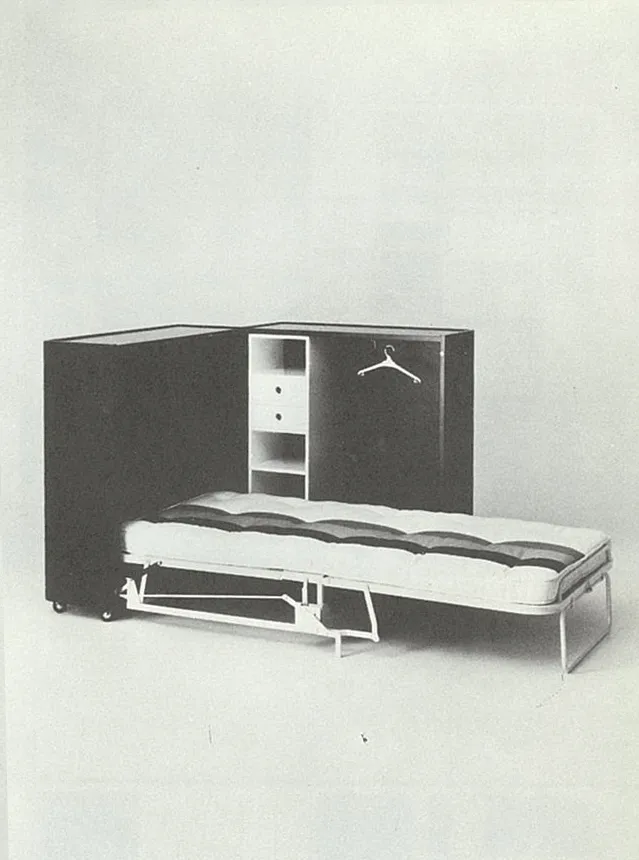
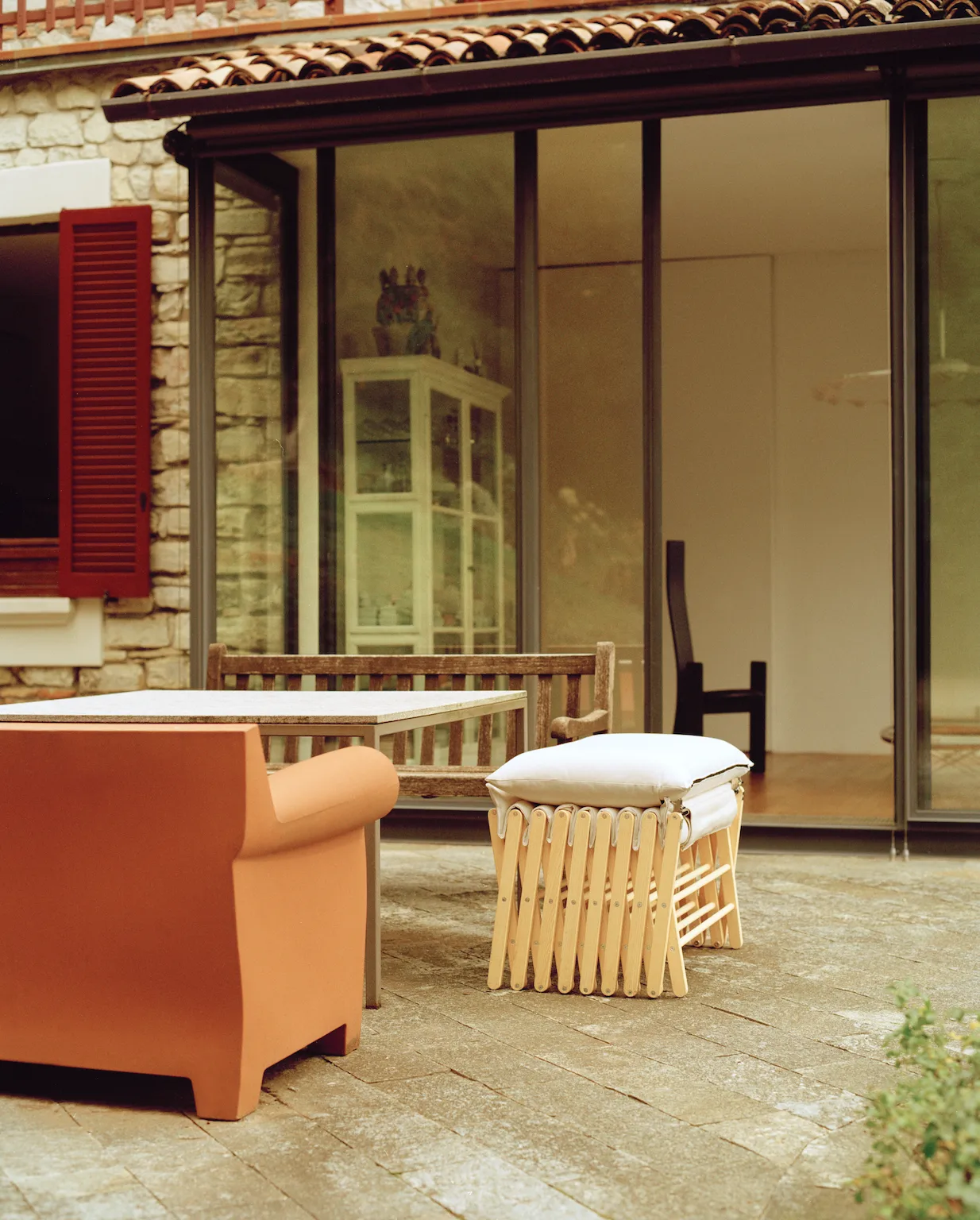
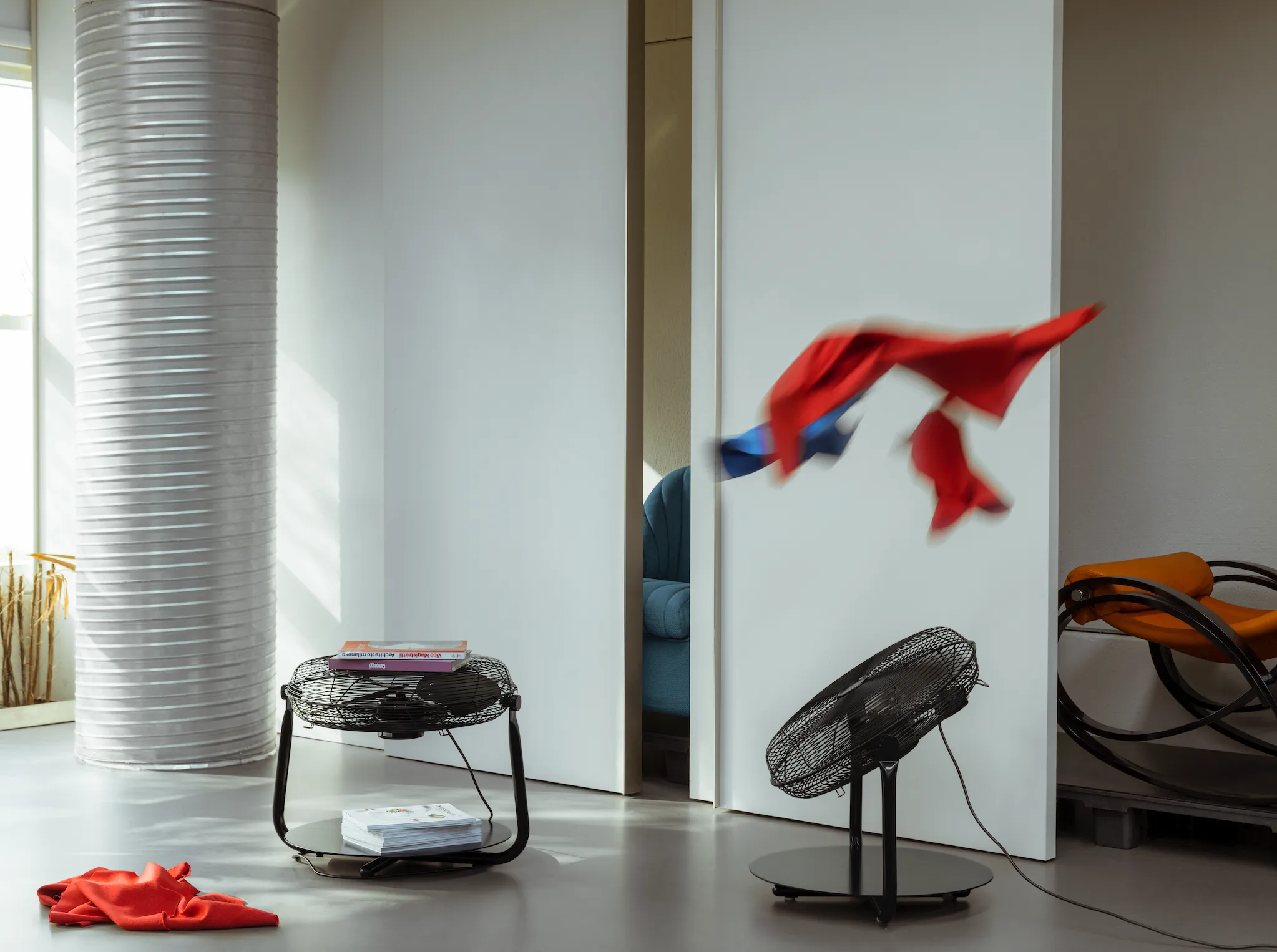
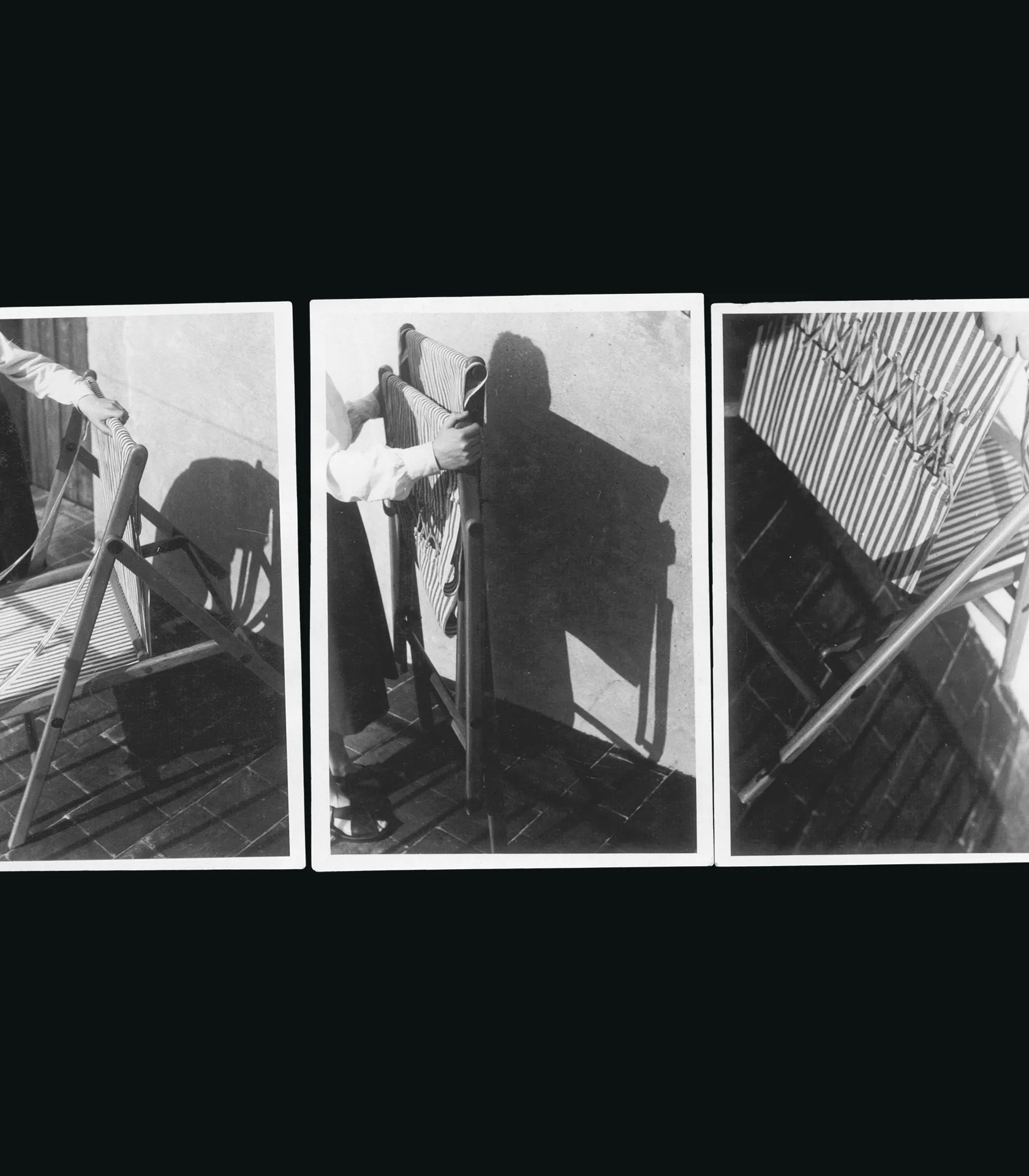
By the 1960s and 70s, the collection had expanded to include all types of multi-functional furniture: wardrobe-beds, table-beds, collapsible chairs, modular bookshelves, inflatable footstools. Objects that blurred the lines between hitherto unblurrable categories. This was also the time when Luigi’s son, Claudio Campeggi, Guglielmo’s father, started to re-shape the company, collaborating with renowned Italian designers like Vico Magistretti, Denis Santachiara, Giulio Manzoni and Giovanni Levanti, among others.