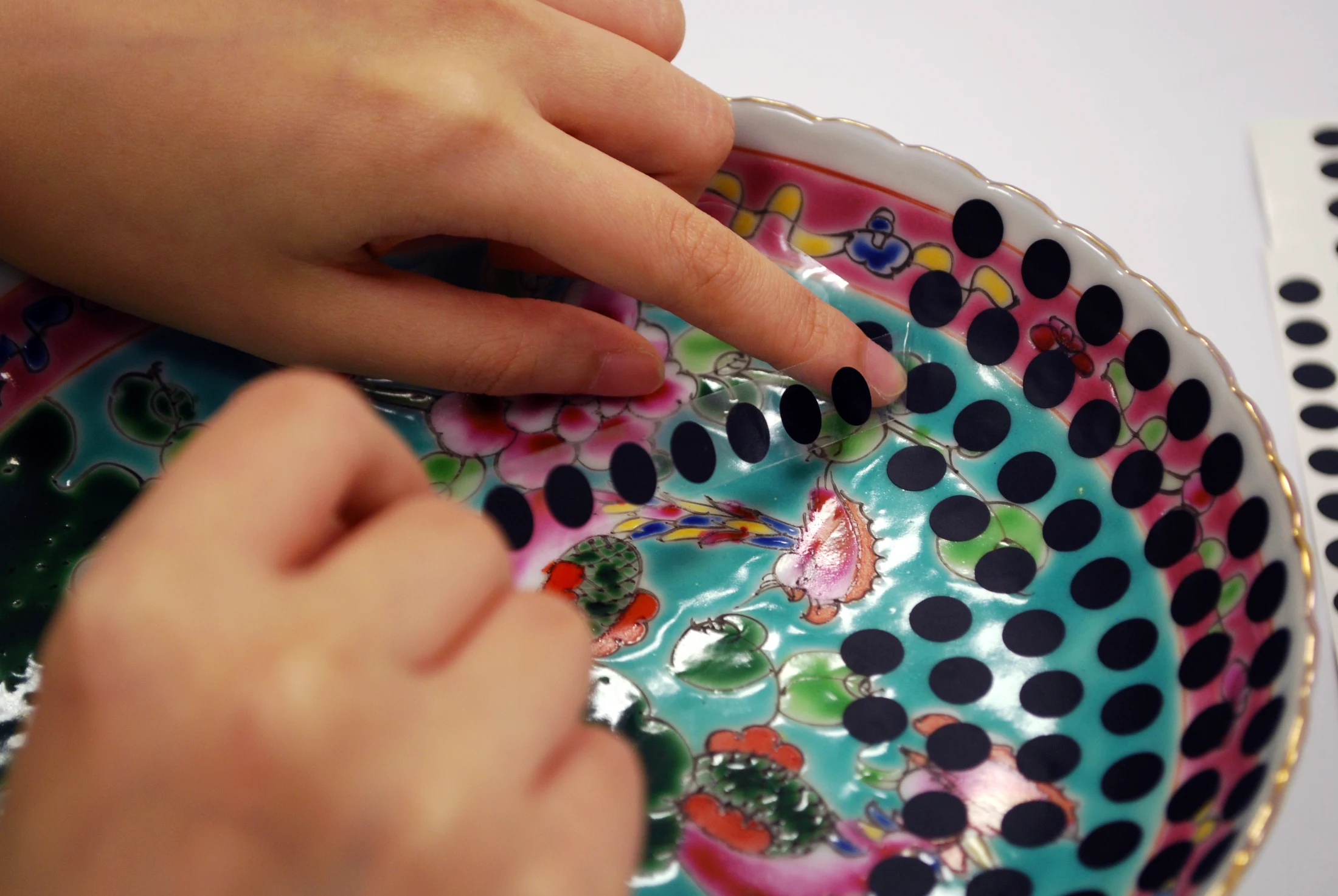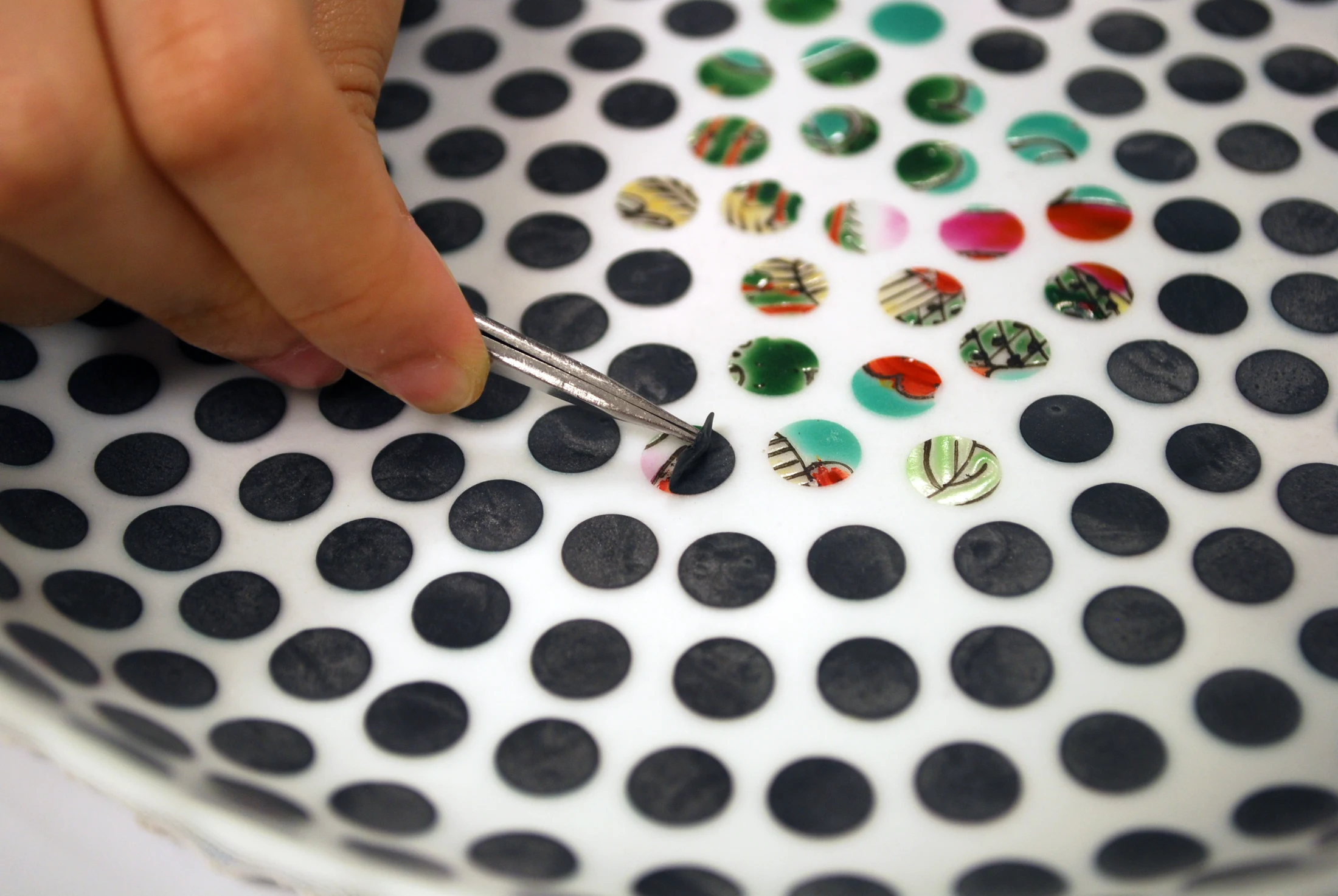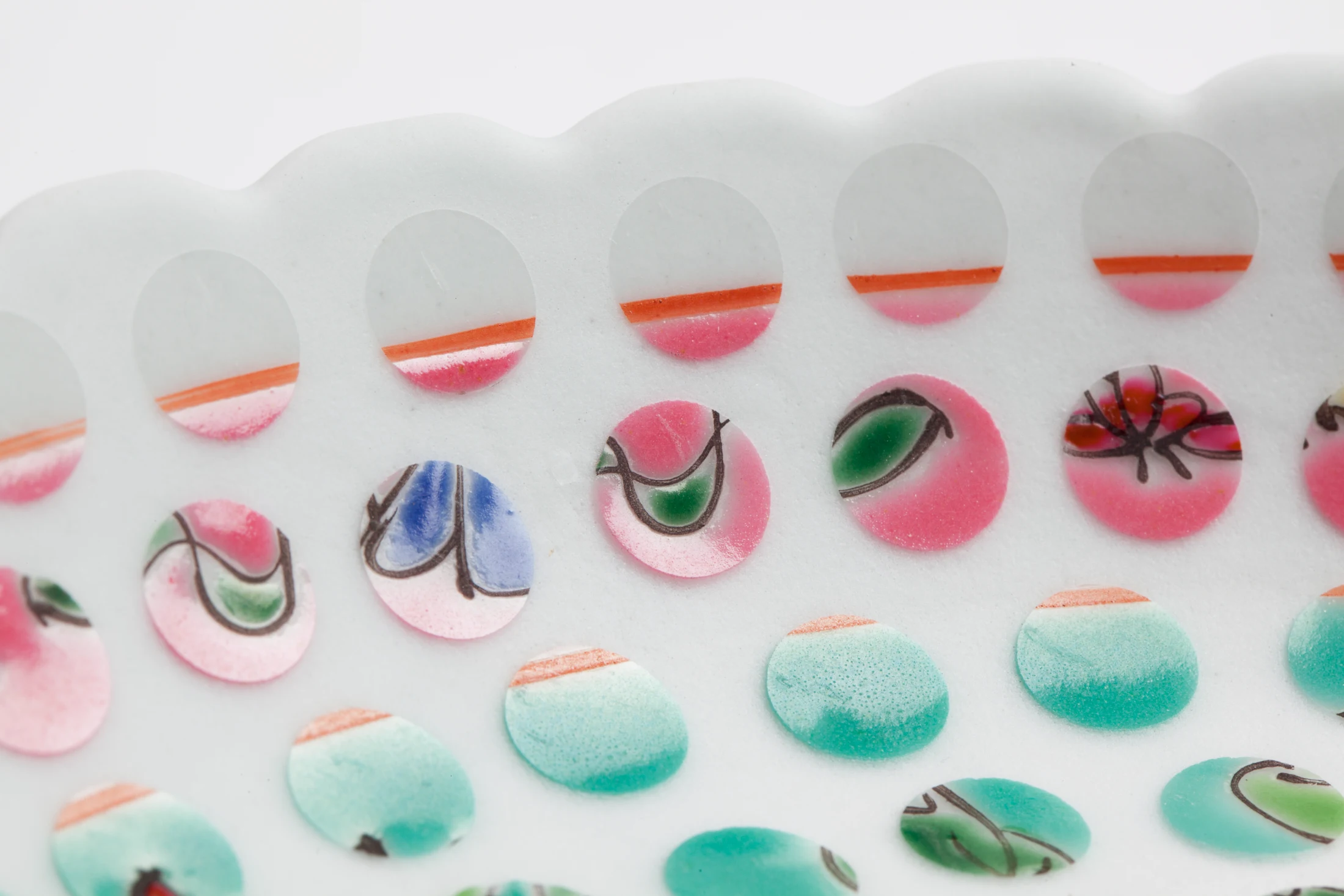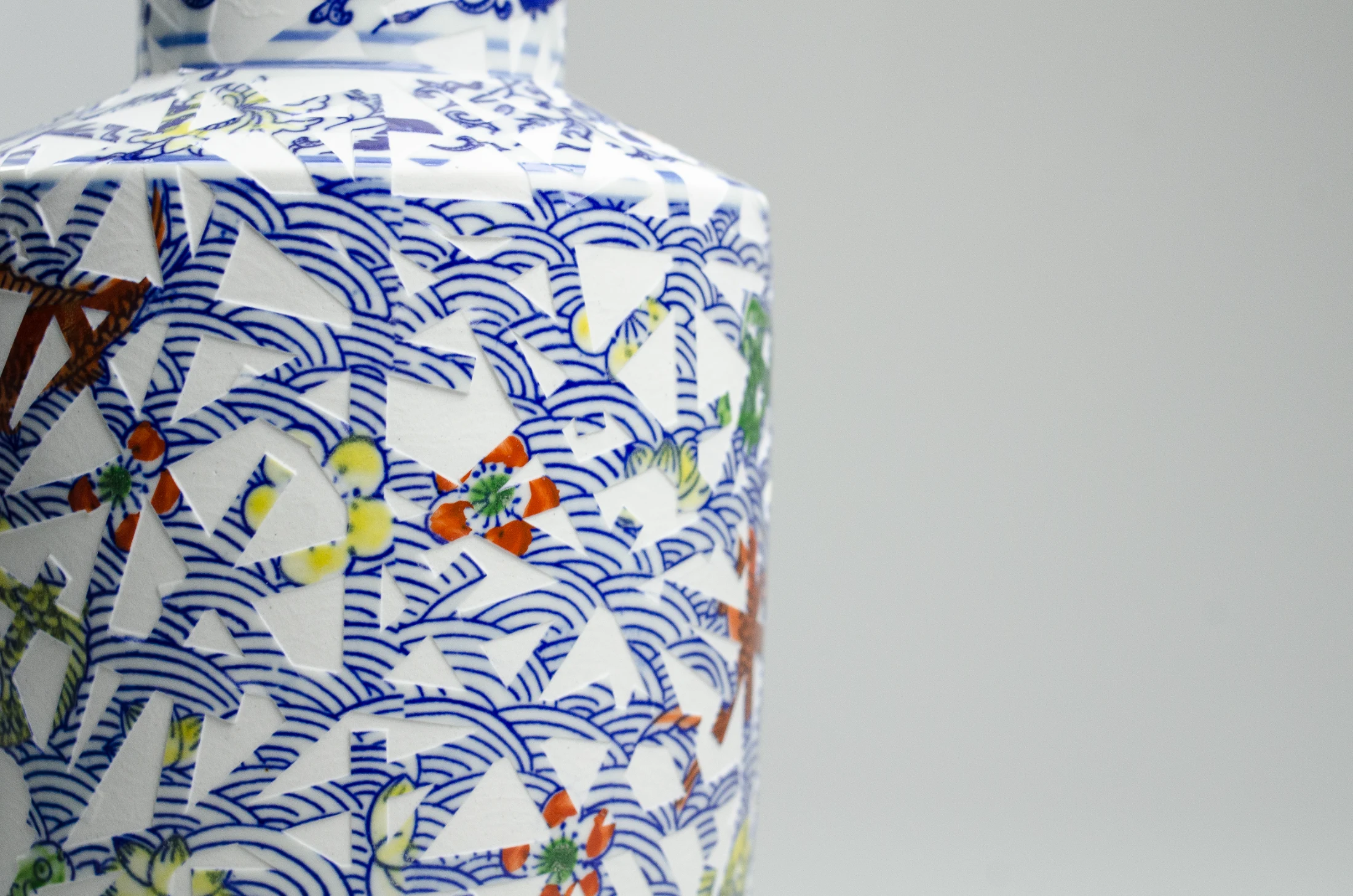

His ongoing project Hawker Colours¹ documents these spaces not as nostalgia, but as evidence: a way of understanding culture through pattern, repetition and use. For Tan, design is rarely about invention in the heroic sense. It is about noticing what already exists, asking why it looks the way it does, and tracing the invisible systems – economic, social, historical – that shape everyday objects. In Tan's hands, these details become ways to explore much larger questions about identity, value and how culture is maintained.
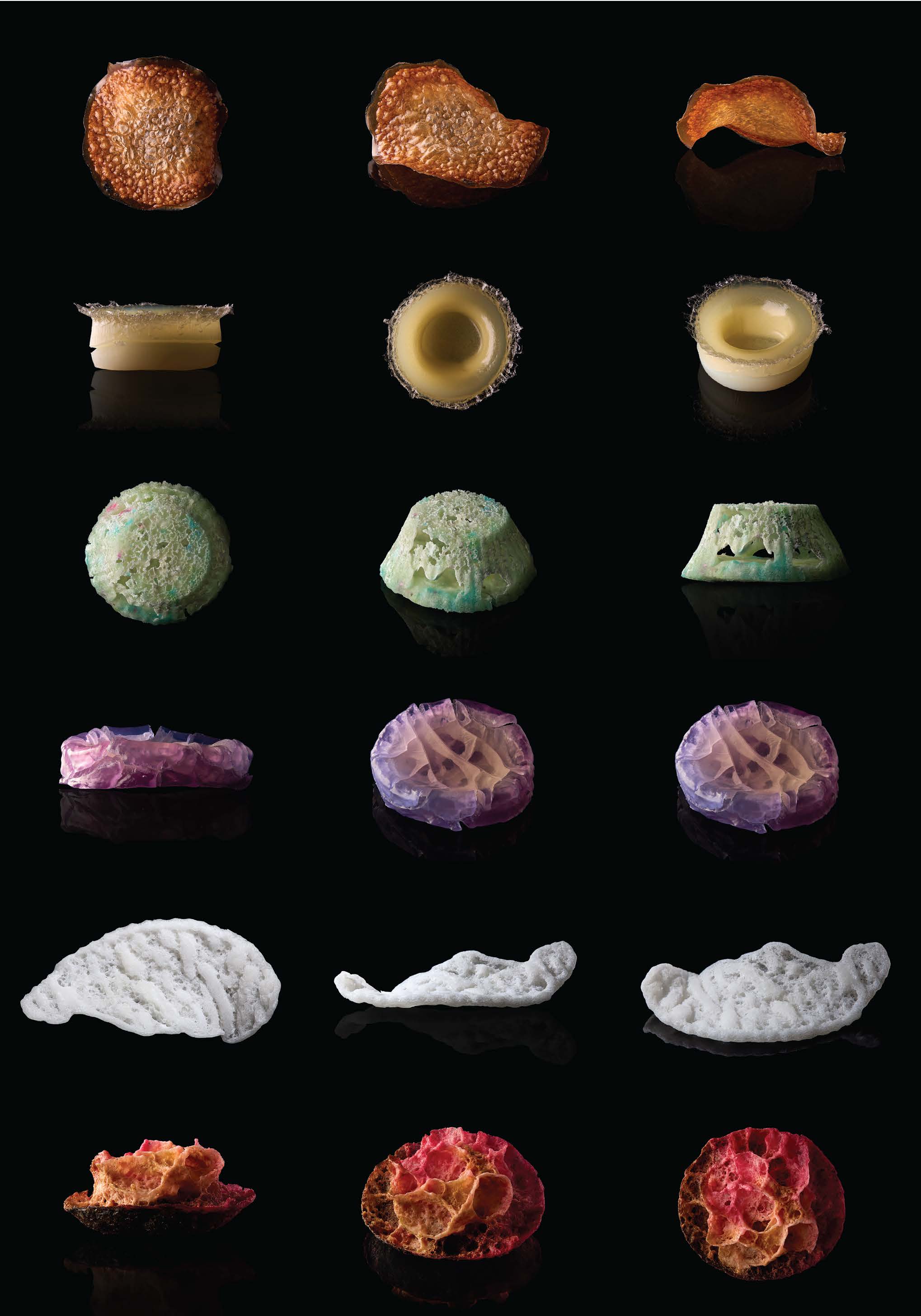
Hawker Colours is also a fitting entry point into Tan's wider practice. Whether experimenting with materials and processes or shaping ideas, his approach remains consistent: design is not simply about solving problems or producing objects, it's about creating opportunities to see familiar things differently.
The long way around: Becoming a designer
Tan often describes himself as a "designer who can't draw," partly because it dispels the myth of innate "creative genius" that still surrounds design education. Growing up in Singapore, he never considered himself to be particularly creative.
After initially studying business, Tan made a late pivot into industrial design at the National University of Singapore. It was not an obvious fit. Drawing, considered a foundational skill, was a struggle. Classmates occasionally poked fun at his sketches. "I felt very inadequate," he says, acknowledging that design culture often equates visual fluency with creative intelligence.
But something else began to emerge. While drawing came awkwardly, making did not. Working directly with materials – cutting, assembling, testing, breaking – felt intuitive. Rather than sketching in two dimensions, Tan realised that he could think in three dimensions simply by working on the object itself. The material became the drawing.
That instinct would become the cornerstone of his practice. Years later, when Tan received the President*s Design Award in 2018, his mother reportedly told him, with a hint of surprise, that she had never thought of him as creative while he was growing up. For Tan, the comment was confirmation that creativity is not a fixed trait, but a muscle that can be developed.