
Magazine Current IssueMagazine Current Issue
Small Home: Casa Koala
From our Mag
February 4, 2026

Small Home: Casa Koala

Tucked inside a 145-year-old Amsterdam canal house, Casa Koala is a colourful, light-chasing sanctuary for Pedro and Asia. Designed as a sensory refuge, the 54sqm home balances their neurodivergent needs with bold hues, recycled materials and ritualised routines — a carefully crafted nest where calm, creativity and connection quietly coexist.

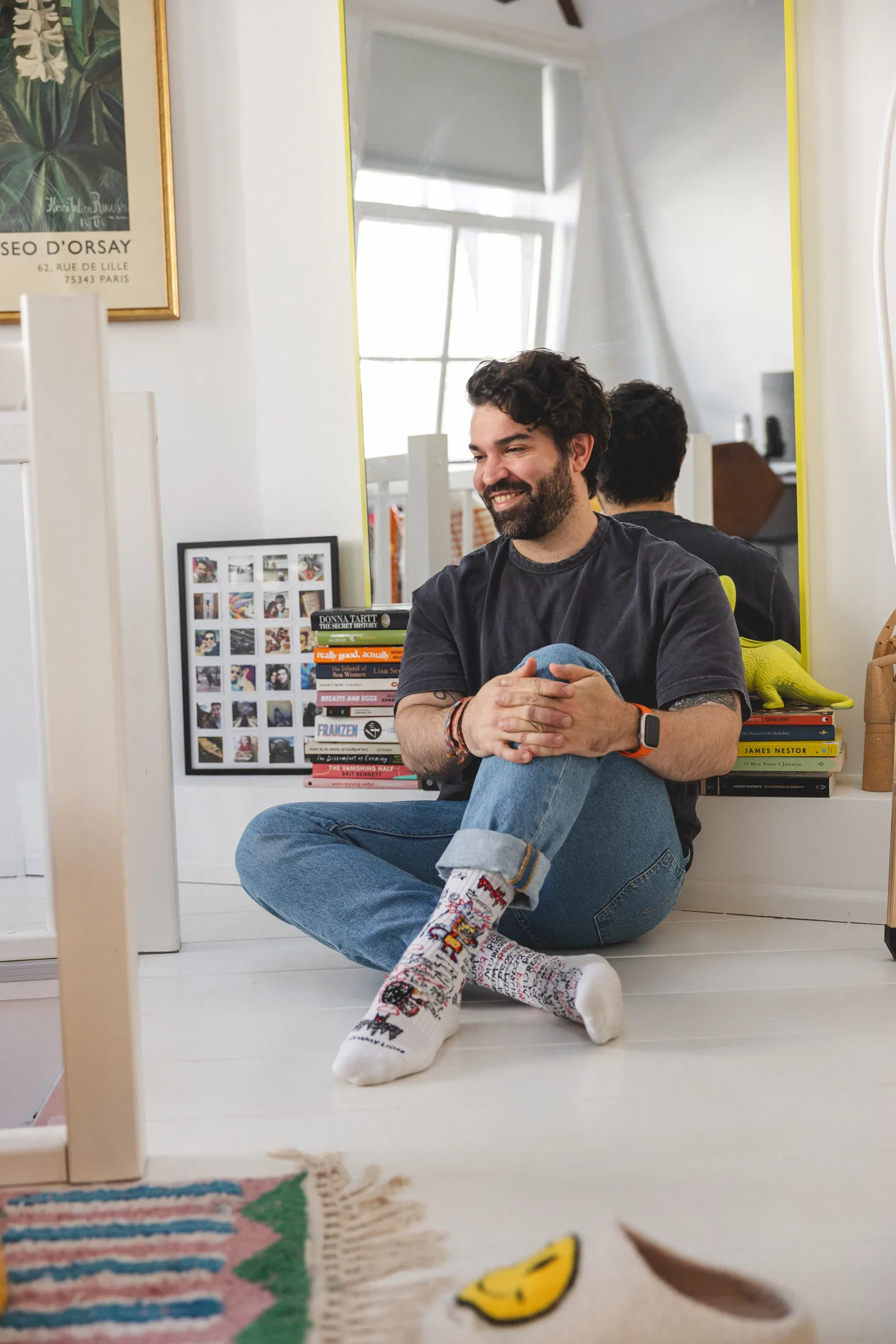
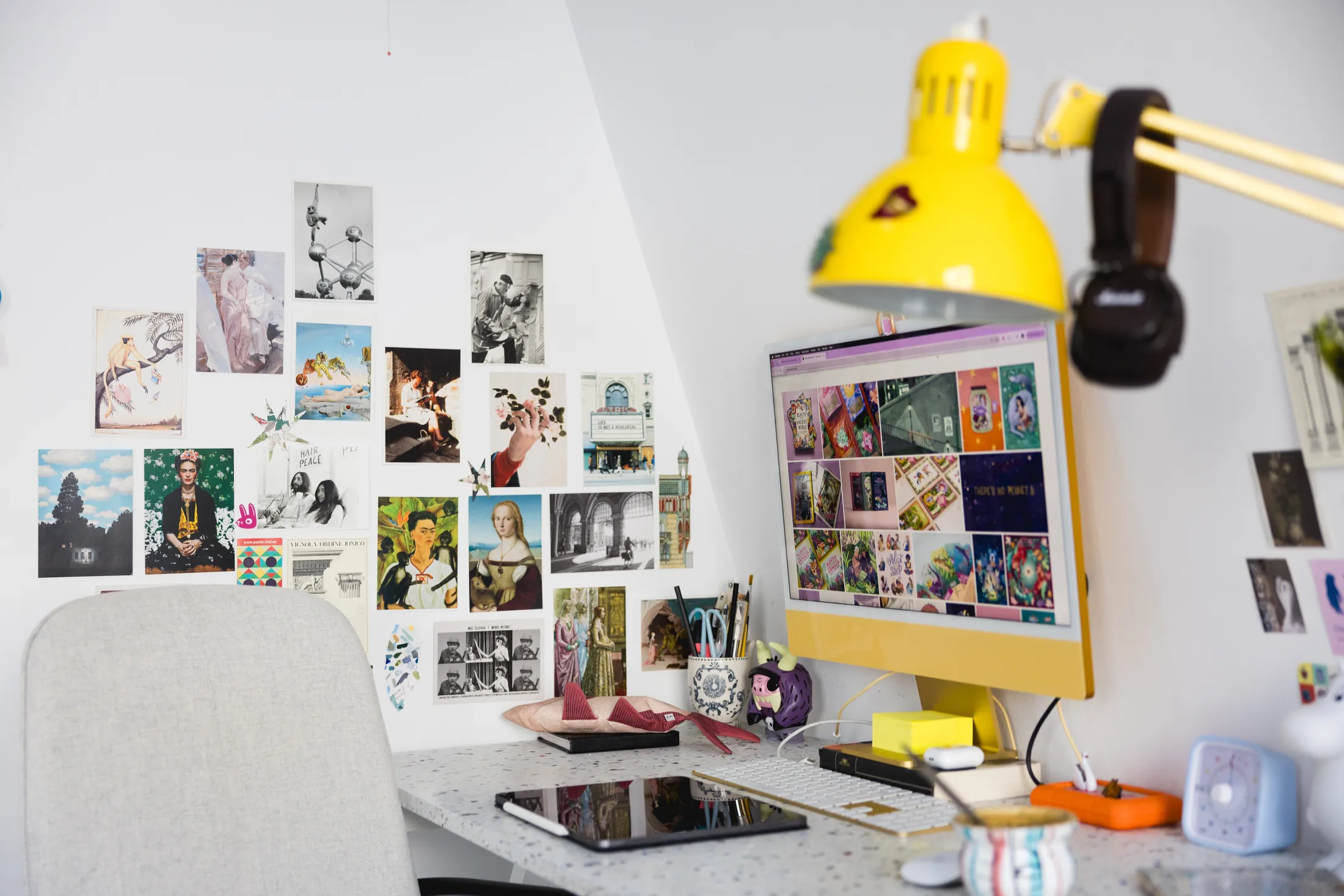
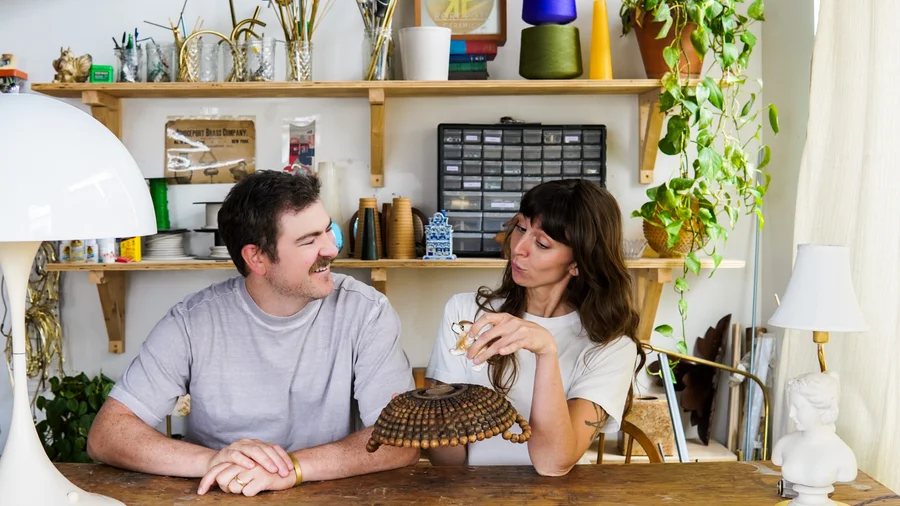
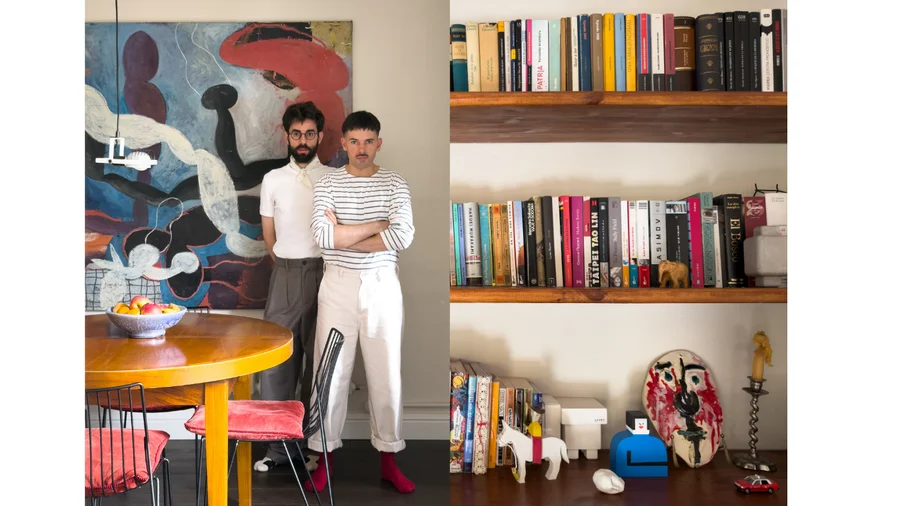
On a quiet street in Amsterdam, near Vondelpark – so quiet you can hear the magpies singing and people dropping their keys outside – live Pedro (finance executive), Asia (illustrator and YouTuber) and their friendly dog, Lupe (currently unemployed). The neurodivergent couple moved into their 145-year-old canal house shortly after COVID – and basically gutted it. Rebuilding every room from the floorboards up. The result is Casa Koala: a breezy, light-dappled, multi-storey oasis. Stuffed with mementos and jam-packed with colour.


Casa Koala isn’t just a refuge. It’s a sensory break from the world outside. A place to work. A place to breathe and recharge. A little slice of peaceful, creative routine. 

Colin Chee
Writing:
Pedro Orlando
Writing:
Colin Chee
Photography:
Photography:
Pedro Orlando
Magazine Current IssueMagazine Current Issue
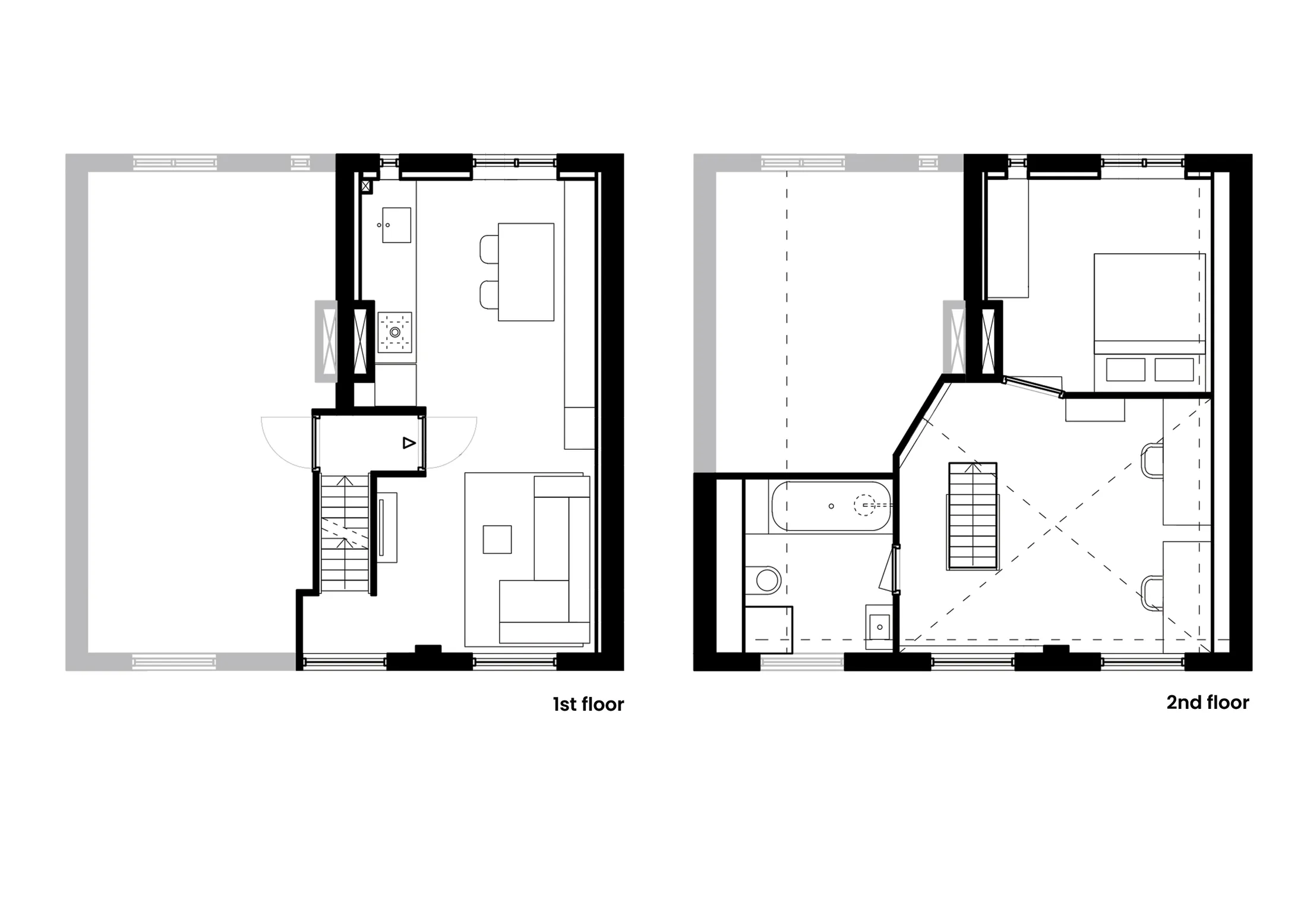
The After shot of the Floorplan
Before
before
after
After
Top
Arrow UpArrow Up

So how did you guys meet? 

Pedro: We started dating in Vienna 11 years ago. I was on a business trip, and I opened this app and she was there, completely by chance. I had to travel home to Argentina three weeks later, but I said “I’m coming back”. And I’m a man of my word.

We did a long-distance relationship for like six months, and then in October 2015 I decided to move. I went to my family and said, “Hey guys, I’m moving to Europe in two weeks”. I sold everything I had and took a plane. Asia joined me a month later, and we’ve been living together ever since.

Did you live in Amsterdam originally?

Asia: We first lived in Warsaw. I wanted to complete my Master’s degree there, so we decided to meet in the middle: a new place for both of us. It was our first apartment, and it served us well. Then we moved to Amsterdam about six years ago. We got a rental close to the city centre, and it was quite nice, but it wasn’t ours.

Pedro: We bought a house together, but then COVID hit and we had to work from home. The pandemic was starting. And that’s when we decided to buy a new place. It took another two years to find this apartment.  

Tell us about the apartment and its history.

Pedro: It’s an old house, like most Dutch houses. It dates back to 1880. So the bones are about 145 years old. 

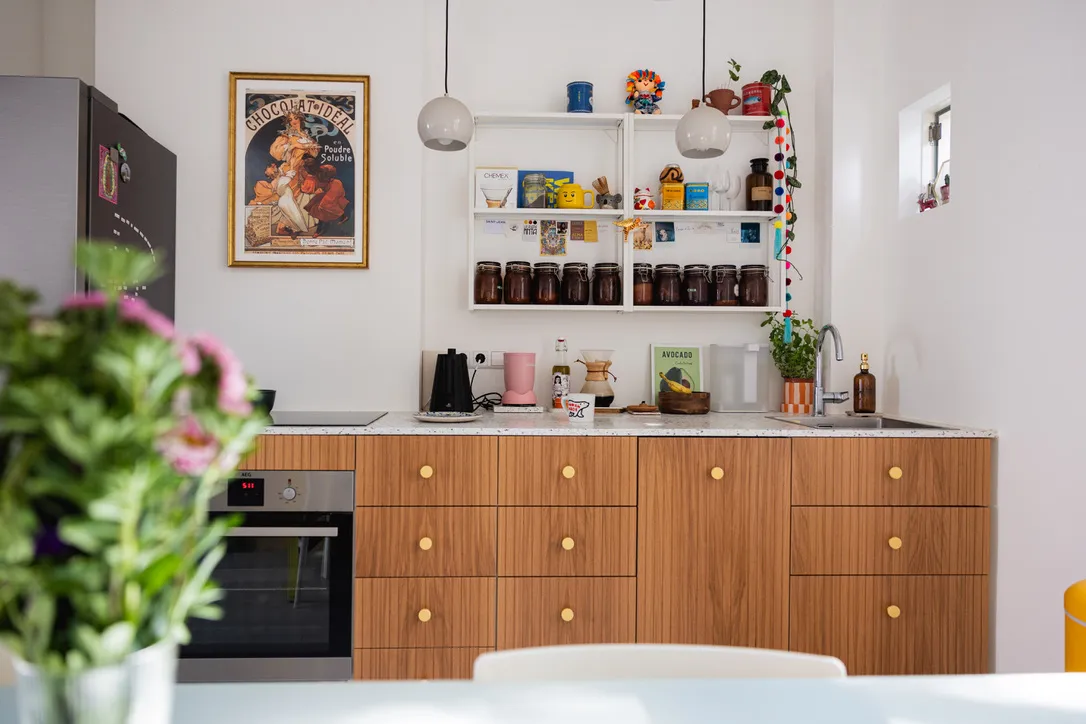
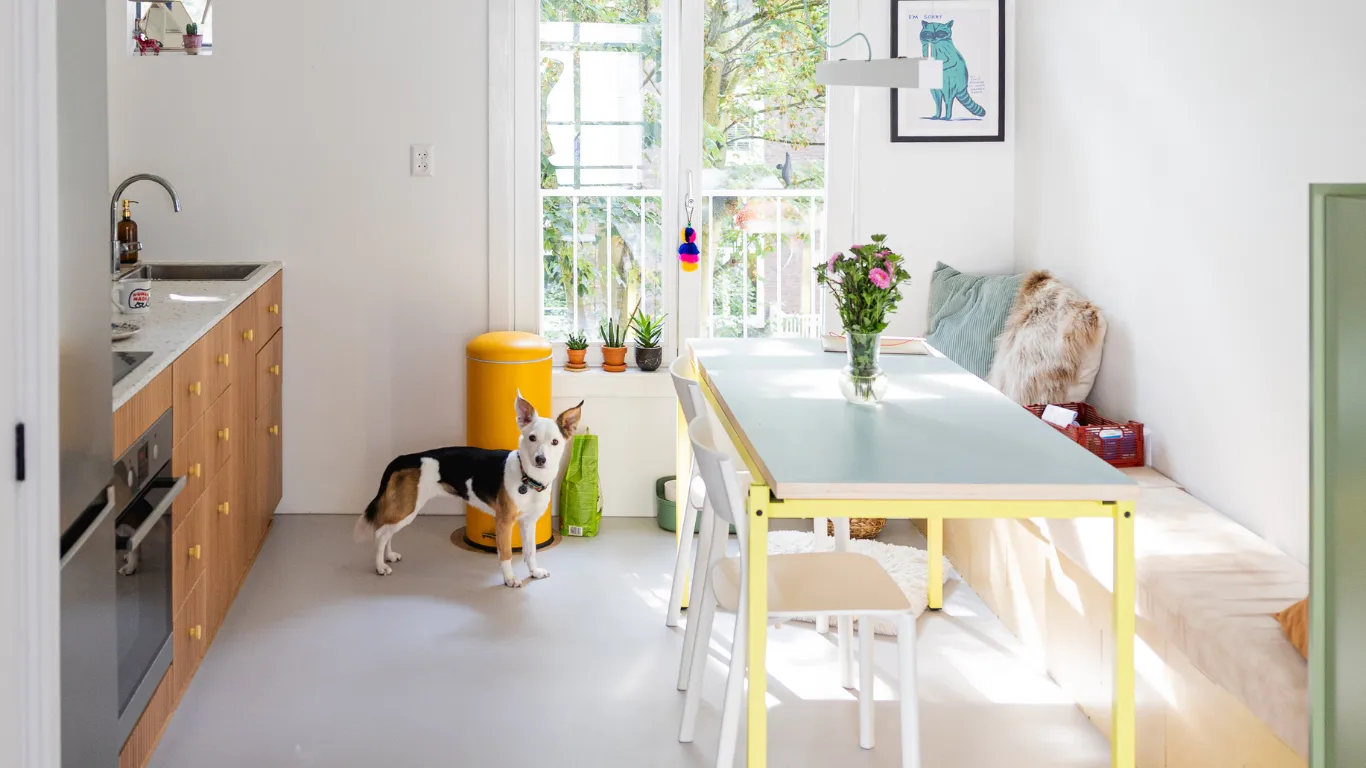
Asia: It’s narrow too. Not as narrow as some Dutch houses, but definitely long. And even though we didn’t change the foundation of the building, we made a lot of cosmetic changes. And because the house is uneven, it caused a lot of issues with custom work. Like the countertop in the kitchen. That was hard to cut, because the walls are slightly crooked, so it’s cut not just vertically but on an angle. But in the end, the unevenness of the house is kind of its beauty. We couldn’t do much to fix it, so we just accepted it as is. 

What other work did you do to the space?

Pedro: We basically did everything from scratch. Literally, I just took a hammer and started hammering everything, like Jack Nicholson from The Shining. With some construction guys, we tore the walls down and put everything back together. 

One of the first things we did was put insulation in the walls. These old Dutch houses, everything is made of wood, and the beams sometimes run across lots of buildings, so it’s like a big acoustic guitar. We added insulation in the walls and the doors, even under the floor. With both of us on the spectrum, we’re very quiet, and we appreciate quietness, so we try not to disturb the neighbours at all. 

Asia: Watching this house that we’d just bought be destroyed by the construction workers, that was very scary and stressful for me. So Pedro was the one doing site checkups and talking to the construction guys. 
How did you settle on a style or aesthetic? Was everything a joint decision? 

Asia: It was an interesting experience. I have a degree in designing spaces, in fine arts and interior architecture, but Pedro handled a lot of the design. The solutions were his. I just stayed on the side, observing and giving my opinion.

Pedro: I’m an executive, so I can make decisions very fast. But we started every room with a Pinterest board, reviewing it together, finding something we both like. Do we like this colour? Yes? No? Then when it came time to execute, I could come in and make the decisions. When I know what I want, I’m not going to have arguments with myself. It’s just next, yep, next, next. But Asia was heavily involved in the planning, especially the roof.

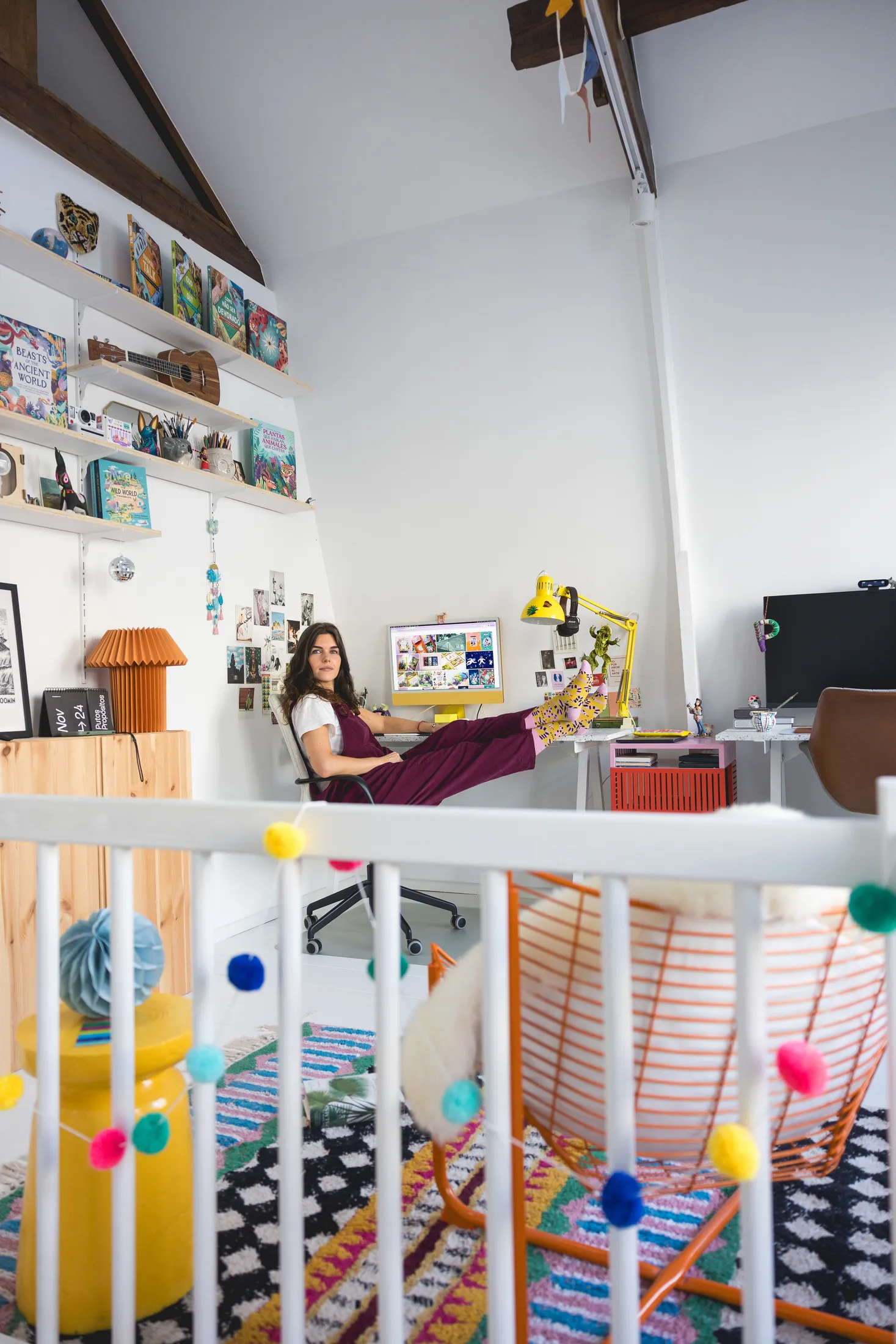
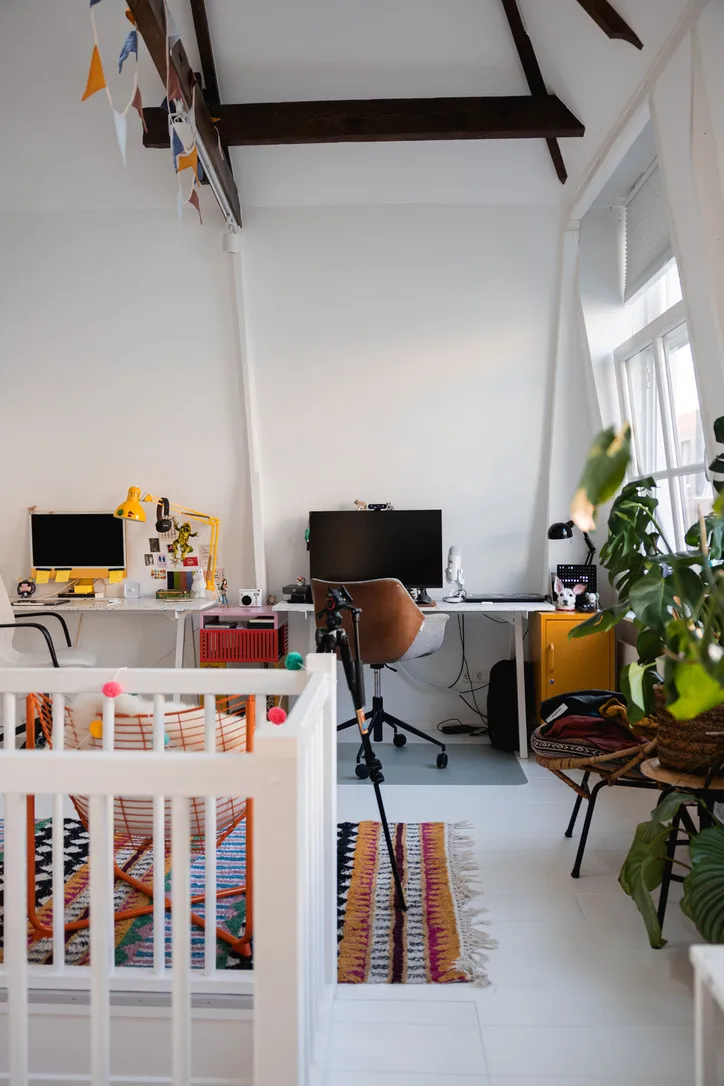
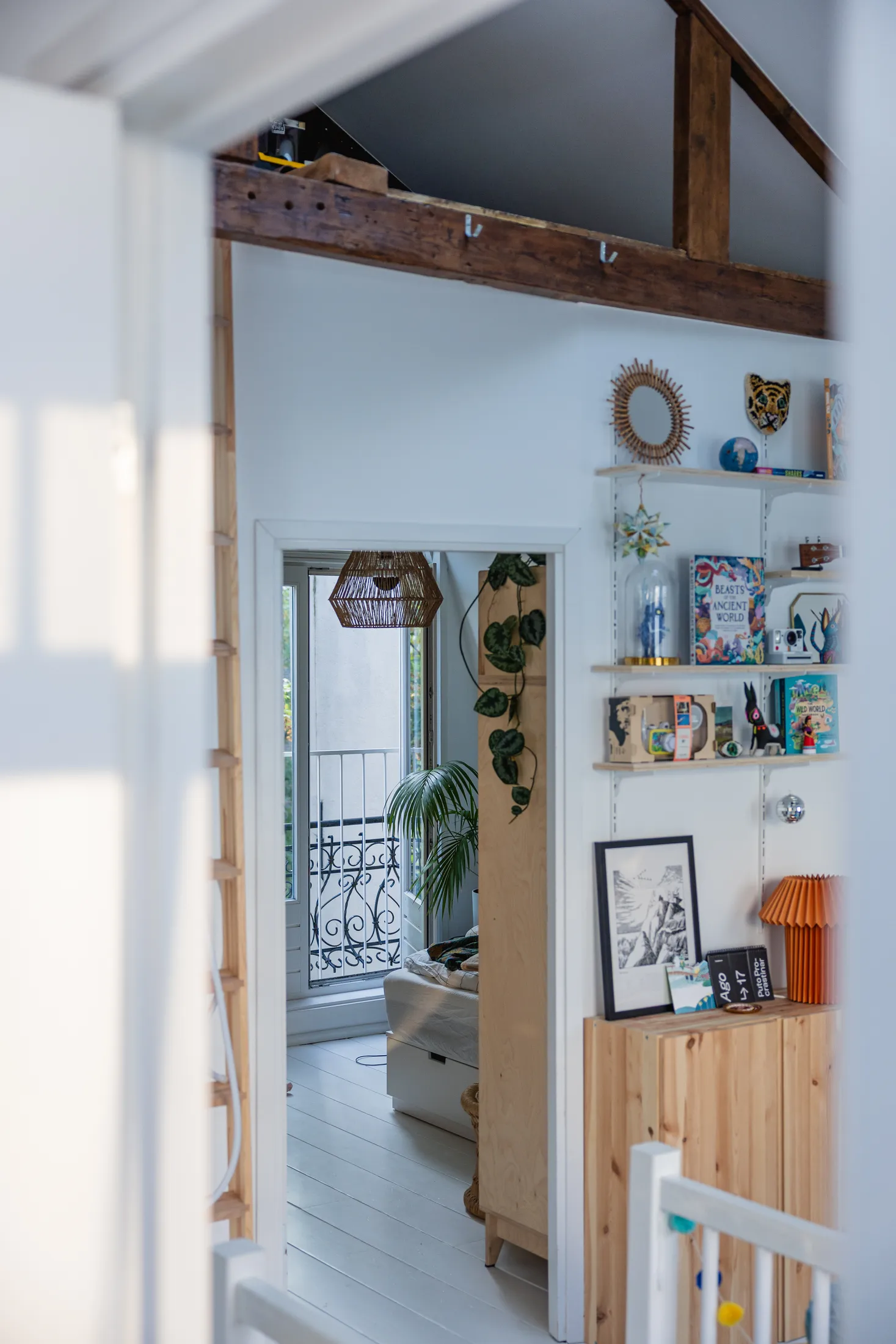
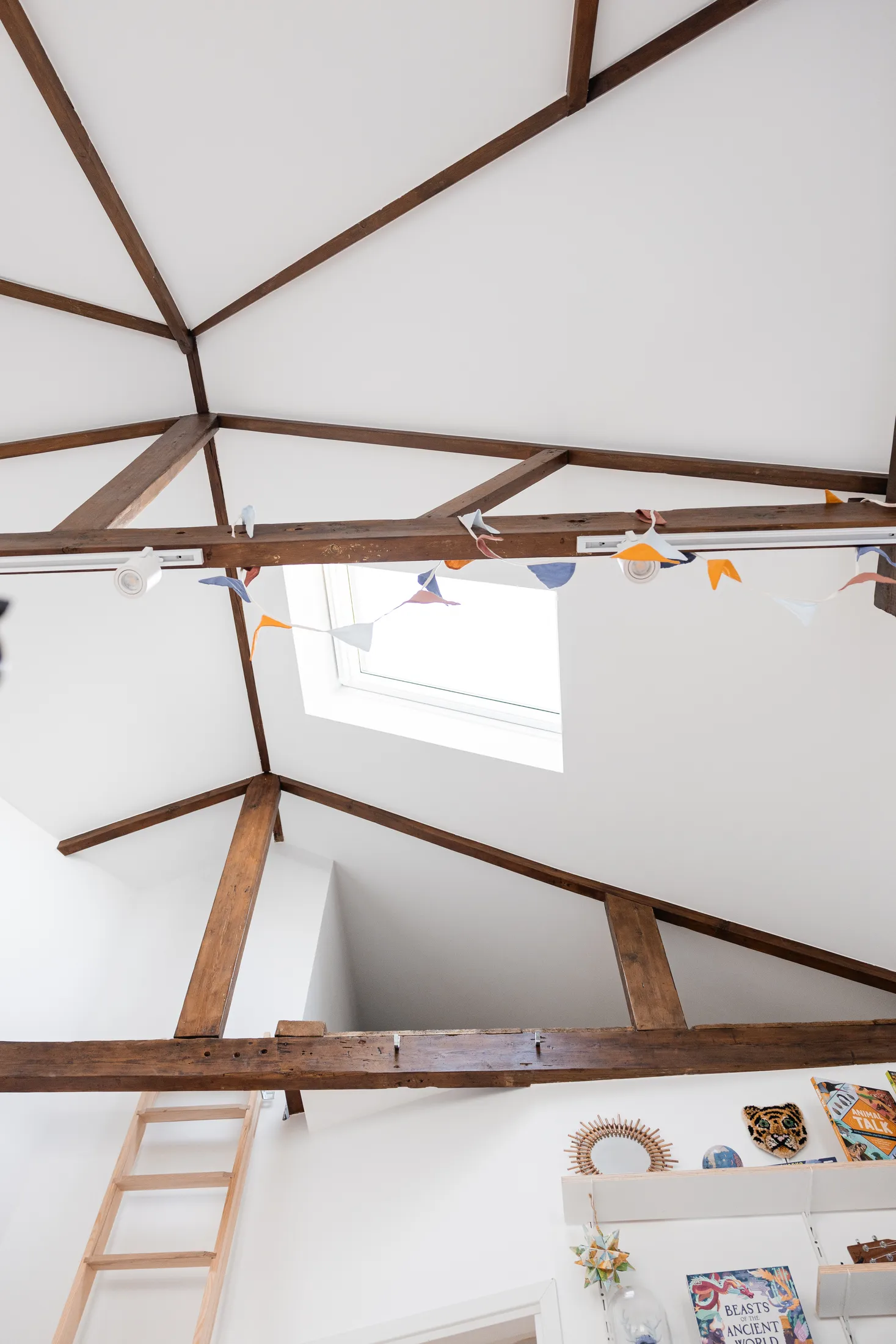
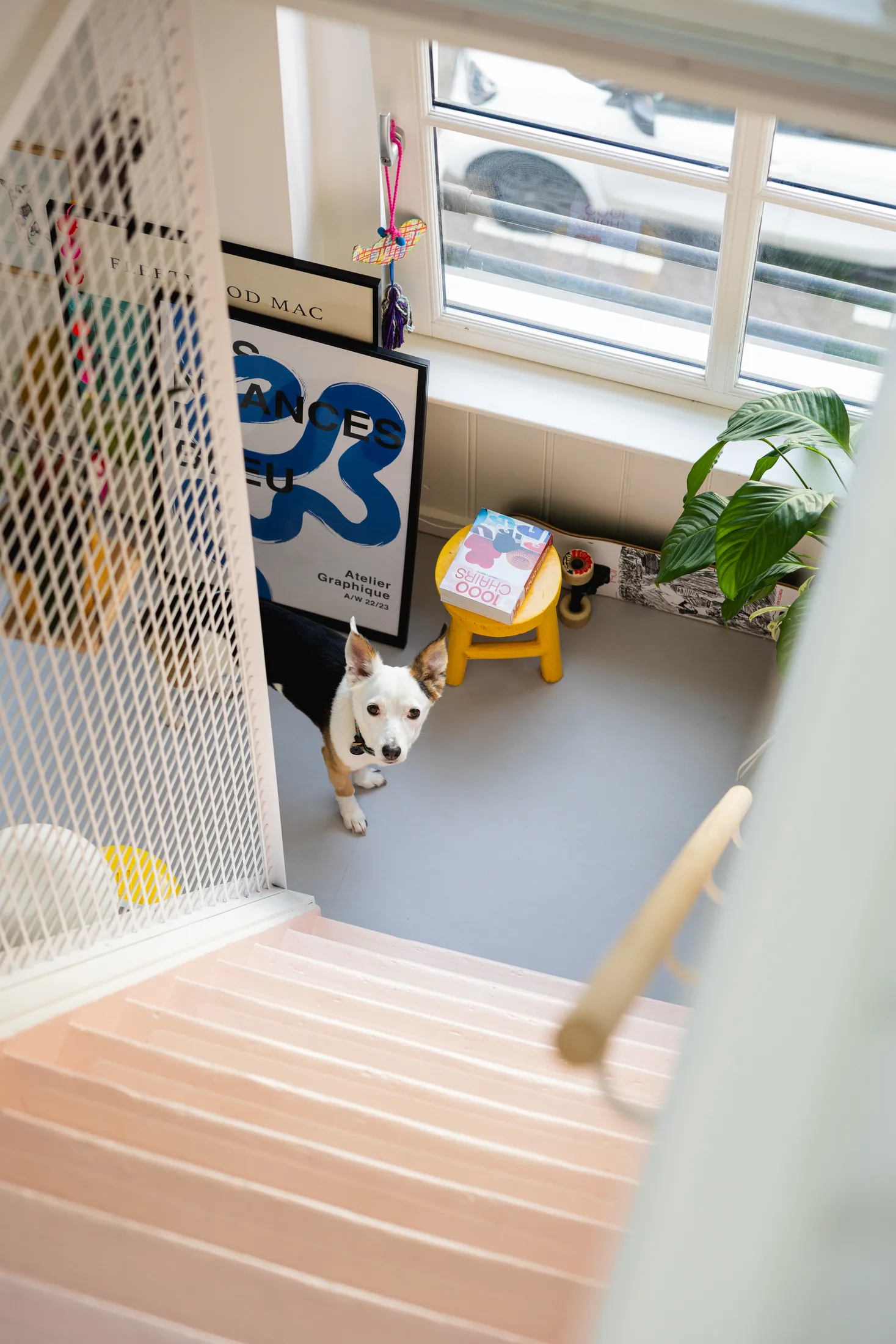
Asia: When we moved in, the roof was this big attic with broken wood and a division that we tore down. We thought, let’s make the roof higher. It gives you that sense of space. And we didn’t really need an attic.

Pedro: We don’t have much stuff, besides the mementos you see everywhere, and all the books. We’re quite minimalist. I don’t have many clothes either. Maybe it’s because I’m on the spectrum, but I always have the same number of shirts, trousers etc. If one dies I just replace it.

How did being neurodivergent influence your design choices? 

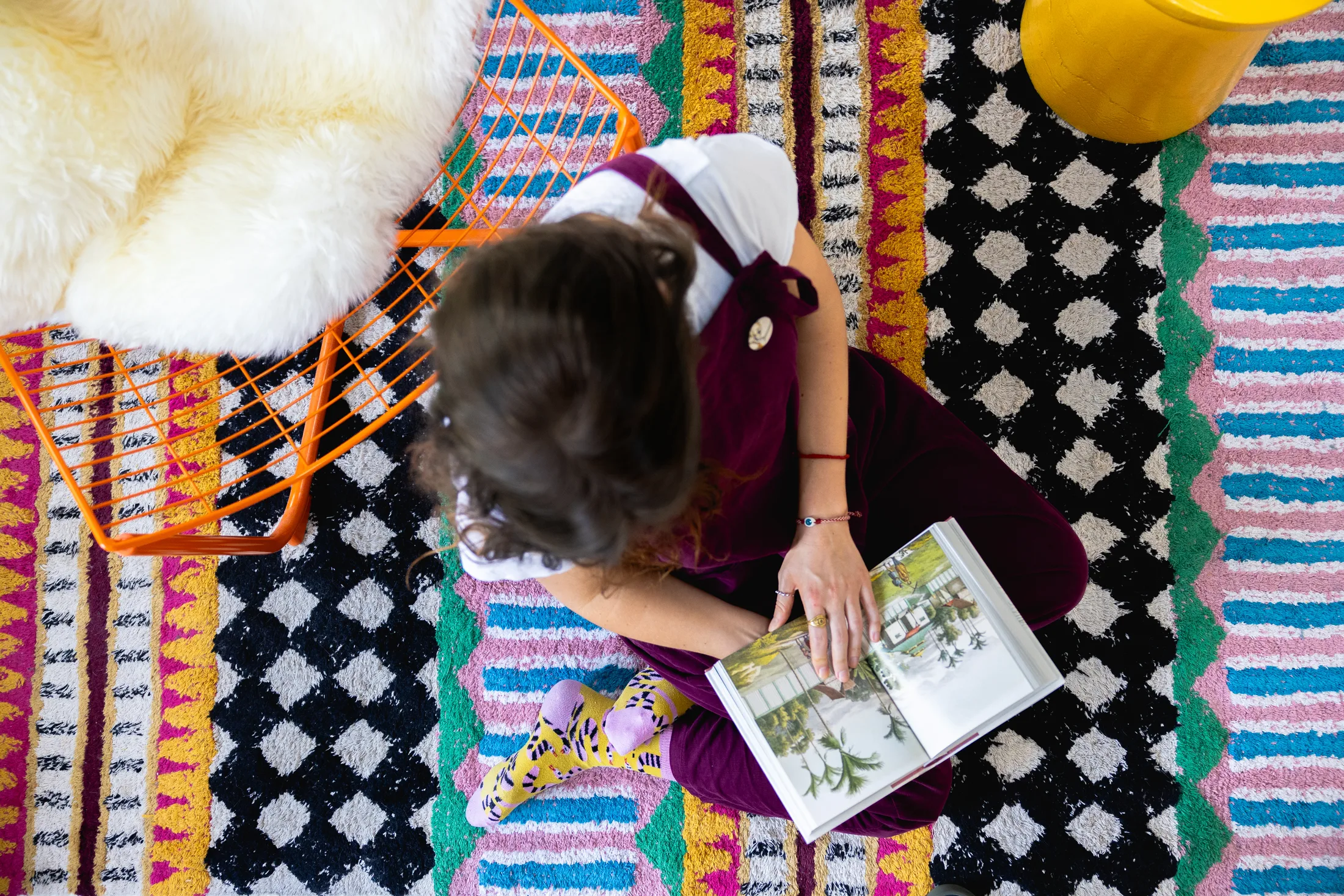
Pedro: For us, the stimulus of colour had to be present. It’s soothing for us to wake up and see all this green and orange. It’s very welcoming. I don’t know how to describe it, but if I had this room and I removed the colour and the light, I wouldn’t like it. It would make me feel tense. So wherever we could we added little colourful details, like an orange book. It’s like when you’re listening to an orchestra and there’s an instrument out of tune. It’s like that. 

Asia: It goes with our personalities, too. Pedro is more decisive, so the strong colours go well with him. I have trouble making decisions sometimes, so the eclectic choices allow me to try different things without committing to one cohesive whole. For me too, the natural light here was a huge factor. Having a window in every single room is a big luxury and being able to let the air into the space too.

Pedro: I think there are nine big windows all up. And you know, the Netherlands, it’s famous for wind. So when you open a window and there’s a breeze, you can refresh the whole house in like 30 seconds. For us, design is about everything, what it looks like, feels like, the sounds and the smells. They’re all very important.

Was this something you guys always knew about yourselves? 

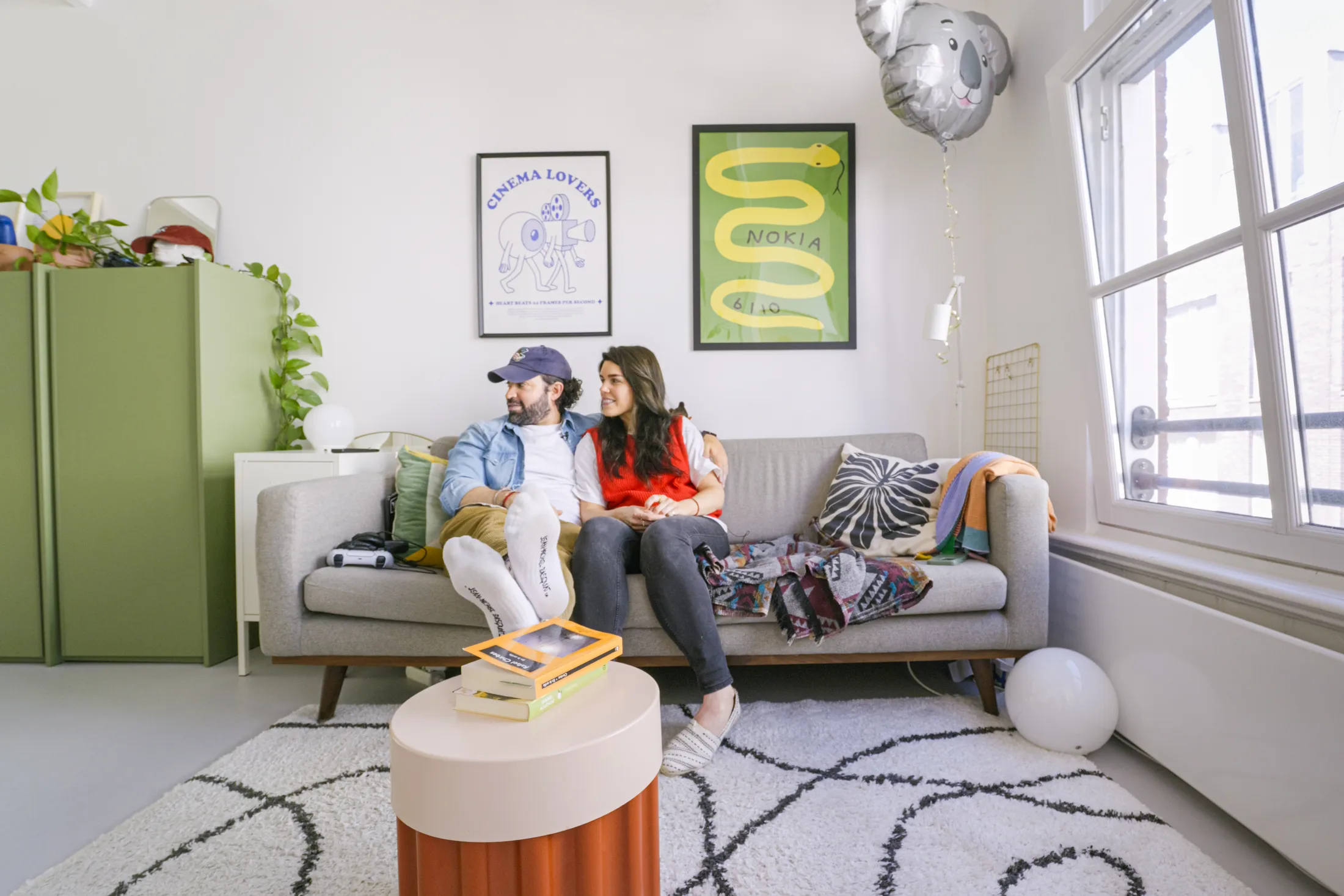
Pedro: Not really. I think we started digging into why we are the way we are. I’m in my 40s now, and I recently started investigating why things always had to be a certain way for me. And I’m like, ahh okay, now I get it. Like our sofa. It’s a decision we made based on how it makes our skin feel. If we had another sofa, I would just not sit. If there’s something I don’t like, or doesn’t feel right, I just don’t use it. 

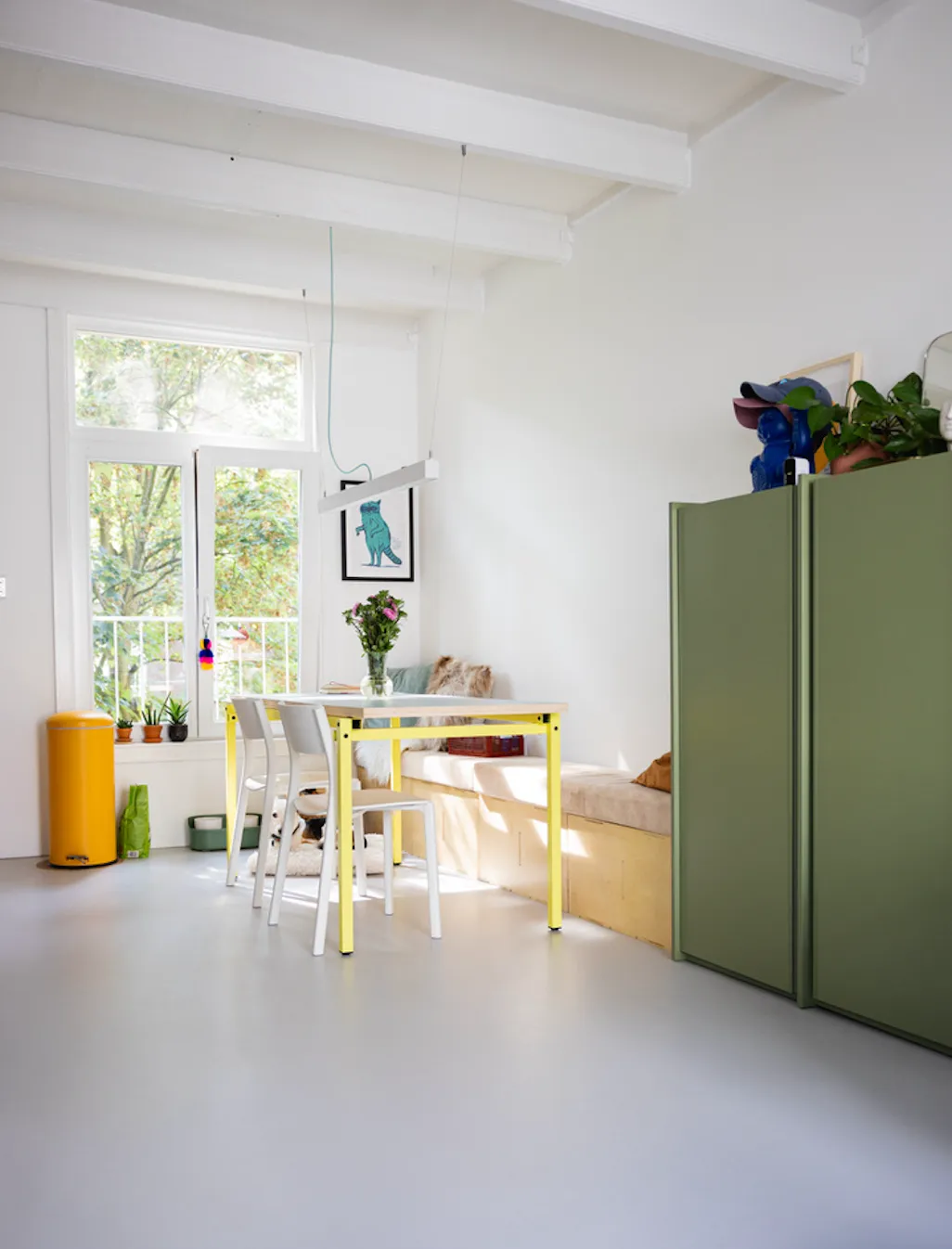
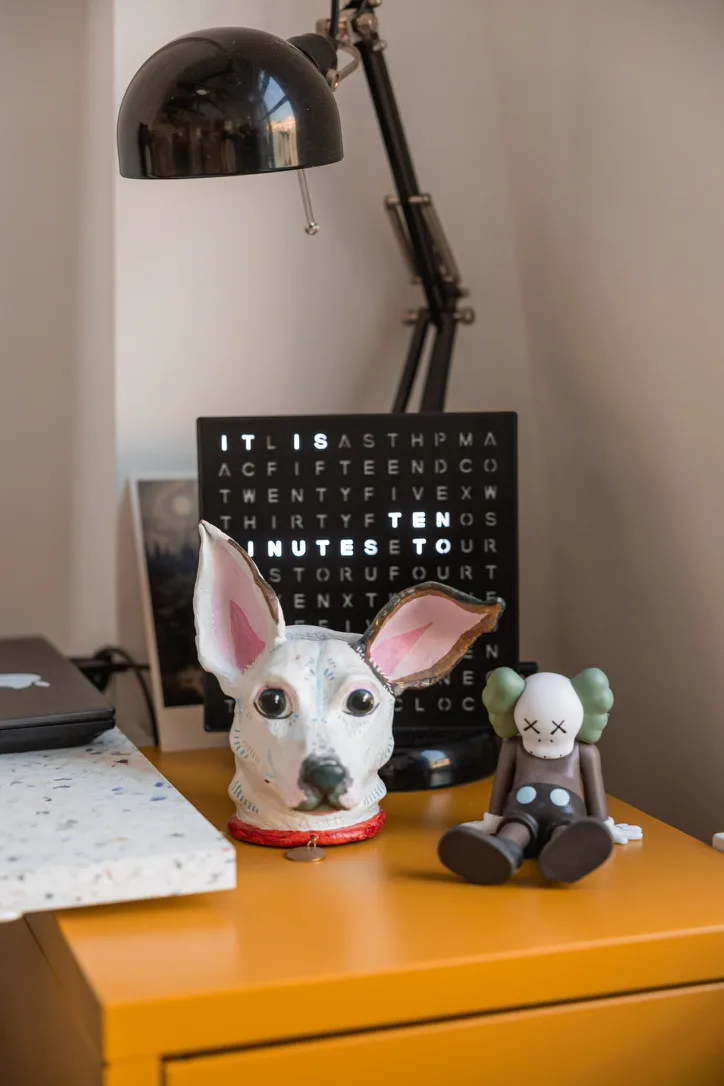
Asia: The chairs too. They’re just IKEA chairs, but we knew they had to be white, and they had to be plastic. And they were really cheap – like $20 bucks each. But the texture is very soothing. The kitchen counter as well. It’s made of recycled refrigerator plastic. And when you put your hand on it you can feel that it was once part of another object. A lot of things here are recycled. I really hate waste.

How does the light and layout affect your day-to-day life?

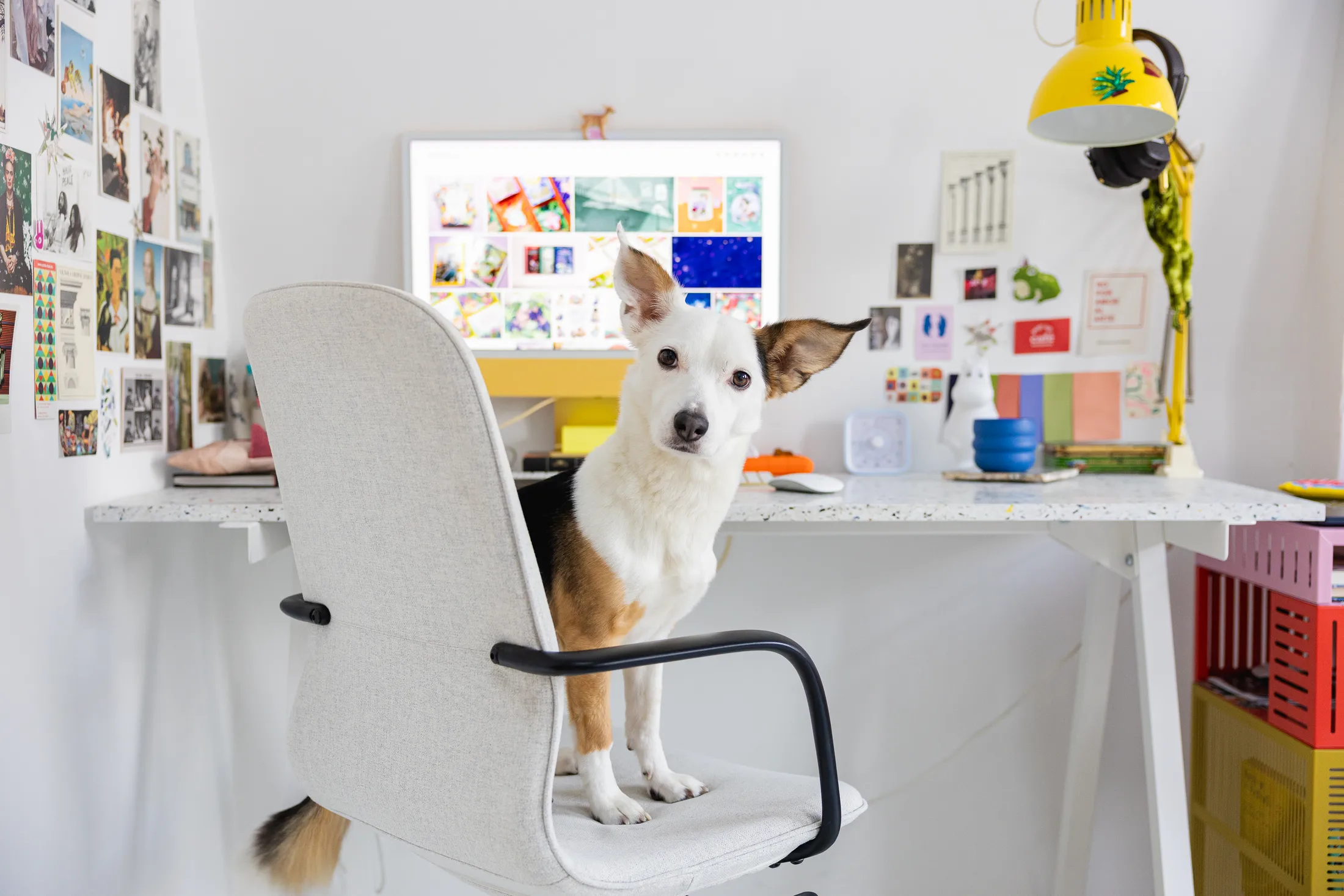
Asia: Pedro likes to chase the light around the apartment. Literally, around the house. Just like Lupe, our dog, he moves around the house during the day to find the spot where the light hits. And that’s his workplace for the day.

Pedro: My favourite place is the couch. It’s got the perfect angle to everything. I can work and have my TV show in the background, or put on a podcast. I love the table too, and the kitchen. Making coffee for me is like a ritual. And yeah, I do tend to follow the light around, so in the morning I work on one side of the house, and then when the sun moves to the window, I sit at the table for the rest of the afternoon.

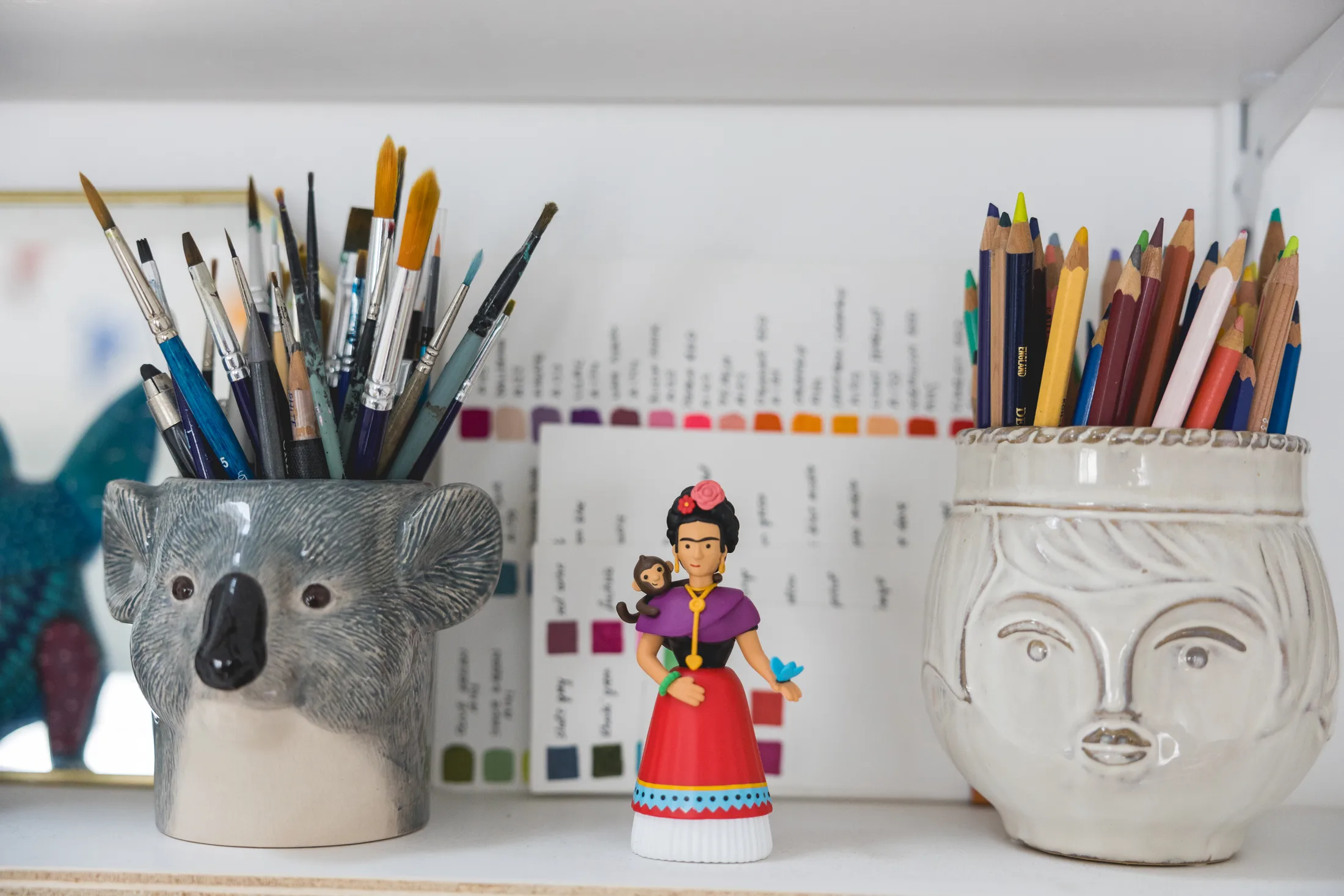
Asia: It’s hard to say my favourite part of the house. I think all the parts really work. If you cut something off, we would miss it. I think one of the advantages of a small space is that you get to use all of it. Like my studio upstairs: I love spending my day there. It’s not your typical office where you’re like, ‘Ugh, another day’. 

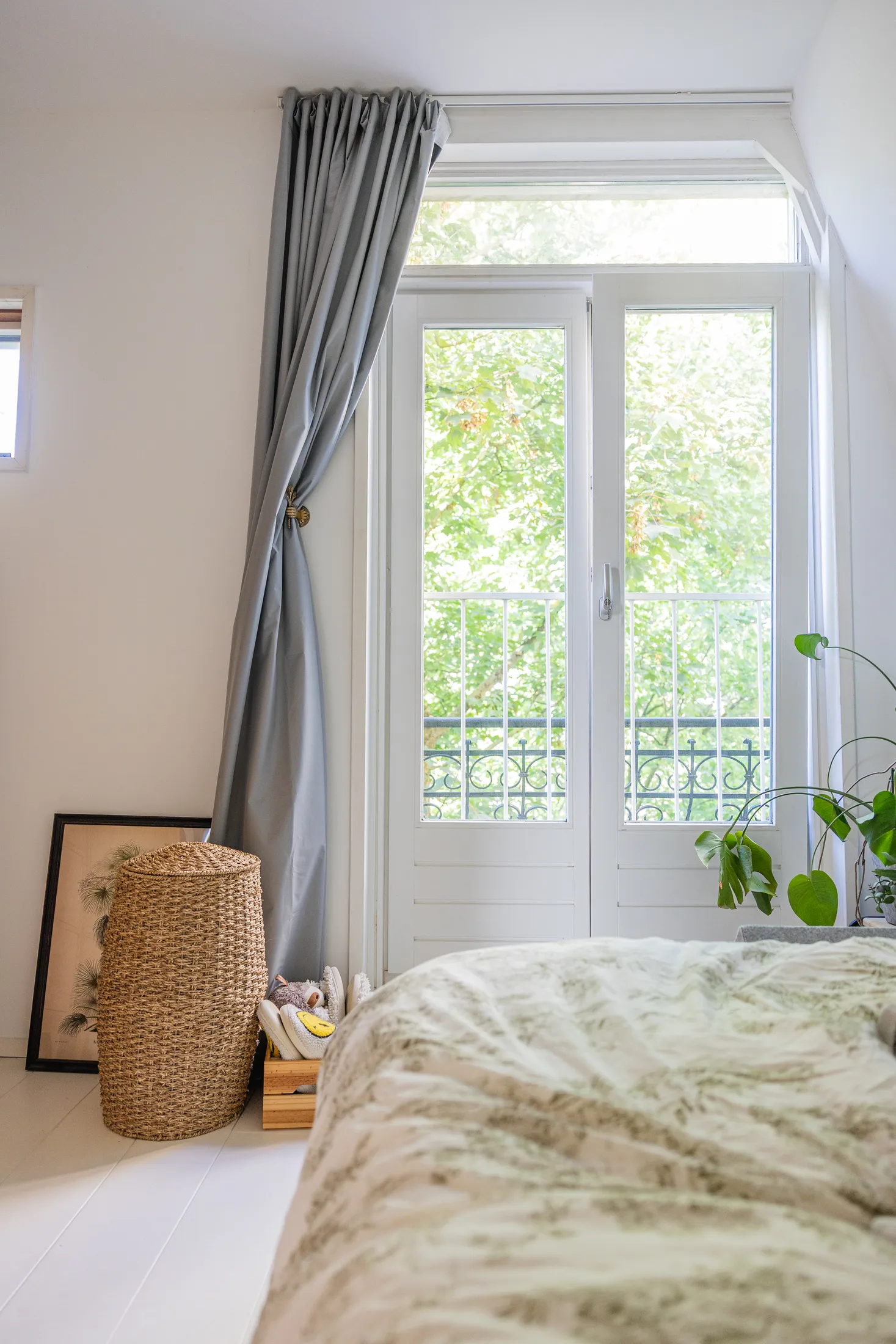
The bedroom is also great. We don’t hang out there during the day, but because of the light, it’s quite beautiful. There’s a huge tree, and birds too. We have a friendly magpie who wakes us up, with his beak, tapping on the window. And when we’re tired we just crash on the couch and watch movies. A lot of movies.  

Pedro: Even the bad ones.

Asia: Even the bad ones. We watch everything. 

You guys both work from home. Is that a challenge for a couple? 

Asia: Because we have our own work areas, having these communal spaces is really important. Like our table. I sometimes work here when I get tired of my studio space. It’s a place to eat comfortably. I cook and we talk. We have this chance to reconnect and be together. 

Because this is the thing: when we’re both working from home, in our own spaces, we can technically spend a whole day together, but it’s not quality time. We don’t interact much. So you need those moments during the day to reconnect and talk and catch up about your lives. 

There are a lot of mementos and knick-knacks scattered around. How do you decide what to keep?

Pedro: Asia loves bringing second-hand stuff in from the street, but we have a rule that we have to be in accordance to bring something home. Except for puppies. If either of us sees a puppy and it’s abandoned, we can bring it home without asking the other person. 

Asia: I want to be careful about what we bring into the space, because at the end of the day it’s not a big house. And I feel bad when things are eating me up, like there’s too many of them. I do have a weird obsession with mags though; I have more of them than I need. You have this thing about lamps, right?

Pedro: It’s an obsession with light! But yes, I do love lamps. 

Asia: Every new lamp collection, he has to check it out. It’s insane. 

Pedro: All my lamps are hooked up to WIFI too. But yeah, we have to be careful with filling the house up too much. It’s funny, for the same price we bought this place, we could have got a huge house outside Amsterdam. But those big houses often feel empty, and when spaces feel empty you tend to fill them with stuff, and then it’s not your space anymore. 

This apartment is smaller, so every space is ours. Imagine that we’re like tiny animals, and this is our nest. That’s how it feels for us. We have a routine when I wake up. I make breakfast for us. We don’t work. We don’t look at our phones. And then we start our day. And this is possible because we’ve built this space so you can move from station to station. That was all done by design. 

Is this your forever home, do you think? 

Asia: It could be our forever home, but the way that we are, we’re still searching for certain things. And we’re changing. And our ideas adapt. I don’t think we’ll ever think about a “forever” house. 

Pedro: We’ll have a last house, for sure! But maybe not a forever house. 

Asia: It comes back to balance. Between all things. Our routine, our relationship to the neighbourhood, to this place, it’s all very balanced, very well kept. And we have everything we need here. We’re working a lot, but we also have these spaces where we can unwind. I love staring at the water in the canals; I often just go there and sit.

It’s a funny mix between being high-maintenance and low-key, which is what we are, I guess. 
-
As featured in Issue 6 of our magazine!

Purchase a copy of Issue 6
https://www.nts-store.com

Subscribe to our NTS Sub Club
https://www.nevertoosmall.com/magazine

Writing:
Pedro Orlando
Writing:
Colin Chee
Photography:
Photography:
Pedro Orlando
Back to Top
Arrow UpArrow Up
Top
Arrow UpArrow Up
The After shot of the Floorplan
Before
before
after
After
Businesses featured in this project
No items found.
Products featured in this project
No items found.
Magazine Current IssueMagazine Current Issue
Writing:
Pedro Orlando
Writing:
Colin Chee
Photography:
Photography:
Pedro Orlando
Back to Top
Arrow UpArrow Up