
Magazine Current IssueMagazine Current Issue
Off the Back of a Truck*
From our Mag
May 1, 2026

Off the Back of a Truck*

Gallery spaces can be painfully expensive for emerging artists, which is why one New York based artist decided to stick his in the back of a rental truck.

*This is not intended to imply that everything inside the gallery is stolen, because it’s not (though everything featured in U-Haul Gallery’s The Show of the Stolen Goods most definitely was).

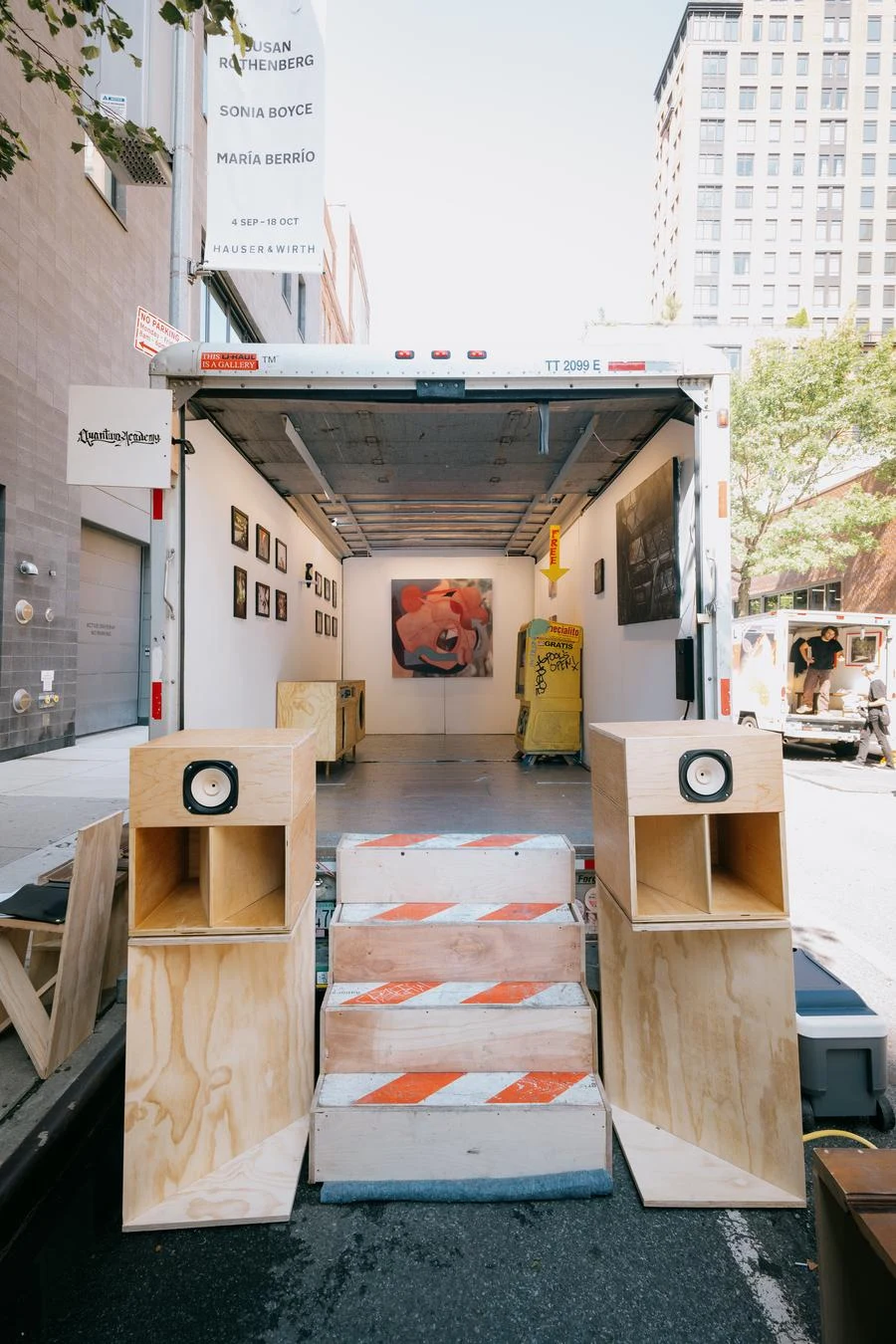
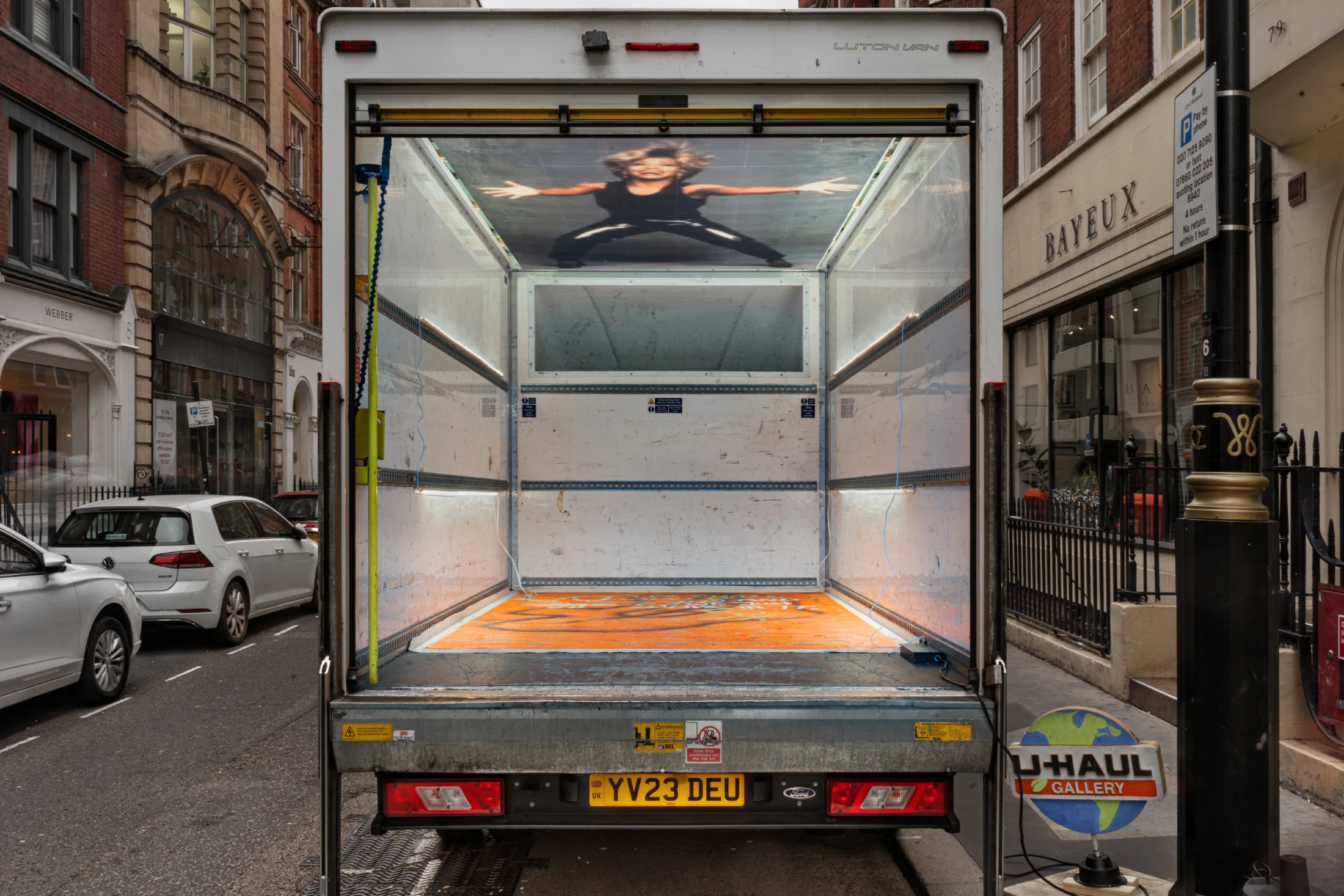
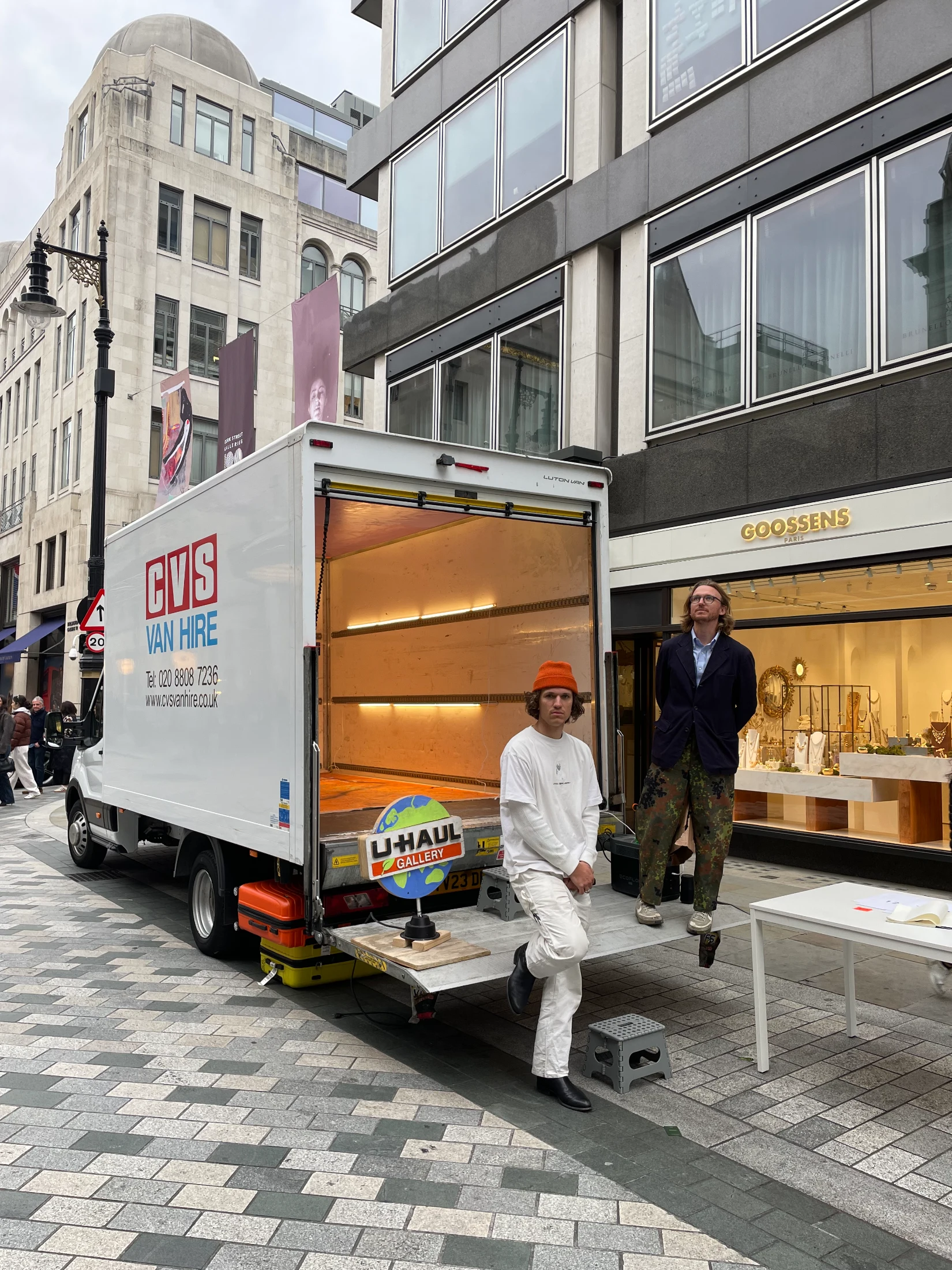
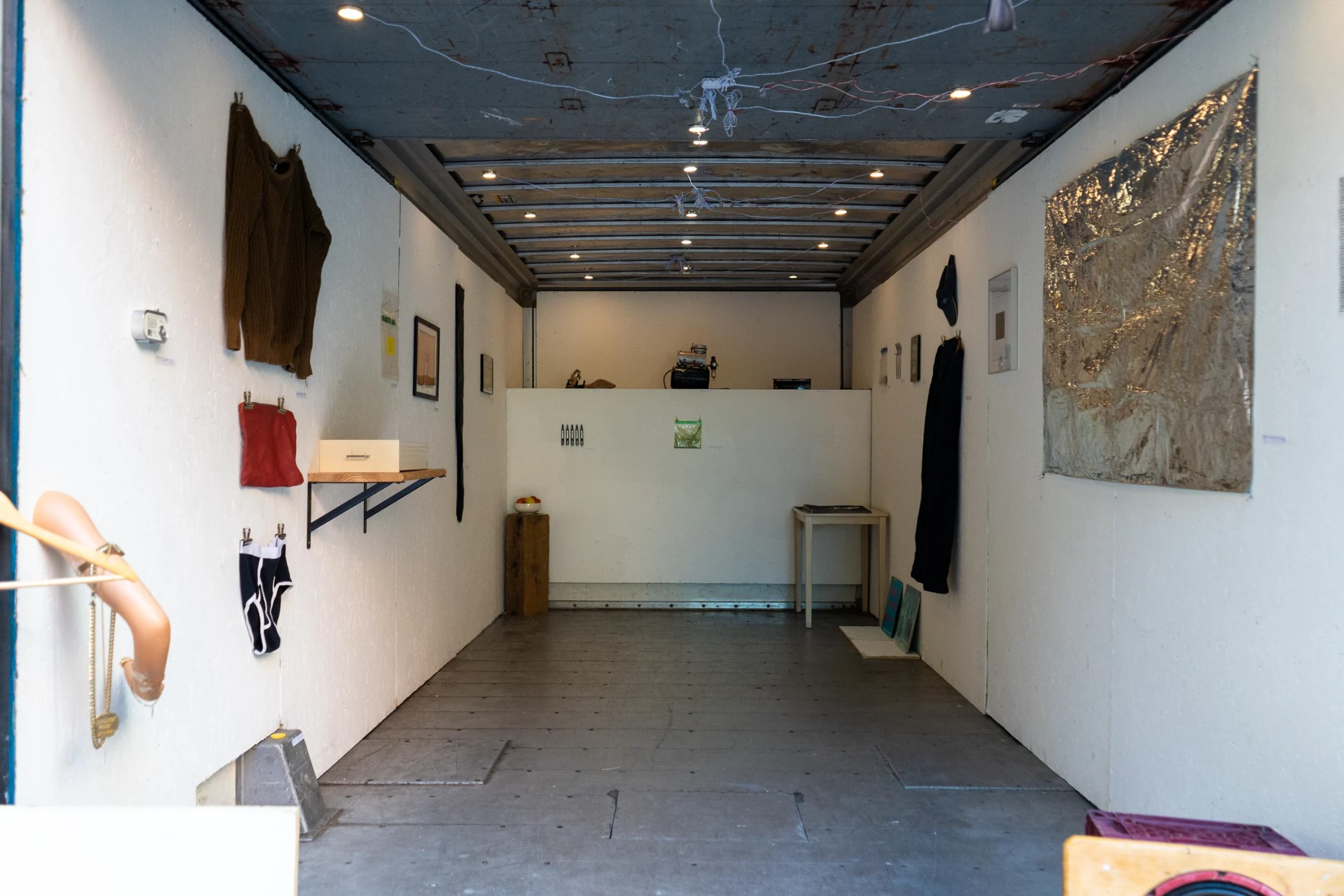
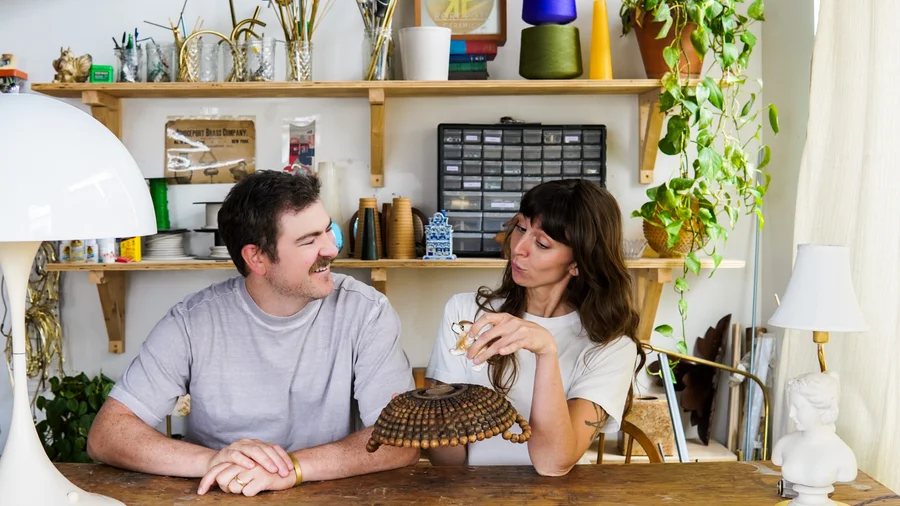
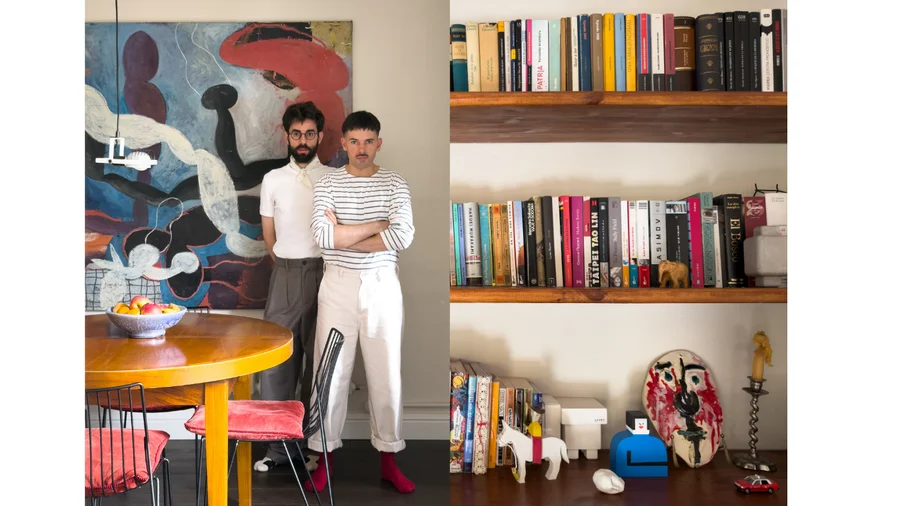
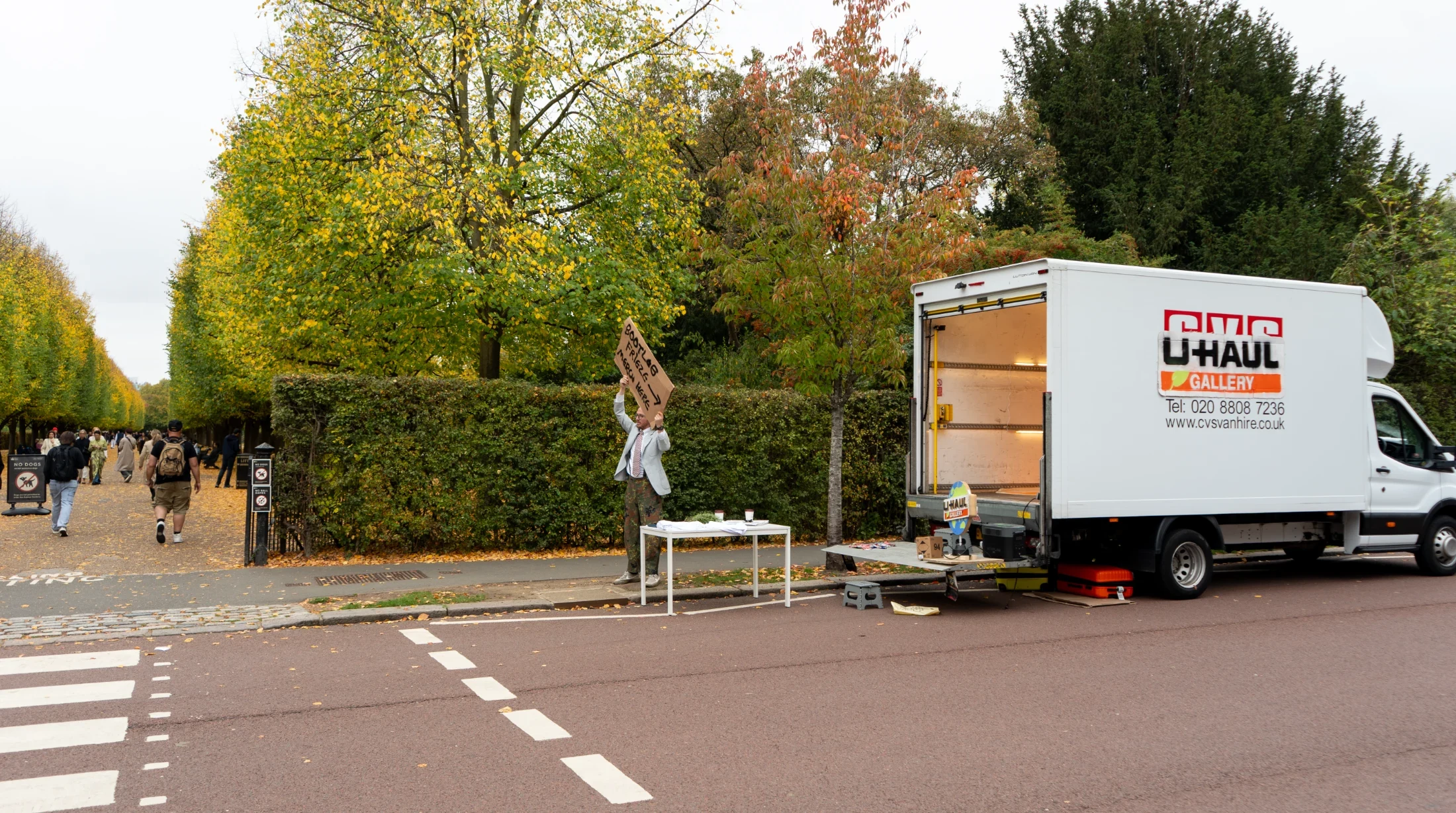
It's May 2024 in New York and the city's high rents and shrinking studio spaces have become too much for artist James Sundquist. But something beautiful is born from the struggle: U-Haul Gallery. A bold model for exhibiting and selling art that's mobile, flexible and revolutionary for emerging and experimental artists and artlovers alike. From the back of a U-Haul truck, the gallery continues to bring its exhibitions straight onto the streets, presenting conceptually challenging works to a far broader audience than traditional galleries or fairs. We caught up with James and his co-founder Jack Chase in London during their first international stop as the gallery goes global.

Writing:
Sophia Fawdry
Writing:
Photography:
Photography:
Sopia Fawdry
No items found.
Magazine Current IssueMagazine Current Issue
The After shot of the Floorplan
Before
before
after
After
Top
Arrow UpArrow Up

Why did you start U-Haul Gallery?

James: When you live in New York for any amount of time, you become hyper-aware of the cost of a square foot. It's unavoidable, especially as an artist, because you're not just renting an apartment, you're also trying to rent studio space, exhibition space, and you start to see how time, money and art all intersect.

I had my own art practice, and I was getting really burnt out trying to do what I thought I was 'supposed' to be doing. Locking myself in a studio, making as much work as possible, and paying for that space. After a few studio moves, some friends and I got scammed by a landlord. He took two months' rent and then told us the building was being sold, so we had to leave.

So I rented a U-Haul to move my stuff out, and I put a painting in the back. Standing there, I had this moment of realisation: this is space. Like, literally, this is a meaningful amount of space – something I'd been obsessing over at that point. Around that time, I went to some openings at small galleries in Chinatown, tiny spaces – about the size of a U-Haul – but they were paying five or six thousand dollars a month in rent. From an economic standpoint, it just clicked for me. I thought, wait, I could just get a U-Haul and do a show, and I wouldn't be tied to one location.

I told some friends about it, and they were like, "Okay, now you have to do it." Which was great! Sometimes you just need to say an idea out loud so you're committed to it. And that's how I ended up doing the first show.

How did you two meet?

James: I started doing a series of shows, and that's around the time Jack and I met. A mutual friend introduced us because Jack had curated a show with a friend who lives in London and goes to the RA (Royal Academy of Arts).

Jack: Yeah, the show was made up of things people had stolen from their jobs. It started as an open call for anyone who had taken something from work. I'd been trying to find a gallery in New York willing to host it, but everyone kept saying no. Then a mutual friend connected me with James, and he was immediately into it. We planned the show together and even made a small book to help offset some of the costs and to document the exhibition, since, obviously, you can't take home someone else's stolen object. But we could show them. And from there, we just hit it off right away. There was a lot of synergy, dynamism and energy between us.
How does the gallery operate?

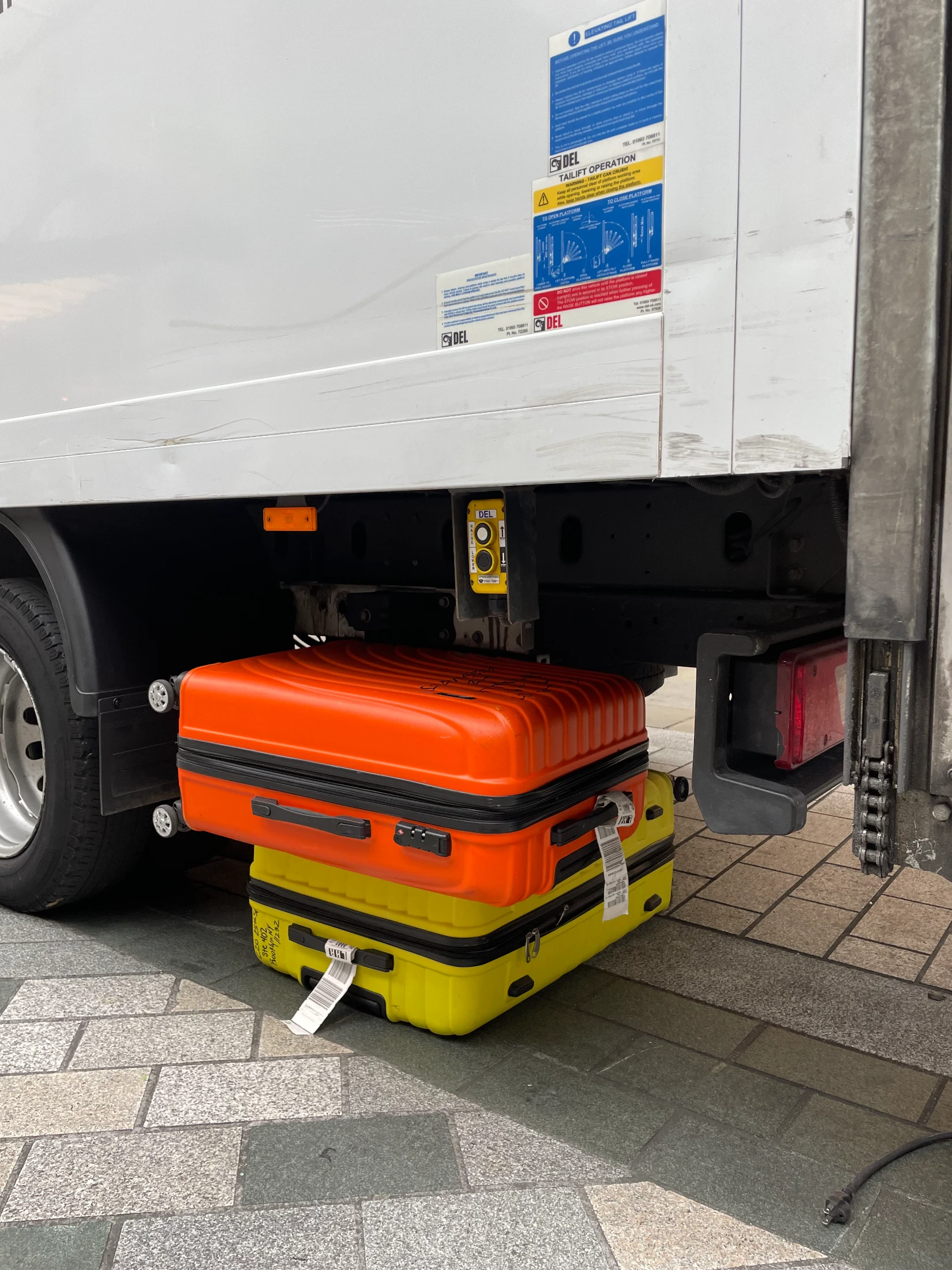
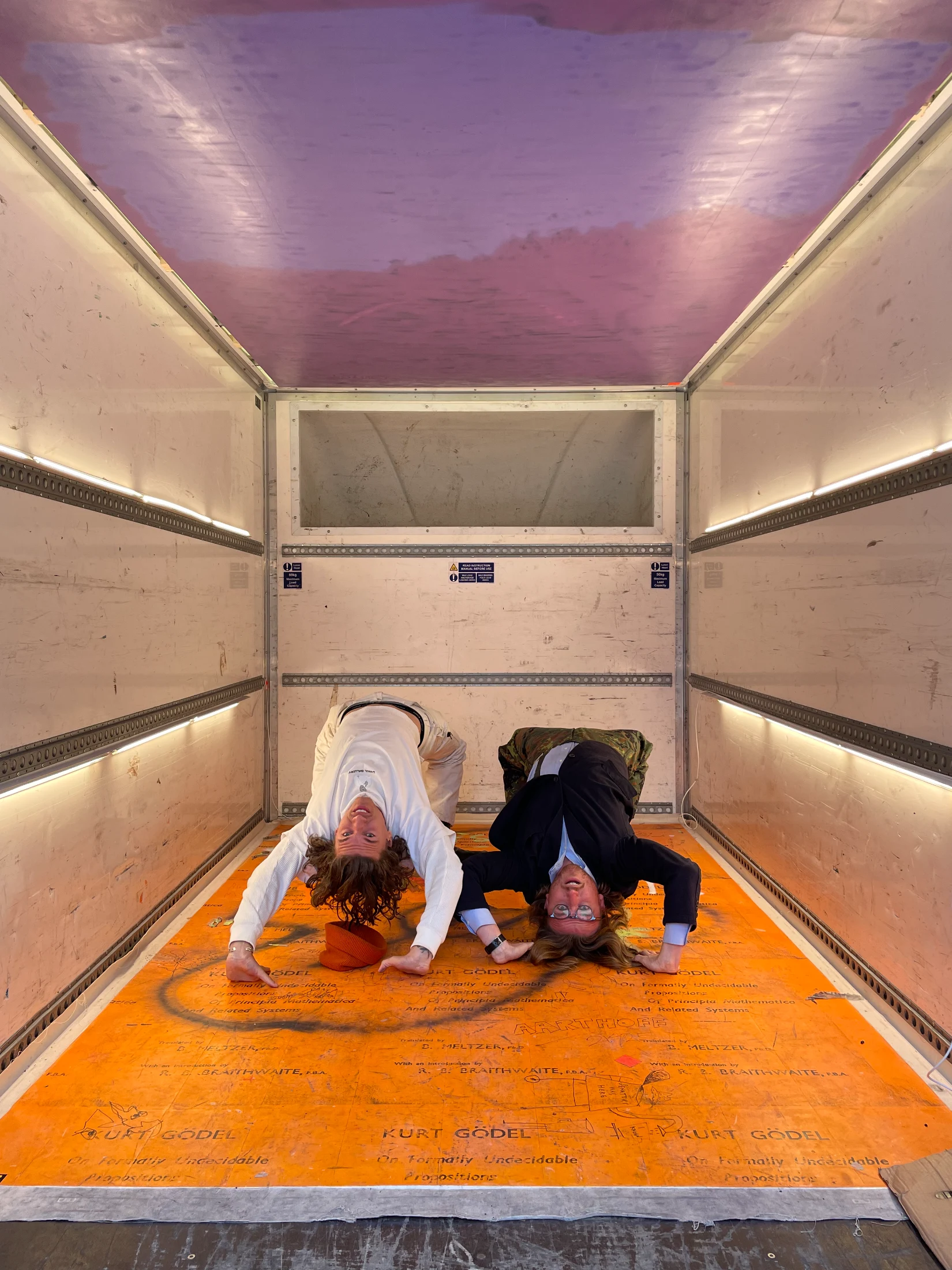
James: In the simplest terms, it's a gallery – we just happen to operate out of a U-Haul. And, logistically, it's pretty simple. We pack two suitcases with tools, some shirts, some lights, some wires and usually not enough socks. That's basically the nuts and bolts of it.

How do you decide which artists to work with?

James: It's kind of self-selecting in a way. Some artists really resonate with the vibe, the presentation style and everything that comes with this format. Those are usually the artists we like, and like what we're doing.

Jack: With Vladimir Umanetz I'd been following his work and was already somewhat familiar with his practice. I thought it would be interesting to see if he'd be down to show with us. In general, the gallery operates differently from a traditional gallery–artist relationship. It's much more of an active collaboration between us and the artists we show.

You're not limited to just one truck these days, are you?

Jack: No, not at all. That's actually part of the broader, appropriative act. Parking in gallery neighbourhoods and operating like a gallery, but on our own terms. Another big part of it is art fairs. We eventually just decided to become an art fair ourselves. We hosted one, ran it, and operated it just like a regular fair.

James: Yeah, we basically put together a full art fair with 12 booths for about a third of the cost of what one booth would be at a traditional fair.

How do people usually discover the gallery?

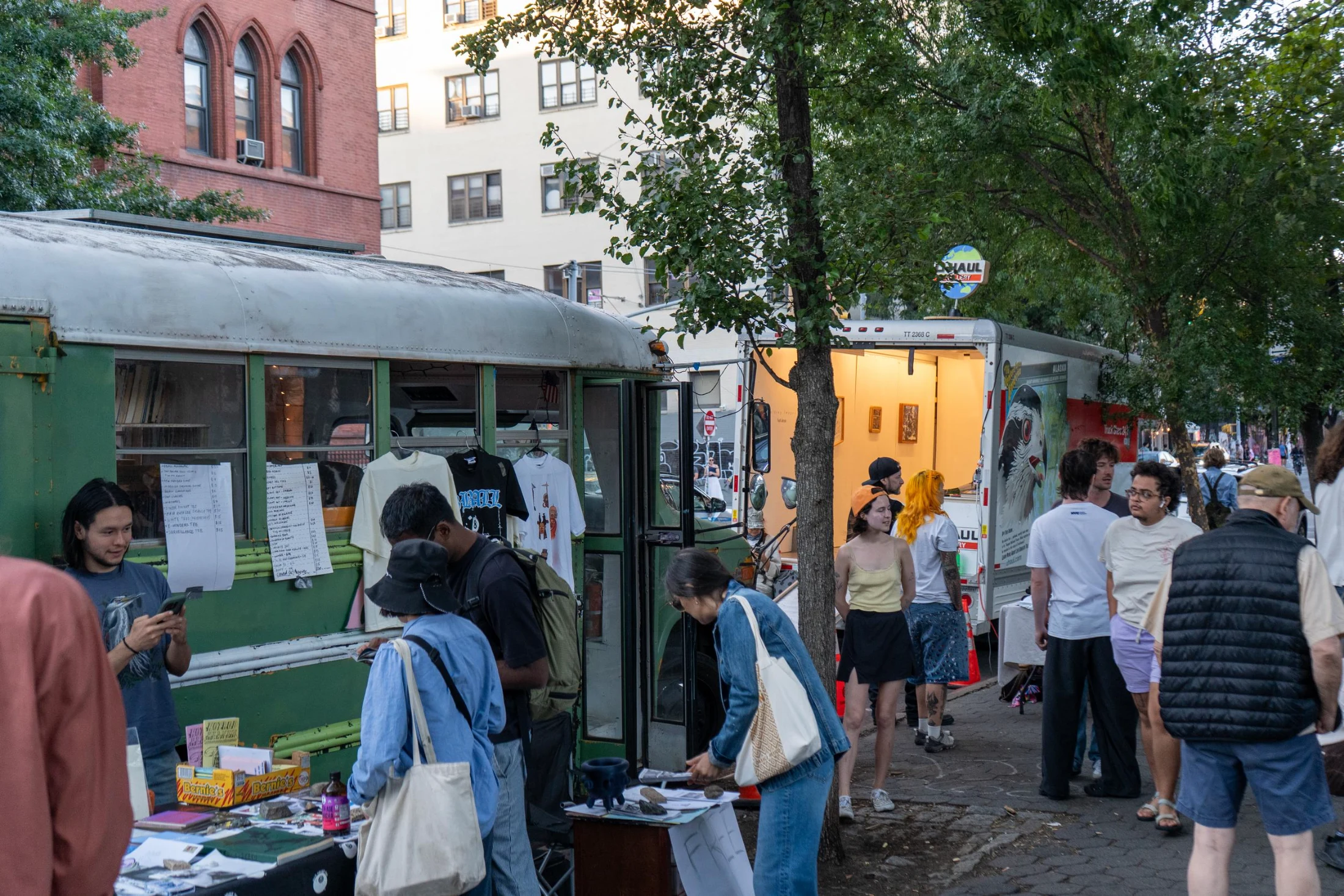
James: It's definitely social media, but it's also developed organically just by meeting people on the street and talking to visitors. Social media is a really cool tool in that sense, because so many people end up coming after seeing something online. It's surreal sometimes, like, "Oh, I saw this on Instagram and now I'm here."

Who is the gallery meant for?

James: I like to think it's everybody. That's part of why we do it on the streets. It's an equaliser. We're open to a much broader audience than a traditional gallery or art fair might reach because we're literally on the street, and anyone can engage with what we're doing.

What's the response been like so far?

Jack: Honestly, it's been almost dangerously positive. I think we're tapping into something very relatable. People – whether in the art world or not – recognise the feelings of anxiety, pressure and the everyday struggles that everyone experiences. It's universal. At a base level, our project becomes something people can easily connect with. It's approachable, DIY, and gives a shared starting point for connection.

uhaulgallery.com | @uhaul_gallery

Writing:
Sophia Fawdry
Writing:
Photography:
Photography:
Sopia Fawdry
Back to Top
Arrow UpArrow Up
Top
Arrow UpArrow Up
The After shot of the Floorplan
Before
before
after
After
Businesses featured in this project
No items found.
Products featured in this project
No items found.
Magazine Current IssueMagazine Current Issue
Writing:
Sopia Fawdry
Writing:
Photography:
Photography:
Sopia Fawdry
Back to Top
Arrow UpArrow Up