
Magazine Current IssueMagazine Current Issue
Small Home: Laulib House
From our Mag
February 1, 2025

Small Home: Laulib House

Design: Laura Libenson

Size: 56 sqm / 603 sqft

Location: Buenos Aires, Argentina

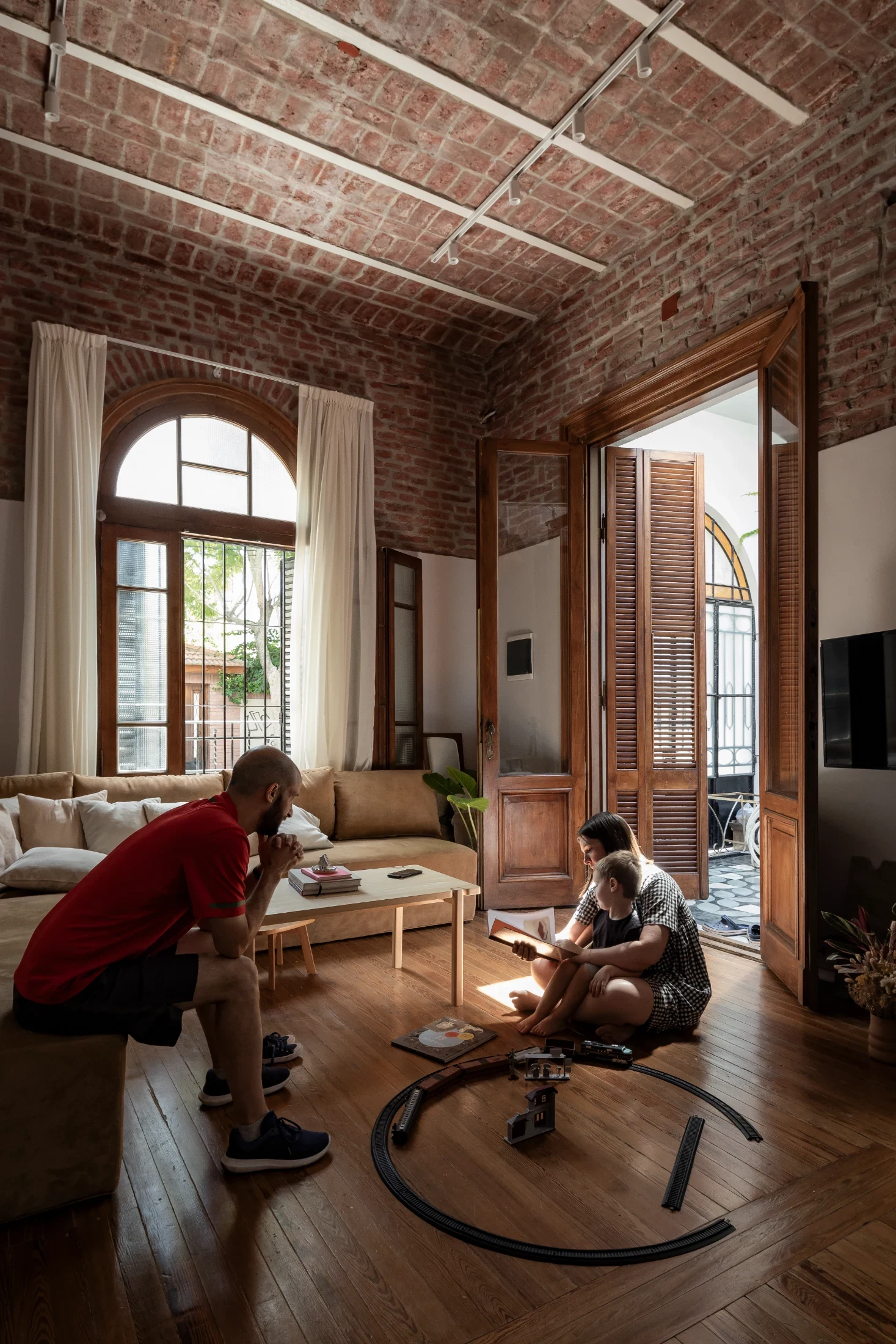
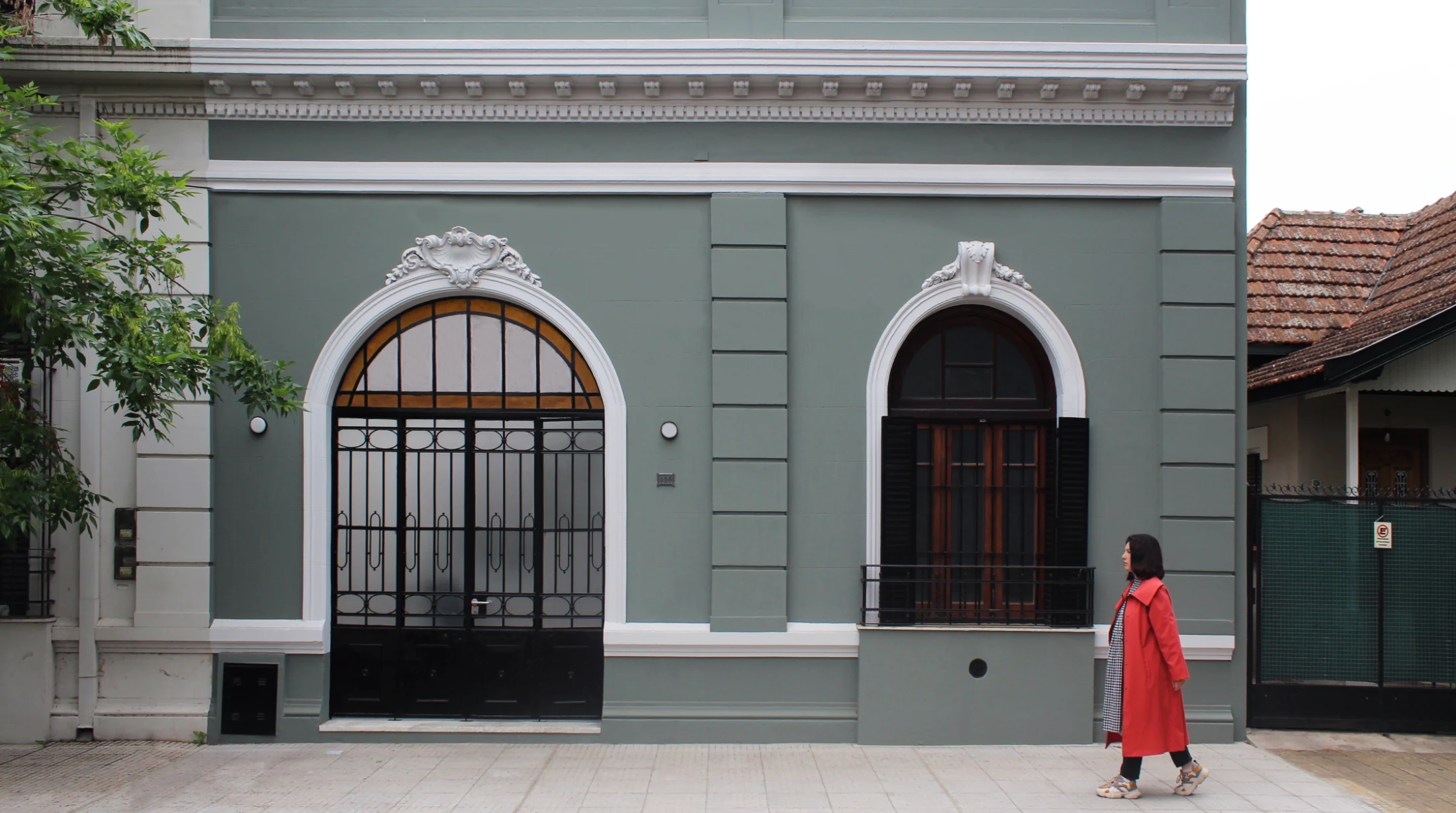
A Casa Chorizo is a typical style of house in Argentinian cities such as Buenos Aires, named for the linear arrangement of their rooms; one after the other, like a string of plump sausages. But the facade of this particular Casa Chorizo was anything but typical. It was so arresting that it stopped Laura Libenson in her tracks: it was love at first sight. Fortunately, Laura's husband Juan loved it too, and within a month, the casa was theirs. The transformation that ensued saw the building's original character and charms restored and in turn revived by the introduction of contrasting contemporary details. Sleek, timber-rich joinery and cool, white perforated-steel surfaces meet turn-of-the-century exposed brick walls and pine floors. An updated layout and an abundance of storage make for, not only a beautiful home, but also a highly practical and happy one for the couple and their young son, Pedro.

Elizabeth Price
Writing:
Writing:
Elizabeth Price
Photography:
Photography:
Anson Smart
No items found.
Magazine Current IssueMagazine Current Issue
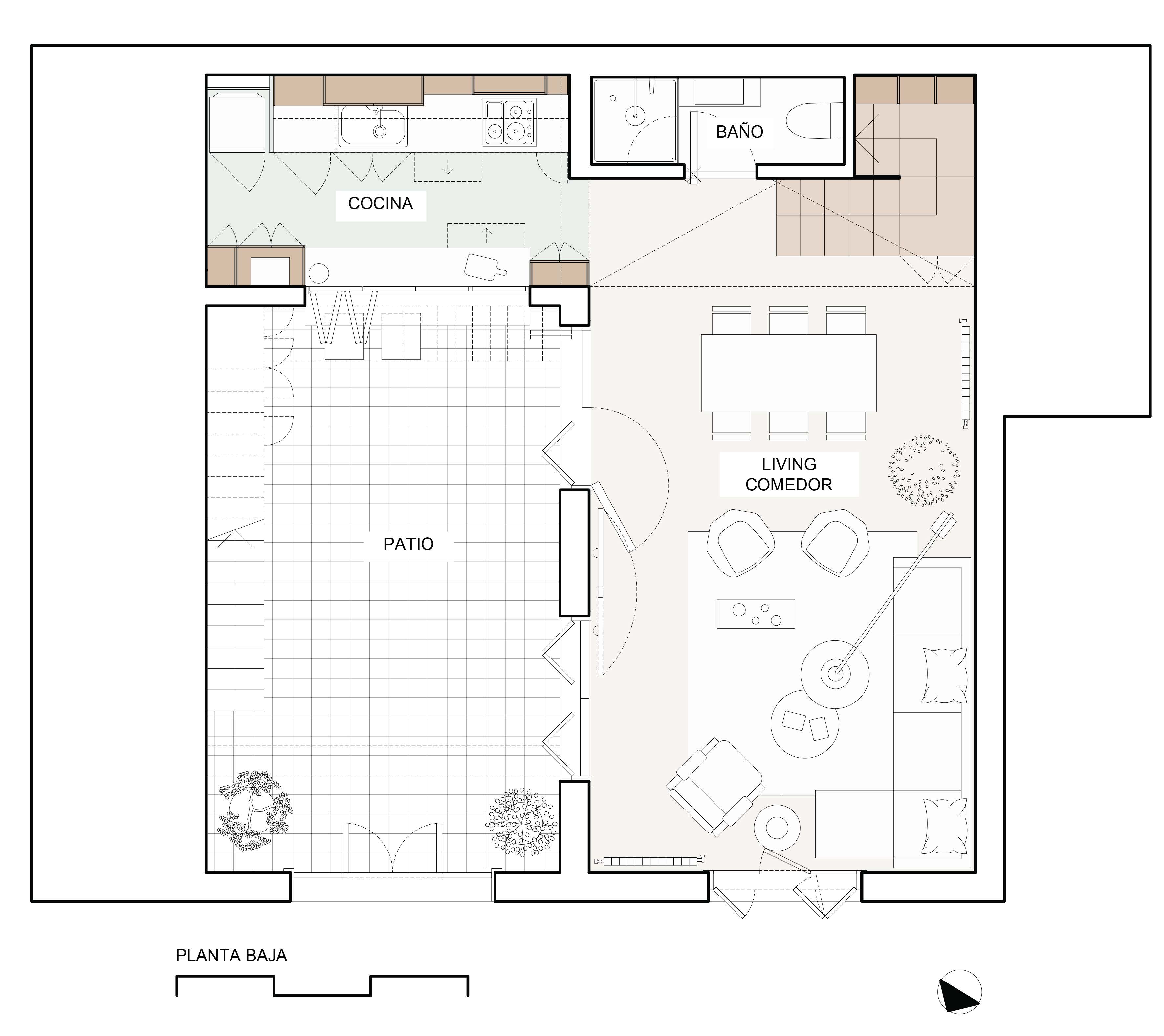
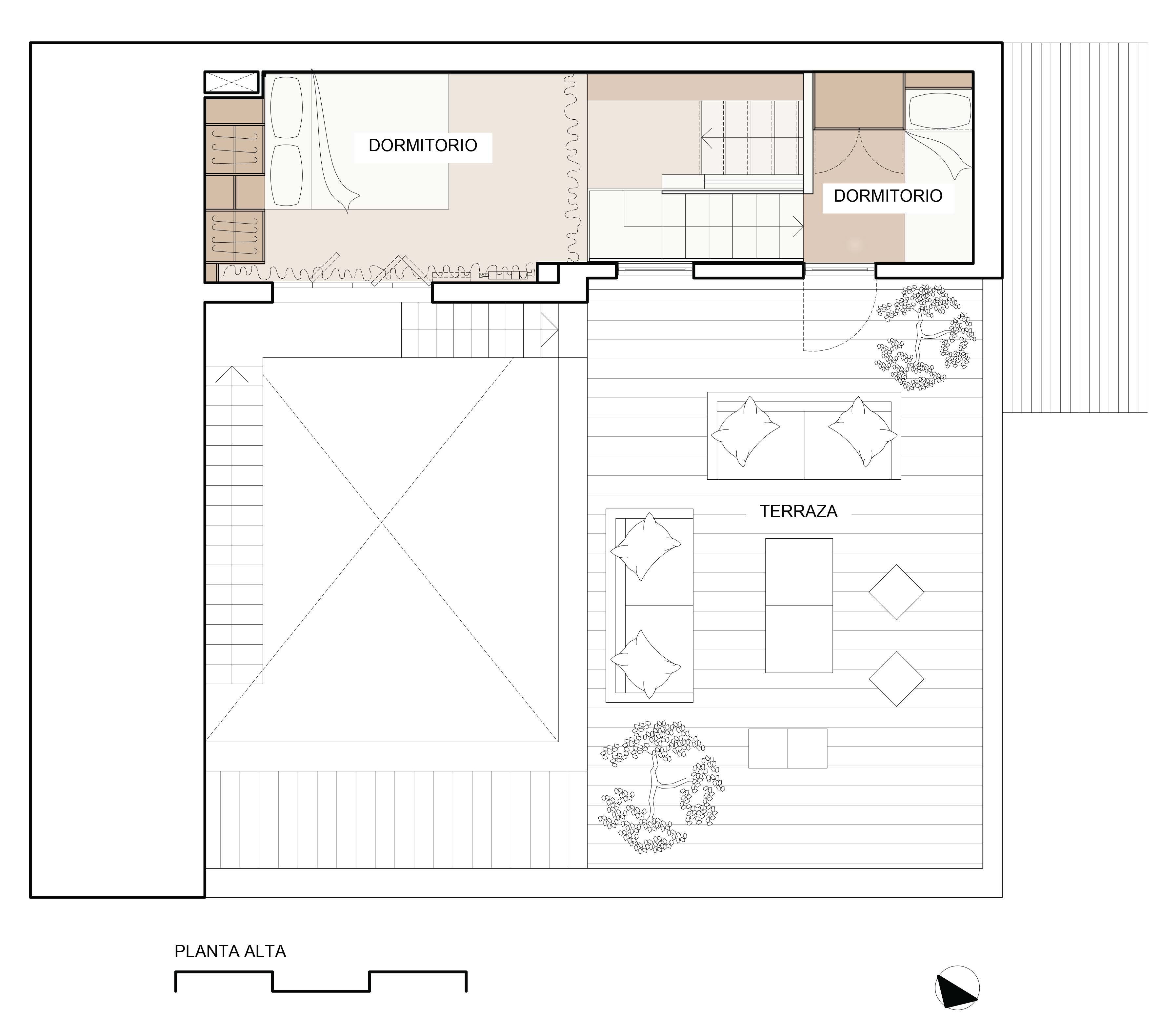
The After shot of the Floorplan
Before
before
after
After
Top
Arrow UpArrow Up

Tell us about when and where your interest in architecture and design began.

Since I was a child I have enjoyed doing manual activities such as drawing, sewing, knitting and embroidery. I started drawing houses as a game when I was 10 years old.

How do these beginnings feed into your design approach?

I believe that all architecture professionals are little boys and girls trying to make the world a more beautiful place. In my case I am very much in touch with that little girl who drew, sewed and knitted and that is why I like to think about each space in all its stages; I am not only in contact with bricks and plumbing but also with linens, velvets and wool. I designed everything in my house, and I even made some of the furniture and textiles with my own hands.

I understand you like to know what music will be played in a space or what food will be cooked in a kitchen before designing someone's home…

I really like to think of spaces that can be lived in and for me it is not the same to design a kitchen for someone who doesn't like to cook than for a family that makes the moment of the meal a ritual of encounter. Similarly, it is not the same to design a kitchen for someone who likes pastry, or someone who eats a lot of vegetables, or someone who frequently bakes. All these insights change the overall layout of the room, the size of each counter and drawer, the size of each appliance, and even the lighting and number of electrical outlets.

Can you describe the day you first saw your home and what happened next?

The first day I saw my house, I fell in love. I was driving alone, it was a sunny day and I passed by a street I didn't usually take. I found the front of the house so beautiful that I stopped on the sidewalk across the street and called the real estate agent to make an appointment to see it. The next day I went to see it with my husband and he fell in love too, so the decision was easy; we put the apartment where we lived up for sale and soon after we signed the new deed.

What made you fall in love?

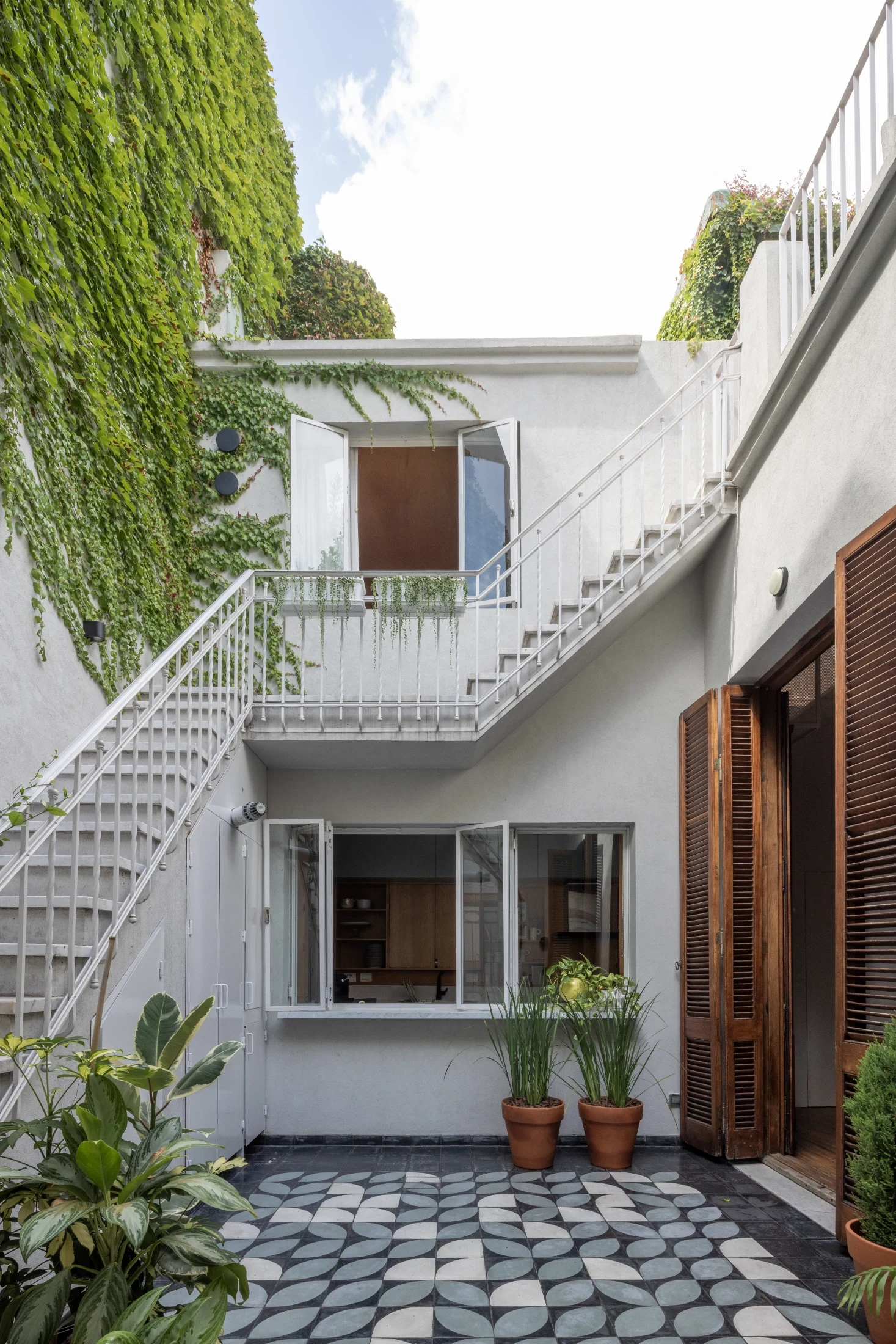
One of the things I liked the most was that you enter the house through the patio. Although it was not as beautiful at the time as it is now, it did preserve some of the original elements of the house, such as the tall cedar doors with their lattices, the metal gate with its glass facing the street and its charming staircase
What makes your 'Casa Chorizo' unique?

Originally, my house was part of a larger house: a Casa Chorizo that, unlike most of its kind, was organised parallel to the street rather than perpendicular to it. This peculiarity meant that the patio (usually at the back of the lot) faced the street and filled the house with natural light.

While this type of home is quite typical in Buenos Aires, to an Australian like myself, it's wonderfully exotic, particularly the facade and the central courtyard. When was it built? And why are homes like this so typical in Buenos Aires?

The typology of the Casa Chorizo is directly related to the form of subdivision of the blocks in Buenos Aires, in very narrow (8.66m) and deep plots between party walls. This typology was widely replicated at the end of the 19th century, as a result of the strong waves of immigration, because its construction and the regular size of its rooms were very flexible to accommodate several families per lot.

Today, the Casa Chorizo is hugely popular due to its versatility (as all spaces are equal in size and height, it is adaptable to many uses, not only residential); its quality of construction and spatial design (high ceilings, 30cm walls, slender solid wood doors, pine floors and beautiful limestone patterns); and finally, its ability to regulate temperature. Buenos Aires is a very hot city in summer and cold in winter, and the adjacent patio's 30cm brick walls make it very comfortable in all seasons.

What state was it in when you bought it?

The house was in very good condition and, although it had undergone some unfortunate interventions in recent years, most of the floors and openings were very well preserved. I think anyone else would have moved in with minimal changes, but the renovation we had in mind was very ambitious and required much more radical changes.

What needed to change?

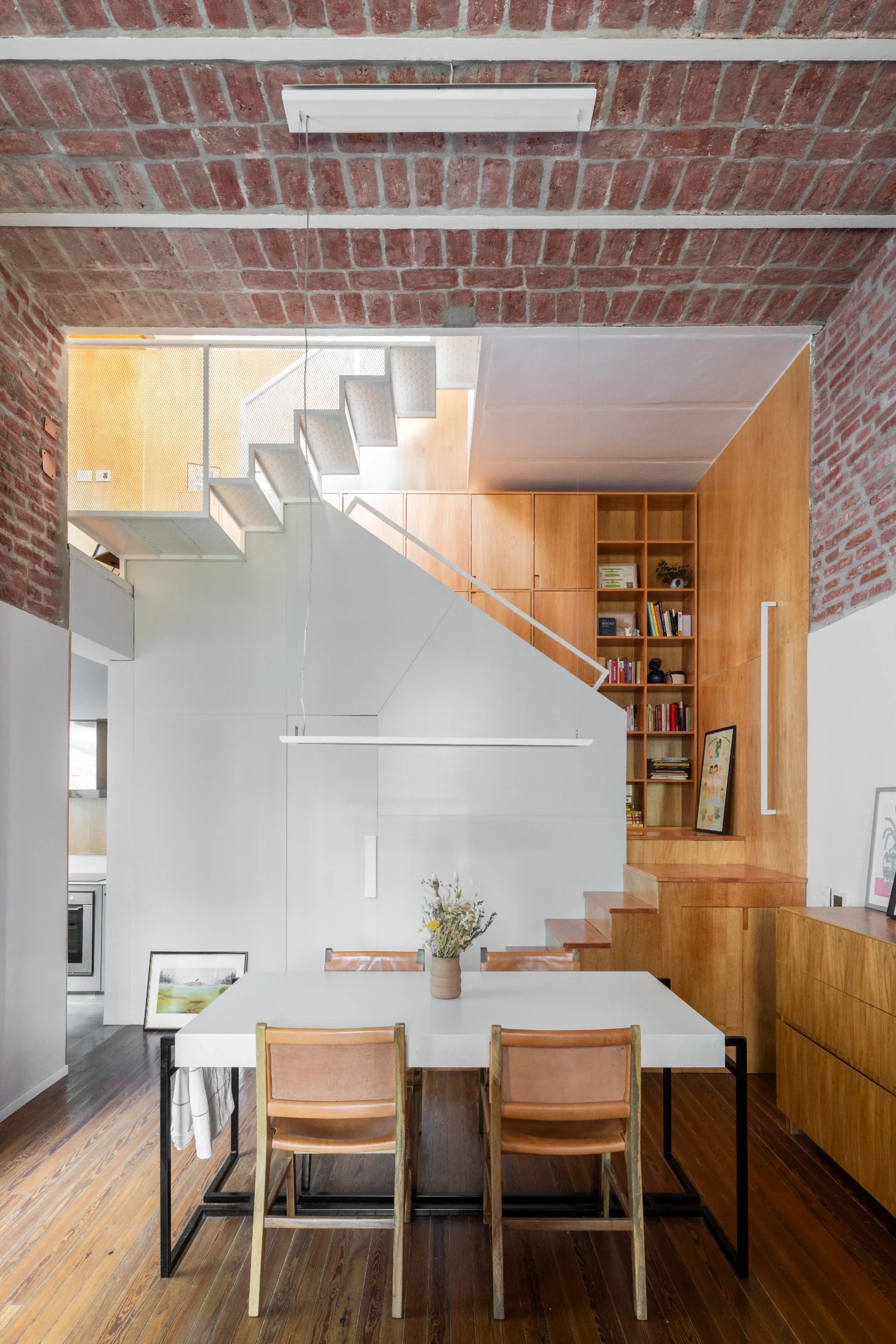
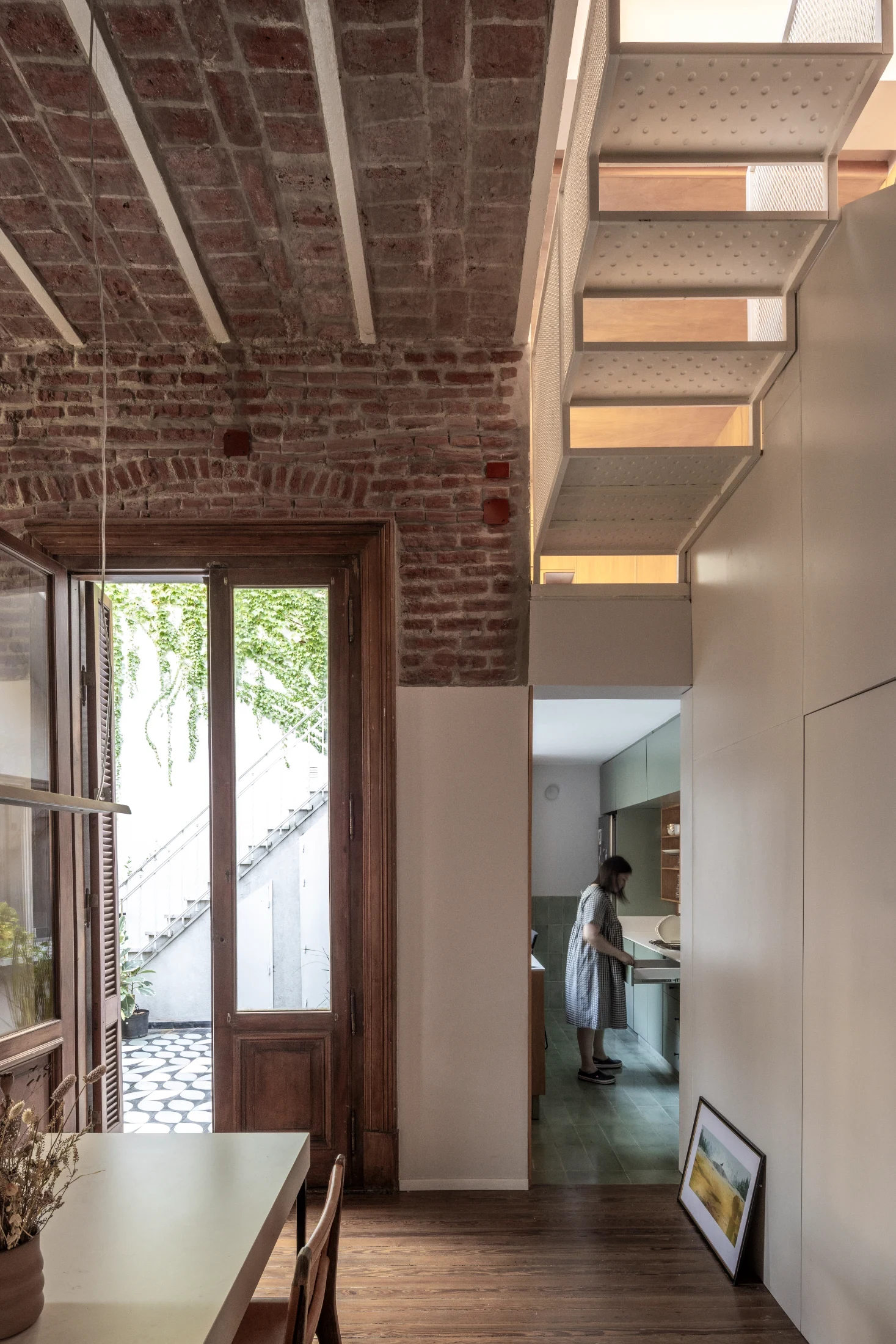
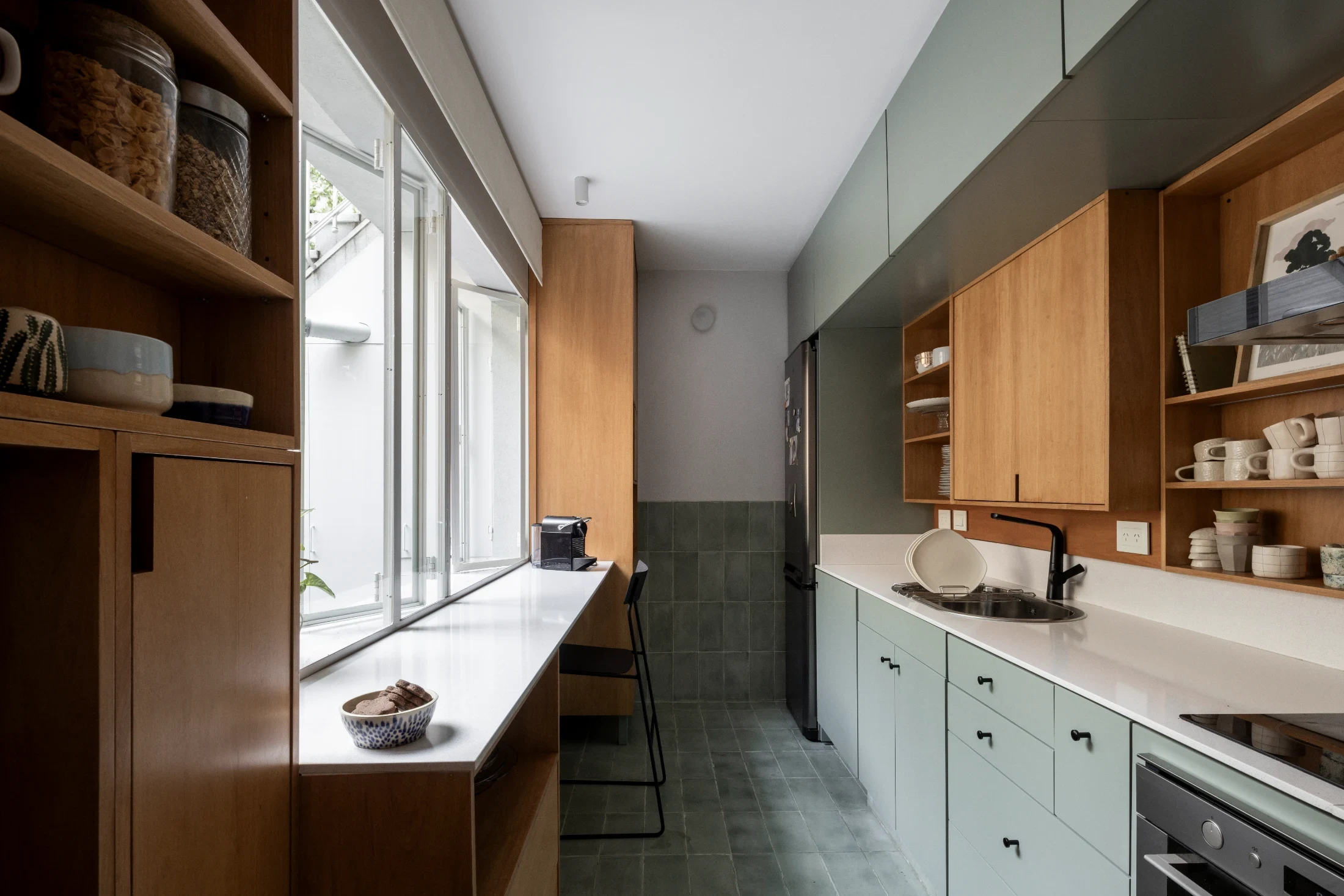
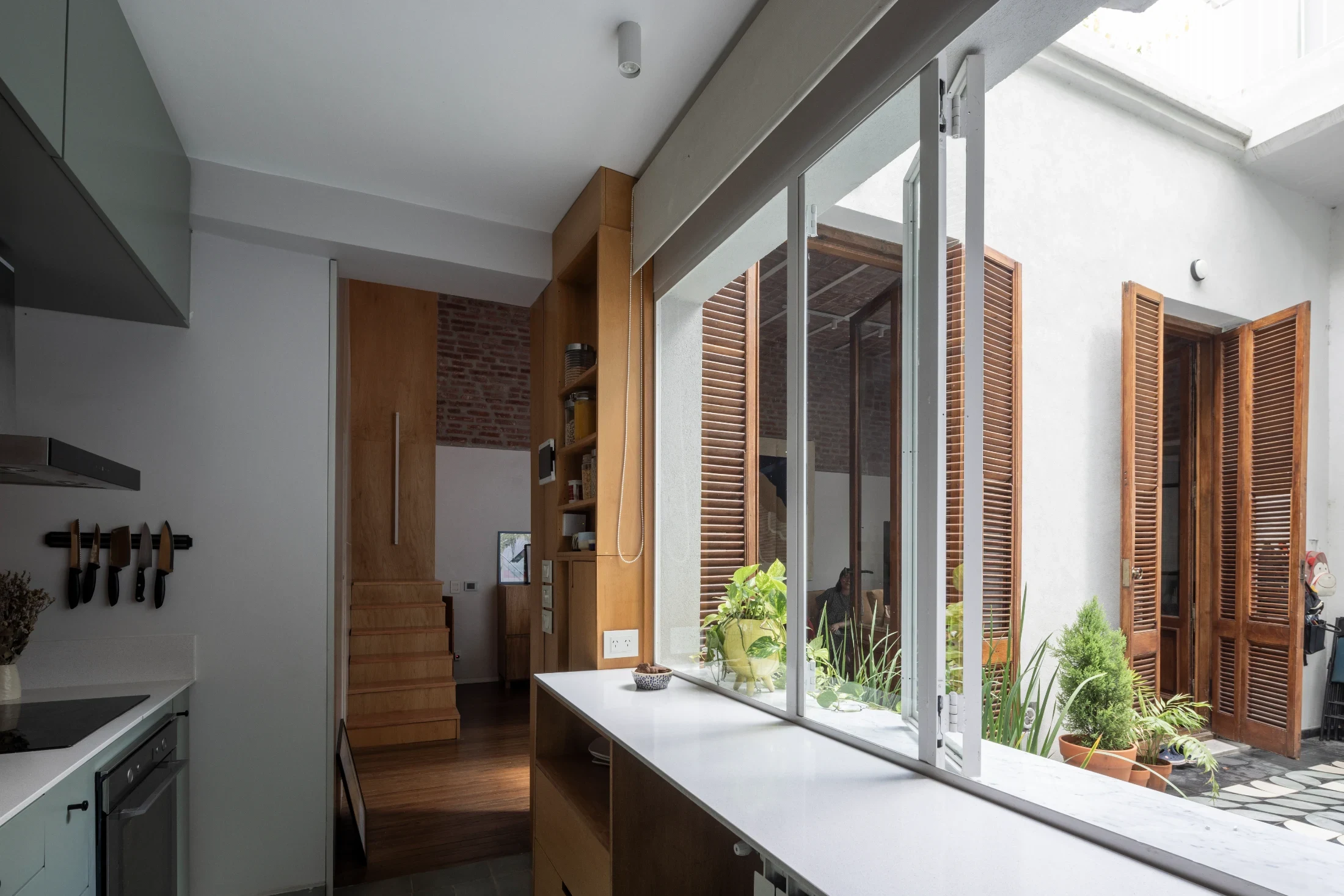
Our absolute priority from day one was a practical ground floor. We turned the storage room into the master bedroom (mine and Juan's) and added another room on the terrace where we built Pedro's bedroom. In this way, we were able to free up the first floor by integrating the two 4x4 bedrooms into one large living room. We unified the existing bathroom with the kitchen and built a much larger and more comfortable kitchen in that space, leaving a minimal bathroom under the stairs.

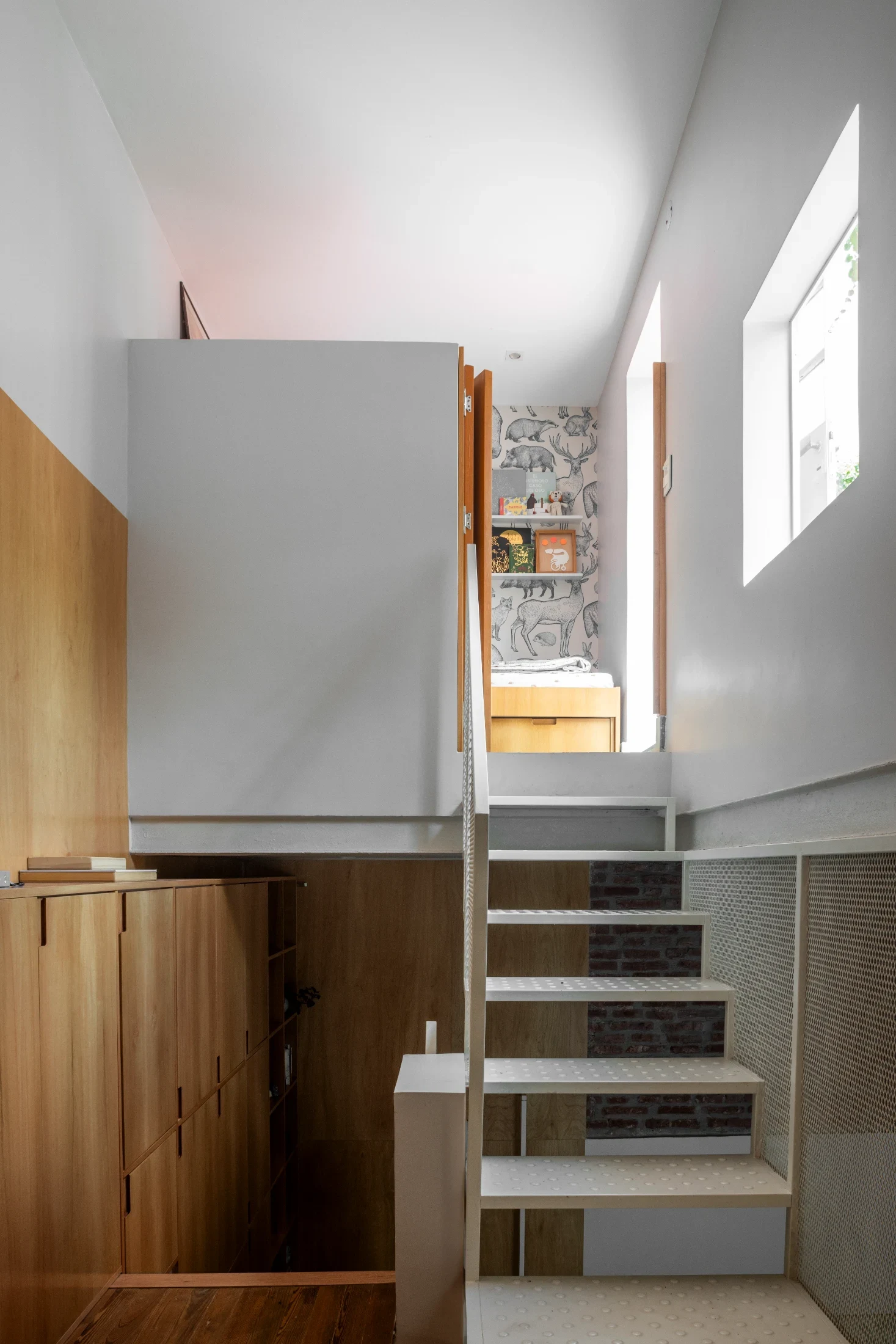
We also changed the circulation between the spaces. The living room became the heart of the house, the access point to the kitchen, and also the bedrooms via a new staircase.

What was the experience like being both client and designer? Did you have to have many tough conversations with yourself?

It was beautiful and very difficult at the same time. I loved the whole design part. Although I had a lot of internal conversations because I had to fit millions of ideas into only 56-square-metres. Thinking about every detail of my house was something I really enjoyed.

On the other hand, the execution of the project was very difficult. I am used to solving all the problems that arise on a construction site, while my clients only have to see the progress; here there was no-one to solve the problems for me, and being in both positions at the same time was very stressful.

How involved was Juan, in the design?

Very much. Most of the decisions were made together, and although the design part was mine, sometimes he played the role of the client and that helped me to keep my feet on the ground. Fortunately, he is very open-minded and trusts my instincts, so I didn't have to convince him of anything. And this house has more than one only thing that might seem strange to the traditional eye. The only thing we disagreed on was not putting a bannister on the first flight of stairs, but that was my little whim.

Tell us about those spectacular ceilings.

When we first visited the house, the ceilings were covered with plastic. We did not know exactly what was behind it until we started the work and removed it. But because of the characteristics of the house, I was sure that behind this cold mask was a beautiful 'bovedilla', which is the classic way in which the ceilings of the Casa Chorizo were built at the beginning of the century. It is a system made up of metal structural profiles and compressed common bricks on which a layer of concrete rests. This vault system rests on 30cm thick walls made of common bricks.

What role did these magnificent ceilings play in influencing your design?

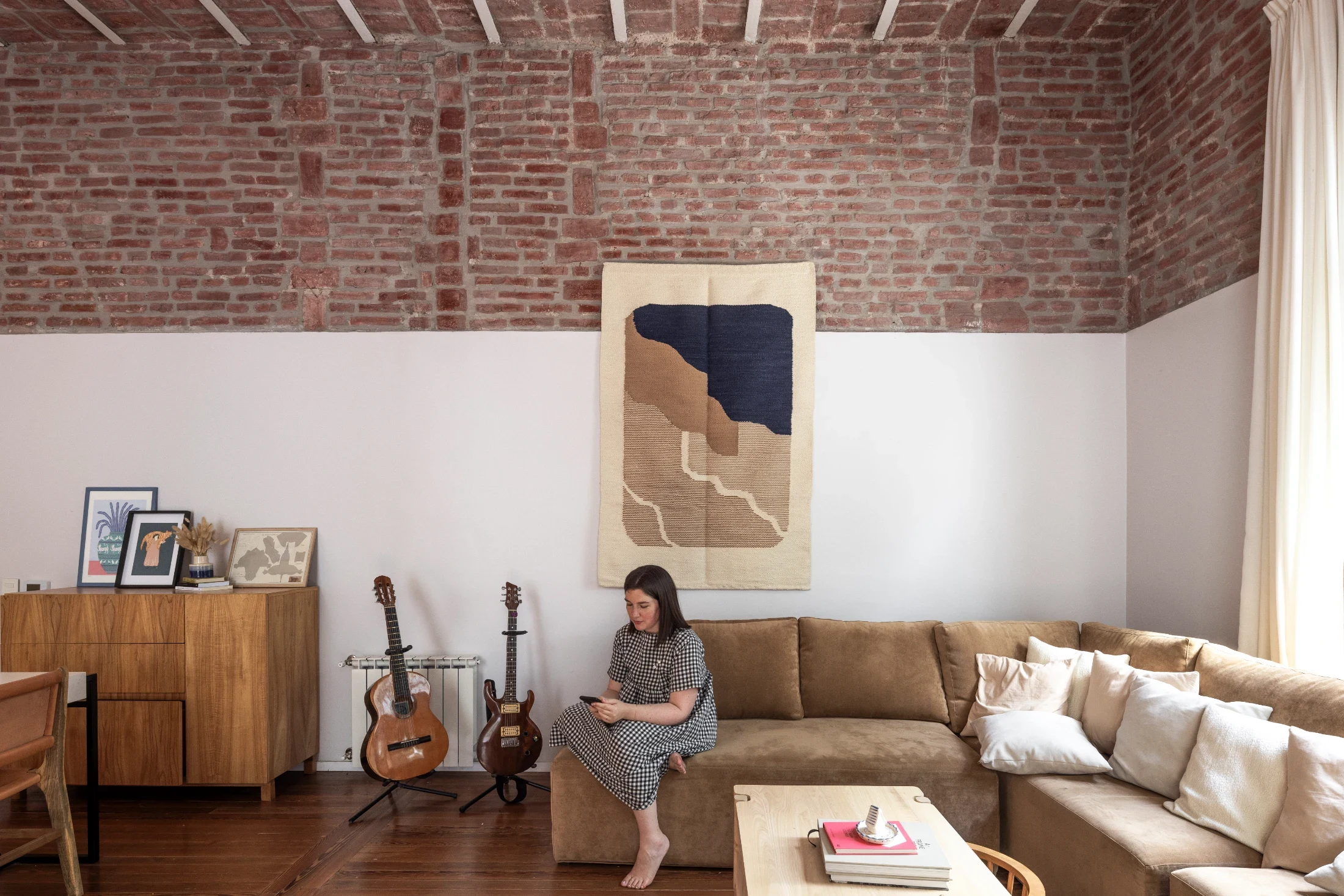
This discovery played an important role in the room, and since it is a widely used material here in Argentina, I already had a lot of ideas about how I wanted it to look. I think it is important to enhance the materials of a house, especially ones with such original charm and strength. The decision to chop the ceiling and a large portion of the wall to leave the exposed brick was made during the process. It took a full month of work by two people on scaffolding doing it by hand.

Can you talk us through all the other original features you retained and celebrated as part of your design?

We tried to keep everything we could that had value. The cedar doors in the living room are 10 feet high and were in very good condition, so they were ready to use with a few minor adjustments. Same with the window, front gate and pine floors. We also kept all the marble in the patio (which covers the stairs and living room doors) including a huge marble slab that we discovered under the ceramic floor.

What new materials did you introduce and what made you select those materials?

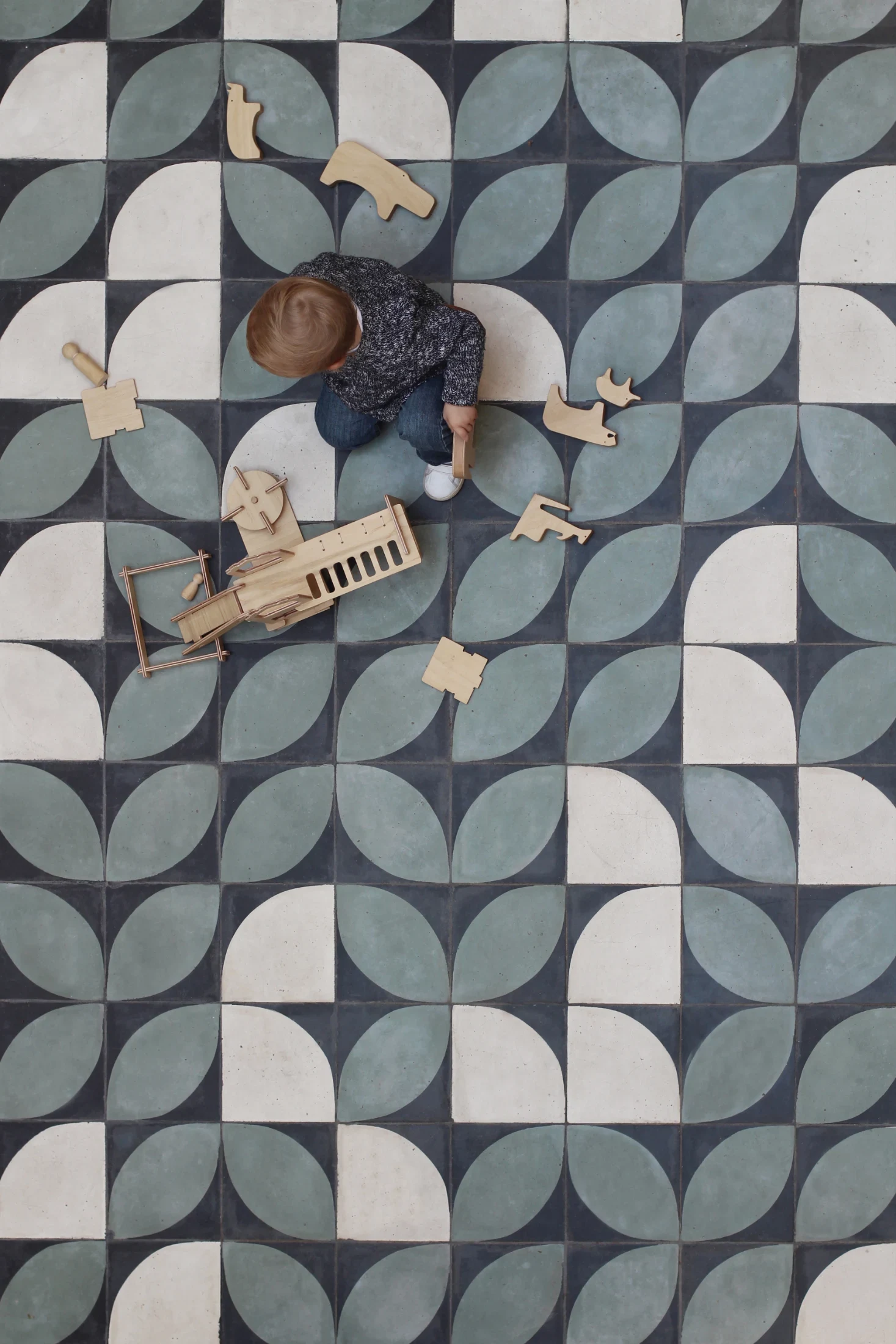
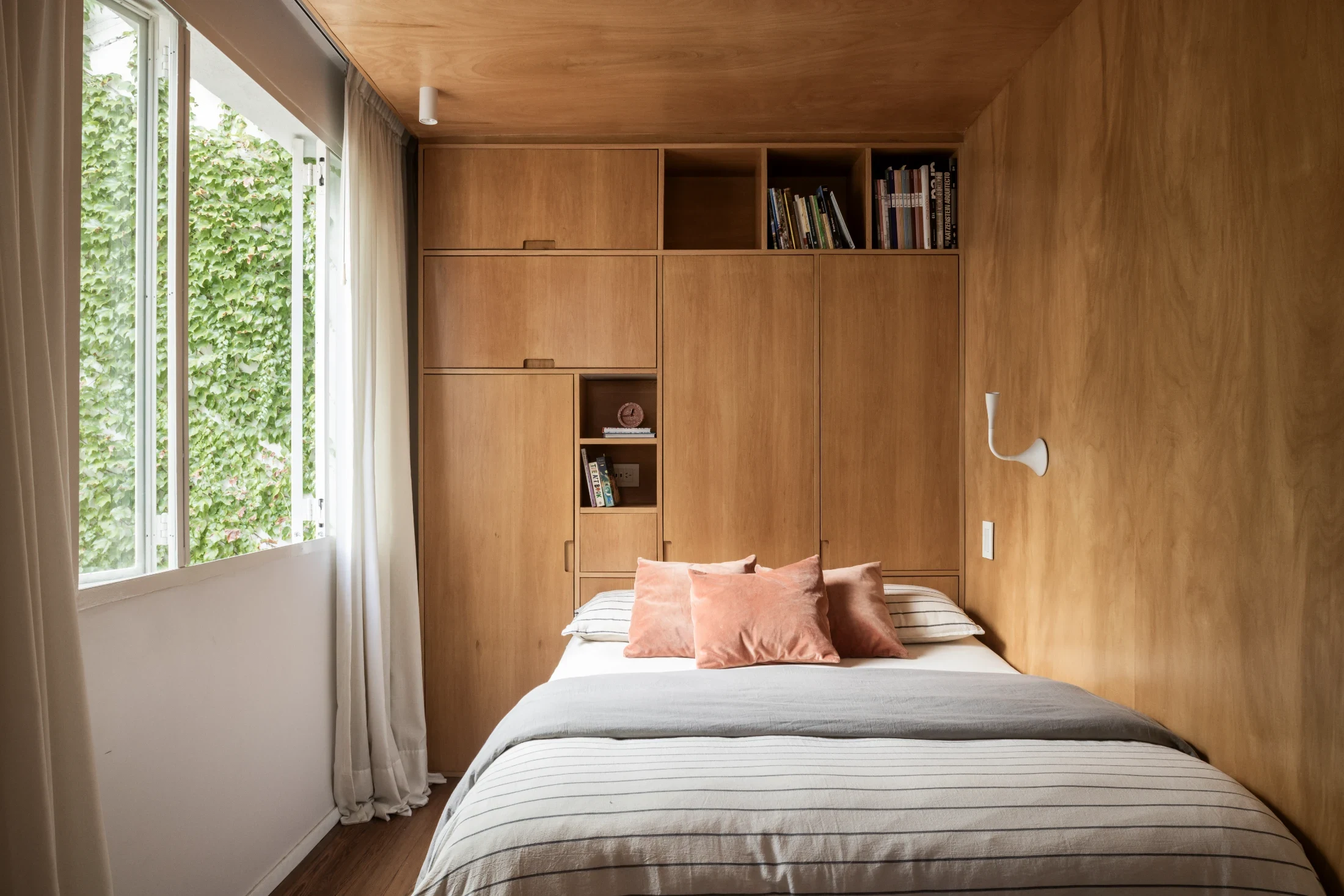
The limestone floor of the patio was the first major material decision of the house; 20x20 tiles are a very typical material that worked well with the patio, and we chose an unconventional motif to give it a more youthful look. It's the only major pattern that appears in the finishes, and it guided the decisions for the rest of the materials. The other big decision was to use wood for almost the entire staircase and the bedroom. Although the house was old and we respected its history, we wanted anything that had a new form and a not-so-classical use to have a contemporary interpretation from a material point of view.

You've been clever in integrating so much storage into your home and it's so beautifully executed. Can you talk us through how you approached storage as part of your design?

In my opinion, a space without storage is unthinkable, and no matter how minimalist a client may be, the key to a tidy space is having a place to store everything. Much of the storage we have at home is in the stairs. We also have a lot of storage in the bedrooms. We know we're going to expand the house in the future, but we don't know exactly how, so both rooms are designed to be convertible. Ours may become a simple bedroom or study, and Pedro's may become a study or storage. Time will tell.

Can you tell us about the furniture you designed for your home?

All the furniture is handmade with fine materials: the armchair was made in my studio and is custom-made for the living room. I designed it both for hosting people and for the three of us to take a nap together on the weekend. The coffee tables were made by me in my carpentry class. It was a year and a half process and I designed every detail and made every joint by hand.

What makes the home you designed so well suited to your family and the life you lead?

One of the priorities in designing our house was to make the living room more spacious. In the house we lived in before, the living room was separated from the kitchen and dining room, and we didn't like that, because in the end we were not comfortable in either room. This large room is where we spend most of our time: where we eat, rest, play and even work. It's so comfortable and spacious that it improves our quality of life every day.

Writing:
Writing:
Elizabeth Price
Photography:
Photography:
Anson Smart
Back to Top
Arrow UpArrow Up
Top
Arrow UpArrow Up
The After shot of the Floorplan
Before
before
after
After
Businesses featured in this project
No items found.
Products featured in this project
No items found.
Magazine Current IssueMagazine Current Issue
Writing:
Anson Smart
Writing:
Elizabeth Price
Photography:
Photography:
Anson Smart
Back to Top
Arrow UpArrow Up