



Tell us about when and where your interest in architecture and design began.
Since I was a child I have enjoyed doing manual activities such as drawing, sewing, knitting and embroidery. I started drawing houses as a game when I was 10 years old.
How do these beginnings feed into your design approach?
I believe that all architecture professionals are little boys and girls trying to make the world a more beautiful place. In my case I am very much in touch with that little girl who drew, sewed and knitted and that is why I like to think about each space in all its stages; I am not only in contact with bricks and plumbing but also with linens, velvets and wool. I designed everything in my house, and I even made some of the furniture and textiles with my own hands.
I understand you like to know what music will be played in a space or what food will be cooked in a kitchen before designing someone's home…
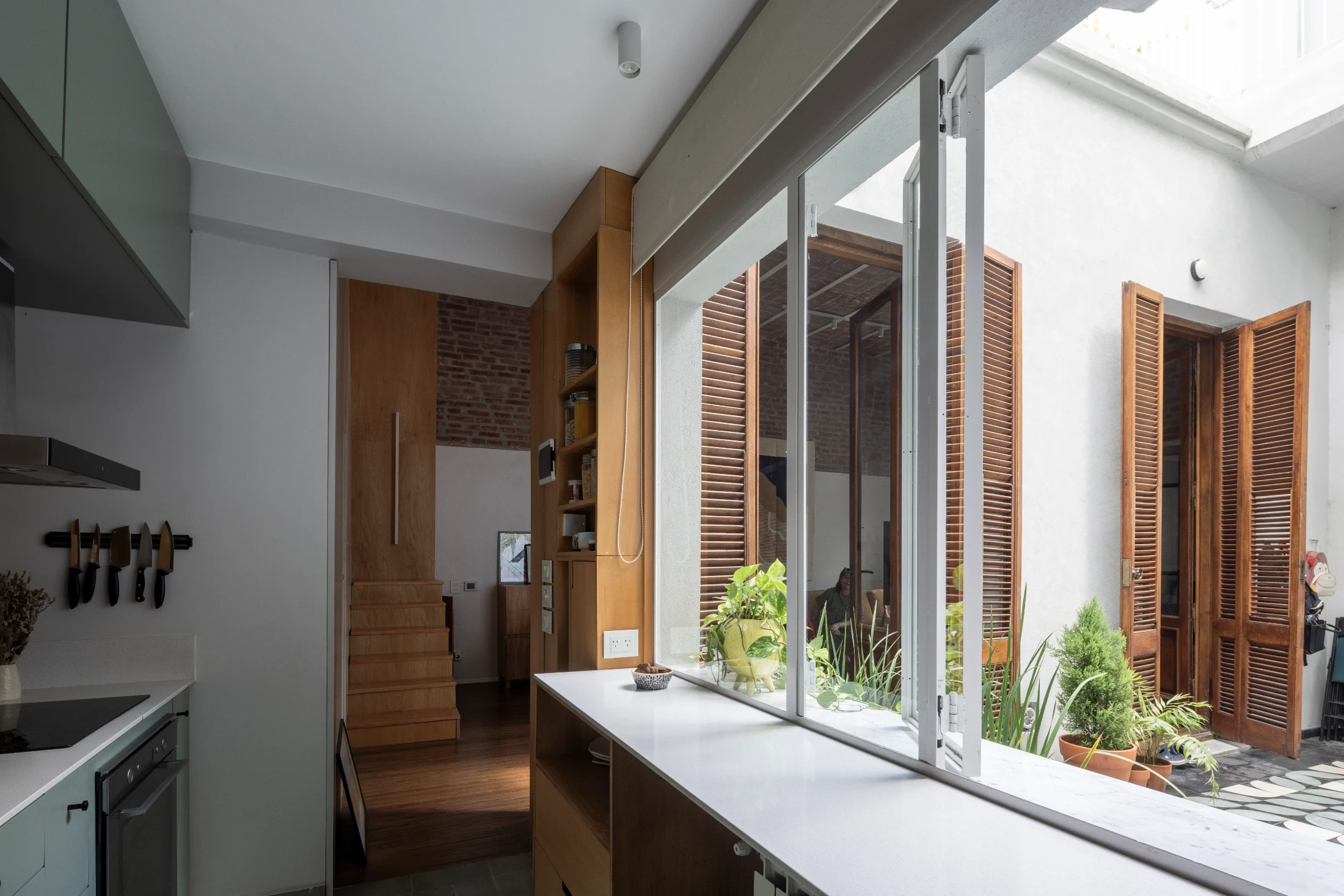
I really like to think of spaces that can be lived in and for me it is not the same to design a kitchen for someone who doesn't like to cook than for a family that makes the moment of the meal a ritual of encounter. Similarly, it is not the same to design a kitchen for someone who likes pastry, or someone who eats a lot of vegetables, or someone who frequently bakes. All these insights change the overall layout of the room, the size of each counter and drawer, the size of each appliance, and even the lighting and number of electrical outlets.
Can you describe the day you first saw your home and what happened next?
The first day I saw my house, I fell in love. I was driving alone, it was a sunny day and I passed by a street I didn't usually take. I found the front of the house so beautiful that I stopped on the sidewalk across the street and called the real estate agent to make an appointment to see it. The next day I went to see it with my husband and he fell in love too, so the decision was easy; we put the apartment where we lived up for sale and soon after we signed the new deed.
What makes your 'Casa Chorizo' unique?
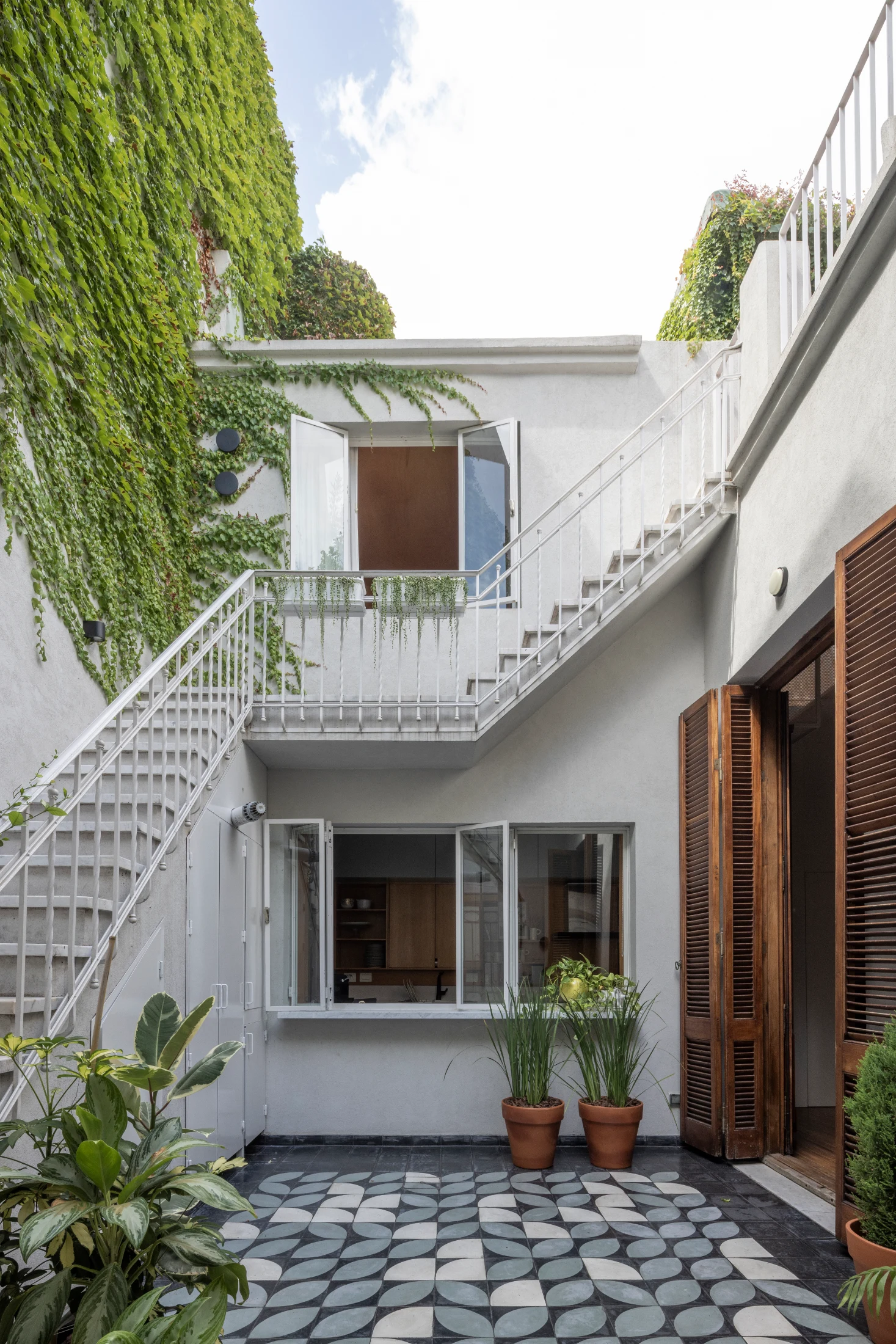
Originally, my house was part of a larger house: a Casa Chorizo that, unlike most of its kind, was organised parallel to the street rather than perpendicular to it. This peculiarity meant that the patio (usually at the back of the lot) faced the street and filled the house with natural light.
While this type of home is quite typical in Buenos Aires, to an Australian like myself, it's wonderfully exotic, particularly the facade and the central courtyard. When was it built? And why are homes like this so typical in Buenos Aires?
The typology of the Casa Chorizo is directly related to the form of subdivision of the blocks in Buenos Aires, in very narrow (8.66m) and deep plots between party walls. This typology was widely replicated at the end of the 19th century, as a result of the strong waves of immigration, because its construction and the regular size of its rooms were very flexible to accommodate several families per lot.
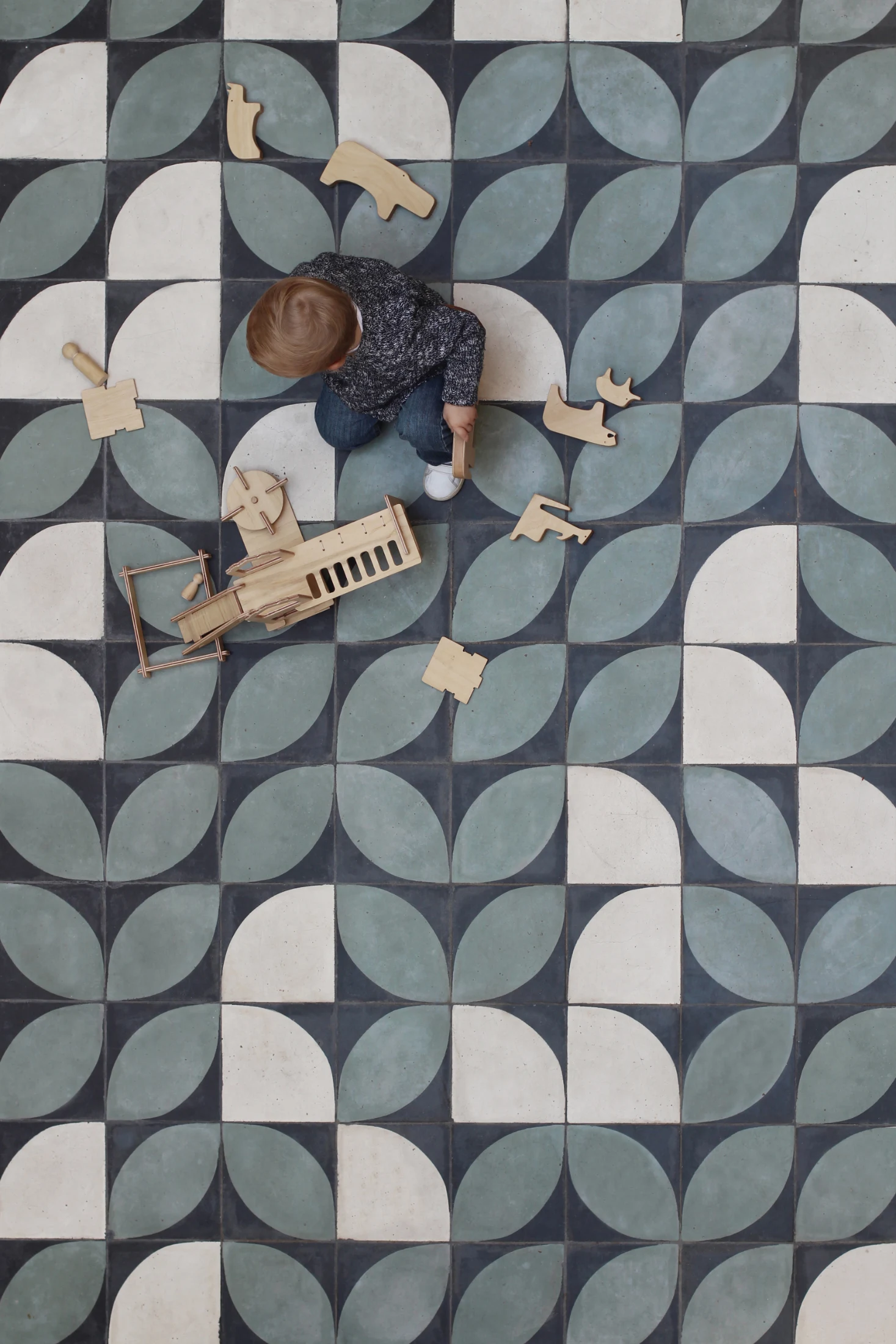
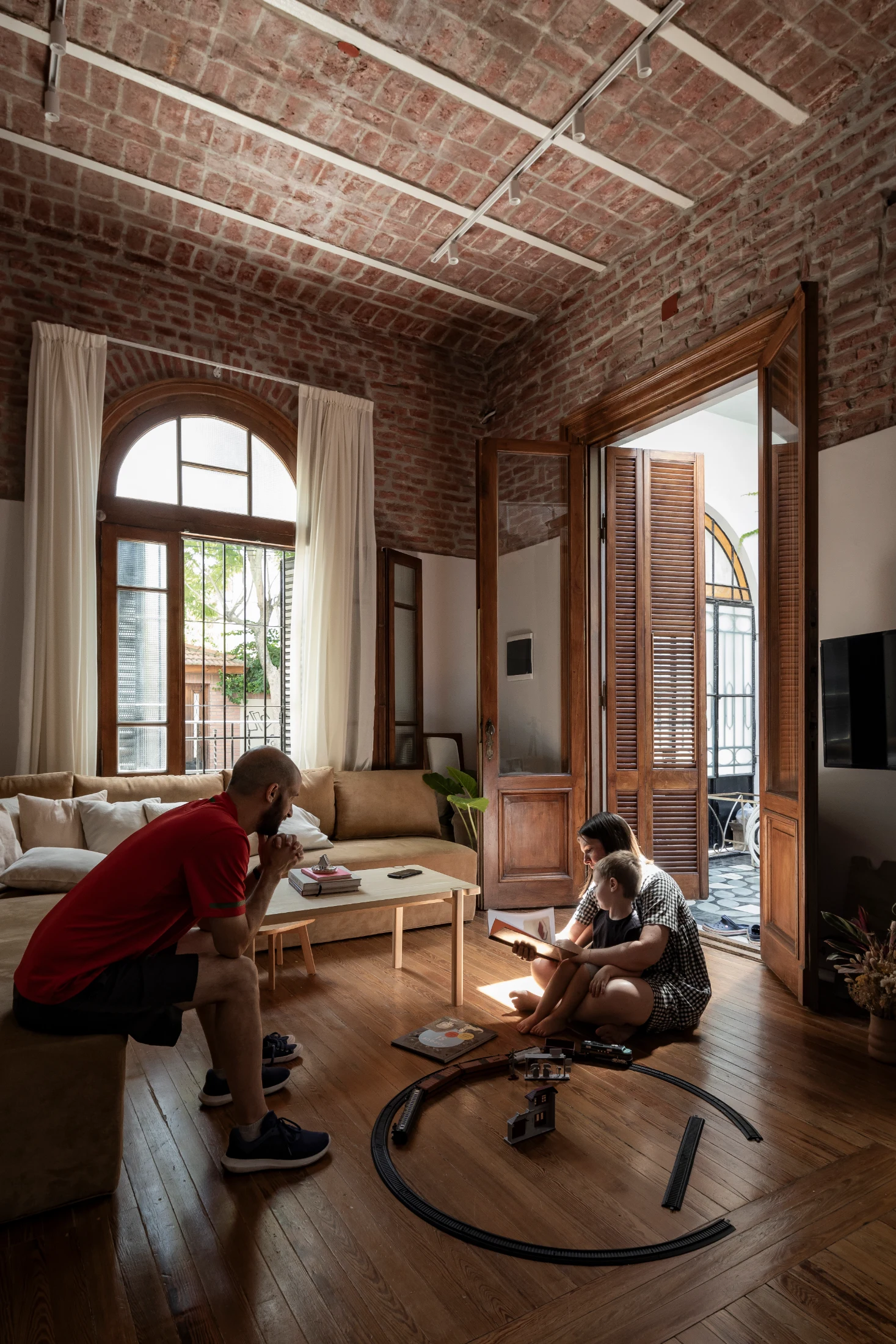
Today, the Casa Chorizo is hugely popular due to its versatility (as all spaces are equal in size and height, it is adaptable to many uses, not only residential); its quality of construction and spatial design (high ceilings, 30cm walls, slender solid wood doors, pine floors and beautiful limestone patterns); and finally, its ability to regulate temperature. Buenos Aires is a very hot city in summer and cold in winter, and the adjacent patio's 30cm brick walls make it very comfortable in all seasons.
What state was it in when you bought it?
The house was in very good condition and, although it had undergone some unfortunate interventions in recent years, most of the floors and openings were very well preserved. I think anyone else would have moved in with minimal changes, but the renovation we had in mind was very ambitious and required much more radical changes.
What needed to change?
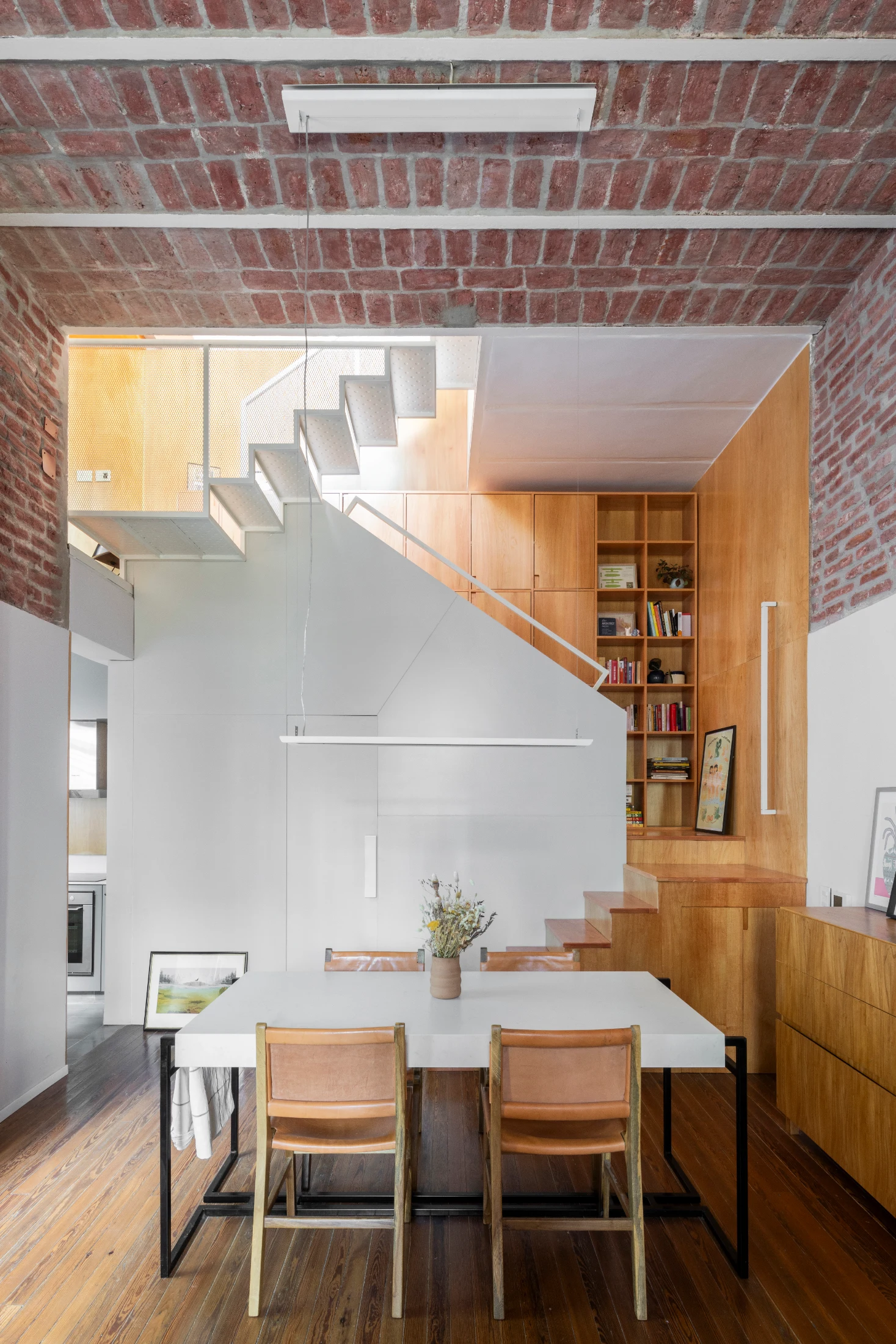
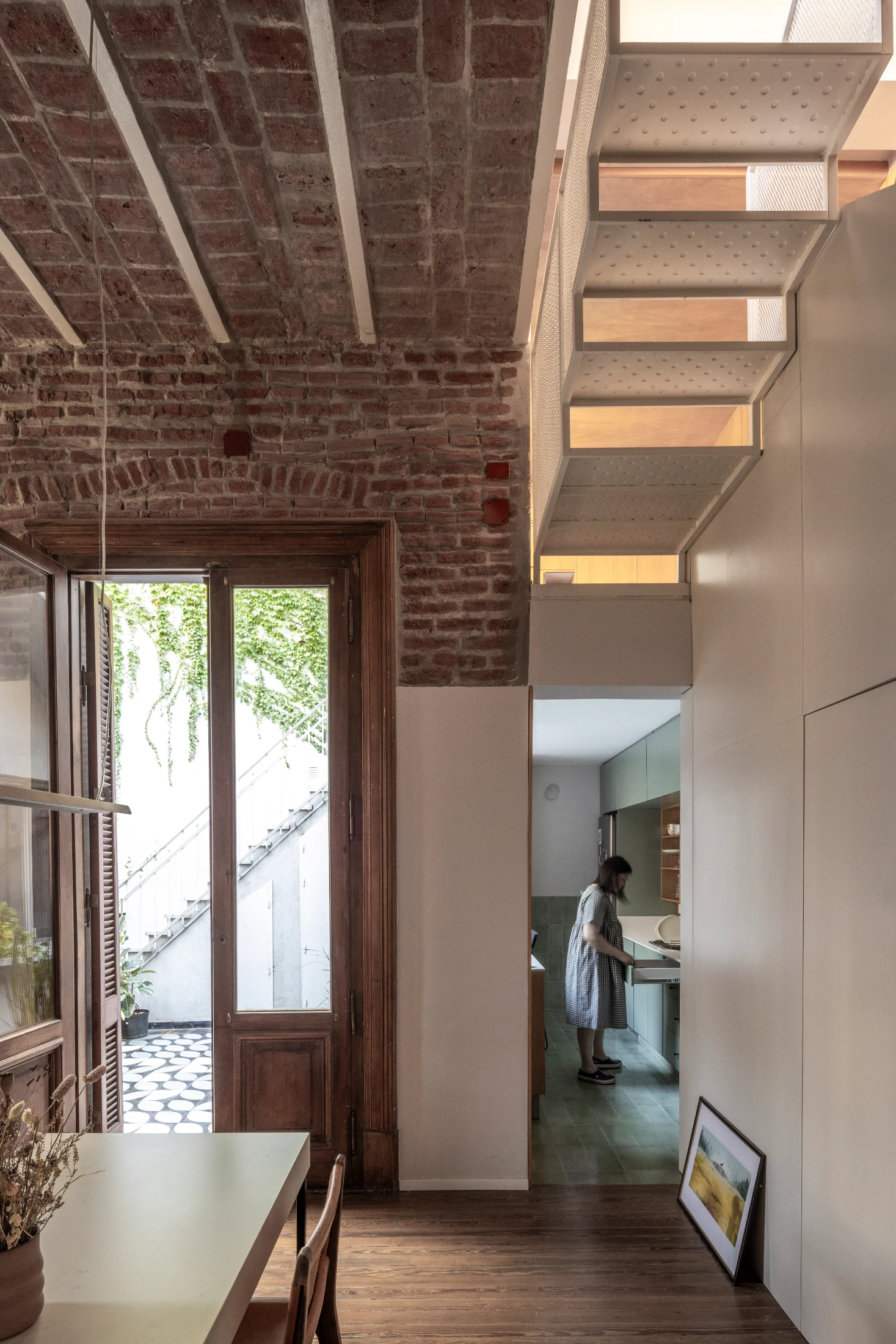
Our absolute priority from day one was a practical ground floor. We turned the storage room into the master bedroom (mine and Juan's) and added another room on the terrace where we built Pedro's bedroom. In this way, we were able to free up the first floor by integrating the two 4x4 bedrooms into one large living room. We unified the existing bathroom with the kitchen and built a much larger and more comfortable kitchen in that space, leaving a minimal bathroom under the stairs.
We also changed the circulation between the spaces. The living room became the heart of the house, the access point to the kitchen, and also the bedrooms via a new staircase.