



Why did you decide to focus your work on rallying against consumerism and waste?
My decision came from observing the environmental and social impact of unchecked consumption. In Vietnam, like many other places, there's been a growing shift towards mass-produced, disposable products. These items often prioritise convenience over quality, and once they outlive their short lifespan, they become part of a mounting pile of waste. This cycle of waste is deeply troubling to me, not only because of its environmental impact but also because it disconnects people from the value and longevity of the objects they own.
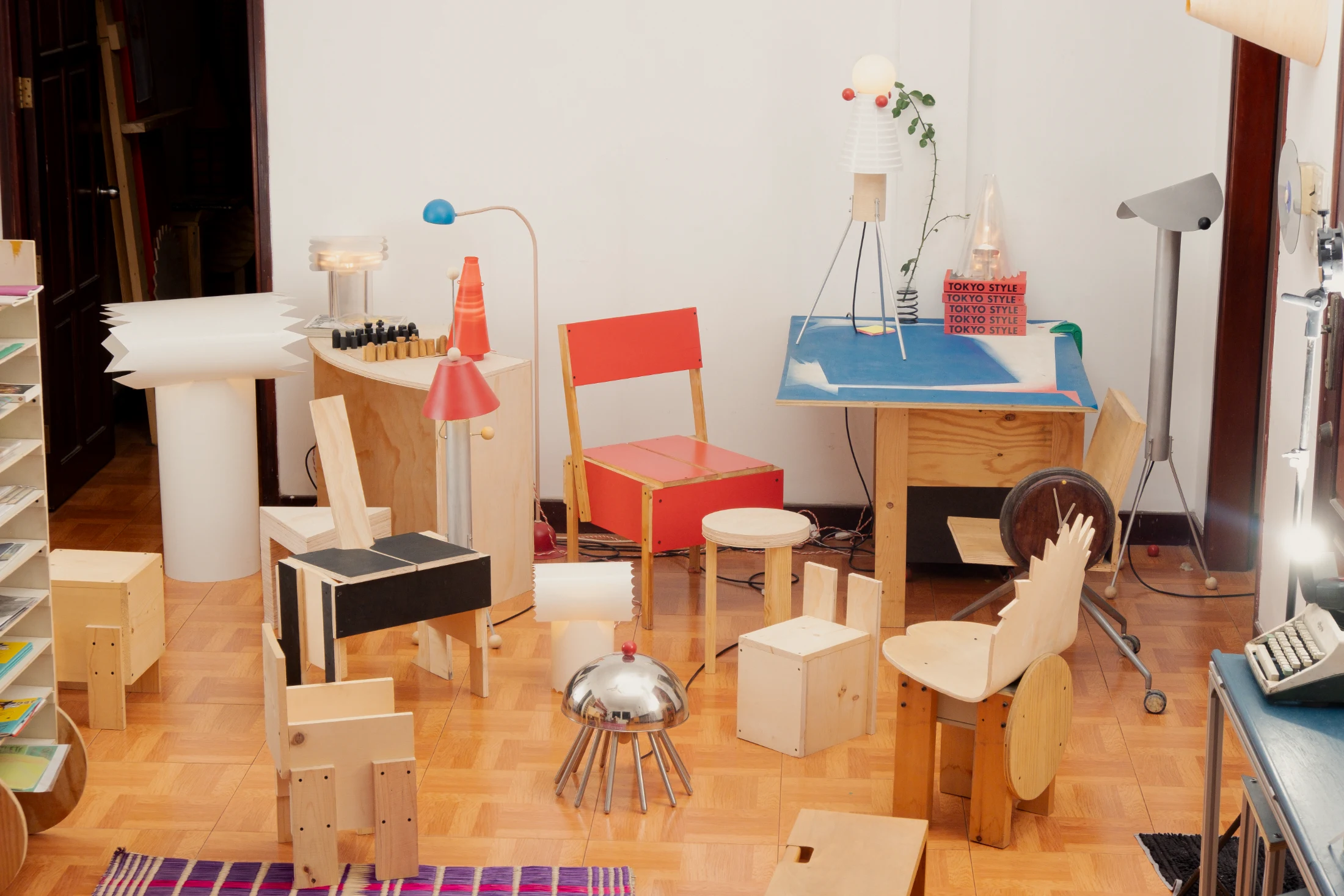
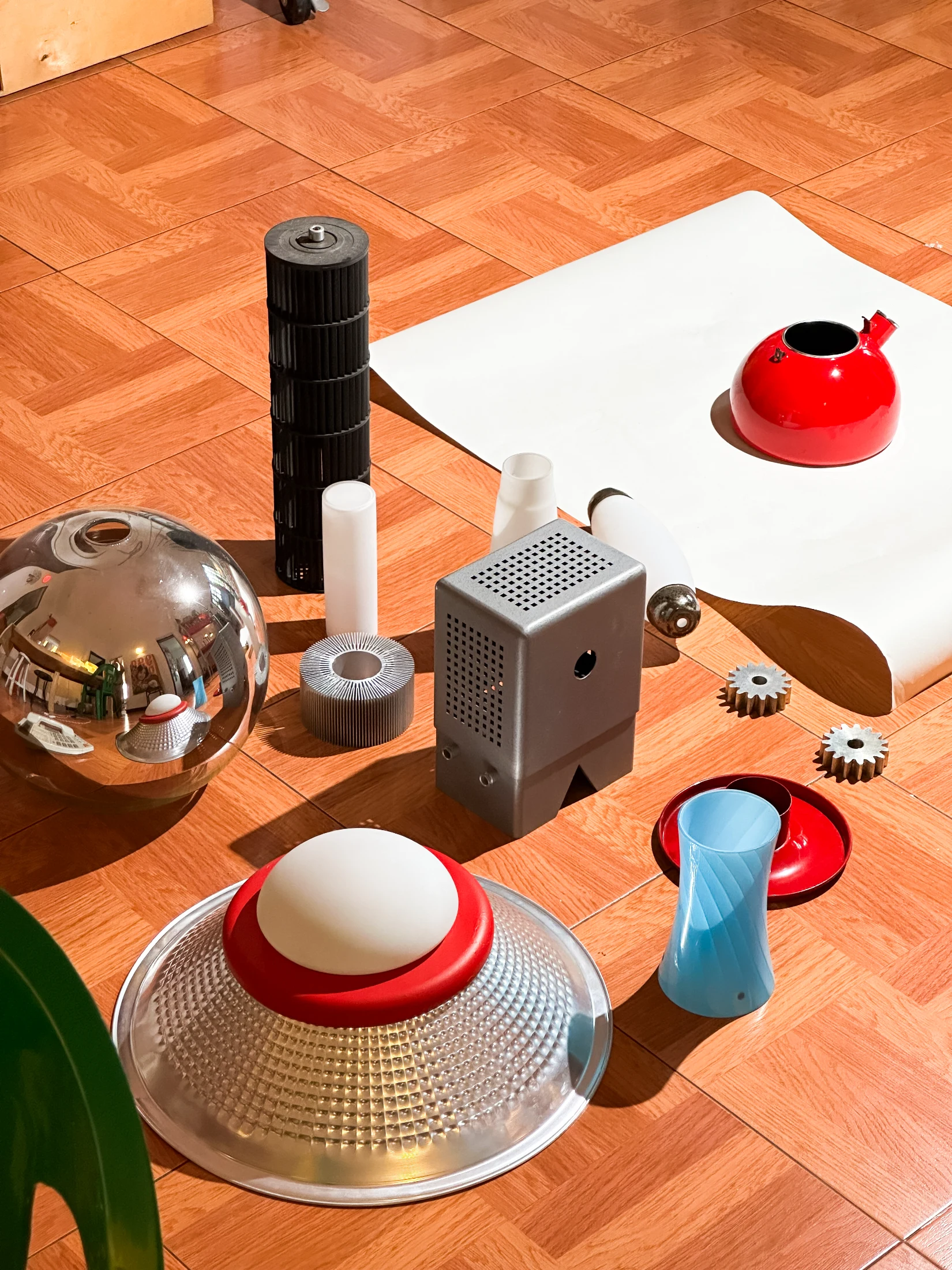
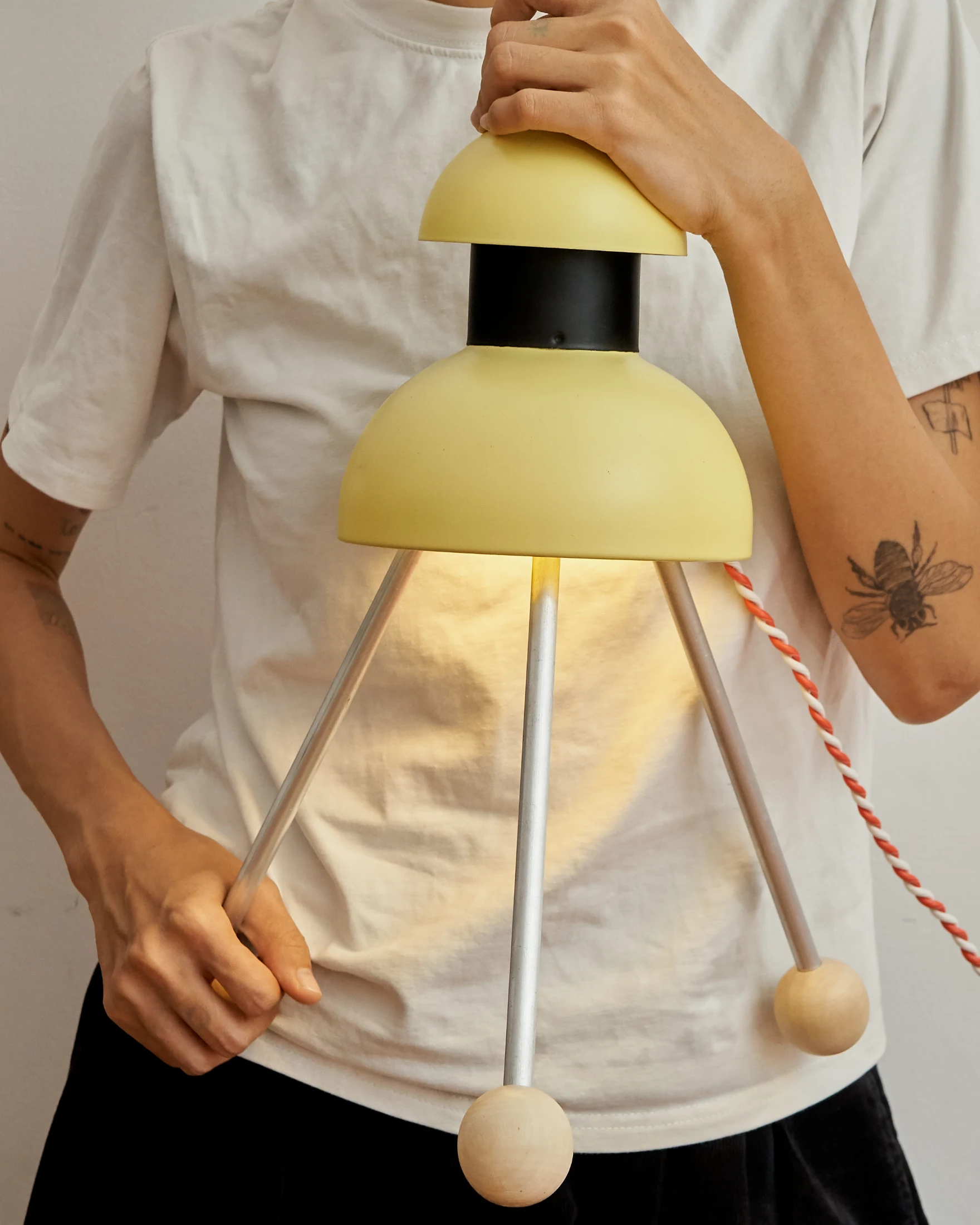
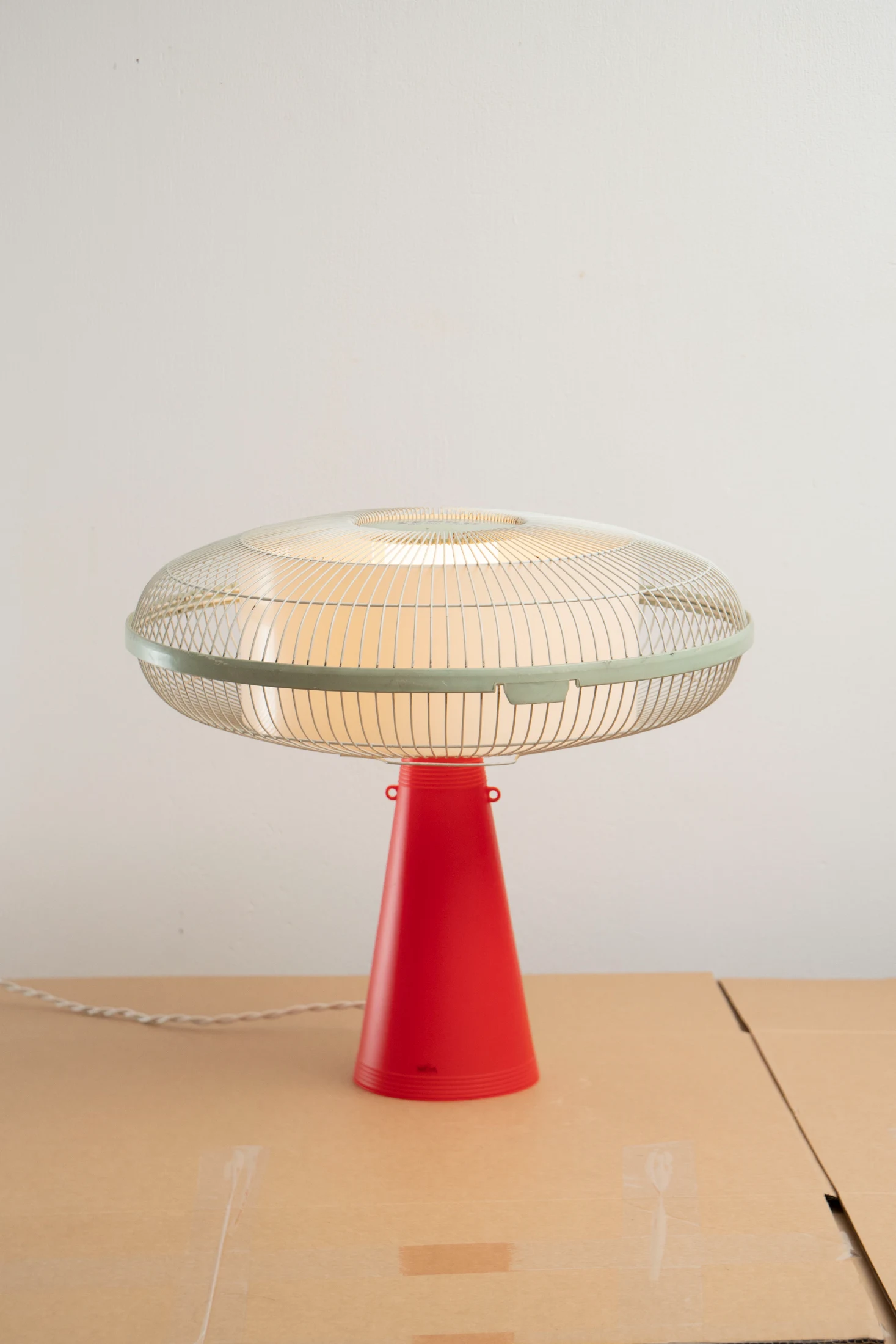
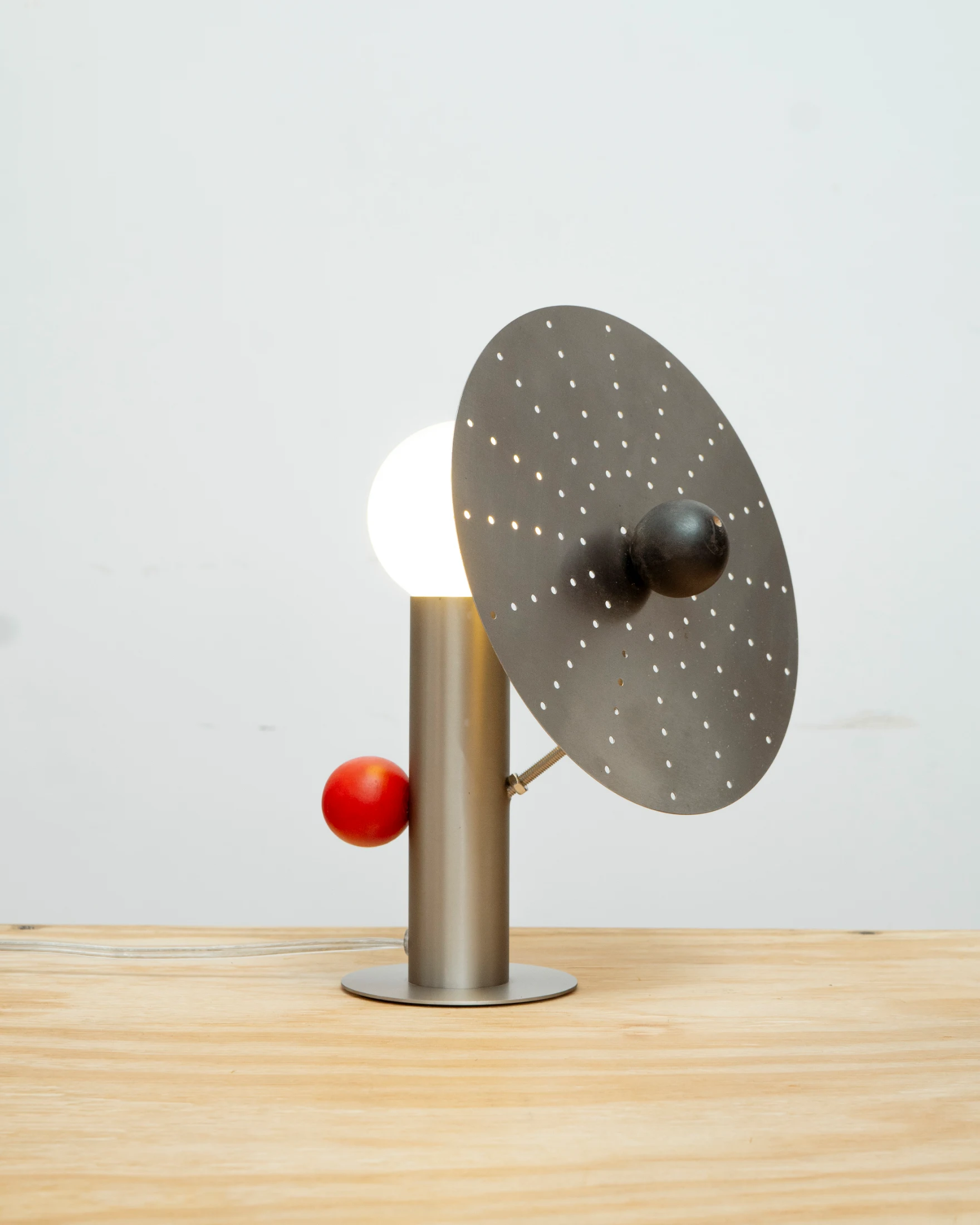
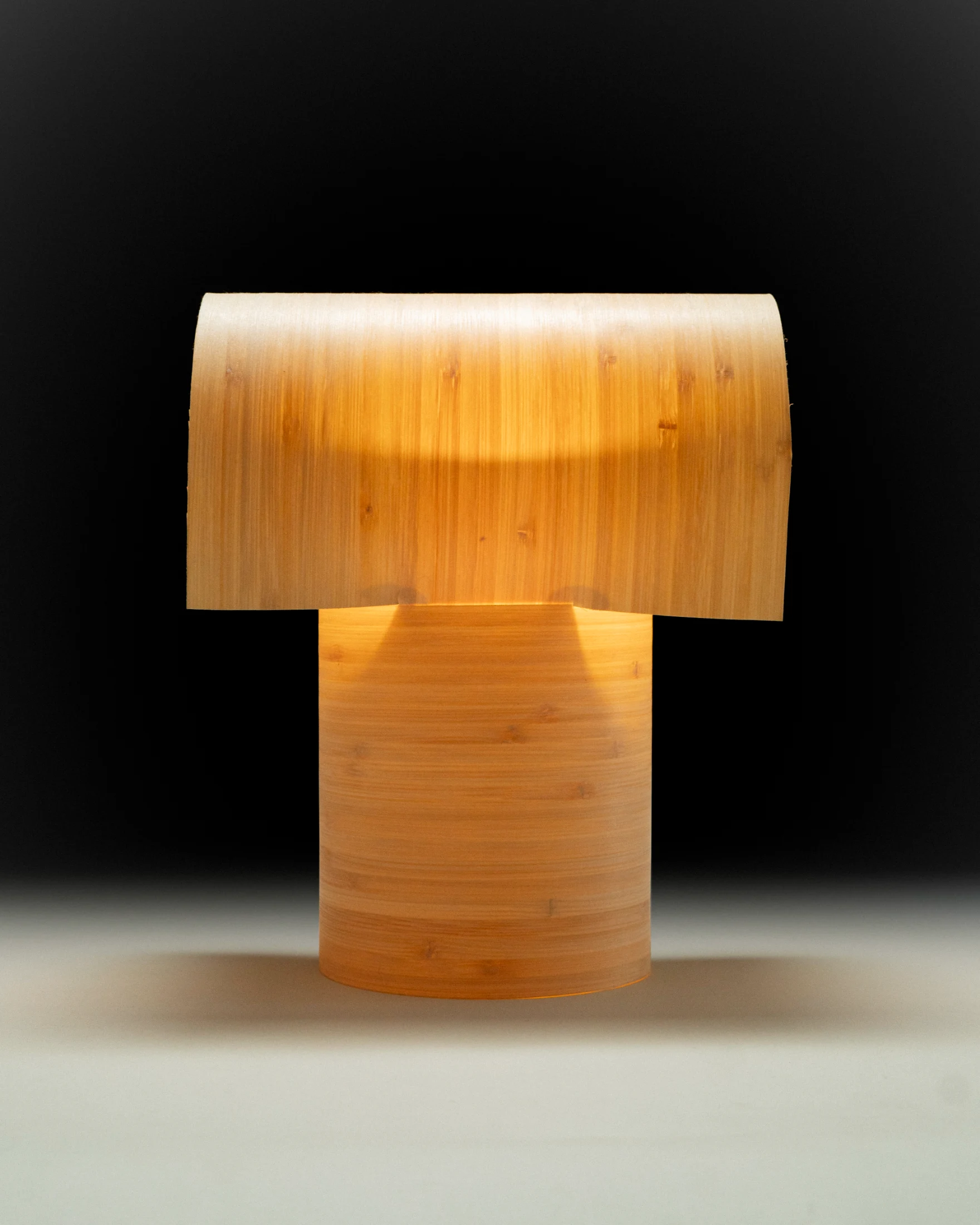
I believe design has a powerful role to play in reversing this trend. By creating products that are made from recycled or sustainable materials, designed to last, and adaptable to individual preferences, I want to challenge the throwaway culture. I want people to see their belongings not as temporary conveniences, but as things that can evolve with them over time.
It's about creating a mindset shift, too – encouraging people to rethink their relationship with the objects in their lives, to choose more thoughtfully, and to embrace a more sustainable and mindful way of living. My work is rooted in this philosophy, and I hope that through design, I can inspire others to reject wasteful consumerism and move towards a more circular, conscious approach to what they own and use.
Have you always been a tinkerer? Did you like to make things from found objects as a child?
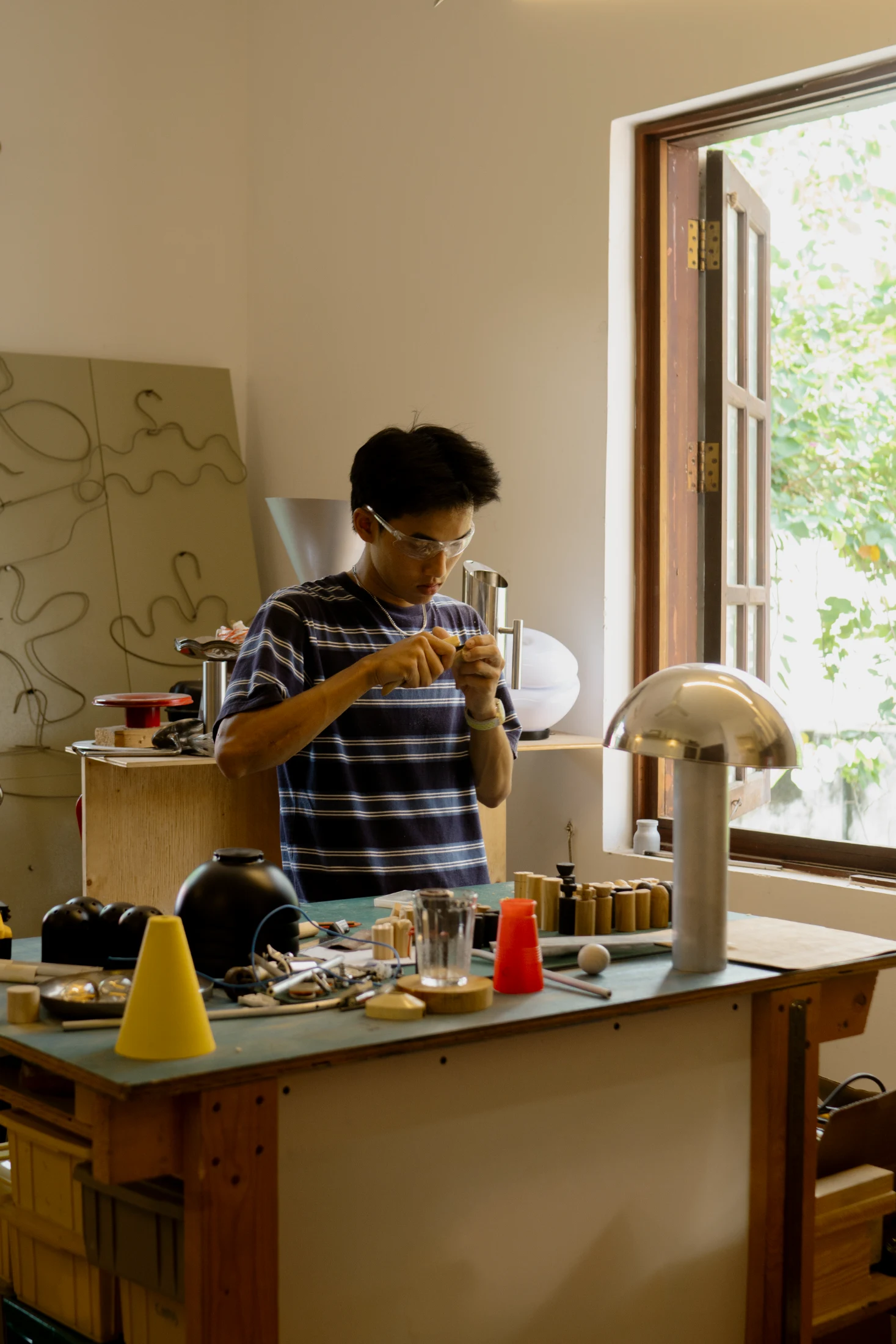
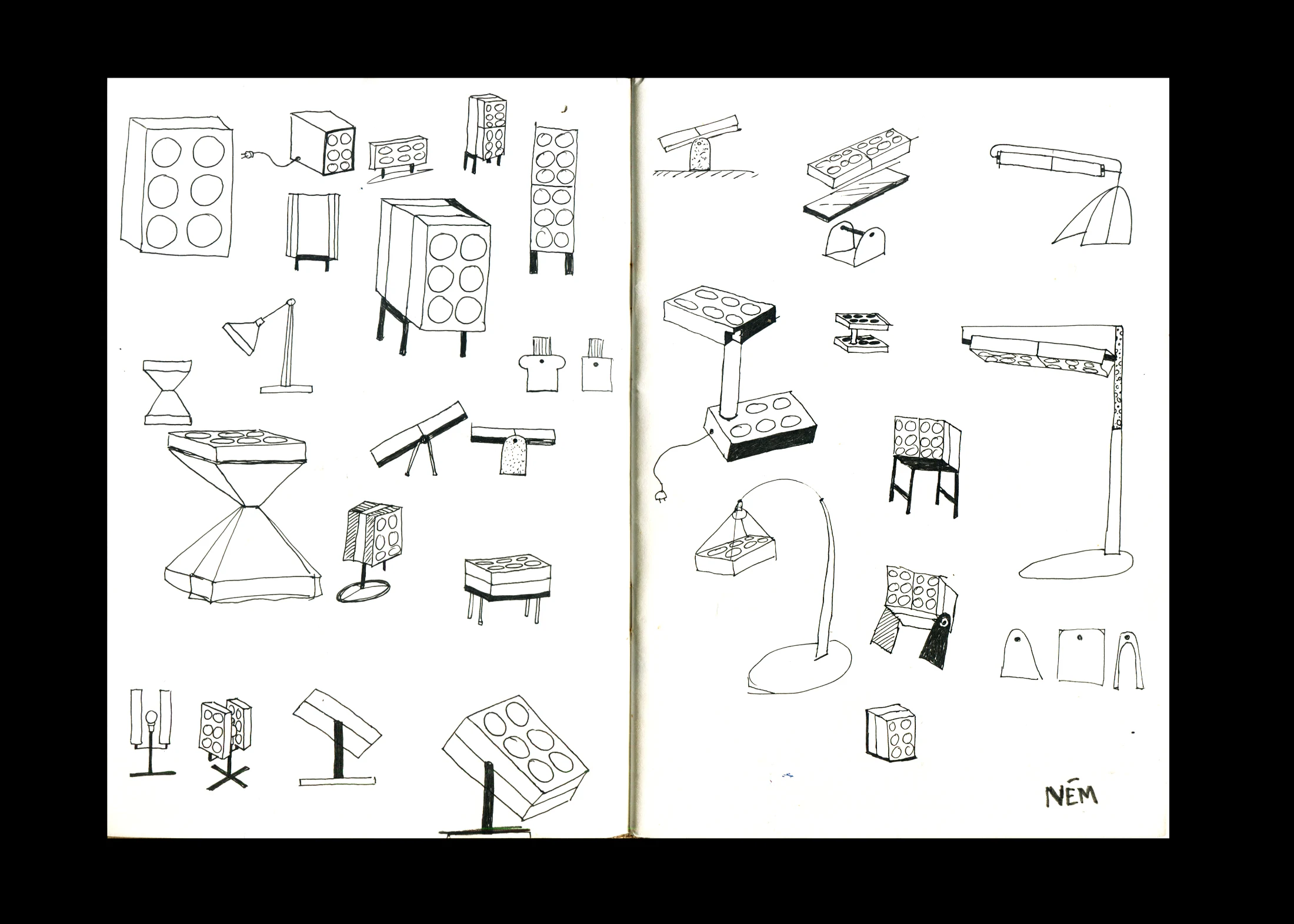
It's funny but true that I could "fix" our TV remote when I was in second or third grade. Whenever it stopped working properly, I would take it apart, put it back together, or even just smack it against my hand a few times – and it would start working again! But before that, I used to cheat on my craft assignments by getting my mum and sister to help, because I was quite clumsy with my hands.
It wasn't until middle school that I really became a tinkerer, both online and in the physical world. Now, I'm still a bit clumsy, but my hands have developed a kind of muscle memory through constant practice. The more I work with my hands, the better they remember what to do. So, while I wasn't always naturally good at making things, over time, I've learned to embrace it through curiosity and persistence.
I want to challenge the throwaway culture. I want people to see their belongings not as temporary conveniences, but as things that can evolve with them over time.
What's the design scene like in Vietnam?
The field of product design, especially in the contemporary sense, is still relatively underdeveloped or undervalued compared to other industries. There are several reasons for this.
Firstly, Vietnam's economy has traditionally been focused on manufacturing, production, and export, rather than design and innovation. The emphasis has been more on producing goods for international brands rather than creating locally designed products. As a result, the infrastructure and resources for nurturing homegrown design talent haven't fully matured.
Secondly, design as a profession is often misunderstood or overlooked in Vietnam. While there is a long history of craft and traditional artistry, modern product design – where function, aesthetics, and user experience come together in innovative ways – is not widely seen as essential. Many people still view design as purely decorative, not as something that shapes everyday life or contributes to problem-solving.
Another factor is the educational system, which has limited programs and institutions dedicated to teaching product design at a high level. This lack of formal training opportunities makes it harder for young designers to pursue careers in the field, and as a result, many move to other areas like graphic design or advertising where there is more recognition and demand.
However, I do see this beginning to change. There's a growing awareness, especially among younger generations, about the value of design in shaping the future, and with more exposure to global trends, there's a budding appreciation for locally designed, sustainable products. I hope this evolution will continue, and that product design in Vietnam will become more recognised as an essential and influential practice.