
Magazine Current IssueMagazine Current Issue
Clothes from chaos
Clothes from chaos
From our Mag
May 1, 2025

Clothes from chaos

Yoshikazu Yamagata is a fashion designer who considers what the average person would do and then does the opposite.

He’s won some of the biggest awards in fashion. He studied in Europe and worked under the legendary John Galliano. Now he’s turning Japanese fashion education upside down. Meet the weird and wonderful Yoshikazu Yamagata.

James Shackell
Writing:
Writing:
James Shackell
Photography:
Photography:
No items found.
Magazine Current IssueMagazine Current Issue
The After shot of the Floorplan
Before
before
after
After
Top
Arrow UpArrow Up

“Since my childhood, people around me said I’m not normal.”

Japanese fashion designer Yoshikazu Yamagata is the living embodiment of that scene in The Devil Wears Prada, where Stanly Tucci's character, Nigel, explains the pain of growing up different in a small town and clinging to fashion as a "shining beacon". A way out. A way to understand a world that maybe didn't understand him – yet.

"As a child, I was clumsy and really struggled with academics," Yamagata tells us from Tokyo. "So for that reason, I gradually convinced myself that I stood no chance in a world where everyone followed the same set of rules."

Yoshikazu Yamagata was born in Tottori Prefecture in 1980, a million miles from the neon glitz of Tokyo's runway scene (actual distance: 660km). Tottori is one of Japan's most sparsely populated prefectures, sitting on the shores of the Sea of Japan in a storm-wracked area known as San'in, the "Shadow of the Mountains". Tottori attracts some of the heaviest snowfalls in Japan, and residents tend to stay indoors a lot of the time. It's mostly famous for two things: sand dunes and bad weather.

When Yamagata was still young, the family moved to his father's hometown of Nagasaki. His parents weren't wealthy, and his mother worked a lot. It's fair to say that haute couture wasn't a big part of everyday life. "I come from a household with no trace of creativity," Yamagata admits. "But my parents never forced a career path on me. They allowed me to choose my own direction."

That 'direction' turned out to be fashion, and becoming one of the most talented young designers Japan has produced in the last 50 years.
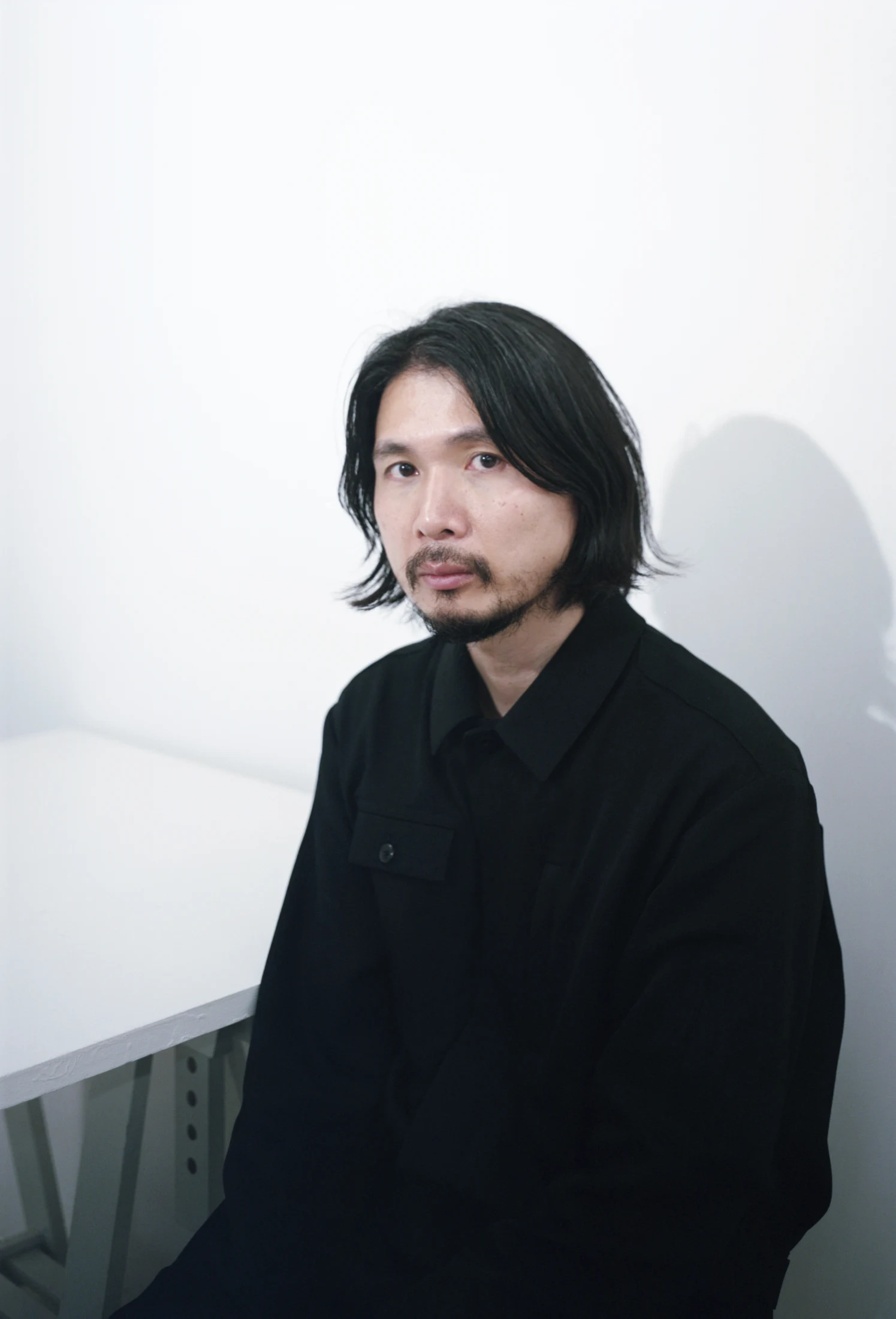
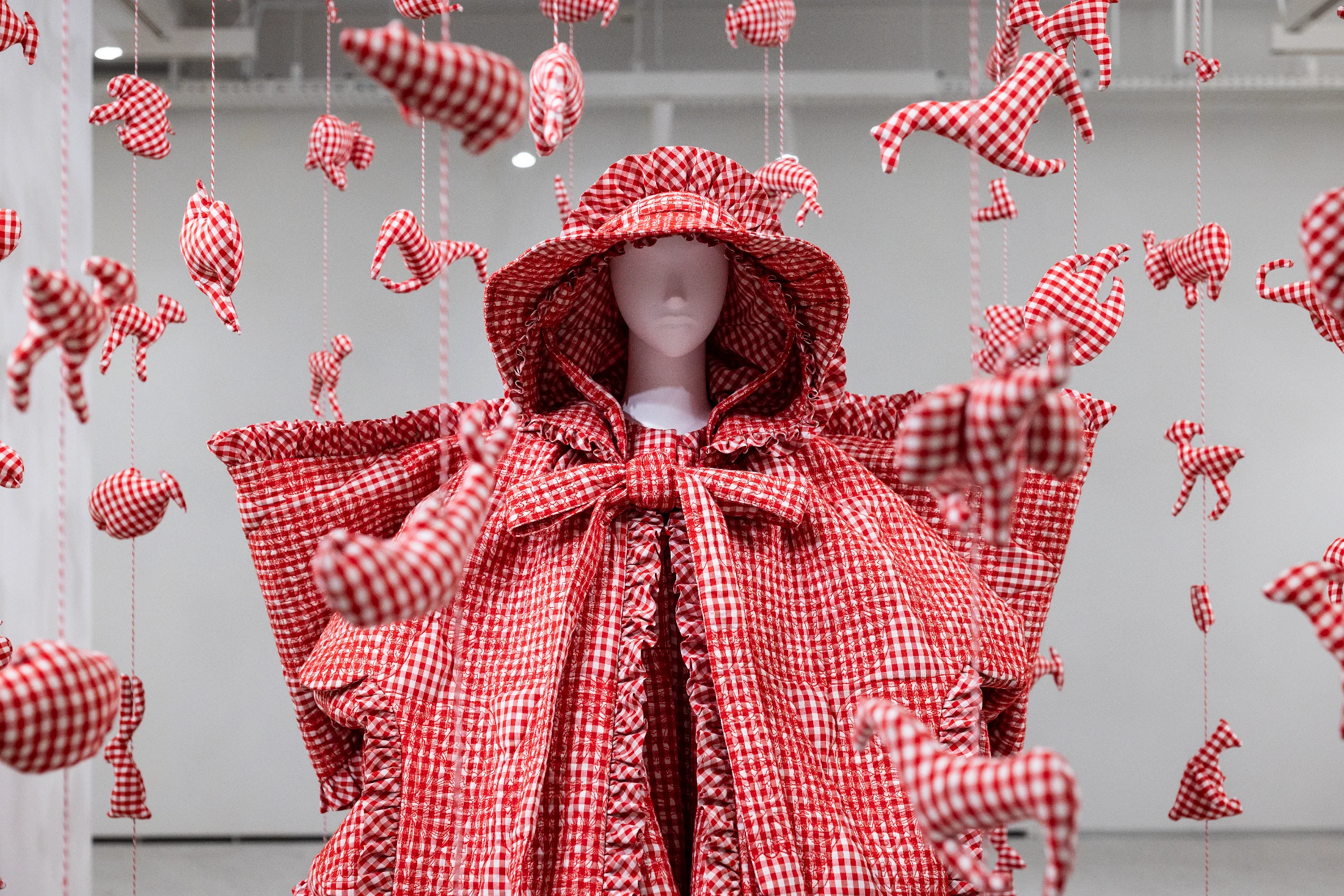
After graduating high school, Yamagata studied fashion design in Osaka, but it wasn't long before he began looking for opportunities outside Japan. Quite unusual in the early 2000s. Armed with a good eye, limited English and ambition to burn, he packed his bags and enrolled in London's prestigious Central Saint Martins arts and design college. It was here that he came to the attention of the legendary John Galliano, founder of the eponymous fashion label and former creative director of Givenchy and Dior.

In high fashion circles, where clothes have taken on the status of wearable art, Galliano is regarded as one of the greatest designers of the late 20th century. He's known for his theatrical and story-driven shows (as well as some unfortunate antisemitic remarks that ended his stint at Dior). Galliano's design approach really resonated with the young Yamagata, and after a short internship, he returned to Japan in 2007 to start his own label: Writtenafterwards.

By this stage of his career, Yamagata was the product of two completely different artistic schools: the fine-tuned and technical Japanese style, and Europe's more open, collaborative, free-wheeling approach. It made him a unique threat in the world of high fashion, and Writtenafterwards soon became a staple among the Spring/Summer Tokyo Collections.

In 2014, Yamagata won the Tokyo Fashion Award and special prize for the Mainichi Fashion Award. The next year, he was nominated for the LVMH Prize – the first Japanese designer ever to receive such an honour. In 2019, he earned a spot on the Business of Fashion (BOF) 500 list, the definitive index of people shaping global style.

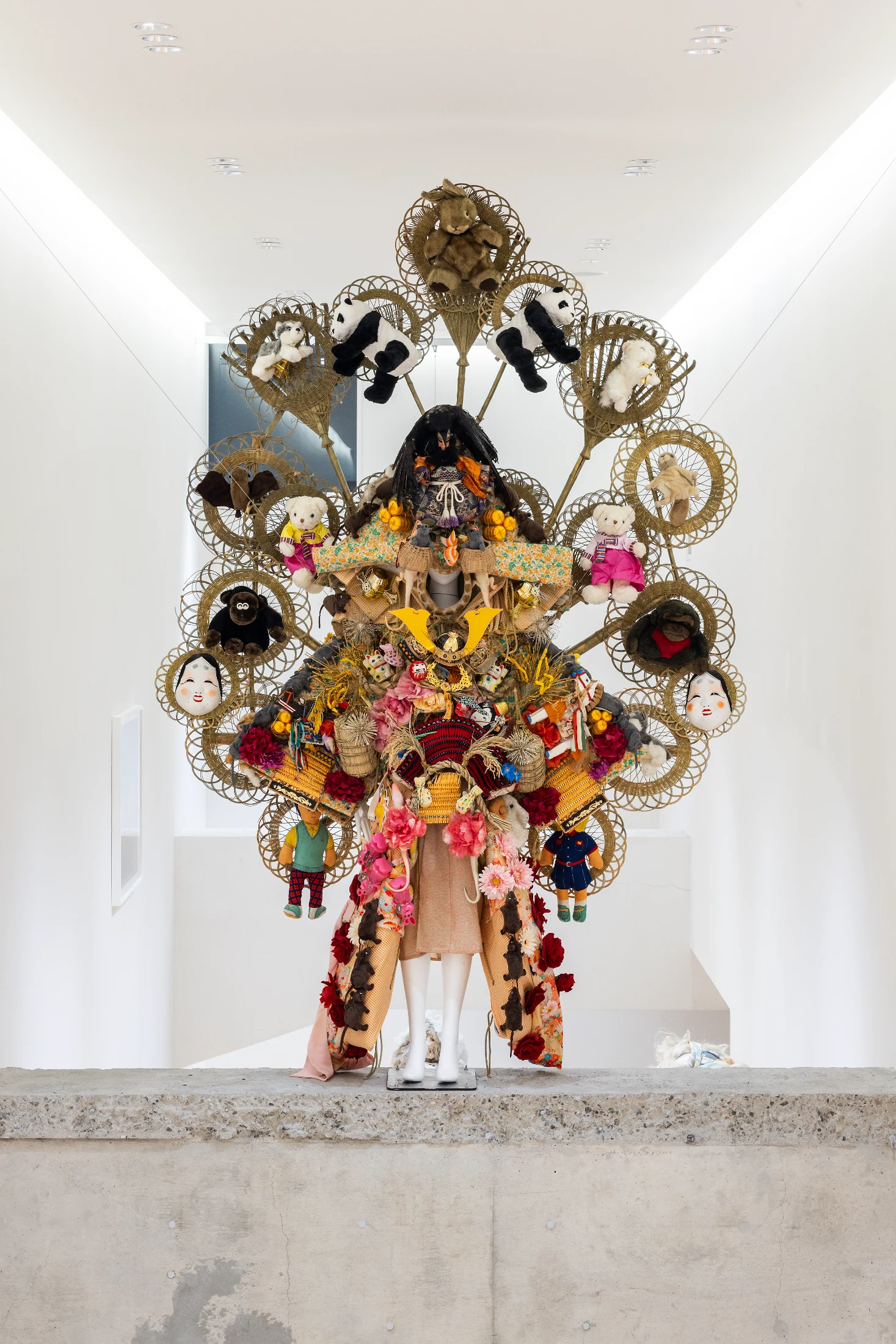
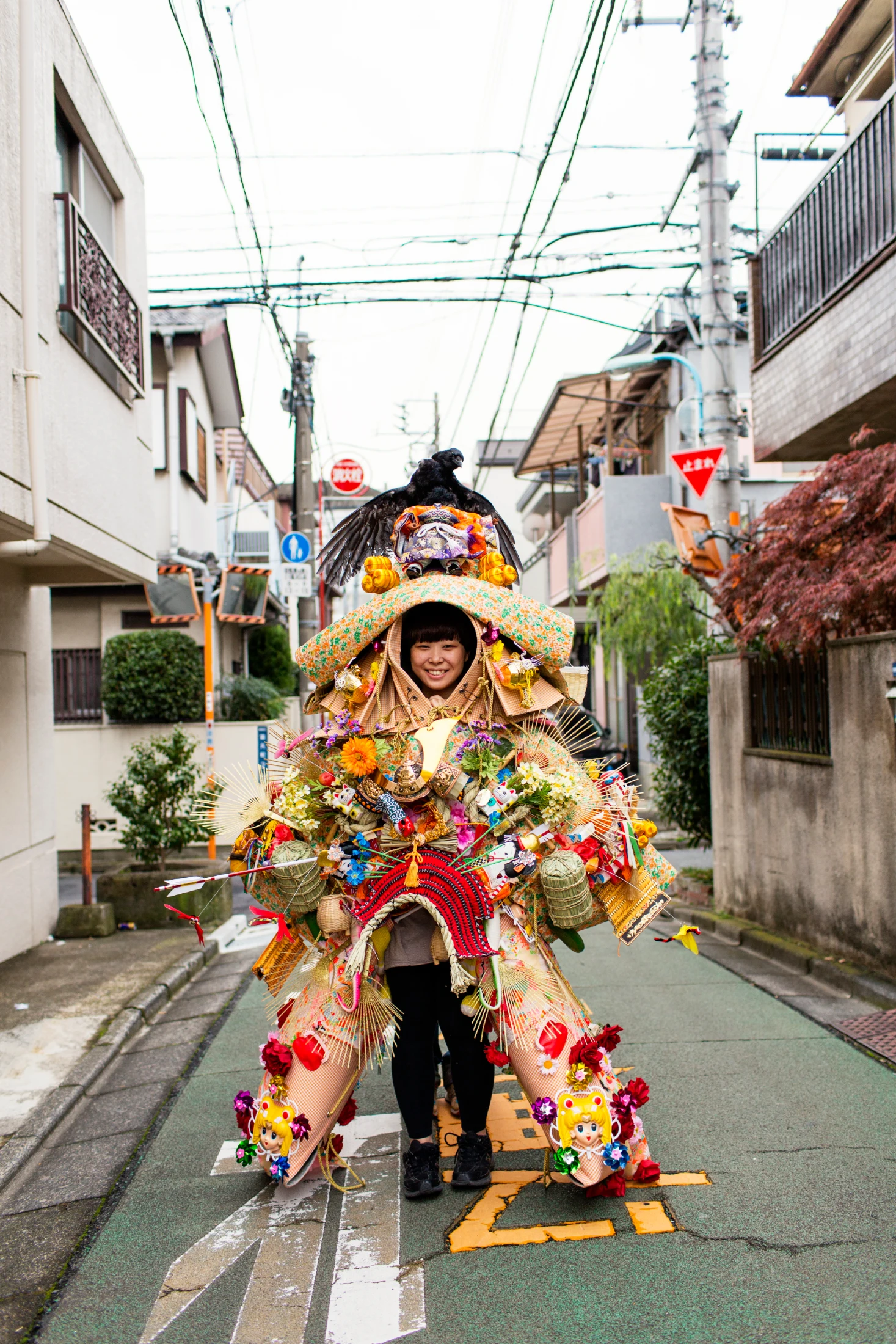
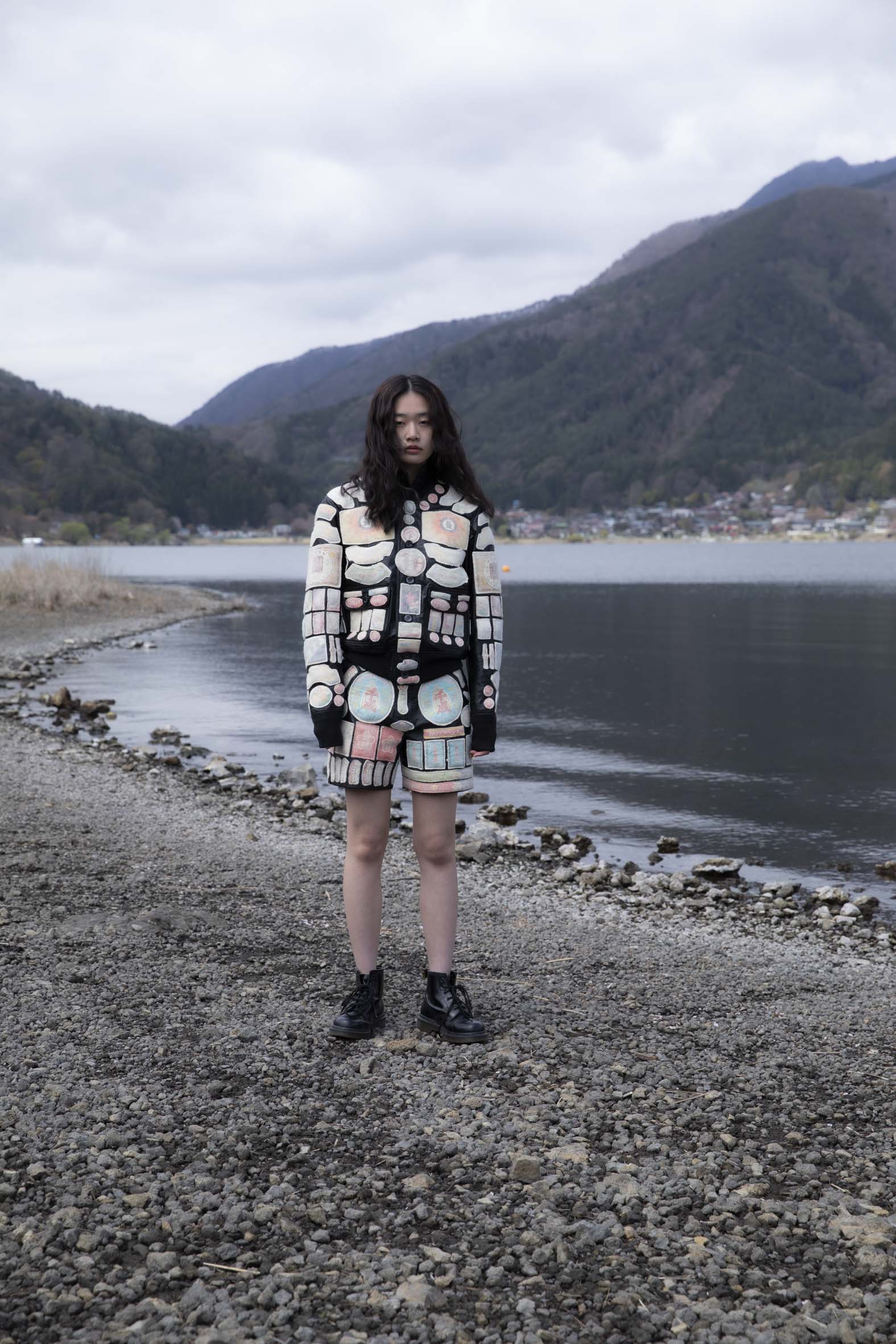
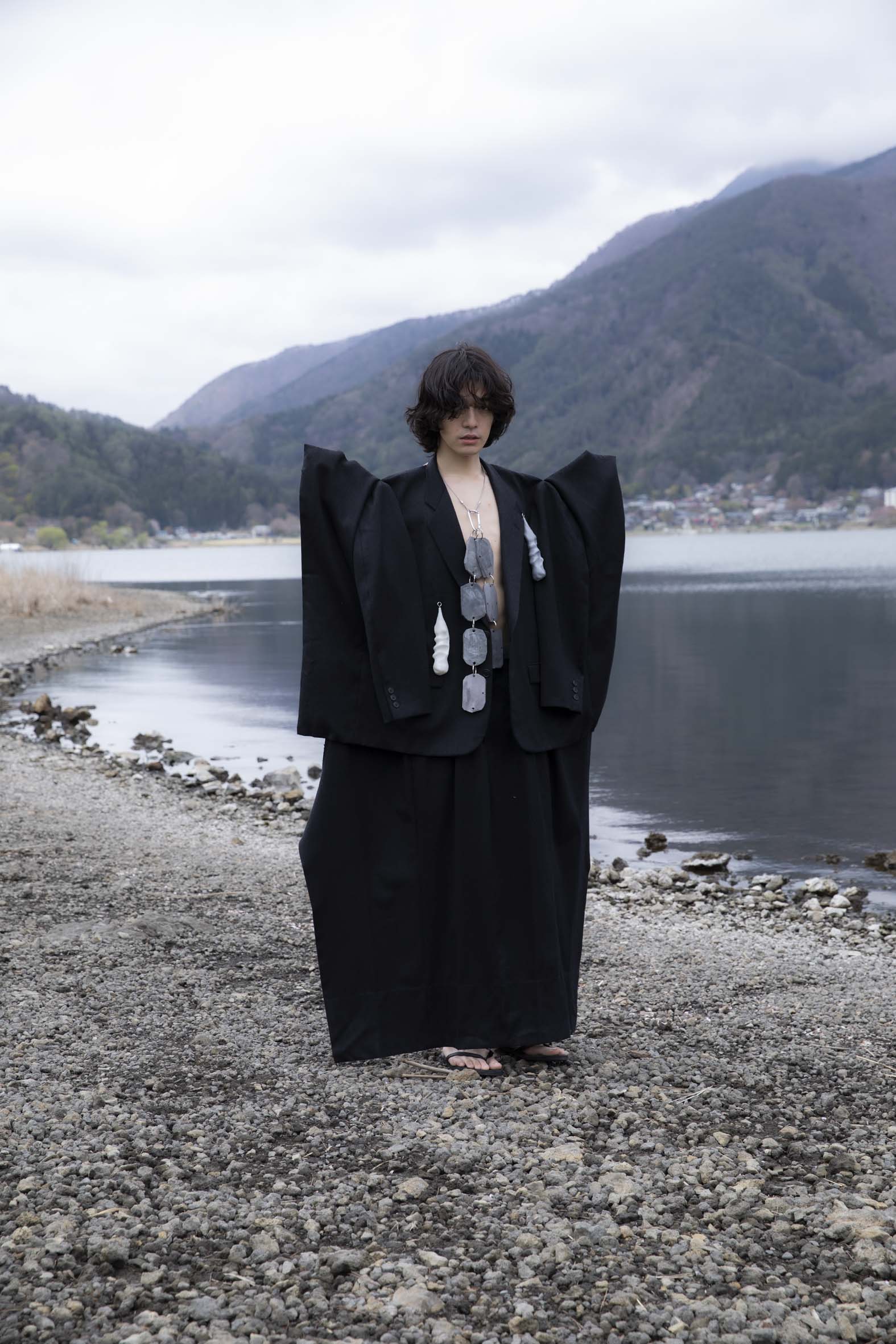
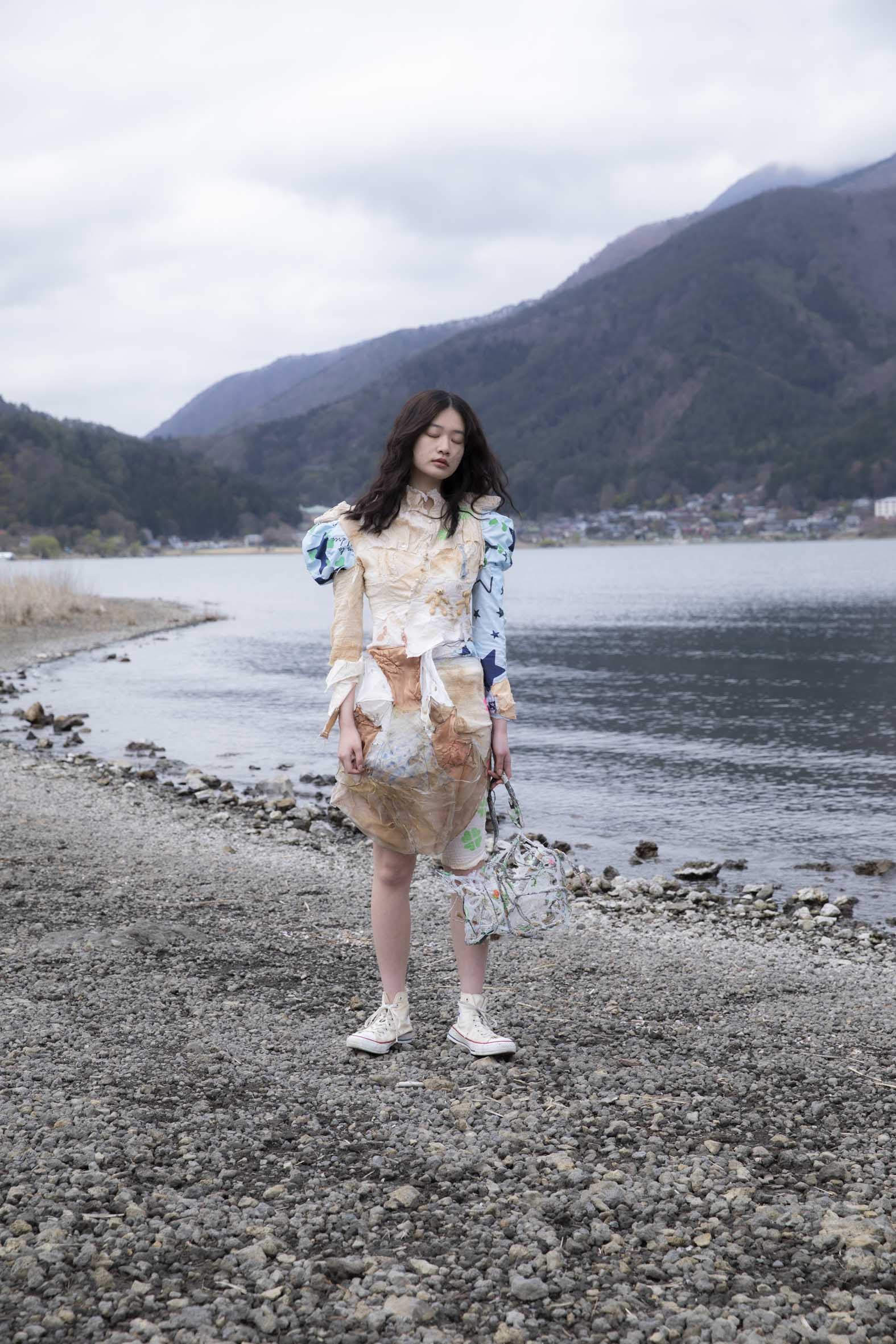
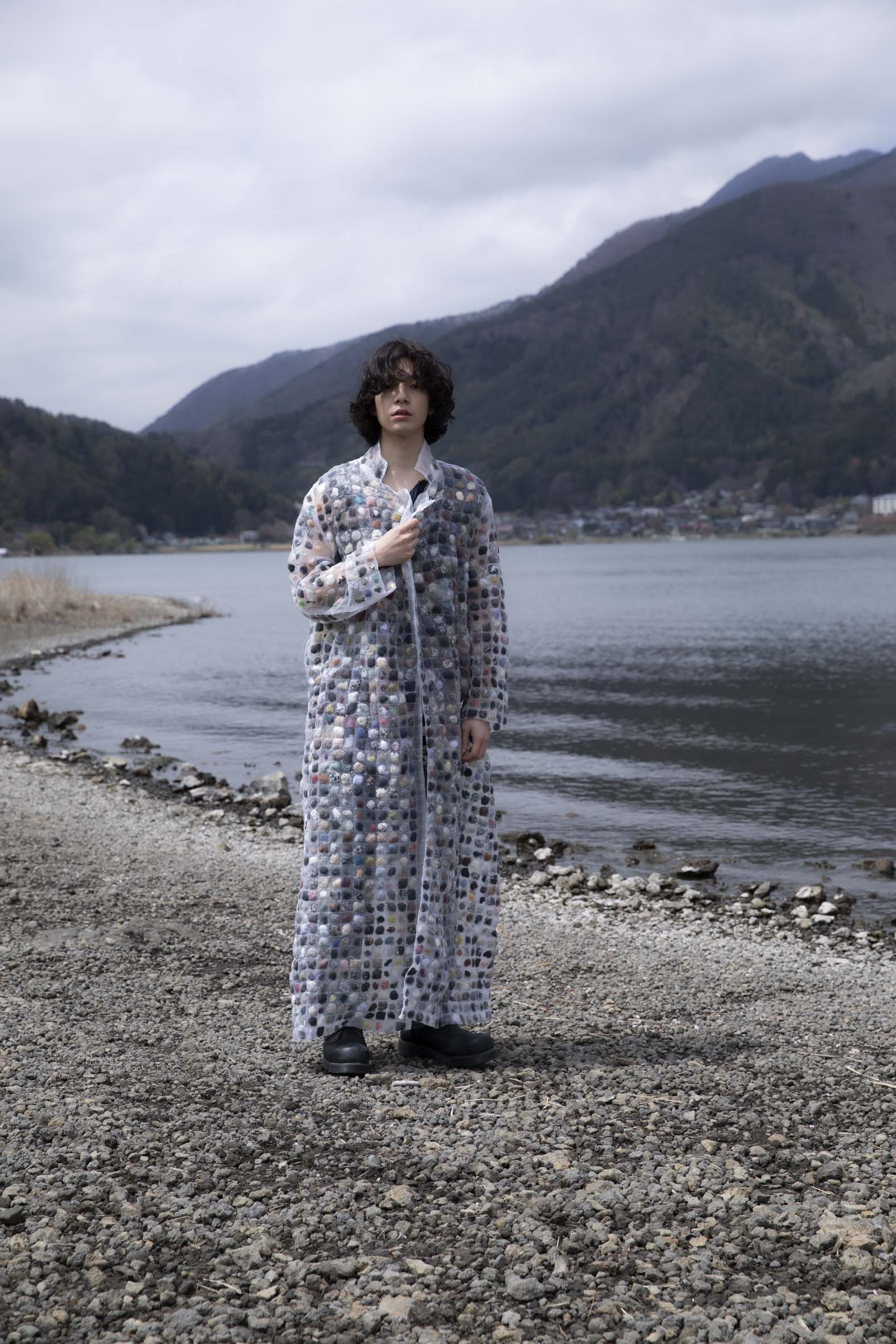
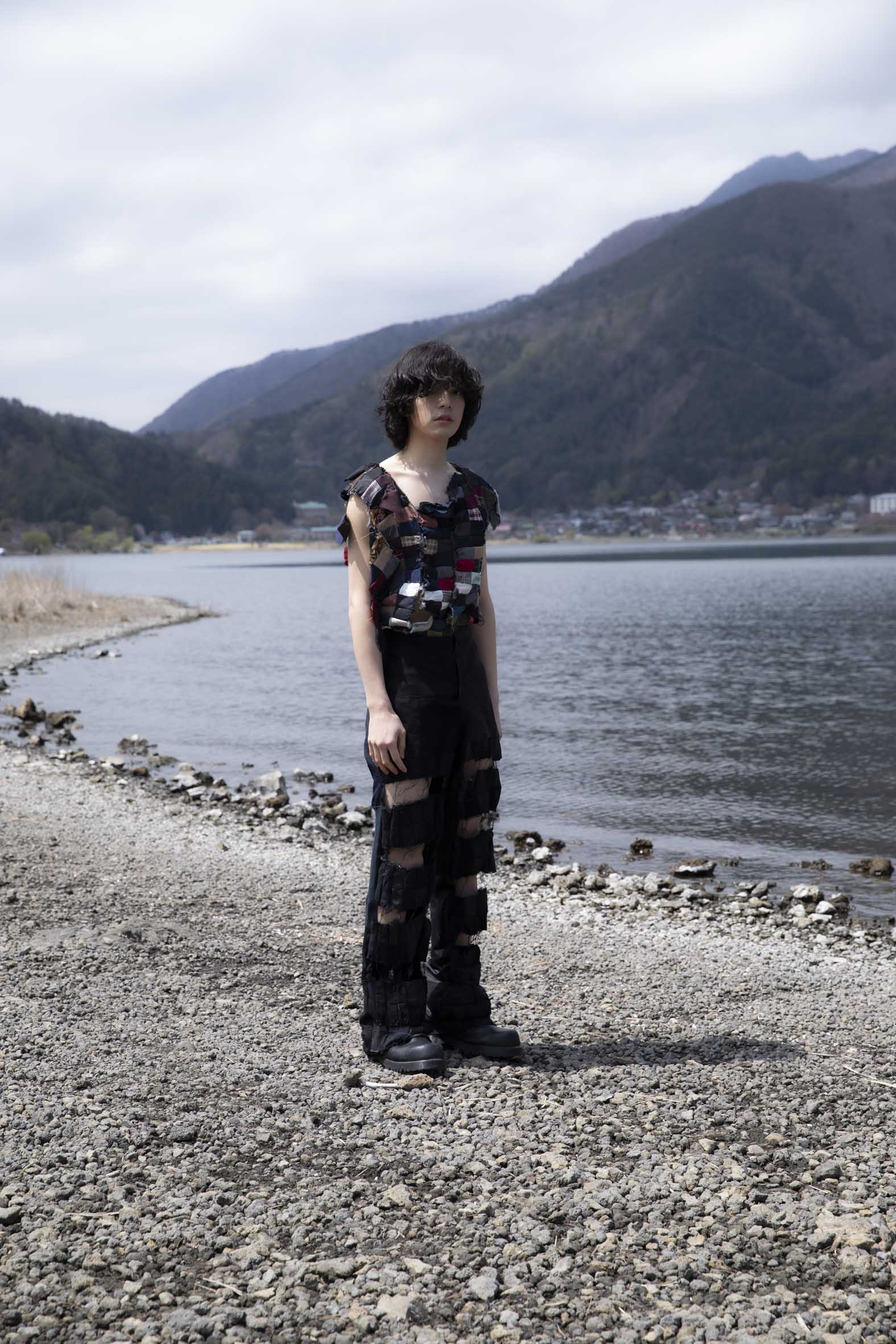
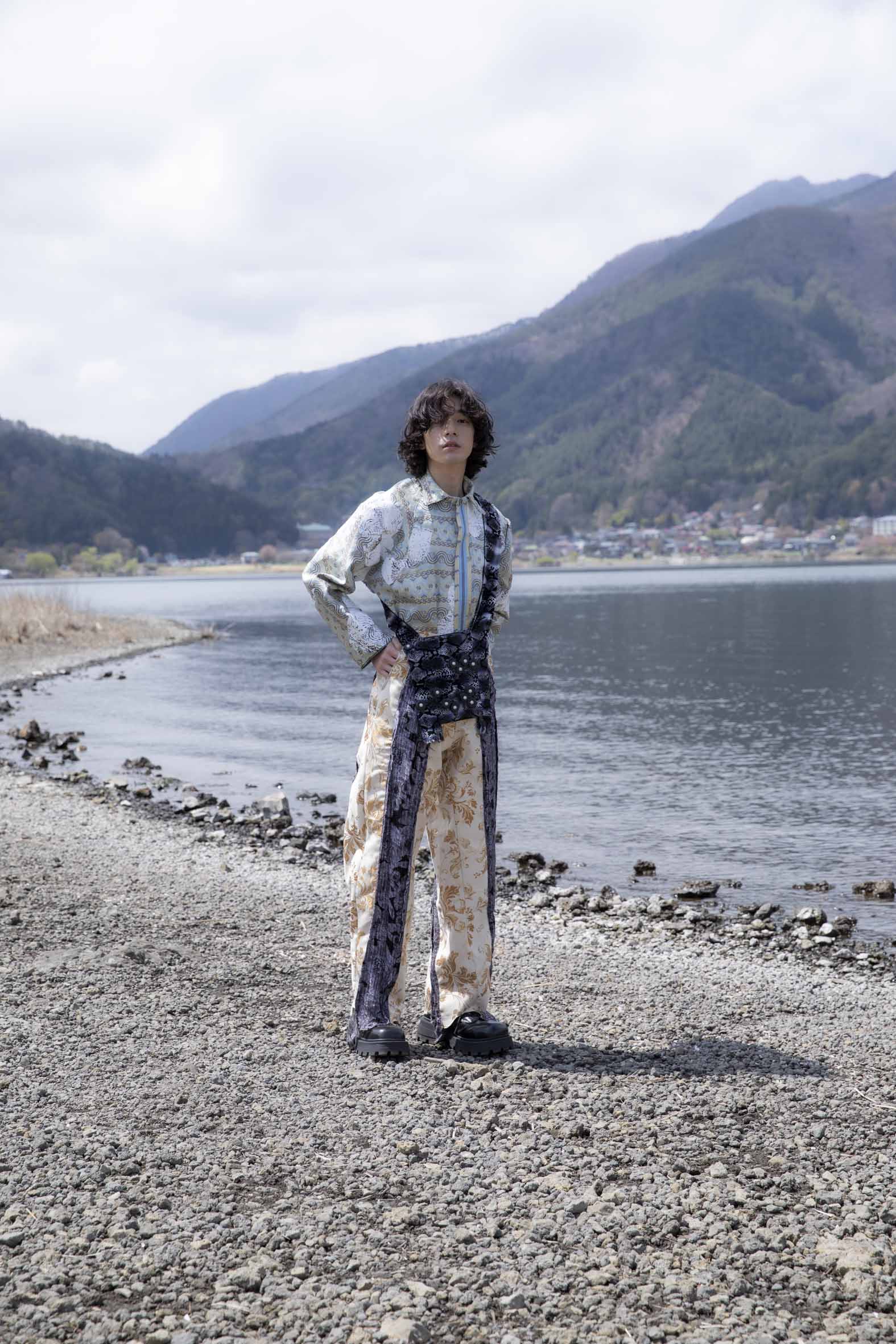
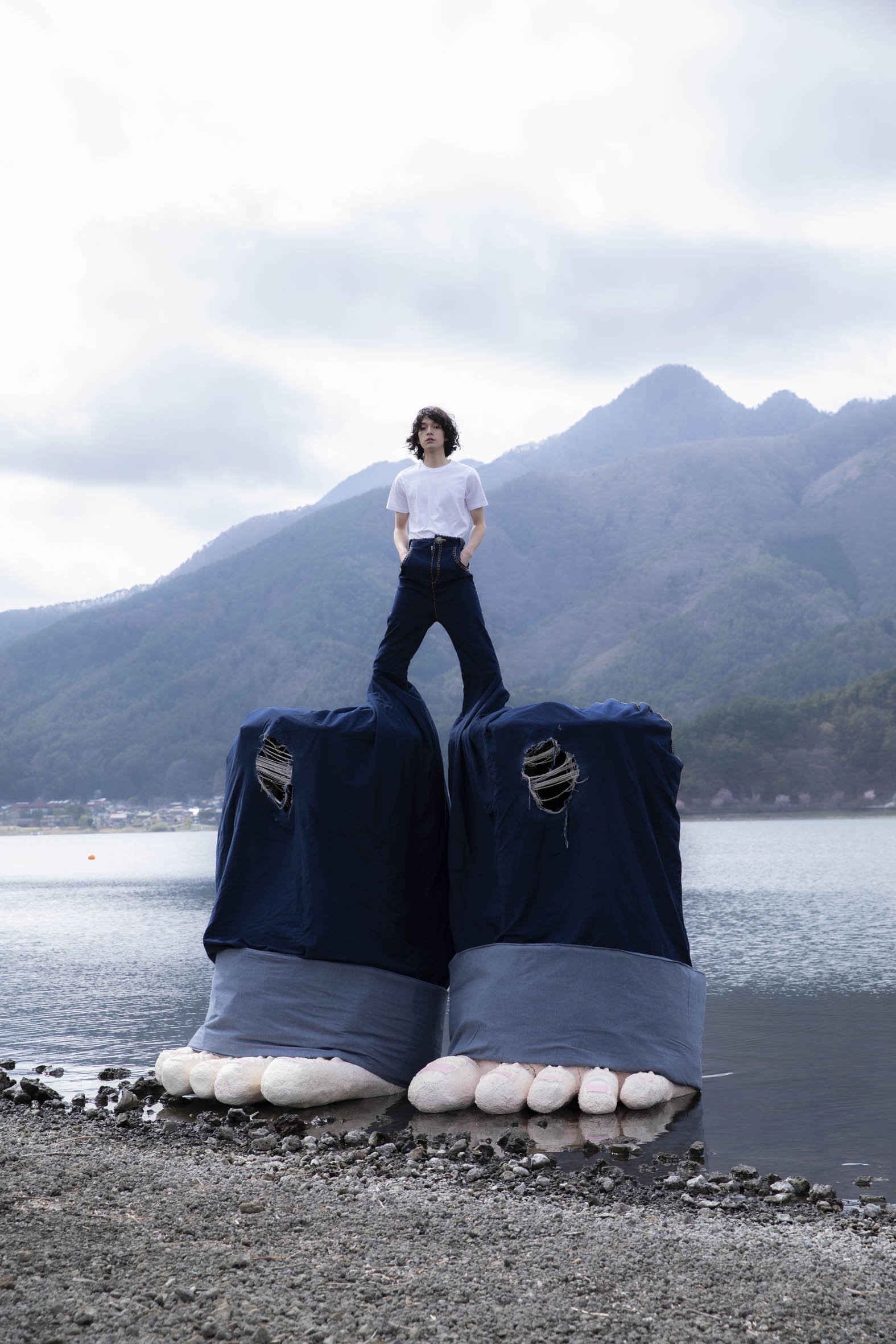
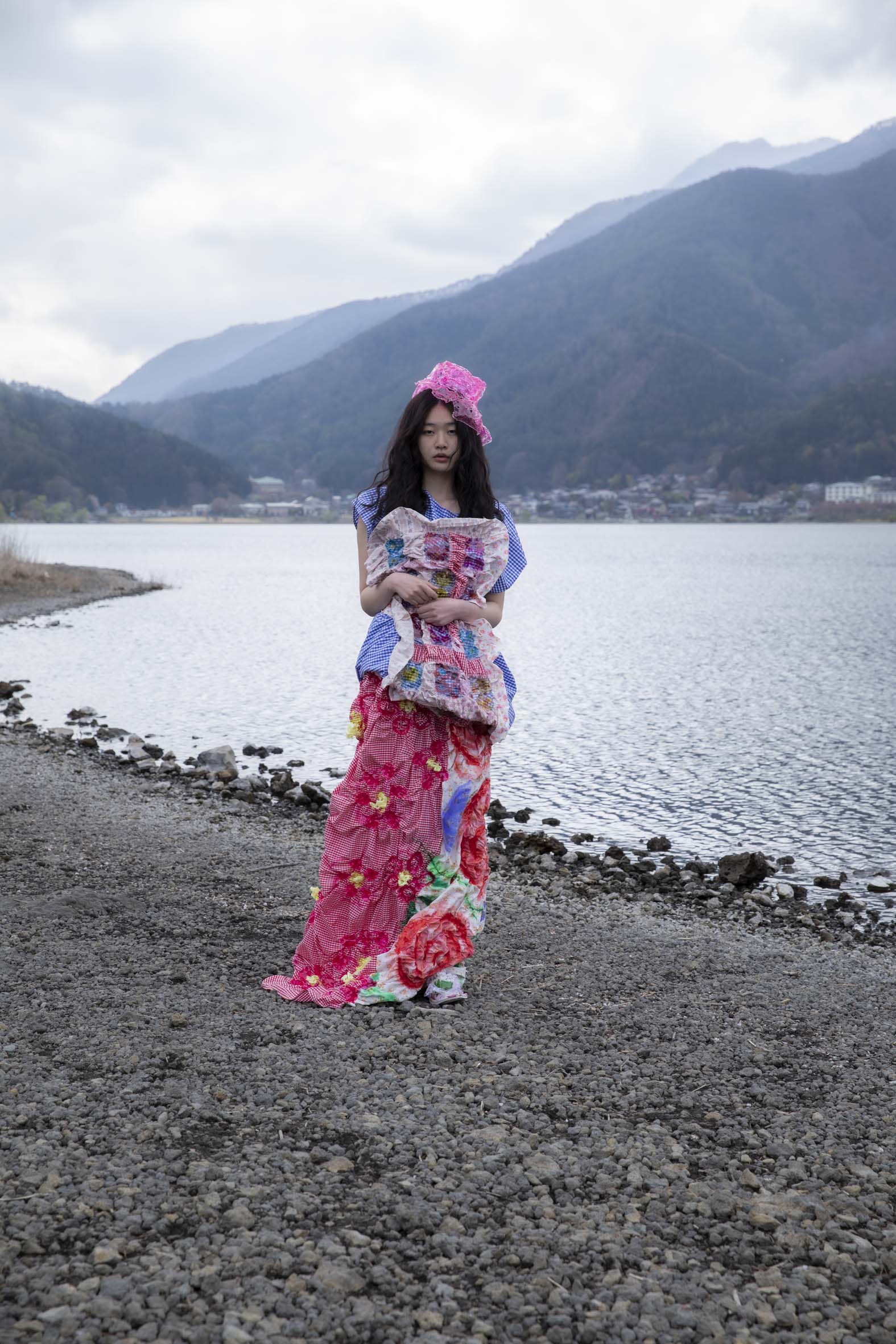
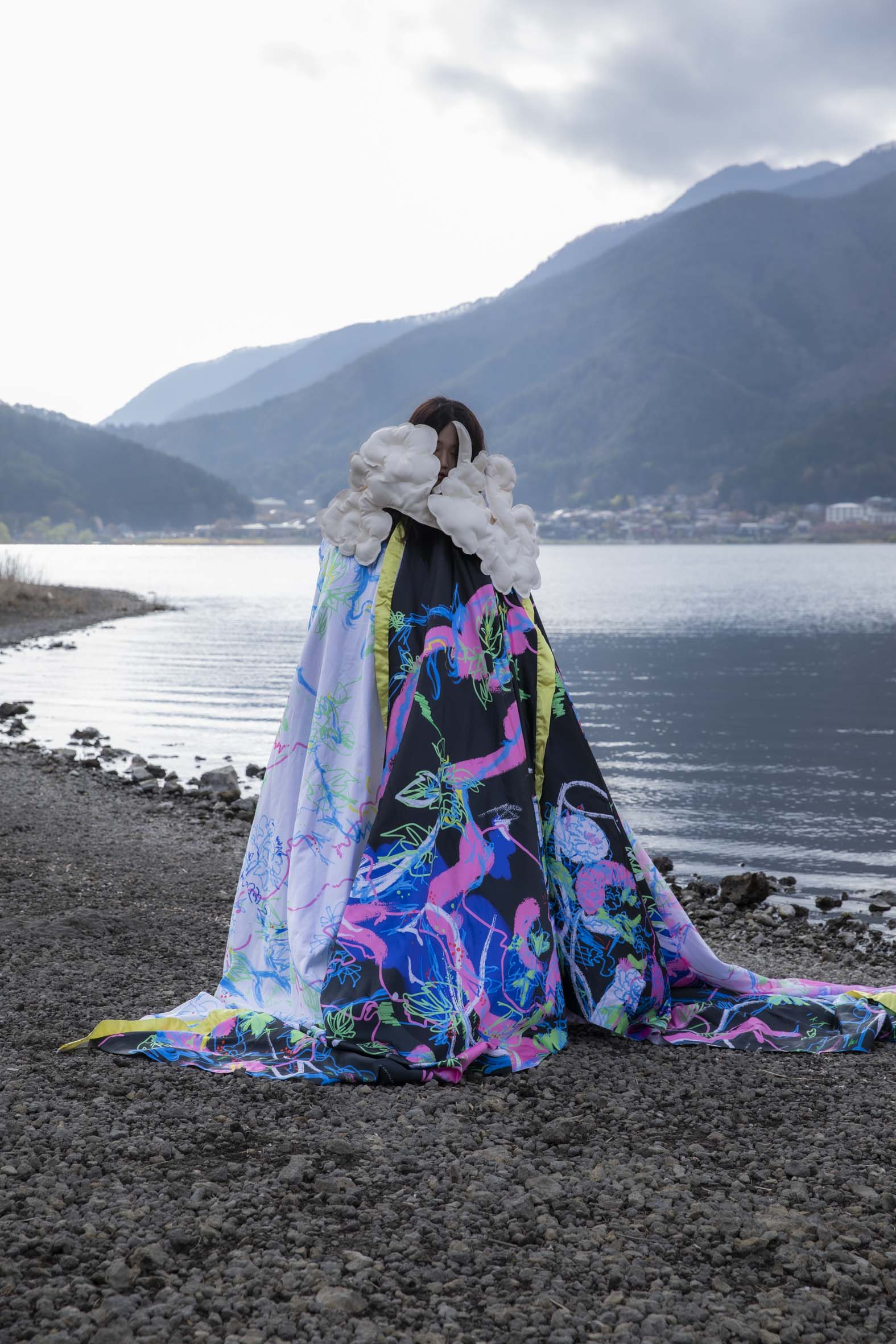
"My philosophy is clothes from chaos. My creations involve trial and error, embracing even the smallest possibilities within clothing, which makes them unique. Simply put, it’s about creating something emotional."

If we're trying to pin Yamagata down to a particular mood – which admittedly is kind of hard to do – his capsules have always leant heavily on the concept of story. There's a narrative thread, so to speak, that drives the design forward. It's all about spectacle and theatre and baiting that emotional hook – a few tricks he picked up from Galliano.

Yamagata's graduate collection was inspired by the 1837 Hans Christian Andersen fable, The Emperor's New Clothes. This was followed by Graduate Fashion Show – 0 Points, which featured rubbish and recycled materials razzle-dazzled into couture. In The Fashion Show of the Gods, Yamagata asked himself a question: what would fast fashion look like if designed by immortal beings? The result was 50-metre bolts of cloth, wound tightly around the models immediately before the show.

But high-fashion runways are really just part of Yamagata's story. In 2008, before all the acclaim and international hype, and just one year after starting his own label, he also founded Coconogacco, a Tokyo-based school dedicated to "sharing the wonders of dressing up." It would flip Japan's conventional approach to fashion education upside down.

"I founded Coconogacco when I was 28 years old, starting with just 25 students," Yamagata says. "As my grandfather was an elementary school teacher, the idea of being a teacher was familiar to me from a young age."

Coconogacco translates loosely as "the school of individuality", and Yamagata was partly inspired by Japan's famous private art college, Setsu Mode Seminar, which was founded in 1947 by painter Setsu Nagasawa.

Based in Tokyo, Setsu Mode Seminar was a space for students to experiment and explore the limits of artistic expression, without any of the baggage or boundaries associated with academia. The curriculum was all about individuality, and it became one of the world's most influential fashion schools, turning out rockstar graduates like Rei Kawakubo and Yohji Yamamoto.

This nonconformist philosophy really jived with Yamagata, who found that, among students, there was a lot of curiosity about how fashion was taught outside Japan. In the mid-2000s, young Japanese designers were less interested in tradition and more interested in experimentation and expression. They wanted to find their own style, not preserve someone else's, and they certainly didn't want to be limited by what the Japanese establishment considered 'good'.

"Upon returning to Japan, I encountered many students facing struggles similar to those I experienced as a student," Yamagata says. "I felt an urge to support them, and had a growing desire to create a space where people wouldn't be confined to a single set of values."

Coconogacco is designed to help students juggle work and other commitments, with many courses taking place at night, or on the weekends. Since its foundation in 2008, more than 800 students have passed through Yamagata's unusual school, with many going on to international acclaim. In 2010, Coconogacco graduate Takashi Nishiyama became the first Japanese winner of the International Talent Support Prize, and in 2016 two students, Yuko Koike and Soshi Otsuki, were both shortlisted for the LVMH Prize. The alumni newsletter reads like a Who's Who of Japan's hottest young designers.

In finding his own style, Yamagata gradually found purpose, and from there a sense of community. With Coconogacco, he came full circle, and dedicated his life to helping other lost souls do the same.

"The most important lesson for young fashion designers is to respect yourself and others. Try and understand your roots," he says. "I think the environment for enjoying fashion on an individual level offers a wide variety of options, each thriving in its own way, which is truly wonderful."

There's a famous line from George Bernard Shaw's 1905 stage play, 'Man and Superman', which goes: "Those who can, do; those who can't do, teach." That's usually taken as a dig against educators, but people forget the context of Shaw's words. He wasn't talking about teachers at all, but about revolutionaries. And 'revolutionary' is a label that suits Yamagata very well. Part student, part mentor, part rebel. He's a designer who always considers what the average person would do, then consciously sets out to do the opposite.

Maybe, when it comes to Yamagata, Aristotle's quote is a better fit: "Those who know, do. Those that understand, teach."

What do you think of modern Japanese fashion?

I think, with the rise of social media and the increasing tendency toward a surveillance society, there is growing social pressure to conform. In a public situation, the environment has become much more conservative, and unique, individualistic fashion is seen less often on the streets than before. I'm concerned that this may be creating a world where those who feel like minorities find it increasingly difficult to express themselves publicly.

Did you always want to be a designer?

I grew up in the countryside and was terrible with studies. I first became interested in fashion around the time when I was in middle school. By high school, I was intrigued by "fashion designer" as a profession, but couldn't imagine myself becoming one. The turning point came around when I studied abroad in London. That experience made me realise that fashion design was what I truly wanted to do.

What was it like studying at Central Saint Martins?

I developed a habit of constantly questioning myself, "What is something no one else would think to do?" And looking back, I think that mindset made Central Saint Martins a perfect fit for me. It was an incredibly competitive environment, but the more unique and unconventional my expressions were, the more they were appreciated and celebrated. That atmosphere helped me gradually learn how to communicate with others.

How did Coconogacco come about?

I became curious about the educational systems of other countries while studying in Europe. I visited schools across Europe and researched their approaches whenever I had the opportunity, and over time, I began to understand the relationship between design, culture, and history that was deeply rooted in Europe. From there, I gradually started to see the distinct tendencies of each school.

When expressing fashion in Japan, it's essential to understand the history and context of global fashion. However, rather than merely imitating or idolising Western ideals, it's crucial to draw out concepts and sensibilities rooted in our own heritage – things that don't exist in the West. I wanted to create a space where we could apprehend Western concepts, and also simultaneously explore the ideas and traditions born in Asia, particularly Japan.

What did you learn from working with Galliano?

Back then, I was purely focused on exploring the essence of fashion, and was particularly interested in the work of John Galliano and his team when he was the creative director at Christian Dior. I was deeply inspired by his creativity which transcended human limits, but was also struck with fear and awe at the delicate balance that seemed like it could collapse any moment. Working under him and observing his studio, I witnessed how he could turn even something seemingly worthless into couture, presenting endless possibilities for everything in the world.

Writing:
Writing:
James Shackell
Photography:
Photography:
Back to Top
Arrow UpArrow Up
Top
Arrow UpArrow Up
The After shot of the Floorplan
Before
before
after
After
Businesses featured in this project
No items found.
Products featured in this project
No items found.
Magazine Current IssueMagazine Current Issue
Writing:
Writing:
James Shackell
Photography:
Photography:
Back to Top
Arrow UpArrow Up