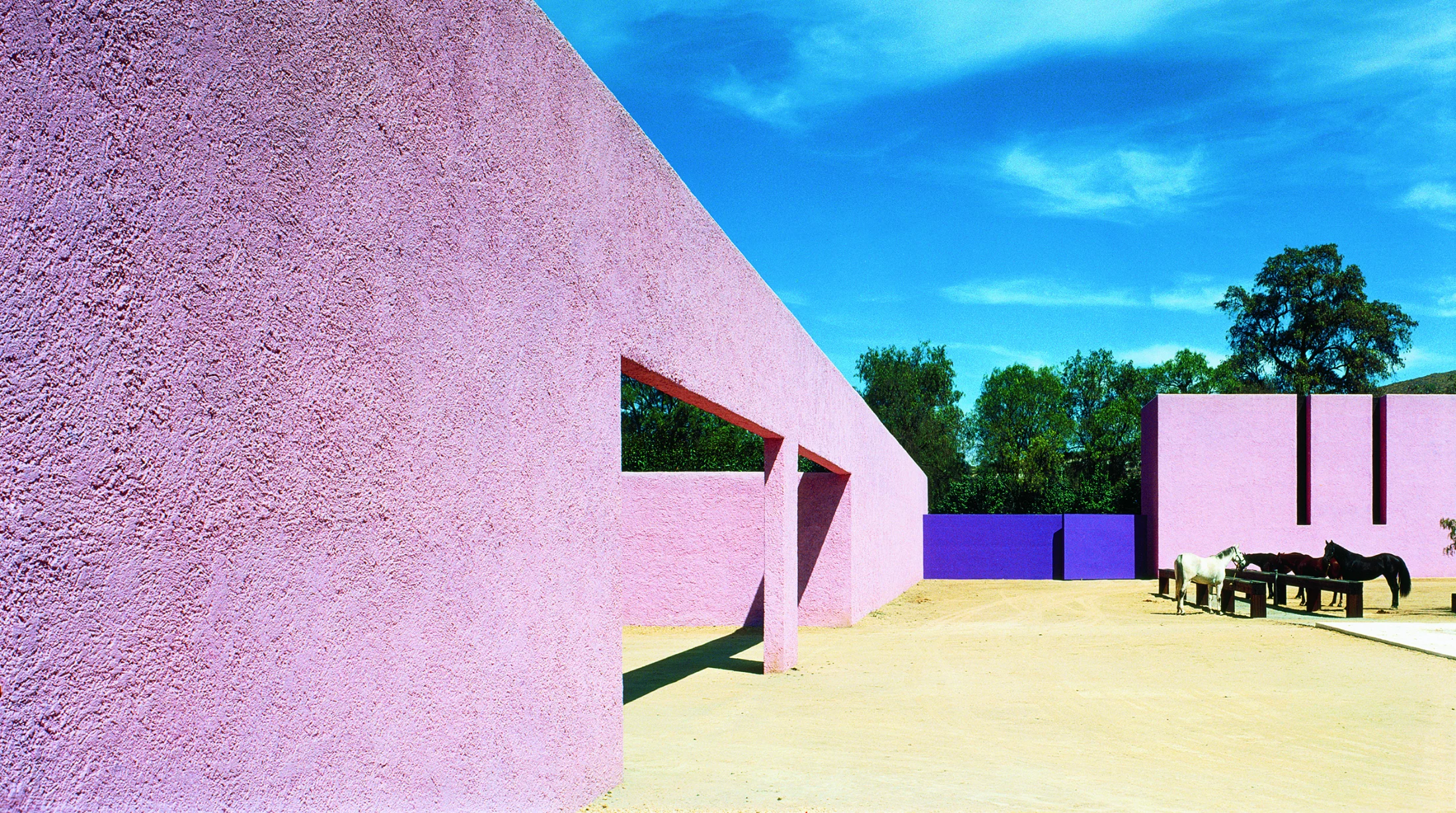



In September 2015, an American conceptual artist named Jill Magid, along with two gravediggers and a bunch of official notaries, entered the Rotonda de los Jaliscienses Ilustres in Guadalajara to dig up the ashes of Mexican architect Luis Barragán. It had been 27 years since the great man had passed away from Parkinson's complications, and his copper urn was (by now) heavily oxidized.
Opening the lid, Magid carefully scooped up half a kilogram of ash – all that remained of one of the 20th century's greatest creative geniuses – and transferred the grey powder into a plastic bag. The next day, she flew back to New York with Luis Barragán in her carry-on luggage.
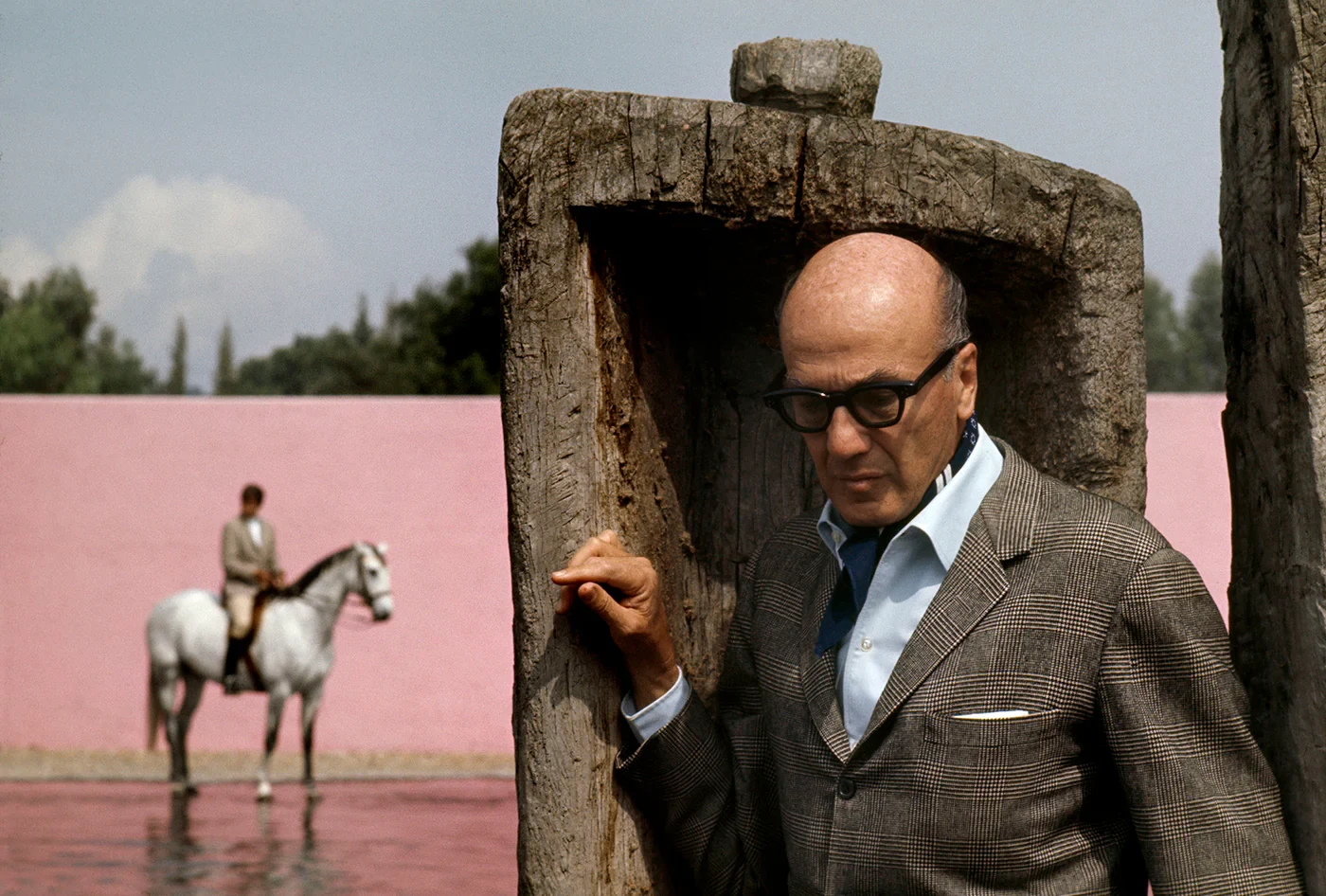
This is the story of a self-taught architect from Guadalajara who somehow became the grandfather of Latin American Modernism. A man whose not-so-humble, two-bedroom home was considered so culturally significant that UNESCO declared it a World Heritage Site in 2004. His full name was Luis Ramiro Barragán Morfín, but he tended to go by 'Luis Barragán', or even just Barragán. (Like Mozart or Picasso, once you reach a sufficient cultural altitude, one name is enough.)
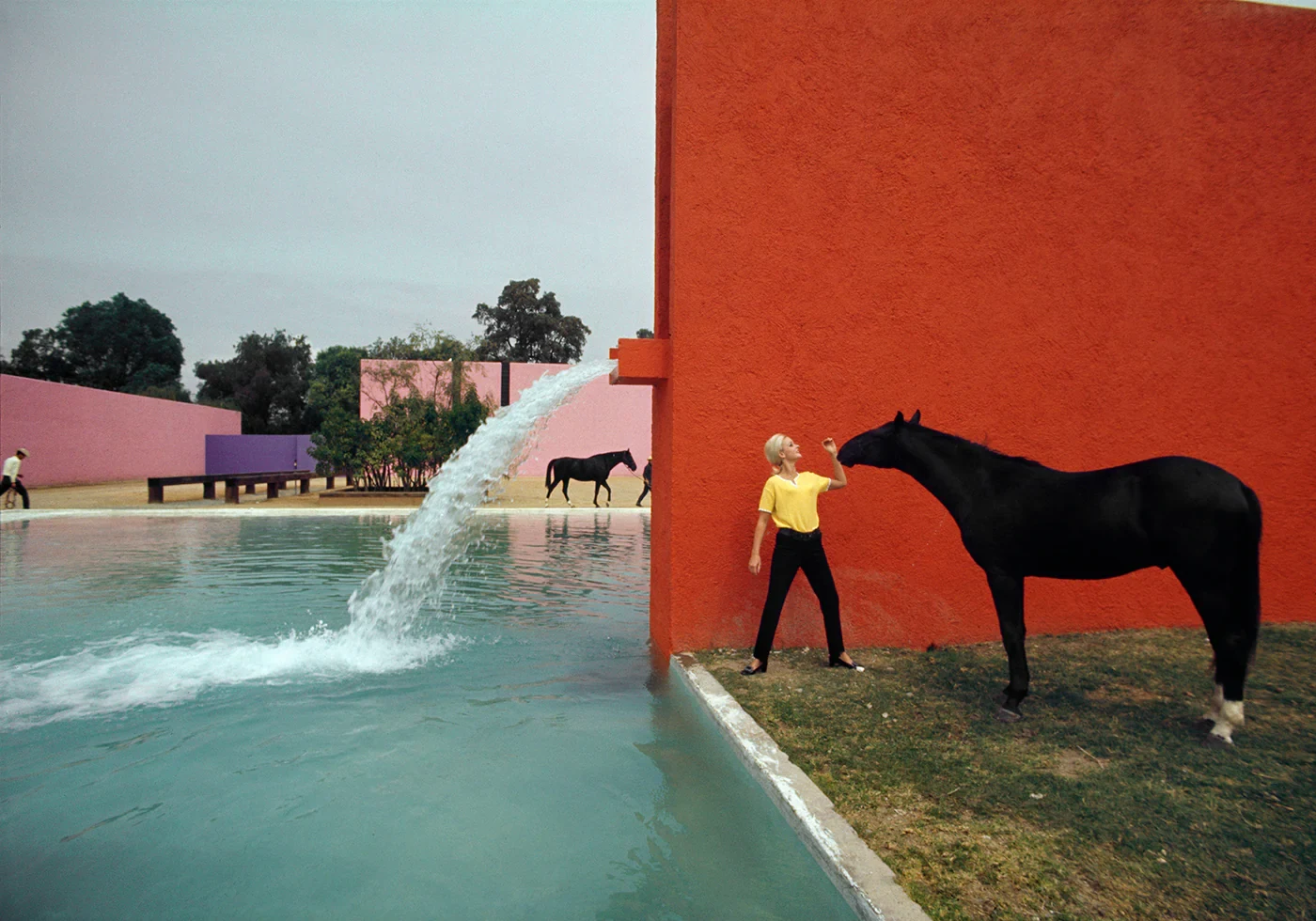
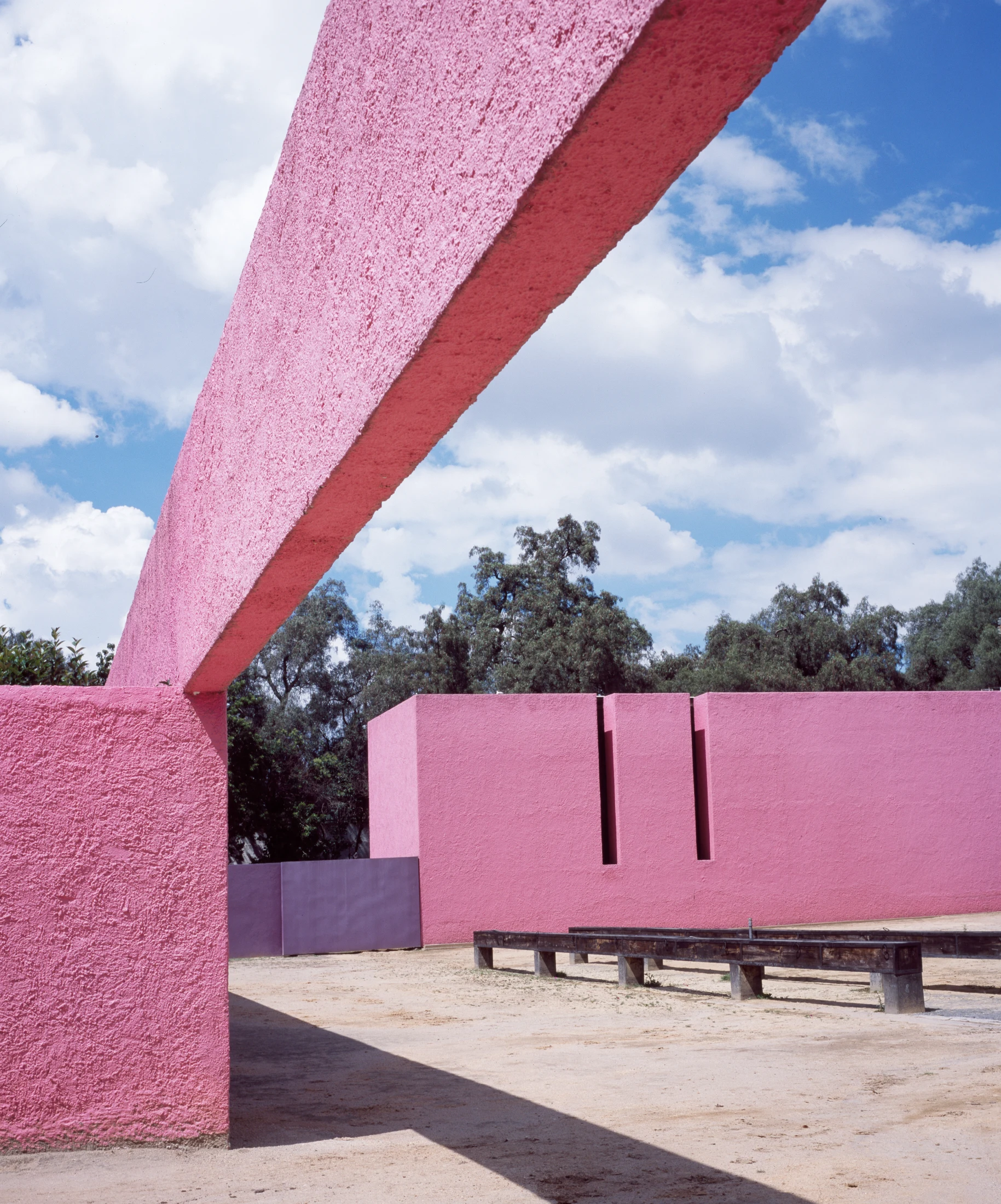
Born to a wealthy Catholic family in 1902, Barragán is arguably Latin America's most influential architect. He was the first Mexican to win the field's highest honour, the Pritzker Prize, and since his death in 1988 his work and general vibe has taken on a kind of fabled status; so much so that some critics think he's in danger of becoming a caricature.
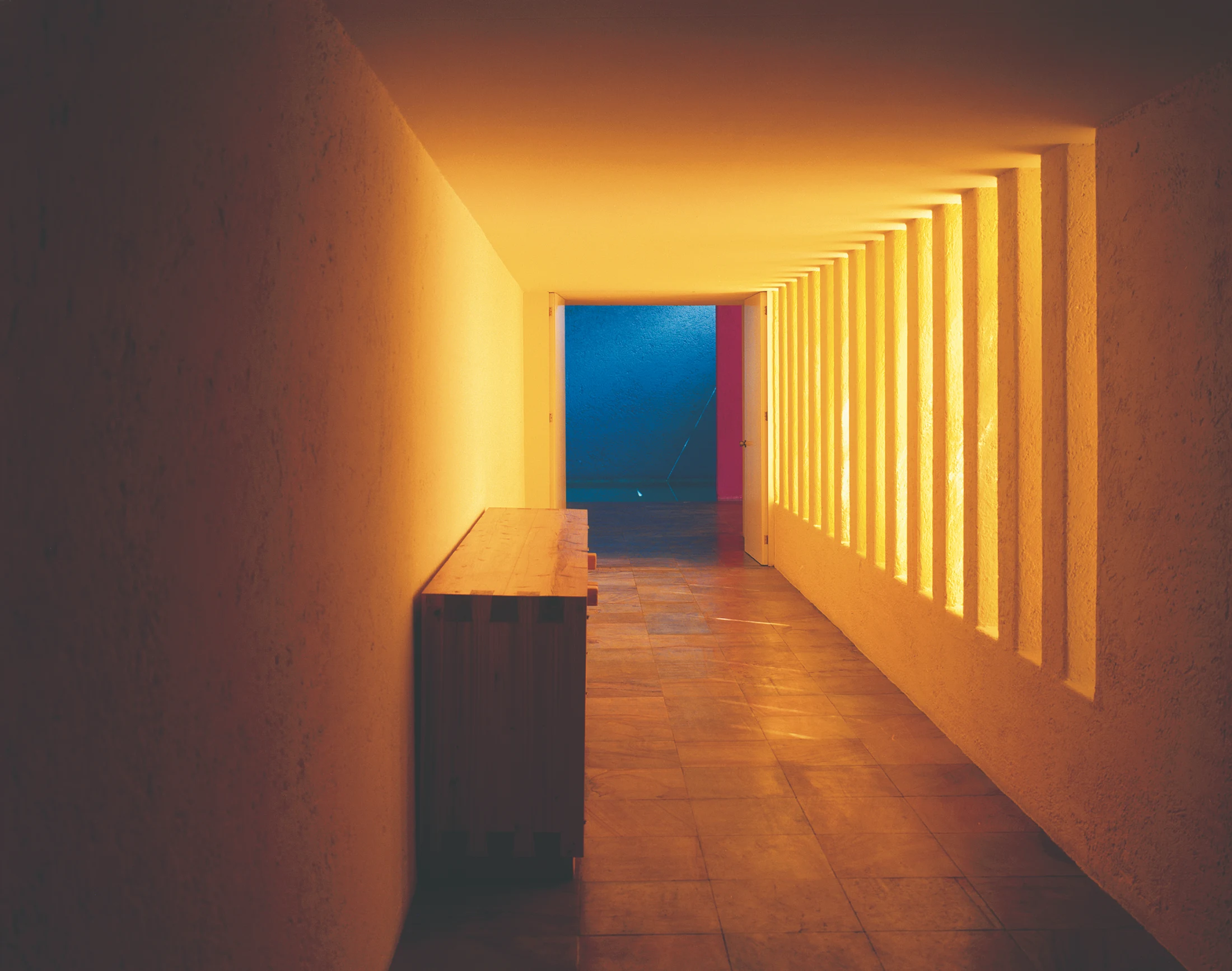
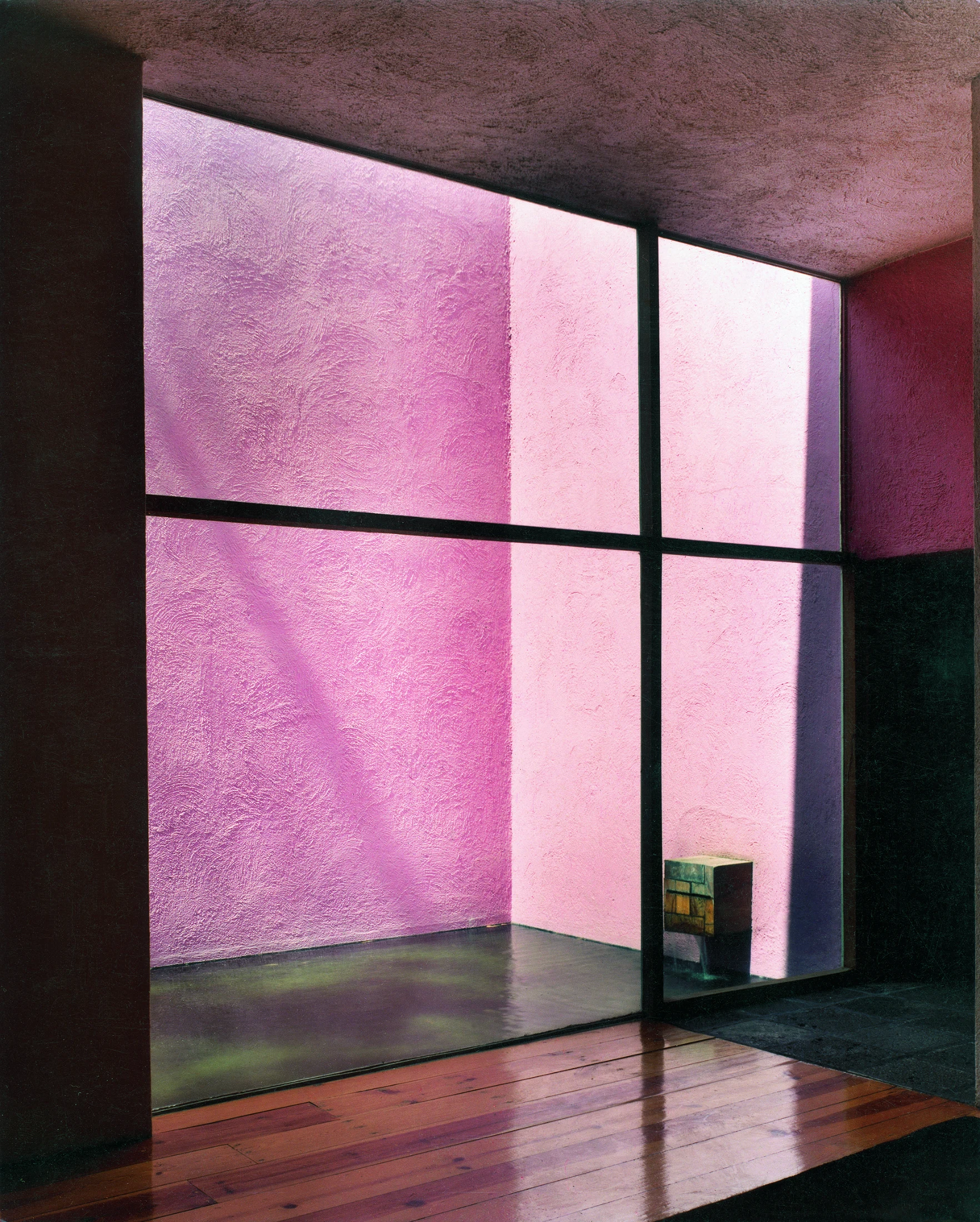
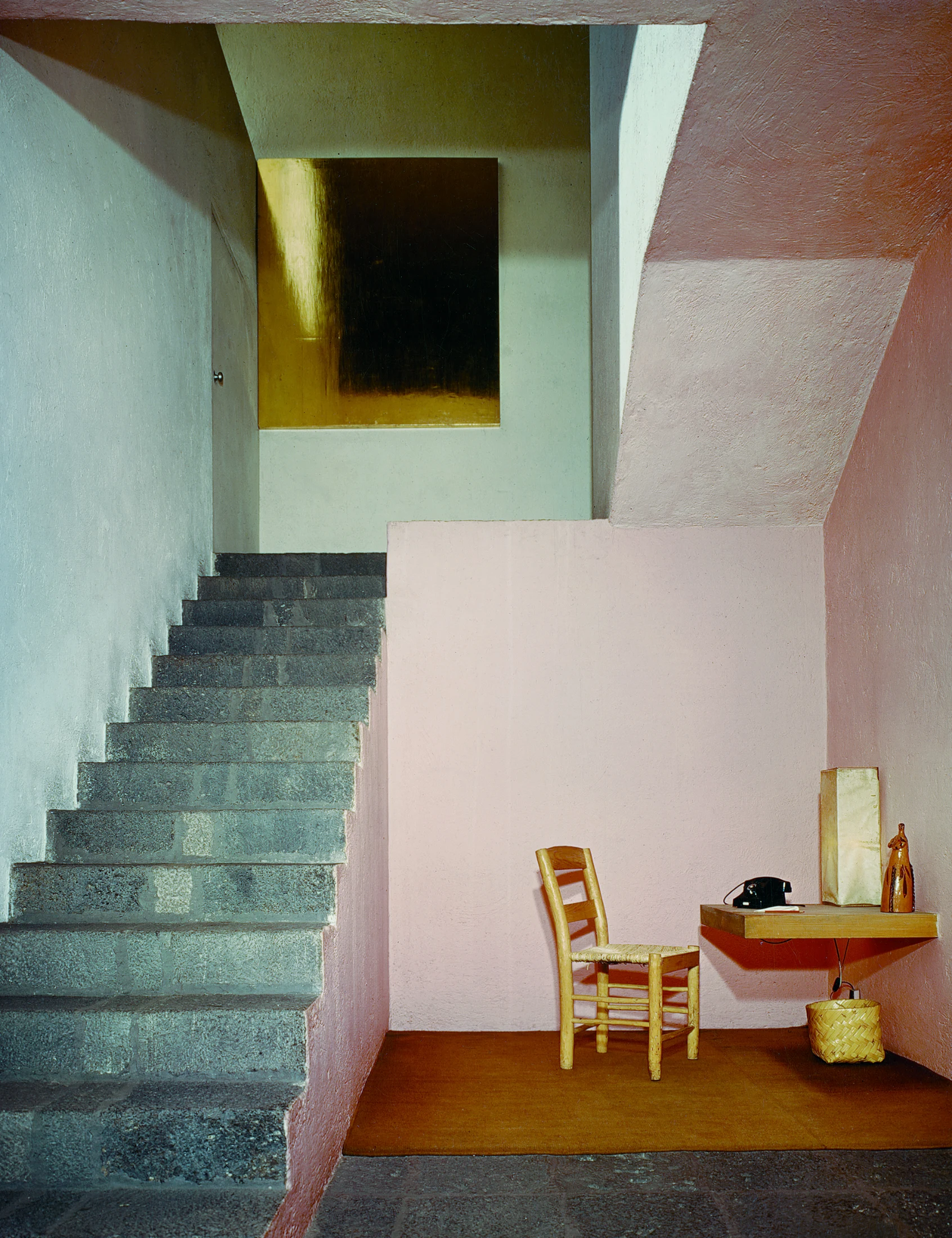
“More and more, Barragán is becoming the Frida Kahlo of architecture,” Frederica Zanco, head of the controversial Barragan Foundation, once told a journalist. “People ask for pictures... then you see them in a spread in a fashion magazine for something about how pink is the new colour for spring.”