
Magazine Current IssueMagazine Current Issue
Five Inspiring Japanese Homes Under 60sqm/645sqft
Round-Ups
June 25, 2026

Five Inspiring Japanese Homes Under 60sqm/645sqft

From DIY rental hacks and upcycled storage to flowing multi-level spaces, these Japanese homes show just how flexible, functional and deeply personal small footprints can be.

From Tokyo to Osaka, these homes are shaped by adaptability, precision and a deep understanding of daily rituals. From rented and self-built to architect-designed, each is a playful display of how Japanese small space design continues to inspire homes built impeccably for the everyday.

Bec Vrana Dickinson
Writing:
Writing:
Bec Vrana Dickinson
Photography:
Photography:
No items found.
Magazine Current IssueMagazine Current Issue
The After shot of the Floorplan
Before
before
after
After
Top
Arrow UpArrow Up

In Japan, where dense cities and compact footprints shape the way many live, small homes are treated not as limitations but as opportunities for invention. For our second Japan episode compilation, these clever designers are experts in stretching space — whether through skip floors, light-conscious zoning or modular furniture that moves with precision, purpose and plenty of charm.

From bold architectural experiments like a seven-level concrete home and studio, to a stacked house built on an urban plot half its size, each home is shaped expertly by light, habits and the goal of fitting as much life and ingenuity into every last inch.

1. DIY Tokyo Rental with Smart Upcycled Storage, 58sqm/624sqft

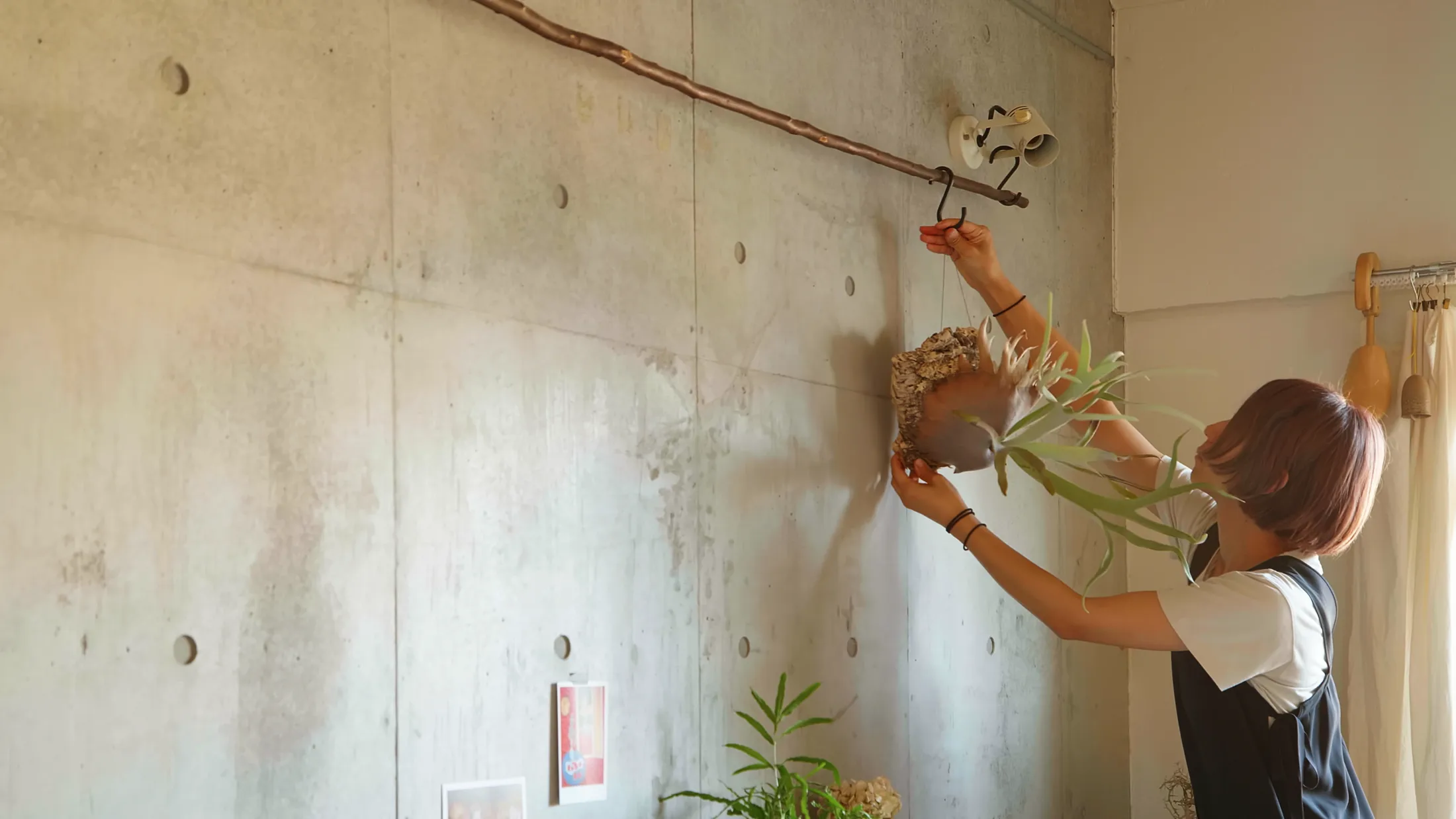
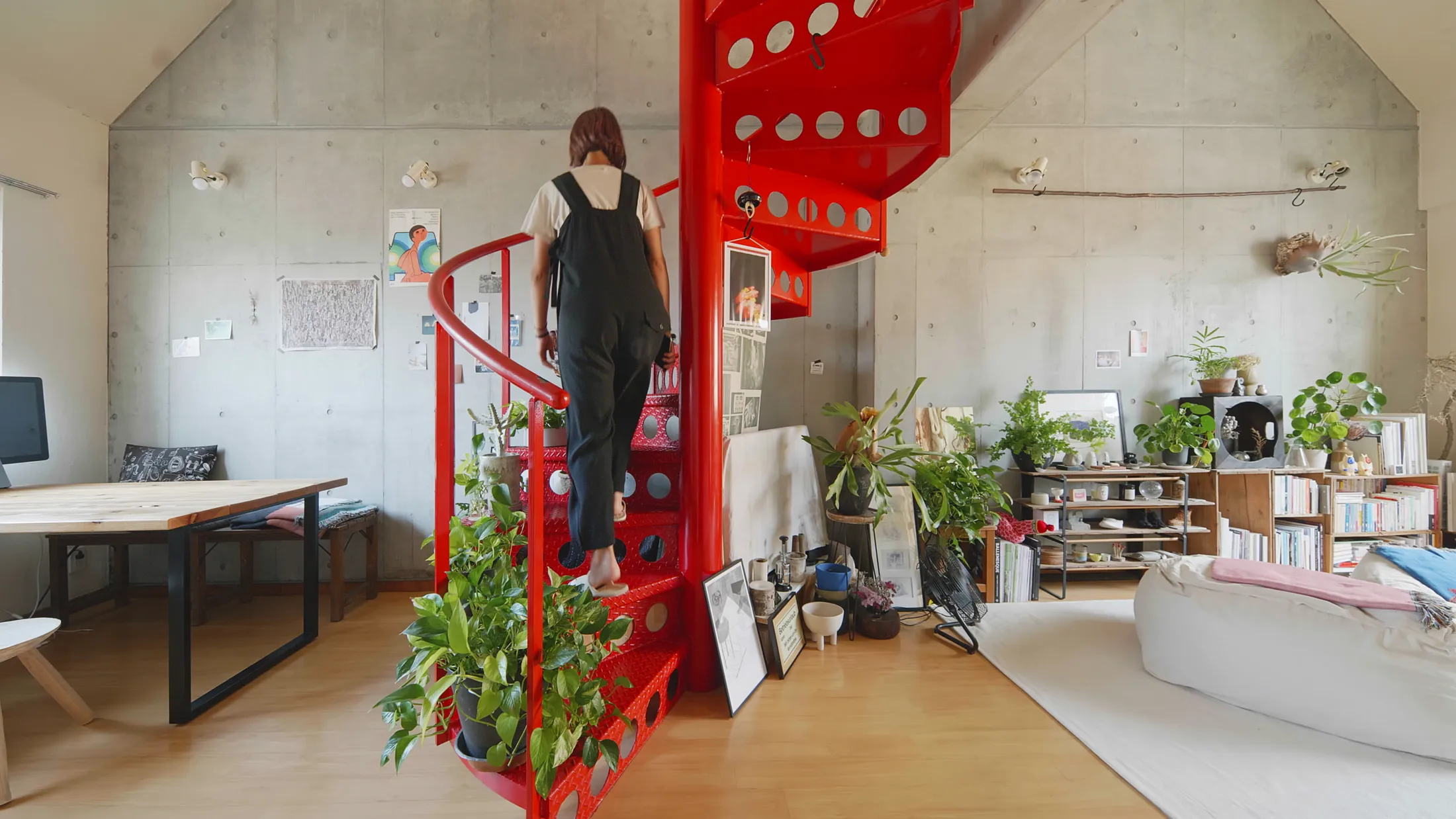
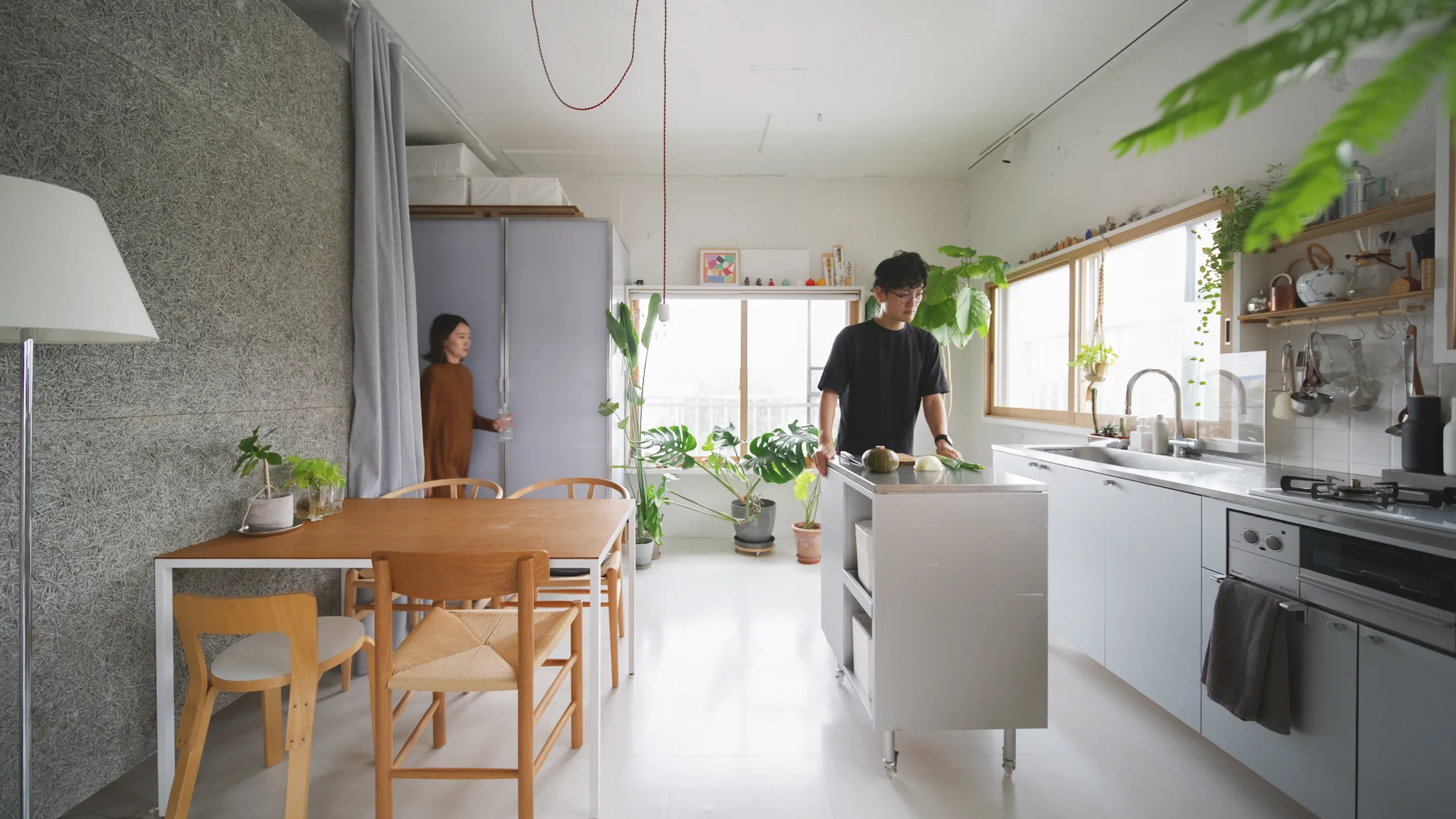
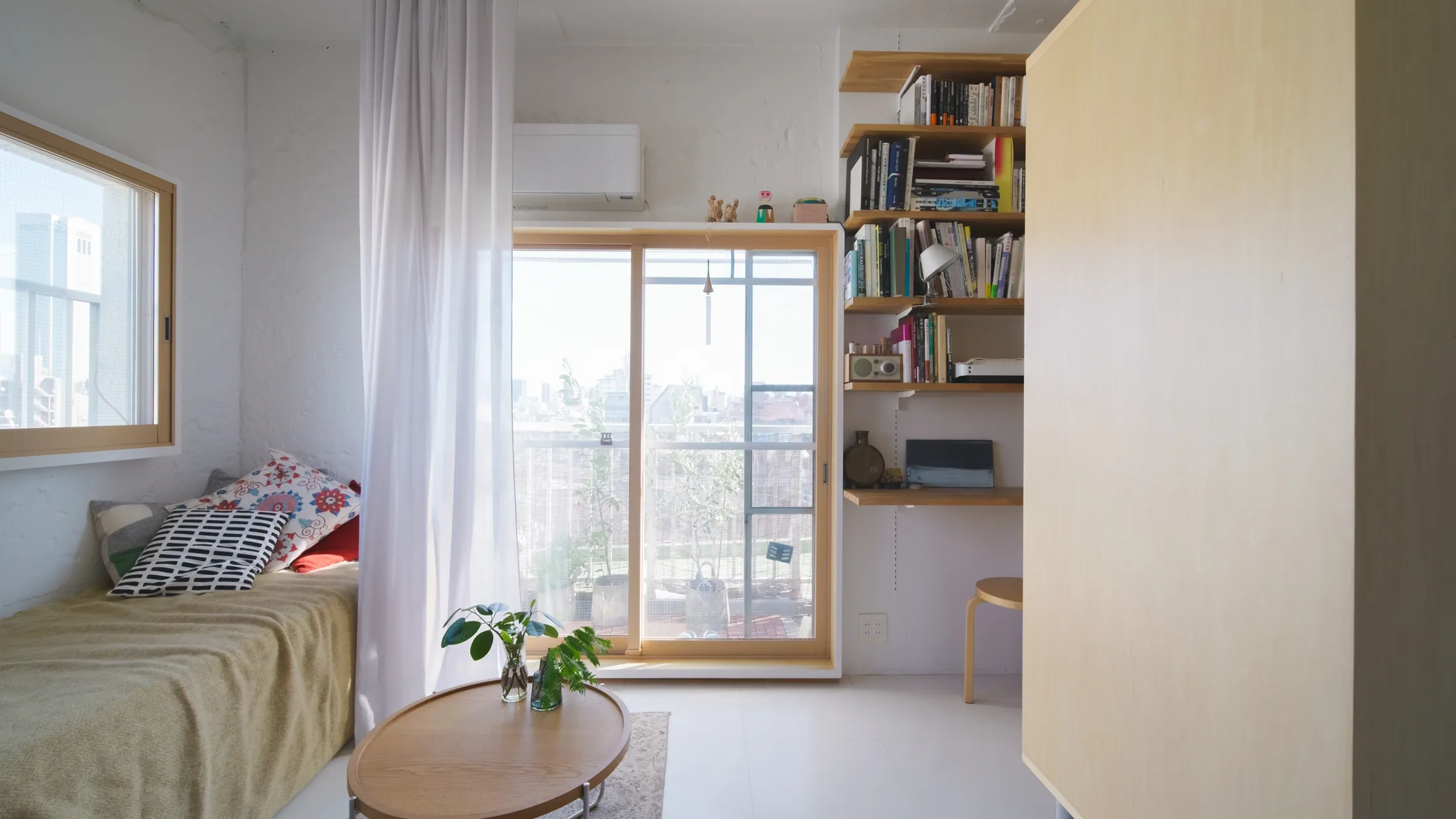
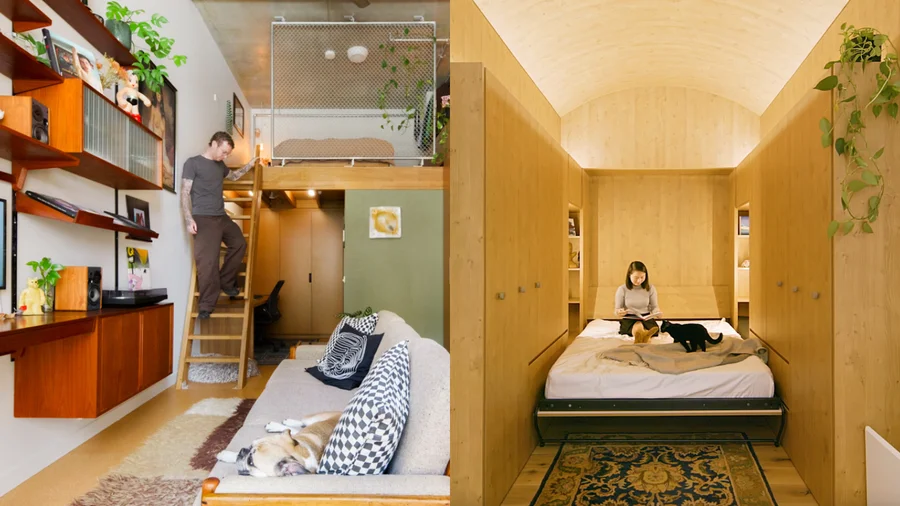
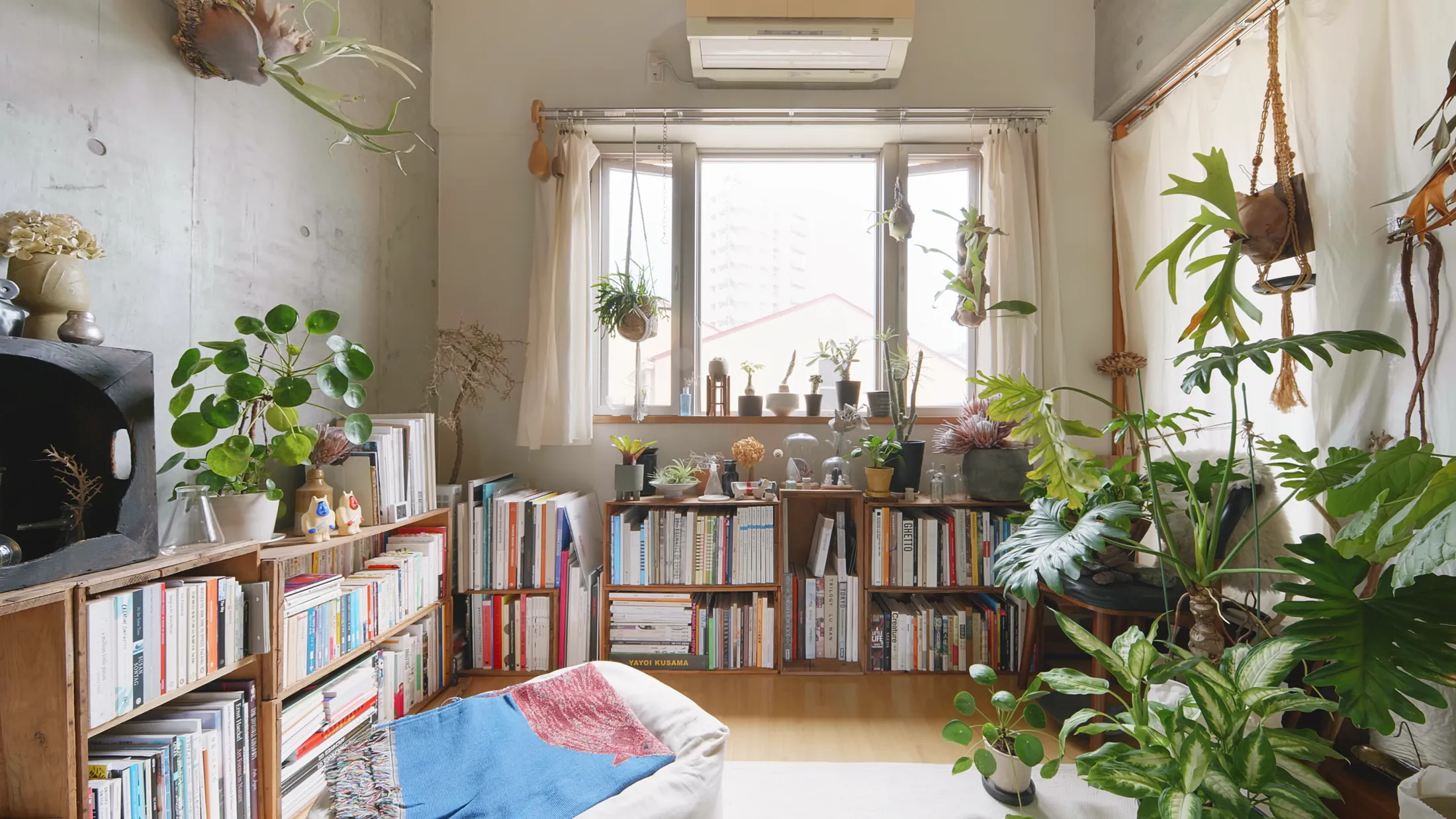
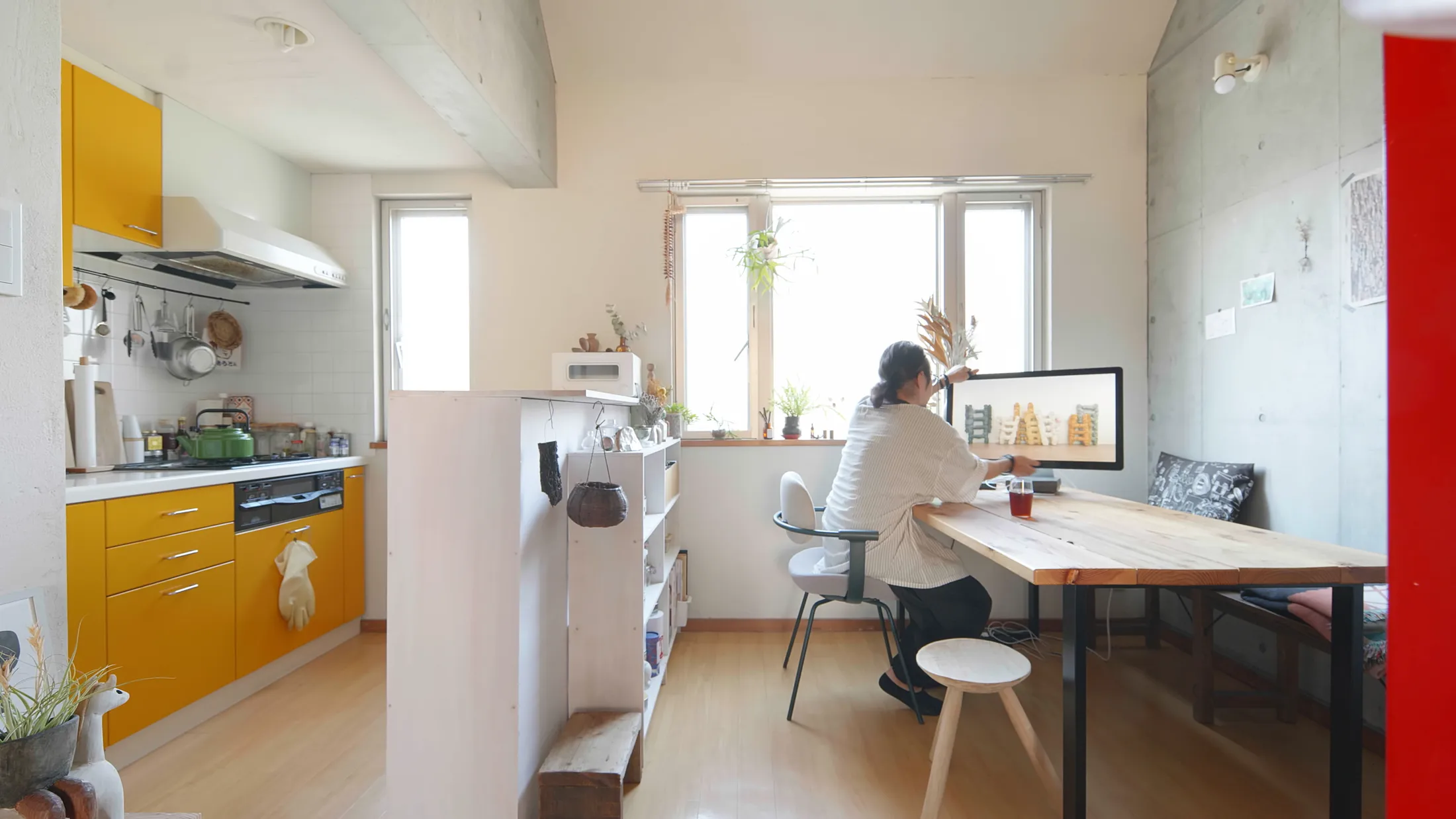
Close to central Tokyo is Hige and Watashi’s 58sqm/624sqft rented home of the creators behind the YouTube channel HIGE AND ME. Faced with the usual rental constraints, the couple treated each spatial and furnishing challenge as a creative opportunity. They brought a concrete wall to life with plants, suspending them from a branch hung from existing light fittings. Recycled wooden apple boxes have become a modular L-shaped bookshelf lining the living room, while cotton curtains fixed to metal clips slide and divide for soft, light-filtering privacy. Between the kitchen and dining area, a DIY bench constructed from two flat-pack shelves separates the two zones – even the tiny stool to reach the high microwave was made by Watashi from recycled wood. When larger elements like the red stairs couldn't be painted over, Hige and Watashi simply covered them with something they liked more – more plants – finding that the workarounds made for some of the best parts of their home.
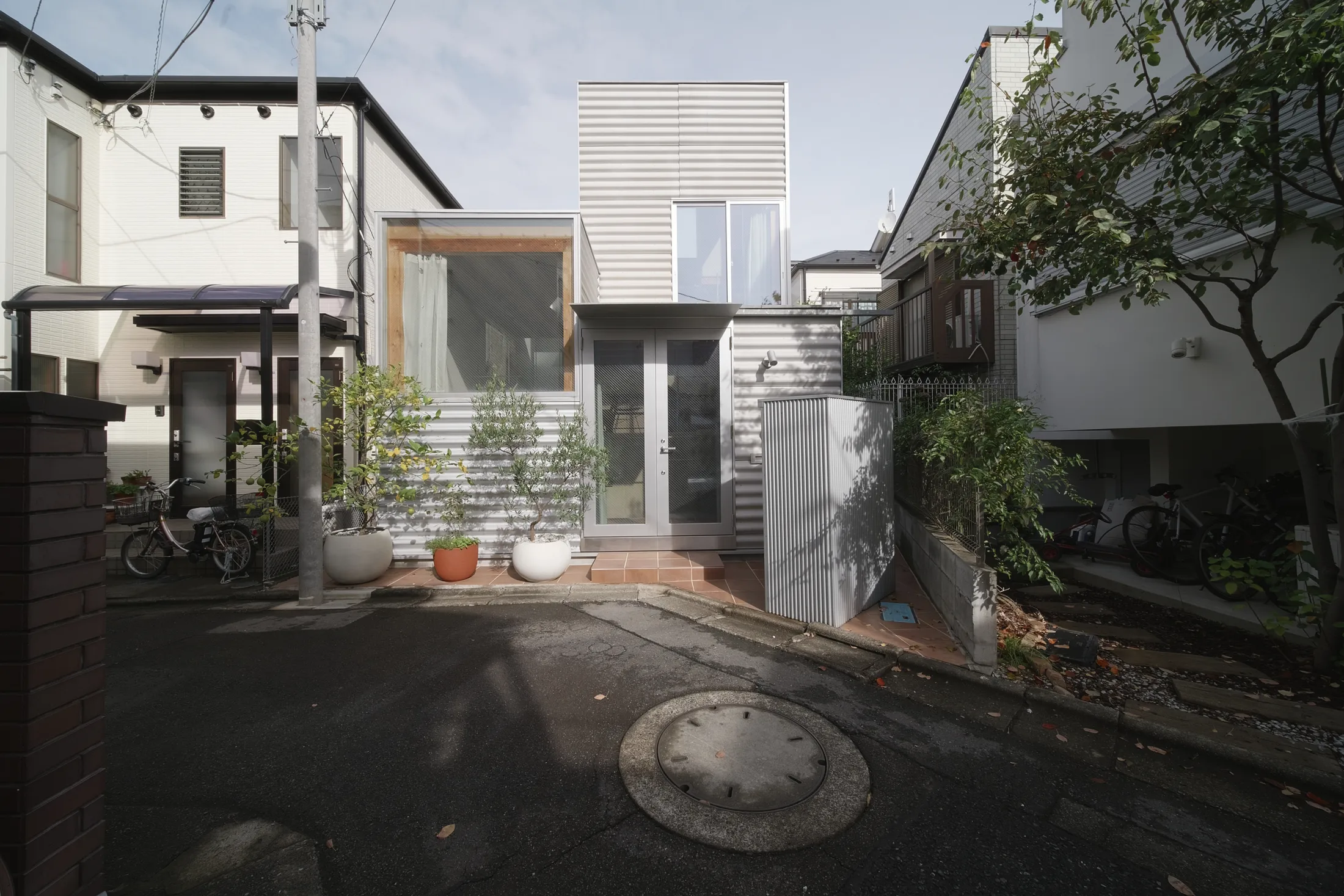
2. A Stacked Box-Style House on a Tiny Tokyo Plot, 51sqm/549sqft

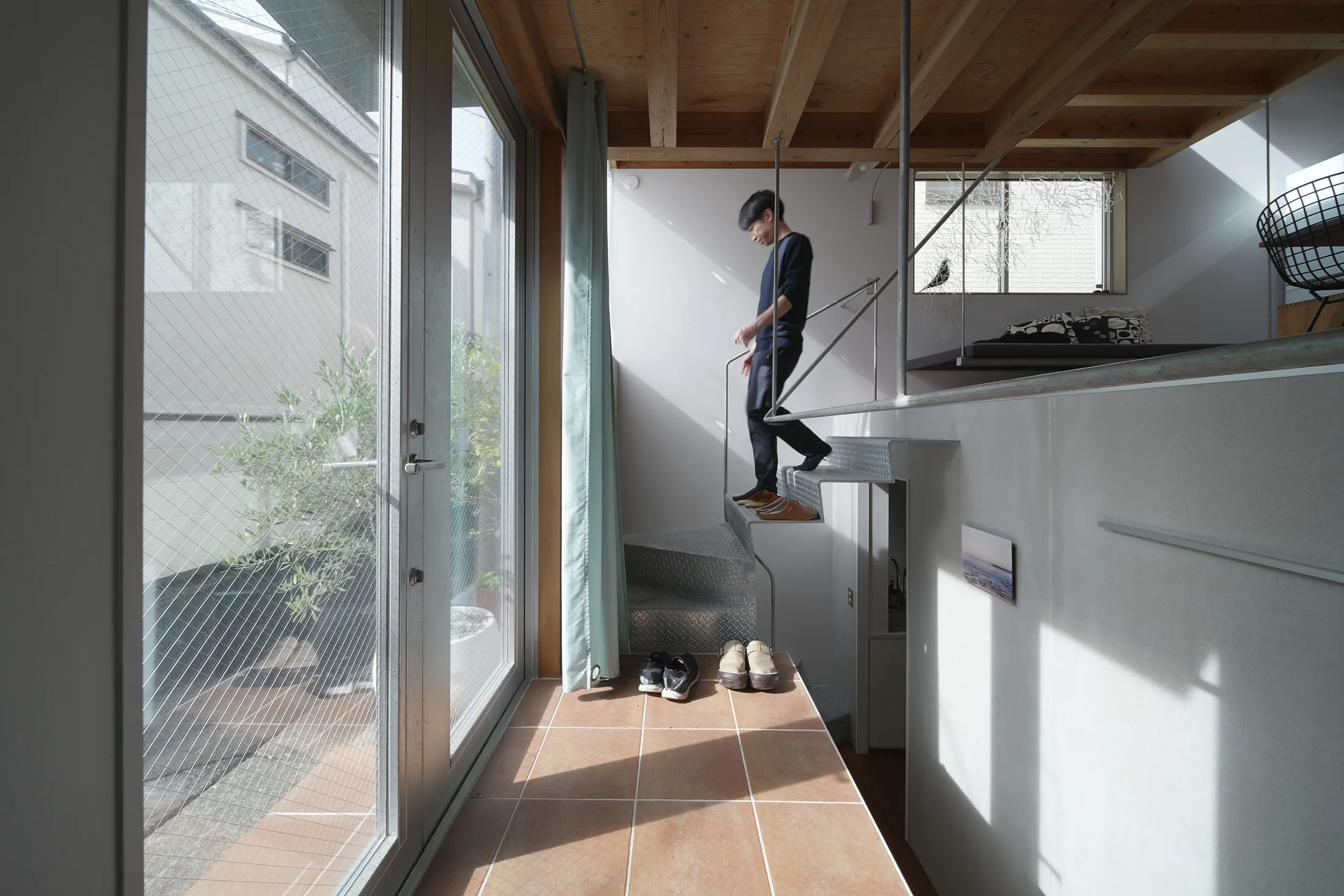
Clad in waved Galvalume steel and moulded cement plates, House Tokyo by Unemori Architects has almost doubled its 26sqm/280sqft plot upwards – across two box-like levels. Playing with varying ceiling heights and a mix of open and enclosed spaces, the design moves between light and shadow, openness and enclosure, for a considered sense of balance. On the semi-basement ground floor is the bedroom, bathroom and a laundry tucked beneath the stairs, and up only a few short stairs is the first floor. Dedicated to an open-plan kitchen and living area, here the ceiling varies from 1.9 to 4.7 metres – the dining space sitting under the tallest point. Large, strategically placed windows draw light in while a pale green curtain hangs over the split-level entrance for privacy from the surrounding city.

3. Architect Couple’s Apartment Built Around Functional Volumes, 35sqm/376sqft

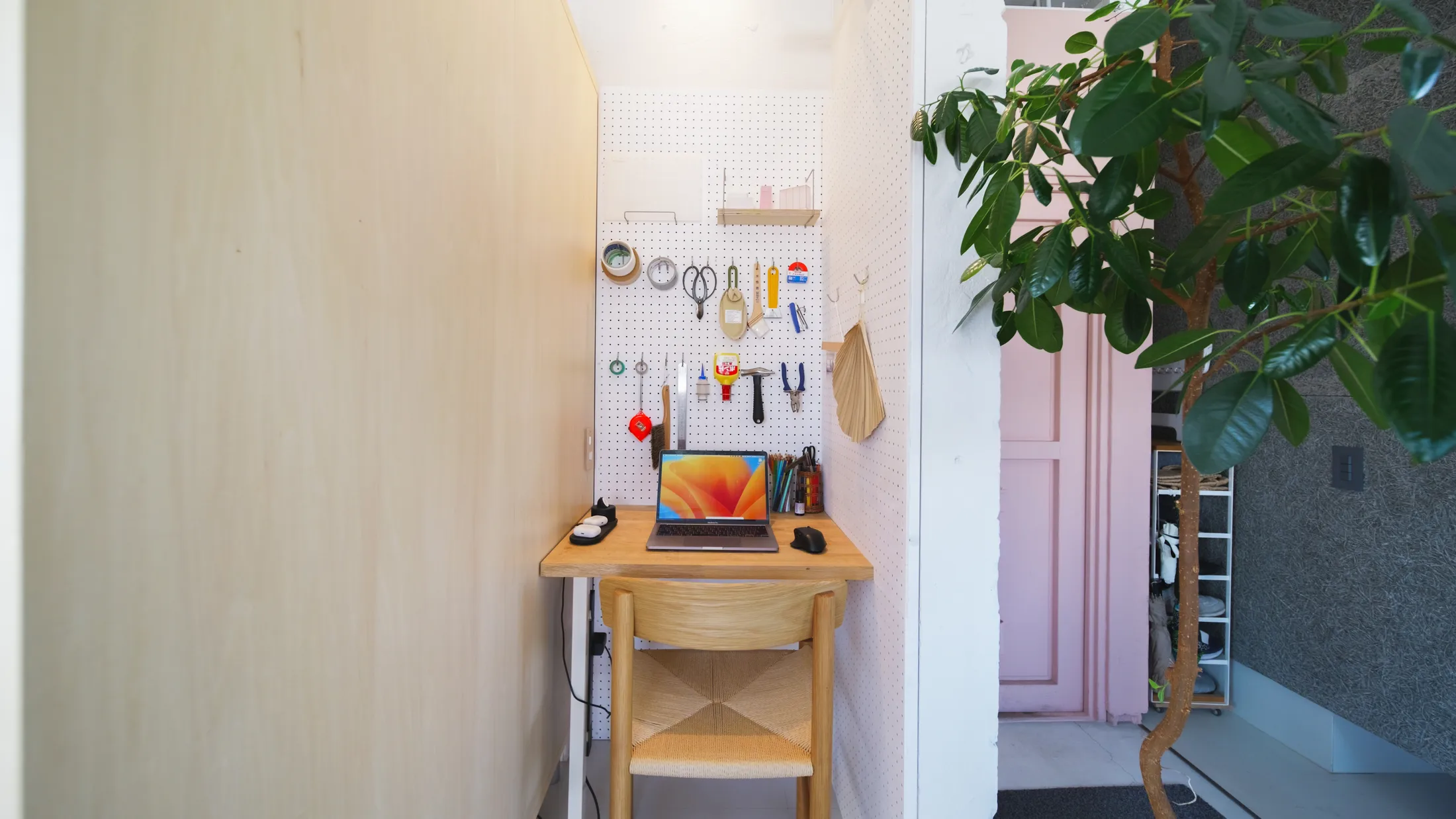
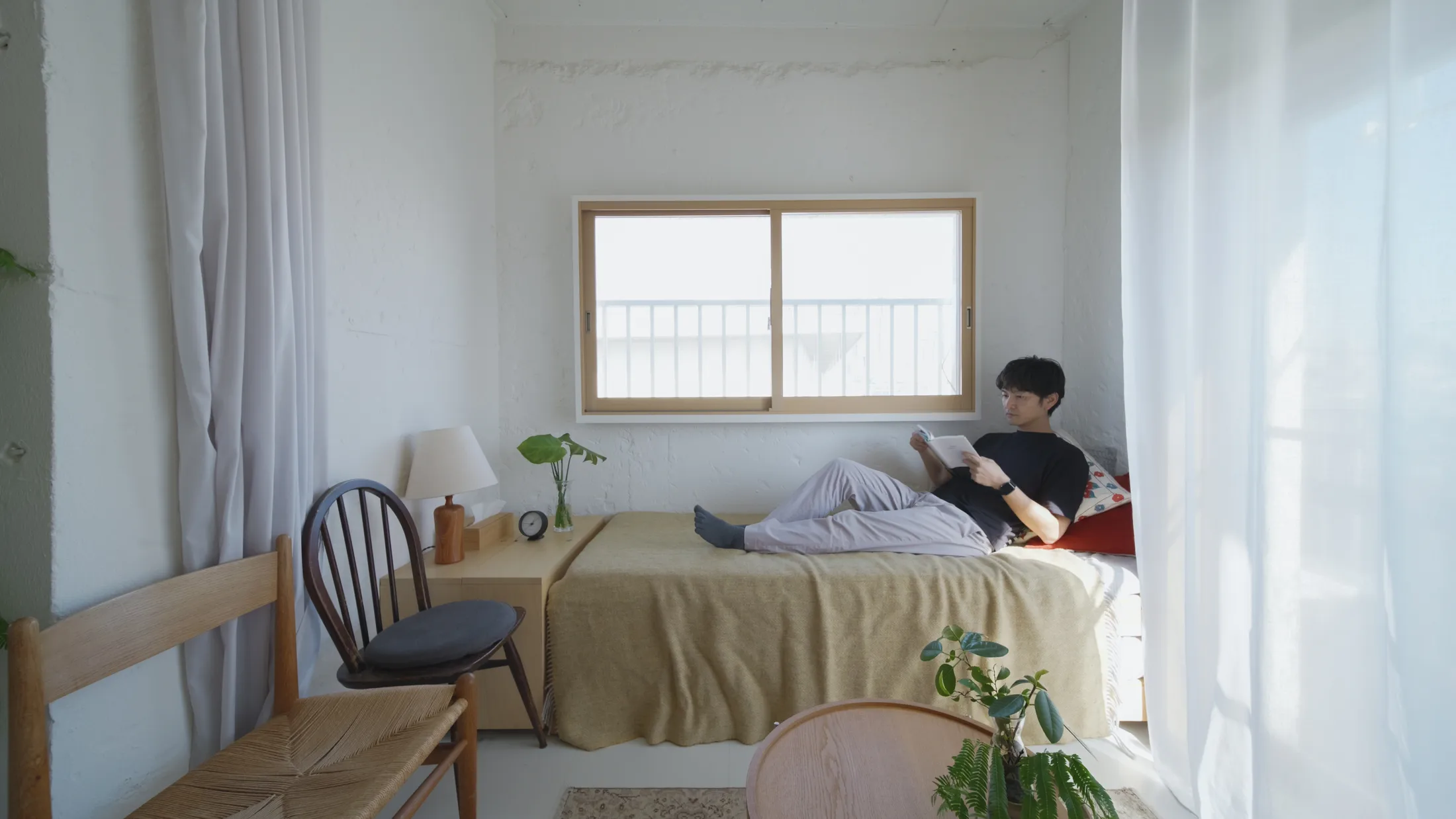
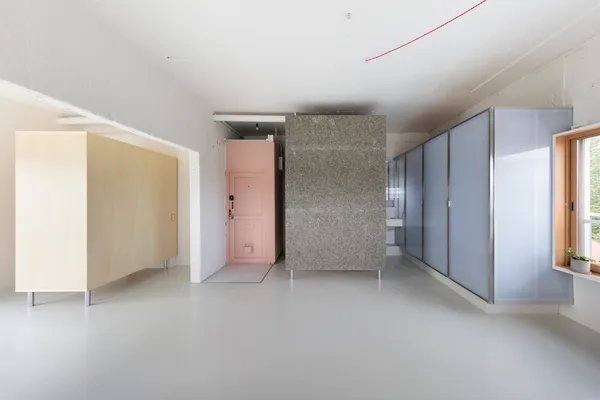
The inside of the front door at Somosomo House is pink to replicate the "Anywhere Door" from the anime Doraemon. As architect Mayo Takato says, it's "a door that leads you anywhere and gives you an exciting feeling of going on an adventure" – both inside and out. Designed and owned by Mayo Takato and Takeshi Odaki of TOASt, the compact Tokyo apartment is filled with purpose. After stripping back the original tatami rooms and narrow corridors, the pair reimagined the interior around a series of box-like volumes focused on everyday functions — the bath, toilet, washing machine, wardrobe and kitchen — leaving the rest open to light. Throughout, handmade and modular solutions bring the space to life: a stacked IKEA bunk bed that converts from sofa to double bed, a multi-use kitchen trolley, sheer curtains, a DIY bookshelf with a spot to play piano, and thoughtfully raised furniture for their roaming Roomba vacuum. The adventure continues outside on the balcony, with views of the city beyond.

4. Compact Osaka Family Home with Flexible Curtain Dividers, 57sqm/613sqft

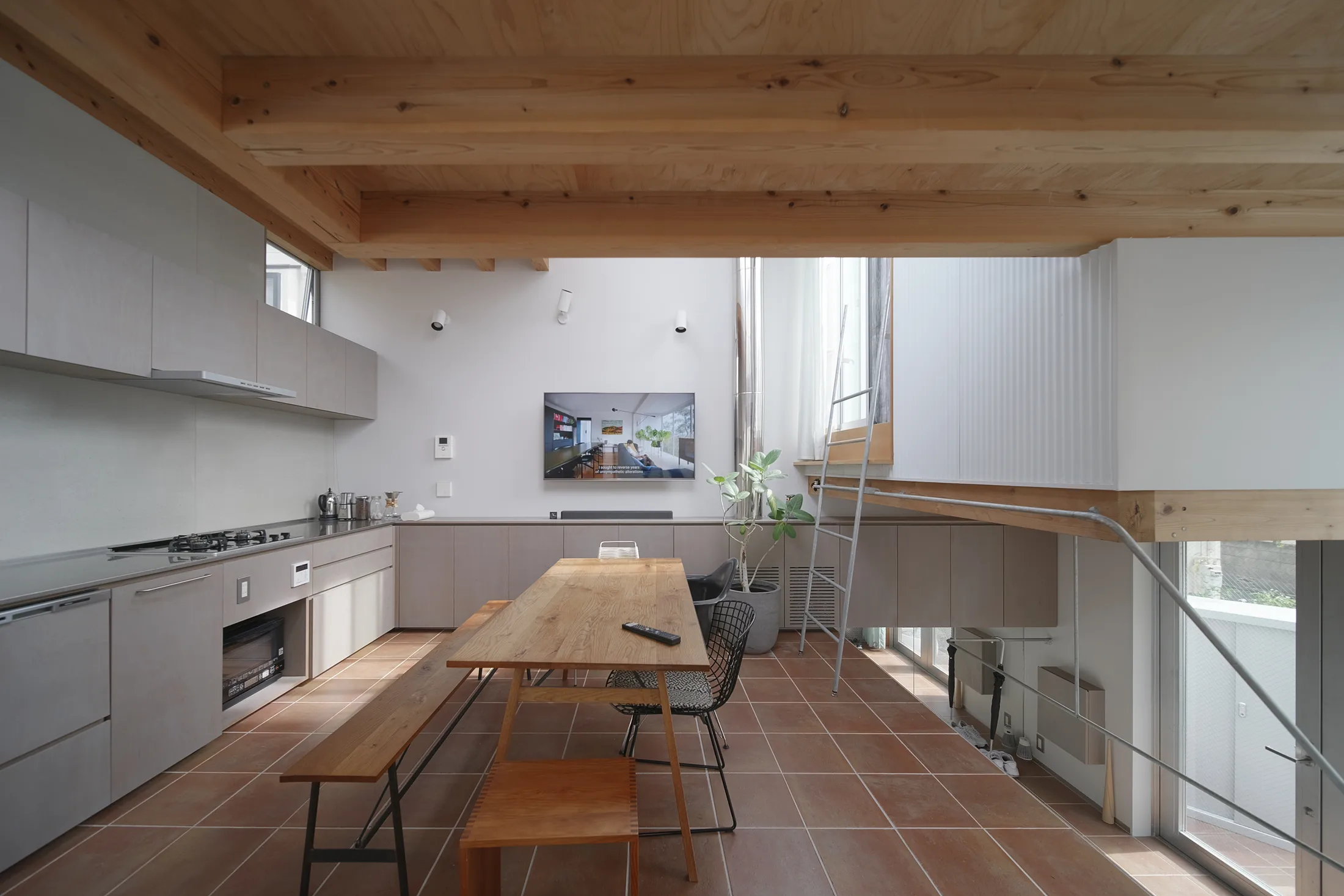
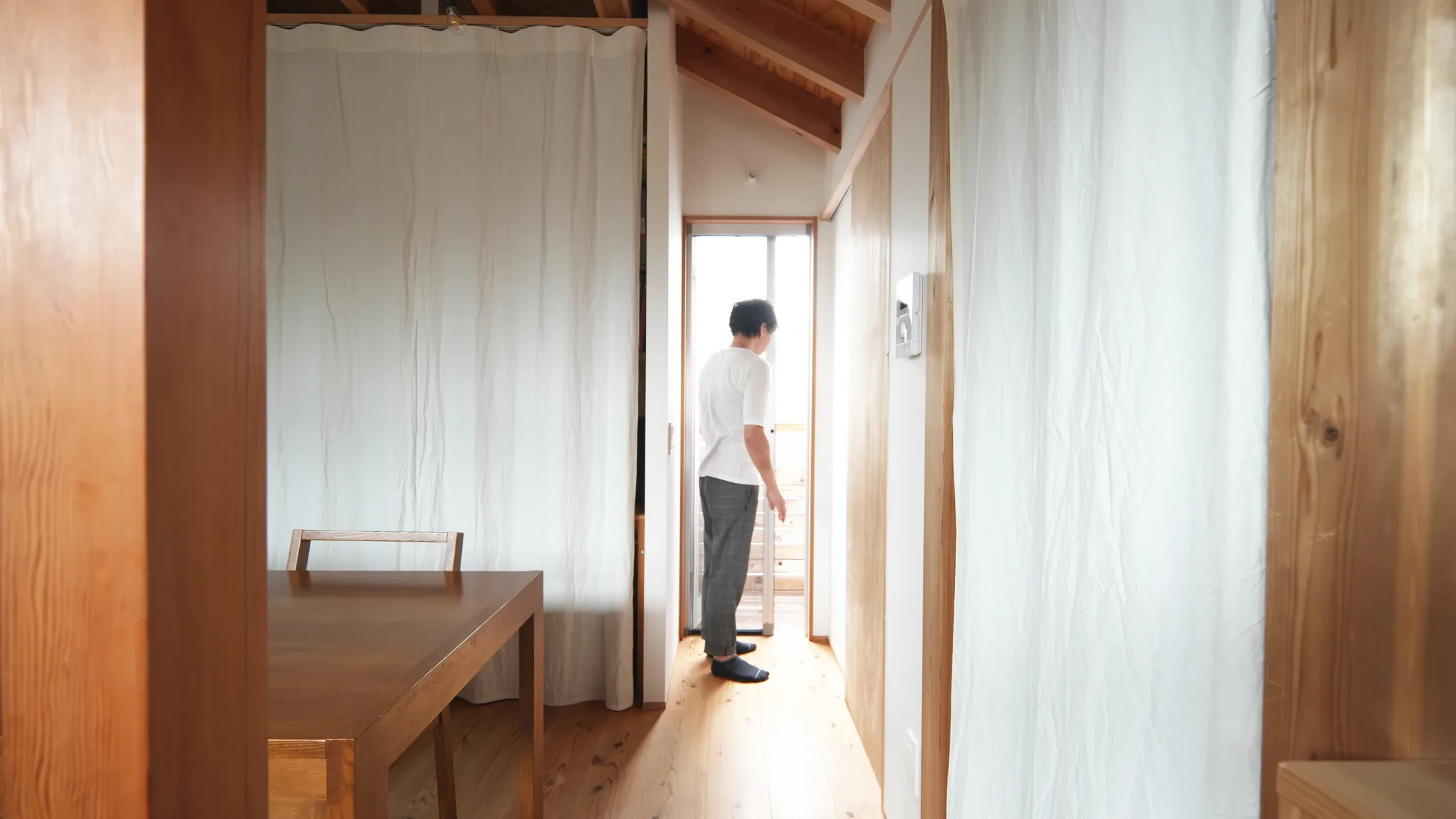
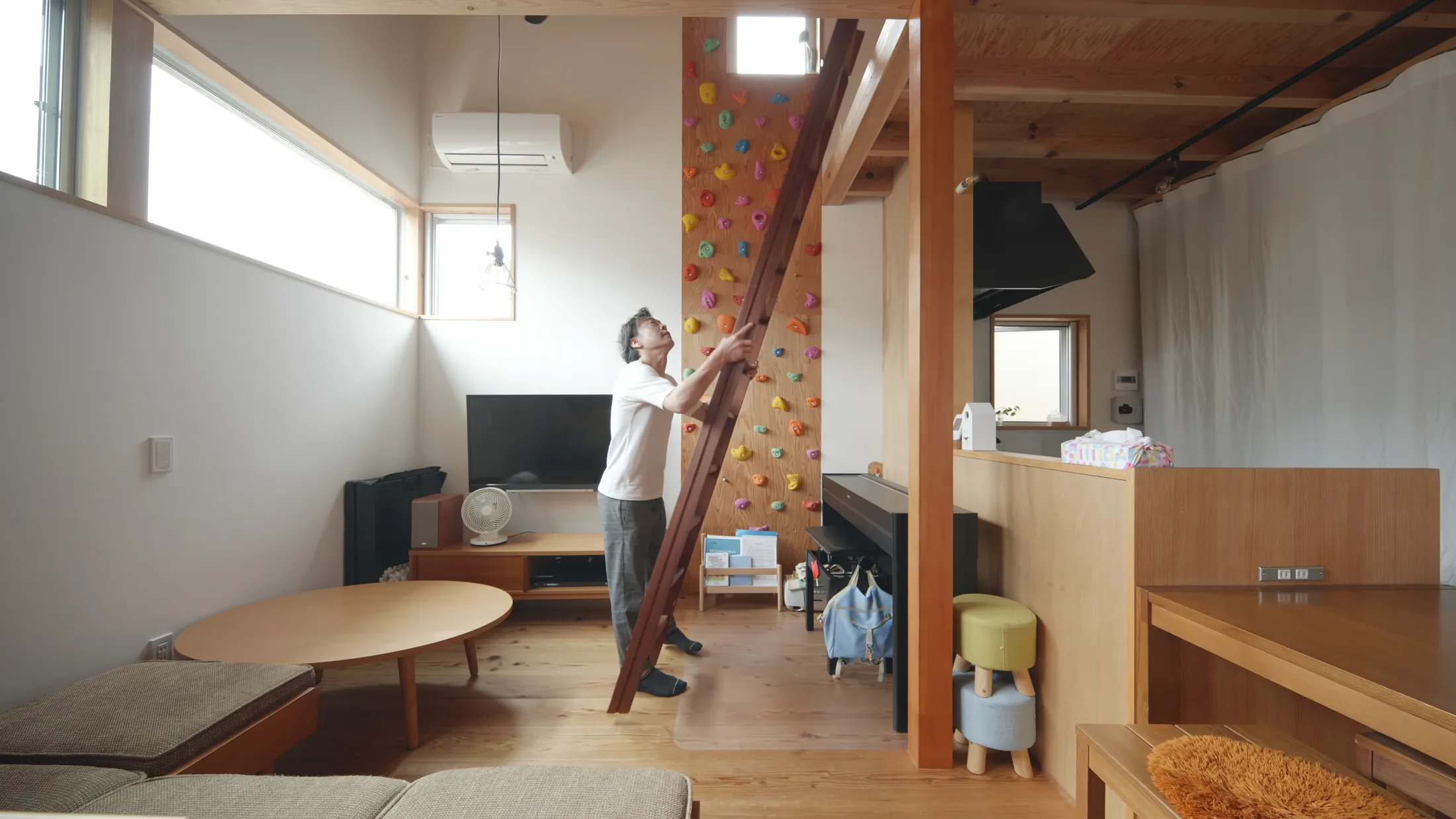
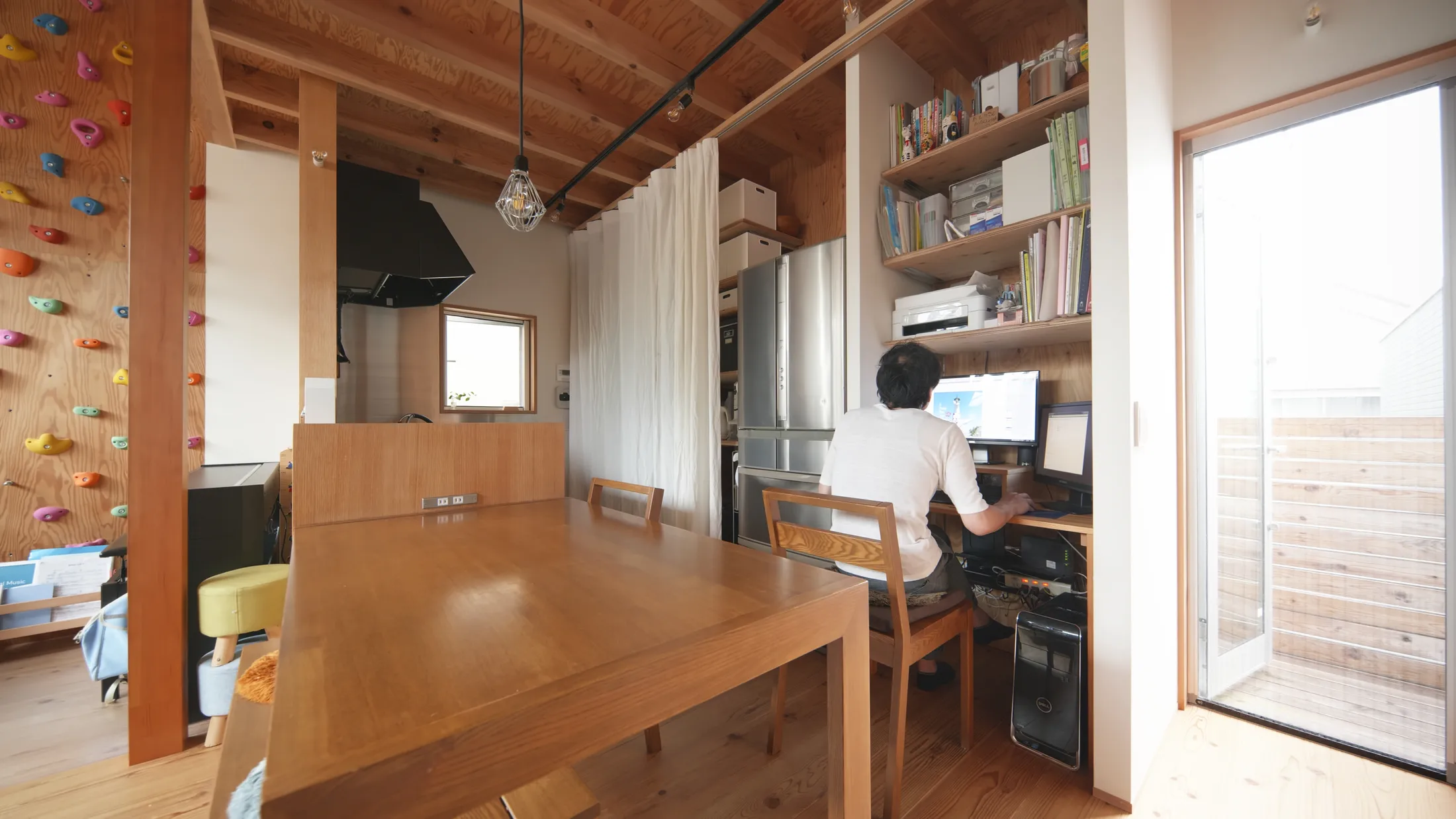
In a quiet neighbourhood in Osaka is F-House, a three-storey timber home by architect Kazuteru Matsumura from Coilkma for a family of four. Designed around the family's existing furniture and to maximise shared living over private rooms, the largely open-plan interior is divided by velcro curtains. In place of conventional doors the material keeps the atmosphere soft and airy while remaining cost-effective, adaptable and able to conceal storage and private areas. Each piece of furniture was carefully selected for versatility over custom builds, including in the children's bedroom, where a desk and storage fit neatly beneath the bunk beds. In the open living room, the extra ceiling height becomes room for play, where a storage loft can either be accessed by ladder or, more entertainingly, a rock-climbing wall.

5. Seven-Level Concrete Home and Architecture Studio, 59sqm/635sqft

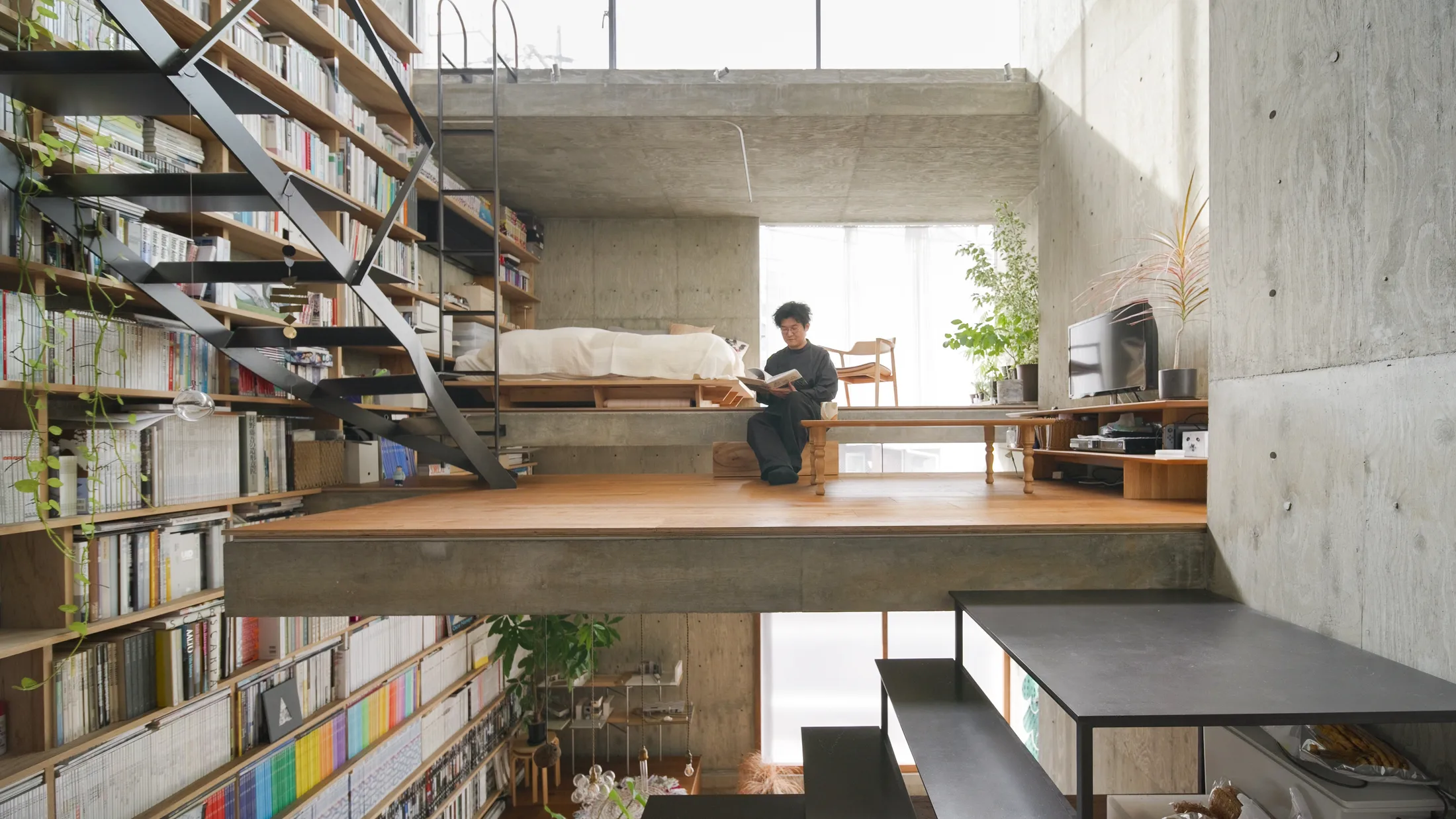
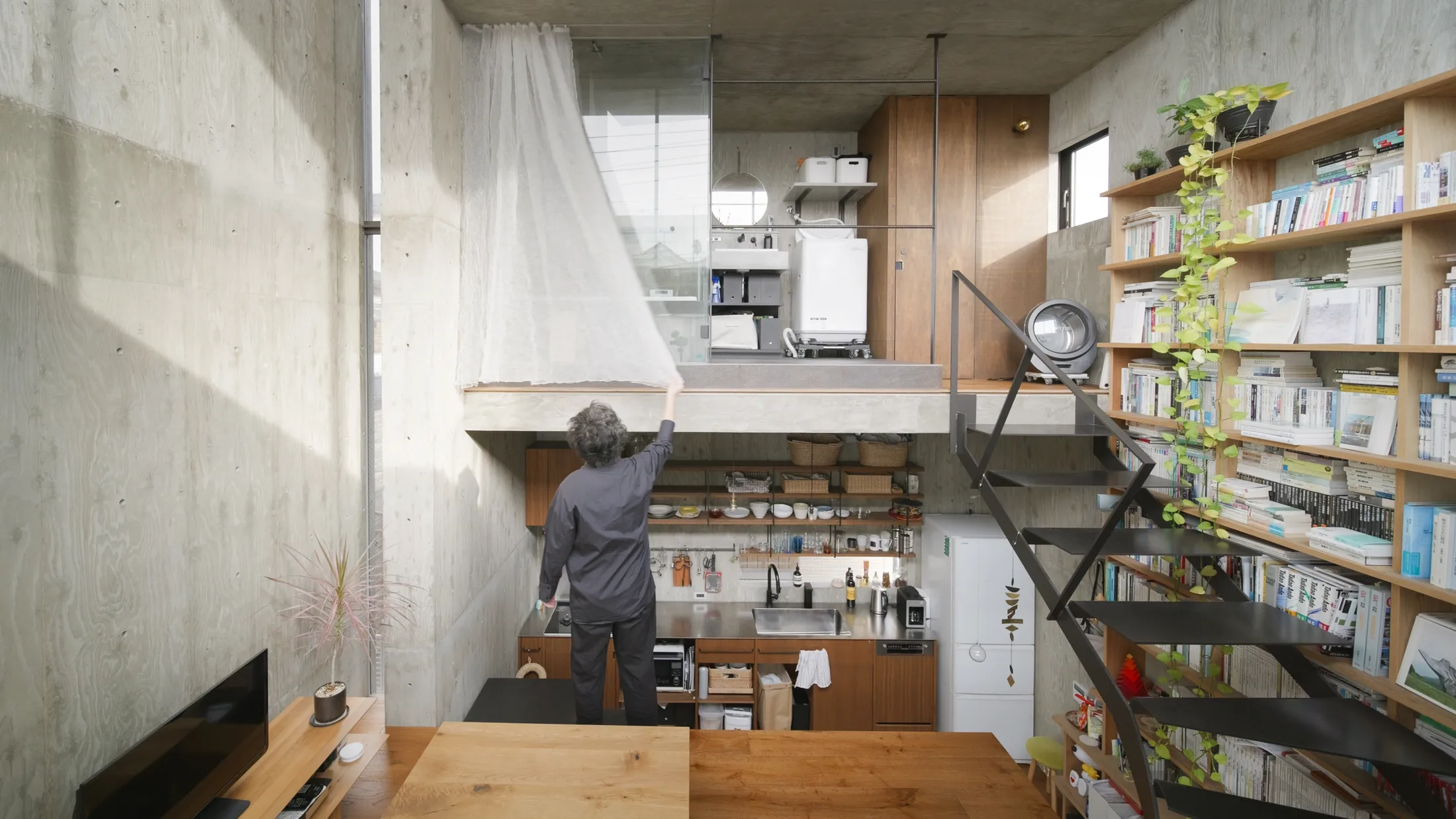
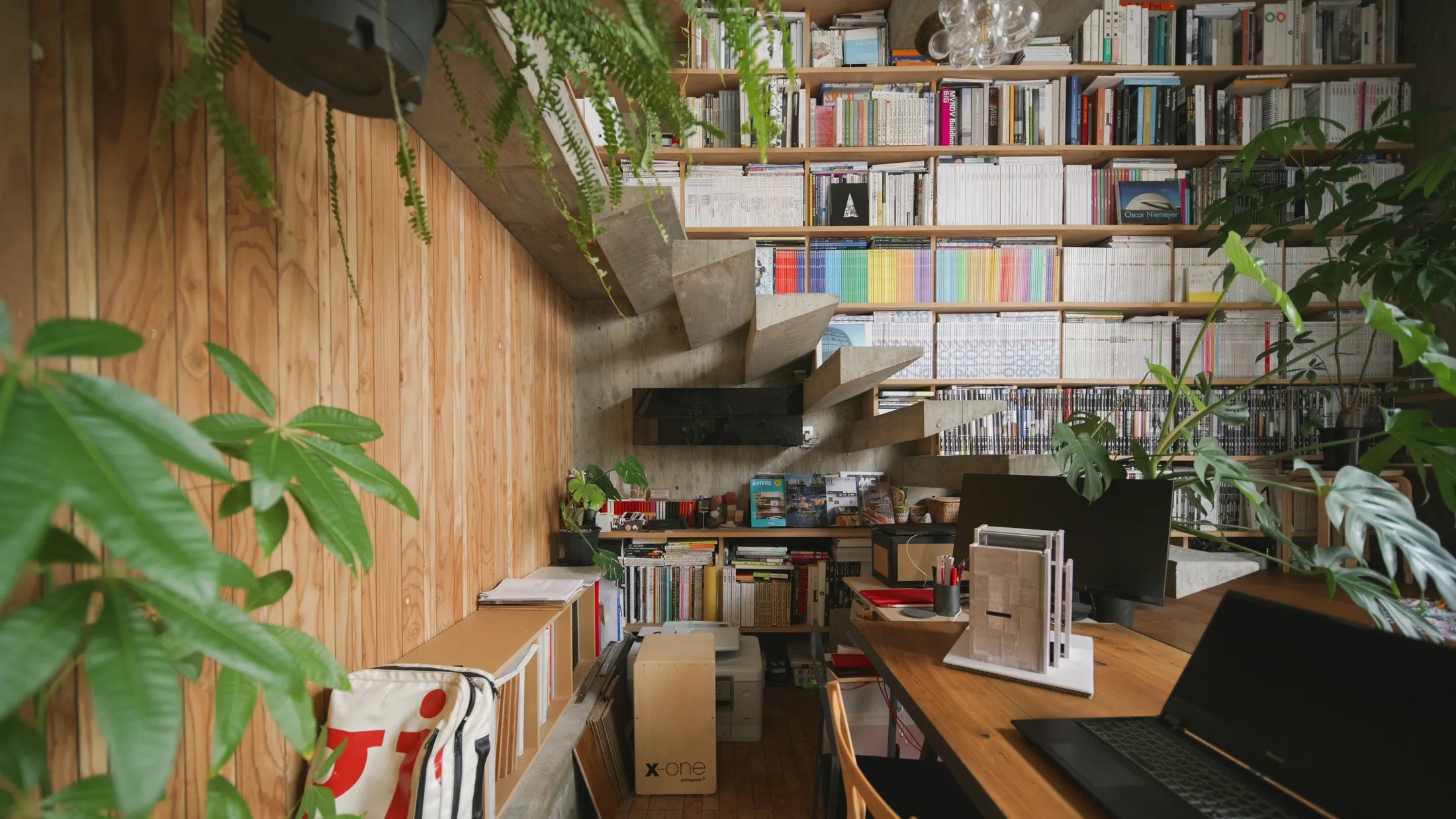
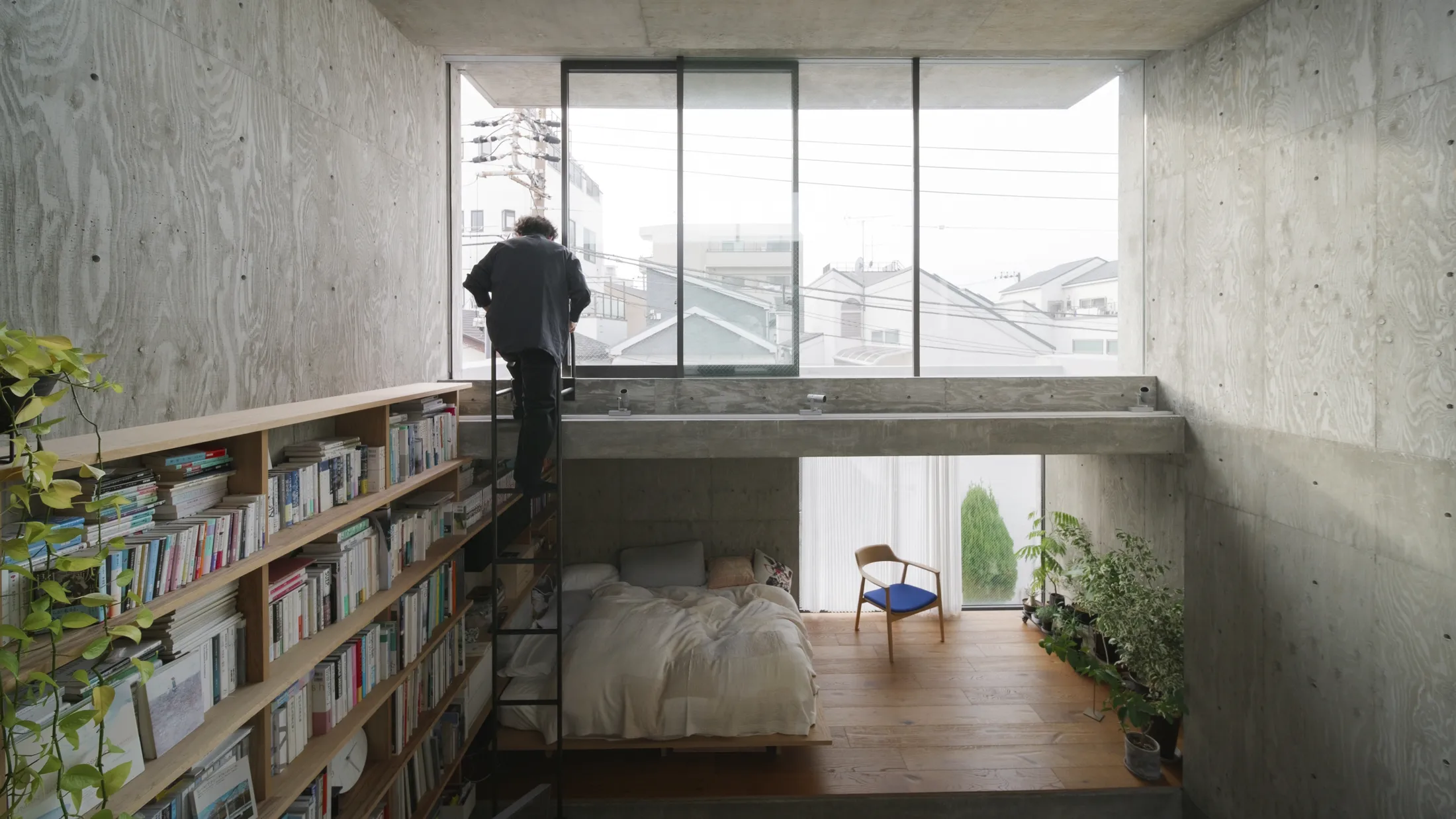
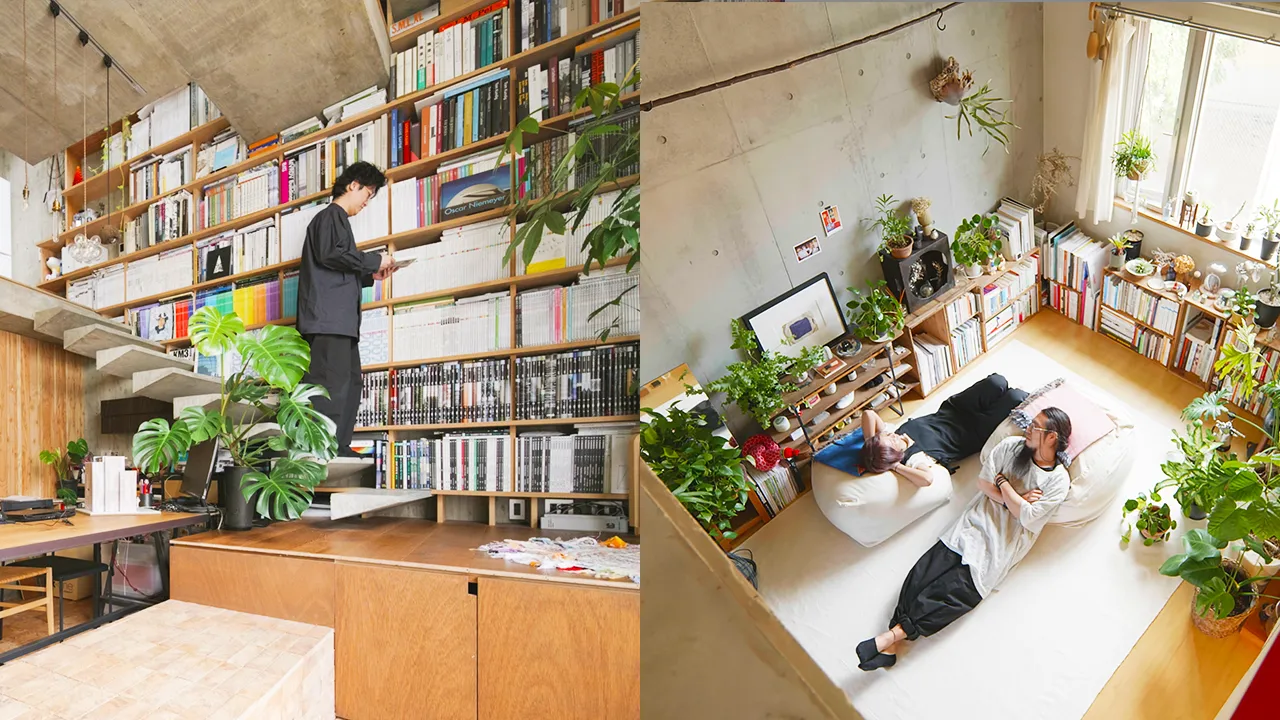
Architect Masato Igarashi designed Building Frame of the House – a 59sqm/635sqft concrete home for himself and his wife in a quiet residential neighbourhood of Tokyo. Doubling as his IGArchitects studio on the ground floor, the home rises through seven skip floors, with large windows and open sightlines keeping each incrementally staggered level connected, and each with a distinct purpose. The ground floor is Masato's office, surrounded by books and plants; a few stairs up, a 3.3-metre-long stainless steel kitchen; a few more reveal a flexible dining and living area that leads seamlessly up to a west-facing bedroom filled with greenery. All of this is anchored by a six-metre-high bookshelf holding 5,000 books, reaching up to the ladder that climbs to an open rooftop for plenty of views, including inside.

Writing:
Writing:
Bec Vrana Dickinson
Photography:
Photography:
Back to Top
Arrow UpArrow Up
Top
Arrow UpArrow Up
The After shot of the Floorplan
Before
before
after
After
Businesses featured in this project
Business Image
Architecture
TOASt Inc.
Japan 日本語 の発言: TOASt explores the potential of space through margin and composition, creating architecture that quietly enhances everyday life.
View Profile
Business Image
I am an architectural designer in Osaka and make my living mainly from housing.
View Profile
Products featured in this project
No items found.
Magazine Current IssueMagazine Current Issue
Writing:
Writing:
Bec Vrana Dickinson
Photography:
Photography:
Back to Top
Arrow UpArrow Up