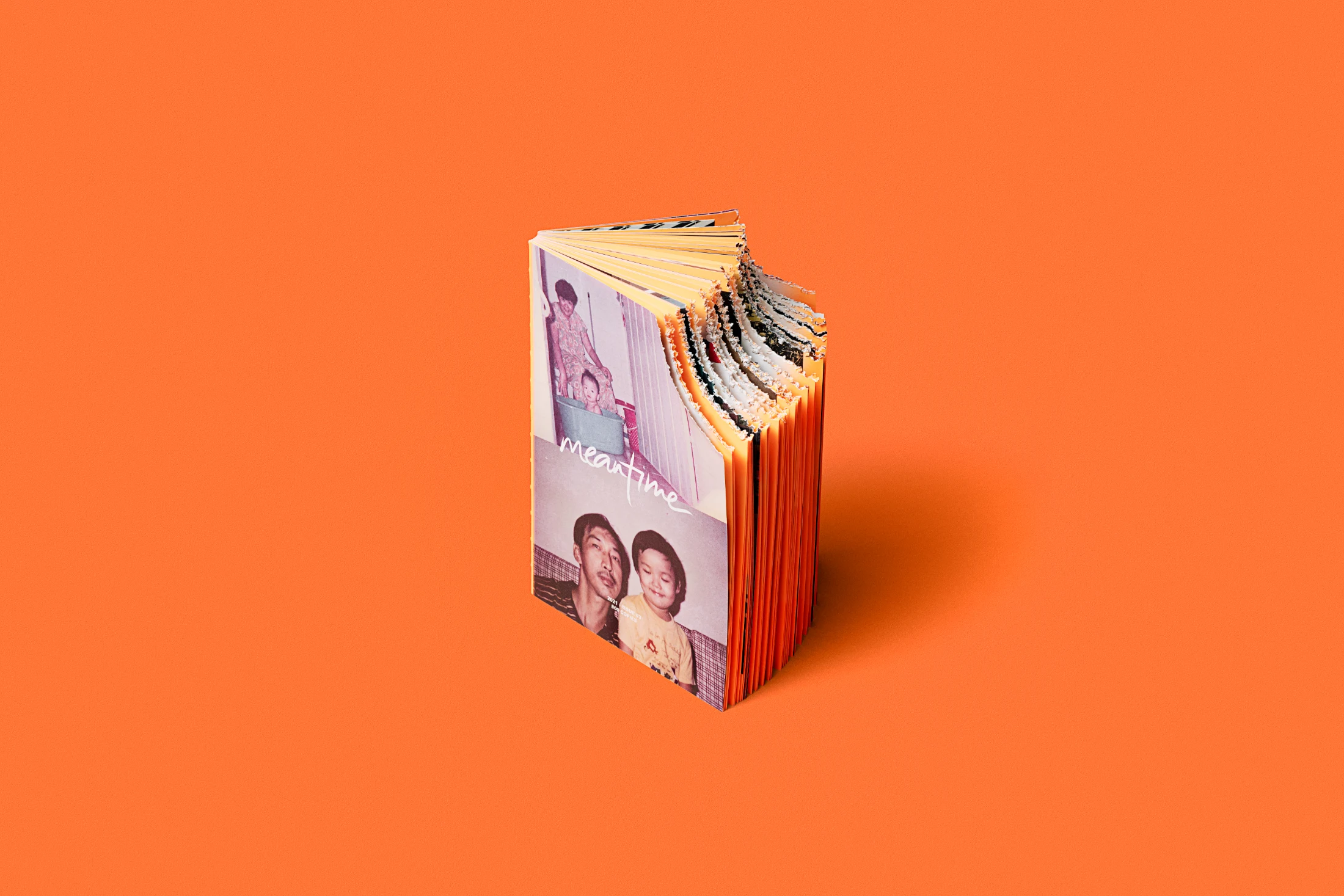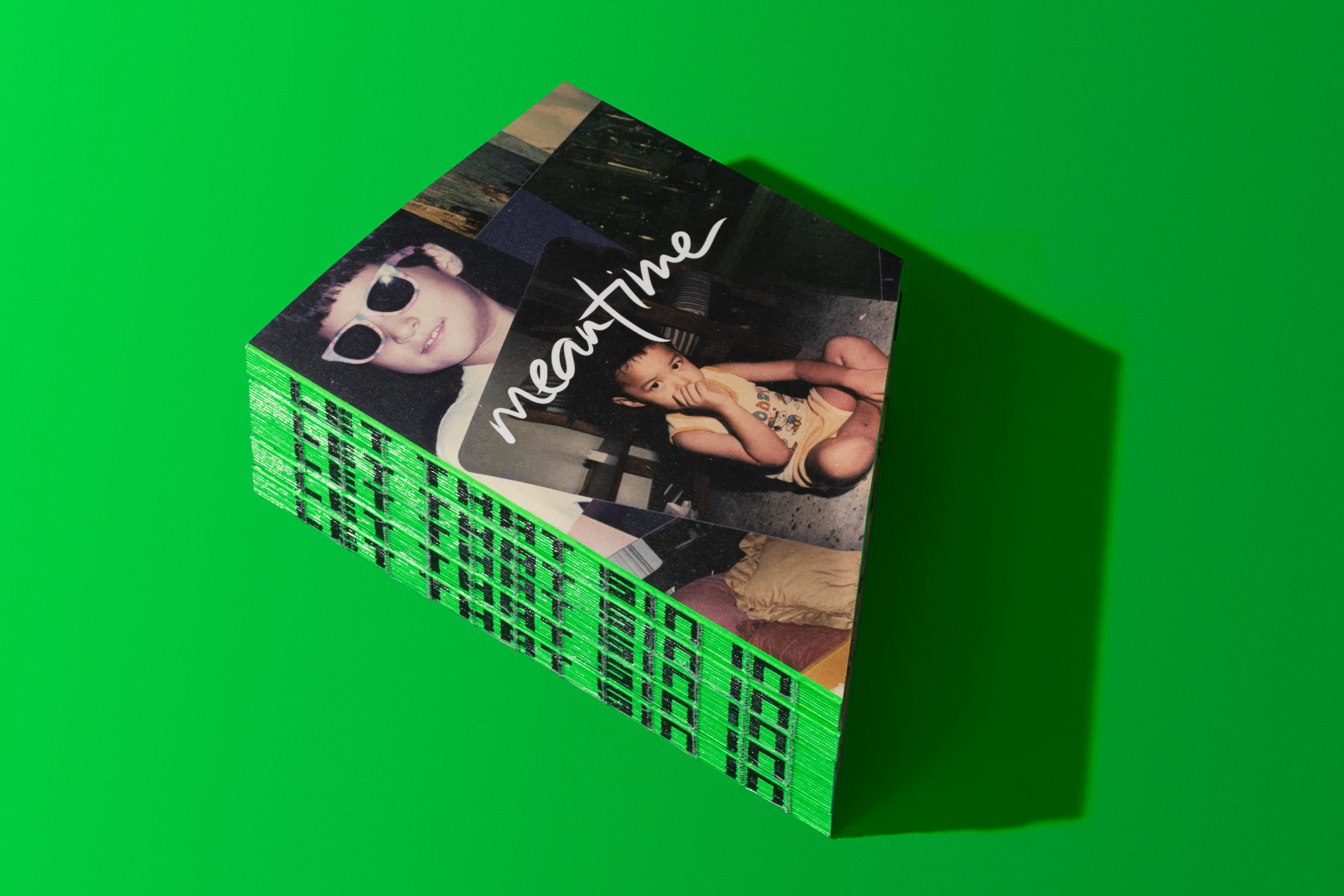

Pick up Issue 4 of Singaporean indie mag, Meantime, and you might wonder what happened to the rest of it. The magazine is (and I'm ashamed to say I had to google this) trapezium-shaped. A rectangle severed on a random diagonal, like some penny-pinching publisher used a guillotine to chop off the bottom half. And, well, that's pretty much what happened. Minus the penny-pinching bit.
"The shape always reflects the theme of the magazine," says Meantime's editor, Pang Xue Qiang. "Basically we wanted to give people a reason to own it. Like, physically own it. When we started Meantime, most people felt that articles should be available free online, but by playing with the form, hopefully we've given people a reason to actually hold the magazine. And to keep it."
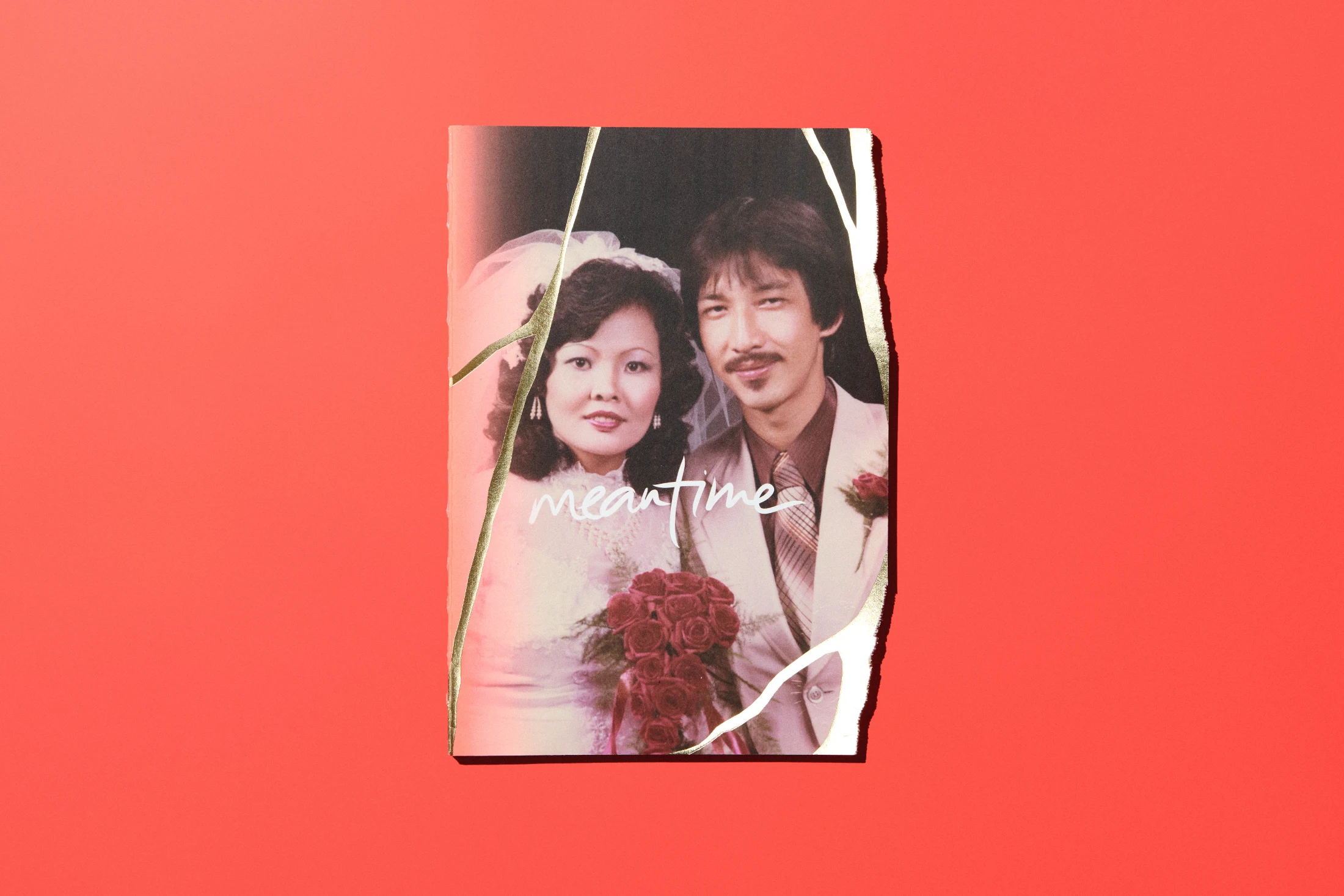
Meantime's mission, according to itself, is to "document Singapore stories lost to time". Trapezoidal Issue 4 was all about 'Bad Stories'. Issue 5 is Breakups. For that one, Pang and his crew covered Meantime in irregular golden cracks, à la Japanese kintsugi joinery, hand-shaving the magazine's fore-edge into rough, uneven shapes.
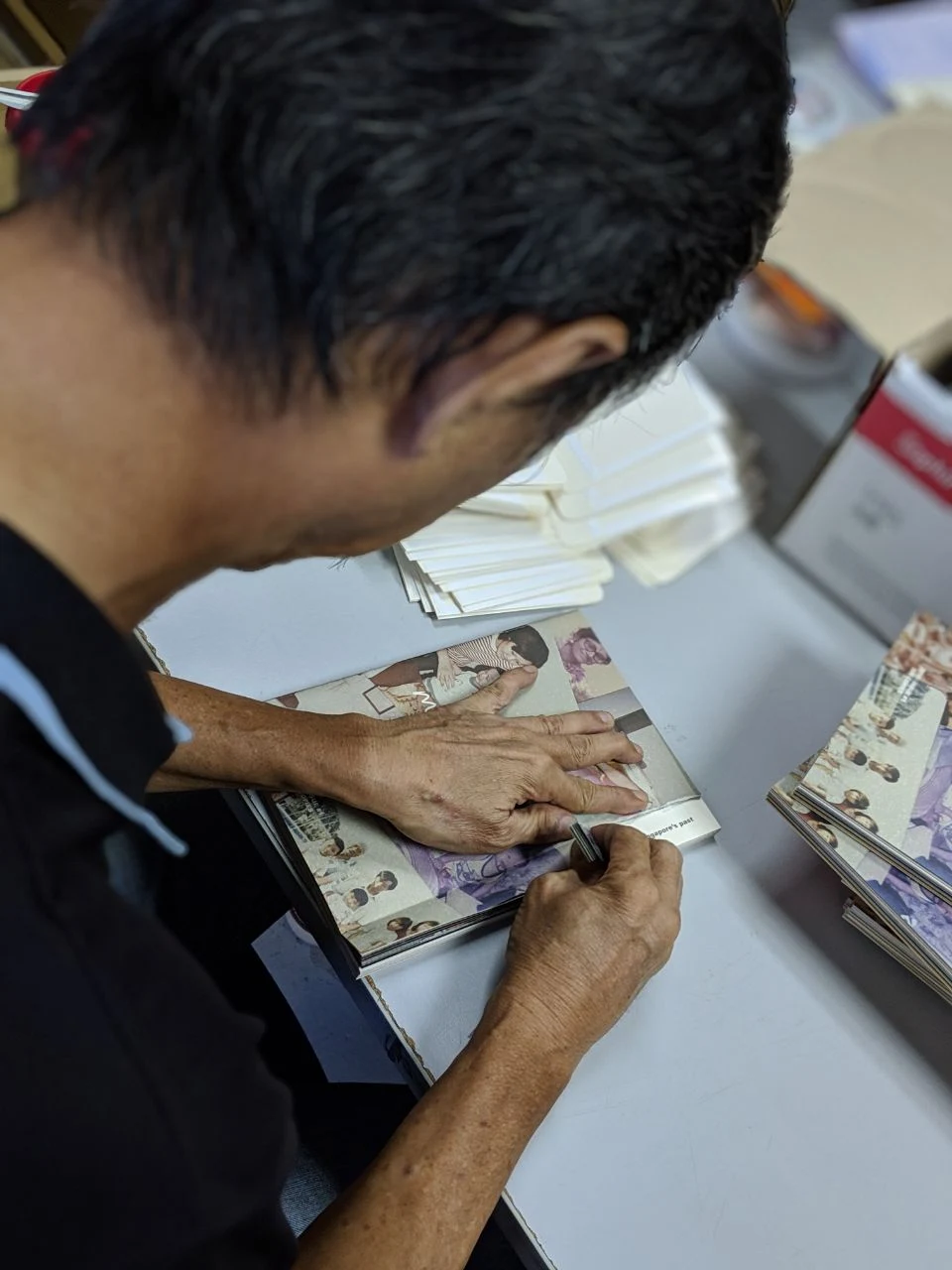
"The printers cut it first with a machine," Pang says, "but it was a very neat, clean cut. And breakups aren't like that. So we shaved down the edge of each magazine by hand, which means every single copy is unique. Just like every relationship."
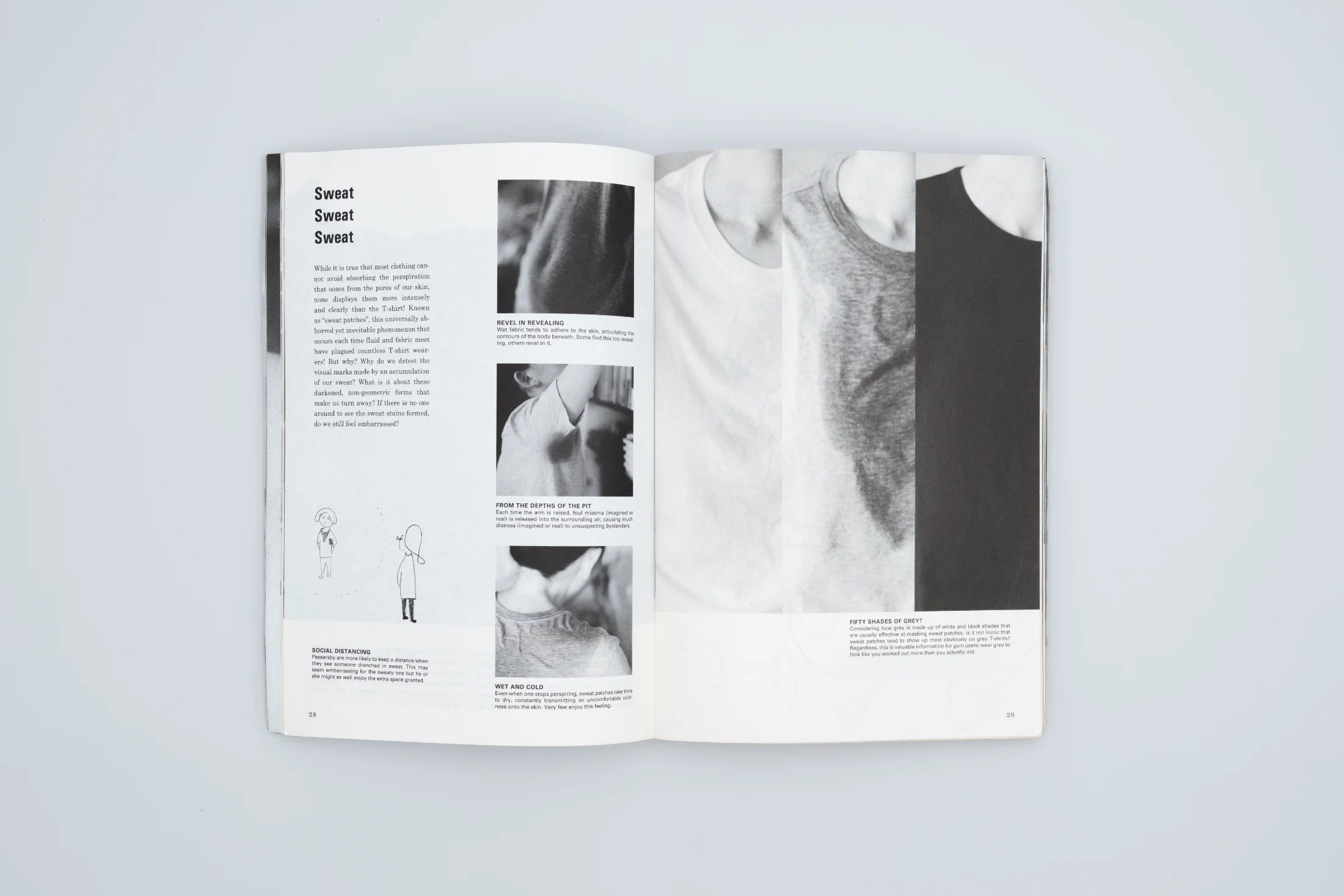
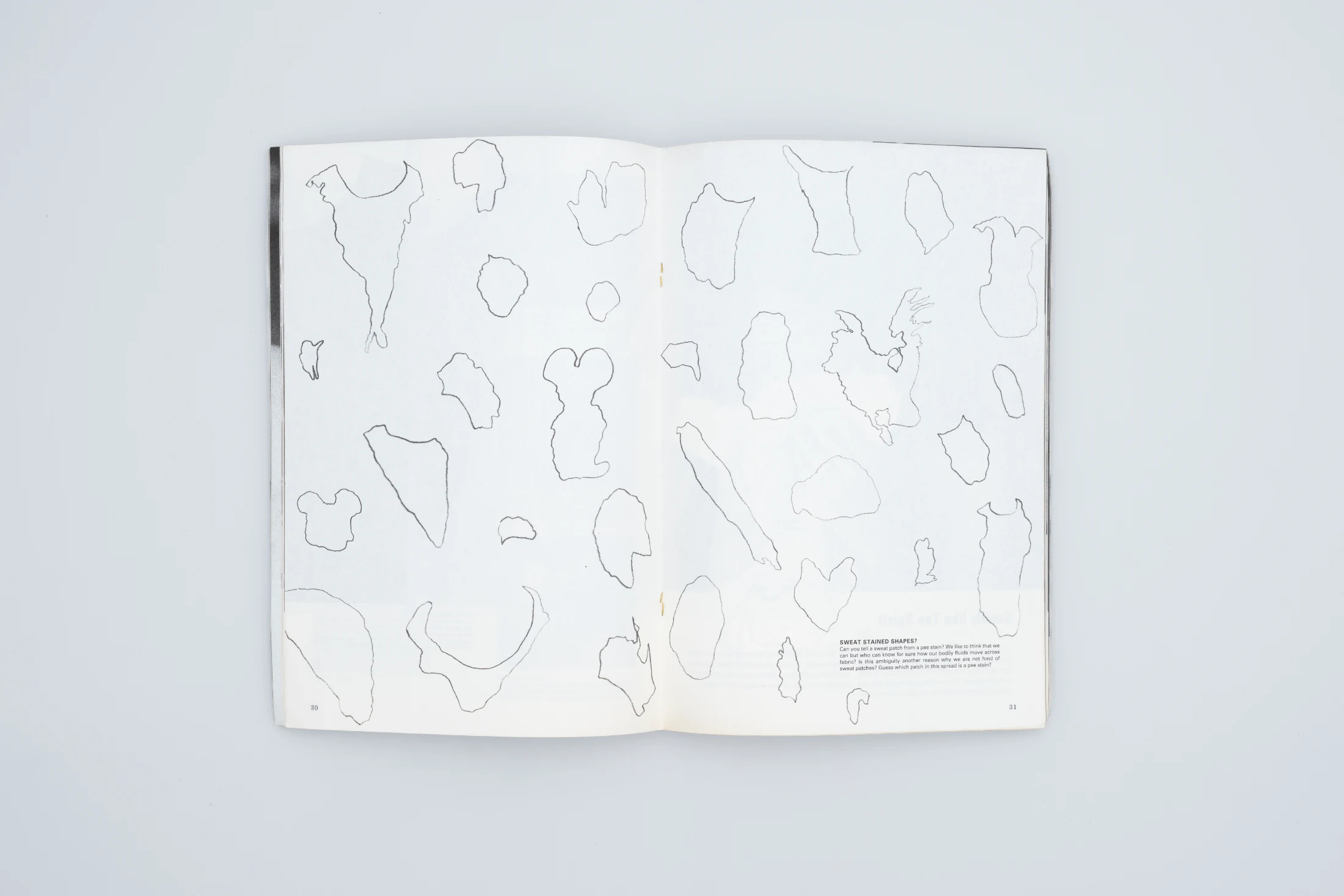
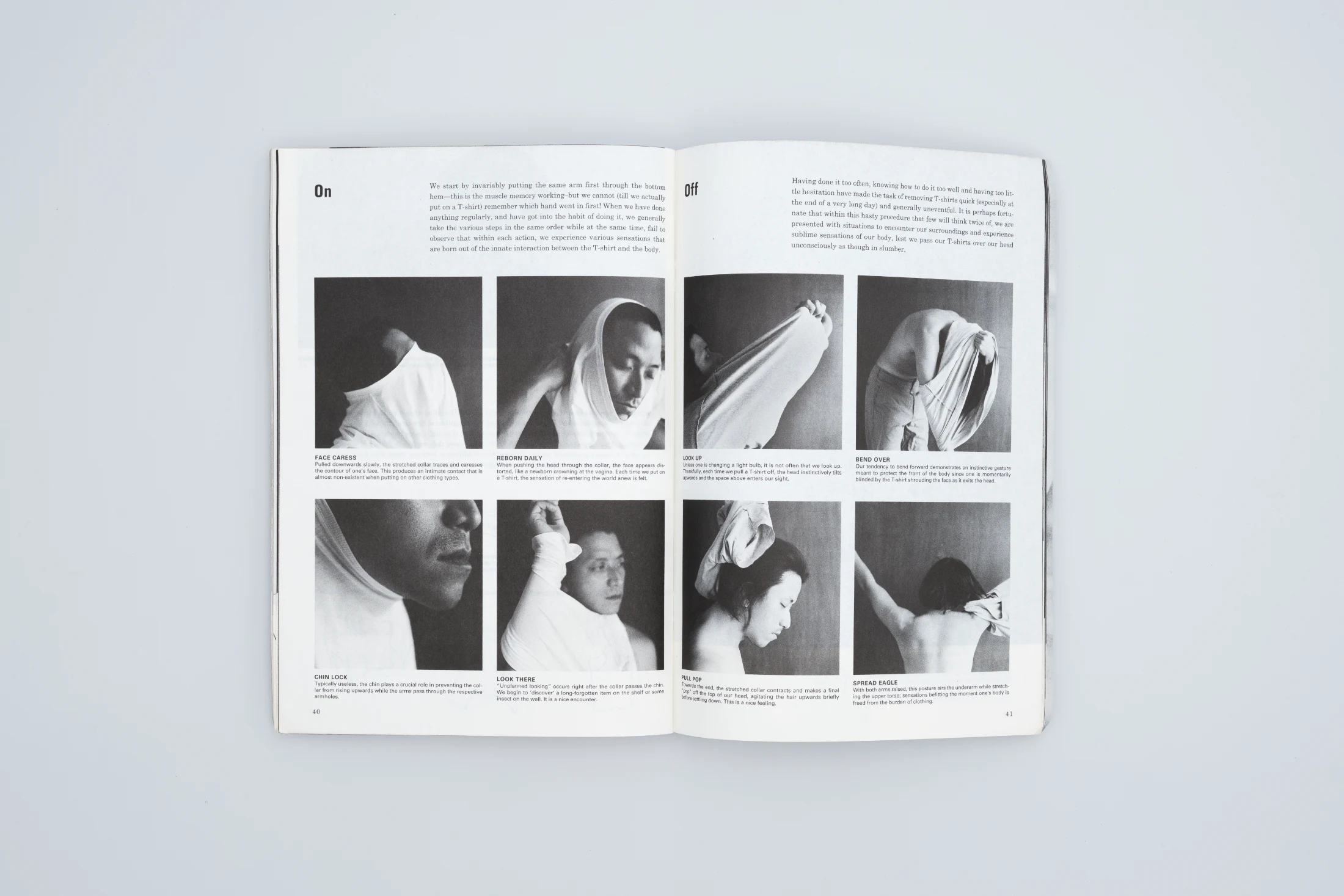
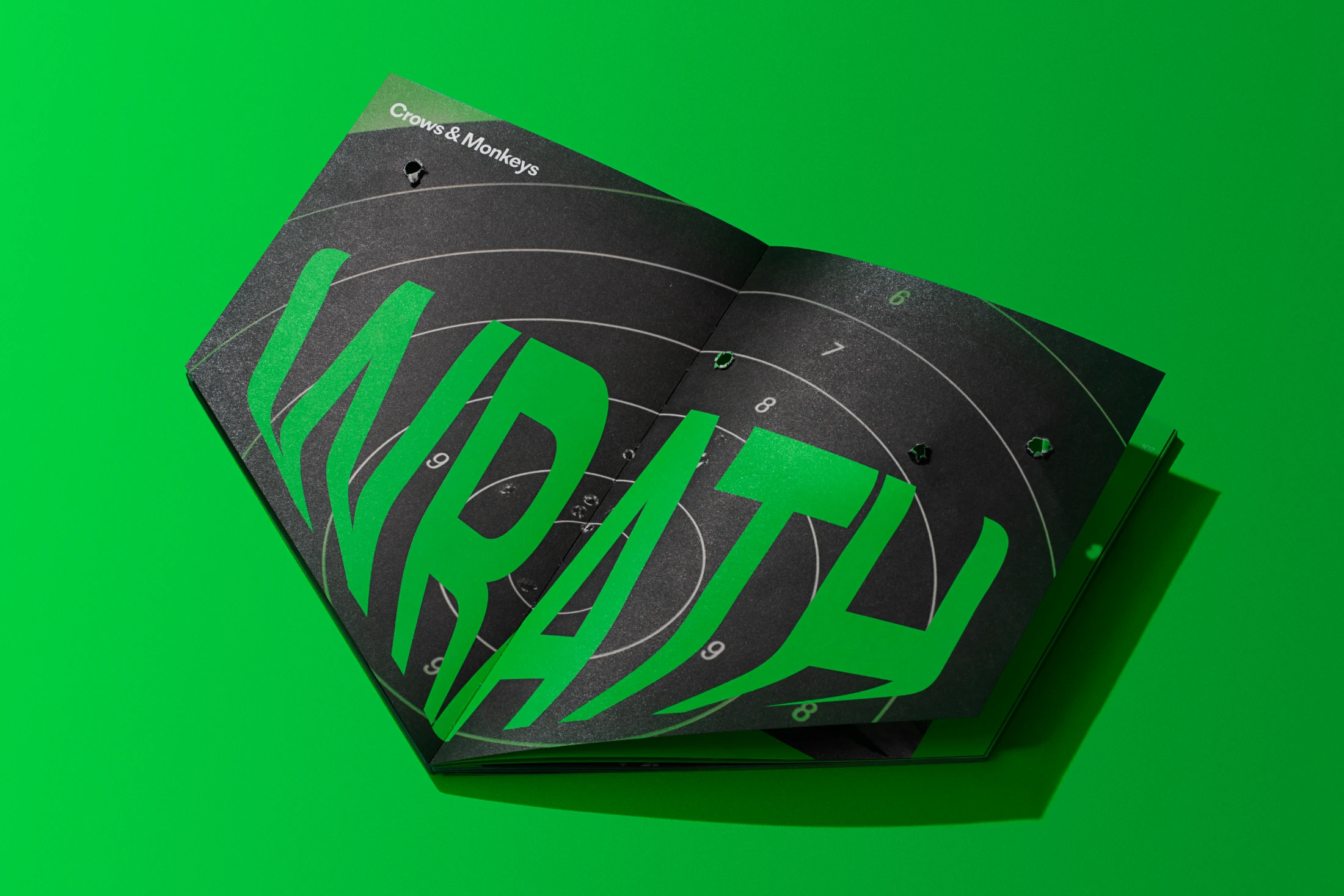
Between the non-rectangular covers of Meantime, you'll find stories and ideas that would never in a million years make it into the mainstream Singaporean media¹. A guide for breakup bouquets (foxgloves to represent insincerity, white flytrap for deceit, and so on²). The secret language of stamps. Leather-clad 1980s Singaporean 'hell riders'. An Agony Aunt section, curated by ChatGPT. A story about all the things banned in Singapore (if you're travelling here for chewing gum and pig's blood, well, keep on travelling).
Pang says the mag's remit is deliberately broad, with a loose focus on memory, storytelling and Singaporean history. Three things you don't tend to find on the six o'clock news. "When we created the magazine, we were all journalism students," he says, "and we knew we wouldn't be able to compete with the major news outlets on news news. There weren't even a lot of print publications in Singapore back then.
"That's where the title Meantime came from. Stories to pass the time. It's a little pause where people can stop and revisit the past. In Singapore we only have one or two big organisations that dominate the media scene, so I think people really do crave these more offbeat stories."
To understand Singapore's independent publishing ecosystem, and where exactly magazines like Meantime fit into it, you first have to understand the broader political context. To start with, what Pang says is basically true. Singapore's media landscape isn't a total state-controlled blackout zone, but it is highly concentrated, like orange juice. Most Singaporeans get their mainstream news from just two sources: SPH Media Trust (who control pretty much every paper in town) and Mediacorp (who have an iron fisted grip on free-to-air TV, the 24/7 CNA channel, and most of radio too).
Media publications in Singapore also tend to operate under strict state licensing and defamation laws, which means that editorial lines usually flow in one direction and one direction only: towards the middle. No real partisan tantrums.
Nothing too crazy. Just very cautious, middle-of-the-road, pro-establishment, insomnia-curing stuff³. Under conditions like this, the digital and indie publishing space is where things actually get interesting, and where Singaporeans are allowed to experiment and express themselves. Online outlets like Mothership, Rice Media and New Naratif, plus zines, magazines and local Substack writers – they're the bits that add colour and texture. They also tend to focus on all the stuff lacking from the mainstream channels: culture, youth, identity and (quiet) dissent.
"Traditionally, information in Singapore has always flowed from the top down," Pang says. "But now we're starting to see this ground-up, grassroots publishing movement. And I think the Singapore government is starting to see the value in it, too. That ordinary citizens and writers and photographers can really contribute and offer something different."