
Magazine Current IssueMagazine Current Issue
Lost in Tokyo
Lost in Tokyo
From our Mag
May 1, 2025

Lost in Tokyo

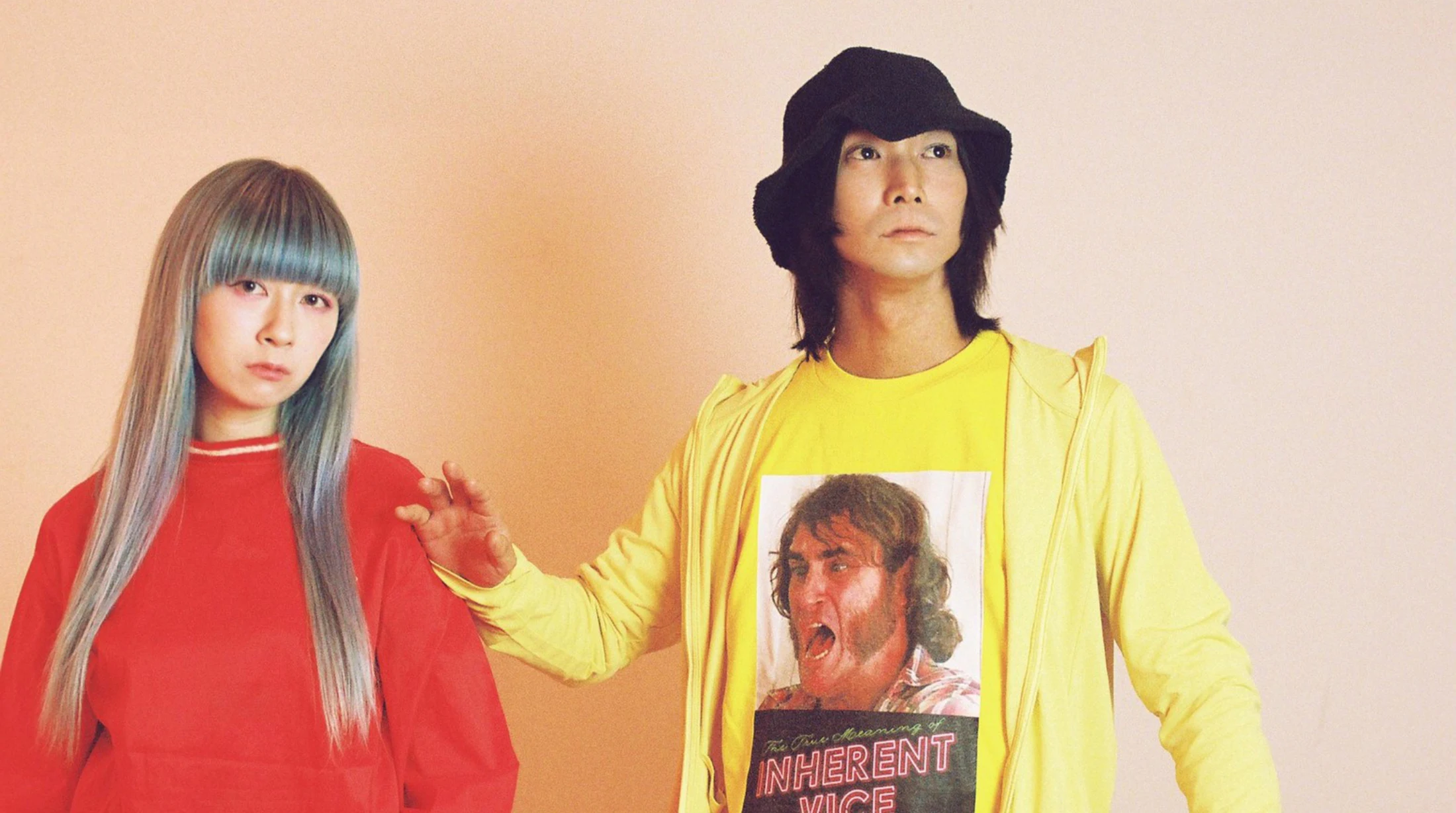
Meet Emaru of Japanese electro-pop group Macaroom: a maker of music dedicated to the lost souls of Tokyo.

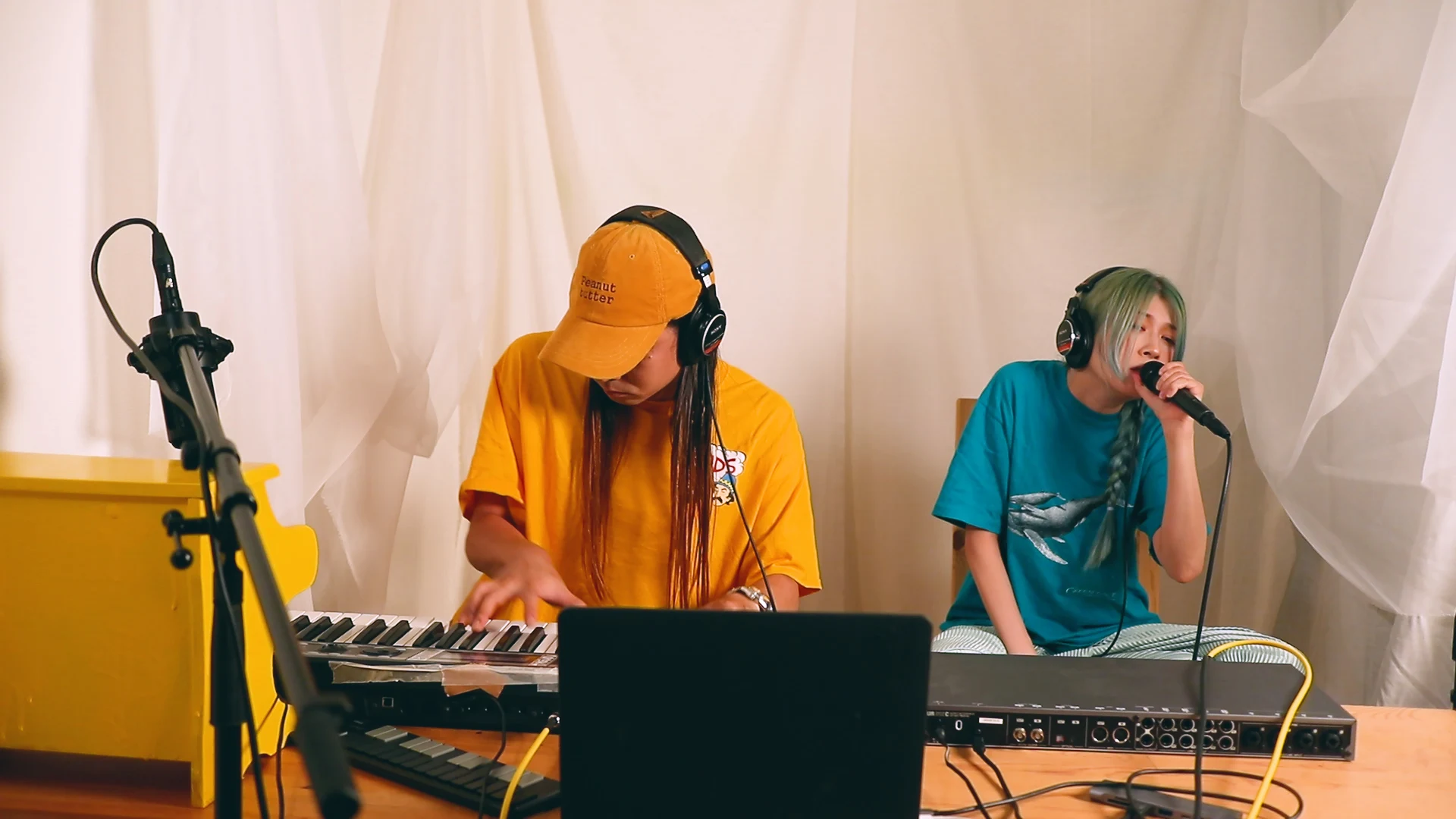
The wistful and ethereal sound of Macaroom's music has played soundtrack to several Never Too Small film production moments. And given the Japanese electro-pop group declares itself as operating "on the forefront of copyright law" with its full catalogue of music available for third party use without charge or permissions, we've never had reason to cross paths. Until now. After attending Macaroom's live streamed Tiny Room Concert on YouTube back in July 2024, we thought it was high time we met vocalist emaru to talk tiny rooms and Tokyo life.

Eloïse Lachicorée
Writing:
Writing:
Eloïse Lachicorée
Photography:
Photography:
Minami Kiishi
No items found.
Magazine Current IssueMagazine Current Issue
The After shot of the Floorplan
Before
before
after
After
Top
Arrow UpArrow Up

Where does the inspiration for your music come from? How does the city inspire you?

We've tried various ways to make music, but most often, I receive demo tracks from Asahi, then let my imagination flow with the songs. Asahi's lyrics frequently include words related to the city, so I feel that the city's landscape has a significant impact on our music. In contrast, I'm more interested in nature than in the city. I often take long walks around my neighbourhood. On these walks, I sometimes see a pair of bulbul birds nibbling on radish sprouts, or notice green kochia plants turning red and awkwardly standing side by side. I also enjoy watching grasshoppers leap out from the tall grass onto the sidewalk. I love to walk. I expand my musical world as I walk, encountering various things along the way.

Would it be accurate to think of your music as a soundtrack for your experience of living in Tokyo?

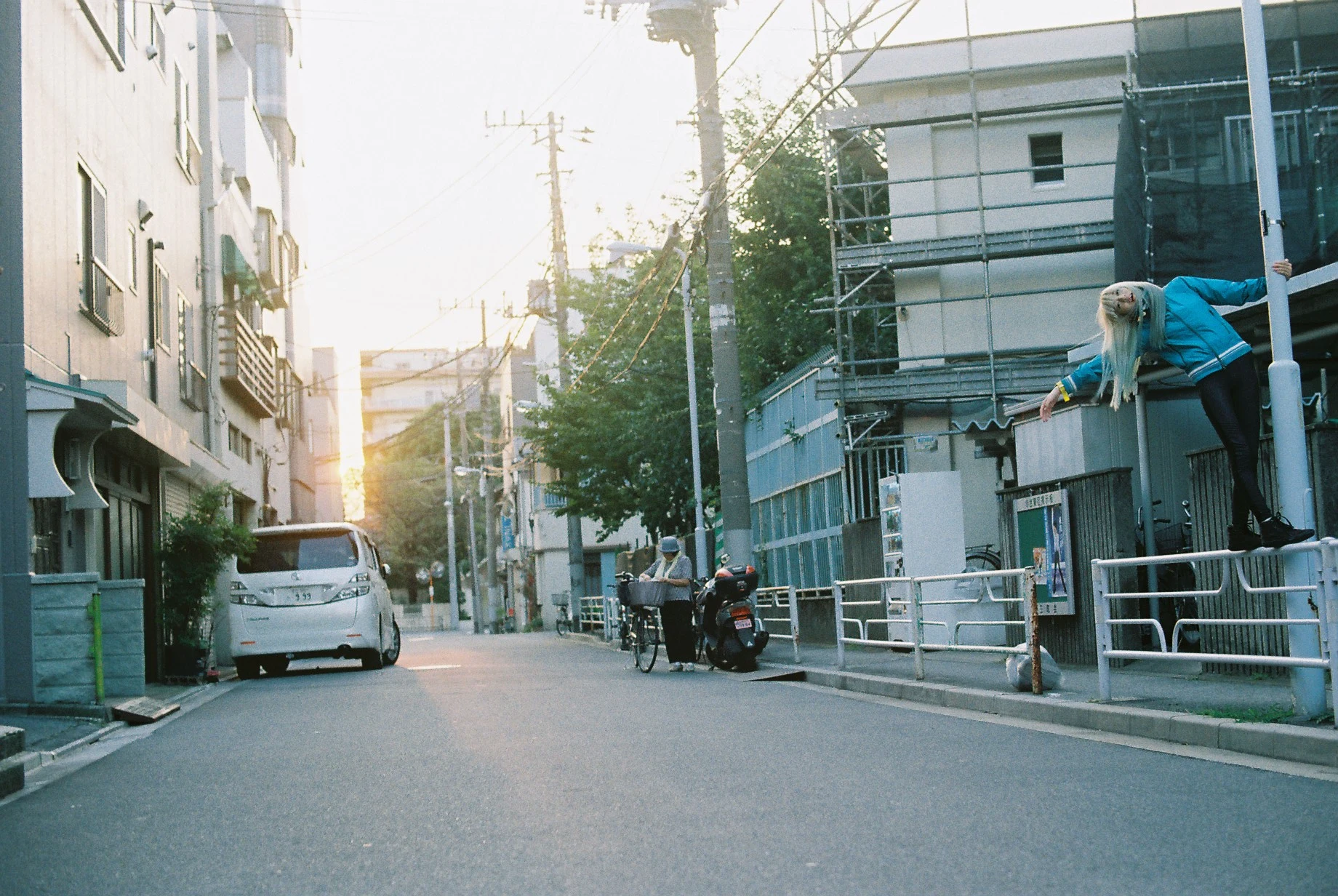
Yes, I think it would be. But I still don't understand the city of Tokyo. Many people have an image of Tokyo as a vibrant and bright city, but there are many lost people in the city. I mean, not a literal lost person, but a metaphorical one. I prefer to think of them. They are socially vulnerable and they are lonely people. The idea of a person lost in Tokyo is especially expressed in our songs like tombi, shiori, and machino uta.
How would you describe your sound? In what way does it reflect your home city?

That's a difficult question. The renowned Japanese novelist Genichiro Takahashi described Macaroom's sound as a "memory of the future." Additionally, the illustrator Yusuke Nakamura referred to it as "organic electronica". From a mental perspective, I think that it's a soundtrack for a person lost in this city. Additionally, it can also be said that it's music for me. Living far away from my home town may have influenced the music. The town where I was born and raised was a desolate rural town, completely different from Tokyo.

What is life like for a musician like you, living and creating in Tokyo?

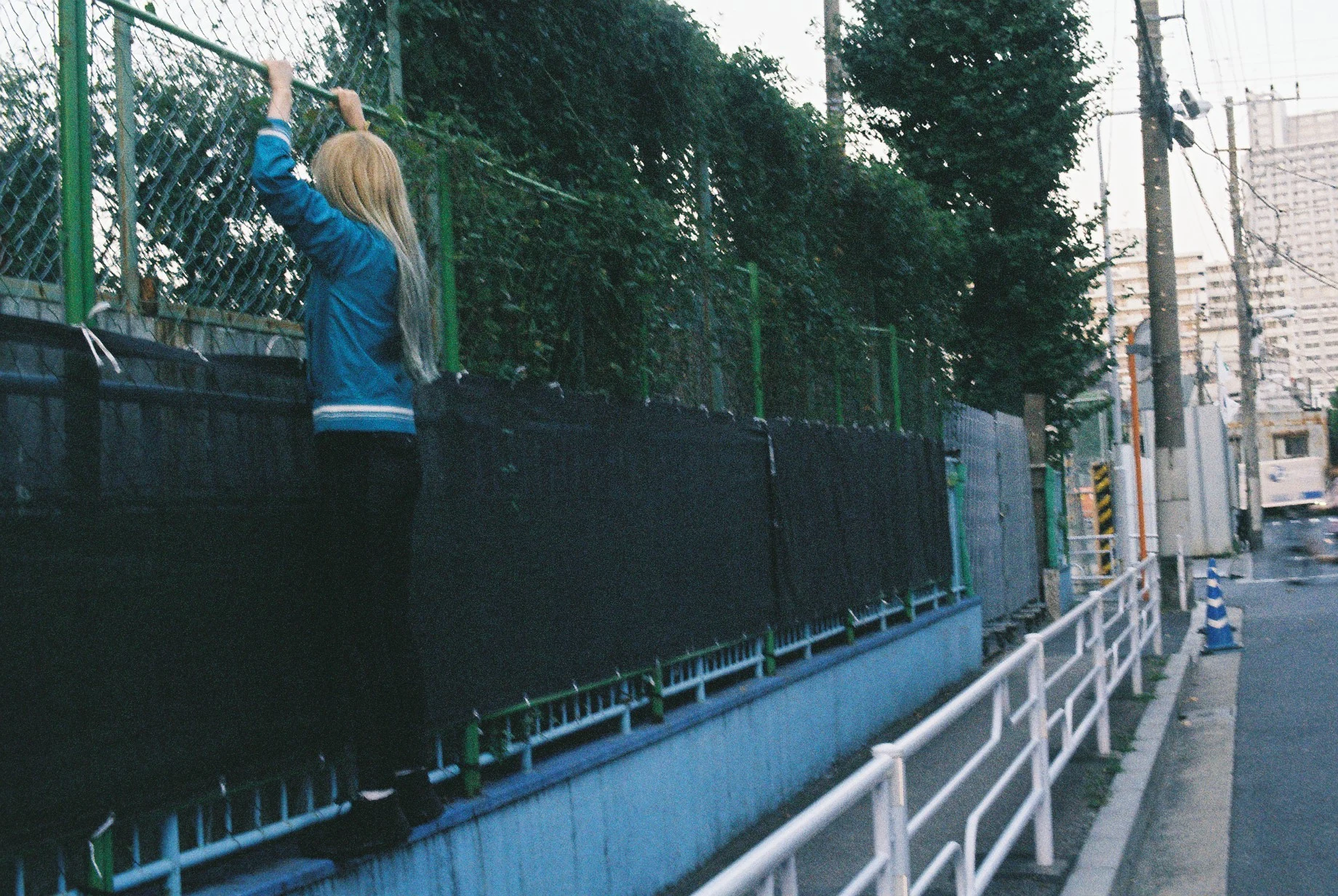
It's such a tough thing. I think many other artists from the countryside feel the same way. I was born in Shimonoseki City, Yamaguchi Prefecture, at the westernmost tip of Honshu. There are many people from the provinces in Tokyo, but I'm often amazed by native Tokyoites. That's because when I talk to them, I realise that I am an immigrant. It makes me aware that I don't have most of what they have. On the other hand, I'm also excited to meet wonderful musicians that I would never have encountered in my hometown. I dye my hair blue, wear blue clothes, wake up whenever I like, and go to bed whenever I like. In my hometown, I'm considered a weirdo, but in Tokyo, I'm just an ordinary person. This is a wonderful thing.

Tell us about the unique creative collaboration and inputs for Macaroom…

Asahi is responsible for music production. I am the vocalist. Basically, Macaroom consists of the two of us, but we are supported by Akiyama "Bob" Daichi and Minami Kiishi for live performances. Bob creates soundscapes using algorithmic composition and acoustic signal processing, which adds depth to Macaroom's songs. Kiishi Minami performs kung-fu during concerts and handles most of Macaroom's photography and video production.

Kung-fu?

Yes, Macaroom's concerts usually end with a final song performed alongside kung-fu. In some of our music videos, his kung-fu also appears.

Tell us about the live streamed Tiny Room Concert you held in July, 2024. Was this something you had done before?

We've been performing a lot of live concerts, but recently we decided on the concept of 'a tiny tiny room concert'.

Clearly we like tiny spaces too, but what is it that appeals to you about the idea of a Tiny Room Concert?

We have been interested in the concept of tiny space, room, home and so on since we first started the band. The words "room" and "home" are often used in the titles of our albums. I think it is because I hate places with a lot of people around.

What do you enjoy doing in Tokyo when you're not making or performing music?

I love biology, especially fish ecology, wildlife observation, and so on. I usually read books about fish and go for a walk at the riverside or in the forest. And I love sleeping. I recently realised that I can't feel satisfied unless I sleep for at least 10 hours a day. Otherwise, I can't perform at my best during the day.

Wow. That's a lot of sleep. Which song in your opinion best describes Tokyo as a city?

machino uta (it was Christmas eve) is the best. The theme of this song is the dark side of Tokyo, making a pilgrimage from the underground layers of Shinjuku. It's a dark ballad, but there is a bit of hope. And it is a song for a person lost in the city.

Emaru's Tokyo

Eat at: Italian chain Saizeriya and conveyor belt sushi chain, Hamasushi, are everywhere and offer low priced and tasty food.

Drink at: Both Vampaiya and Omoide-Yokocho (Shinjuku) are very senbero. Senbero means a '10 dollars drunk'. If you go there with 10 dollars (or 1,000 yen), you can get drunk perfectly.

Shop at: Sakana books (Yotsuya 3-chome, Shinjuku). This is a bookstore that specialises in fish.

Visit: Tokyo Sea Life Park (Rinkai-cho, Edogawa) for its tuna aquarium.

Experience: Bird-watching at Inokashira Park (Kichijoji). Here I can watch the nest of the Great Cormorant, observe Kingfishers that are not afraid of people, and see foreign species like the Ring-necked Parakeet.

Writing:
Writing:
Eloïse Lachicorée
Photography:
Photography:
Minami Kiishi
Back to Top
Arrow UpArrow Up
Top
Arrow UpArrow Up
The After shot of the Floorplan
Before
before
after
After
Businesses featured in this project
No items found.
Products featured in this project
No items found.
Magazine Current IssueMagazine Current Issue
Writing:
Minami Kiishi
Writing:
Eloïse Lachicorée
Photography:
Photography:
Minami Kiishi
Back to Top
Arrow UpArrow Up