
Magazine Current IssueMagazine Current Issue
Togo
Togo
From our Mag
November 1, 2024

Togo

We interrogate the origins and appeal of the slouchy seventies icon.

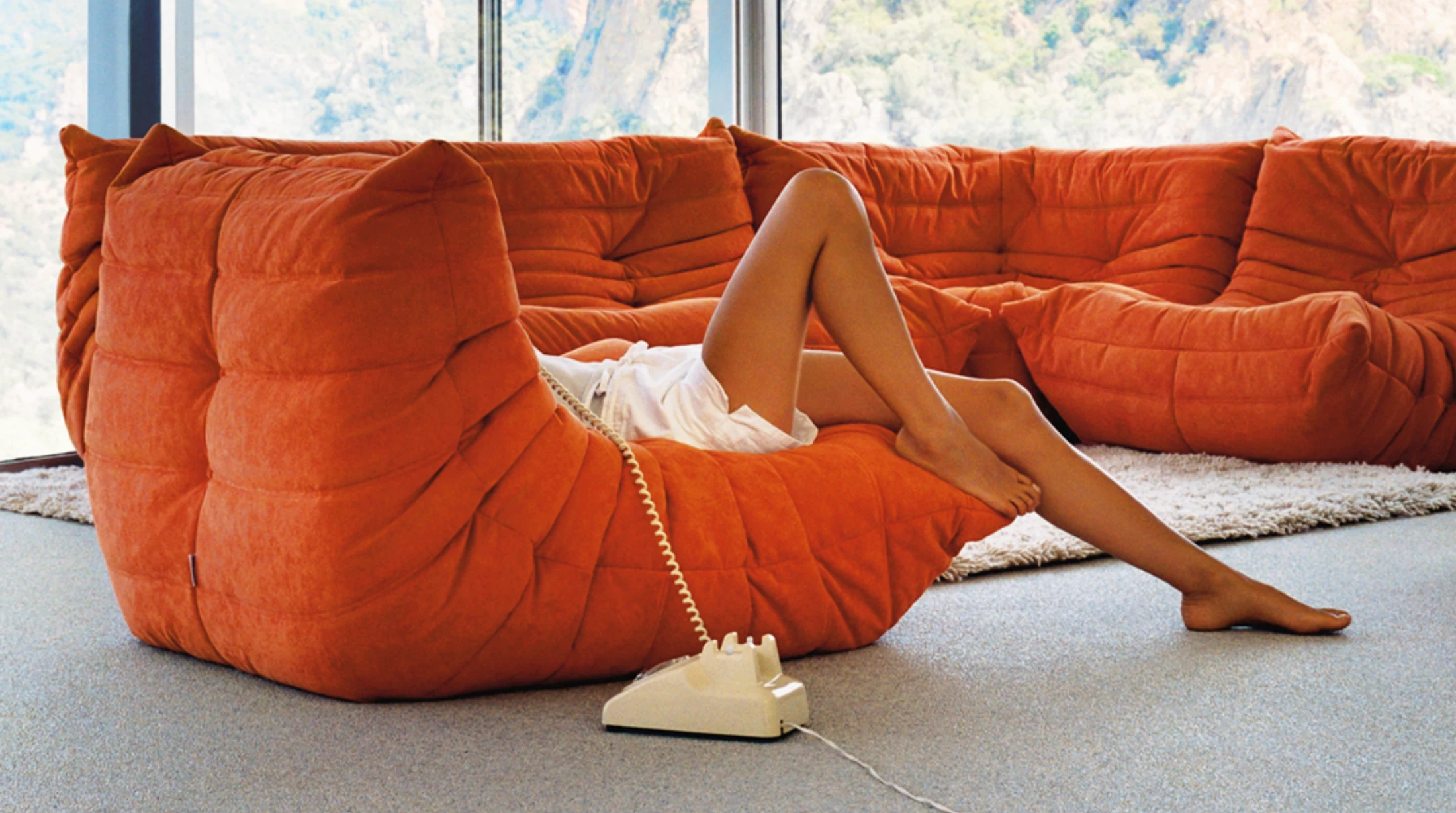
They’re everywhere. So much so, it’s all a bit unoriginal, isn’t it? And yet, admit it: you kind of want one, don’t you... The aura of cool confidence and nonchalance – so French! – and the unmistakably 70s flavour that somehow feels so... now. But what is it about the Togo sofa that makes it so seductive after all these years? And most importantly, is it actually comfortable?

Penny Craswell
Writing:
Writing:
Penny Craswell
Photography:
Photography:
Magazine Current IssueMagazine Current Issue
The After shot of the Floorplan
Before
before
after
After
Top
Arrow UpArrow Up

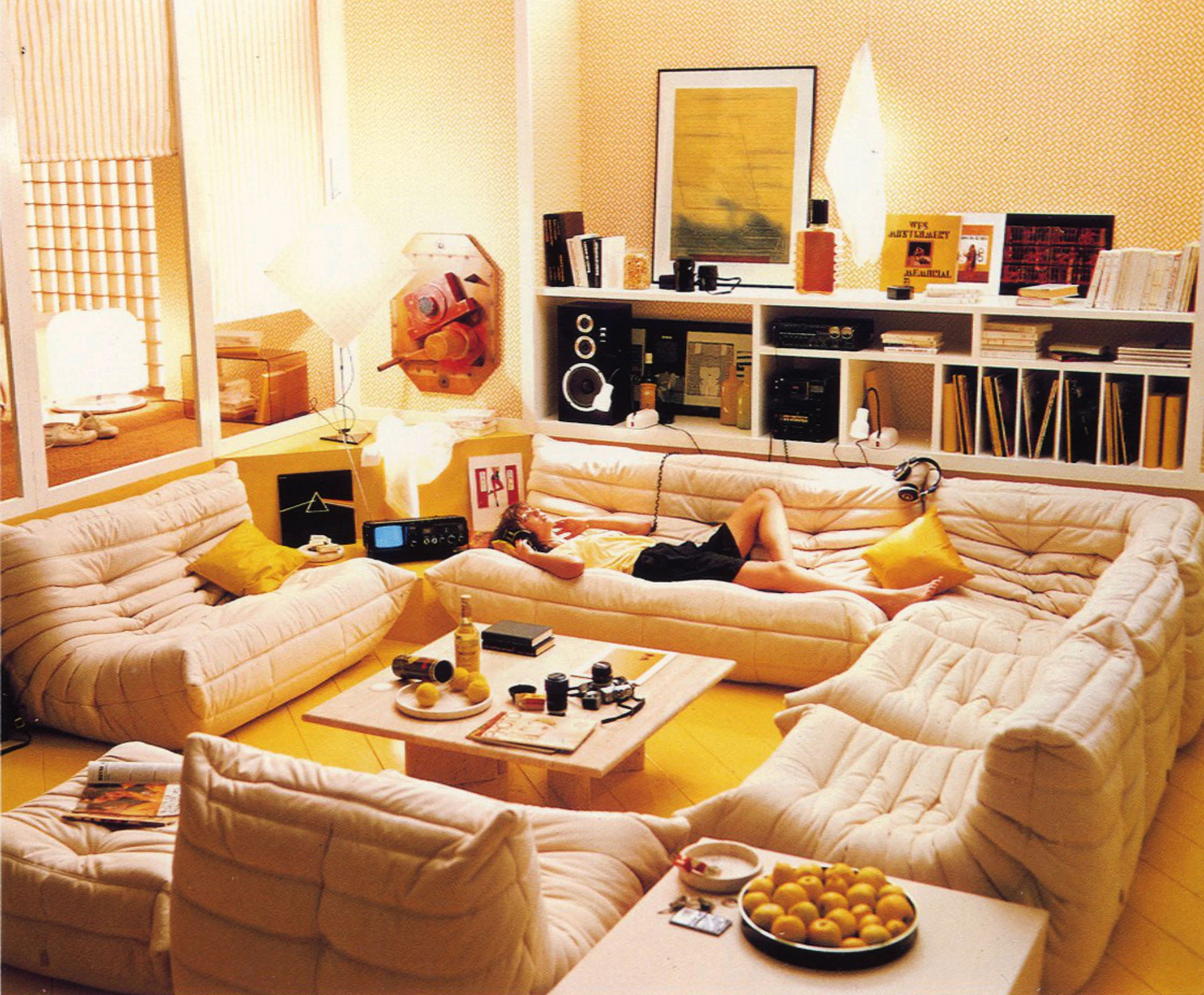
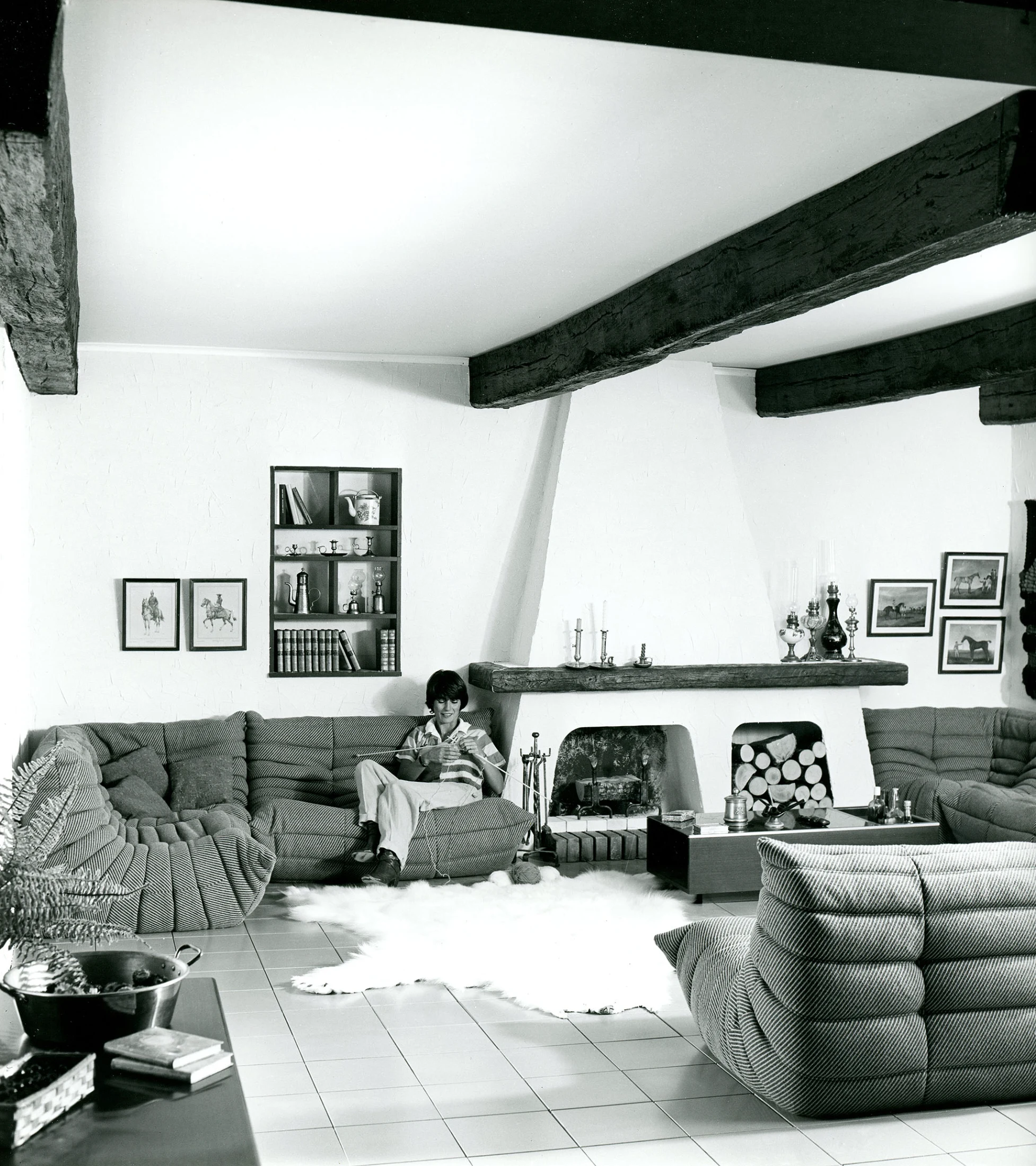
Some of the best, squishiest, most enduring sofas were designed in the 1970s. A far cry from the stiffness of the Chaise Longue of 16th-century France or the rigidity of the Chippendale of 18th century gentlemen's clubs; these were sofas for relaxing into. Bulbous, sculptural shapes were enabled by new developments in foam technology – perfect for dates or family nights in front of the television. Iconic designs include the hippo-like Camaleonda sofa by Mario Bellini, the cloud-like Marenco Sofa by Mario Marenco and the curvaceous Soriana sofa by Tobia and Afra Scarpa. And, the one that has recently become one of the most prized possessions (or aspirations) of a new generation, designed by Michel Ducaroy – the Togo.

It's everywhere

"Did someone ask for more Togos?" A five-second TikTok from November 2023 encapsulates the craze for the Togo sofa. The screen slowly fills with messages from customers "When you guys gonna get more Togo sofa? Want it so badly" until there are more than a dozen similar messages. The image then cuts to stop motion footage of a showroom floor slowly filling with Togo sofas, one after another. This is Renew Finds in Brooklyn, who found the demand so high that they had to start sourcing Togos from Europe. "One day, an influencer posted their Togo set on Instagram, and the next day people were out scouting," says Jess, the owner. And almost overnight, a piece that had been easy enough to source before 2020 was suddenly impossible to find. At one point the waiting list for a new Togo was 72 weeks.

Also in Brooklyn, vintage furniture store Home Union experienced the same. Owners Meaghan and Daniel started sourcing the Togo sofa about five or six years ago. "And then in 2020 they really had a moment," says Meaghan. Her partner Daniel says: "We got emails daily for Togos. They would sell in a matter of minutes." The Togo sofa became their most requested piece of furniture from 2020–2022. Across the Pacific, the popularity of Togos is also high. Leah Morris of Webb's Auction House in Auckland has been on the lookout for a Togo for herself. She loves how they look and how comfortable they are to sink into, while also being lightweight and easy to move around. "I love that Togos have an almost timeless form. While they were designed in the early seventies, there is something so modern about their appearance." She's hoping to get one in their quarterly Design Live auctions soon.
Revolutionary beginnings

Togo was born into a time dominated by Vietnam war talks, the oil crisis, women’s liberation and a lot of orange.

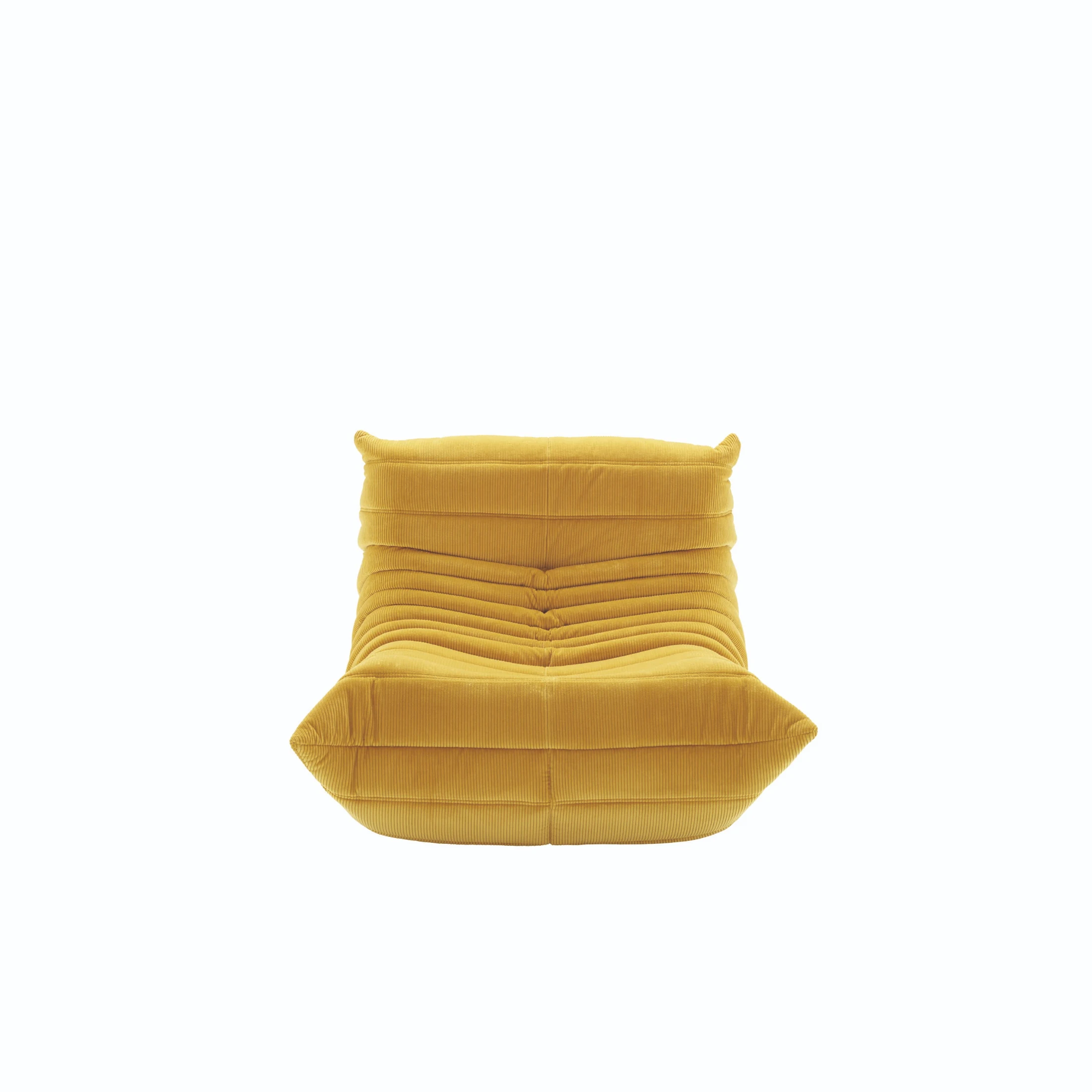
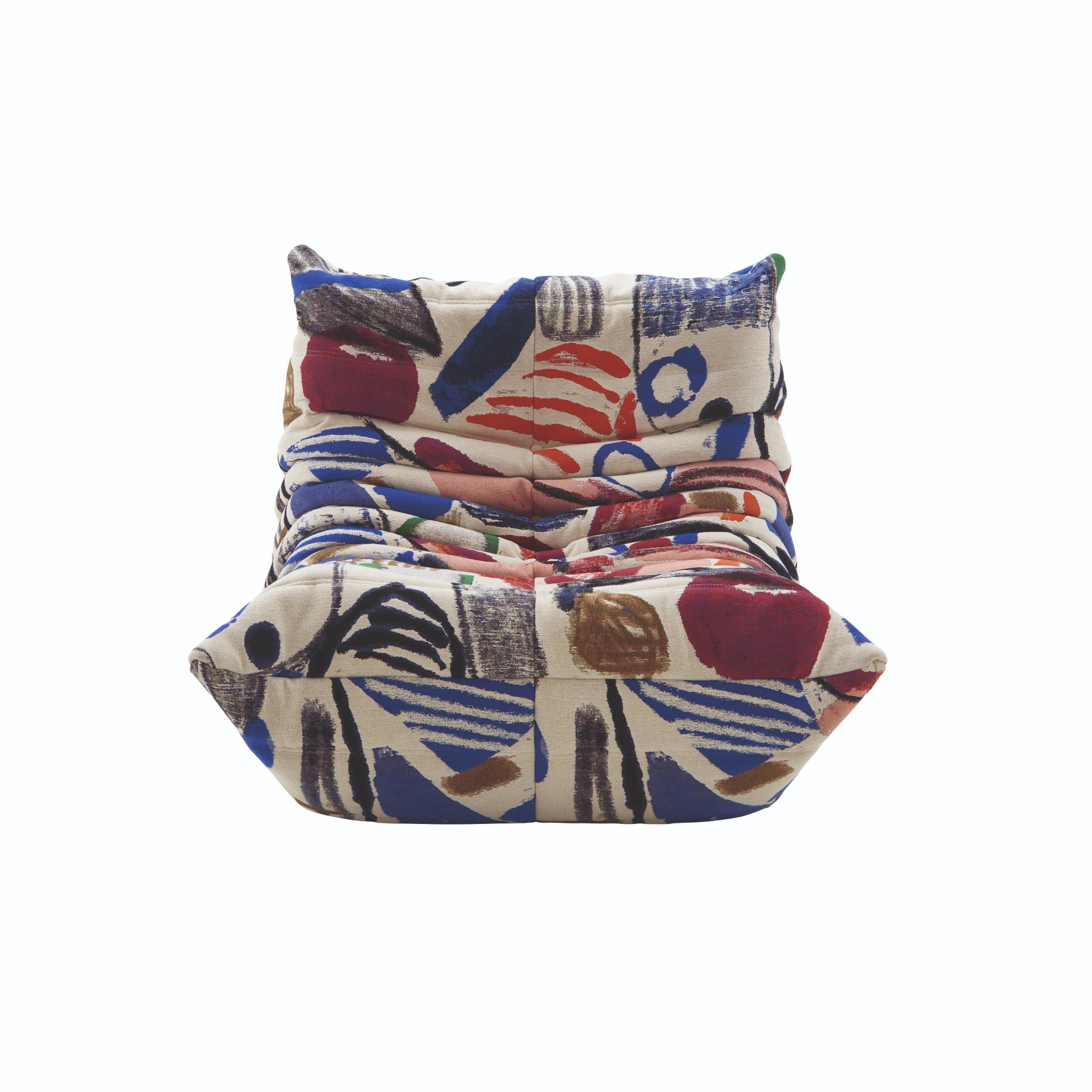
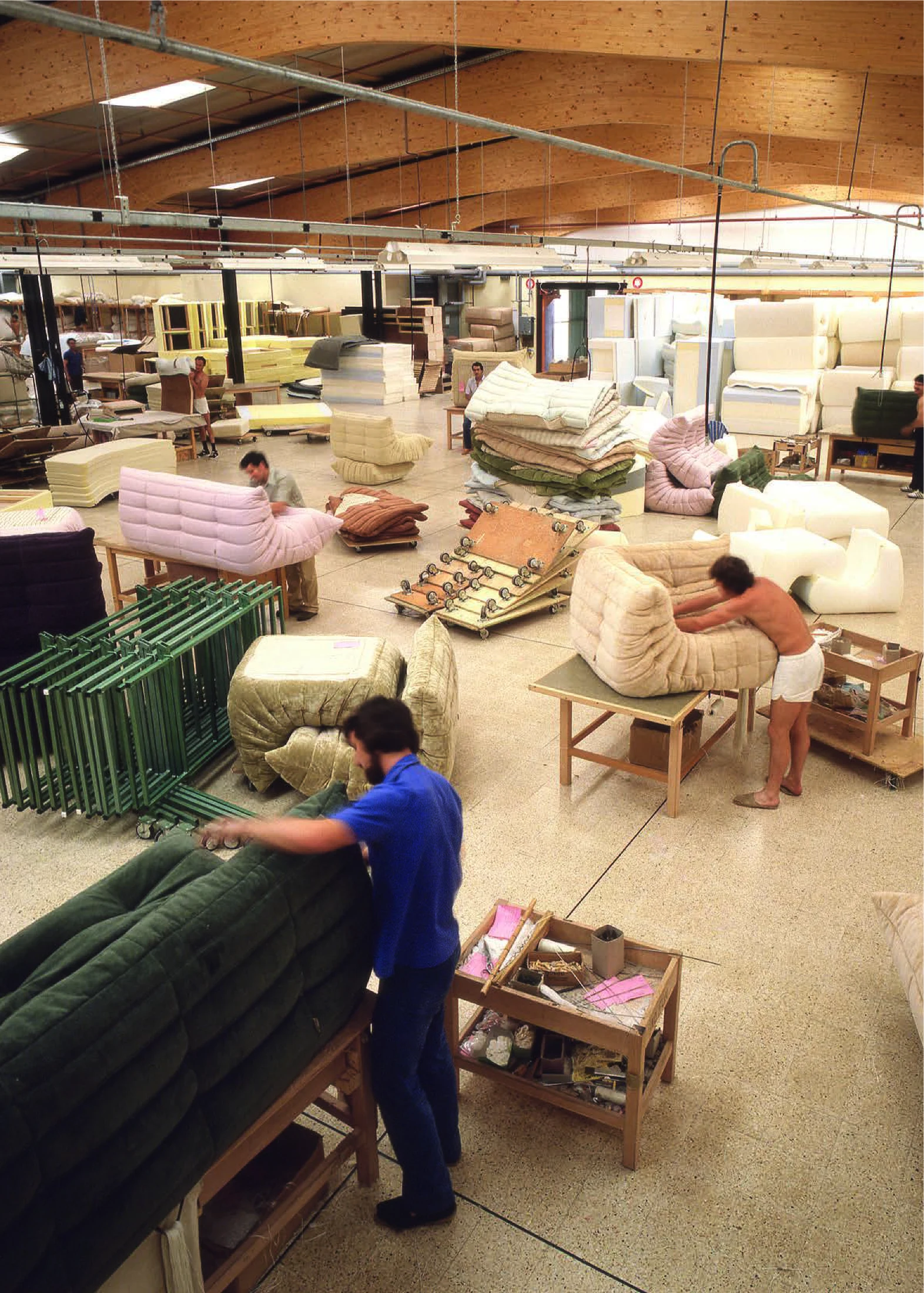
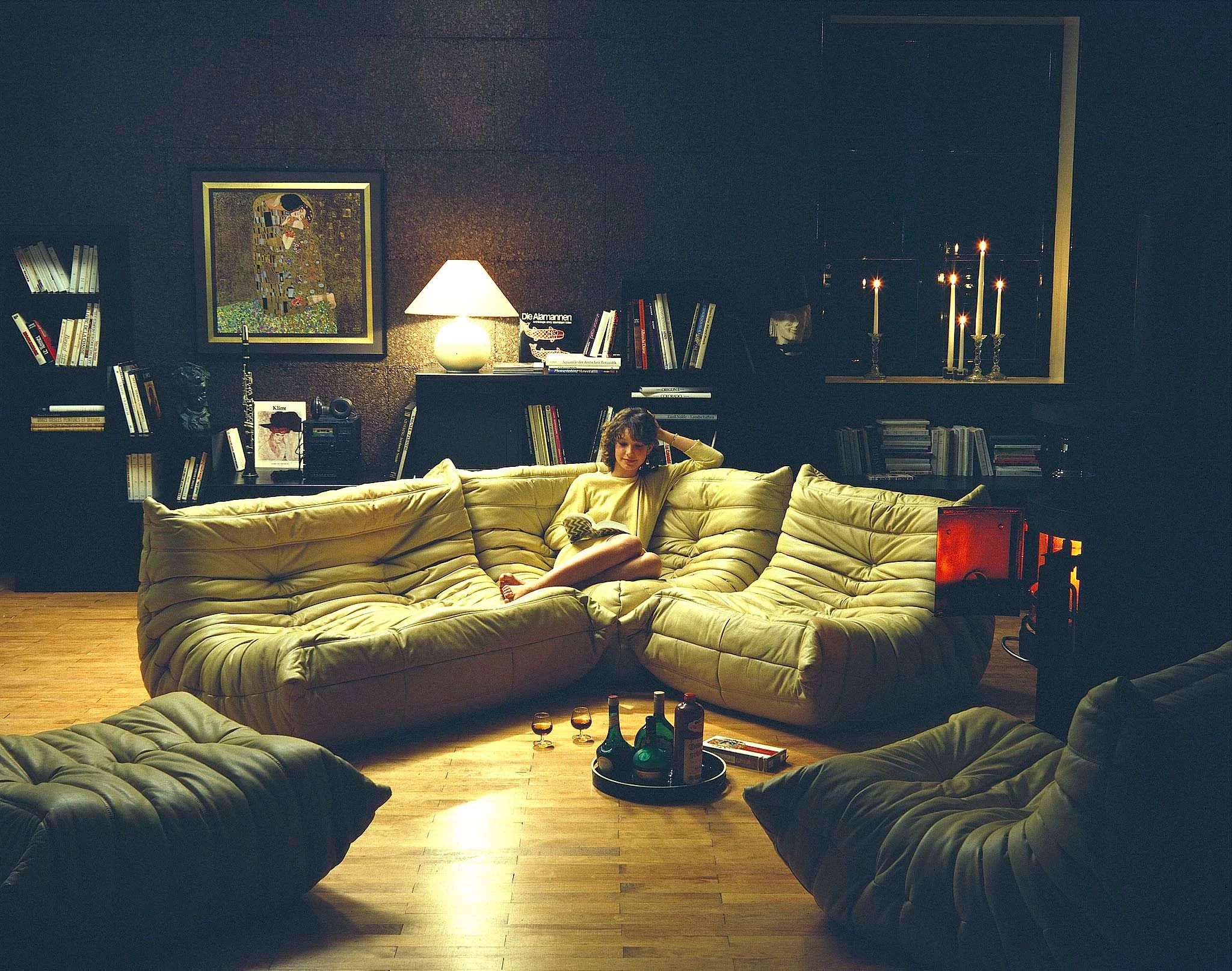
The Togo sofa was originally designed in 1973 by Michel Ducaroy for family-owned French furniture company Ligne Roset. Born into a family of designers and furniture makers, Ducaroy first started working with Ligne Roset as an independent designer in 1954, before developing one of the first modular all-foam chairs, the Adria in 1968. It was in 1973 that he designed the Togo, an all-foam modular sofa/armchair with quilted covers and a form inspired by a rolled-up tube of toothpaste.

The 1970s was a time of massive change in the world. In a recent podcast titled, Sofa, Looking for Togo, French journalist Aurélie Sfez explores the sofa in detail, finding that the Togo was born into a time dominated by Vietnam war talks, the oil crisis, women's liberation and a lot of orange. At home, the introduction of the television to living rooms led to a new kind of sofa: one designed for lounging. It was also a less formal time, a time following the mass protests of the late 1960s, where people wanted to throw away the uptight formality of former generations. A revolutionary age demanded a revolutionary sofa and the Togo answered by rewriting notions of comfort, posture and convention.

Togo continued its popularity well after the 1970s, with manufacturer Ligne Roset estimating that at the time of its 50th anniversary in 2023, 1.5 million Togos had been sold, and that's not even including the many dupes and replicas. I visited my local Ligne Roset distributor, DOMO Showroom in Sydney to try an original Togo out for myself. It is wonderfully comfortable as you sink in but not easy to get out of. Togo's low-slung design is part of its appeal for young people as it bridges the gap between bean bag and furniture – and may well explain why so many vintage Togos have been coming onto the market as the original owners of the sofa age. Indeed, at DOMO, they find that Togo buyers are usually in their twenties and thirties, and that kids love them.

At one point the waiting list for a new Togo was 72 weeks.

From Sydney to Warsaw

For interior designer Matt Woods, a red Togo armchair and matching footrest were the perfect choice to balance vintage and contemporary design at his renovation of a heritage house in Sydney's inner west. The streamlined curves of the existing interwar building were kept, with a new second level added. The Togo alongside other red furniture pieces were selected to complement the contemporary white and timber interiors. "It's a light and versatile armchair with a classic aesthetic," says Woods. With his design leaning into the retro charms of the heritage home, he sees the Togo playing a key role in this narrative while ensuring the end result feels contemporary.

In Warsaw, another Togo creates a totally different feel – here the space features a harmonious mix of colours, including dark green chairs, a peach pendant lamp and pale pink kitchen cabinets on a basic palette of timber and white. This eclectic assembly, designed for the sister of architects Kalina and Robert Juchvenic, includes a vintage mid-brown leather Togo armchair that slots seamlessly into the mix.

And in Los Angeles, Togo again takes pride of place in a mid-century gem of a house by Studio Muka. This time in white leather, the sofa anchors the living space, complementing a timber wall behind it and a burgundy wall in a kitchen nook around the corner. Not shown in the photo is the view from the Togo – a wall of floor-to-ceiling windows looking out to a green garden. "As you sit lower to the ground while nestled in the Togo sofa, you gaze outward towards the rich gardens," explain Zabie and Neda from Studio Muka. "[For] our clients, who work in healthcare under harsh fluorescent lights for long hours, the need for being part of this natural environment was key and Togos were vital to this idea." For the interior designers, the Togo was a natural choice: "The fact remains that if a design object withstands the test of time, its presence will always remain intact."

Too true. Here's a sofa that has not only stood the test of time but has defied it – offering its plump and slouchy curves and revolutionary comfort to successive new generations. Long live the Togo.

Writing:
Writing:
Penny Craswell
Photography:
Photography:
Back to Top
Arrow UpArrow Up
Top
Arrow UpArrow Up
The After shot of the Floorplan
Before
before
after
After
Businesses featured in this project
No items found.
Products featured in this project
No items found.
Magazine Current IssueMagazine Current Issue
Writing:
Writing:
Penny Craswell
Photography:
Photography:
Back to Top
Arrow UpArrow Up