
Magazine Current IssueMagazine Current Issue
The Space Between: How Artists Are Redefining Tokyo's Urban Landscape
From our Mag
May 1, 2025

The Space Between: How Artists Are Redefining Tokyo's Urban Landscape

Ryuta Ushiro of Chim↑Pom – one of Japan's most prominent artist collectives – enlightens us on the evolving character of Tokyo’s urban art scene.

"Beneath the surface of our capitalist society, countless small, fascinating spaces are emerging, fostering a diverse and inclusive village-like community that accepts everyone."

Writing:
Ayumi Taguchi
Writing:
Photography:
Photography:
No items found.
Magazine Current IssueMagazine Current Issue
The After shot of the Floorplan
Before
before
after
After
Top
Arrow UpArrow Up

These are the words of Ryuta Ushiro, a member of Chim↑Pom from Smappa!Group, one of Japan's most prominent artist collectives. In Tokyo, where urban development progresses at a staggering pace, the cityscape seems to transform overnight. Shibuya, with its relentless redevelopment, always feels like it's mid-construction. As shiny new commercial facilities spring up, we walk past them and struggle to recall what used to stand there. Yet, according to Ushiro, in the spaces between all this imposing, impersonal and big-scale impermanence you will find a growing number of public art spaces in Tokyo that are as diverse as the communities they welcome.

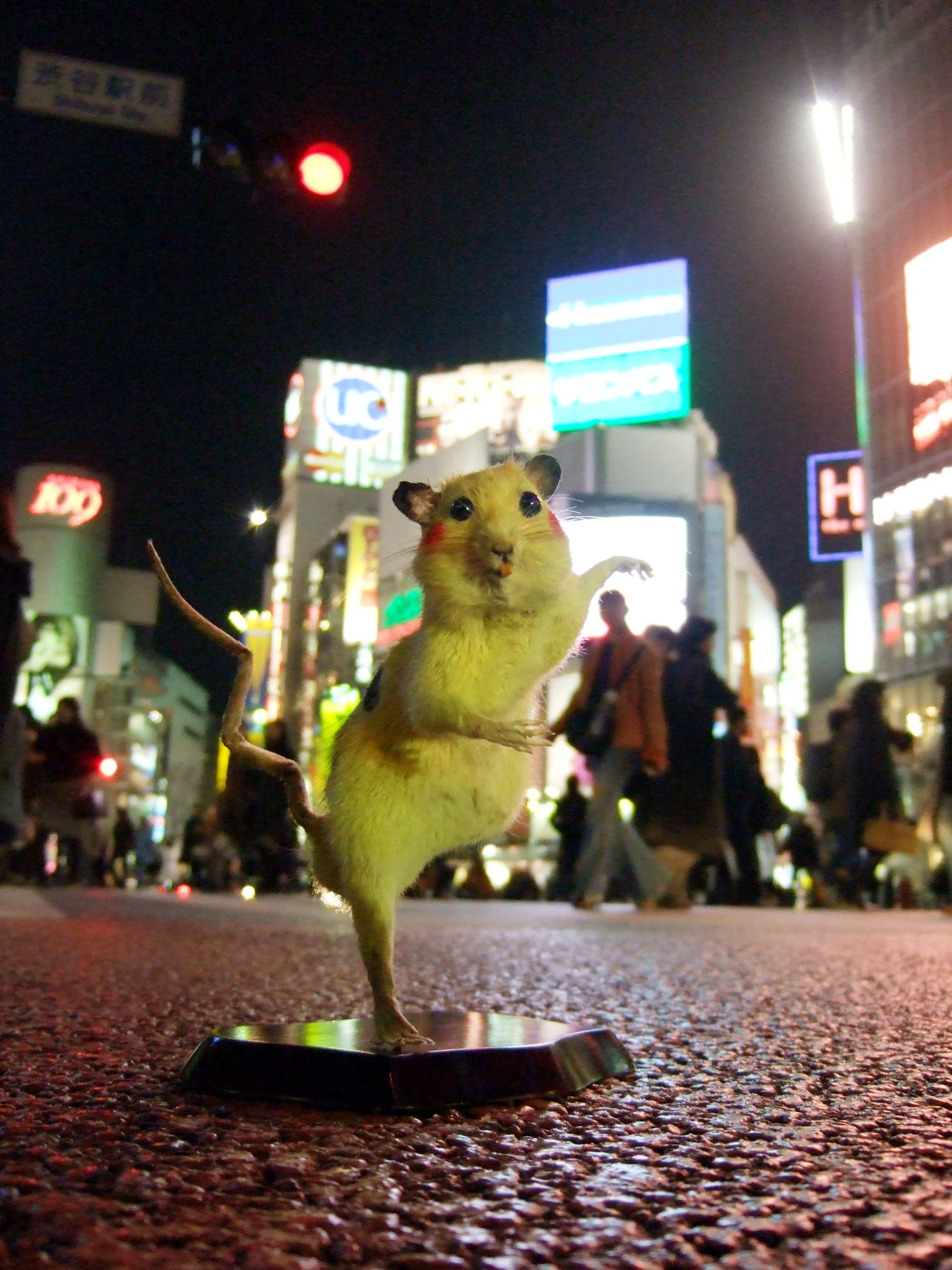
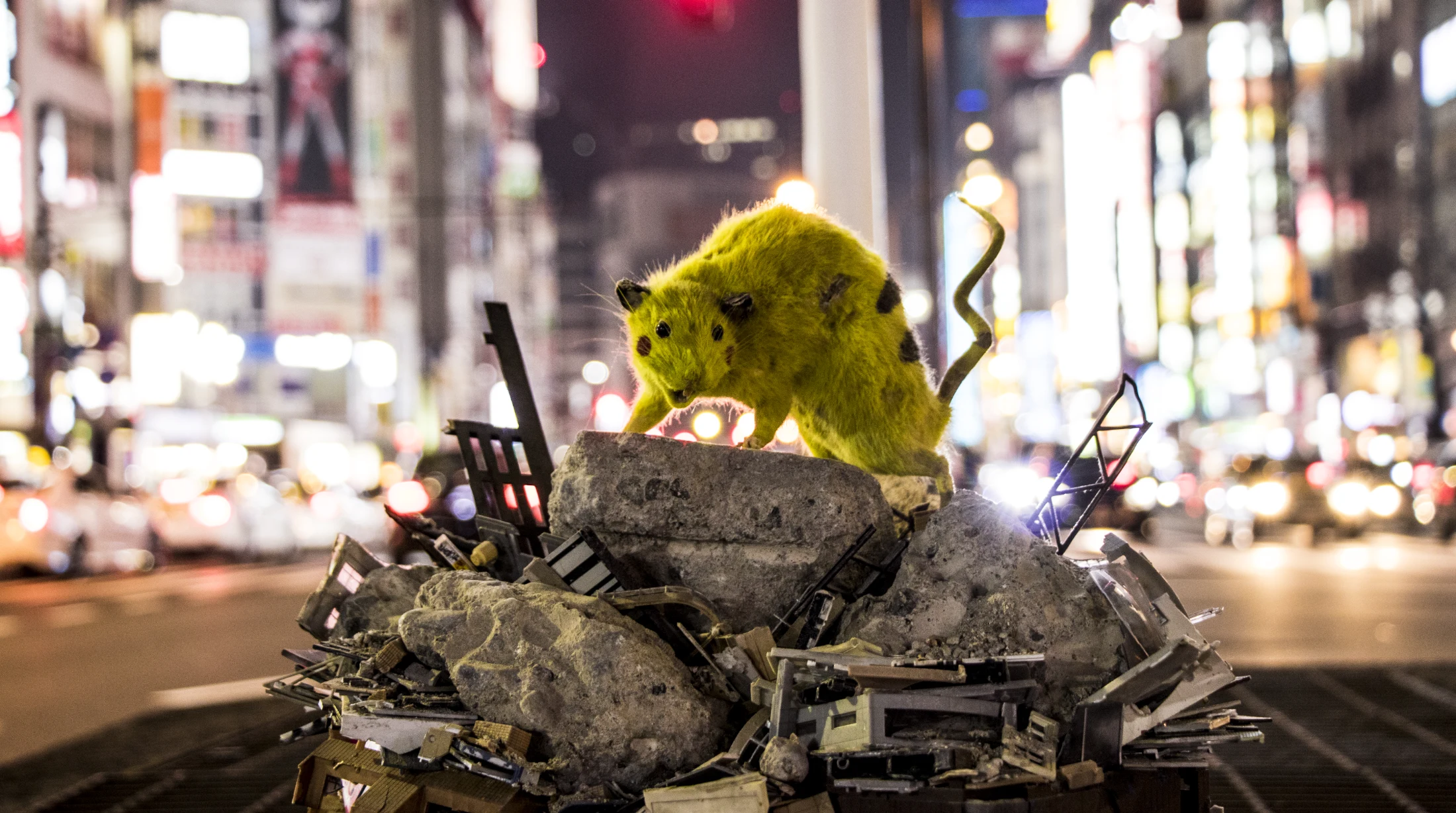
In 2006 an artist collective roamed the streets of Shibuya with butterfly nets purchased from Don Quijote¹ chasing an infestation of rats. That was Chim↑Pom from Smappa!Group (hereafter referred to as Chim↑Pom) – a Tokyo-based artist collective founded in 2005, consisting of six members: Ryuta Ushiro, Yasutaka Hayashi, Ellie, Masataka Okada, Motomu Inaoka, and Toshinori Mizuno.

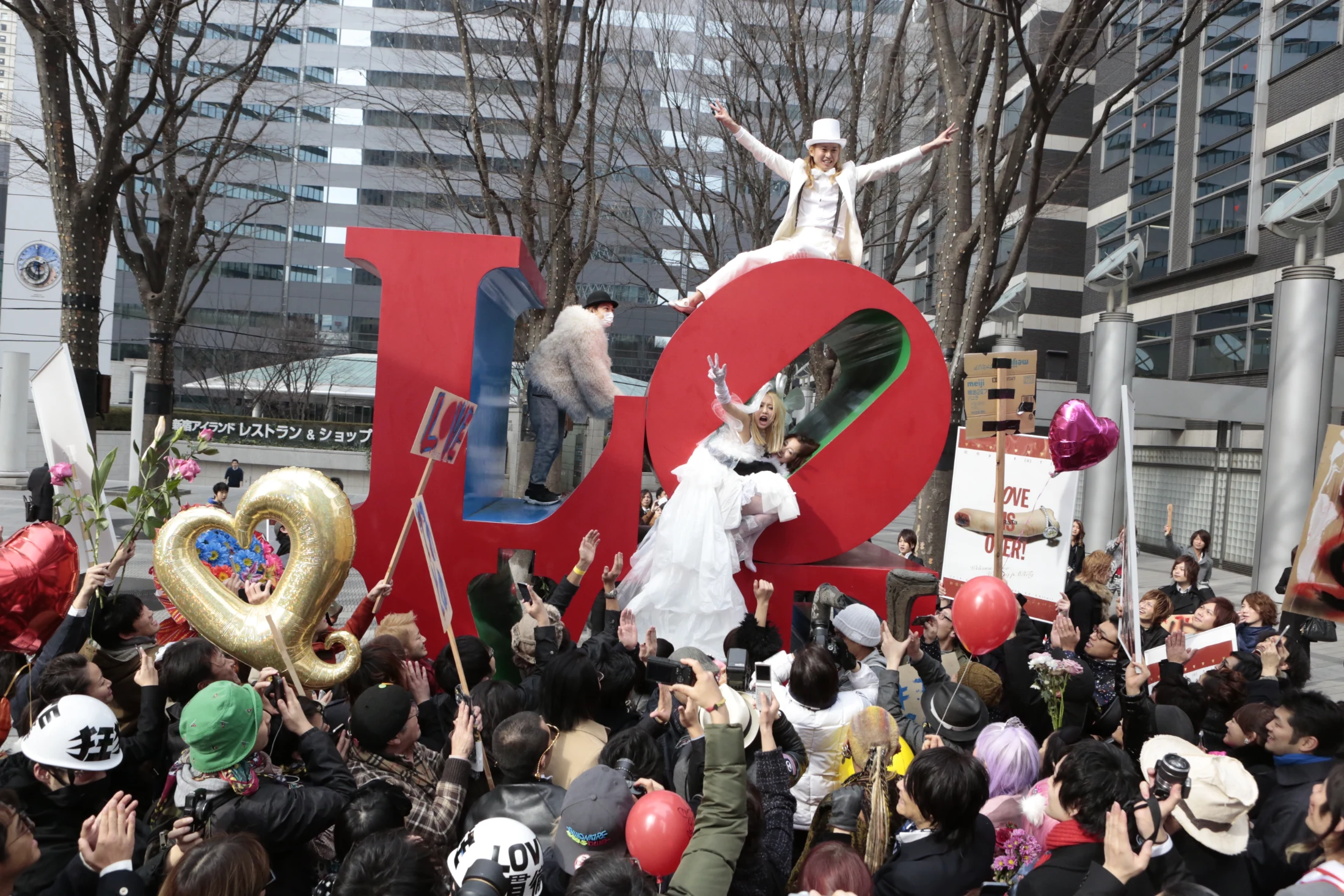
The rat story? That's Super Rat (2006), one of the group's earlier works. But it's far from their only bold project. In Level 7 feat. Myth of Tomorrow (2011), they added a haunting, nuclear disaster-inspired image to the bottom right corner of the empty space in Taro Okamoto's iconic mural Myth of Tomorrow in Shibuya Station – painted in a style so reminiscent of Okamoto himself that it almost looked part of the original image. Then there's LOVE IS OVER (2014), a raucous midnight wedding reception for member Ellie that evolved into a noisy demonstration on the streets of Shinjuku, held under police surveillance the next morning.

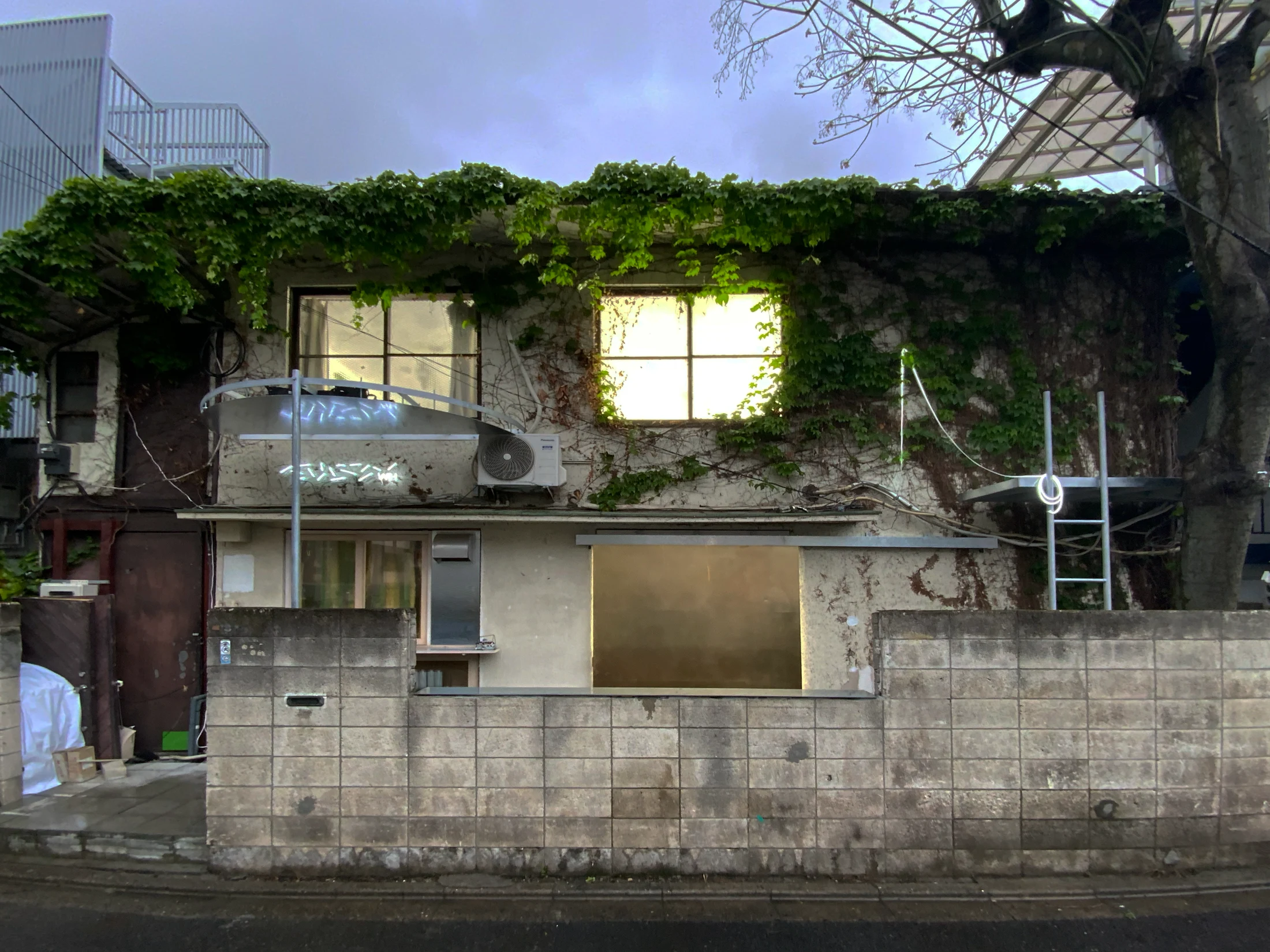
Chim↑Pom's creative activities are never confined to the walls of galleries. Their work happens spontaneously, guerrilla-style, in the middle of urban spaces. For them, the city itself is the canvas, transcending the traditional boundaries of public and private space. We meet Ryuta Ushiro at the WHITE HOUSE, a gallery in Shinjuku that he runs and our conversation quickly moves to the powerful influence of art on the culture and public realm of a city.
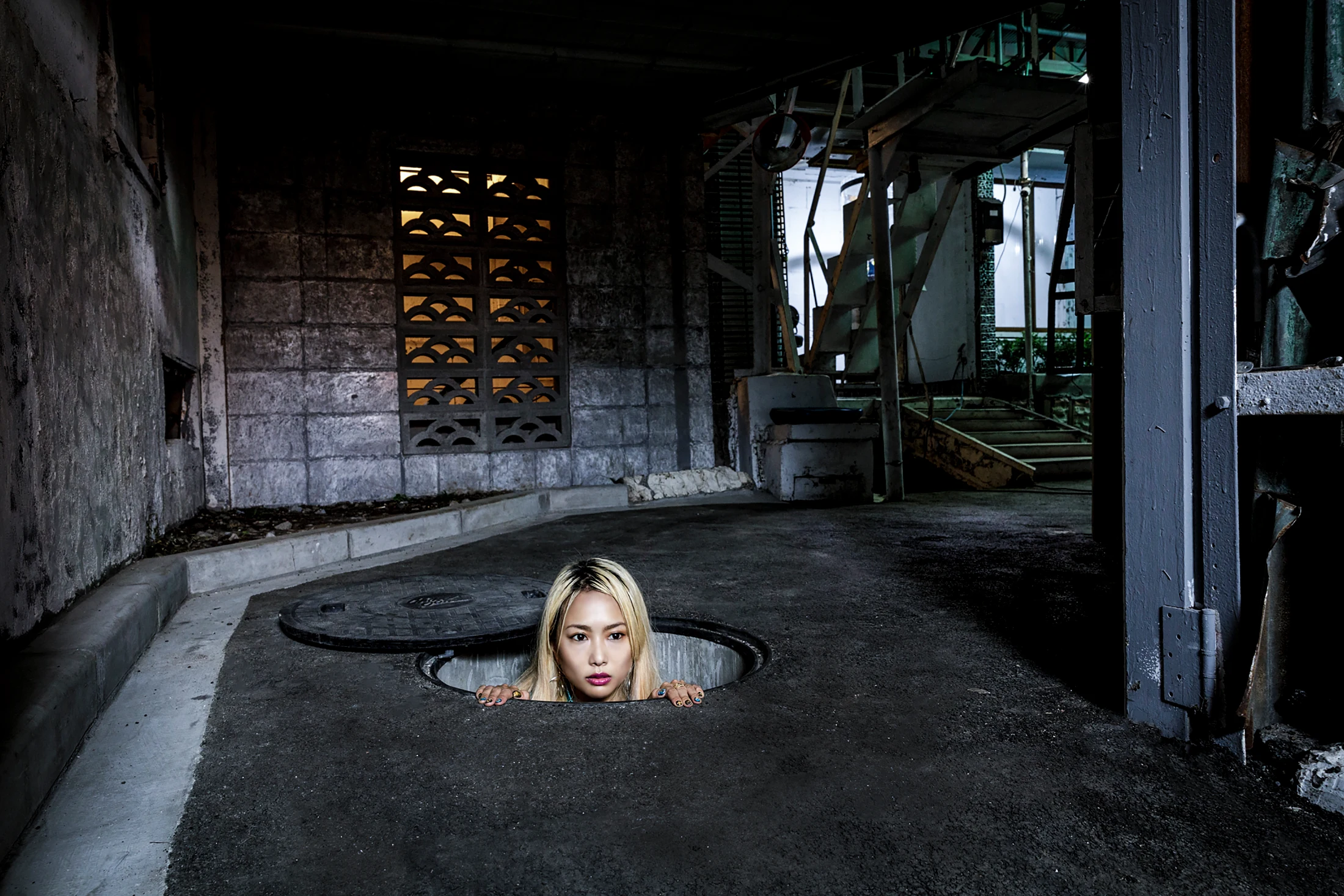
NTS: This is such a unique building. Could you tell us a bit about it?

Ushiro: Yes, this space has quite a history. It was built in 1960 by the architect Arata Isozaki. Back then, it was a hub for an avant-garde art group called the Neo-Dadaism Organisers. These were artists known for their radical and experimental approach to art.

At the time, it wasn't just architects – artists of all kinds were free to explore and express their ideas about the city in any way they liked. This house, like many others, became a gathering spot where they'd meet, collaborate, and throw wild parties every weekend.

It was an era when these extreme individuals – artists, in this case – could come together and create something that reached the wider public. You could even say that post-war democratic society, which now seems somewhat outdated, had the capacity to embrace such extreme individuality and was open to expanding the concept of “public.”

NTS: What would you say has changed since then?

Ushiro: The 1960s was an exciting time forJapanese art, a time when architects and artistscould freely explore and develop urban theories. Compared to then, it has become muchmore difficult today. In modern Tokyo, whereurban development is driven by capitalism, it’sincredibly hard for individuals to create something for the city based purely on their ownvision or ego. That being said, we’re in an erawhere artists are reinterpreting what alreadyexists. This kind of “reinterpretation” has ledto a rise in artist-run spaces. There are quite a few in Tokyo, and if you visit them one by one, you’ll find they each have their own unique personality, which makes them fascinating.This trend has significantly grown over the past five years or so.

NTS: The idea of “reinterpretation” is interesting: shifting focus from the exterior of buildings to emphasising their contents and how to edit them. Adaptive reuse and meanwhile use are concepts being explored creatively in many cities around the world, but where in Tokyo do you see this kind of reinterpretation happening?

Ushiro: Sumida Ward in Tokyo is an excellent example of where artists are creating their own unique ecosystems. The area is famous for the Tokyo Skytree, so its potential for redevelopment is high due to that. However, it remains a neighbourhood rich in nature, surrounded by the Sumida and Arakawa rivers, and strongly retains its traditional downtown atmosphere. Anticipating redevelopment, an artists' movement to share rented spaces has started. Additionally, it is characterised by the many old nagaya (row houses), which have survived largely unscathed by past wars. Since 2020, the area has hosted an art festival called the “Sumida Mukojima EXPO,” which has given rise to many fascinating spaces that make use of the district’s unique character. Artists, installers, chefs and other creative individuals are subletting these old houses and turning them into modern, vibrant spaces.

One such space is called “Kyojima Station,” run by ‘installer’ Hirose Gai. It’s an old house with a nostalgic, retro vibe, yet inside, you’ll find all kinds of surprises: a giant hole in the building, chickens being raised, a pond with koi fish, a curry restaurant, and displays of the artist’s work. It’s packed with intriguing details and creative twists.

NTS: In cities like Seoul and Singapore, we see efforts to create cultural hubs by hosting international art fairs or inviting major galleries. What kind of place, then, fosters art that arises more organically?

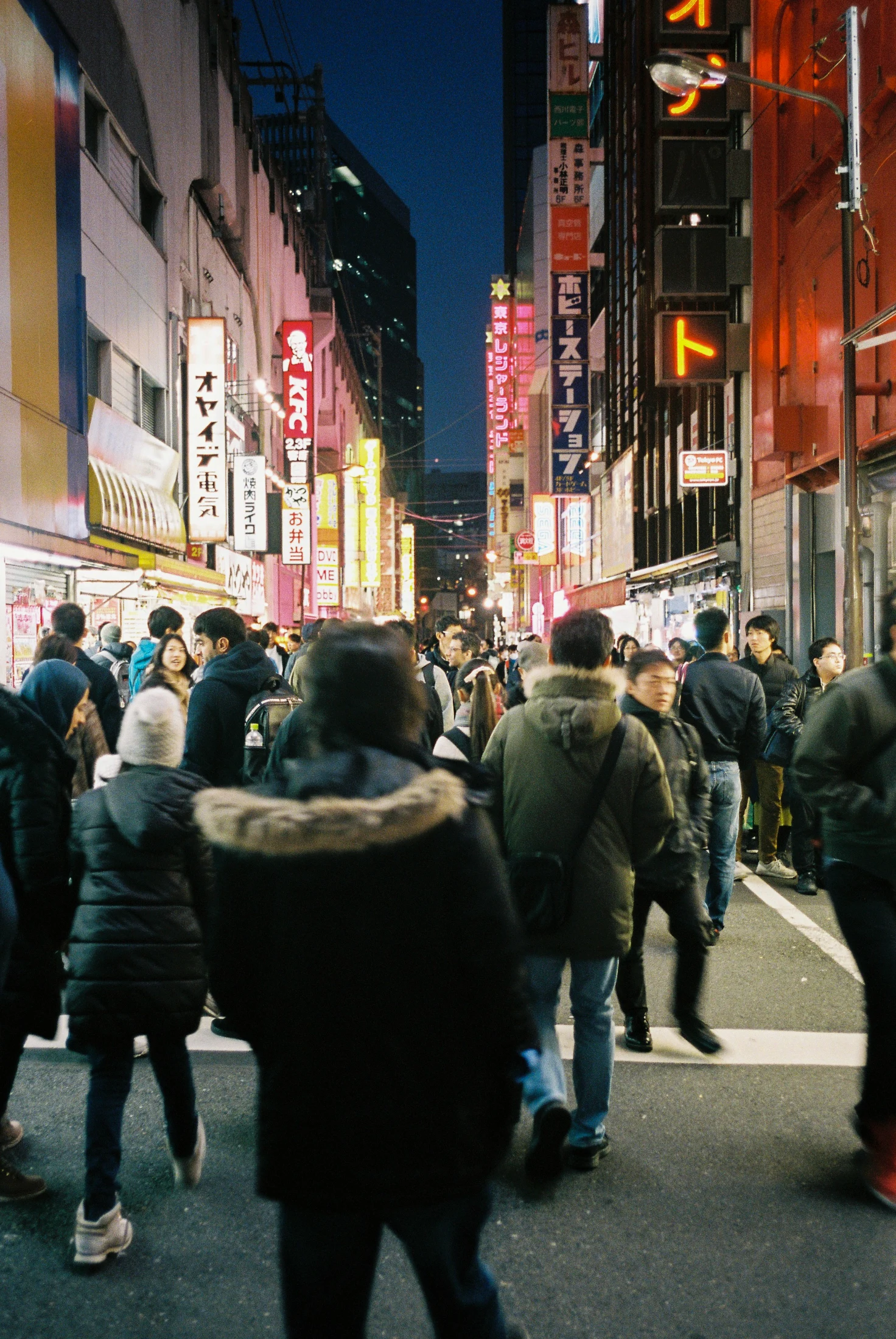
Ushiro: I think it’s related to the magnetic field of the place. Take Shinjuku’s Kabukicho, for example. The area was originally intended to host kabuki theatre but failed, leaving only the name behind. Now it’s a nightlife district, where the entertainment industry thrives. One of our members, Ellie’s husband, Maki Tezuka, is the chairman of the Smappa! Group, which runs clubs and restaurants in Kabukicho. He once said, “Kabukicho is a city of losers.” It’s a place where people who’ve failed – whether students or professionals – gather. They become hosts, run bars or simply wander around the streets.

Kabukicho is a place that embraces the idea of being a perpetual loser. It also has a history as an LGBTQ+ neighbourhood. In other words, it's a place where people seeking a sense of belonging have found their way. It’s a place where services and bodies are exchanged, so everything that happens there is intangible. It’s a performative, momentarily shining kind of place.

The art history of this area is also similar, with several legendary guerilla happenings recorded.

Even if the scenery changes, the accidental art happenings that have occurred in Kabukicho will be remembered, etched into art history. These moments are stronger than anything that remains as buildings or physical objects. When trying to create new art here, it becomes part of the reinterpretation of the space. This is the kind of magnetic force the area has.

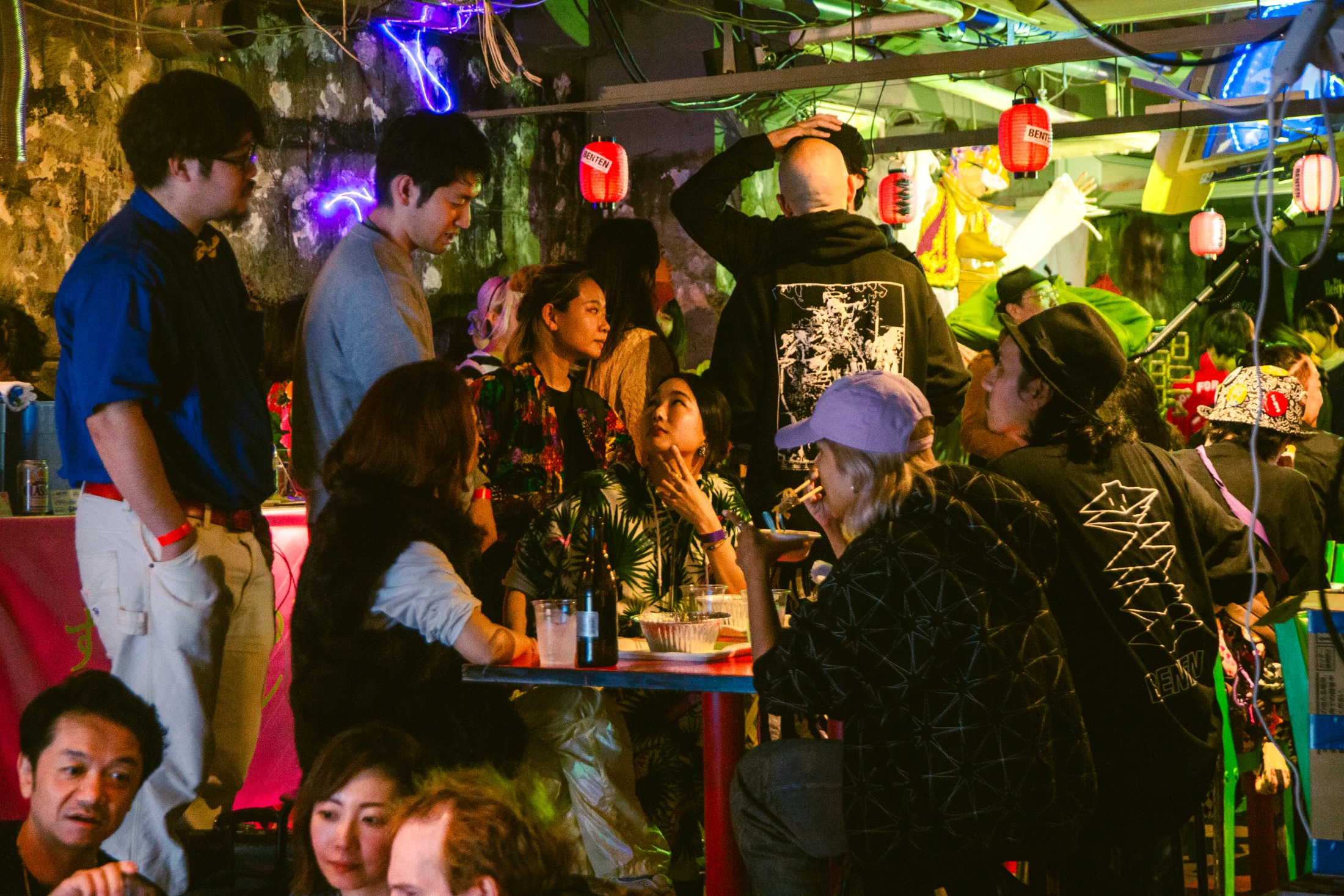
NTS: I recently visited your "BENTEN2" event in Kabukicho. The art in Kabukicho felt incredibly raw and visceral – it really got under my skin.

Ushiro: The former chairman of the Shinjuku Kabukicho Shopping Street Association once said, “Kabukicho is safe, but you don’t need to feel secure.” And that’s exactly it. I’ve had a long relationship with Kabukicho, and I think that part makes the place suitable for art. It was a clear turning point for contemporary art during the [Covid] pandemic. The WHITEHOUSE, where we’re sitting now, was created during that time, as well as the art space Decameron and even a Noh theatre3 for traditional Japanese performances.

While all the museums in Tokyo closed, art activities continued in Kabukicho. I mentioned that it’s a district associated with the adult entertainment industry, and was once mocked by the media as the “nightlife district”, almost as if it were a source of the COVID-19 virus. However, artists are, in a way, part of the same system. They are able to remain fluid and detached from societal norms, and during the pandemic, they kept moving to ensure that art wouldn’t be defeated. Before we knew it, small art spaces were popping up everywhere, and I started to feel like this place was becoming an arts district, almost like an art ecosystem.

NTS: The public spaces crafted by artists – the work of individuals – seem to hold a lot of potential for Tokyo’s future. What do you think the defining characteristic of Tokyo’s future will be?

Ushiro: I guess it would be diversity. Just like how Sumida and Kabukicho are completely different, there are various characters within Tokyo itself, such as Akihabara, Ueno, and Koenji. Each area has its own influential figures and associations, and there are rules unique to each place. It's almost like various artist-run spaces are operated in a village-like manner, and that, to me, is diversity. The "magnetic field" of a neighborhood doesn't get affected even with redevelopment; it's like the DNA of the area that’s always been there.

Tokyo today is a city where artists are creating small public spaces in various ways. Beneath the surface of our capitalist society, countless small, fascinating spaces are popping up, fostering a kind of diverse, inclusive village community. Even though the scale is small, countless public practices are happening across Tokyo. There are so many different shades, so you should just go to the place where you feel most comfortable.

¹ ”Don Quijote” is a popular Japanese discount store chain known for its eclectic assortment of products, ranging from daily essentials to unique, novelty items.

² “BENTEN” was a three-day art night event held in Shinjuku's Kabukicho in early November 2024. The event involved a deep exploration of small art spaces scattered throughout Kabukicho, with Chim↑Pom serving as the artistic directors.

³ “Noh theatre”, originally known as the “Nakajima Shinjuku Noh Theatre” established in Kabukicho in 1941, was purchased by Smappa!Group in 2022 and renamed the “Shinjuku Kabukicho Noh Theatre”. The space serves as a platform for promoting Japanese culture both domestically and internationally.

Writing:
Ayumi Taguchi
Writing:
Photography:
Photography:
Back to Top
Arrow UpArrow Up
Top
Arrow UpArrow Up
The After shot of the Floorplan
Before
before
after
After
Businesses featured in this project
No items found.
Products featured in this project
No items found.
Magazine Current IssueMagazine Current Issue
Writing:
Writing:
Photography:
Photography:
Back to Top
Arrow UpArrow Up