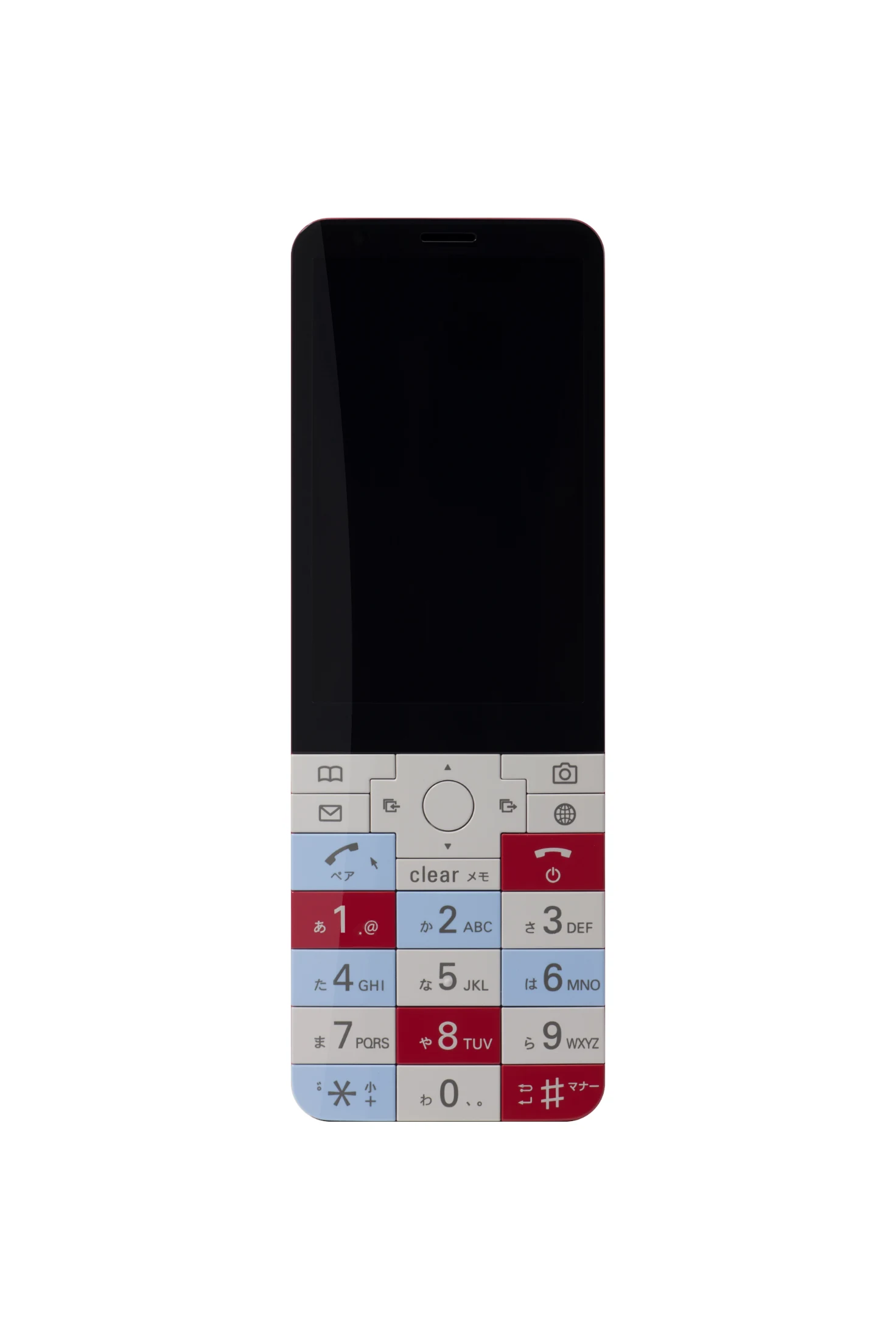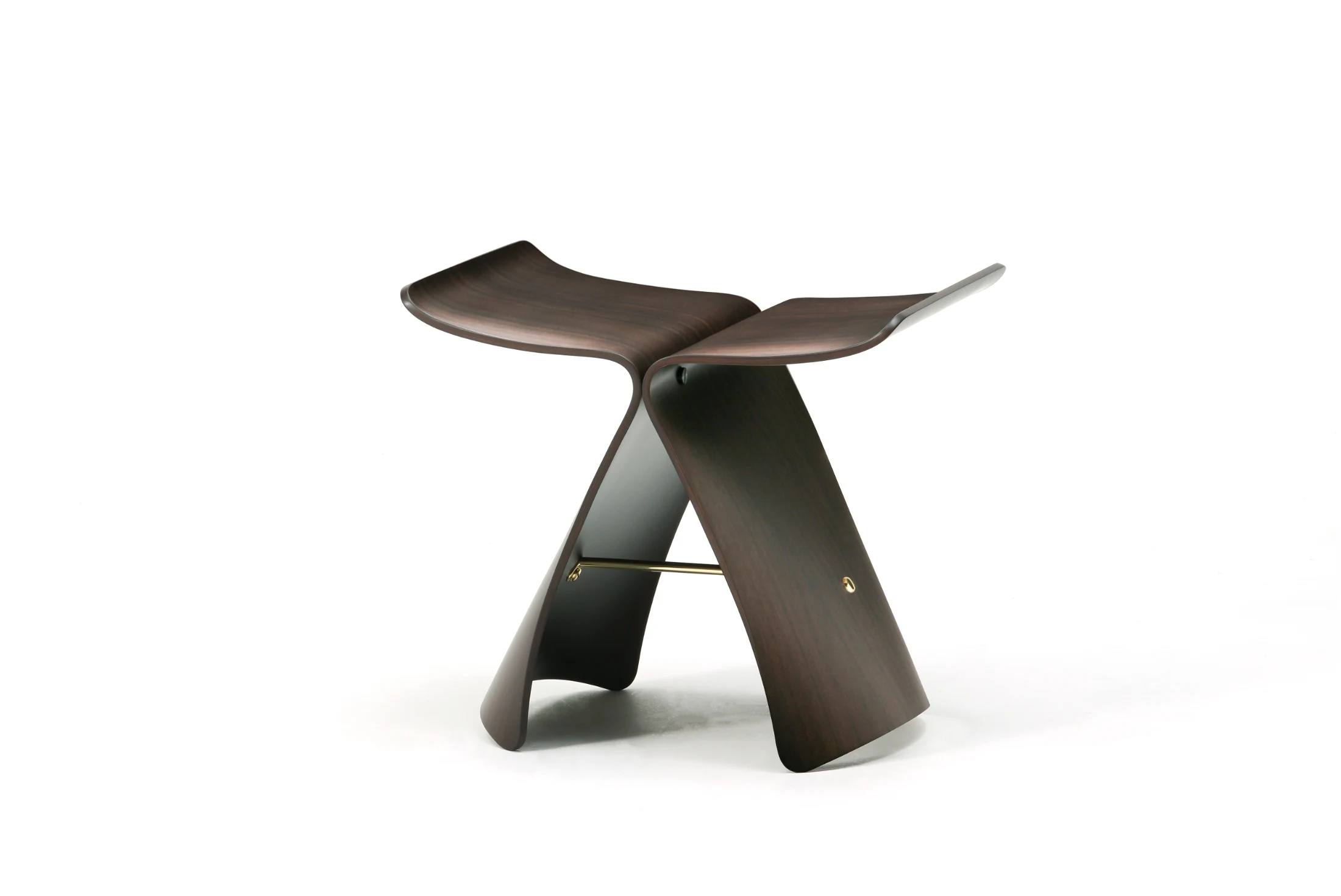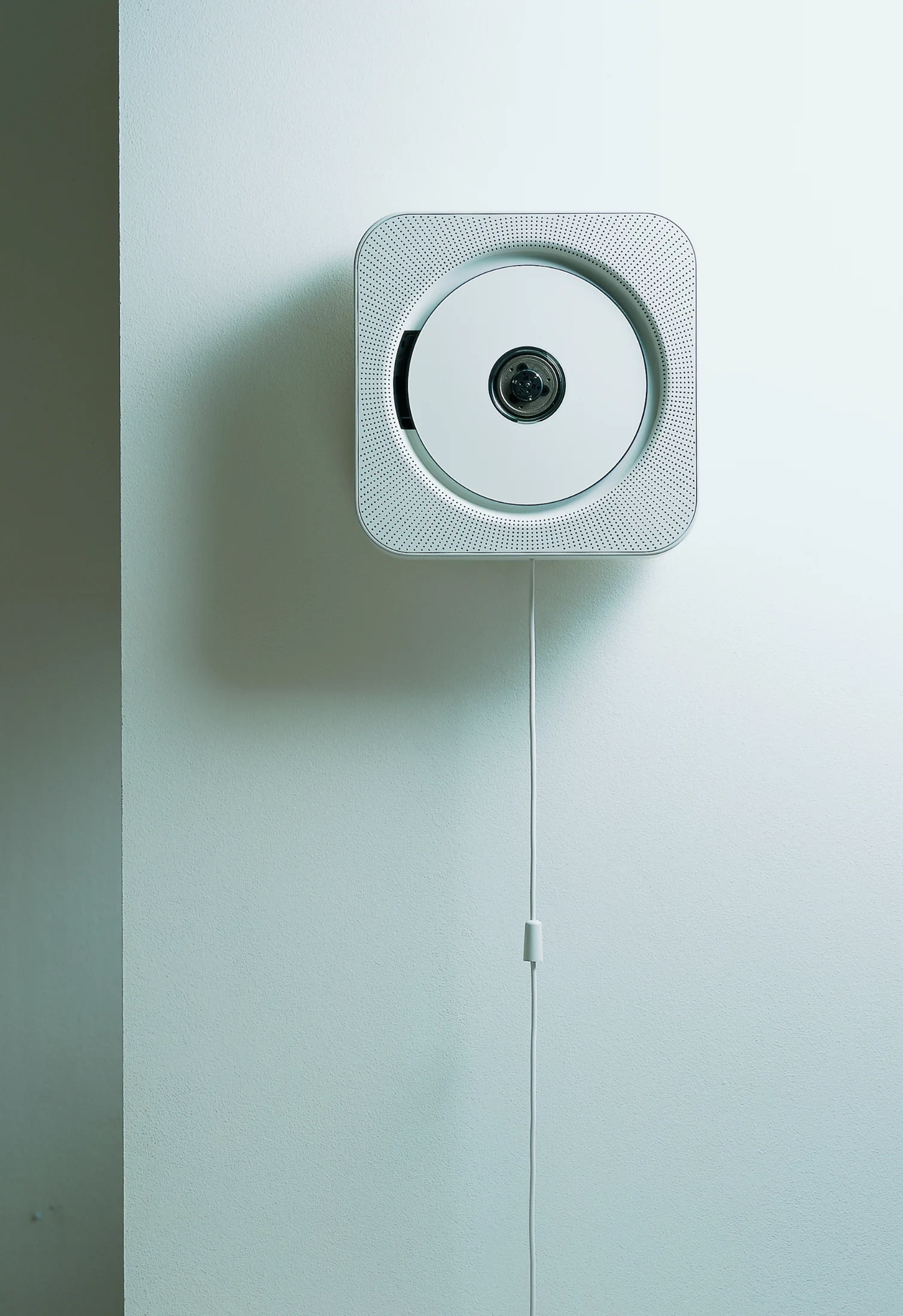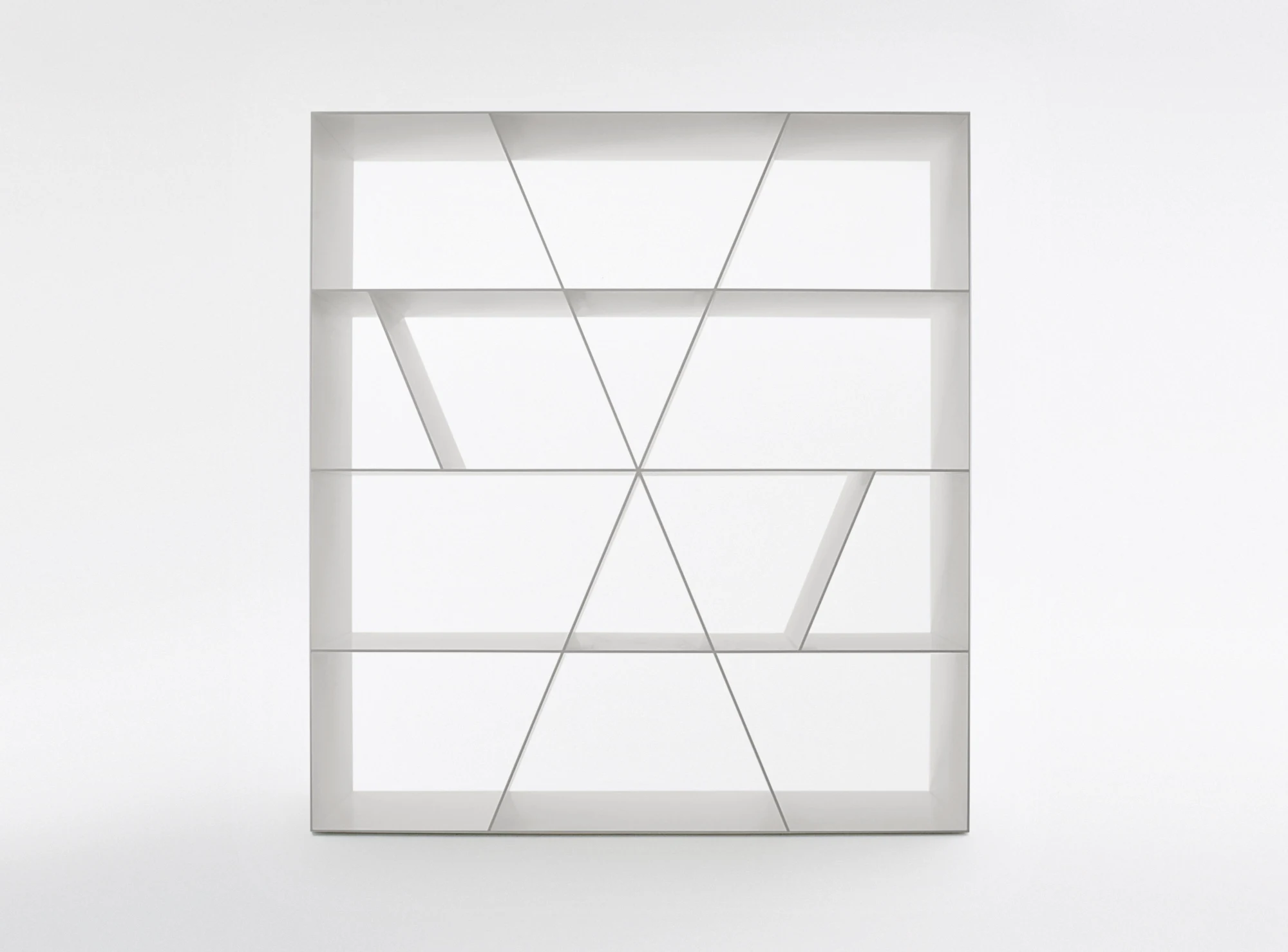



When I was travelling through Japan in 2014, I stayed for a few nights at a shukubo in Koyasan, a little Shingon Buddhist temple town, tucked away in the mist-covered mountains south of Osaka.
On the first night, the monks invited us to join them for a meal in the communal dining hall. Rain was pounding the forest outside, slashing through the night in great sheets of water, and our group sat awkwardly on the floor, unsure where to put our legs, as a saffron-clad figure placed a small table in front of us. On the table was a teapot, a cup, a pair of chopsticks and a delicate selection of vegetarian shojin ryori (monk food). Nothing fancy, spartan even, but all done with the care and the attention to detail I'd come to characterise as typically 'Japanese'. Whatever that meant.
I remember looking closely at the teapot. It was simple, handmade thing. You could tell by the slight asymmetry, and the way the clay bulged like a wonky pear. But it was warm in my hand, and it felt good, and in a weird way these imperfections somehow enhanced its beauty, and I definitely spent more time looking at that teapot and simply enjoying it as a thing than I'd done during any of my previous encounters with teapots. Read into this what you will.
“That’s the thing about Japanese design,” says American architect and author Naomi Pollock, “whether it’s furniture or architecture or industrial design, you have to look closely, because there are layers of beauty there.”
Naomi Pollock wrote the book on Japanese design. Literally. It's called Japanese Design Since 1945: A Complete Sourcebook, and it's one of 11 books Pollock has penned on the subject. If you want to know what connects the concrete architecture of Tadao Ando with the textiles of Sudō Reiko and a kettle designed by Sori Yanagi, Naomi is the person you call. Especially if you want to answer the fundamental question that seems to float around all Japanese design, which is: why are we so obsessed with it?
"You have to remember," Naomi tells me from Chicago, "that after the War, and certainly into the 1970s, Japanese products were (rightly or wrongly) viewed as cheap. The words 'Made in Japan' weren't a good thing. And then at some point, somewhere around the 1980s, there was this flip, where 'Made in Japan' became associated with high quality."
To understand how brands like MUJI, Uniqlo and Comme de Garçons have taken over the Western design world, and the principles that link them together, you have to rewind the tape slightly. All the way back to 2 September 1945, when Japan formally surrendered to the Allies and marked the end of World War II.
The concept of 'good' design wasn't alien to Japan in 1945. In fact, there was even some crossover with the Bauhaus school in the early 1940s, when legendary French architect Charlotte Perriand worked for the Japanese government as a design consultant. What we think of as 'Japanese style' can really be traced all the way back to the Edo Period (1603–1868), or even the Azuchi-Momoyama Period before that (1573–1603). But the end of the War is still a good place to draw a line: old Japan and new Japan, Meiji monarchy vs. US-backed constitution, agricultural economy turned manufacturing powerhouse.
"After the war, Japan was poor. Really poor," Naomi says. "And they figured that exports would be a good way to boost the economy, so a lot of goods made in Japan, at that time, were made for the overseas market. Of varying quality, I might add. But the bigger issue was Japanese companies basically copying designs from Scandinavia and America, which didn't land too well."
These were the two original sins of post-war Japanese design: cheap quality and derivative ideas. To remedy the situation, the Japanese government established the Good Design Awards in 1957. These awards are still around today, where they're known by their symbol, the G Mark, which has become synonymous with design excellence. The idea was to reward Japanese designers for their originality and somehow cultivate a design language that felt wholly and authentically Japanese. Something the country could own, and therefore sell. Artisans and companies got to work, and factories began popping up all over the country.