Magazine Current IssueMagazine Current Issue
Tastes Like Peranakan
From our Mag
August 1, 2026

Tastes Like Peranakan

More than a pretty pastel backdrop, the Instagrammable shophouses of Singapore’s Koon Seng Road are a window into the fashion and flavours of Peranakan culture.

You might know the colourful houses from Instagram, but there’s a lot more to Singapore’s Peranakan heritage than Koon Seng Road.

James Shackell
Writing:
Writing:
James Shackell
Photography:
Photography:
The After shot of the Floorplan
Before
before
after
After
Top
Arrow UpArrow Up

Here's a fun game. Wander down Koon Seng Road in Singapore's Katong-Joo Chiat neighbourhood and try to count the selfie sticks.

Often included on lists with titles like 'The 10 Most Instagrammable Places in Singapore', Koon Seng Road is mostly known today as a place where people go to take photos, or stand in front of buildings, or take photos while standing in front of buildings. It's a beautiful street, lined end-to-end with pastel-coloured 1920s terrace houses. But beyond the million-dollar gated facades, and behind the well-preserved Notting-Hill-esque paintwork, this street actually has a deeper significance.

In the early 20th century, this was one of the centres of Peranakan culture in Singapore.

If you've never heard the word 'Peranakan' before, don't worry. You're not alone. Most visitors to Singapore – even those who make a point of travelling down to Katong-Joo Chiat, Instagram at the ready – don't know much about Peranakan history. Which is a bit of a shame, since Singapore is, if nothing else, a triumph of diversity and multiculturalism, and the Peranakan people embody this idea better than most.

The word Peranakan originates from the Malay language, which (in the 1800s) was a bit of a lingua franca on the seas of South East Asia. In Malay, anak means 'child', so Peranakan can be loosely translated as "born of" or "descended from". Peranakan Singapura, for example, means born in Singapore¹.

But Peranakan isn't just about ancestry. And it isn't restricted to one place, or one people. Since the 19th century, the name has become a cultural catch-all for several groups of traders and immigrants – Chinese, Indian, Arab and Tamil – who settled in port cities throughout the Malay Archipelago, marrying into the local population and creating a head-spinning number of cross-cultural combos. There are Chinese Peranakans, Chetti Melakans from India, as well as Jawi and Arab Peranakans. The common thread that holds them all together (other than an obscure, Malay-based creole dialect) is a melding of cultures. To be Peranakan is to be born local, but with heritage from elsewhere. Or from everywhere. Always caught between two worlds.

"With Peranakan cuisine, for example, you get this amazing mixture of Chinese and Malay influences," says Head Chef Marcus Leow from new-gen Singapore restaurant, Belimbing. "One popular dish is pongteh. It's made with a kind of Malaysian rempah spice paste, but cooked down with Chinese soy sauce and dark soy, which is obviously not something that's used much in Malay or Indian food."

Both Marcus's parents were Chinese Peranakan, and Belimbing is his attempt to blend some of those early childhood flavour-memories with modern Singaporean cuisine. The result is Peranakan – but not your granddad's Peranakan. "The dishes we do, they're not exactly what my grandmother would have cooked," he laughs.

"But we do try to layer those Peranakan flavours into the food from the very beginning, so it feels intentional. For me, it's a way of showcasing my personality and my culture. The direction that we're taking – it's something that I can't run away from."

It's important to remember that Peranakans existed before Singapore did. Many families came from established Straits Settlements such as Malacca and Penang, where Chinese traders had been inter-marrying and settling down from as early as the 15th century. When Stamford Raffles established Singapore as a British port in 1819, it quickly attracted merchants, clerks and trading families from all over the Malay Archipelago, and Peranakan culture started to put down roots.
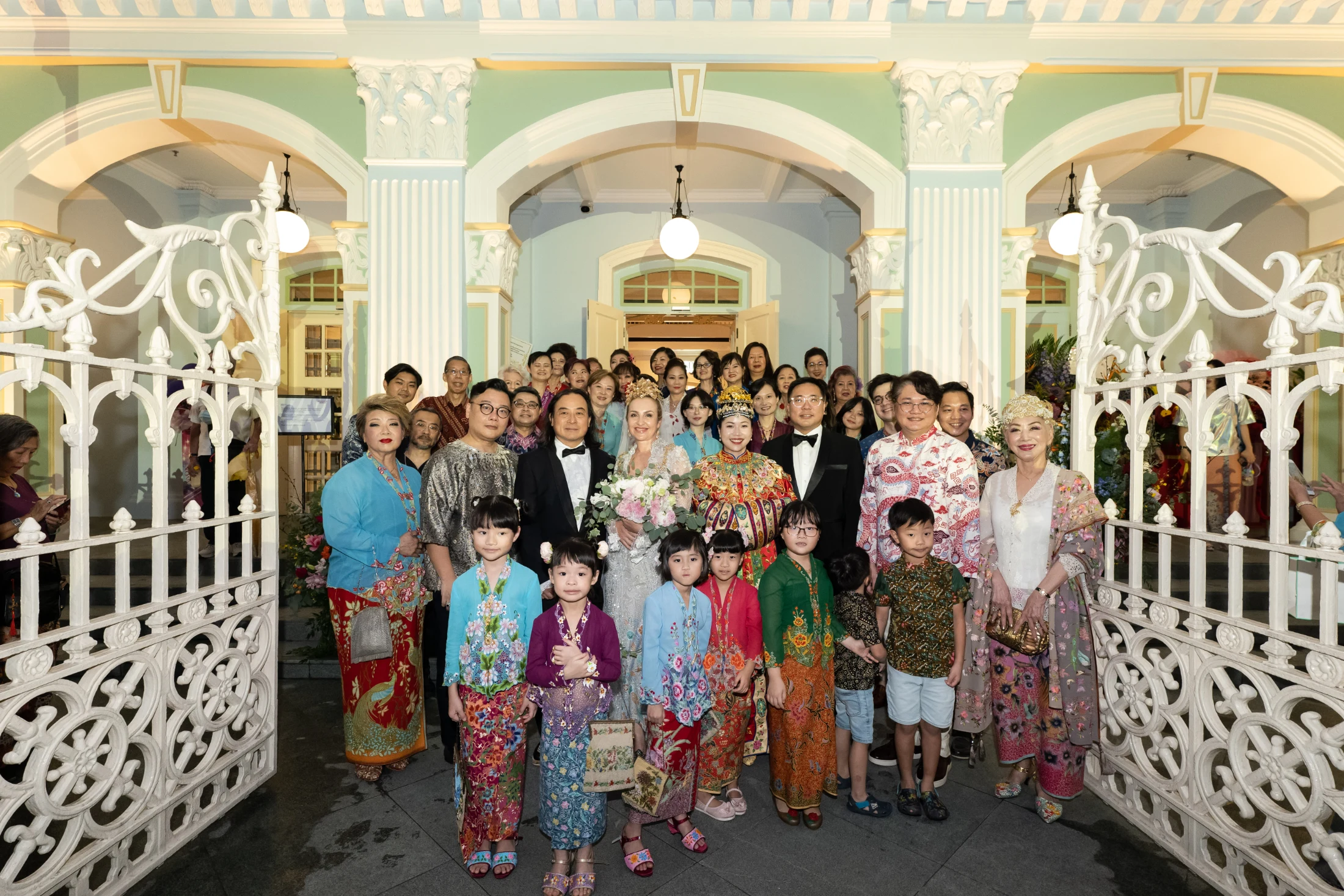
From the 1870s to the 1930s, Peranakans made up some of Singapore's most dominant communities, many of them English-educated, and many featuring prominently in trade, law and medicine, as well as Singapore's booming public service. The wealthiest Peranakans settled in Katong, away from the bustle and the noise, building lavish terrace houses along Koon Seng Road: a little private enclave where you could still feel the sea breezes blowing off the Singapore Strait. A few of those original families are still there, although a combination of Japanese WWII occupation, redevelopment and natural population drift have changed the social fabric of Katong-Joo Chiat. Today, you're more likely to bump into wealthy Chinese Singaporeans, creative professionals, or even Australian expats than genuine Peranakans.

In the 1960s and 70s, this whole area fell out of fashion, with many houses crumbling into disrepair. Crime rates rose, Peranakan families sold up, and for a while it looked like Koon Seng Road might get absorbed into Singapore's shiny urban sprawl. Luckily, the street was designated a conservation area by the Urban Redevelopment Authority (URA) in 1993, and since the 2000s many of the original terrace houses have been carefully restored to their former glory, giving you a pretty good idea of what the neighbourhood looked like in its 1920s heyday (minus the tourists and selfie sticks).

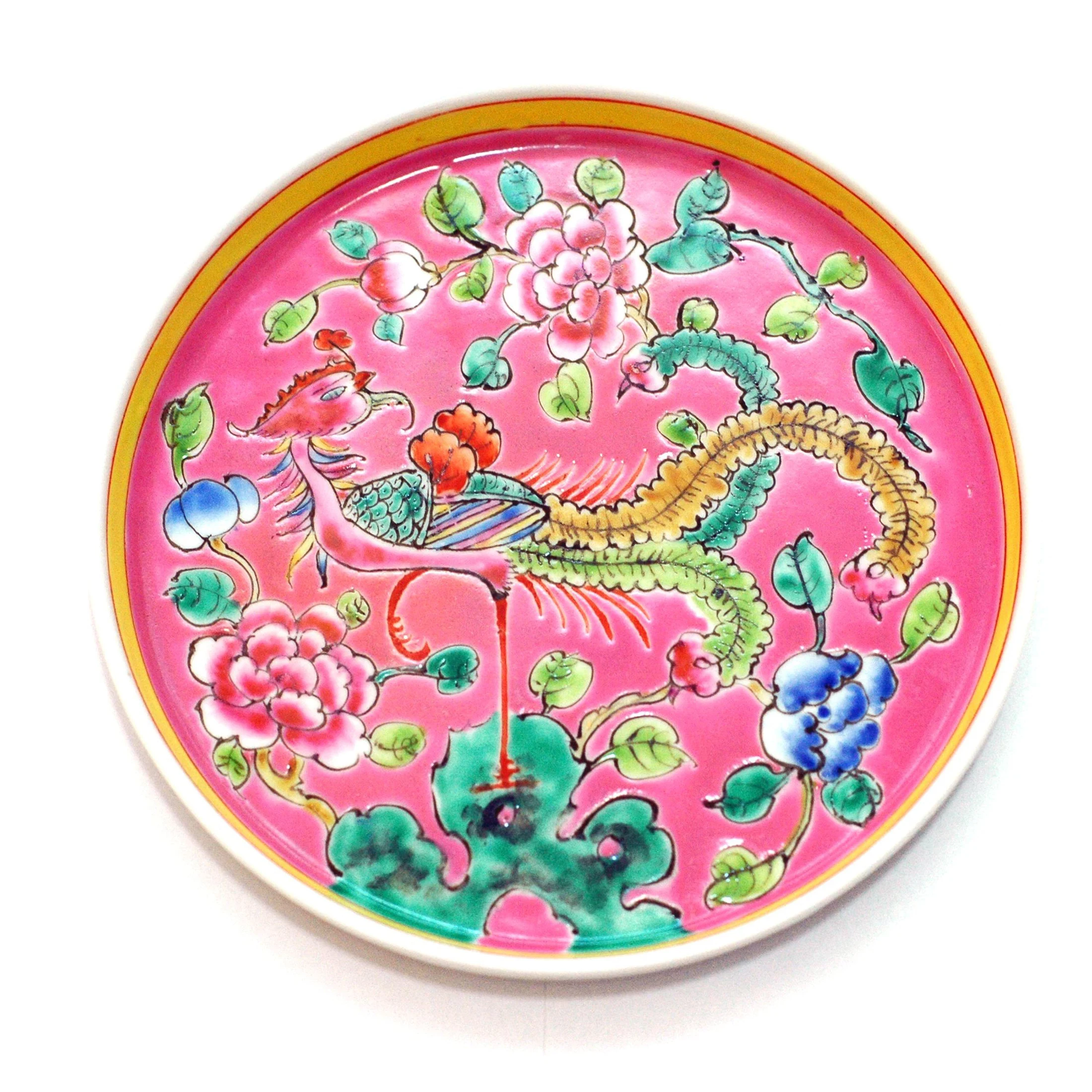
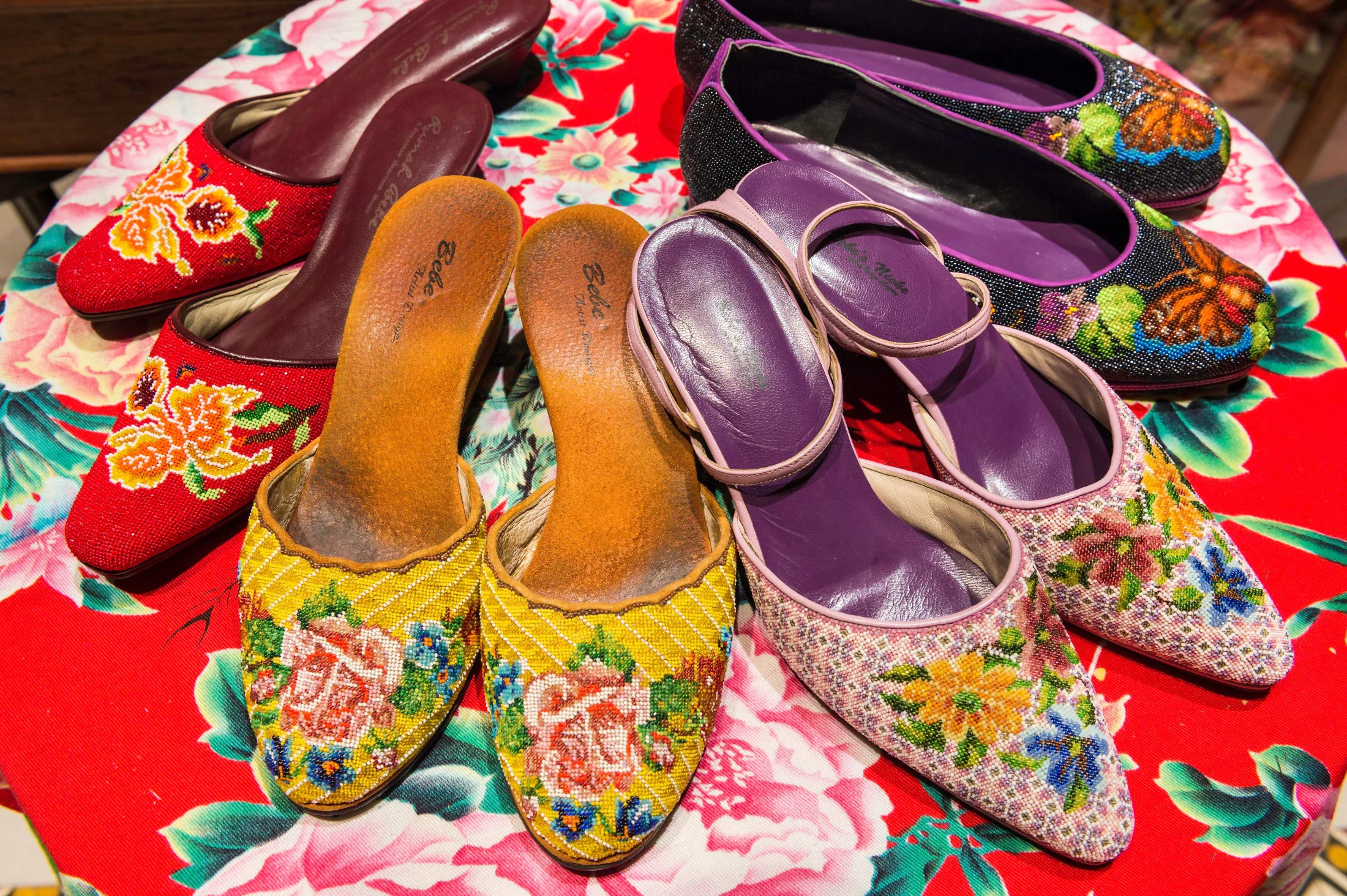
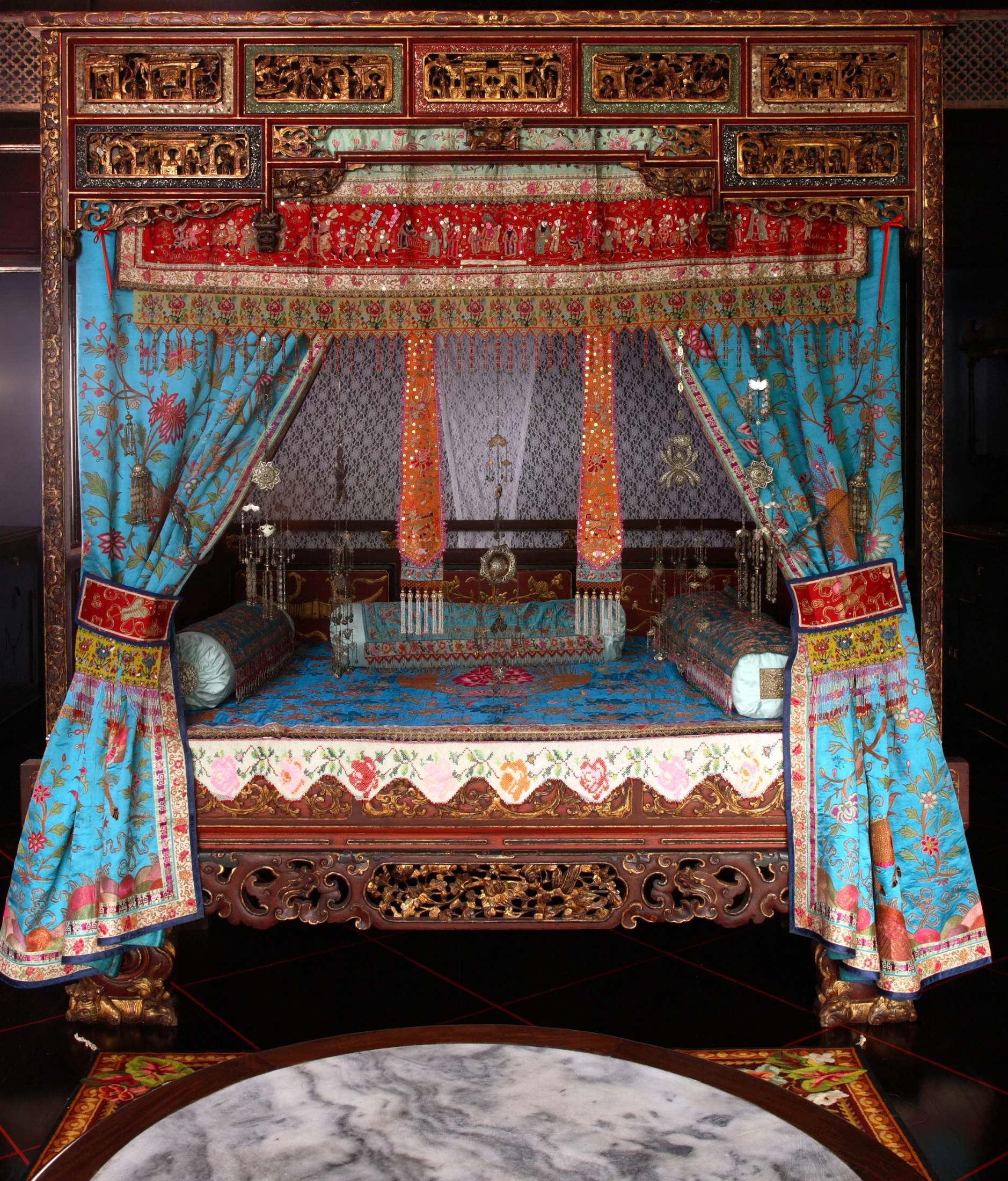
Indeed, what people think of as 'classic' Singaporean architecture – that colourful shophouse terrace look – most of that originates from the Peranakan. In Singapore, you can feel Peranakan influence in everything from art and language to politics and food. The traditional kebaya dress? Peranakan. Those floral, geometric textile patterns? Peranakan. Beaded kasut manik slippers? Peranakan. In fact, the only reason you can't find a Peranakan restaurant on every street corner here is that traditional Peranakan cuisine is – how do we put this delicately – a pain to make.

"A lot is based on the rempah spice paste," Marcus says, "And the best way to make that is with a mortar and pestle. But we don't even do that at Belimbing, because we go through five to 10 kilos of the stuff every night². It's extremely labour-intensive.

"I also think, with Peranakan culture, it's a bit like traditional Italian, right? In the sense that the best Peranakan food is the food your grandmother used to cook." He chuckles. "There are a lot of great restaurants in Singapore doing Peranakan-inspired cuisine, but if I took my parents there, they'd say, 'We can make this better at home'."

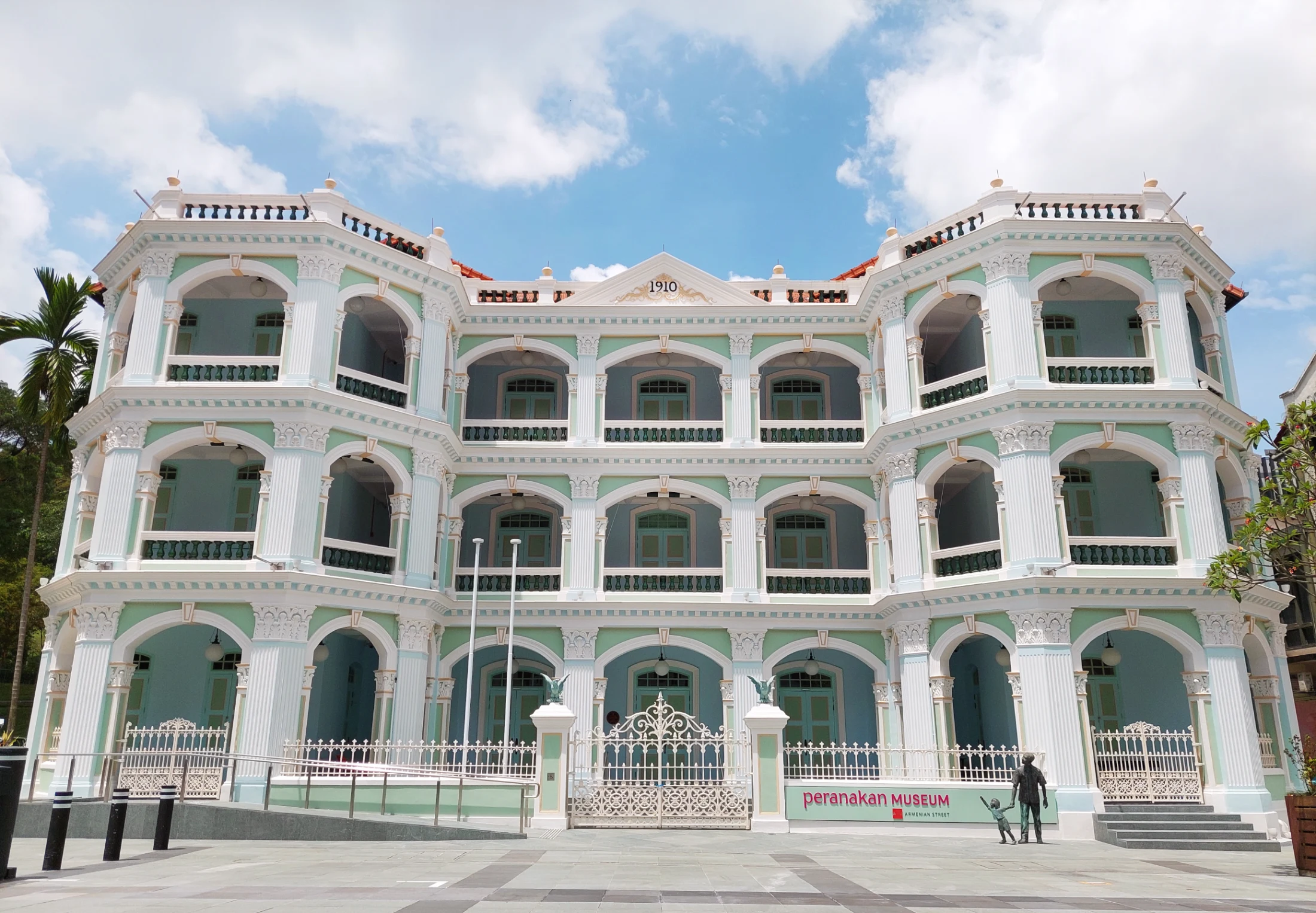
Still, this doesn't mean that Peranakan culture – and Peranakan food – is dead. Far from it. Peranakan families like Marcus's keep the traditions alive at home³, and new-gen, Peranakan-inspired eateries, like Belimbing, are popping up all over the city. In 2025, Singapore even achieved the honour of the world's first Michelin-starred Peranakan restaurant, Candlenut, which has a reputation for dishing up the kind of spice-packed fusion cuisine that tests the limits of the human tongue. In 2017, the government unveiled the Peranakan Gallery in the Heritage Zone of Changi Airport's Terminal 4. There's also the Peranakan Museum, recently refurbished and reopened in 2023, in which you can learn everything there is to learn about Peranakan culture in Singapore.

Today, Peranakans make up only a small percentage of Singapore's population, and only about 5000 to 10,000 inhabitants still speak the unique Hokkien-influenced Malay dialect, Baba Malay. But Peranakan culture will always be part of Singapore's history. And as long as people like Marcus have any say – part of its dinner, too.

"It's rare that we get someone coming into the restaurant that identifies as Peranakan," he admits, "but these are the flavours I grew up with. And even if our guests don't understand the background and the history, they can still enjoy the food."

¹ Peranakan lexicology gets a bit dense and complicated. You might also hear terms like 'Straits Chinese' or 'Baba Nyonya', which both refer to Chinese Peranakans.

² It also doesn't help that buah keluak, a nut featured in most iconic Peranakan dishes, is laced with poisonous hydrocyanic acid, and can only be eaten after careful prep and fermentation. Plus you can only buy them from a few small specialty suppliers in Tekka Centre and the Geylang Serai Market. Let's just say we won't be seeing a Peranakan Happy Meal any time soon.

³ In fact, it wasn't until Marcus went to college that he realised the food he'd grown up with was different from regular Chinese-Singaporean.

Writing:
Writing:
James Shackell
Photography:
Photography:
Back to Top
Arrow UpArrow Up
Top
Arrow UpArrow Up
The After shot of the Floorplan
Before
before
after
After
Businesses featured in this project
No items found.
Products featured in this project
No items found.
Magazine Current IssueMagazine Current Issue
Writing:
Writing:
James Shackell
Photography:
Photography:
Back to Top
Arrow UpArrow Up