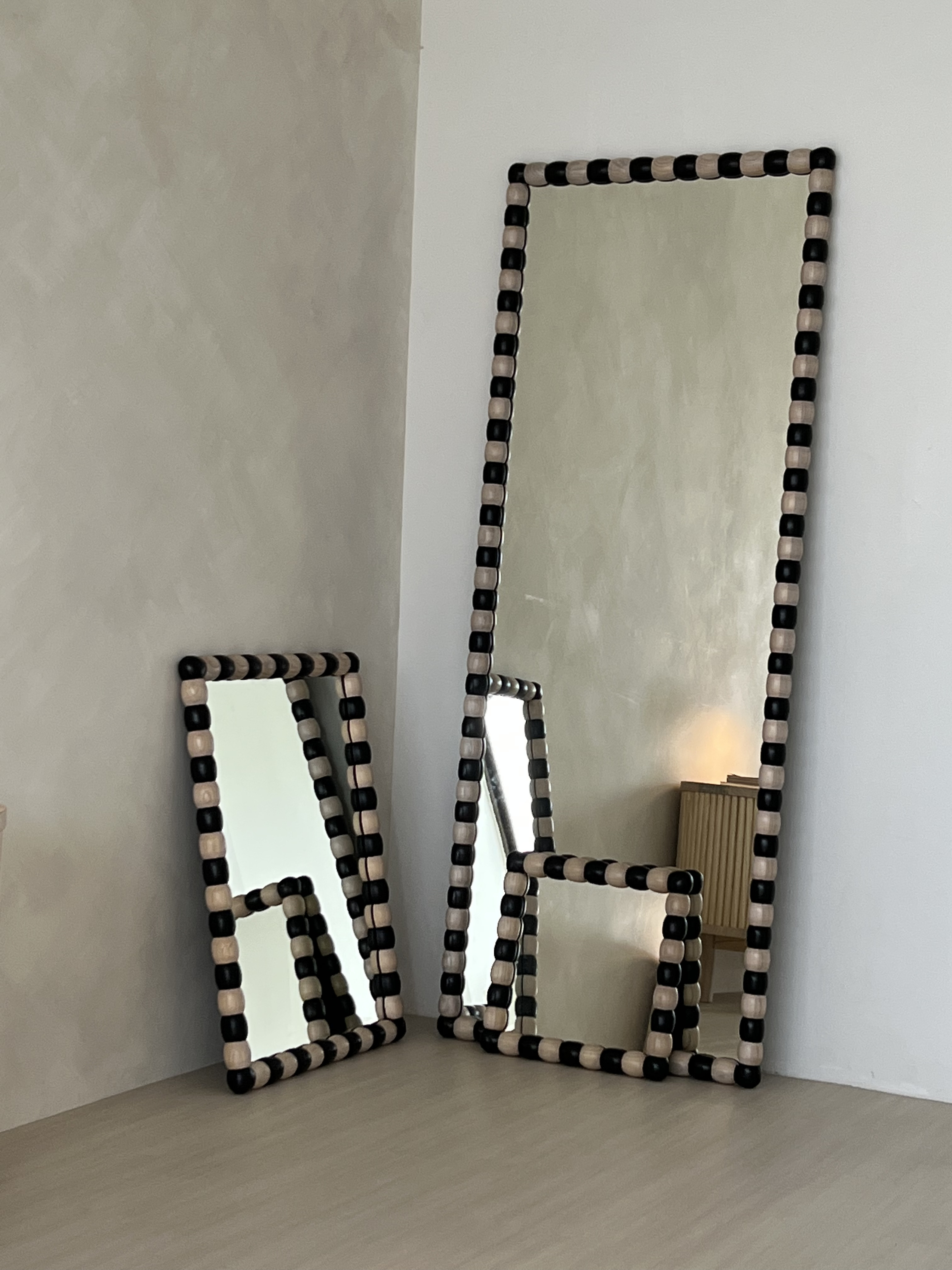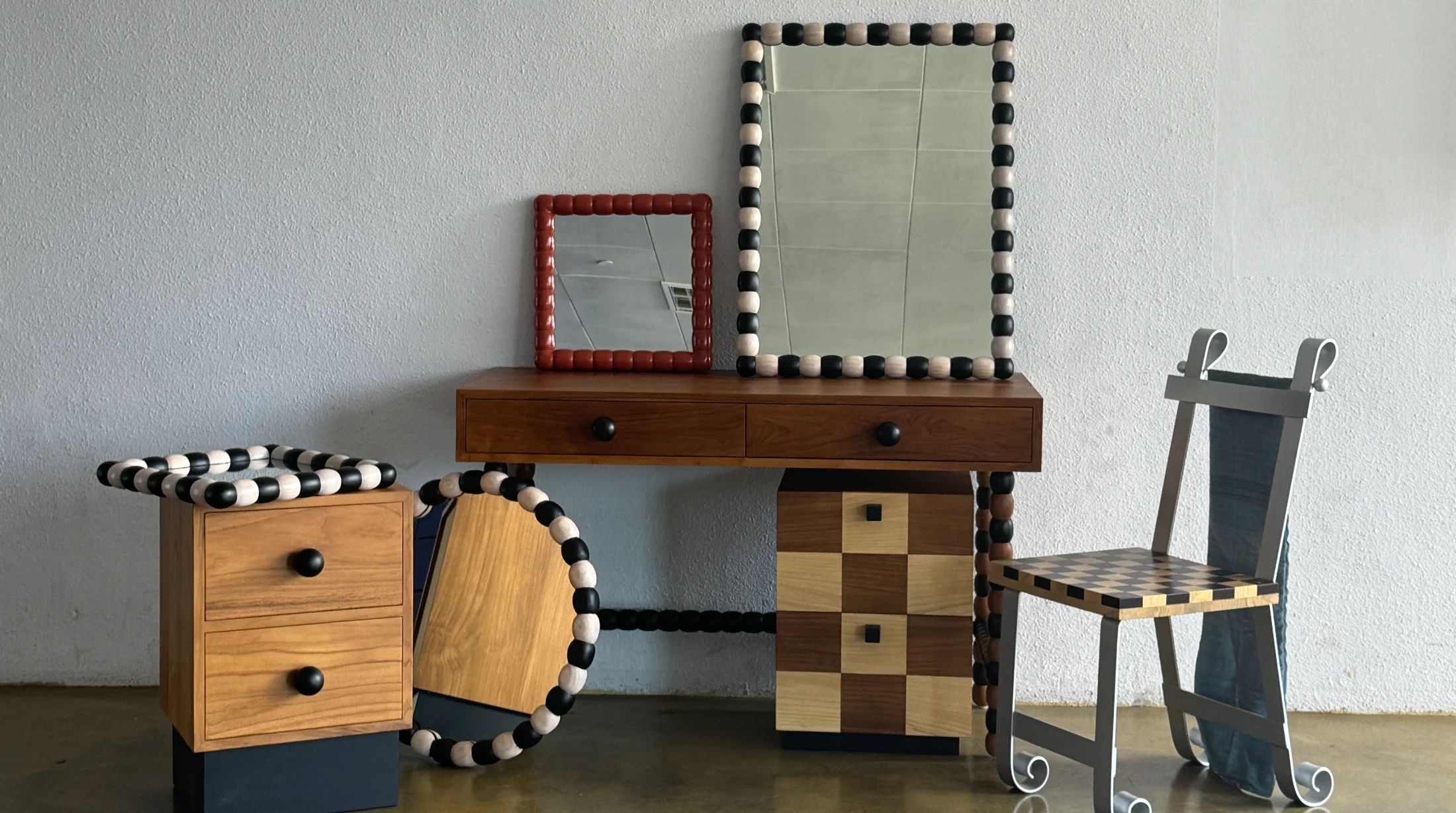

How did you find your way into furniture design and founding Studio Kallang?
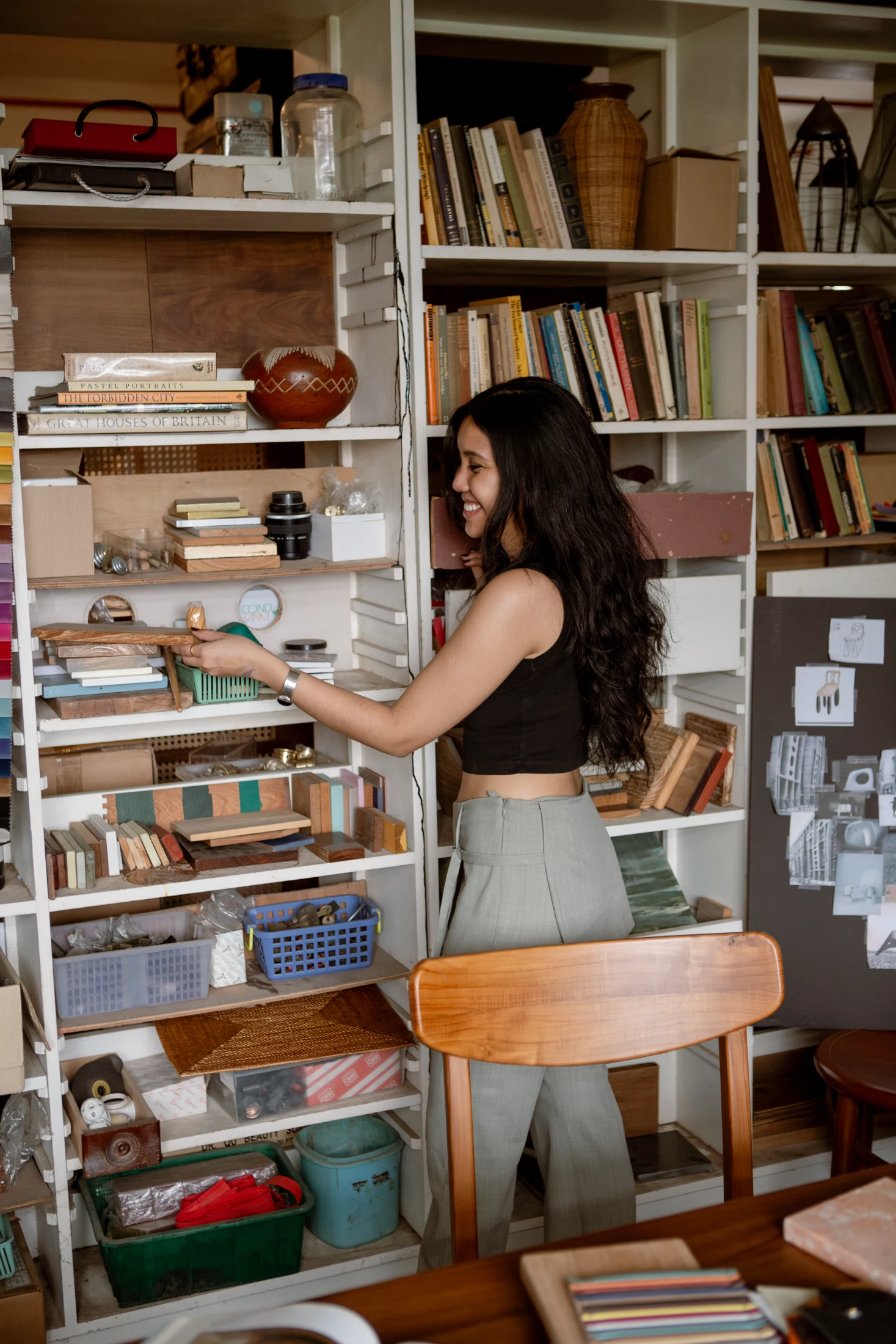
I came to furniture design from an education in visual communication and grew up in a family who are furniture manufacturers, where I spent much of my teenage years learning on the job.
Instead of studying industrial design, I thought it would be better to learn from another angle and then combine it. I love visual communication – fashion, textures, colour. It's helped a lot, especially getting through the first couple of years of Studio Kallang because I could do all the branding, website and marketing.
What's the story behind your studio's name?
It's based on the industrial neighbourhood of Kallang in Singapore where both Studio Kallang's warehouse and my family's business warehouse are located. It's not a glamorous or cool neighbourhood but I love it because it's a rare part of the city that still feels like 'old Singapore'. I thought it was funny to name a collectible design studio after Kallang, playing with the contrast of two different worlds.
Much of your work centres on bridging the gap between high and low culture, why are you interested in this?
My parents shaped how I view the world.
My mum was a businesswoman in the furniture industry and my dad was an academic and interested in everything. He exposed me to lots of things and was always telling me "everything is an art form, everything you do is an art form". I rolled my eyes when I was younger but now see that in everything too,
even in things like cooking or posting on Instagram. I learnt to have a curiosity for different things and to understand that ideas and knowledge can't be compartmentalised, they don't only exist in one space.
How does this curiosity play out in your design process?
My process is pretty intuitive and about paying attention to things.
I usually start with a bunch of sketches, drawing on the reference bank of everything I've ever consumed until something clicks. It's like the visual equivalent of word vomit – putting it all out there then slowly starting to make conscious, rational decisions through an editing process and computer modelling.
There are lots of little decisions, like whether to swap steel for brass, for example.
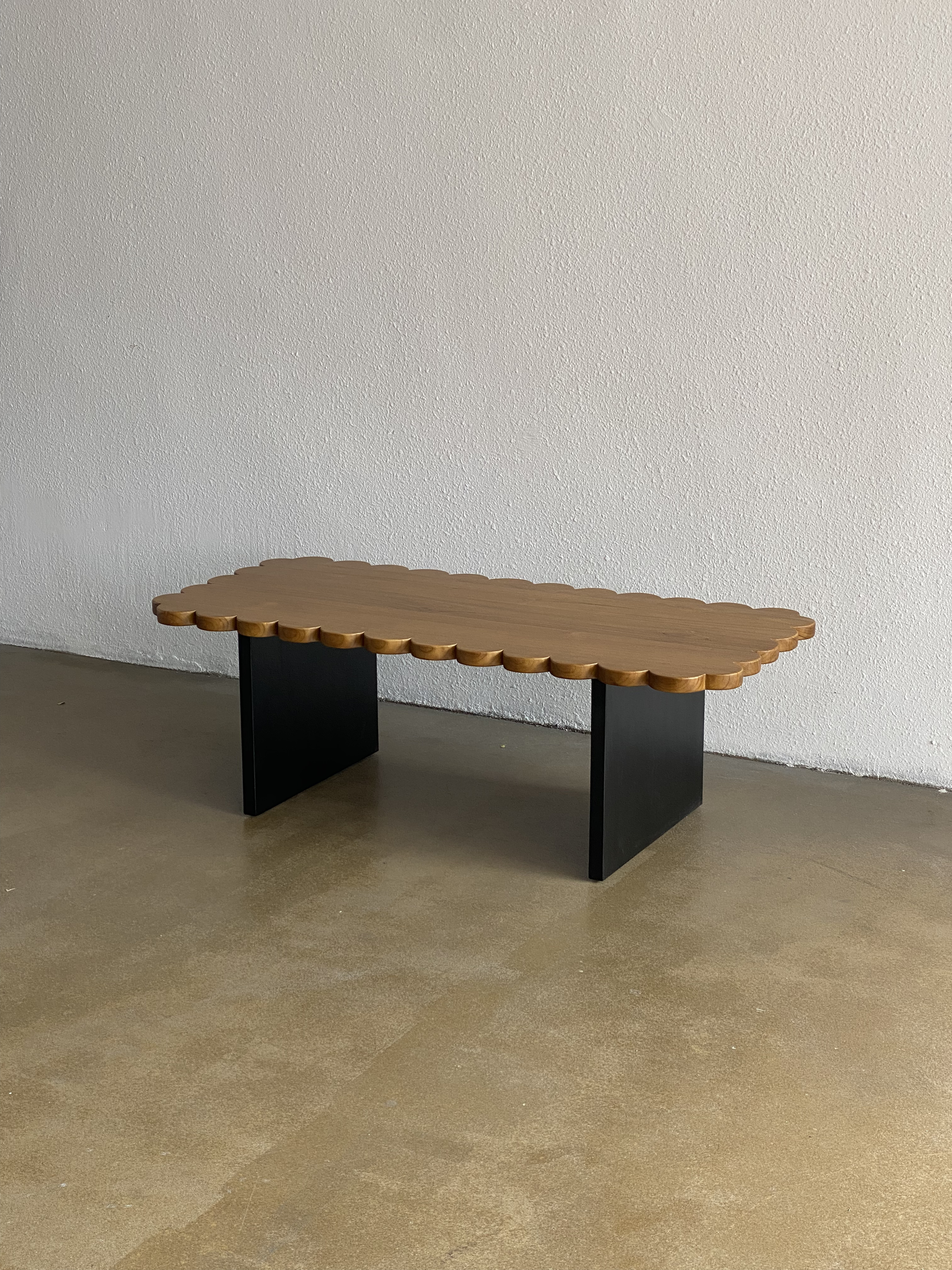
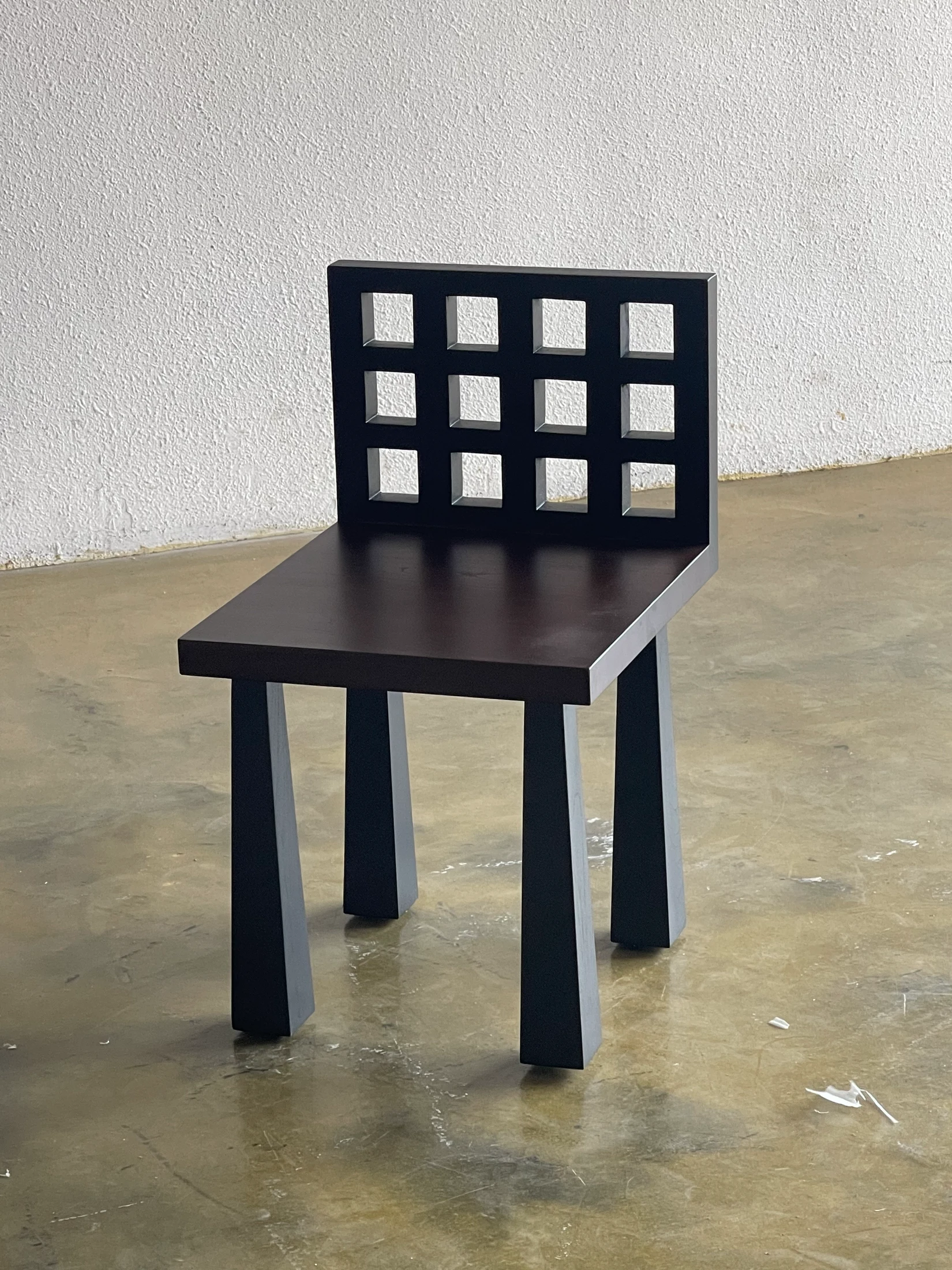
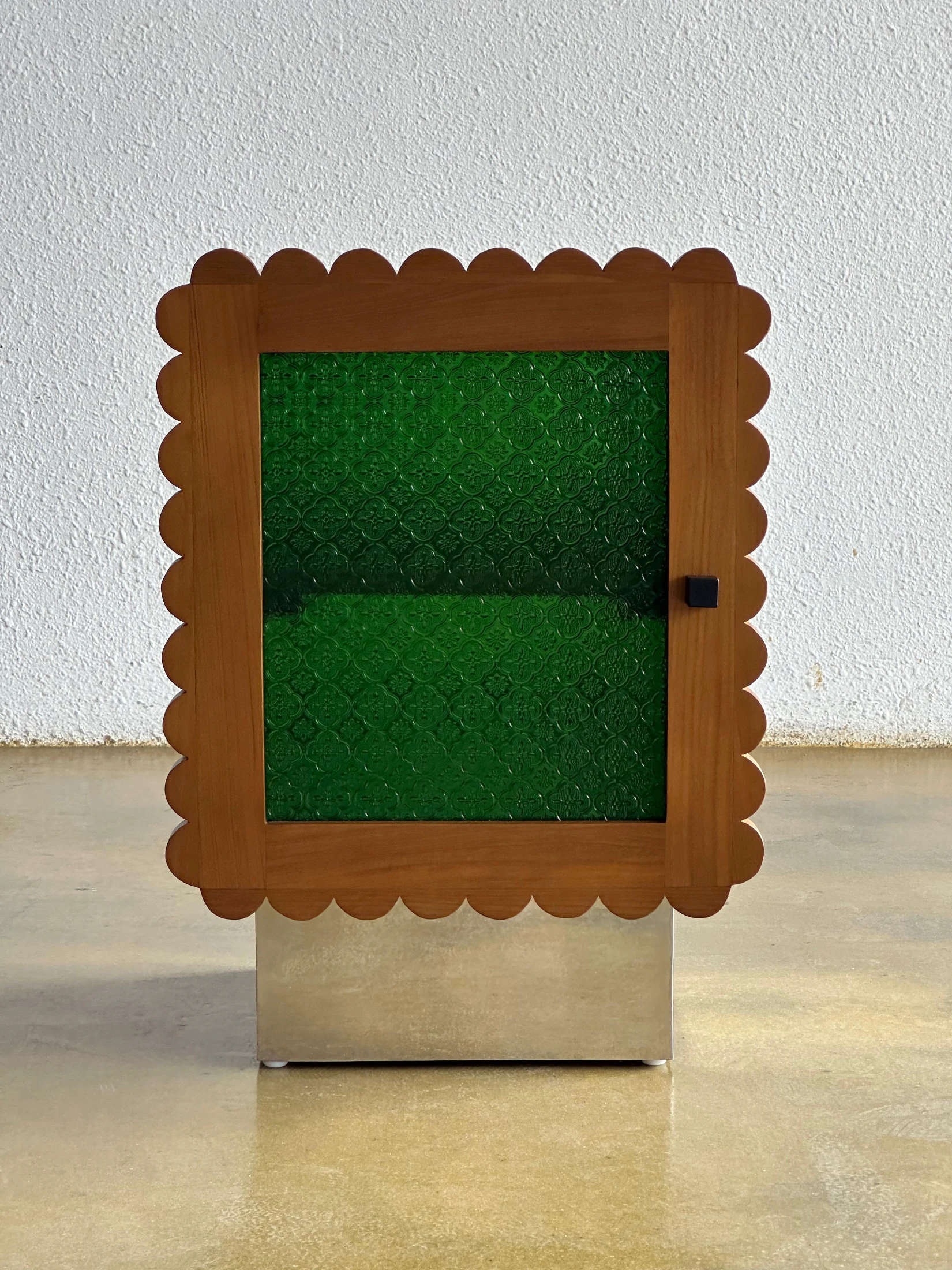
From there it is about working with the factory and craftspeople in Java. It's this back and forth of me trying to push my ideas – which are informed by my background in visual communication rather than industrial design – and them pushing back with what's structurally feasible. At the end of the day, the pieces have to exist in the real world.