



Pattens must have been horrid to walk in. From the Middle Ages to as late as the 20th century, these were a thick-based wooden 'overshoe' – sort of like a giant clog or chunky (and very heavy) sandal. You wore pattens – as you may have deduced – over your actual shoes, which were soft-soled and flimsy, because it was the olden days and everything sucked. Some pattens were even raised on iron rings, designed to further protect the wearer from the filth of the ground – the rivers of mud, horse dung, and even human waste that spoiled the streets (as previously mentioned: everything sucked). Pattens were – mercifully – removed upon entry to any civilised space. Churches expressly forbade them – not only were they considered 'indecorous', being covered in shit and all, but they also made a very annoying loud sound when clacked across stone floors.
But that was way back then. These days things (generally) suck a lot less, and our shoes are (generally) robust enough to also serve as pattens, protecting our feet from the world's foulings, which are (generally) less ubiquitous. Thanks to modern sewage systems and the declining popularity of animal transport, we're no longer trudging through poo to get places. We might recoil at the thought of licking a footpath, but it would still likely be a much cleaner surface than any encountered by a medieval peasant.
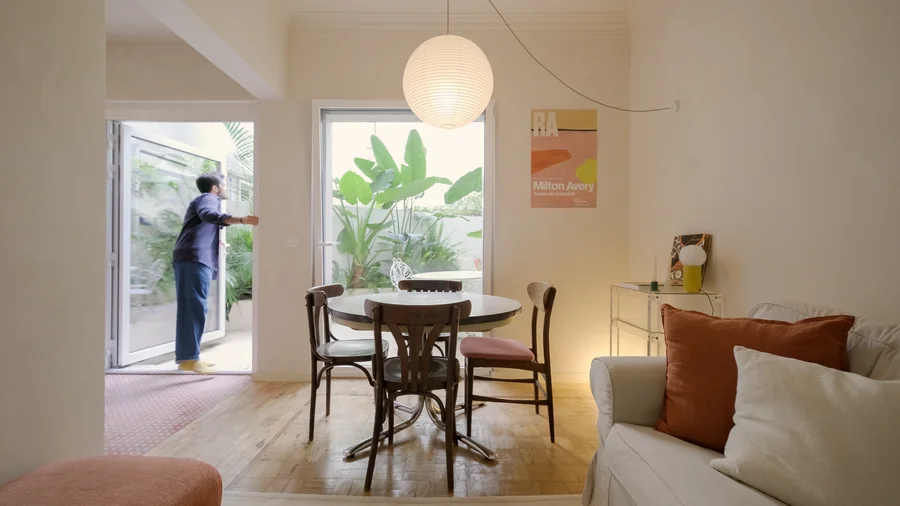
So here's a hypothetical for the modern age: You arrive at someone's house. There is a welcome mat at the door. You wipe your shoes on it. Your host opens the door and invites you in – you pause at the sight of a pile of footwear at the entryway. You glance down at your host's feet – they are bare. This is, it is clear, a Shoes Off House. But must you take your shoes off?
Oh, dear Reader, you absolutely must1. Don't ask in the hope of polite acquiescence from your host – just slip them off and shuffle along inside. To wear your shoes inside a Shoes Off House is a figurative and literal faux pas (the French literally translates to 'false step'). But you cannot be blamed for hesitating – this is a question of etiquette that only needs to be asked in Western cultures, where shoe-rules are not universally understood or applied.
The attitude of your host will depend entirely upon their feelings about germs, their cultural background, their own standards of domestic hygiene, and the type of flooring in their house. Within my own social circle, a strawpoll reveals wildly different expectations: some people are strictly Shoes-Off-At-The-Door, Please! Some find the thought of being exposed to visitors' bare feet even grosser than their shoes. Others will only ask you to remove shoes in carpeted rooms, while a few wouldn't be bothered if you trudged through in your work boots. One friend recounted taking their shoes off at the door of a real estate open house inspection, only to find they'd been stolen on departure! Scarred by the experience, they now carry their shoes around if ever asked to take them off. (I myself am a Shoes-On-In-Our-House-Is-Fine-If-You-Prefer person. I have very small children and therefore too much unidentified gunk on the floor in my house to brave it barefoot, and I don't expect anyone else to either.)
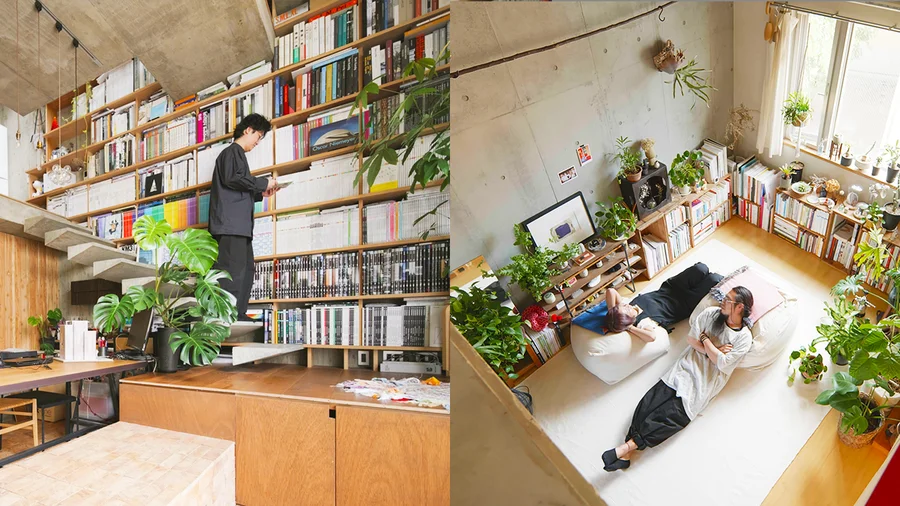
But our maddening cultural ambiguity is not universal. In Japan – a nation renowned for its commitment to manners – they have this all figured out: you do not, under any2 circumstances, wear your outdoor shoes inside. Not at a house, not at a restaurant, not at a temple. You take them off at an entrance area known as a genkan. You place them together neatly, and turn them to point at the door. You step onto the indoor living space in your socks (please, no holes), or perhaps into a pair of inside slippers that your host has kindly provided for you. Removing your shoes inside is a sign of respect, a tradition deeply rooted in cleanliness and consideration for Japanese tatami mat flooring, which is vulnerable to moisture and can be easily damaged. It's also because so much of traditional Japanese life happens on the floor – sitting to eat, sleeping on rollout floor mats. You are frequently up close and personal with the surface you walk on, so wearing your shoes inside in Japan is like going to the toilet in someone's kitchen sink: definitely not okay.
The Japanese (and many other Asian cultures, for that matter) have science on their side: the evidence shows shoes are undeniably icky. One study found 95 per cent of swabbed soles had 'faecal bacteria' on them, with E. coli present in a third of cases. Your treads can also track in soil contaminated with heavy metals such as lead, along with petrochemicals and microplastics. These aren't present on shoes at levels so alarming we need to bring pattens back into vogue – but they're probably a reasonable justification for asking visitors to ditch them at the door.
Still, I figure there is nothing anyone could have on the bottom of their shoes that hasn't already been brought into our house by my own disgusting family. Which isn't to say I don't wish it wasn't so! If you visit me at 1pm on a Wednesday, after the cleaner has been, I will encourage you to join me in stripping down to your bareskin soles and sliding around the place in celebration. Wooooooooosh all over my freshly mopped wooden floors, smooth and sterile! Crumple your toes into my carpets and rugs, plush and pristine! Nary a crumb will come between your heels and the tiles – you could sit, sleep or eat right where you've stood. But this revelry is short-lived. By sundown, the kids are home from school and daycare, pockets full of sandpit and backpacks leaking yoghurt, and I'm back in my rubber slides with the RoboVac on charge.
To protect my indoors from the outdoors – at least in this season of our lives – I would have to insist on a full strip-down and hose-off at the door. And asking guests to only enter my home stark naked might just be a bridge too far, in any culture.
Still... probably more palatable than pattens.
¹ Here’s where I don’t love obliging a shoes-off host: parties! You’re telling me I have to dress up, carefully coordinate my outfit with my footwear, then walk around eating canapés shoeless? No. It’s weird. I don’t have pedicures often enough for this. Shoes should only come off at parties late into the evening, tossed aside to allow for dance-offs and moon walking competitions when everyone’s too drunk to remember how scaly everyone’s heels were. That said, I am a coward and will do exactly as you ask.
² Okay, almost any circumstances: there are some indoor environments in Japan where it is not expected to remove your shoes - think museums, corporate offices or big hotels. But a good rule of thumb is that smaller or more traditional venues, especially where there is wooden or tatami flooring, will have a place for your shoes at the entrance and that is absolutely where you should leave them.