Where, would you say, the lines blur between Scandinavian and Japanese aesthetics and where do they diverge?
For centuries, Japan has captivated hearts worldwide with its artful mastery of simplicity, asymmetry and naturalism. From serene gardens, temples and shrines, to the intricate details of high-quality craftsmanship, Japanese aesthetics have left a pleasing and emotionally resonant mark on global design culture. Through numerous meaningful and memorable visits to Japan, with camera in hand, at Norm Architects we have carefully studied and documented the spaces and places we have experienced to better understand them, and we have attempted to learn how the Japanese have created such enchanting atmospheres of stillness. From the shores of Scandinavia where we reside, our fascination with Japanese aesthetics has prompted a deeper exploration – a journey to uncover the parallels between two seemingly disparate realms, one built on the foundation of a strict Protestant peasant society, and the other on Shintoist and Buddhist philosophies.
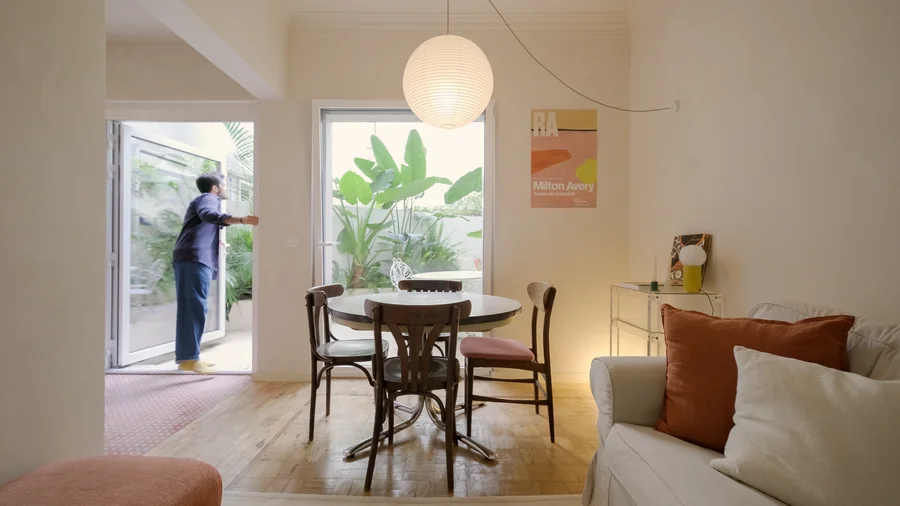
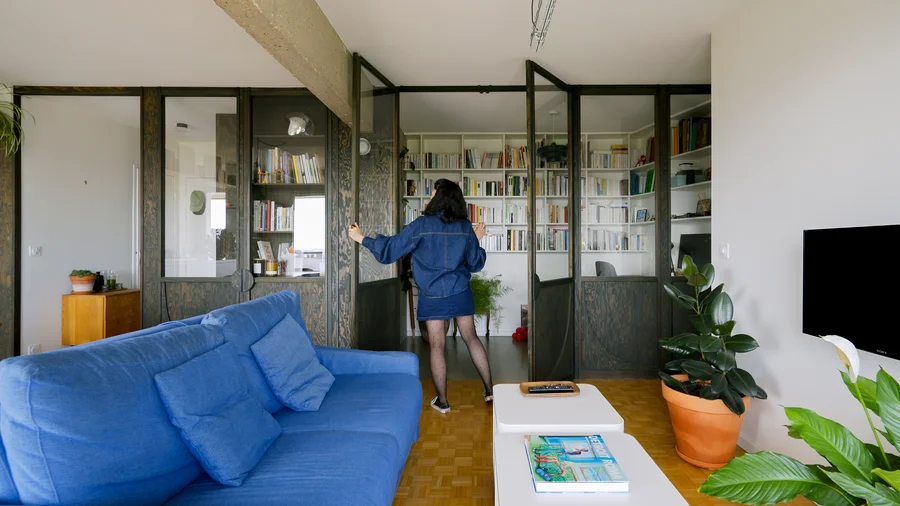
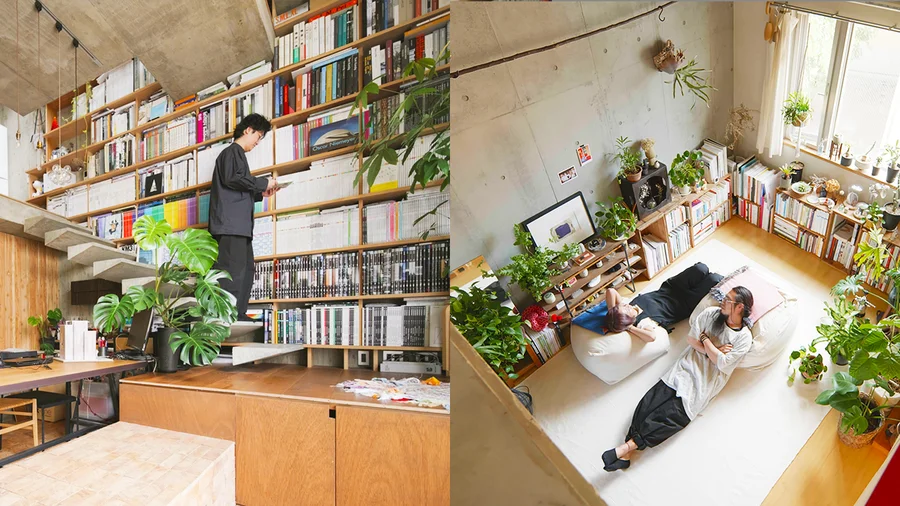
We have observed that Scandinavian and Japanese aesthetics share minimalist approaches characterised by clean lines, unadorned forms and uncluttered spaces. Both styles prioritise simplicity and functionality, with an emphasis on creating spaces that are beautiful, sensory and practical.
In both countries, there is a strong emphasis on using natural materials. I also think that both places, due to their climate and changing seasons, have a strong connection with the outdoors, often blurring the boundaries between interior and exterior – maybe more so in Japan. However, I think that the most evident similarity might be found in a love for simple unadorned craftsmanship, using quality materials with an attention to detail.
Traditional Scandinavian design often features light woods such as oak, birch, beech and pine, as well as natural materials such as leather and wool, that is not as commonly used in Japan. In contrast, Japanese design frequently incorporates darker patinated or burned woods such as cedar and cypress, as well as paper, bamboo, and stone, that we do not find in Denmark. I guess it reflects the geographical location and the natural resources we have been able to refine. Scandinavian design in general also tends to favour a light, neutral colour palette, with whites, greys, and light wood tones predominating. In Japanese design, on the other hand, there is a wider range of muted earthy colors, such as greens, browns, and indigos, that we have been inspired by.