
Magazine Current IssueMagazine Current Issue
Making sh*t with the sh*t you already have.
From our Mag
November 1, 2024

Making sh*t with the sh*t you already have.

Robbie Neville of Revival Projects is staging a revolution against the way we design, construct and demolish buildings and the value we place on existing materials.

In the ever-evolving landscape of sustainable innovation, Robbie Neville stands out as a true leader in resourcefulness, ingenuity and follow-through. The founder of Melbourne's Revival Projects has been shaped by his mother's creative thinking and his father's hands-on approach to building. After a seismic shift in New Zealand, Robbie landed in Melbourne with a vision to transform the construction industry. Revival, his brainchild, is more than just a project; it's a revolution against waste. By salvaging materials and embracing adaptive reuse, Robbie has navigated the challenges of traditional building practices with a fresh, sustainable perspective. Here he shares how we can redefine construction, one reclaimed brick at a time.

Writing:
Lou Bannister
Writing:
Photography:
Photography:
Nam Tran
No items found.
Magazine Current IssueMagazine Current Issue
The After shot of the Floorplan
Before
before
after
After
Top
Arrow UpArrow Up

Tell us about you as a child. How has your childhood and family shaped who you've become?

My mum is super interesting. She started the first Montessori school in Cornwall when I was really little. She had no money and it was a new idea. Cornwall's been around for a long time. There was a way you did things. I wouldn't describe that area as progressive.

She had three children, and she studied Montessori at night and on weekends. There was a local abandoned church and she convinced our council to let her set up a school there. She rounded up some friends and colleagues to help her teach the children and that's where I went to school.

Montessori breaks down the way you learn into three key ways, whether it's oral and you're listening, visual, or kinaesthetic and hands on. My dad's a builder, so he would make educational toys out of timber for Mum to use.

My mum and dad were always big proponents of "just get busy and have fun", and if you were having fun, soon enough, people would come along and join in. We had a modest upbringing but there was an underbelly of creativity and joyfulness that has influenced the way I've done things.

It's interesting to look back and reflect that I've also been activating empty buildings for the last five years.

Was your family resourceful?

There was a real level of discomfort with being wasteful as a family. It was just an ingrained family value that we would repair or reuse things.

Dad was a traditional builder and his trade wasn't geared towards zero waste of anything, but we would make things out of old timber, like a sword or toys. Offcuts wouldn't be thrown out. When I became a tradesperson, I felt uncomfortable with the levels of waste I was witnessing and the missed opportunity on a local scale.

Take us back to the moment when you formed the idea for Revival Projects.

It was a chapter rather than a moment. I was living in London before moving back to New Zealand to be closer to family. We arrived in New Zealand six weeks before Christchurch had the big 2011 earthquake.

I got a job on a building in Christchurch and I was on scaffolding at the time of the quake. We had to evacuate the city that night. All of our shit was still in a container coming over from London and we had to move quickly to Melbourne. I literally showed up with a bag and not much else. I took my favourite records down to Greville Street Record store and pawned them for some second-hand battery drills. I got a job in the city in a big karaoke bar and just worked around the clock to make some money.

I would salvage materials from various job sites and pay the demo guys in beer or cash. We had this huge stockpile of stuff in our garden and I would try and channel them into projects I was working on for other people. That chapter right here was where I started trying to be resourceful. I knew there was a better way of doing things.

It also was the beginning of feeling the resistance. I encountered so many roadblocks around people using recycled stuff, whether it was the structural engineers not wanting to use recycled or repurposed materials, or whether it was the builder not wanting the hassle of salvage, or the joiners not wanting to put it through their machines. I realised I needed to start something.
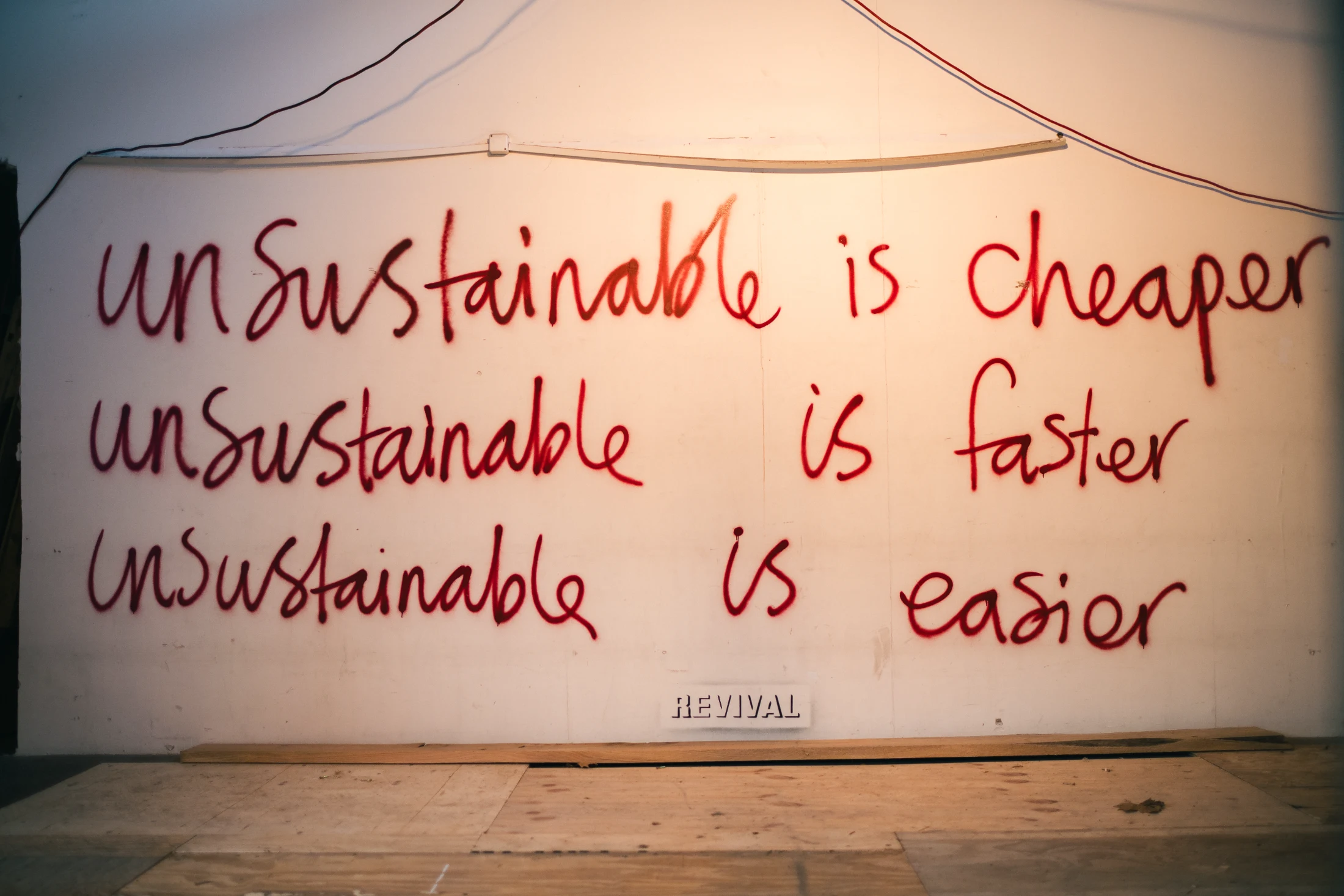
Tell us about the roadblocks.

It's just the way the industry is geared. A lot of joiners and furniture makers are frightened to put stuff through their machines, even if they use metal detectors to try and detect all the metals and bolts and things. If you miss one and it goes through your machine, it can cost some money. People commercially have to survive. The reality is if you're effing up your blades and you can't make the stuff that you've been engaged to make, then you've got a huge problem.

I knew that a huge part of the inception of Revival was just being confident as a builder, and realising that a lot of the existing resources could be used in structural application. You know the structural capacity of something new, it's perfectly calculated and labelled. And from a liability and risk management point of view, engineers don't really want to go out of their comfort zone and nominate something where there's an uncertain, unknown aspect to it.

But half the time I would trust something that stood there for a hundred years, more than something new off the shelf that's plantation growth.

The structural side of it was big. I just happened to develop a friendship with a structural engineer who's a similar age to me. We were working on the same projects and I slowly started pushing work towards him, taking an alternative approach and using existing resources. Then it grew to the point where we decided to bring engineering in-house for projects where there's an appetite for a much more sustainable structural engineering design.

How much is currently wasted?

Thirty billion tons of landfill a year in the Australian construction industry is what we're generating. That's pretty scary.

There used to be a timber yard on every corner in the city. Before cars, timber would be brought in or harvested. Milling timber was a huge aspect of the industry that was super accessible. Fast forward 150 years, there are no timber mills anywhere. They're closing down. The ones that are still around have a commercial framework where it's all geared around maximum yield. There's an existing premise that nature's capital is endless. It doesn't matter if you waste 50 percent of the tree, as long as you get a couple of good sticks out of it at a certain size you know are going to sell. The industry is comfortable with those extreme levels of waste.

When you consider timber is arguably the most versatile construction material that exists, and then you think about the fact that no one can just pop down to the timber mill and get their tree cut up, or pop down to the kiln and get it dried, or approach a log in a way that suits a design that they've already done, something's wrong.

In Australia half of people's mulch ends up in landfill. When trees are cut down in our city, there are very few hero projects where councils have managed to use trees for a playground or seating area or something. If they have, most of the time it's really tokenistic.

How can we change the narrative around waste and resource?

By introducing a new legislative framework. The existing legislative framework focuses on aesthetics, how things might look in the landscape. It doesn't focus at all on sustainability and how you might be able to utilise those resources.

Currently, once you've got a permit to demolish your home or cut down a tree, the weird thing is you can do whatever the fuck you want with it. As long as you've got the money, you can put as much of it into landfill as you like.

We're working with a guy at the moment to introduce policies into councils that would have some controls on how you're required to use existing resources. We need to make being resourceful accessible for people. There's such an appetite for it. People are literally desperately searching out ways to be more resourceful. If we had some policies or controls around this it would mean once you get permission to demo your house or cut down a tree, you have to utilise that existing resource, or connect with someone in your community that has a use for it. I feel like that would be successful straight away.

So, accessibility is key?

Yes, everything we do is geared around making recycled materials more accessible. We launched an app (called the Revival Cooperative), that is clearly designed to connect a group of people together who are motivated to avoid landfills. Chances are you're often paying to throw something away that someone at a very local level has a use for, just around the corner. The infrastructure of connecting people doesn't really exist.

Everything on the app has to be free – making that exchange of resources super accessible was the impetus for investing in the development of that app. It's been really interesting watching how people have embraced it nationwide.

If you put that app under the spotlight from an accounting point of view, it's a complete loss-leader. But I call it an investment in the industry.

You also have the Urban Tree Recovery Initiative. Can you tell us more about that?

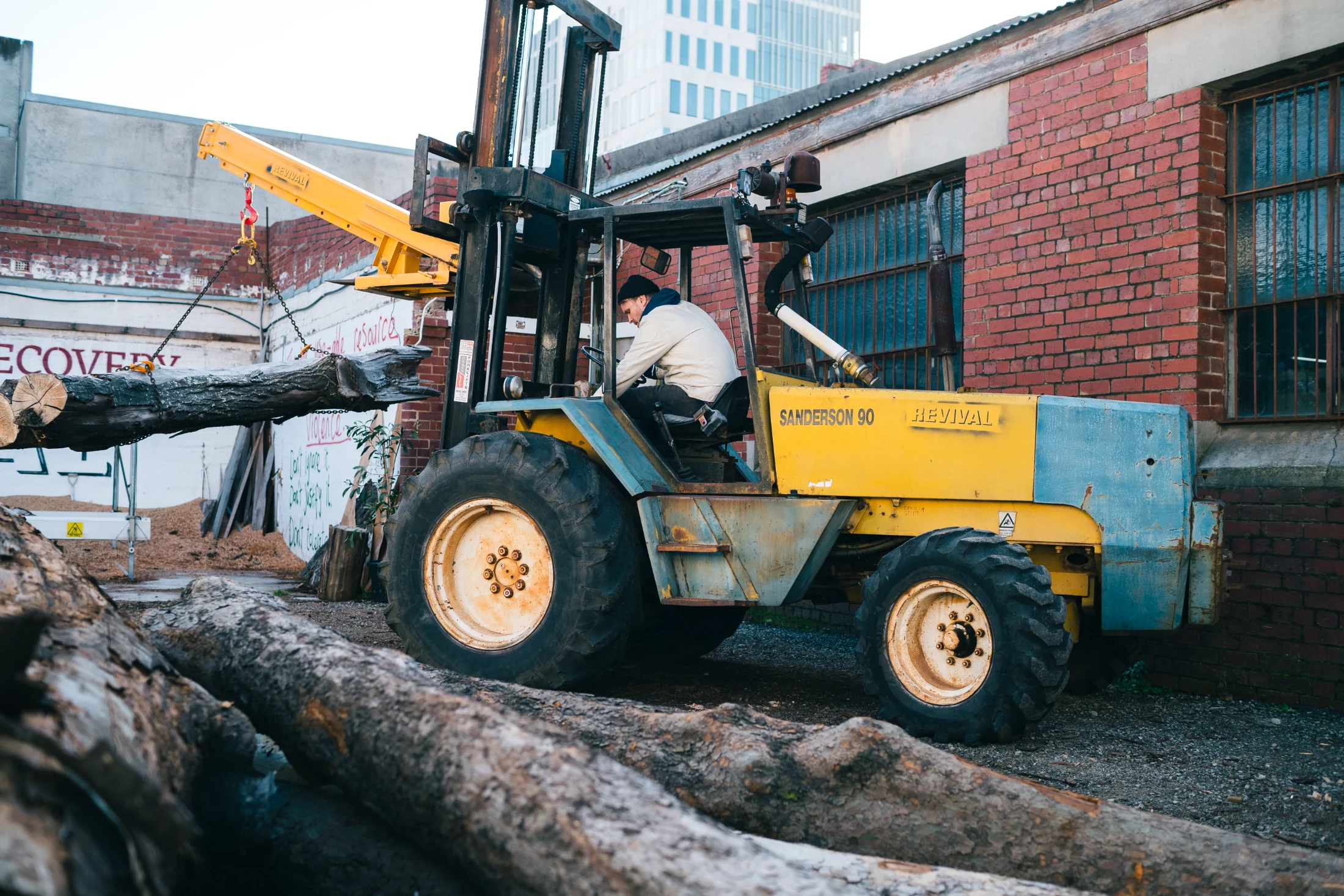
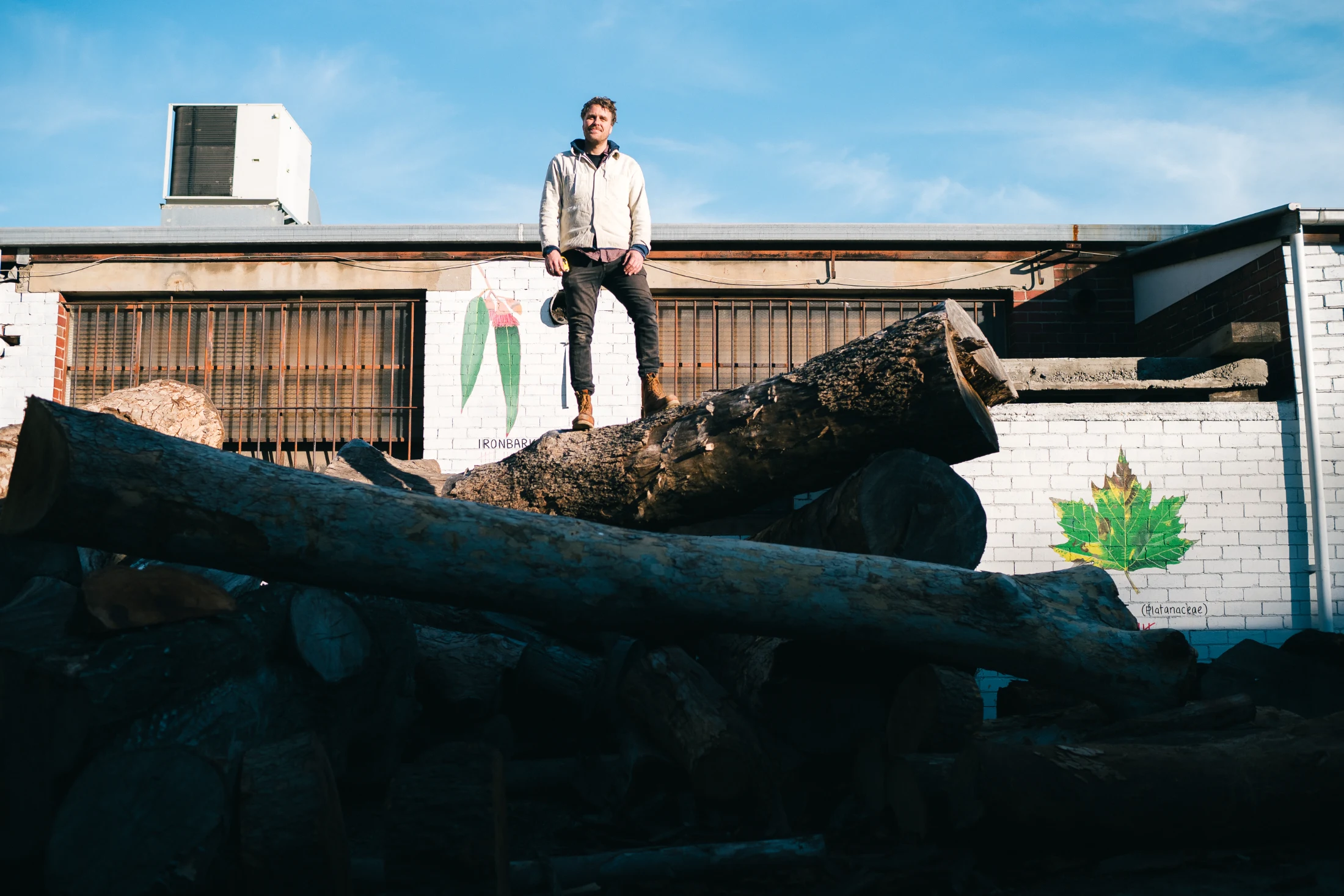
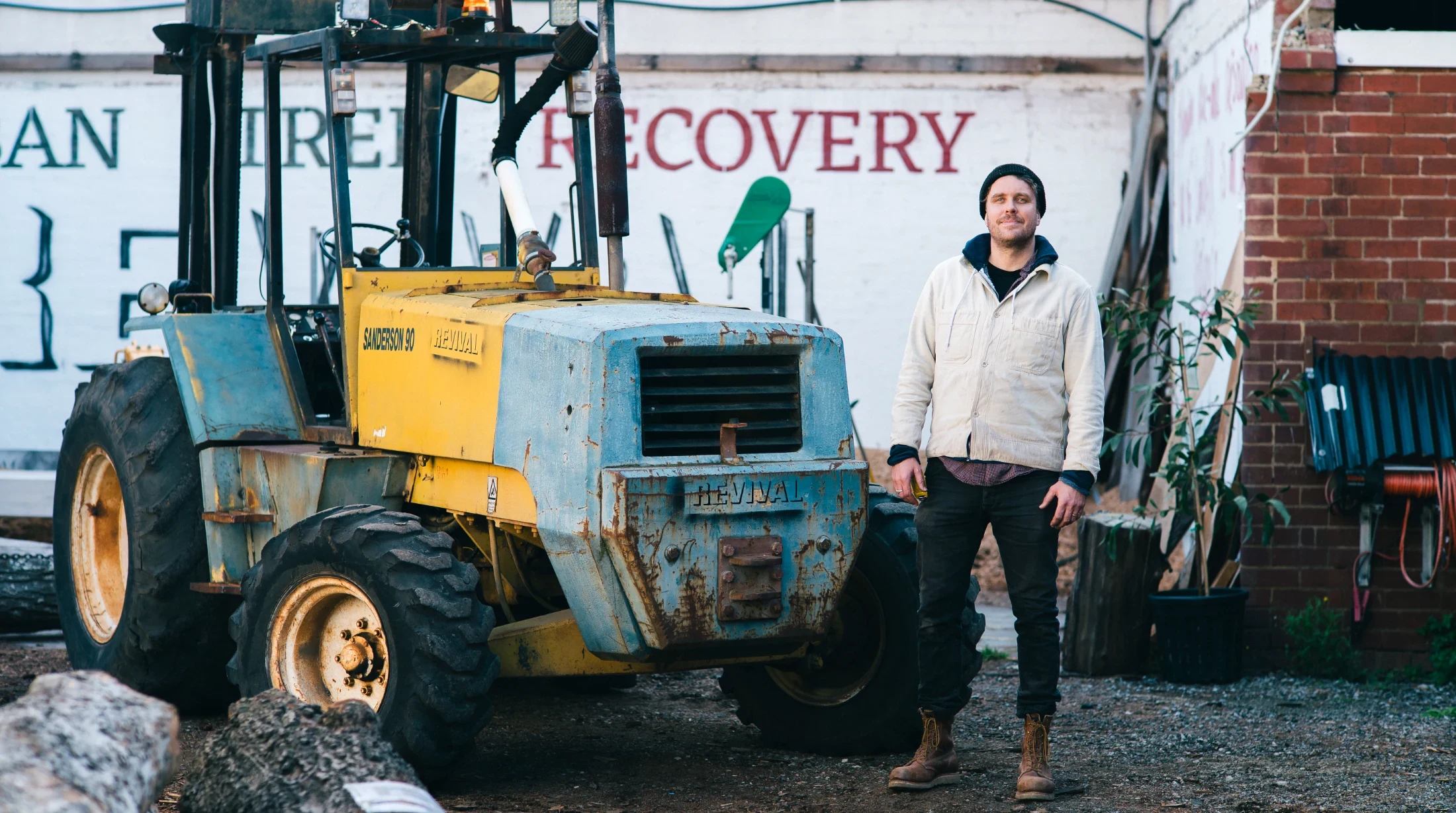
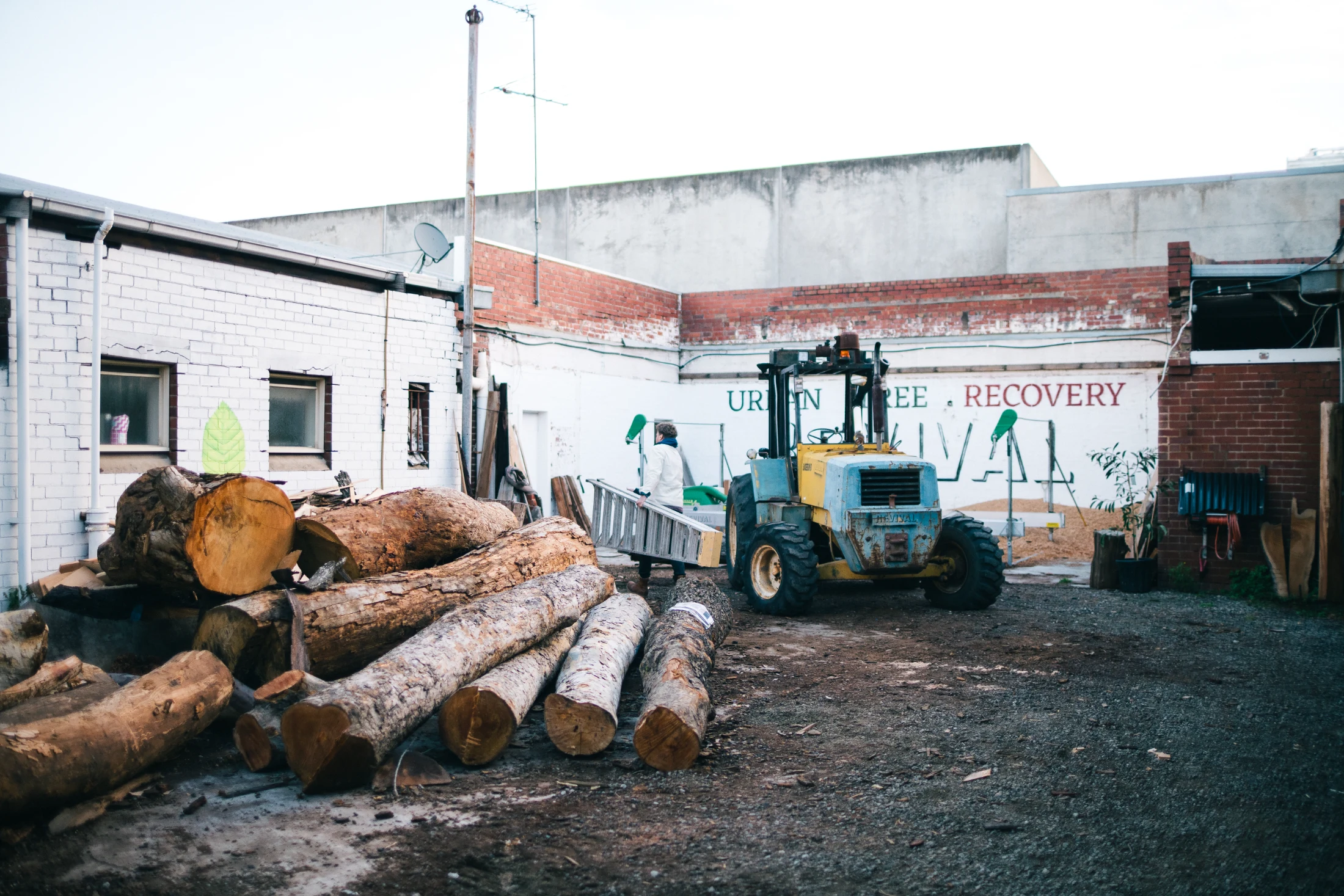
The trees in our city are arguably one of the most precious resources we have. This is all about making that raw resource super accessible so they can utilise it rather than mulching it.

I thought when we started that we'd only be working with people that had to cut down trees, who had use for them. But quite quickly, we started getting a lot of calls from people who are like, "We've got to cut down five trees and we don't have the use for them. We're going to mulch them, or do you want us to drop them to you?"

We've been accepting a lot of those trees.

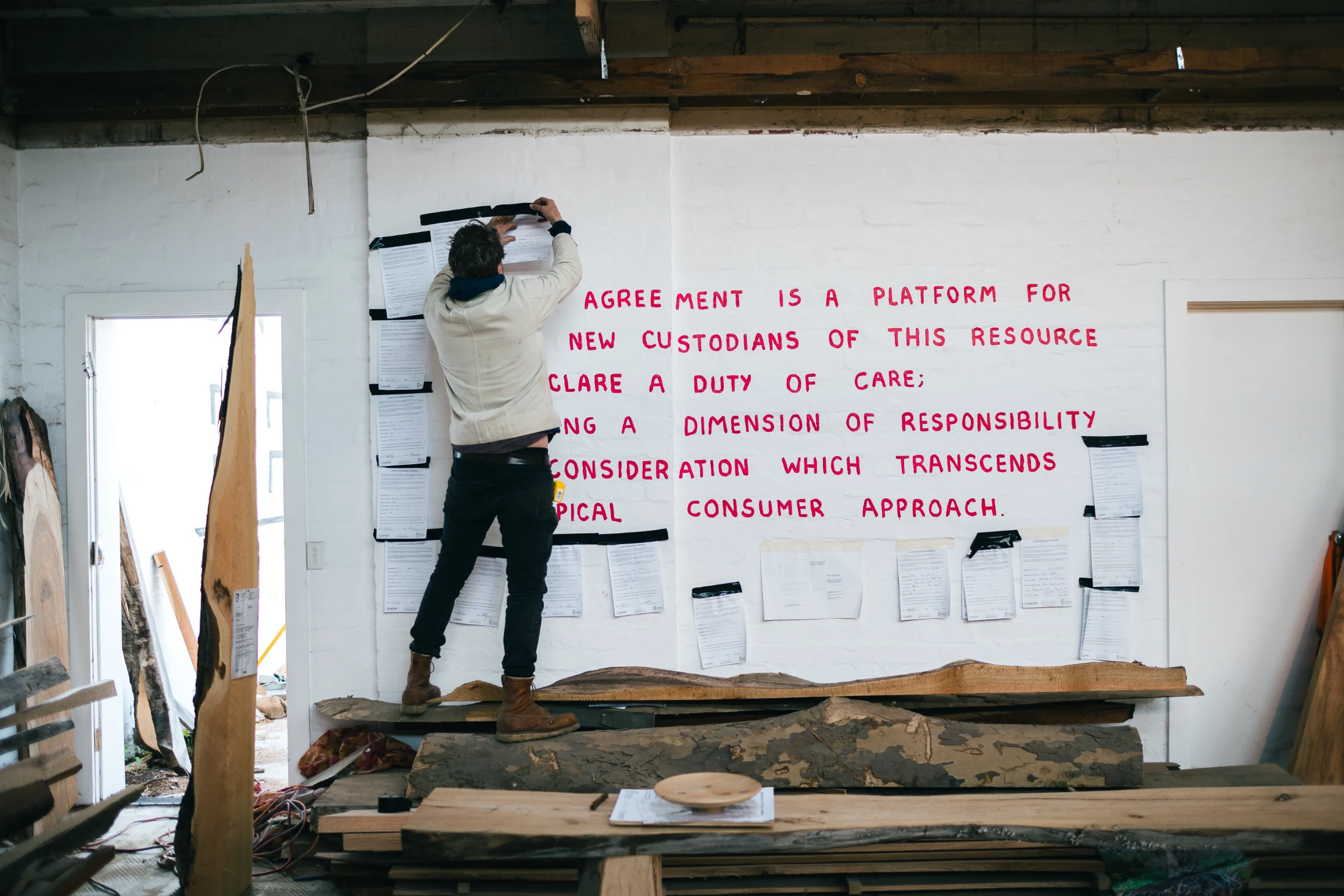
Instead of trying to sell that and handle it as a commodity, we've used that platform to instil the concept of custodianship. If people come and get the tree as it is, we give it away. There's no cost there. Or if we've had to mill it, then we just charge for the milling. We don't charge for the resource. If we've needed to dry it or they'd like us to build something, we just charge for the services.

Can you share a project you've worked on that you've loved?

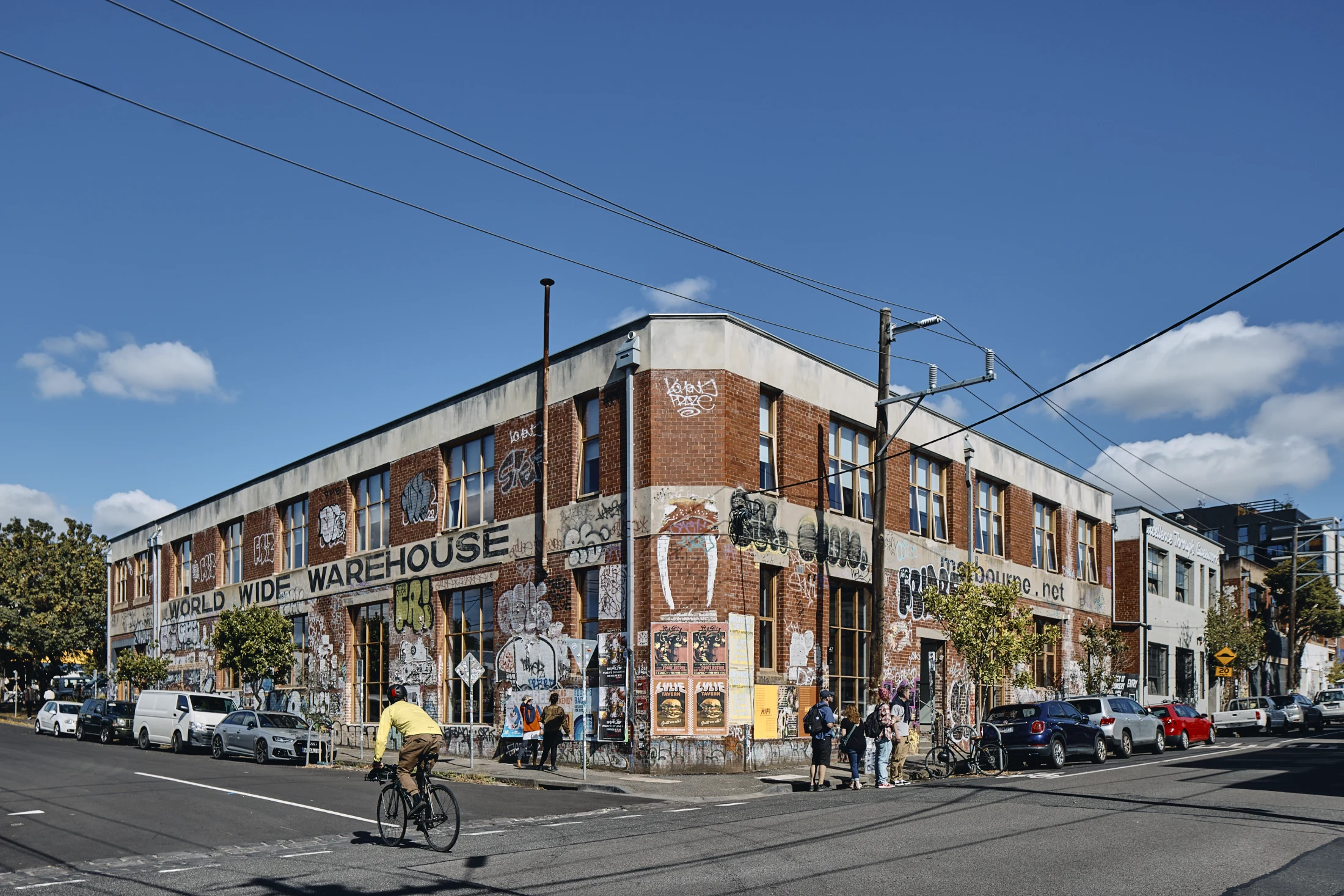
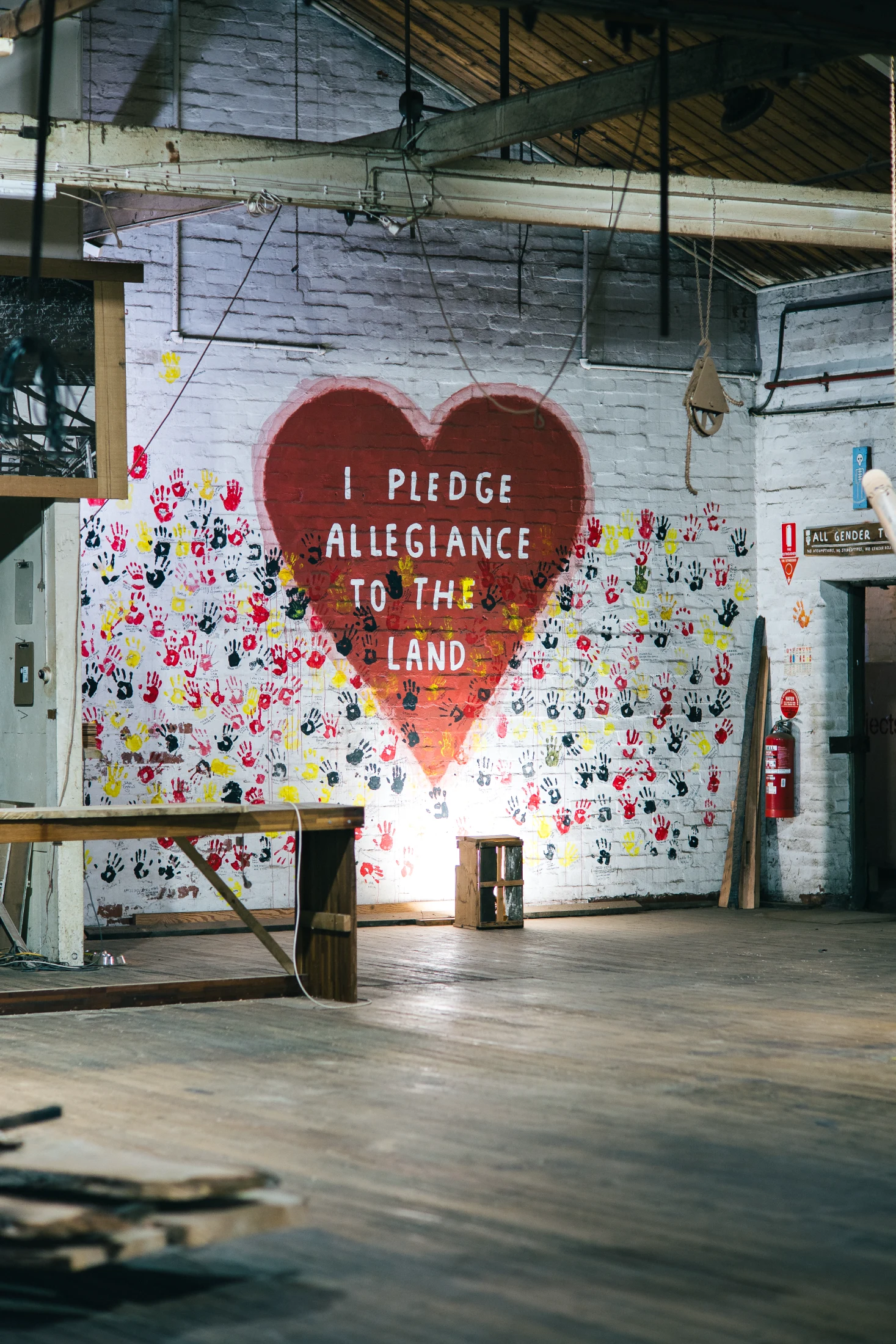
I have to say this project on Easey Street in Collingwood, Melbourne. It's the biggest job I've ever done. I think it's Australia's most powerful example of adaptive reuse.

It's a 100-year-old building, and a two-storey warehouse. It was used for things like wool storage and was a cardboard box-making factory for a while. And in more recent times, for 25 years, it was the home of a community radio station.

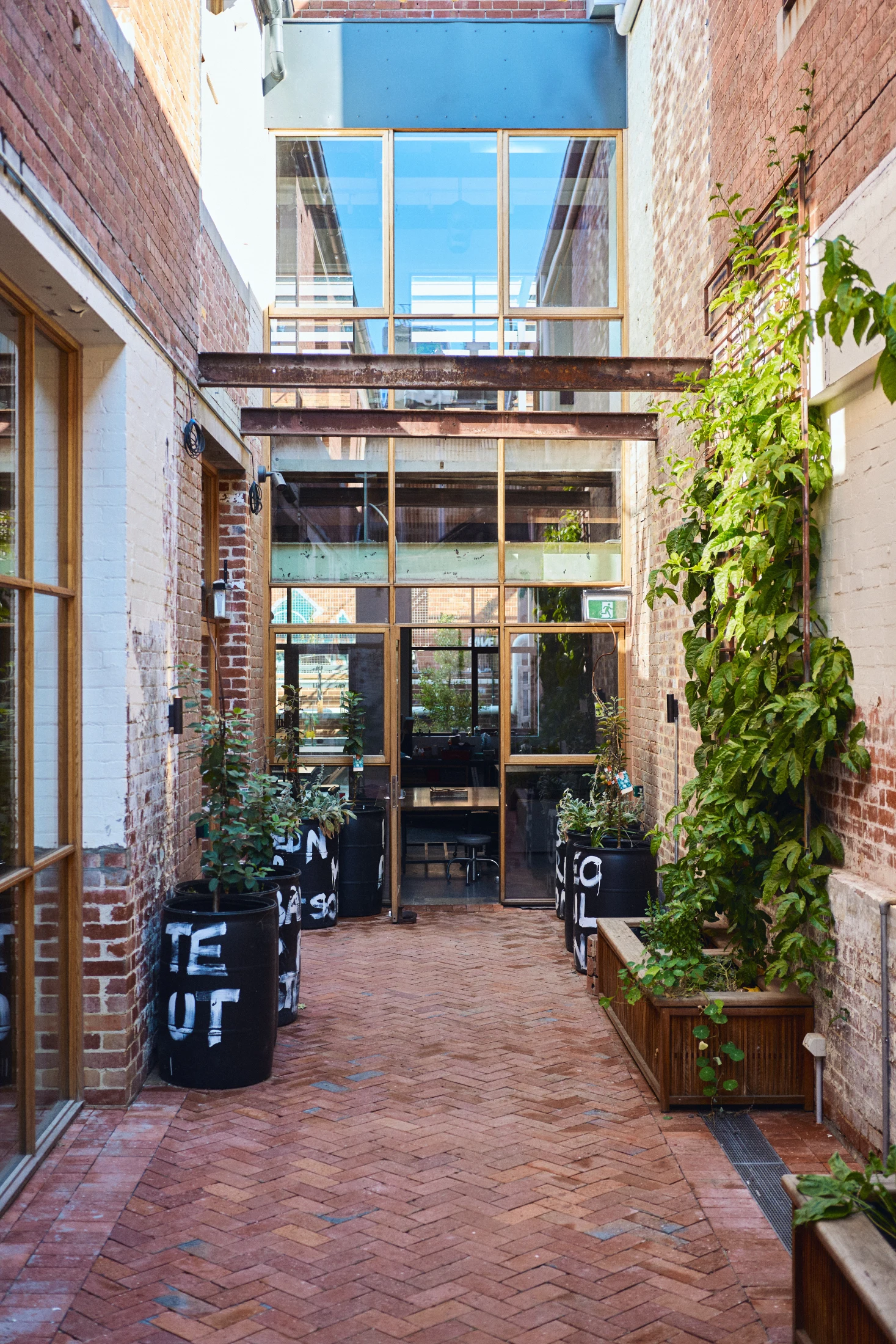
It's 1000 square metres in footprint, so it's big. The construction budget was about 10 million dollars. We worked with that for two-and-a-half years. All the fundamental elements of the construction process were examples of how hard it can be to choose the most sustainable way, to work with the resources you've already got.

For example, we spent about 1.5 million dollars just on structural works. Because it was built 100 years ago, things like the roof trusses, the roof structure – they were just what we call pocketed into the brickwork. The brick walls were built, and the trusses just sat on top of the walls. If there was ever a big earthquake, the walls would fall over and the roof would fall down. That felt quite close to my heart because of my experience working in the Christchurch earthquake.

We had to bring them up to today's standard. There was an earthquake in Melbourne nearly two years ago which caused a bit of damage on Chapel Street. It put a spotlight on seismic structural works at the time we were getting permits and stuff approved. It was an interesting process to work through.

Spending that much money on making an existing two-story warehouse usable would not have satisfied the requirements of any commercial feasibility study. It would have cost less than 100 grand to knock the whole building down and start again.

Our client had made a decision to work with what they had. That's a really powerful example of what it takes to adopt an approach to adaptive reuse and be really resourceful. It was incredible.

We restructured the roof and put 69 kilowatts of solar power on the roof. And there's a Tesla lift which was powered by the solar.

We demolished the partition walls of the toilets that had been there for 100 years. We took the studs and sliced them up and constructed two new staircases out of them. When we proposed that idea – it was like 60 stairs in total across two staircases – the building surveyor freaked out. It wasn't going to meet fire engineering requirements. It wasn't going to meet test requirements. It wasn't going to meet luminant contrast requirements.

We really had to double down and work with the consultants to figure out a lot of these challenges and show them how we could do it. Hopefully, we set a precedent that's easier the next time around.

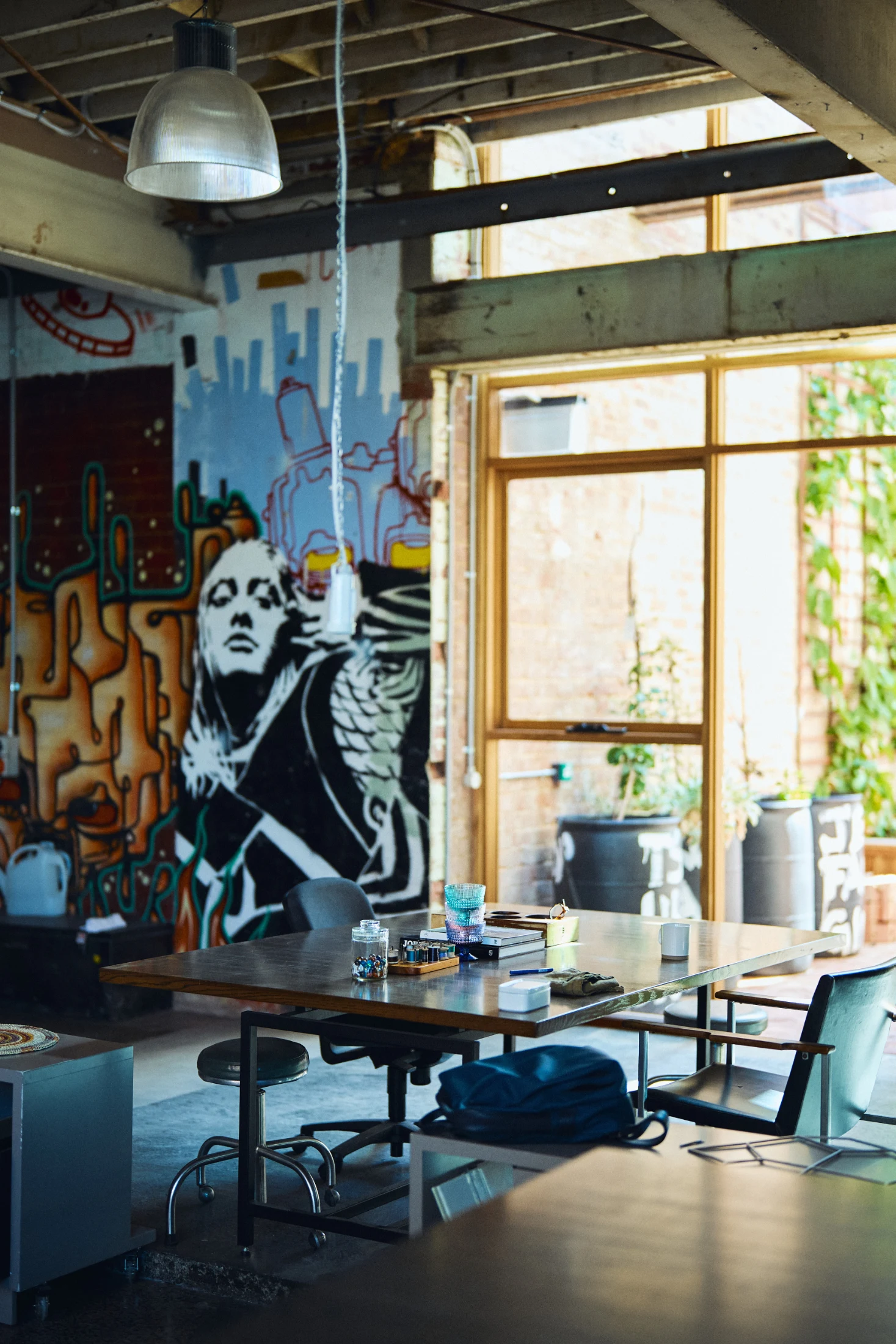
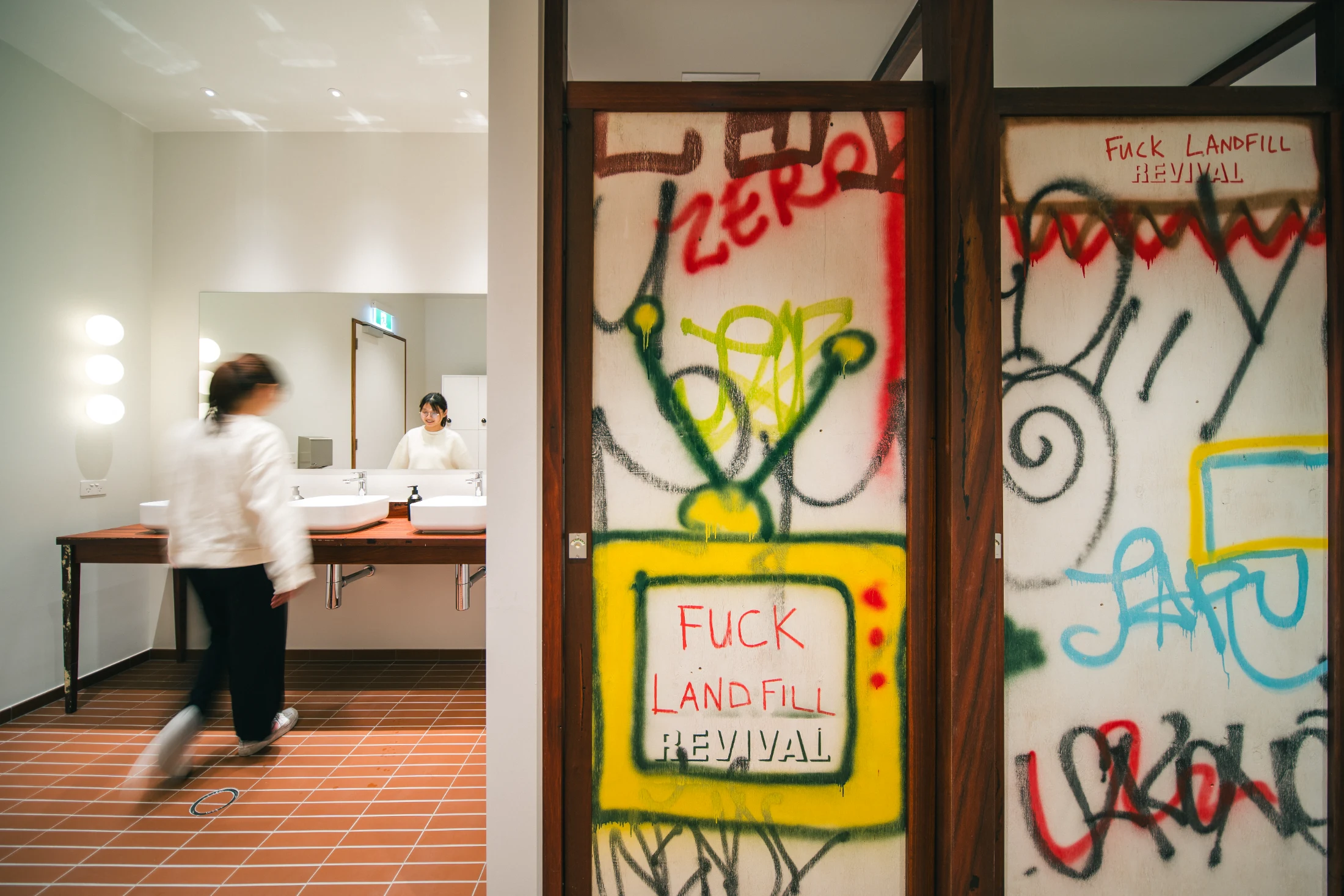
We also had 60 metres of gantry scaffold so pedestrians could walk under it while we worked on the exterior faces of the building. That's a lot of plywood scaffolding. We then used all that plywood to fabricate the toilet partitions and toilet doors. We left the graffiti on it, so it's almost like a snapshot in time. A lot of people say the bathrooms are their favourite part of the new build because they're so interesting.

How can people bring change to their own building or design jobs?

The first idea is that all design practices should adopt deconstruction plans as standard operating procedure in every element of their design. In other words, if you design something, and you document and draw it, have you actually applied any thought to how it might be taken apart in the future?

The most immediate, sustainable thing we can do right now is work with what already exists. Why on earth are we still preparing and implementing new designs and apply no thought to the future about how they can be utilised? It seems so simple when you actually stop and think.

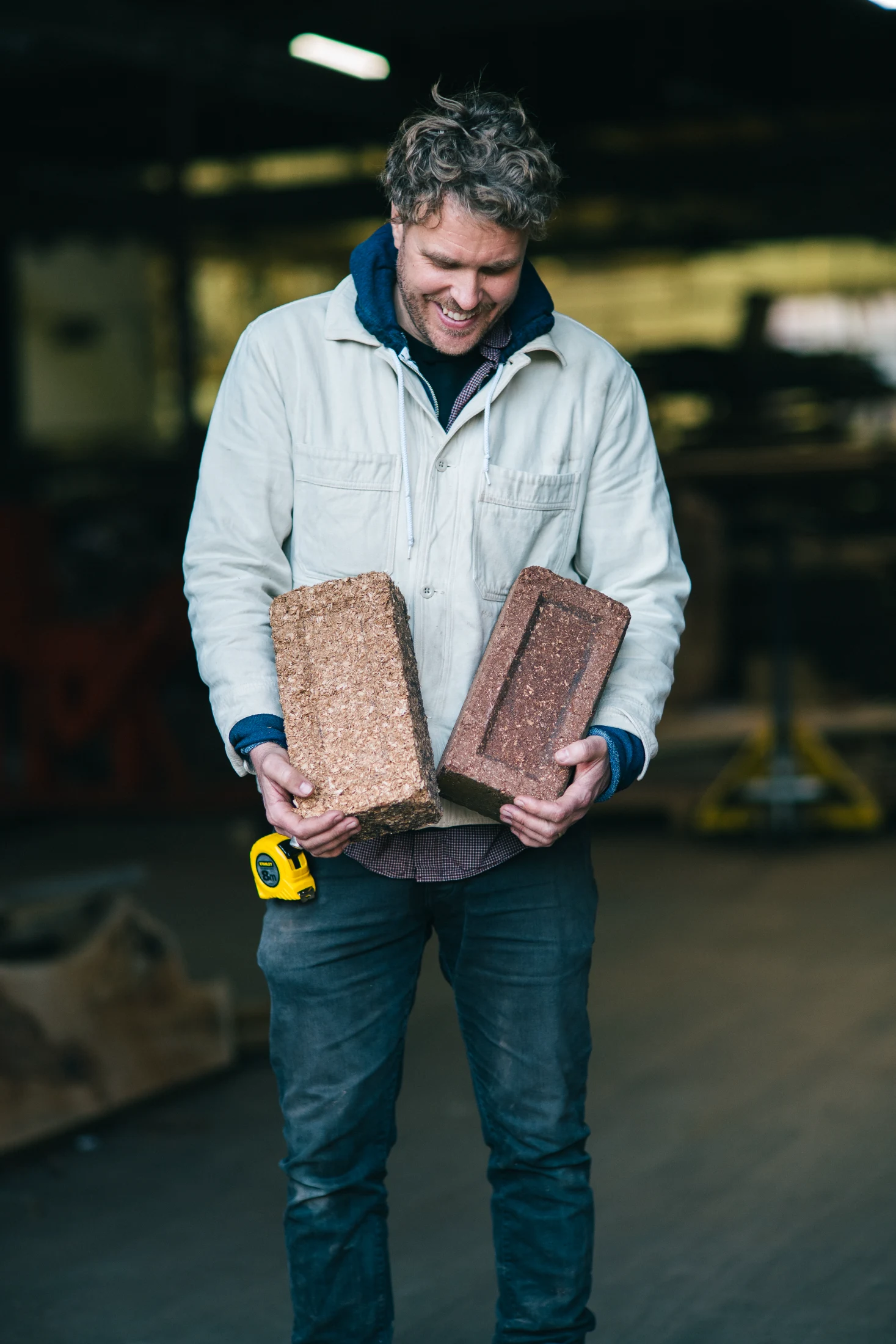
On that Easey Street job, we repurposed over 15,000 bricks – we got it down to 60 seconds to clean a brick. Sixty seconds to clean a brick that's been a structural member for 100 years.

When you sit down with an architect or a series of architects, not one of them is going to include any commentary about how the proposition of taking it apart and using it again in 50 or 100 years is important to them. That's a massive, missed opportunity.

There should also be some kind of legislation, guideline or requirement that when you're doing an extension or demolishing something, you have to research what's happening in a 20-kilometre radius via a database to see if someone else could use the materials. You should have to be required to use it or prove why you can't use it.

I'm imagining a platform where you connect with someone in your local area. In Victoria, 400 building permits are issued per day. If even half of those were new-builds that didn't involve any demolition, that's 200 building permits that are issued that involve handling existing resources. It won't happen until it's a requirement to happen.

What have Revival's projects taught you about yourself? What have been some surprising revelations, if any?

I find that once you get face-to-face, that's when the magic happens. People are very inspired.

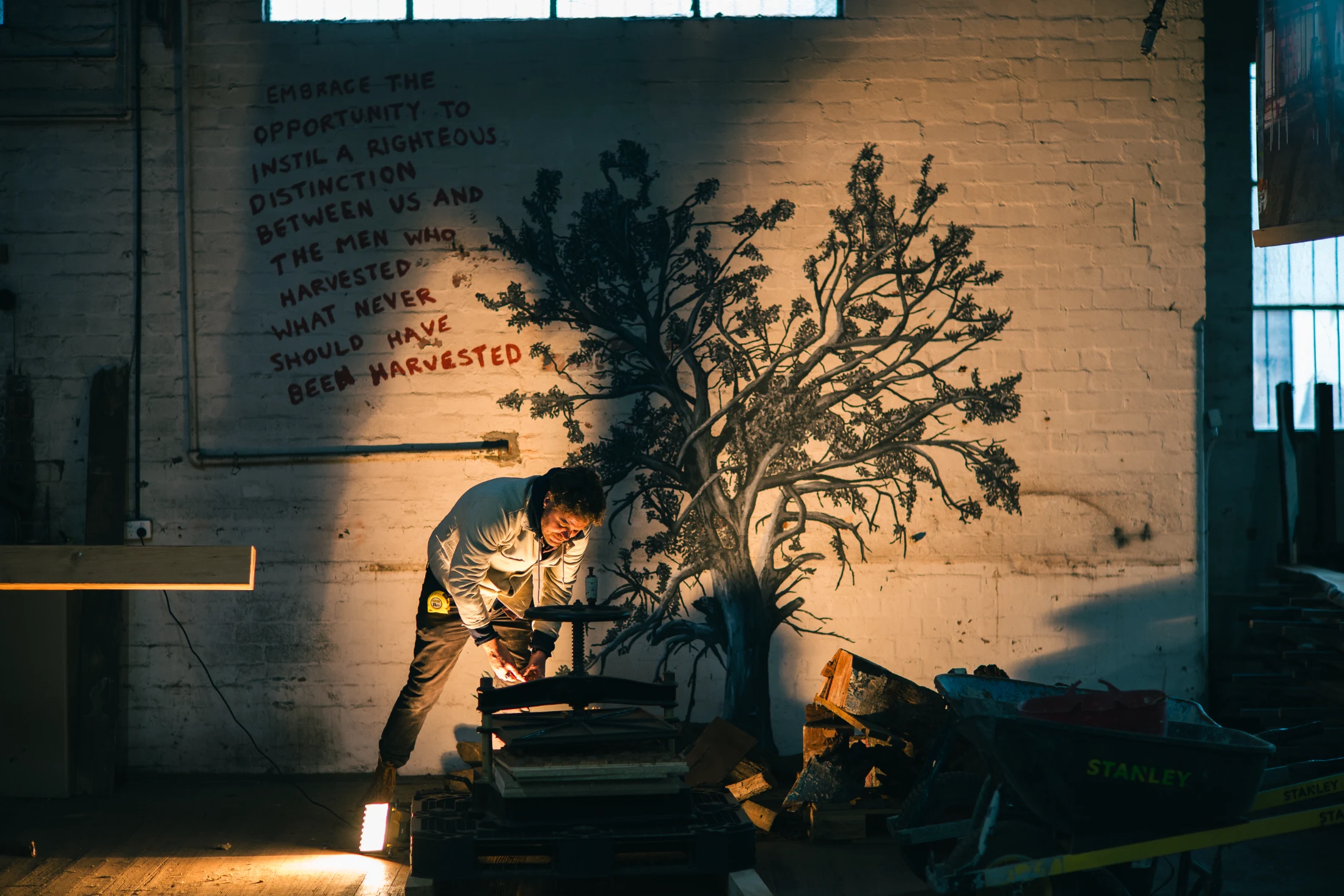
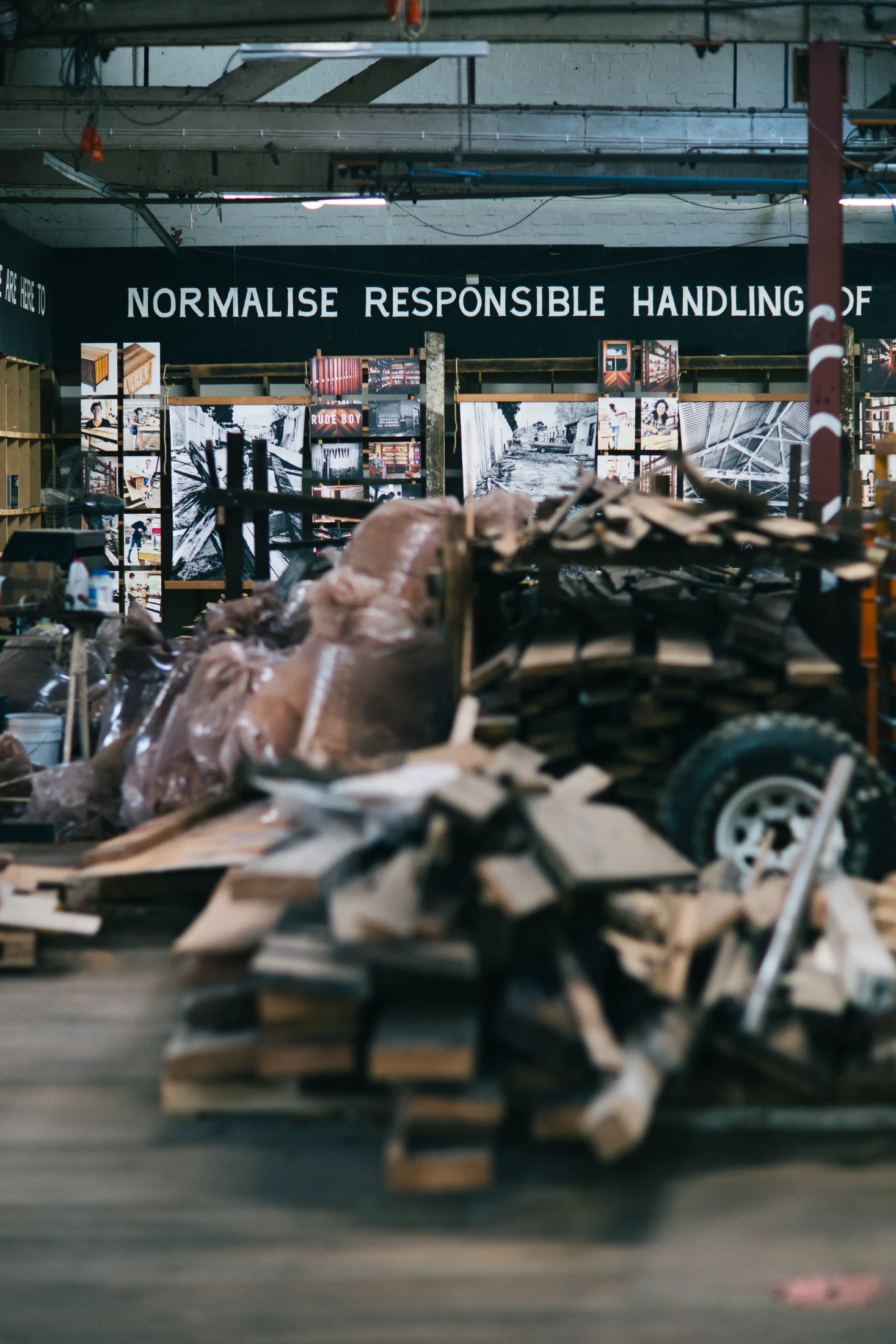
When people come into our space, they see mountains of trees and construction materials, they see we're creating new stuff and building new stuff. We're doing it in a way that's very grassroots – very honest and modest, but it's happening. And we're making a dent.

Social media, media, the newspapers, legislation, building permits and consultants – all that can become really impersonal. But when there's two people looking at each other and there’s a prospect of getting hands on and salvaging a brick or a stick of wood, I see immediate excitement. When people are personally confronted with the opportunity to push things in the right direction, they just go for it straight away.

¹An accessibility requirement that ensures glazed doors and otherstructures can be easily identified and don’t blend into surrounding features making them difficult to see.

Writing:
Lou Bannister
Writing:
Photography:
Photography:
Nam Tran
Back to Top
Arrow UpArrow Up
Top
Arrow UpArrow Up
The After shot of the Floorplan
Before
before
after
After
Businesses featured in this project
No items found.
Products featured in this project
No items found.
Magazine Current IssueMagazine Current Issue
Writing:
Nam Tran
Writing:
Photography:
Photography:
Nam Tran
Back to Top
Arrow UpArrow Up