
Magazine Current IssueMagazine Current Issue
The Very Unofficial & Definitely Not Definitive List of the Principles of Timeless Design
From our Mag
February 1, 2026

The Very Unofficial & Definitely Not Definitive List of the Principles of Timeless Design

Seeking to unpick the age-old conundrum ‘what makes an object timeless?’James Shackell devises the six tenets of timeless design.

In which we try to settle once and for all, in a very unscientific way, the age-old question: what makes an object timeless?

James Shackell
Writing:
Writing:
James Shackell
Photography:
Photography:
No items found.
Magazine Current IssueMagazine Current Issue
The After shot of the Floorplan
Before
before
after
After
Top
Arrow UpArrow Up

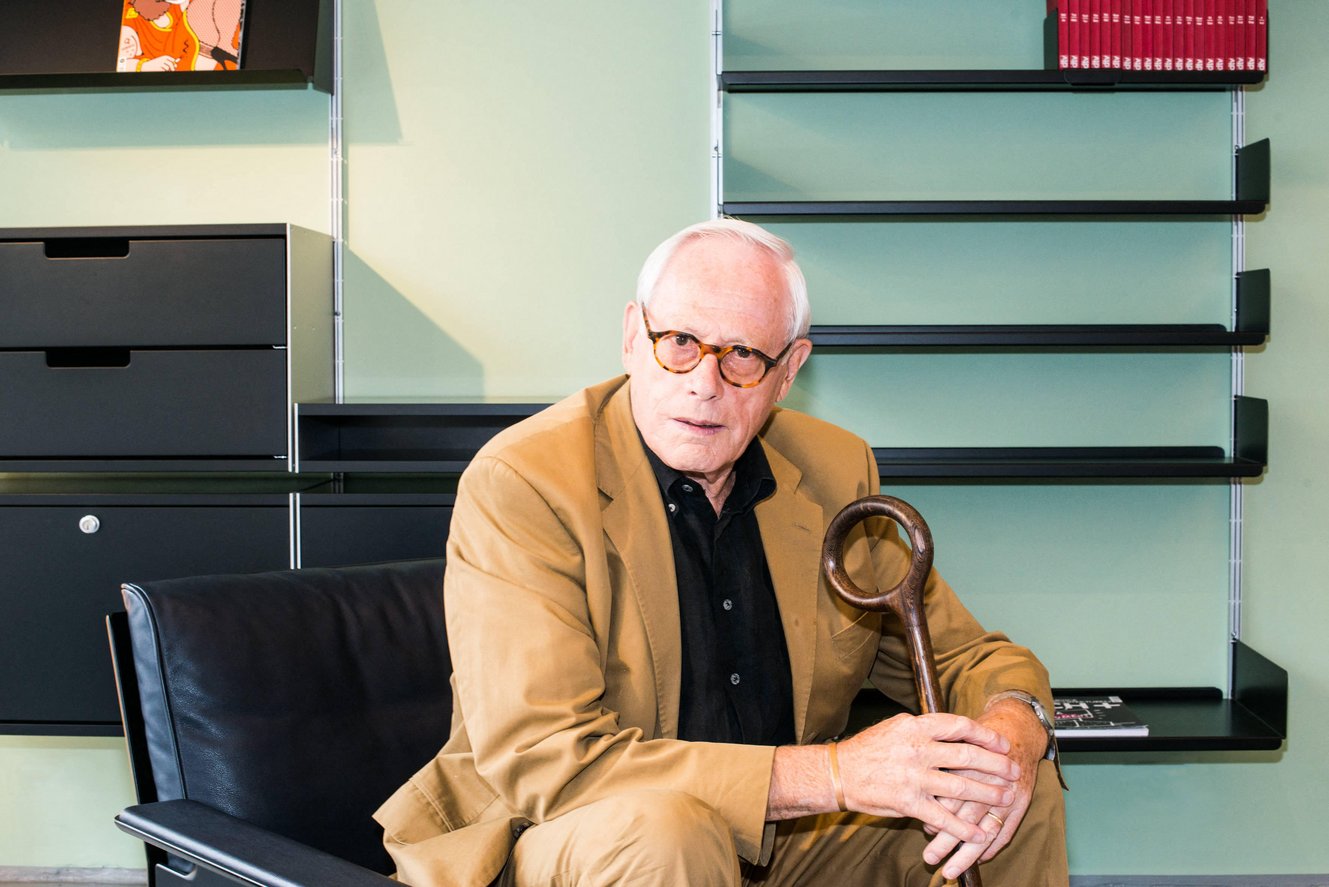
If you consider yourself a design nerd – and if you're reading this magazine, the odds of nerdom increase dramatically – there's a YouTube video you need to see. It's called "Dieter Rams pointing at things he doesn't like". The clip features pretty much what you'd expect: legendary German industrial designer Dieter Rams, whose "less but better" approach influenced an entire epoch, walking around the Vitra Design Museum throwing absolute shade at some of the greatest designers of all time.

"Here's something I really don't like," Rams says, shaking his cane at Marc Newson's aluminium 1986 'Lockheed Lounge' chair, which coincidentally fetched $5.3 million at auction. "I've forgotten the name, but experiments like this… it leads to misunderstandings."

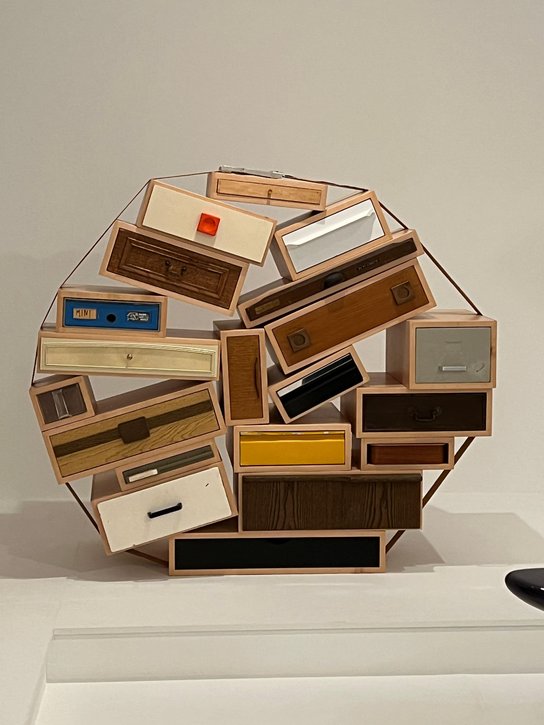
Rams wanders down an aisle of furniture whose insurance premiums boggle the imagination. The cane stabs out again. "Frank Gehry is not a friend of mine, neither personally nor as an architect," he says, casually destroying one of the most influential designers of the 20th century. When Rams gets to Tejo Remy's 1991 You Can't Lay Down Your Memory – a haphazard jumble of reclaimed dresser drawers, held together by a belt – he just shrugs. "This?" he spreads his arms, nonplussed. "This is neither orderly nor properly confused. I find things like this unnecessary. We don't need them." Dude was savage.

Dieter Rams, now 93, is one of the few humans alive with the moral authority to casually diss the furniture of Frank Gehry and Marc Newson. And apart from being quite funny, in a grumpy, old-man-yells-at-clouds kind of way, this clip demonstrates something fundamental about Rams' design philosophy: there is good, and there is bad. And not just good and bad in the subjective sense. Like Christopher Alexander, Le Corbusier and Buckminster Fuller, Rams believes in an objective set of design principles that makes a thing inherently 'good'. He calls them his 10 Principles of Good Design, and they go like this:

Good design is innovative / Good design makes a product useful / Good design makes a product understandable/ Good design is aesthetic / Good design is unobtrusive / Good design is honest / Good design is long-lasting / Good design is thorough down to the last detail / Good design is environmentally-friendly / Good design is as little design as possible
Now, as soon as you start enumerating objective principles, two things tend to happen. One, you piss off a lot of people. And two, exceptions emerge to break the rules. The more rules you create, the more quickly and easily exceptions emerge to break them.

So when my editor emailed and said she wanted me (a man who is very much not Dieter Rams) to establish a set of principles for timeless design – the objective qualities that make a thing relevant, functional and aesthetically pleasing forever – I hesitated. This seemed like a trap. I'm not even sure I believe in objectivist principles. I've always been a whatever-works-for-you, reality-is-in-the-eye-of-the-beholder kind of guy. Still, the challenge was tempting. Could we come up with a compelling formula for timelessness? Was that even possible? And if we couldn't nail timeless, could we at least bottle the essence of something close, like longevity?

To answer these questions, I'd need help, so I enlisted a few experts. They included Christian Grosen (Chief Design Officer at Vitra); Andrea Riegel (lecturer and creator of the encyclopaedic rabbit hole, design-is-fine.org); Rory Hyde (Associate Professor of Architecture at the University of Melbourne); David Beeman (owner of Vampt Vintage Design); and Dale Hardiman (co-founder of Australian furniture studio, Dowel Jones). To each of these I posed the question: what makes something timeless? Their answers have shaped the list below. A Very Unofficial and Definitely Not Definitive List of the Principles of Timeless Design. Follow these and your work is statistically more likely to endure the slings and arrows of outrageous fashion, guaranteed.

But before we get into the principles, we need to settle on a definition of 'timeless', right, otherwise what the heck are we all doing here?

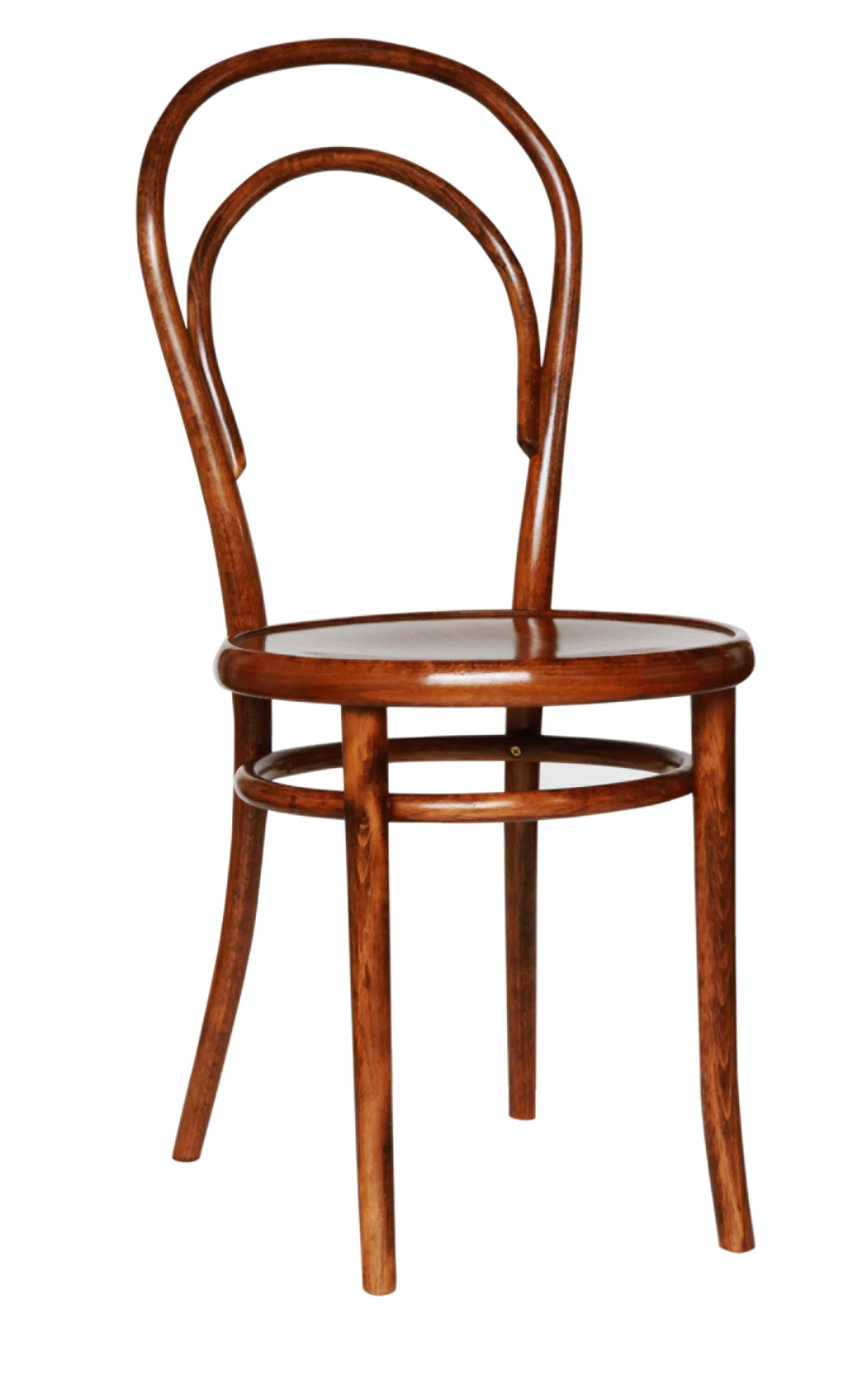
To start with, timeless isn't the same thing as 'classic', because classic implies a kind of gooey nostalgia or period-specific style. Cathedrals are classic. Hawaiian shirts are classic. 'Unchanging' doesn't quite fit either, since the best timeless designs can easily evolve without losing their core relevance or identity. See: the No.14 Vienna Chair, also known as the bentwood chair or the bloody-everywhere-chair, first made by Thonet in 1859 and relentlessly aped and rehashed in cafés throughout the multiverse. You're probably sitting on one now.

Maybe the least contentious definition we can settle on is this: timeless design is something that remains meaningful, effective and aesthetically relevant because it's grounded in universal principles like clarity and function, rather than fleeting trends. Timeless design feels as fresh today as it did yesterday, and will remain fresh tomorrow and for all the tomorrows after that until the inevitable entropic heat death of the universe. Agreed?

1. Timeless design needs a story

Throughout my research, this seemed to be a universal constant. All the experts agreed that timeless design meant design firmly anchored in story. There needs to be some cultural resonance. A narrative hook. Even the great curmudgeon Dieter Rams concedes this point. "Everything you see here has a story," he says. "Even in the case of objects I don't like, there's still a story."

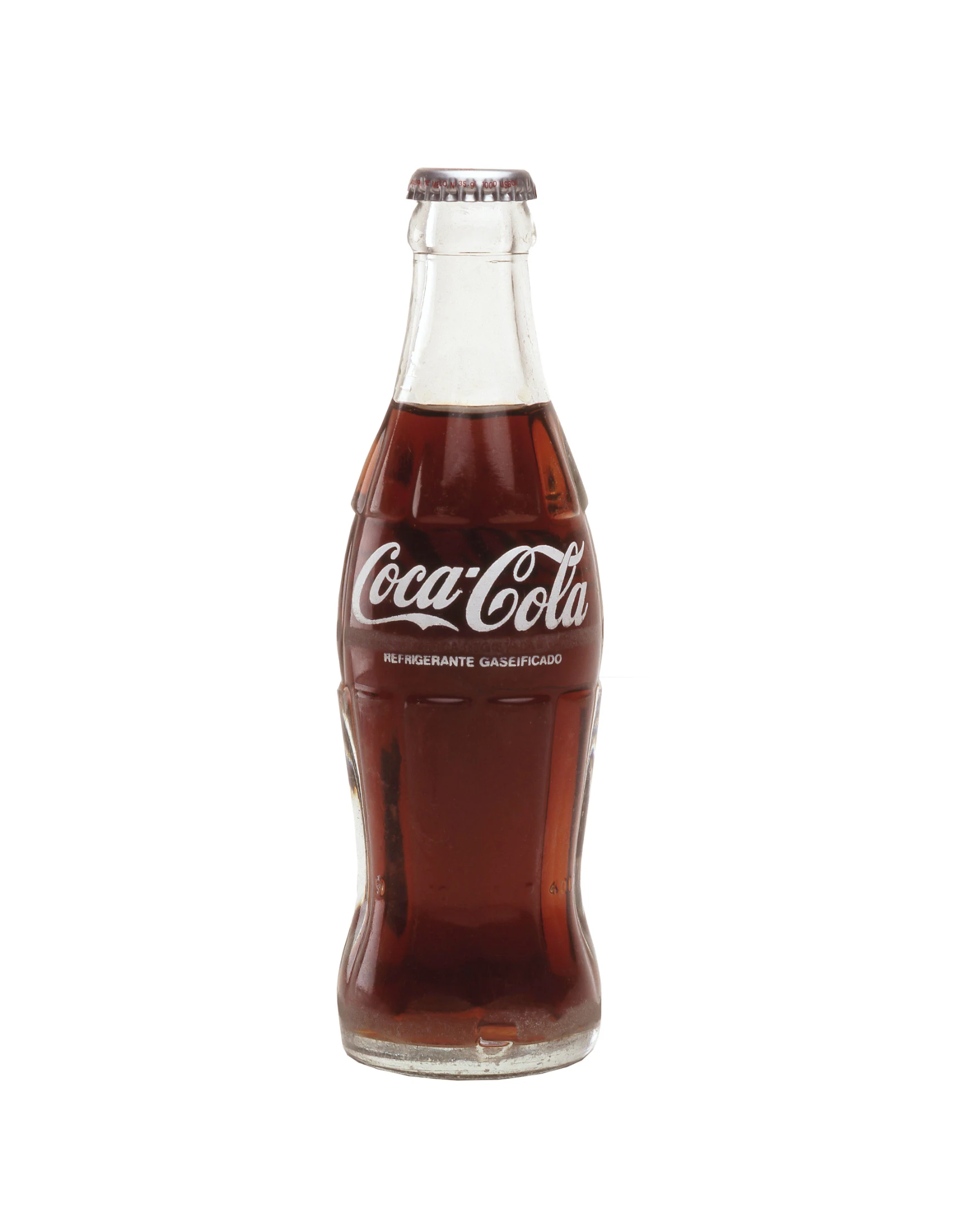
Take the humble Coca-Cola bottle; what Raymond Loewy once described as the "perfect liquid wrapper". In 1915, the Trustees of the Coca-Cola Bottling Association issued one of the most famous design briefs of all time. They challenged US glass companies to create "a bottle so distinct that you would recognise it by feel in the dark, or lying broken on the ground."

In Terre Haute, Indiana, the Root Glass Company struck on a design inspired by the cocoa bean – those now-familiar hourglass curves and parallel vertical ridges. Nothing fits the human hand quite like it.

"The first bottle they designed was beautiful, but not steady," Andrea Riegel says. "It would tip. So they refined the base and adjusted the proportions. But it's the story that makes it interesting. There's always a storyline behind good design. The form evolves from the story, from the idea. And if the story is good enough, you get a design classic."

In other words, a design is only as good as its narrative. AI might engineer the perfect chair tomorrow, for example, but that design will struggle to be considered timeless because when you crack open the story, there's nothing inside. No emotion, no background or social context, no character or hero's journey. No struggle or deeper meaning. Just a lifeless list of specs. And who wants to sit on that?

2. Timeless design is simple

Not simplistic, but simple. Possessing a certain purity of form. This isn't always the case, of course. In a thousand years people will still consider Gaudi's Sagrada Família beautiful, even though, when you're gazing up at the thing, "simple" isn't the first word that leaps to mind.

Maybe "functional elegance" is a better term: a smart, economical way of solving a particular design problem with as little design as possible. Just like Rams' "less but better" philosophy.

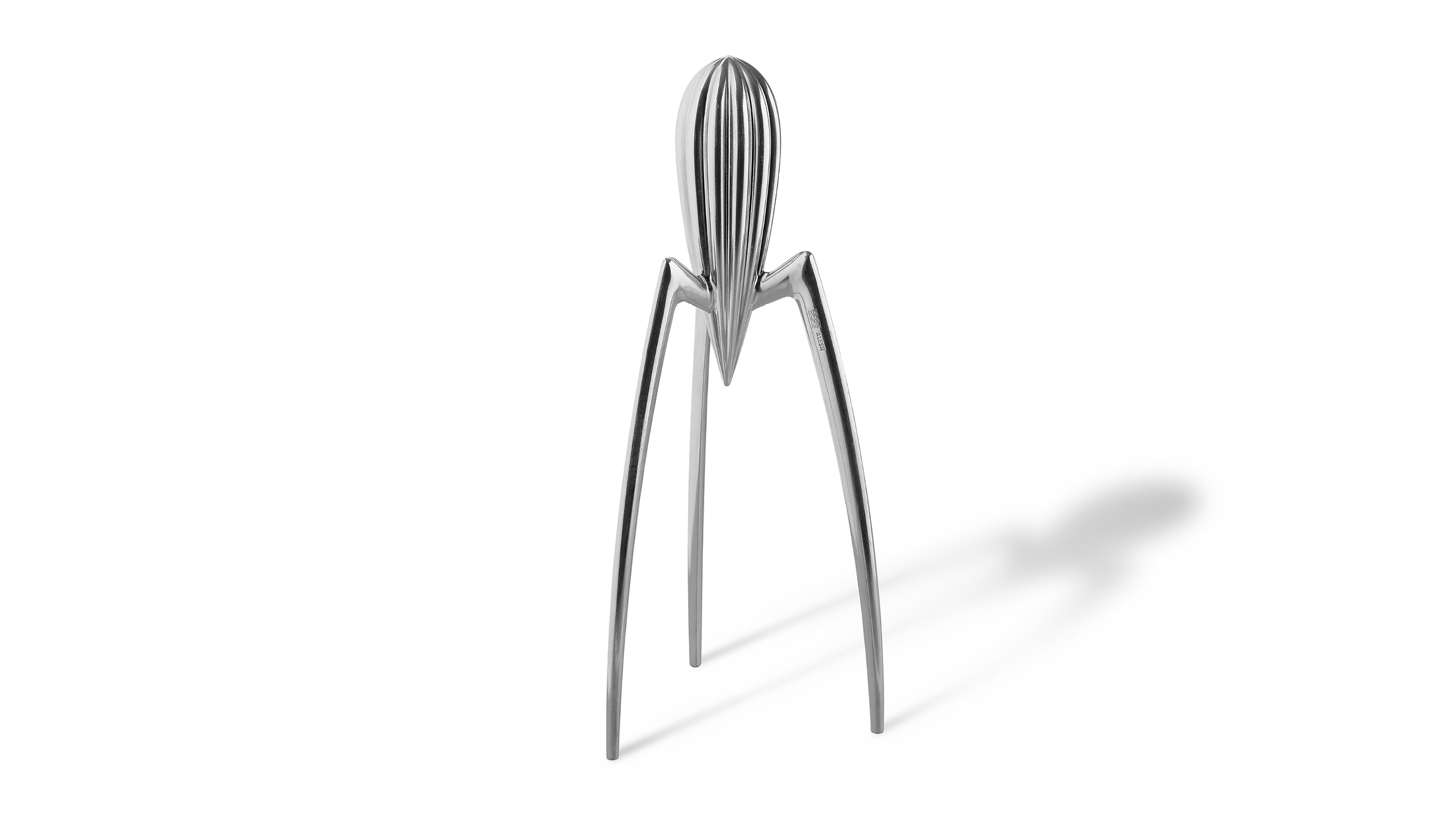
Consider the pop-up toaster, first patented by Charles Strite in 1921. It's possible to imagine some Wallace-and-Gromit-type Rube Goldberg machine that makes toast – perhaps involving marbles, dominoes, flaming matches and a well-trained hamster – but the chances of such a machine becoming 'timeless' are precisely zero. Why? Because it lacks functional elegance. It's not simple, therefore it's not replicable. The machine makes toast, sure, but (to borrow a metaphor from music) it's not a tune you can hum. The more complex your design, the more convoluted the melody, the more you stray from certain universal forms and truths. It's why something like the Juicy Salif, Philippe Starck's famous citrus reamer, will always be considered stylish. It would be hard to imagine a more simple, or beautiful, way to extract juice from a lemon.

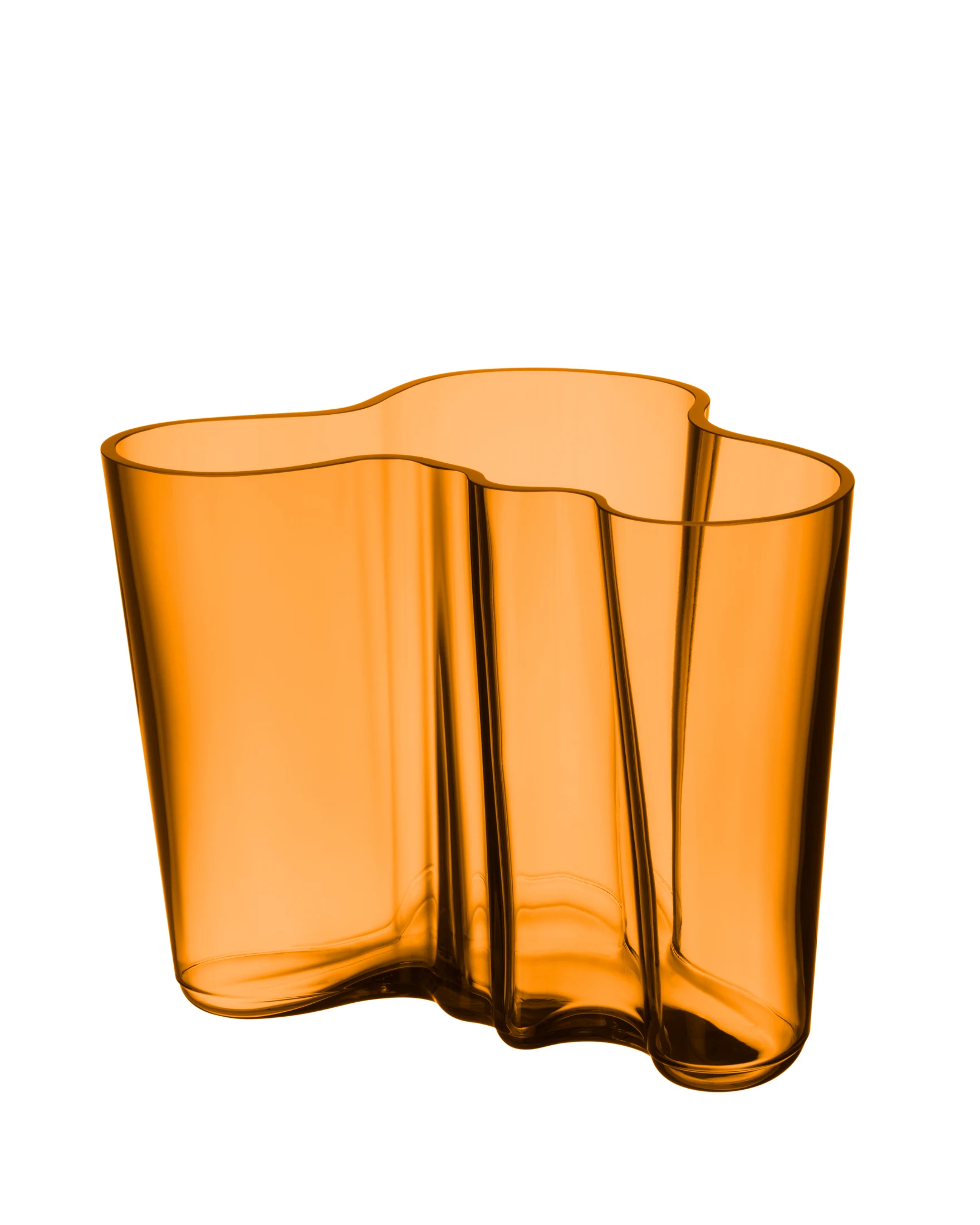
“I always come back to the Savoy Vase, designed by Alvar Aalto and his wife Aino” Andrea says. “If you don’t have much money, but you want an icon of design, this is the first thing you can buy. Such a simple, organic idea.”

3. Timeless design has emotional durability

For Dale Hardiman and Dowel Jones, timelessness comes back to something he calls "emotional durability", which is the value an object has outside its commercial dollar figure, or even its functional use. In other words, what it means to the owner. And this dovetails neatly with sustainability – another classic Rams' criteria. If we actually care about our objects, we're more likely to keep them for a long time, and even pass them down to our kids. They'll be timeless in the same way true love is timeless.

"Design isn't just aesthetic," Dale says, "At Dowel Jones, we now try to customise every piece to the particular person it's going to, in the hope that that extends its longevity. My theory is, from an environmental perspective, if that person likes the silhouette, we can adapt it. We can use a textile or fabric they love. We can change the colour. Then they end up with an object that no-one else has in the world."

This is an interesting point, because it seems to run counter to the whole timeless-design-is-universal idea, and actually sidesteps the subjective vs objective debate altogether. For Dale, the universal appeal of design is that it's inherently subjective – it boils down to the things we, as individuals, choose to value. A gift from a loved one. A vintage piece from your favourite designer. The watch you were wearing when your child was born.

"It's funny," Dale says, "as a designer in my 20s, I was really interested in aesthetics and innovation. All the cool new materials and stuff. Now I'm in my 30s, all I care about is storytelling."

4. Timeless design is quality design

Perhaps unsurprisingly, given he runs one of Australia's most successful vintage furniture warehouses, when I ask David Beeman what 'timeless' means, his first thoughts turn to quality. "The Danish philosophy was always that furniture should be built to last a lifetime – and then another lifetime," he says. "So that's when a piece is made to be re-upholstered or restored, rather than simply chucked out.

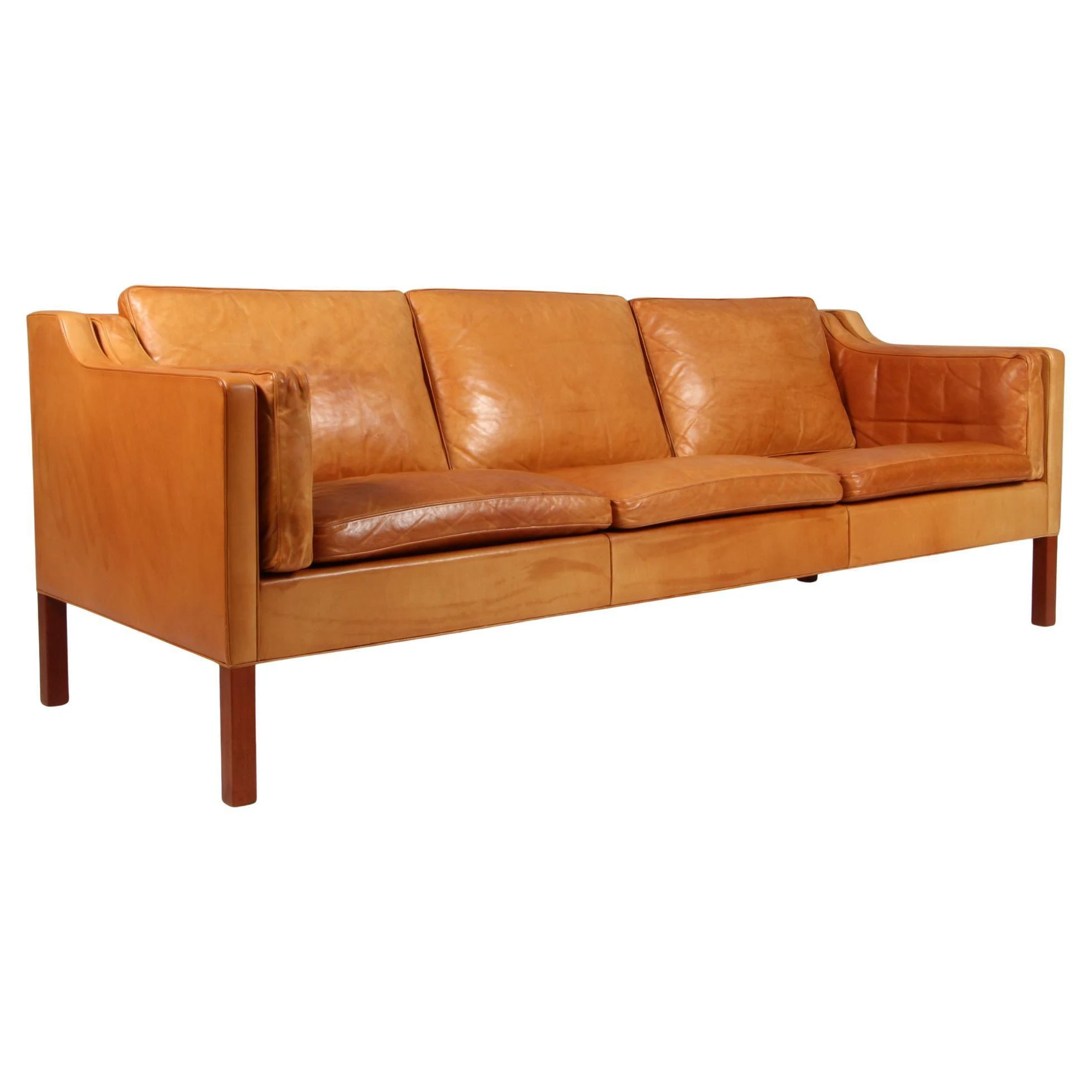
"Nowadays everyone's cutting corners with their foams of whatever. But when you sit on an original Børge Mogensen 2213 sofa – one of the most sought-after sofas in the world – when you sit on that with new feathers, it's second-to-none. It actually gets better over time."

This seems like a core principle. Nothing should be considered timeless if it's inherently disposable or expendable, either due to material choice or the quality of manufacture.

Perhaps that’s why modern digital products, even Bauhaus-inspired icons like the iPod, will never be considered truly timeless: the obsolescence is baked in. Unrepairable, incompatible, frozen in time. Forever unplugged from the now.

"Longevity is rooted in the quality of a product," says Vitra's Christian Grosen. "Not only in terms of functional durability, but also in how it ages gracefully. A piece ages well when it's crafted from materials that develop a beautiful patina over time or when its components can be easily repaired or replaced."

5. Timeless design is revolution

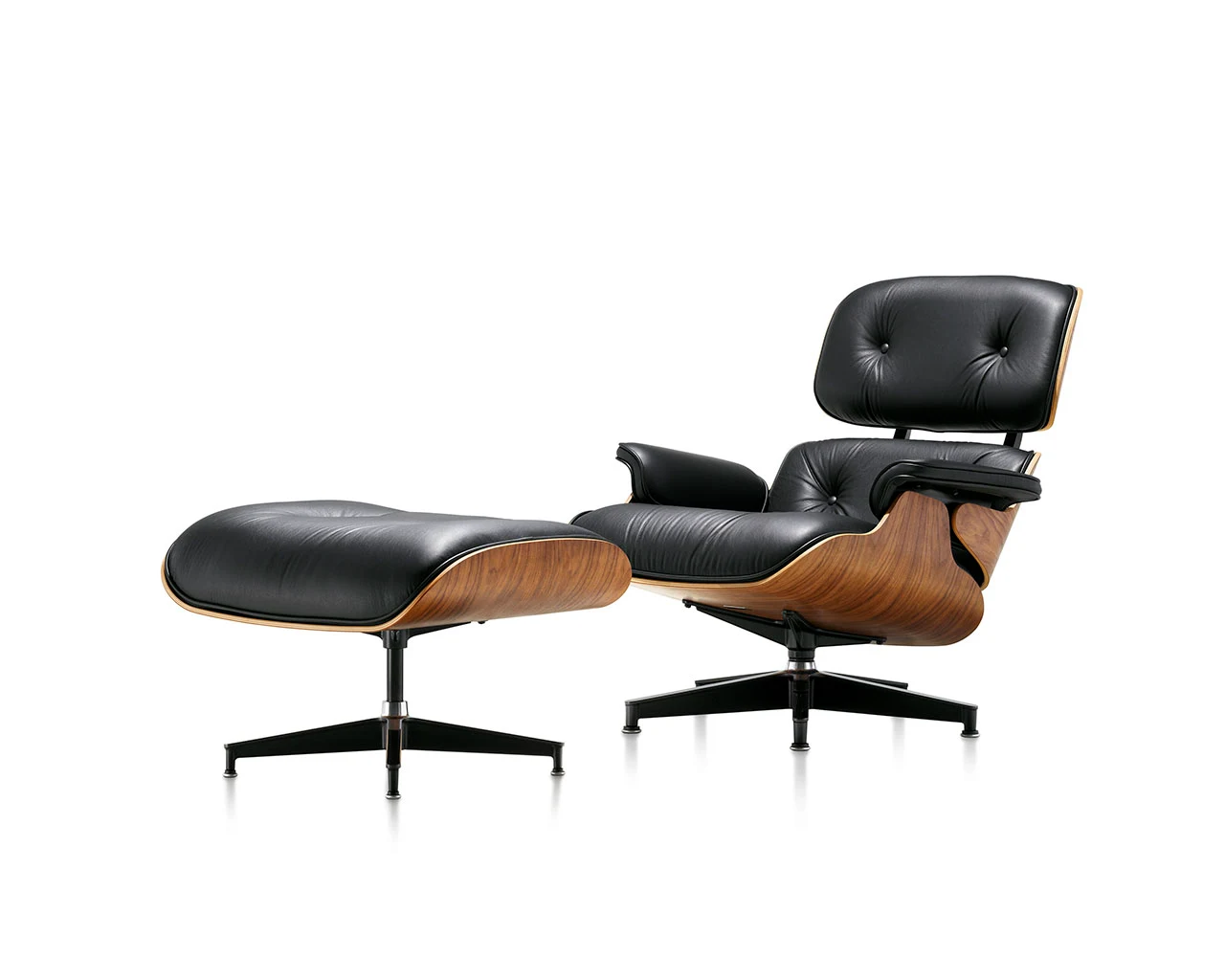
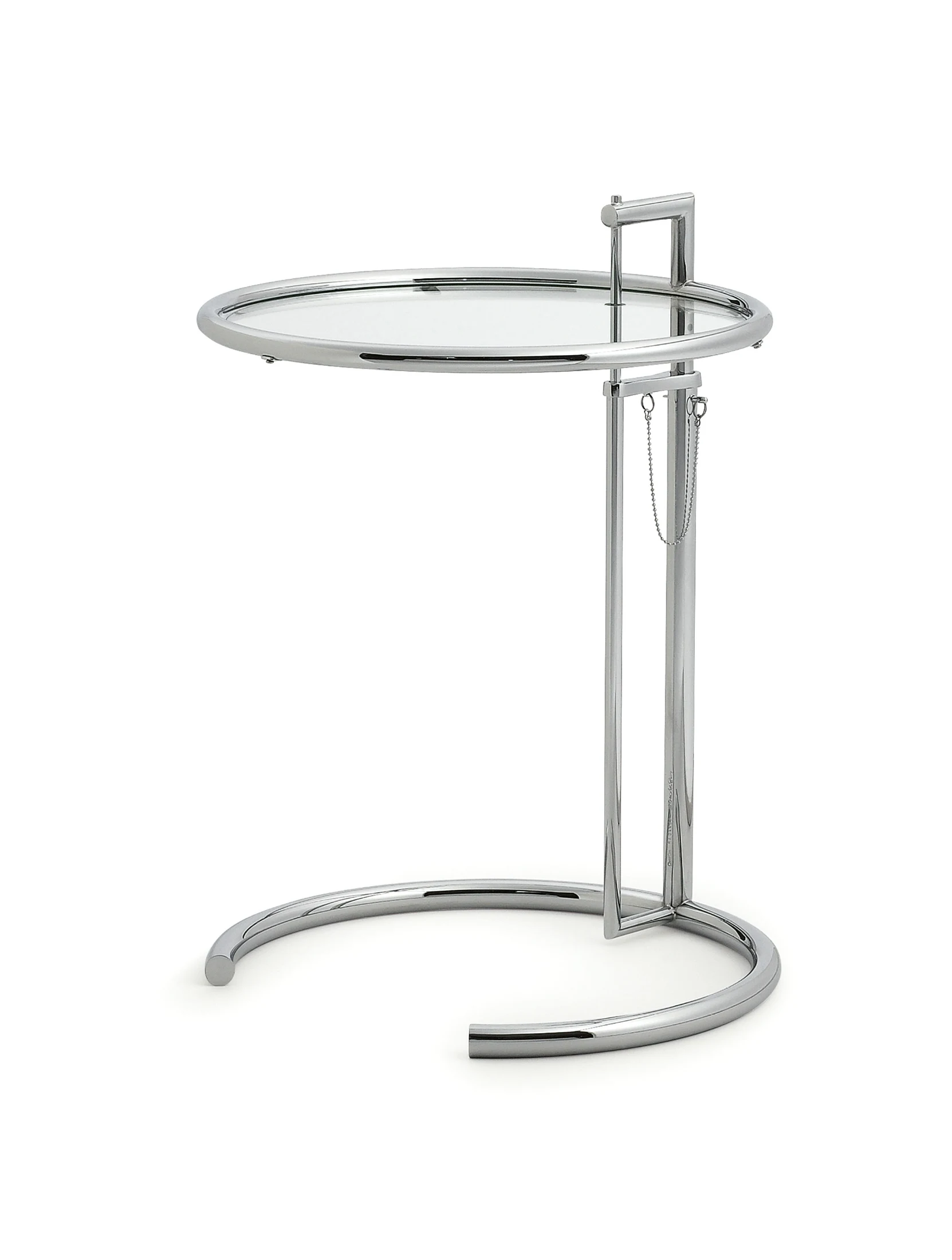
Andrea calls this "Form Follows Invention". When you look back on popular designs that have endured the last 200 years or so – puritan Shaker furniture, Thonet's patented bentwood, the Eames Lounge Chair, Eileen Gray's Adjustable Table E 1027 – the consistent element is innovation. The discovery and popularisation of the 'new'. New designs, new techniques, new materials – even the Memphis polymers and plastics of the 1980s – or simply new ways of solving age-old problems. Like how to build a comfortable chair.

Christian agrees. "A product will always reflect the era in which it was created," he says. "However, to be considered 'timeless' it must have pushed boundaries – technically, typologically or aesthetically – at the moment of its creation."

Basically, it's hard to be timeless if you're mindlessly following what other designers have already done, or even riffing on their creations. The best and most time-resistant designs tend to arrive sui generis. Derivative of nothing. Obvious to everyone only after the fact.

Dieter Rams understood this, but he added an important qualifier, which is that technical innovation should never be considered "an end in itself". Pushing boundaries in design is good, he said, but only when it serves real user needs. Everything else is just showing off.

6. Timeless design is loose fit

For architecture professor Rory Hyde, a key criteria of timelessness is flexibility. What he describes as "loose fit". The ability of a building or thing to flow and evolve over time, even as bits of it get updated or changed – sort of a grandfather's axe situation.

"Something like a Georgian terrace house, I would consider that a timeless bit of architecture," Rory says. "Those buildings are still adaptable, popular and desirable. They hold their character well. And it's not because they were particularly well built – most of them had to be put back together from the inside out – but their proportions were perfect. They allow this great adaptability."

We can extend this concept to furniture and industrial design, too.

When David Beeman from Vampt talks about the longevity of an Eames recliner, he’s really talking about the foundation of the thing; the bones or the essence. Upholstery might come and go, new leather or cushions may be needed, but the chair endures. The axe, and the story, goes on.

"Too much design relies on brittle systems," Rory says. "When you've got a nice big generous room, it can be a drawing room one century, then a sitting room in another, then an office, or a kitchen. That's what we mean by loose fit."

What Rory's really advocating for here is a return to fundamental principles: form, function, proportion, ease of use, things that can be easily repaired or updated. The more bells and whistles something has – and particularly if those whistles rely on brittle technology – the more vulnerable it becomes to any passing fad. Timeless design is both fixed and fluid. Instantly recognisable and open to expression. Of its time, but not necessarily for its time.

Ultimately, of course, the quest to establish a set of timeless design principles is doomed to fail. But that's okay. We knew that going in. As of right now, there is no universally accepted scientific definition of time, let alone timelessness. And that's what objective principles try to do: turn something from an art into a science. A formula that can be replicated by anyone.

And the truth about great design is that it can't be replicated, not really; and certainly not by anyone. It's one part genius and one part inspiration, and that inspiration is nearly always drawn from the culture, politics, fashions and technology of the time. You can't separate one from the other anymore than you can separate Andy Warhol from the 1960s, or Keith Haring from 1980s New York.

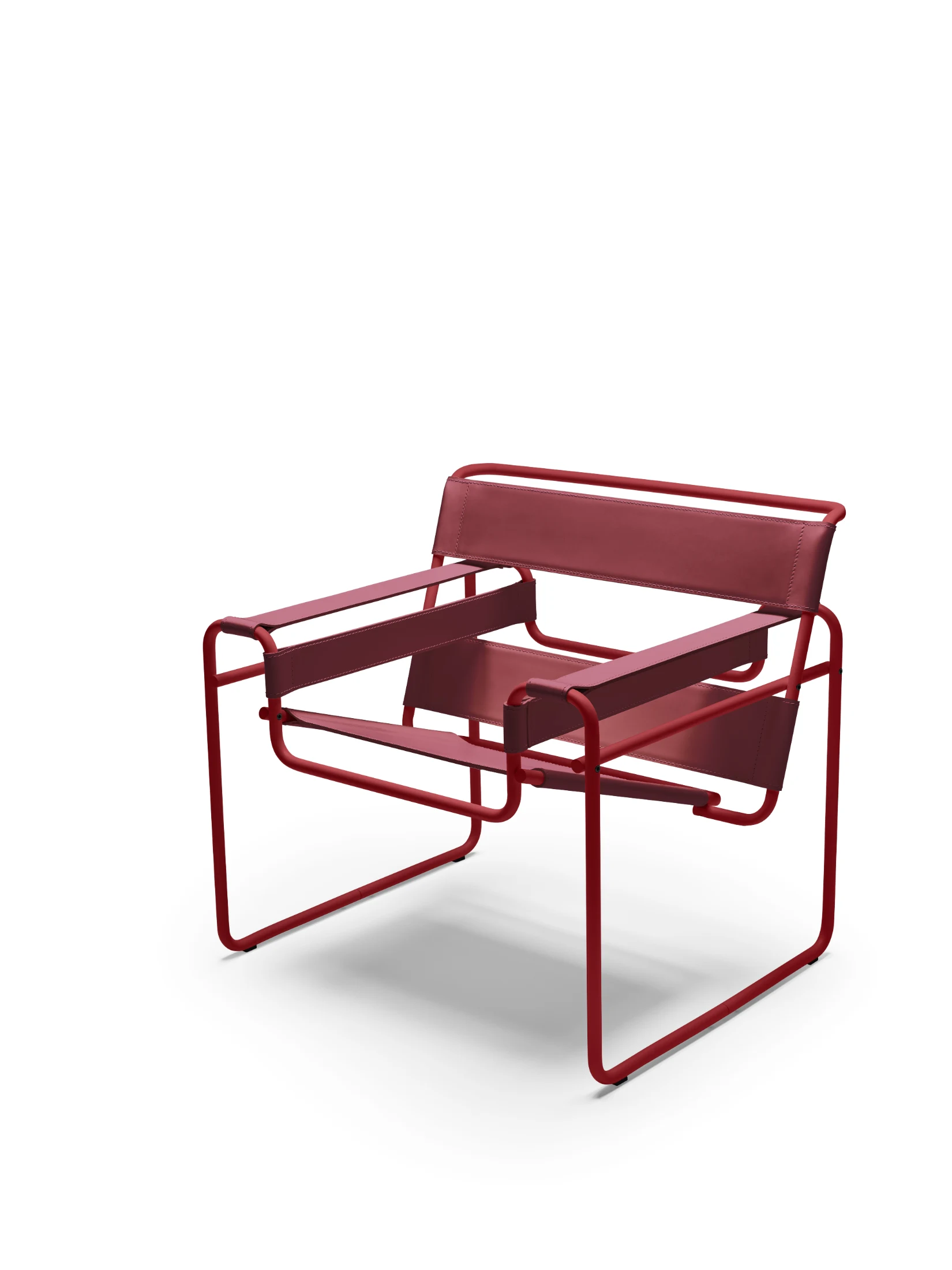
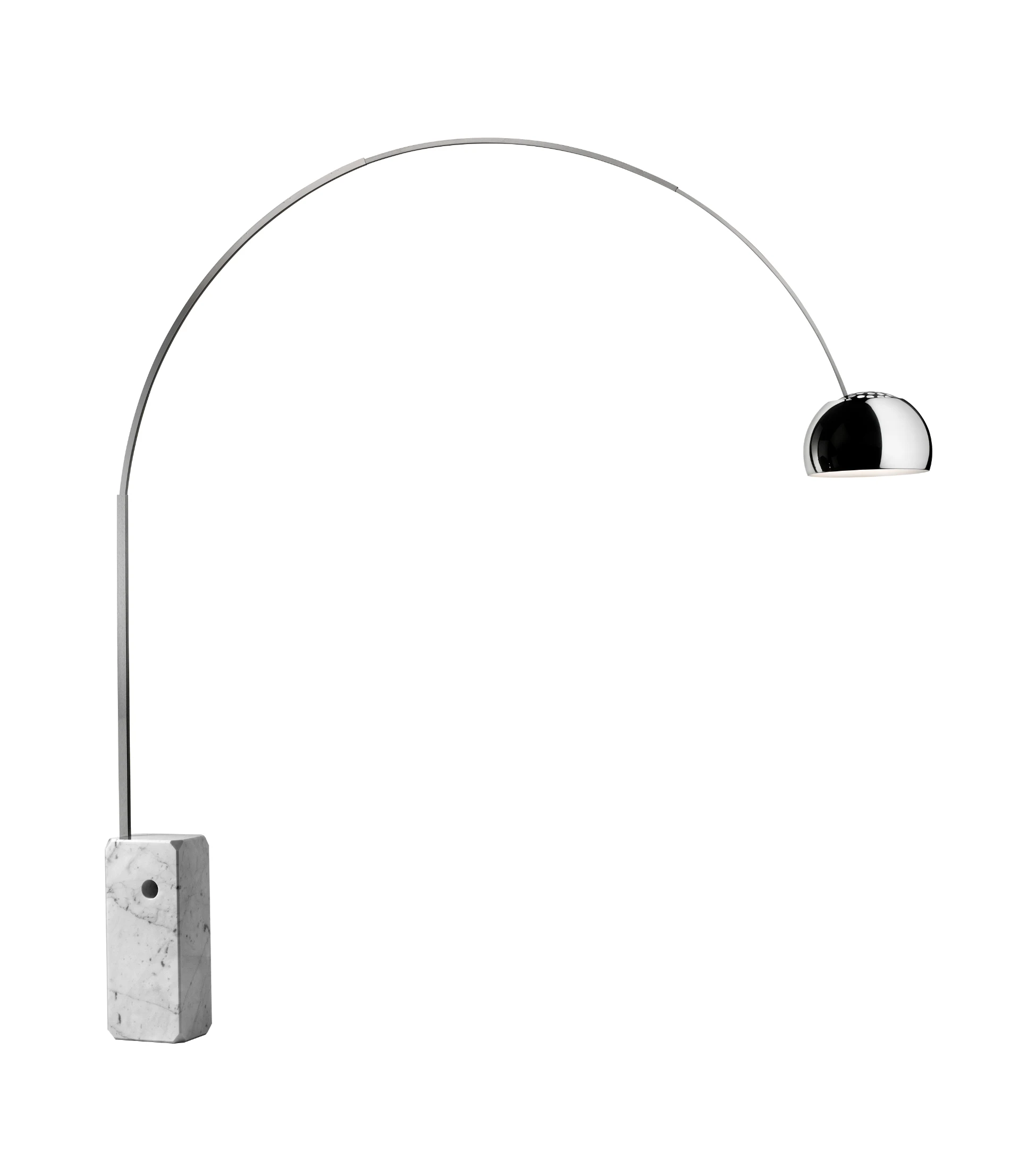
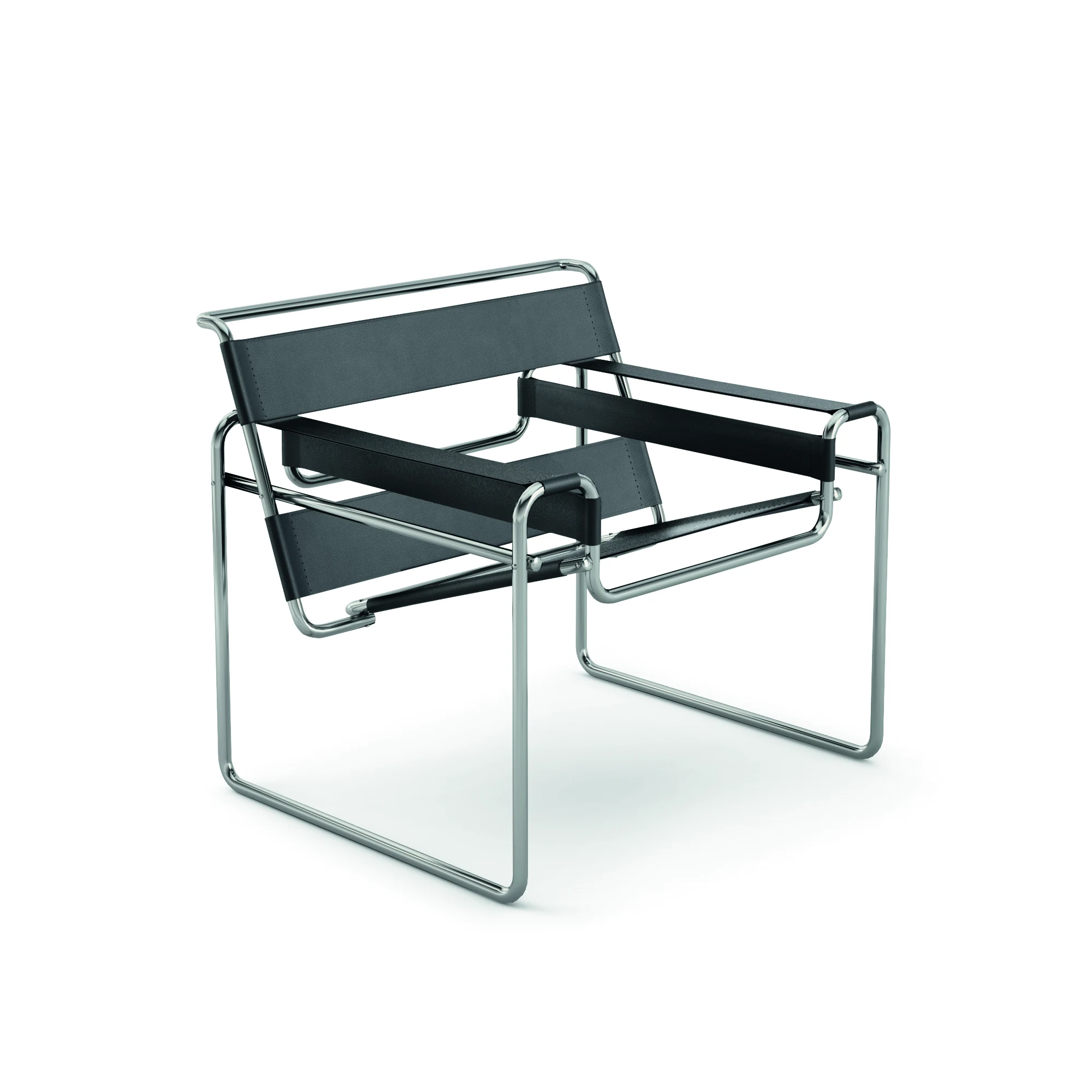
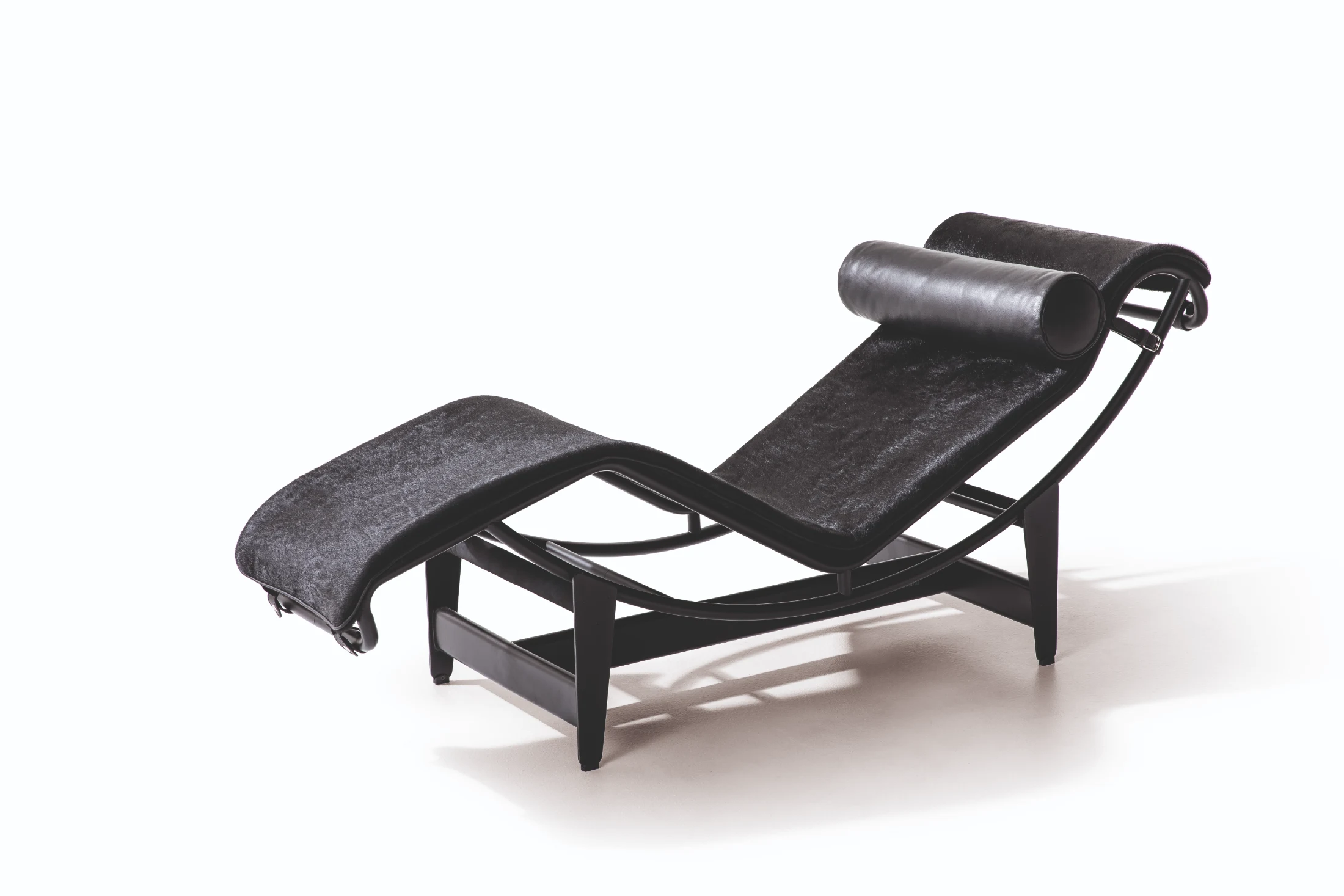
The reason some of these designs seem to hang about and remain (for lack of a better word) 'good', while others wither and fade, is that they manage to tap into something bigger than culture, bigger than fashion or tech. Something elusive and eternal and hard to put into words, but undeniably real. What I'm going to call the secret aesthetic truth of the universe. You get the sense that, if intelligent bipedal life exists on other planets, they've already invented something pretty similar to a Wassily Chair, or an Arco lamp, or Cassina's LC4 chaise longue. Some things are just universally cool.

"It's difficult to set out with the explicit goal of creating something timeless because 'timelessness' is not a style – it's a result," Christian says. "True timelessness emerges when a design breaks with convention and sets a new standard. Challenging the status quo is a prerequisite, but whether a design is ultimately seen as timeless, well, that's for history to decide."

And so we come to our final ingredient of timelessness, which is, ironically, time. You can't make a timeless design. Only history gets to do that. All you can do is set out to make a good design – elegant and pure and useful – and hope that time is kind to it.

"It's funny," Rory says, "but when I was studying, we were taught architecture as a series of styles marching along; the new ones always replacing the old. Victorian, then Queen Anne, then Federation, then Modernism, then Postmodernism and so on.

"But somehow I feel that we're not part of that march anymore. We're in this kind of other territory, a strange plateau, where anything is possible and nobody is worried anymore about defining the style of now. It's an interesting time."

¹ For more Rams-related goodness, check out the doco this clip is clipped from. It’s called Rams by Gary Hustwit. You can view the full thing here: hustwit.com/rams

² Not an actual guarantee. actually gets better over time.”

³ A bit confusing, since Coke has never been made from cocoa beans (which are used for chocolate). The original Coke recipe called for coca leaves and kola nuts, which is where the name 'Coca-Cola' comes from. But like who craes. it's a nice bottle.

⁴ A famous thought experiment that explores whether an object remains an object when you replace parts of it over time. Like your grandfather gives you his axe, but eventually it needs a new handle, and then a new blade. Is it still your grandfather’s axe? How much of an object is tied to the physical thing, and how much is linked to memory and sentiment? There’s no right or wrong answer here. We’re genuinely asking.

⁵ No joke, one of the major theories going around right now in theoretical physics is that time doesn’t exist at all. It’s a human illusion. In many quantum equations, time isn’t even necessary: the universe’s laws work just fine without it. See: Julian Barbour for further reading. Or don’t. It’s pretty heavy stuff.

Writing:
Writing:
James Shackell
Photography:
Photography:
Back to Top
Arrow UpArrow Up
Top
Arrow UpArrow Up
The After shot of the Floorplan
Before
before
after
After
Businesses featured in this project
No items found.
Products featured in this project
No items found.
Magazine Current IssueMagazine Current Issue
Writing:
Writing:
James Shackell
Photography:
Photography:
Back to Top
Arrow UpArrow Up