



The History
In the days of Pharaohs, plywood veneers were used to create coffins and surprisingly-intricate pieces of furniture. A sarcophagus, unearthed from a pyramid in more recent times, reveals an alabaster construction with an interior lining of plywood secured with wooden pegs. Legend has it too, that Cleopatra presented Julius Caesar with a beautifully inlaid plywood veneered table as a gift.
So, it’s fair to say plywood has been around a while. But it wasn’t until the industrial revolution that new machines and processes made industrial production of plywood possible for the first time.
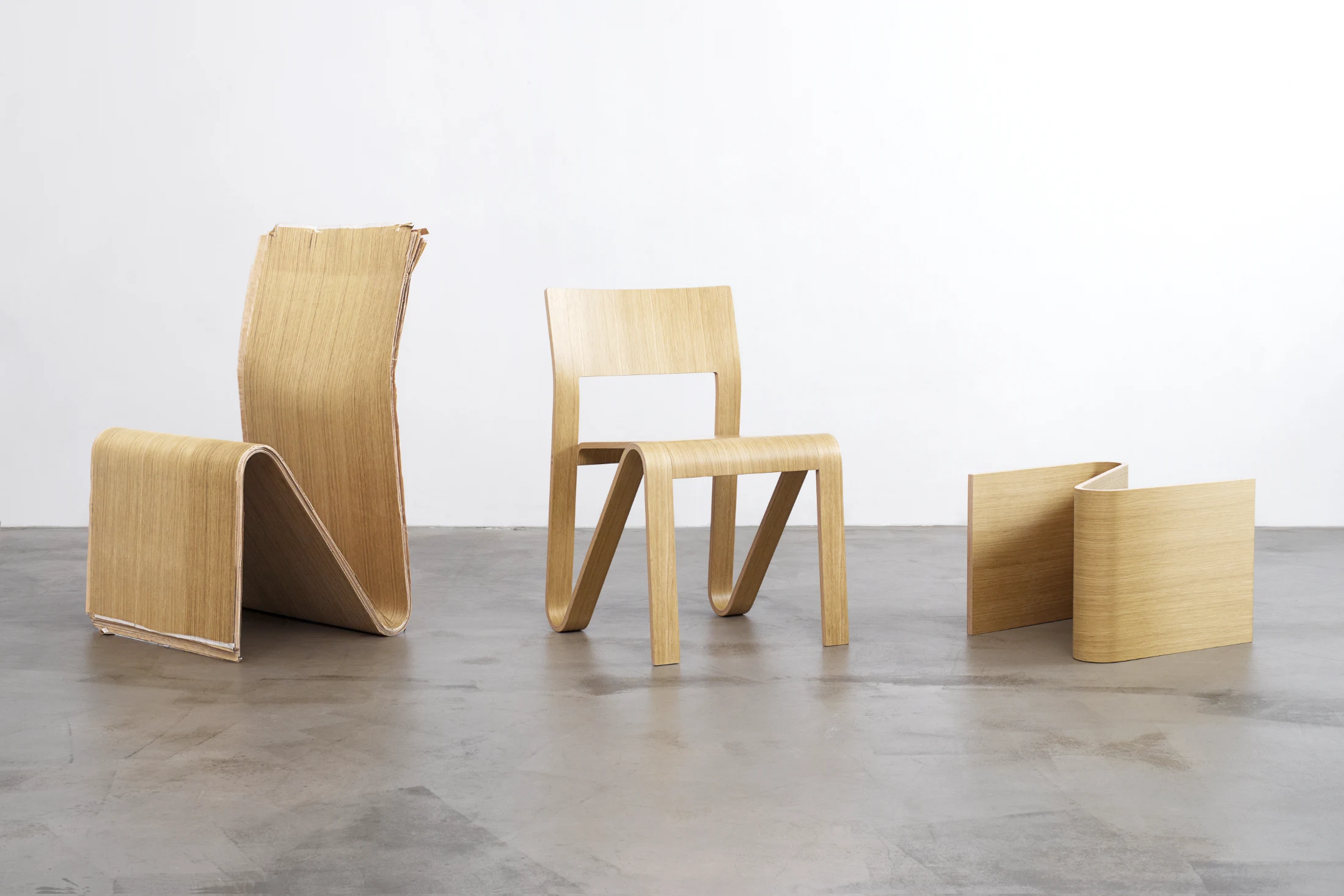
In 1797, Englishman Samuel Bentham built a machine for producing wood veneer and applied for a patent. A few decades later, Michael Thonet – the furniture pioneer responsible for birthing possibly the most iconic of cafe chairs – began working with plywood but switched to bentwood, where he made his name. At the same time, plywood became a regular feature of US-produced pianos and soon after, moulded plywood became the most common form of the material used in furniture design.
Plywood’s affordability and strength also made it perfect for use in transport. In 1867 the American Institute Fair in New York exhibited a 107-foot long prototype elevated railway, a spectacle made entirely from moulded plywood that transported 75,000 people propelled by large fans. Plywood boards were also produced en masse for Ernest Shackleton's 1907-09 Antarctic expedition: 2,500 plywood packing cases were used to carry provisions and equipment. It was also used in cars and planes, where it is still used to this day. But plywood’s popularity and affordability put it in the firing line as well. In his novel Our Mutual Friend, published in 1865, Charles Dickens invented a nouveaux-riche couple called Mr and Mrs Veneering whose house was “spick and span” but where the new furniture “smelt a little too much of the workshop and was a trifle sticky”.
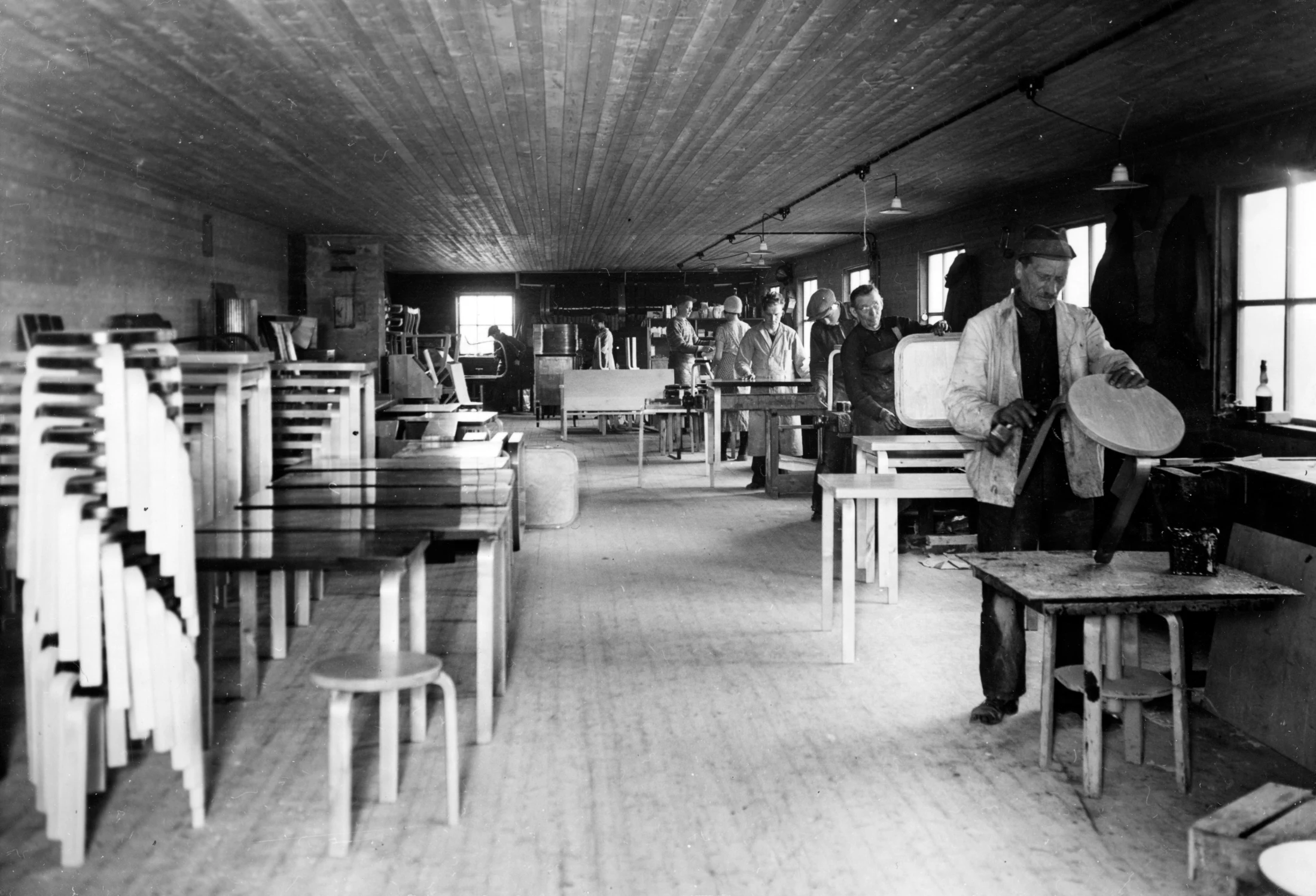
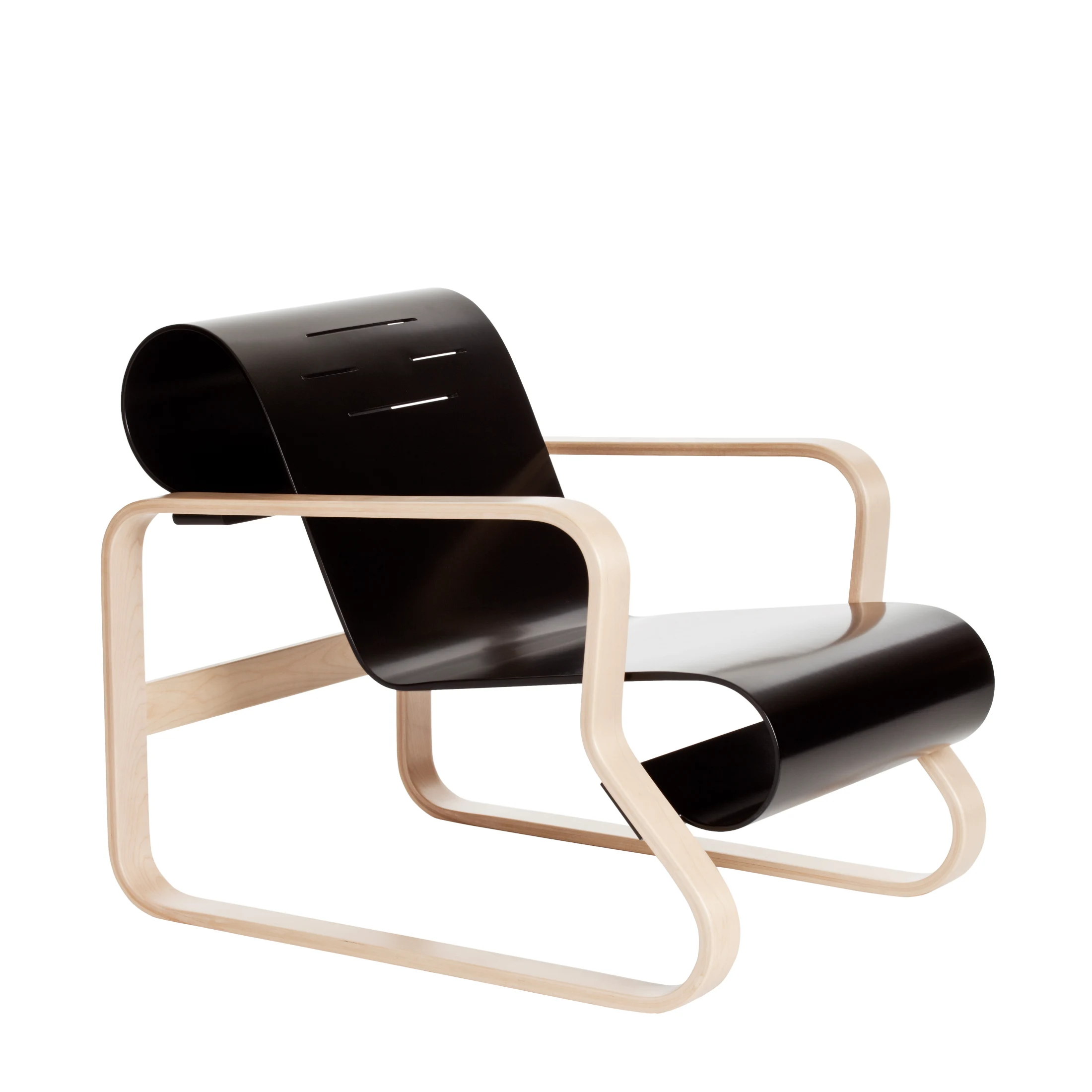
Reputational rehabilitation arrived later in the 1920s as modernist architects and designers began working with plywood – it fitted their ideology of affordable, democratic design. At the Bauhaus, founder Walter Gropius and later Marcel Breuer were in charge of the wood workshop, with Breuer’s experiments in plywood including the Short Chair (1936), which was a direct translation of his famous steel and aluminium chairs of the time. Around the same time in Finland, architects Alvar and Aino Aalto began experimenting with moulded plywood and created the very first moulded plywood chair to be supported by a cantilevered plywood frame: the Paimio chair (1932). Both the Paimio chair and the Paimio sanatorium building, which was designed for tuberculosis sufferers, were made with Finnish birch, a material still used to make much of the world’s plywood to this day.
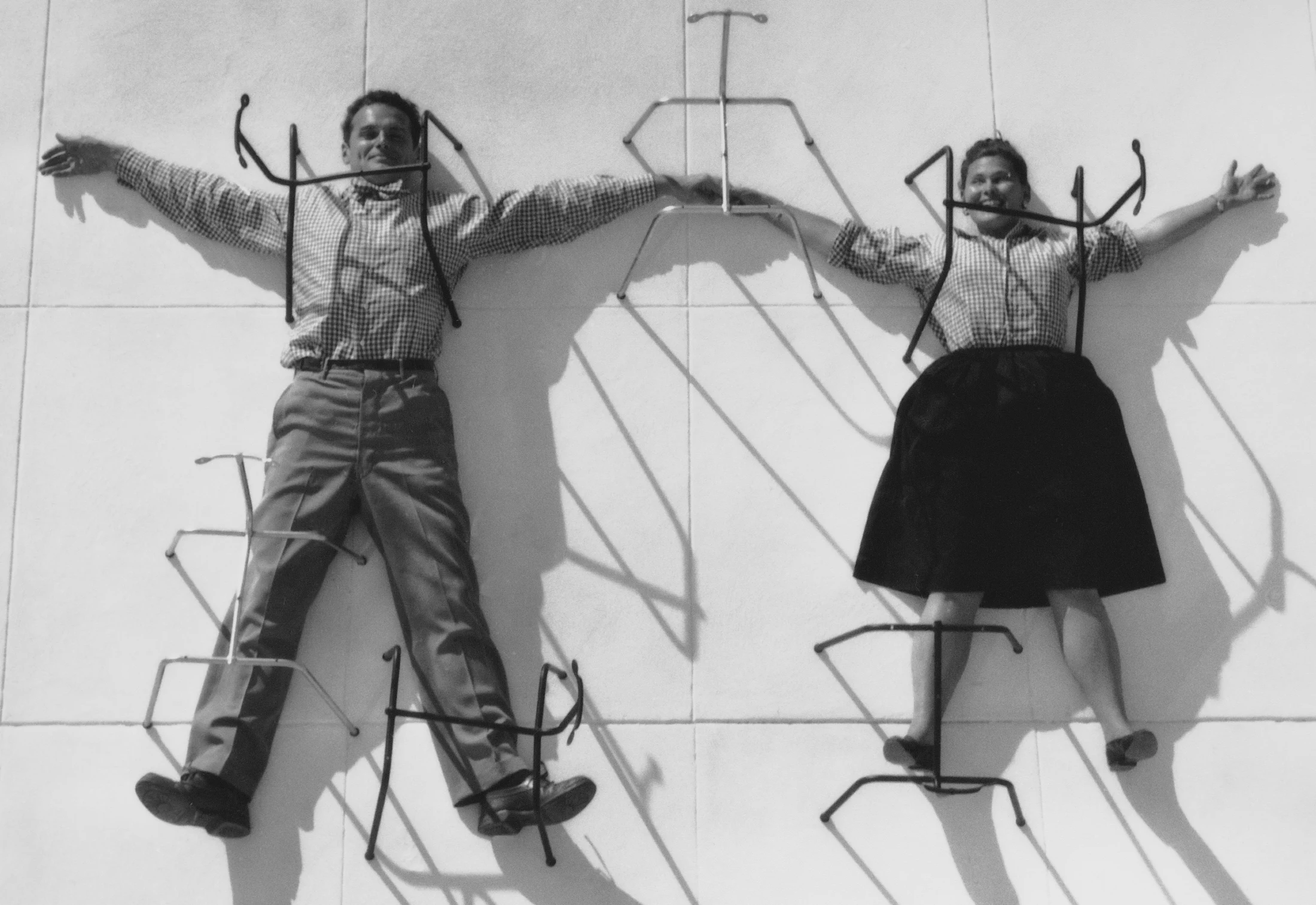
Design powerhouse couple Charles and Ray Eames, then brought their star power to plywood in the mid-20th century. While Charles served in the US Army during World War II, the couple started experimenting with moulding plywood using a specially-made machine, making leg splints, arm splints, and stretchers for carrying injured soldiers. After the war, they used what they had learnt about plywood to develop furniture, honing and perfecting the technology. From 1946, Herman Miller began making the Eames Moulded Plywood Chairs and later, the Eames Lounge Chair and Ottoman (1956) with its moulded plywood base and leather upholstered seat. Originally, the armchair and ottoman set was designed as a birthday gift for close friend and renowned filmmaker, Billy Wilder but since then it has become one of the most coveted and iconic design pieces of all time.