
Magazine Current IssueMagazine Current Issue
More than a Rug
More than a Rug
From our Mag
January 8, 2025

More than a Rug

GUR founder Célia Esteves transforms Portuguese traditional weaving into contemporary art pieces by collaborating with global artists to create unique rugs from textile waste.

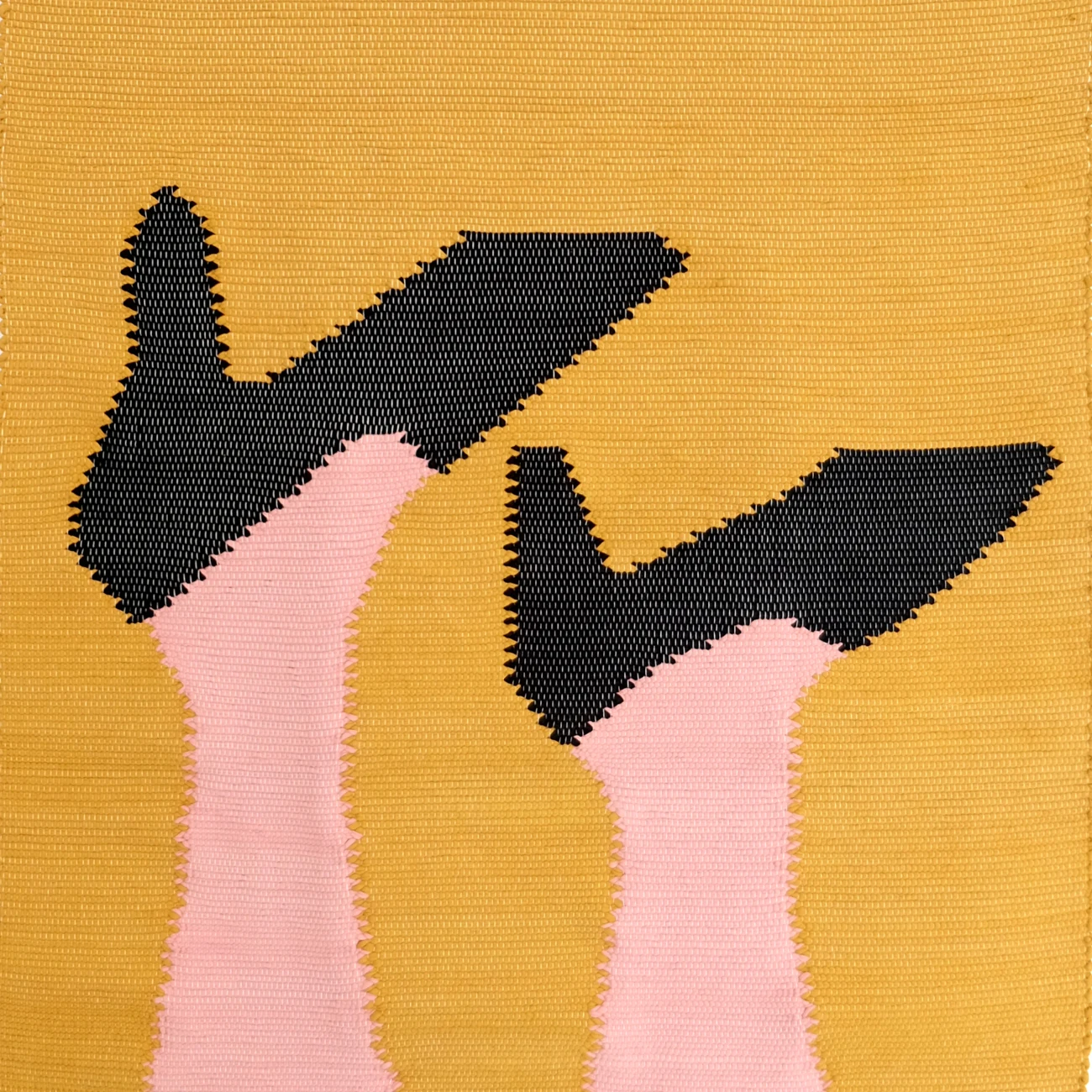
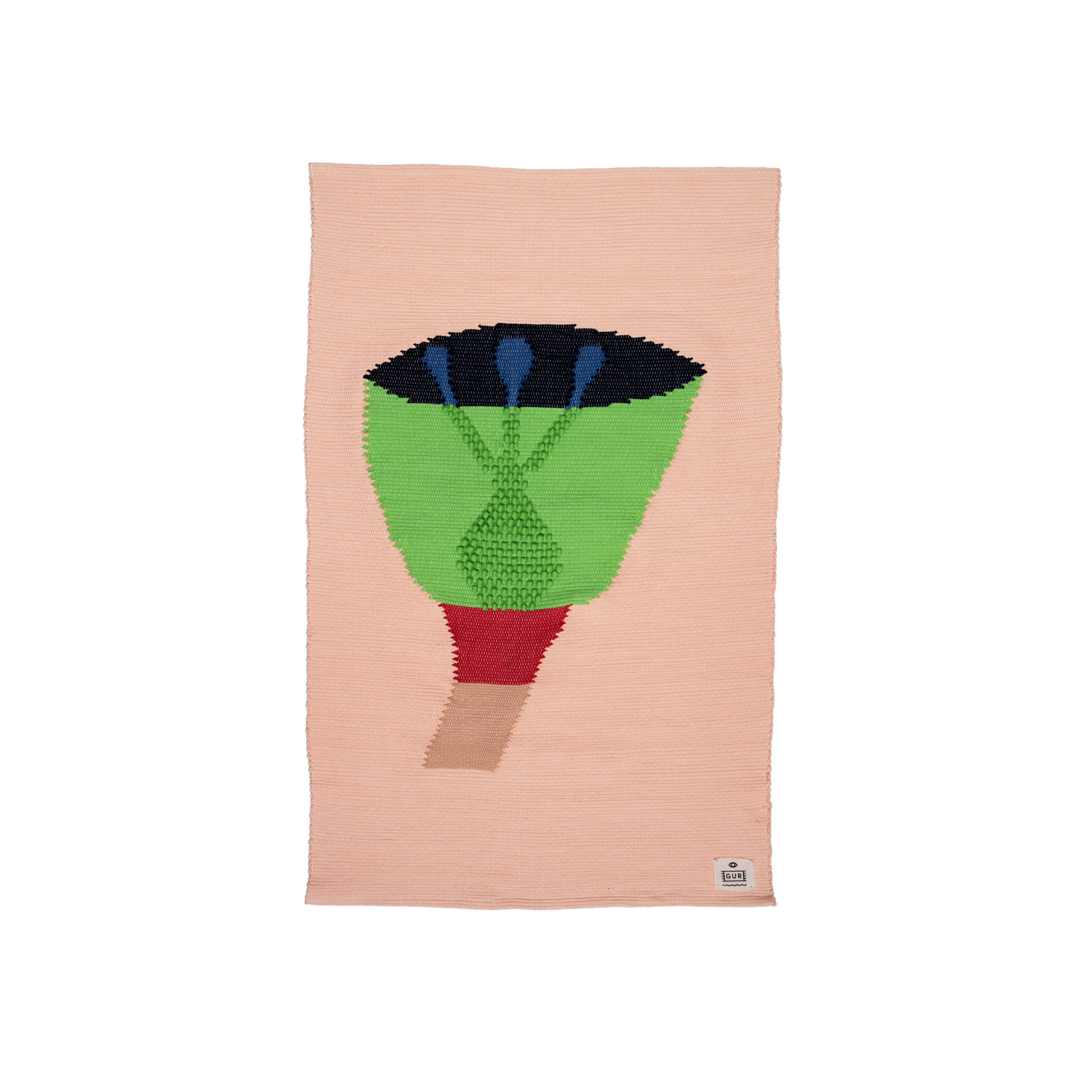
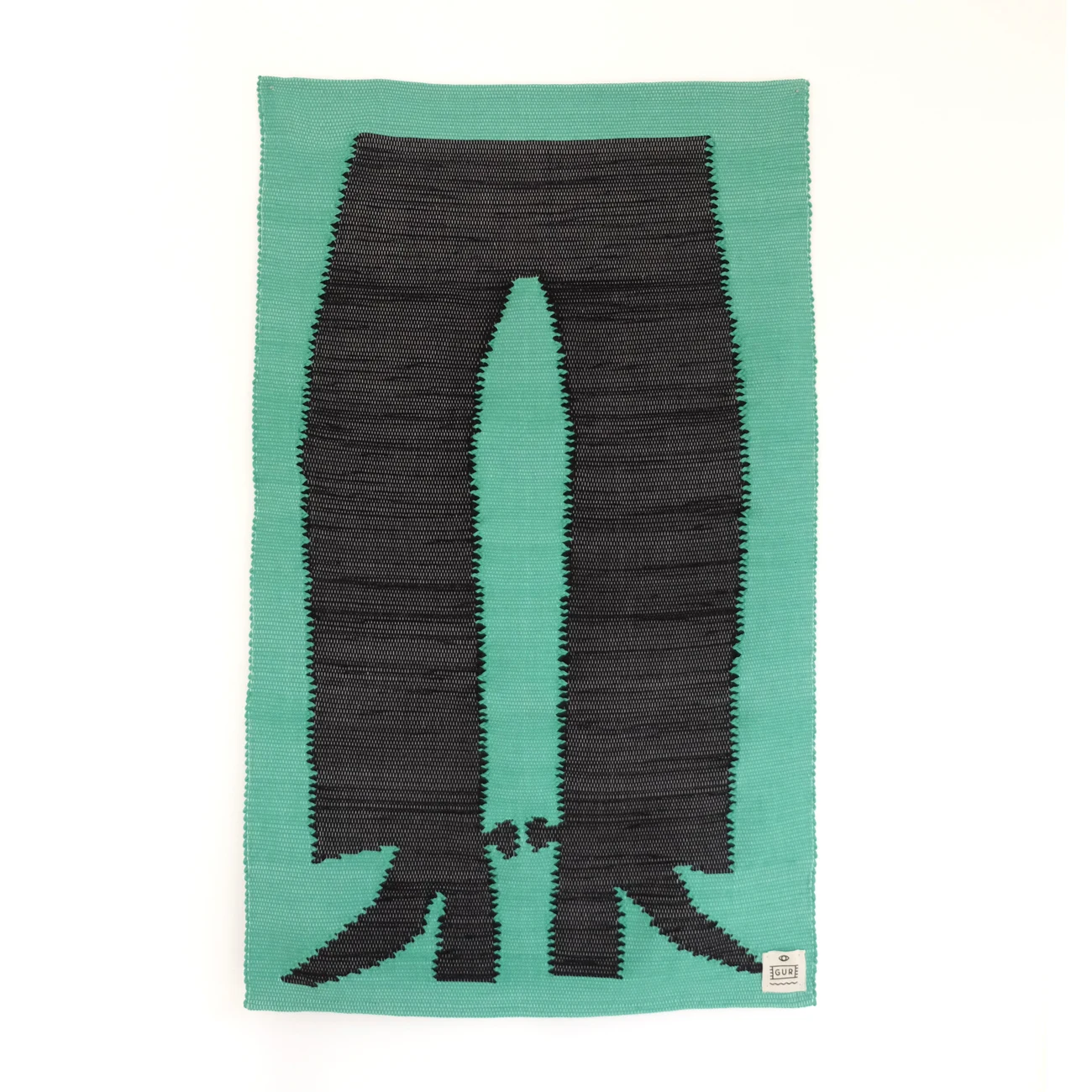
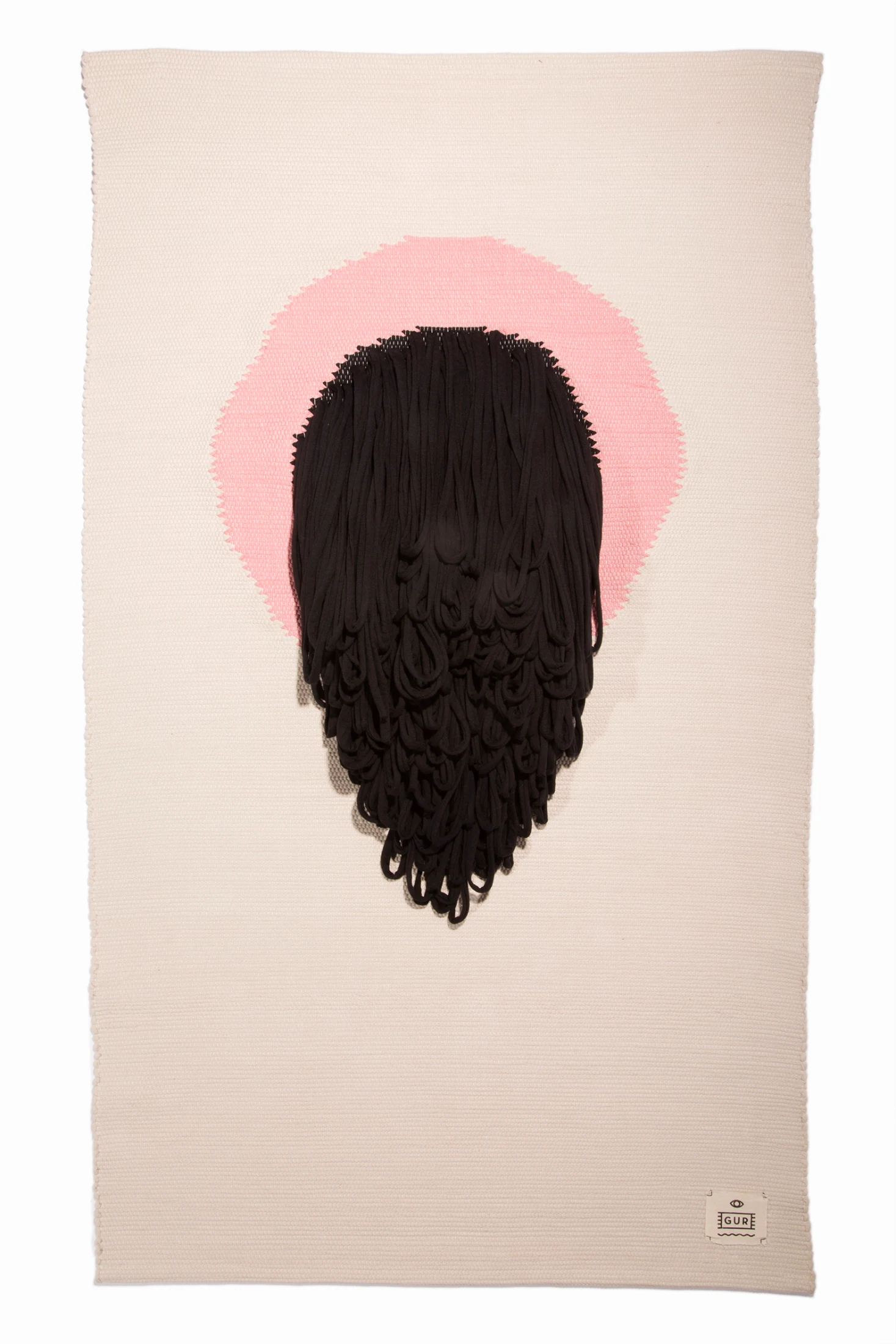
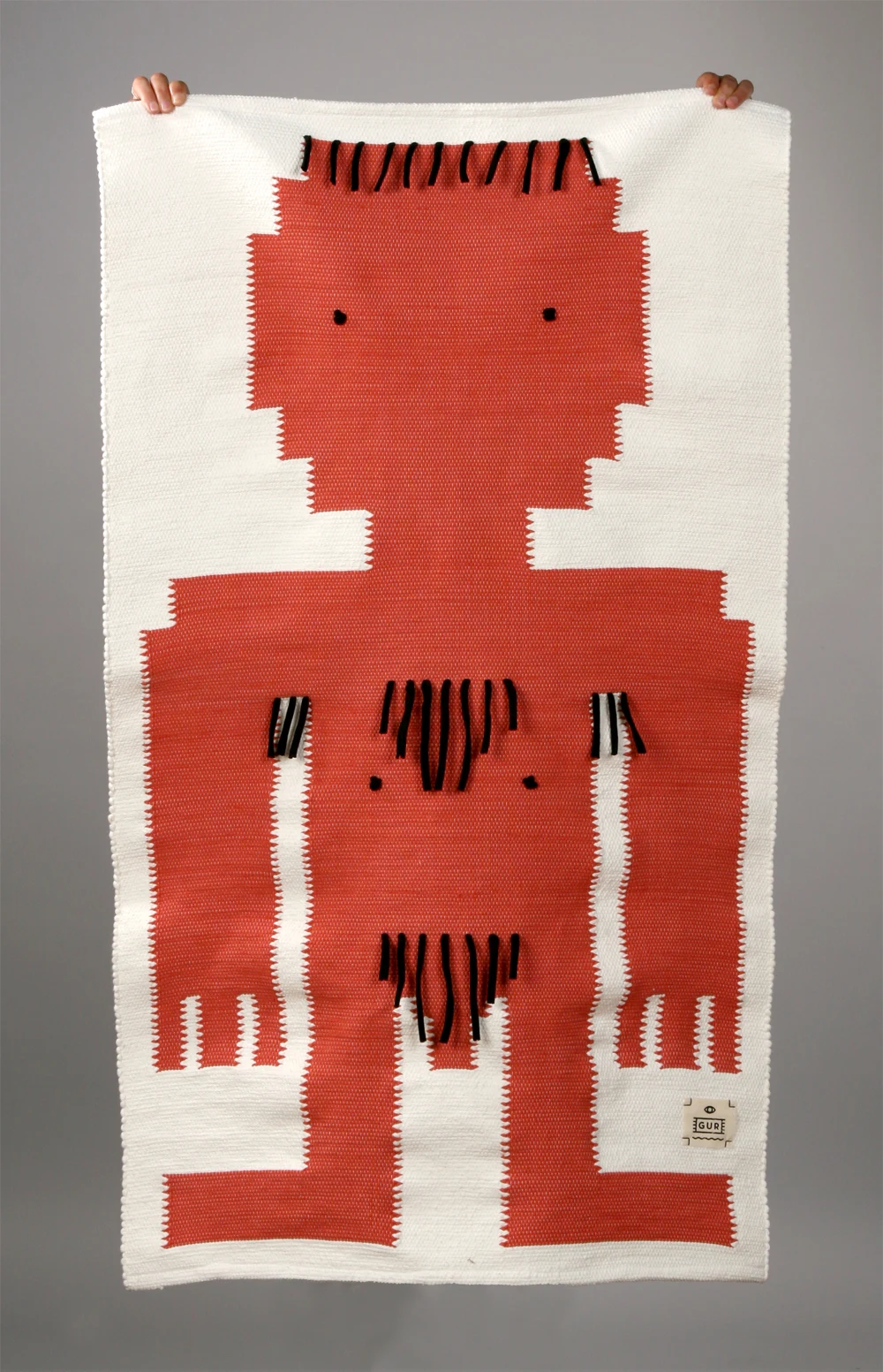
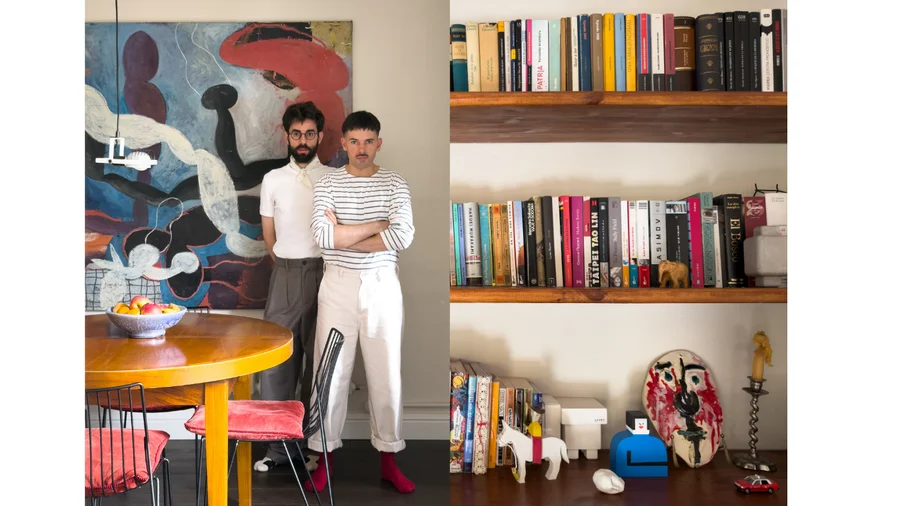
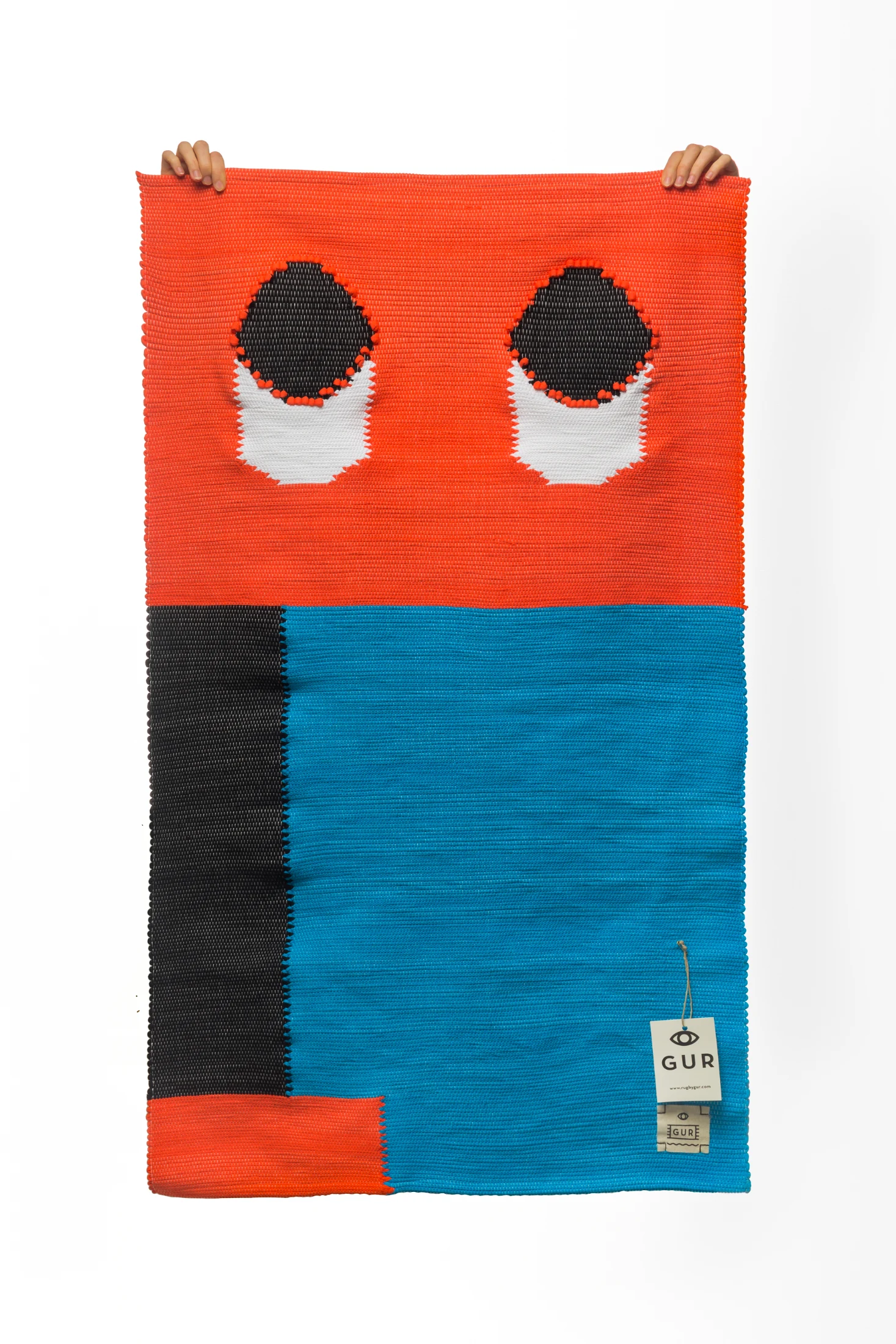
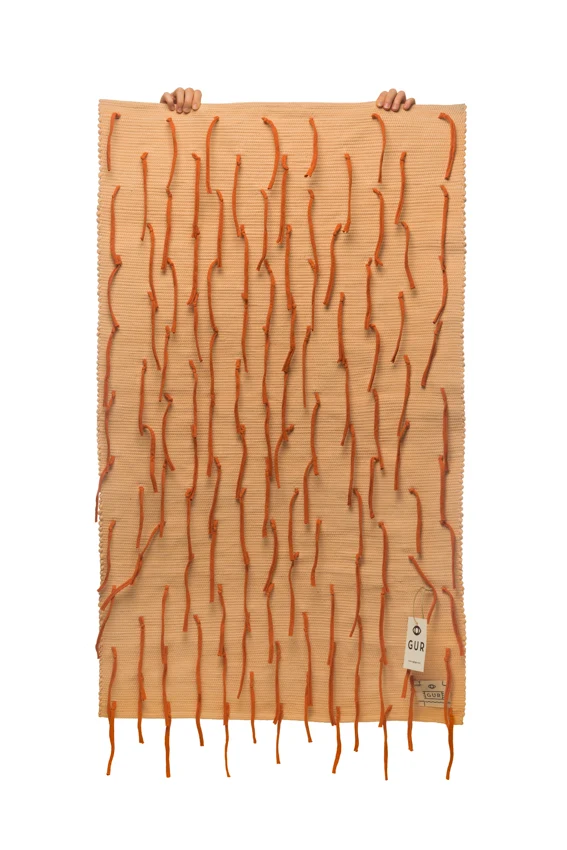
We first came across GUR and its founder, Célia Esteves, more than two years ago when we were styling our newly-renovated studio and fell in love with the dramatic 'Fringe Rug' by Pascal Hien (not the name it's known by in our studio, but I'll leave you to fill in those blanks). These joyful little rugs pack quite the punch. Beyond injecting colour, playfulness and instant tactility into your space, they're made from textile waste, they help to preserve Portugal's artisanal weaving heritage, and provide a global platform for a new generation of artists and designers.

Writing:
Elizabeth Price
Writing:
Photography:
Photography:
Courtesy of GUR
No items found.
Magazine Current IssueMagazine Current Issue
The After shot of the Floorplan
Before
before
after
After
Top
Arrow UpArrow Up

Hi Célia, where did you grow up?

My hometown is Viana do Castelo (in northern Portugal). Viana is a small city, very friendly and surrounded by nature: mountains, river and sea. It's known for its rich – and well preserved – Portuguese traditional handicraft culture, such as traditional gold jewellery, embroidery, weaving and lace. We're very proud of our heritage and we celebrate our culture every year with a folklore festival where people show their best traditional costumes and handwork.

What was it like growing up there?

I grew up outside, playing with mud, sticks and picking wild berries; a privilege that is difficult to offer to our kids today. I also had the privilege of closely experiencing crafts and handwork which greatly influenced my professional career. I have memories from my early years of hand-woven rugs like these laid on the floor. They were quite common in the everyday life of Portuguese people.

What is GUR? How did it come to be?

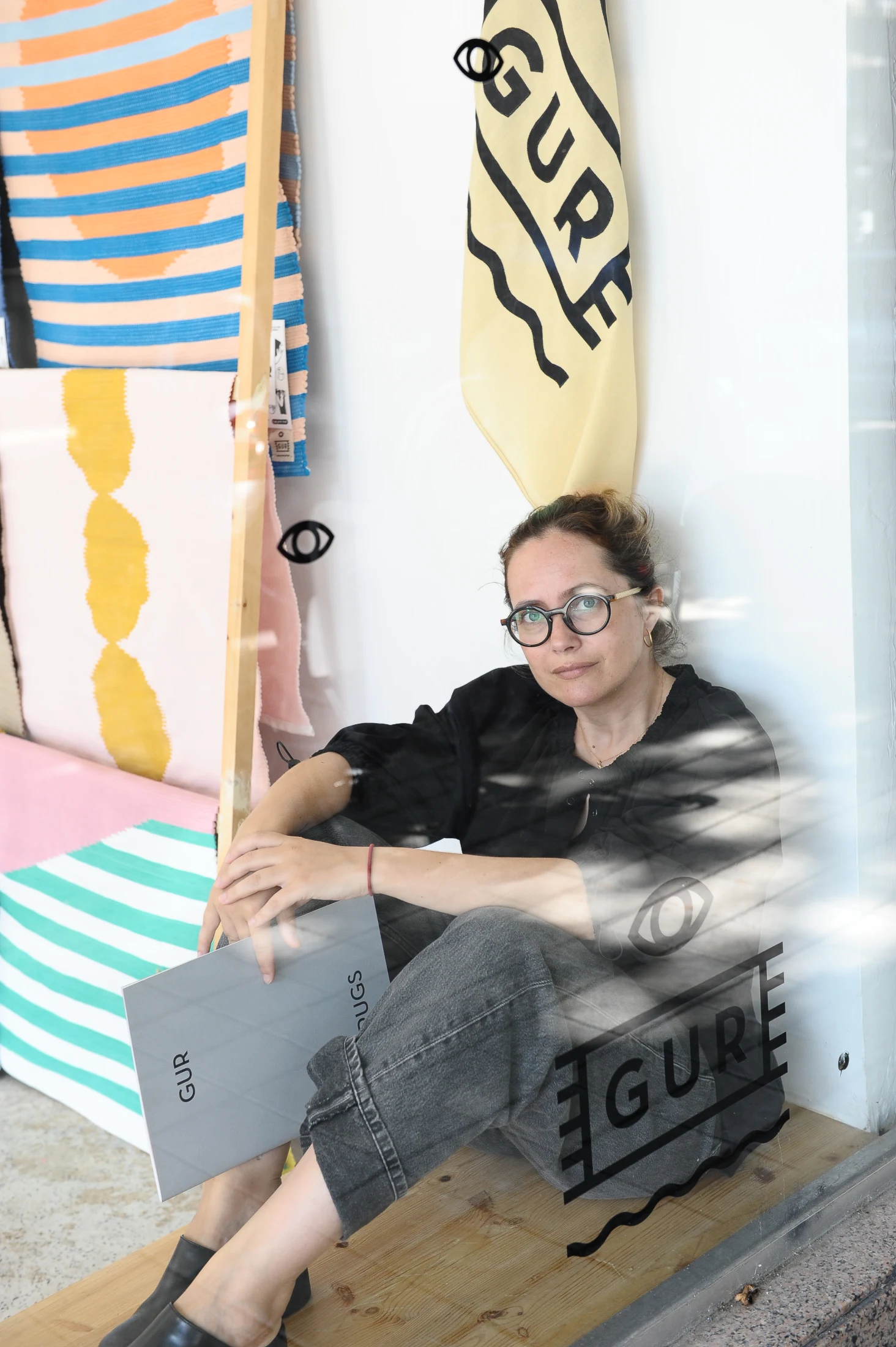
It was an exhibition in my hometown that I was invited to join in 2012 that brought me to my weaver Claudia Vilas Boas, and handmade rugs. The exhibition aimed to build a bridge between young designers and artisans from the region, using traditional handicrafts and techniques to create new works together. The result of this first experience brought me great joy, so I decided to invite more creative friends to join, and entitled the project GUR. Just like the project, the word GUR reflects the transformation and reuse of the word RUG.

What did you set out to achieve with GUR?

GUR transforms a traditional weaving technique into products that represent not only contemporary style and aesthetics but the essence of traditional handicraft with young minds. I invite different creatives such as illustrators, designers and artists from all over the world to collaborate, which makes GUR like a platform for creation and for people whose work I admire.
How are your rugs made?

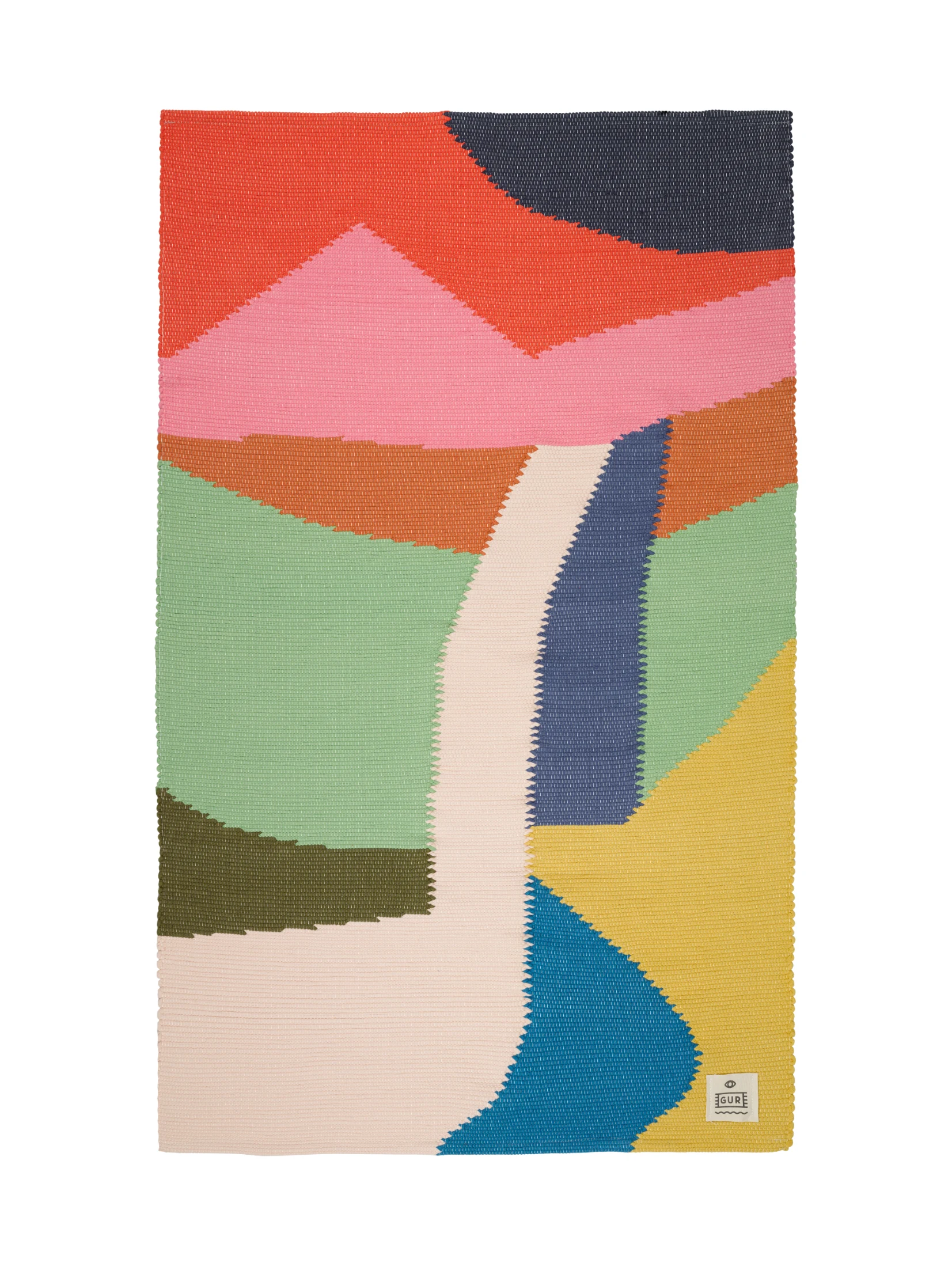
Portuguese rugs are made of pieces of cotton plus randomly mixed with other textile waste. The combination of all kinds of colours thus makes them unique. Colourful stripes or plain bright colours with traditional patterns created by an embossing technique are also very common. In many countries, rugs made of rags actually embodied a kind of folk wisdom years ago in the era of material scarcity.

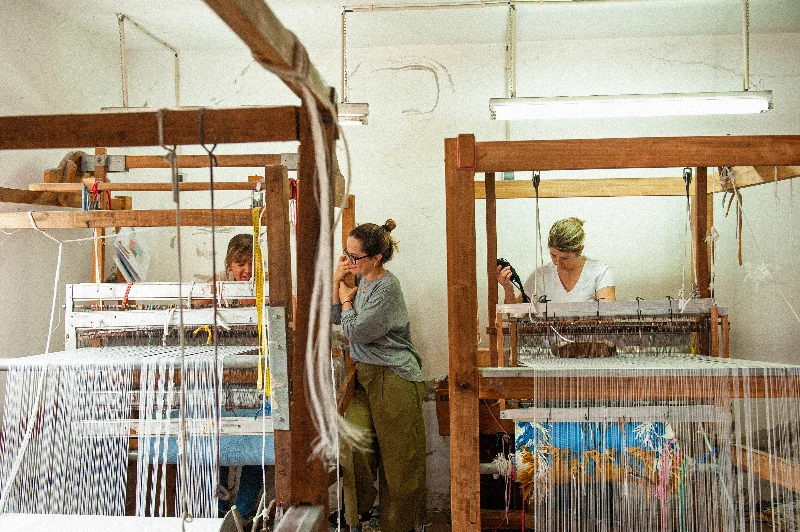
GUR also follows Portuguese rugs traditions, using cotton wastes from the textile industry and traditional wooden handlooms in a sustainable way in order not to burden the earth. We carefully select 100 percent cotton from textile waste as our material in order to ensure higher quality and durability. It takes around four to 15 hours to produce a GUR rug depending on the design and technique. In recent years, GUR has kept expanding its range of materials, introducing linen and cotton rag to make small and big tapestries.

Tell us about the weavers you work with… how long have they been doing what they do?

I have been working with weaver Claudia Vilas Boas since the beginning and it is her knowledge that allows me to explore the technique and its potential. Claudia has been weaving since a young age, she chose weaving as a career at the age of 15. After 12 years, I still feel like her apprentice. I work with five weavers from different workshops with various weaving techniques.

How do you find and choose the designers/artists/illustrators you work with?

I'm lucky to be surrounded by good and talented friends who are working on art and illustrations. Two of them had an illustration gallery called Dama Aflita which was the first one in this field with monthly exhibitions in Porto where you could see and meet international artists. I started to invite my friends to collaborate on GUR and asked them to help by inviting artists that I liked and whose works are possible to weave. At some point, I started being contacted by those who wanted to collaborate with me. I've done more than 200 collaborations now. I like the idea that GUR has become global.

rugbygur.com

Writing:
Elizabeth Price
Writing:
Photography:
Photography:
Courtesy of GUR
Back to Top
Arrow UpArrow Up
Top
Arrow UpArrow Up
The After shot of the Floorplan
Before
before
after
After
Businesses featured in this project
No items found.
Products featured in this project
No items found.
Magazine Current IssueMagazine Current Issue
Writing:
Courtesy of GUR
Writing:
Photography:
Photography:
Courtesy of GUR
Back to Top
Arrow UpArrow Up