


For about four years in my late 20s, I lived in a variety of what might tentatively be called 'modern apartments'. These were basically white oblong-shaped boxes, very dark, very small and uniformly uniform, with high-spec dishwashers and low-spec everything else.
In one of them, my partner and I shared a bedroom with no external windows whatsoever, only a thin strip of cheap glass near the ceiling, which – if you stood on a chair – offered unparalleled views of the living room.
In another, we discovered that the bathroom fan wasn't actually attached to any recognisable ventilation system, and had been sucking moist shower air into a small ceiling cavity for months; a cavity which rapidly filled with mould. Soon the mould spores migrated out of the bathroom and onto our curtains, which were the only things keeping out black soot-dust from the adjacent main road. Between the mould and the black dust, and the top-end Miele appliances (with integrated convection stovetops) the whole place had a weird Park-Avenue-meets-Dickensian-London kind of vibe.
More worrying, though, was the overall design philosophy of these complexes. Socially speaking, they were tombs. The hallways were identical and anonymous, with zero natural light. Everyone's front door looked the same, and very firmly marked the boundary between 'public' and 'private' space. We never met, and rarely saw, a single neighbour during our entire tenancy¹. Communal areas were limited to the lobby, which looked very expensive and vaguely hostile – the kind of place where you might be fined for loitering – and the gym, which was always empty.
Moreover, the apartments themselves had clearly been developed for developers rather than residents: the intent was to sell as few square feet as practicably possible, while still being able to market these as 'luxury two-bedroom apartments' (stretching the definitions of both 'luxury' and 'bedroom' to their absolute limit). There wasn't a single inch on the floorplan that signified warmth, or generosity of spirit, or made room for trivial things like human health, individual expression or genuine social connection.
As products, these apartments reminded me of a mental flip that seems to capture the fundamental decline of late-stage capitalism, to wit: "How much can we give our customers and still turn a profit?" somehow became "How little can we give our customers and still turn a profit?"
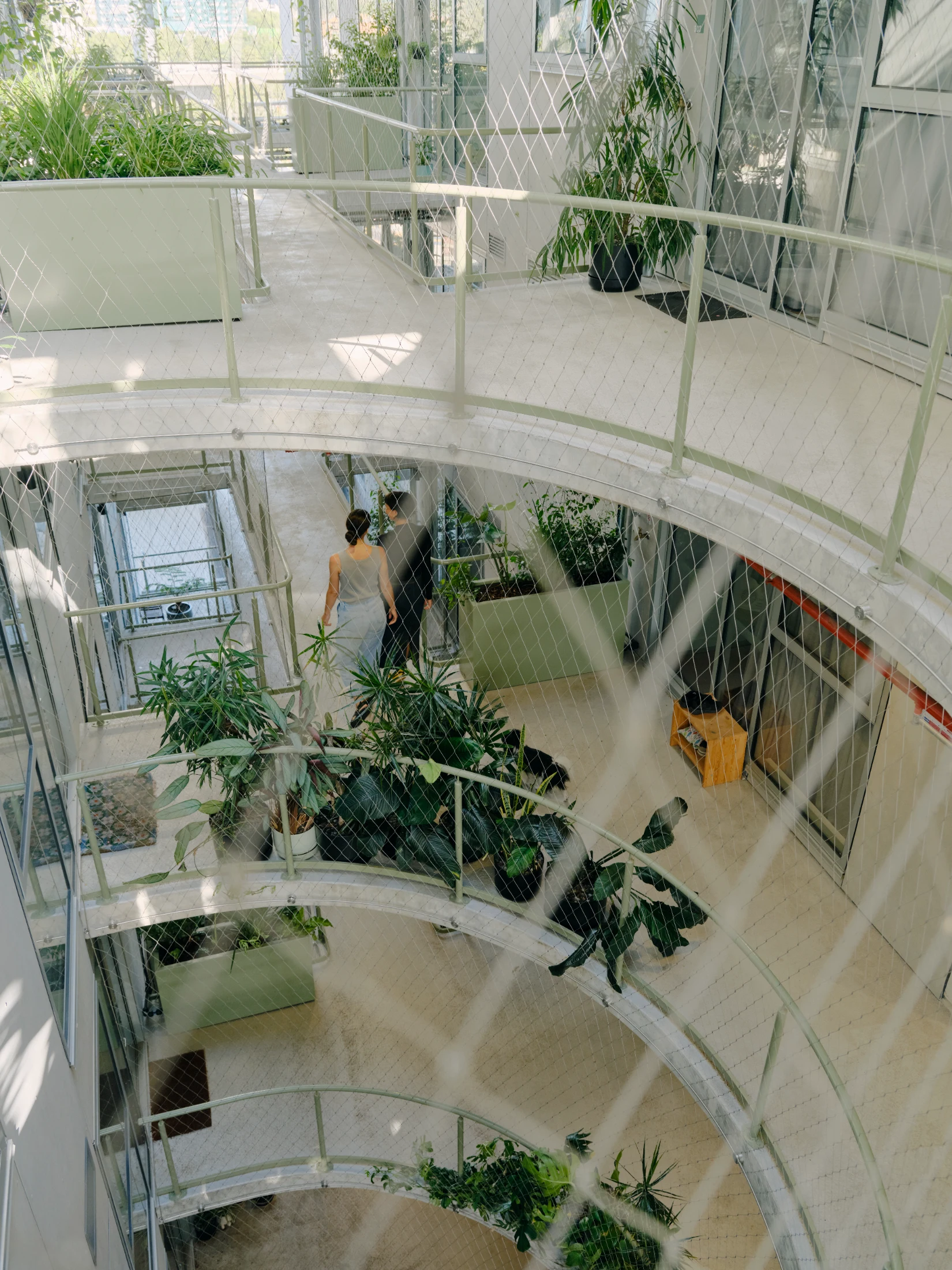
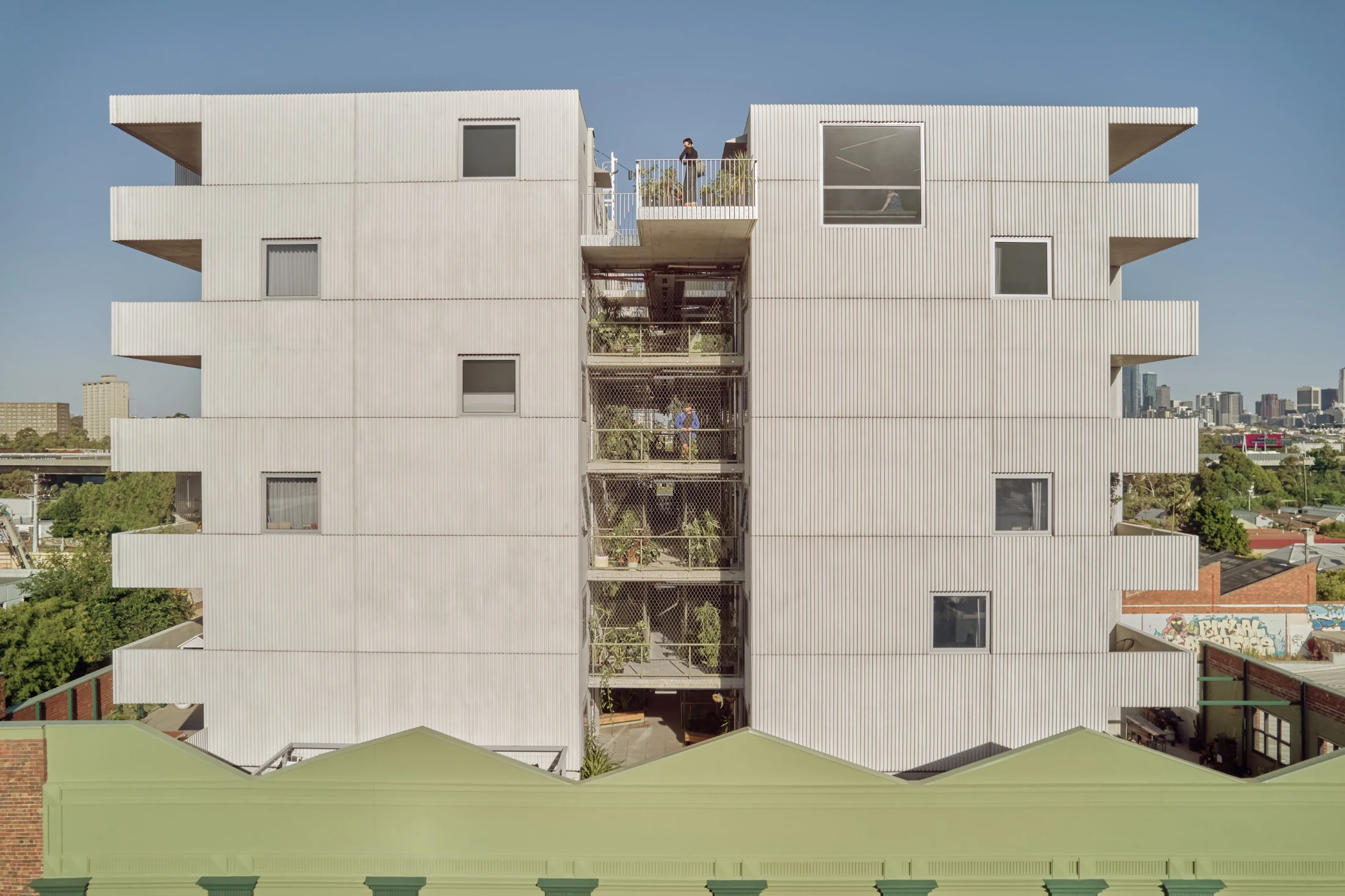
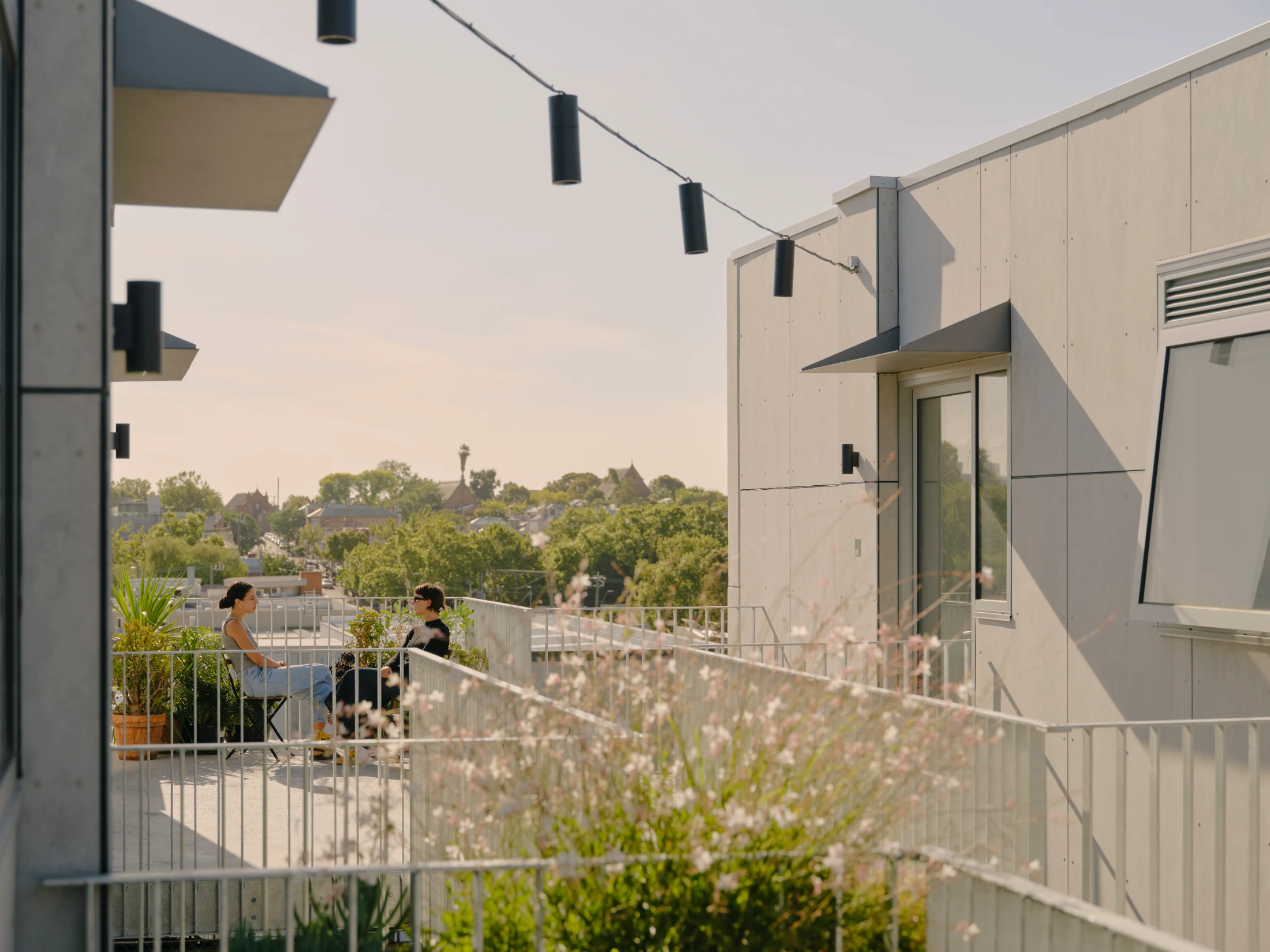
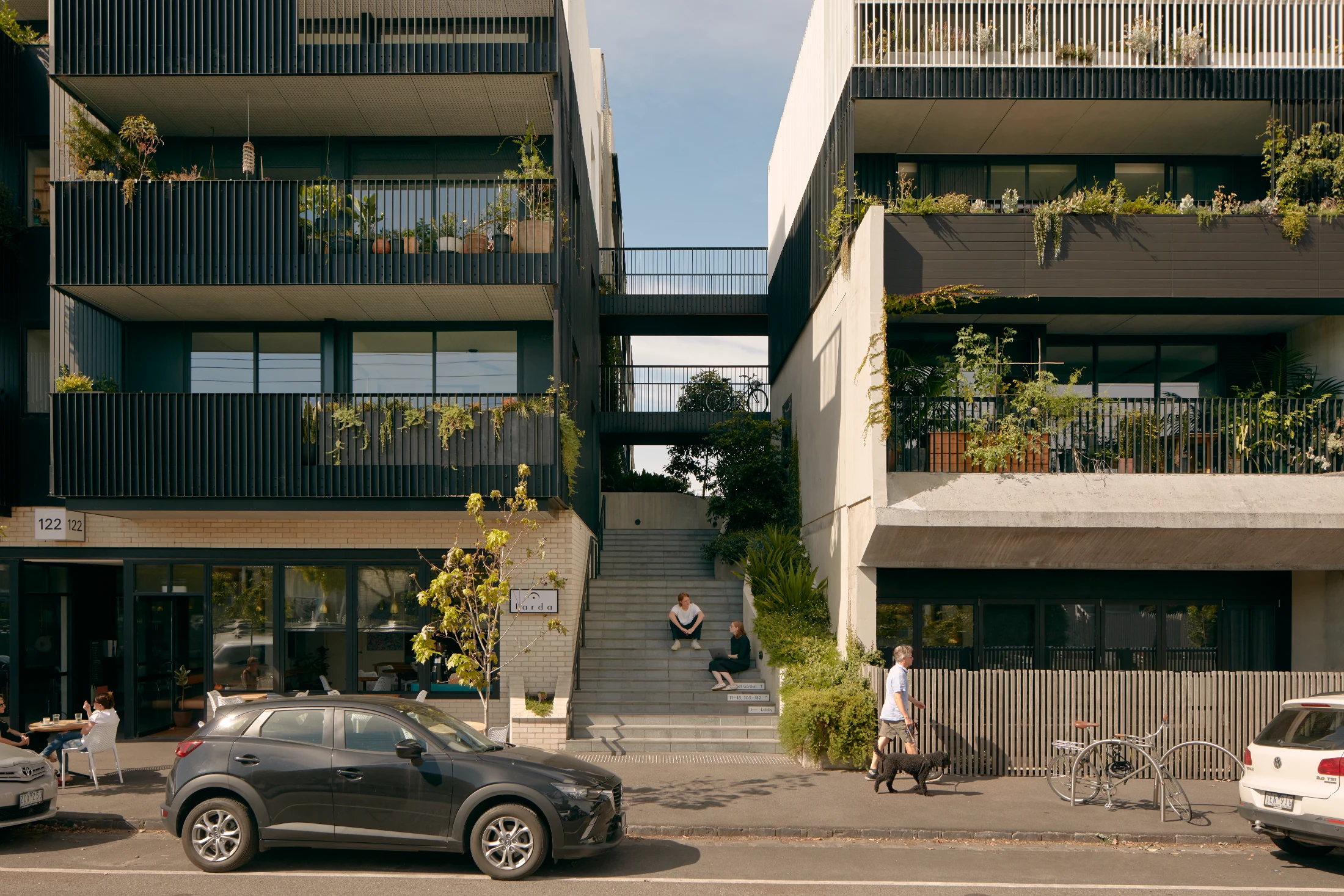
Quino Holland is an architect who's trying to reverse that flip. As the Director of Melbourne-based design studio Fieldwork, it's his mission to build apartments that people actually want to, you know, live in. The fundamental brief is to provide high-quality, low-cost housing, nurture community, and (in his own words) "bring real dignity to apartment living".
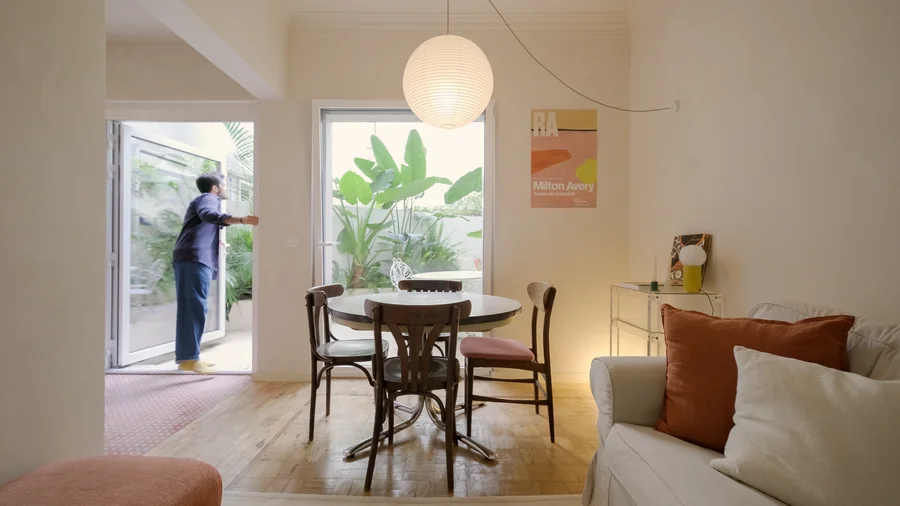
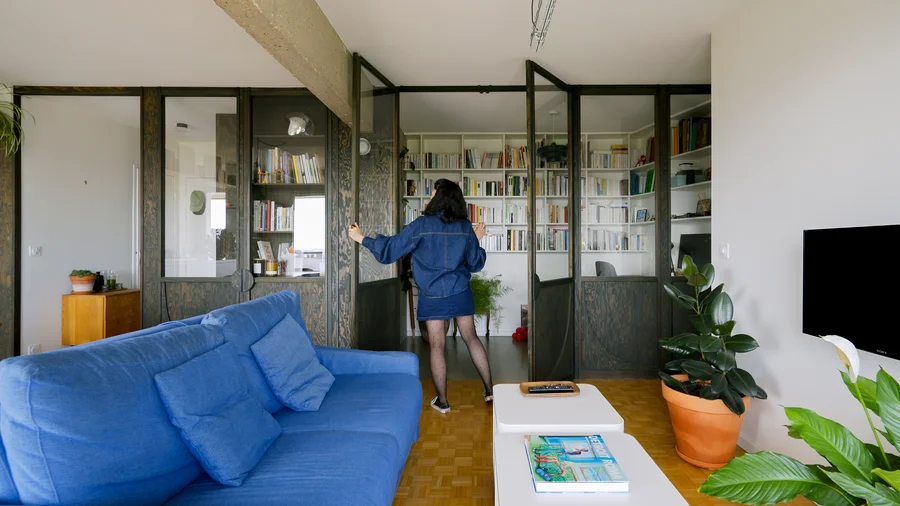
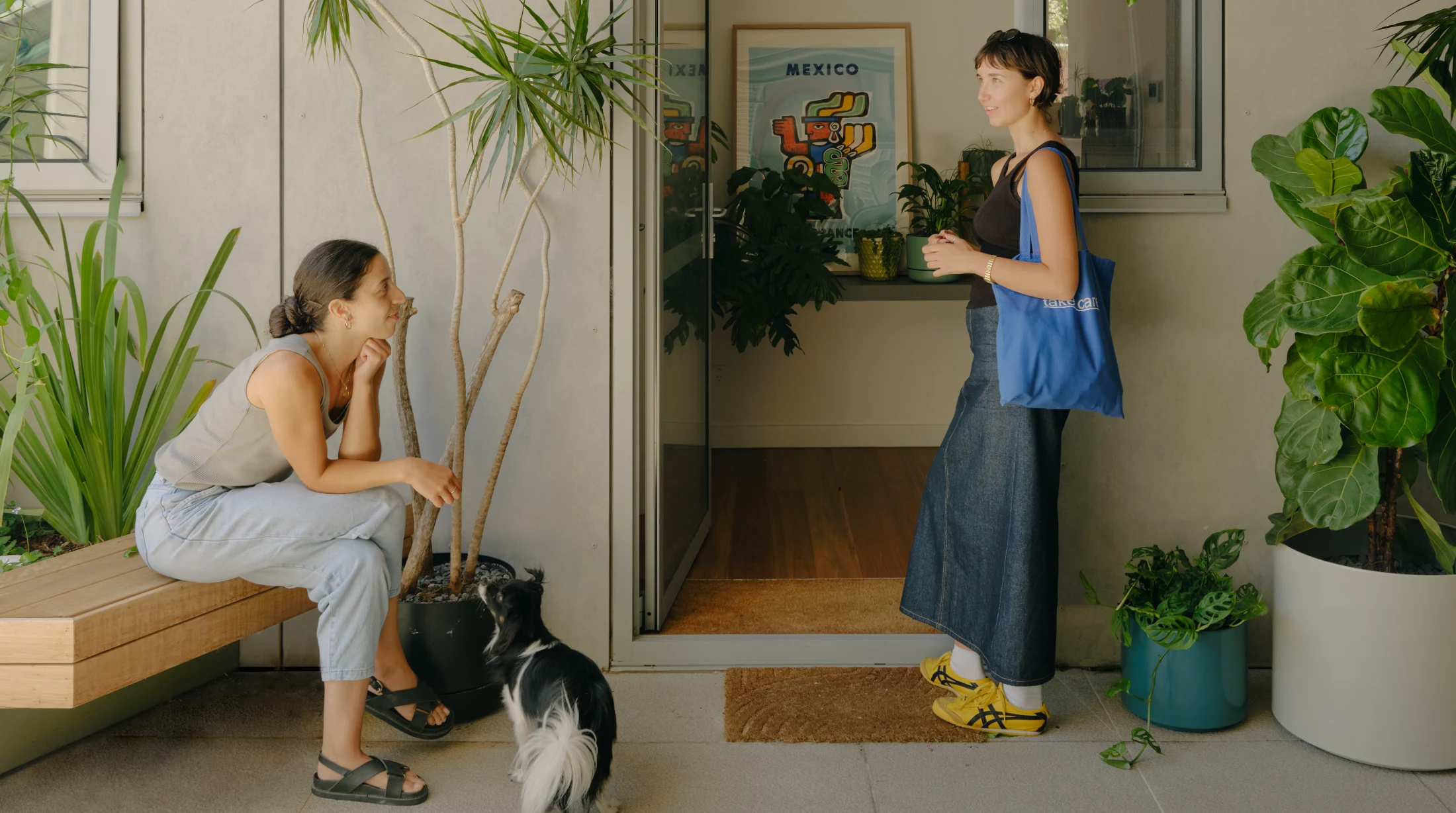
And the funny thing is, while words like 'dignity' sound quite lofty and nebulous on paper, the mechanics for achieving them are (almost always) small and tangible: more windows, thicker windows, better cross-ventilation, quality, hard-wearing materials, or public spaces with genuine utility. Even recessing a front door 30cm into the wall, creating a small alcove or doorstep, can help nurture a sense of community. Suddenly there's space for a pot plant, space for a doormat, space for neighbourliness. Just more goddamn space.
“I think the most important tool an architect can deploy is empathy,” Quino says. “It’s about making sure that we're not narrowing down people's possibilities when they move into an apartment, but actually broadening them.
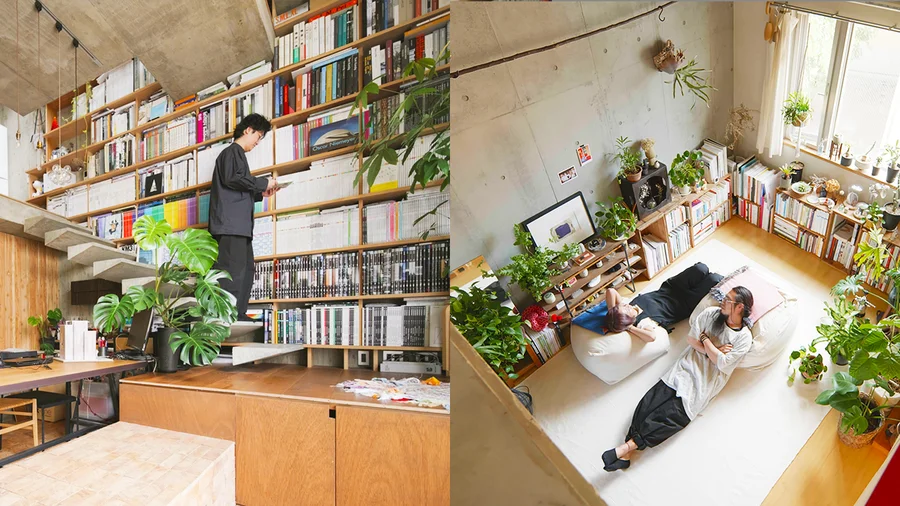
"If you design apartments right, you can have kids there. You can be old there. You can have pets and mobility and friends."