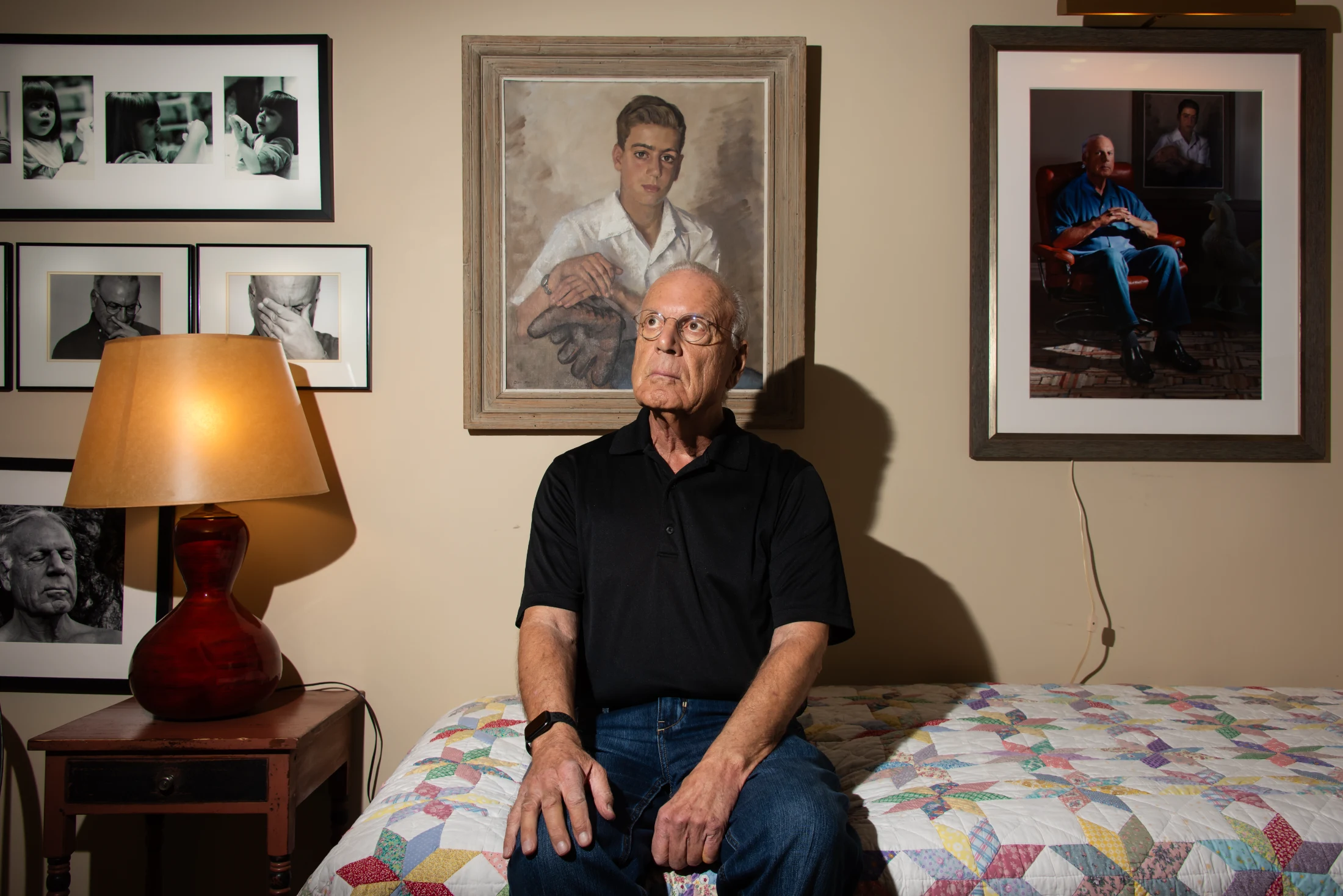



On 20 March, 2020, New York City went into COVID lockdown, and street photographer Paul Kessel found himself trapped inside his apartment. It could have been worse, perhaps. Paul lives high above the corner of Central Park West and West 63rd Street, with the kind of Manhattan views you usually associate with political dramas starring Brian Cox.
While other New Yorkers had to content themselves with airshafts and fire escapes, Paul could (at least) sit by his window and watch the spring clouds blow over Central Park. Still, he was a street photographer without a street, and, after a few weeks, his shutter finger began to itch…
"I was used to being on the street every day searching for photos," Paul tells me from New York. "But the pandemic drastically altered pedestrian traffic, and it felt unsafe to be outside and mingling with others, so I stayed home in my apartment."
To pass the days filled with equal parts boredom and fear, Paul started taking self-portraits, but the results were flat and uninspired. As someone who fed off noise and movement, and New York's patented hey-I'm-walkin'-here spontaneity, the idea of shooting himself at home, alone, quietly eating toast, didn't do much for Paul's creative juices. "It seemed meaningless to me," he laments. "I had no good ideas." But then inspiration struck out of the ether. Maybe he wasn't alone, not really.
Paul still had a mannequin in the apartment from an old studio lighting course, and he took a few test shots of its dead-eyed plastic face. Soon he was on Amazon ordering lifeless heads and cheap synthetic wigs. And while the death toll rose, and the streets went quiet, and the world closed its doors and retreated inside, Paul began eagerly shooting his new group of friends. The project would eventually form a collection, Solitary. As in confinement.
"In the beginning, I still had no idea what the point was, of any of this," Paul says. "It then occurred to me that maybe I should shoot in the street photography style. Somehow that got me going. It could be spontaneous and not conceptualised. I started to fantasise various situations with myself and the rest of the cast. Gradually, interactions took place. In my mind I made up stories about the mannequins and me.
"In the end, there was a portfolio of photos with a narrative – and my finger no longer itched."
Deprived of human company, Paul invented his own, and looking back with five years' worth of hindsight, Solitary seems to neatly capture the unhinged isolation and social trauma of those early COVID lockdowns, when it felt like the world was spinning loose, unplugged from its normal programming. No-one knew what to do, or what was coming next, or even if there would be a next.
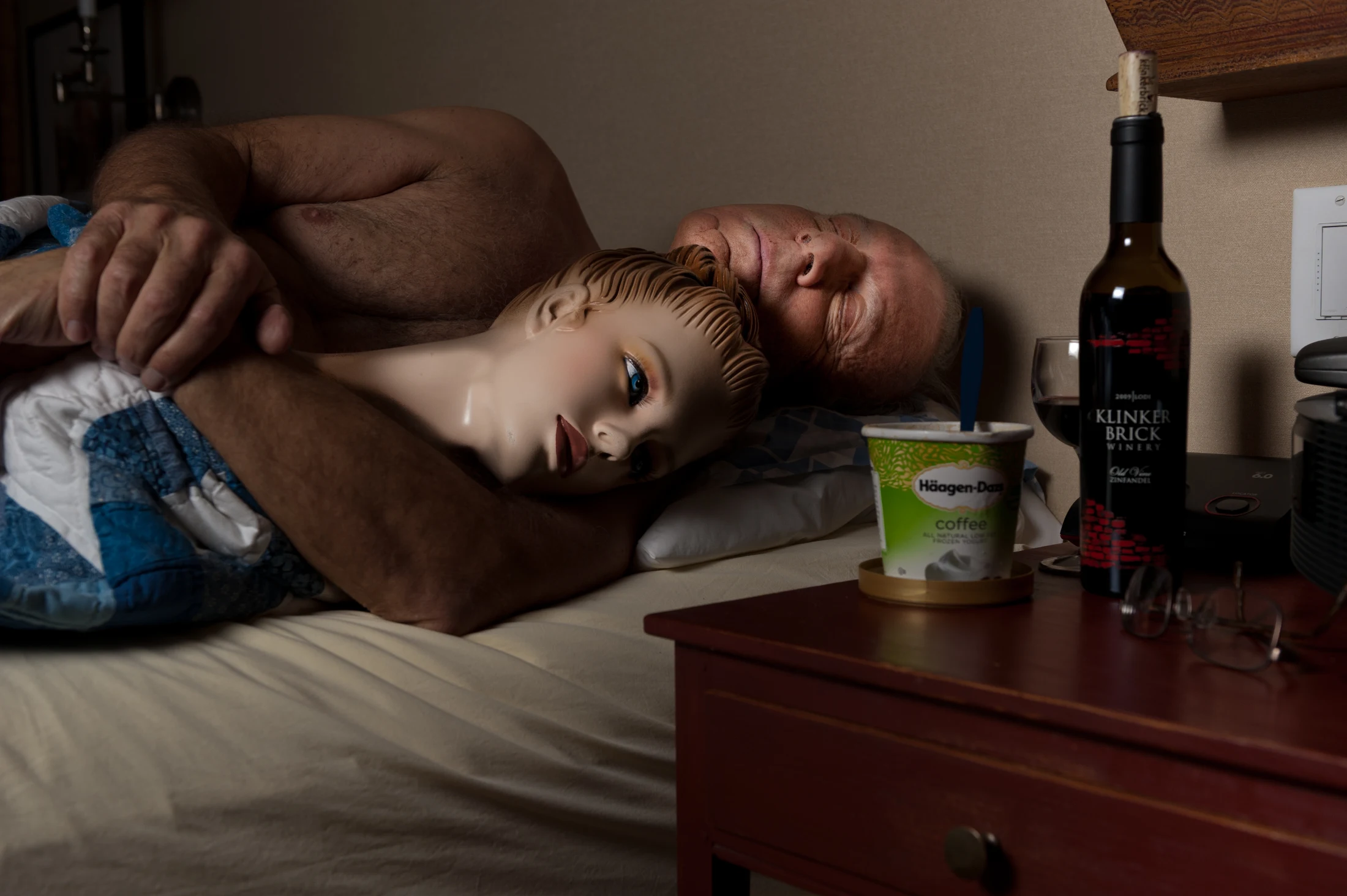
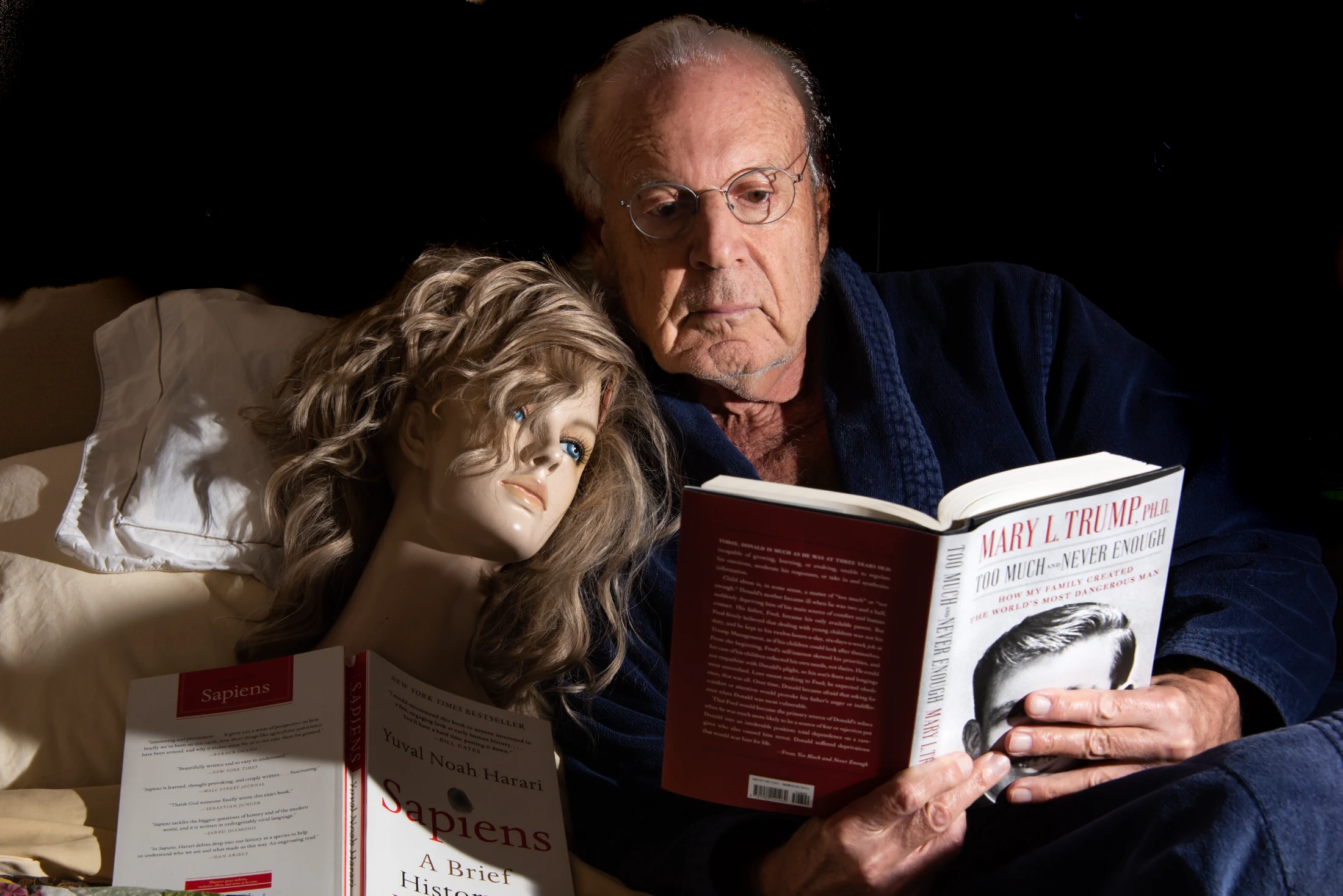
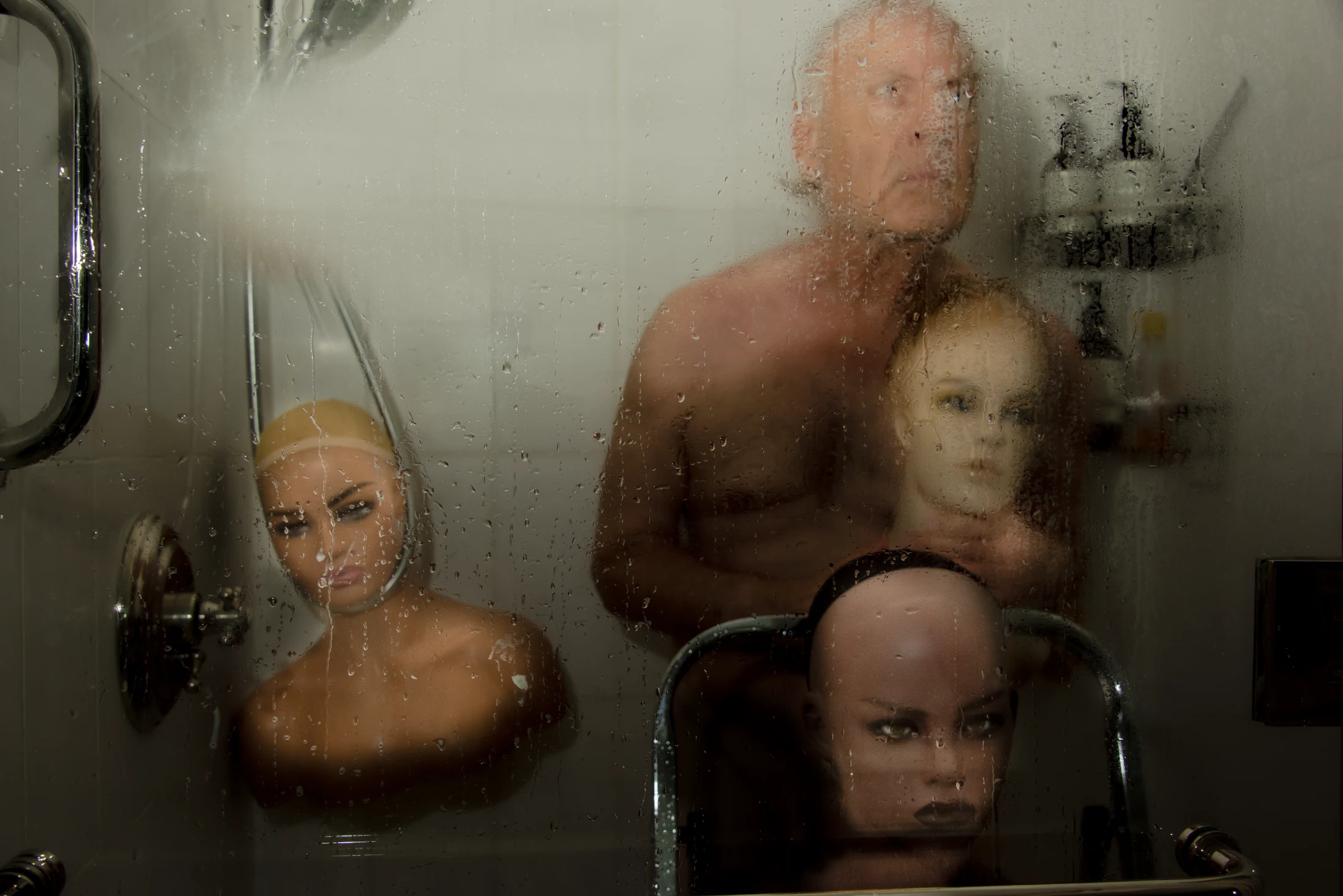
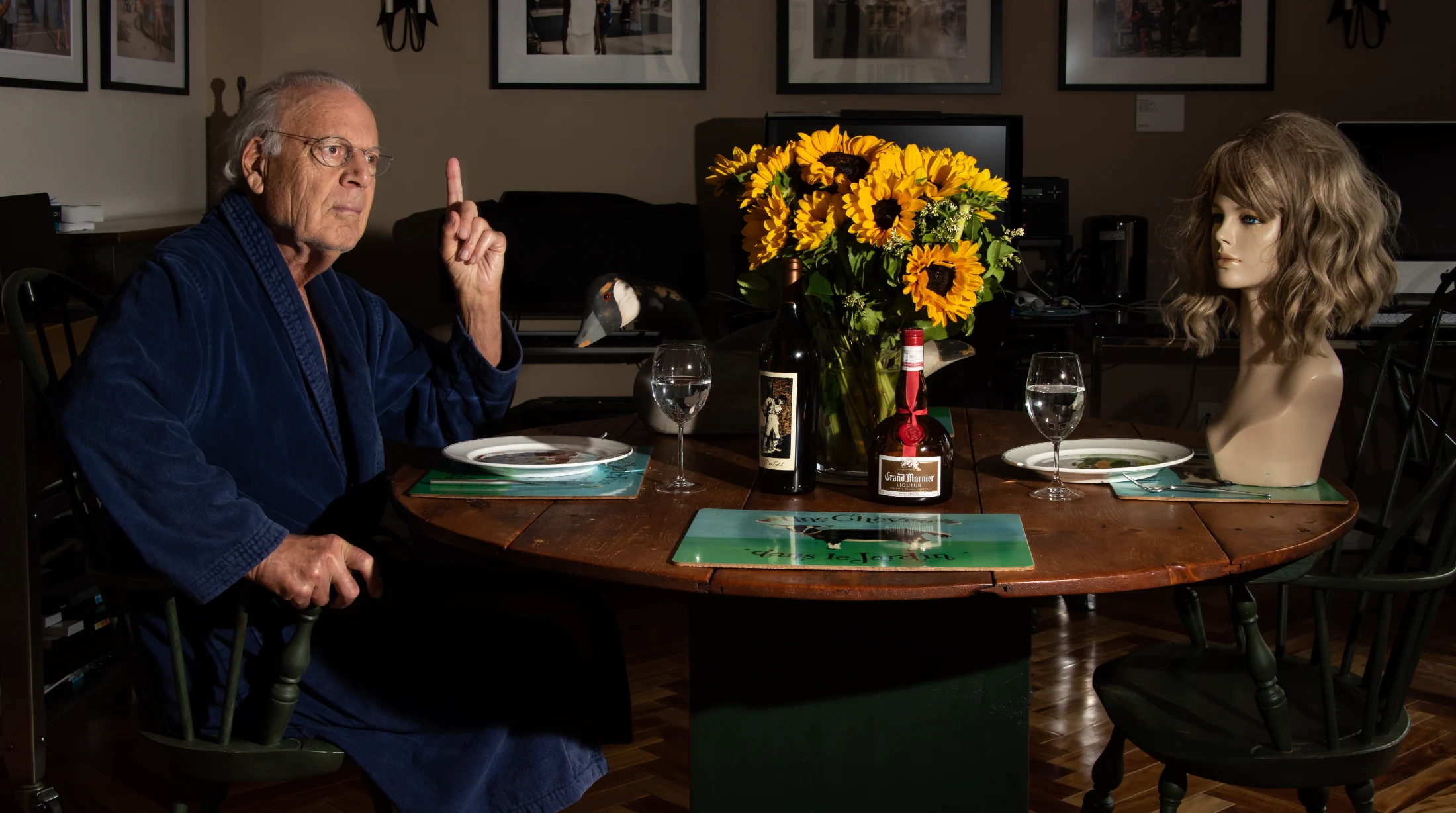
And so we get images of Paul naked in the shower, alone, surrounded by disembodied heads. Drinking wine in a dressing gown, alone, while imaginary friends sit down to lunch. Curled up in bed, alone, with a mannequin resting tenderly on his shoulder. Without genuine connection, or interaction, or the warmth of physical contact, Paul created a simulacrum of the real thing, which you can either interpret as profound or creepy (or both). Solitary is like the uncanny valley of human relationships.
"Anytime there is a lack of social engagement, it results in increased craziness," Paul says. "The human is a social animal."
As a photography collection, Solitary really resonated with people, generating a modicum of viral buzz and showing up in several magazines (including this one). But to understand why it touched a collective nerve, we have to zoom out and look at a larger societal trend: loneliness.