
Magazine Current IssueMagazine Current Issue
How A Neurodivergent Couple Live and Work in Their Small Amsterdam Loft
Projects
February 12, 2026

How A Neurodivergent Couple Live and Work in Their Small Amsterdam Loft

Neurodivergent couple Asia and Pedro Orlando show us around Casa Koala — their 54sqm/581sqft Amsterdam canal house designed as a calm, colour-rich “nest” for work, rest, and their everyday routines.

Neurodivergent couple Asia and Pedro Orlando’s home isn’t just a refuge. It’s a sensory break from the world outside. A place to work. A place to breathe and recharge. A little slice of peaceful, creative routine.

Writing:
Writing:
Photography:
Photography:
Magazine Current IssueMagazine Current Issue
The After shot of the Floorplan
Before
before
after
After
Top
Arrow UpArrow Up

Pedro and Asia’s Amsterdam home is called Casa Koala — a nod to Pedro’s nickname, and a fitting name for a space that feels protective, cosy, and entirely theirs. Pedro, a startup founder and Asia, an illustrator and YouTuber, moved to the Netherlands around six years ago. After COVID, the couple both pushed work fully into the home and decided their next place had to be shaped around how they actually live day to day. They took on a 145-year-old canal house and rebuilt it room by room, right down to the floorboards. The result is a space that feels less like a “perfect interior” and more like a personal operating system: colour and objects that calm the nervous system, rituals that keep the day on track and practical decisions that make small-space living feel generous, for them, and their dog Lupe.

The Nest

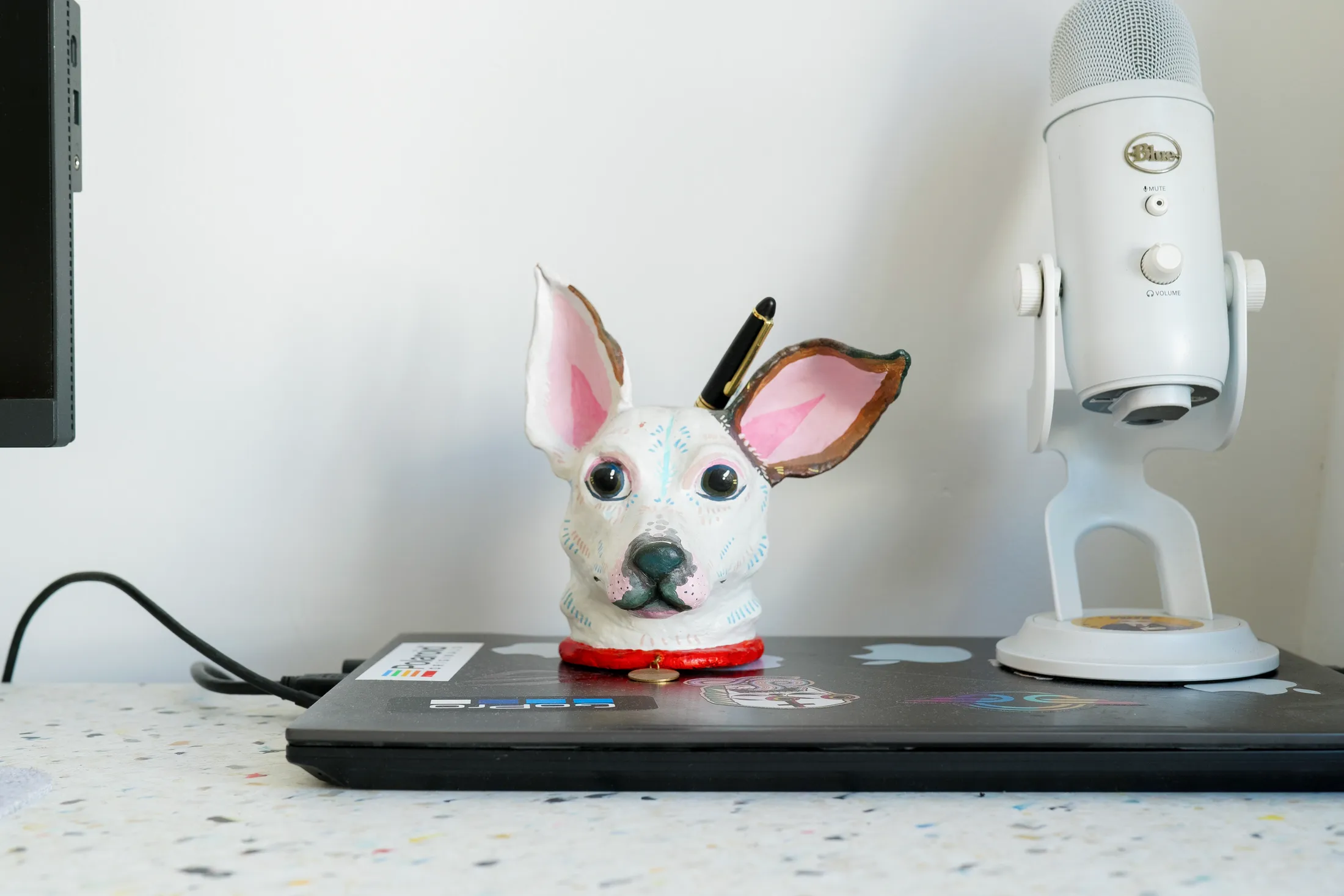
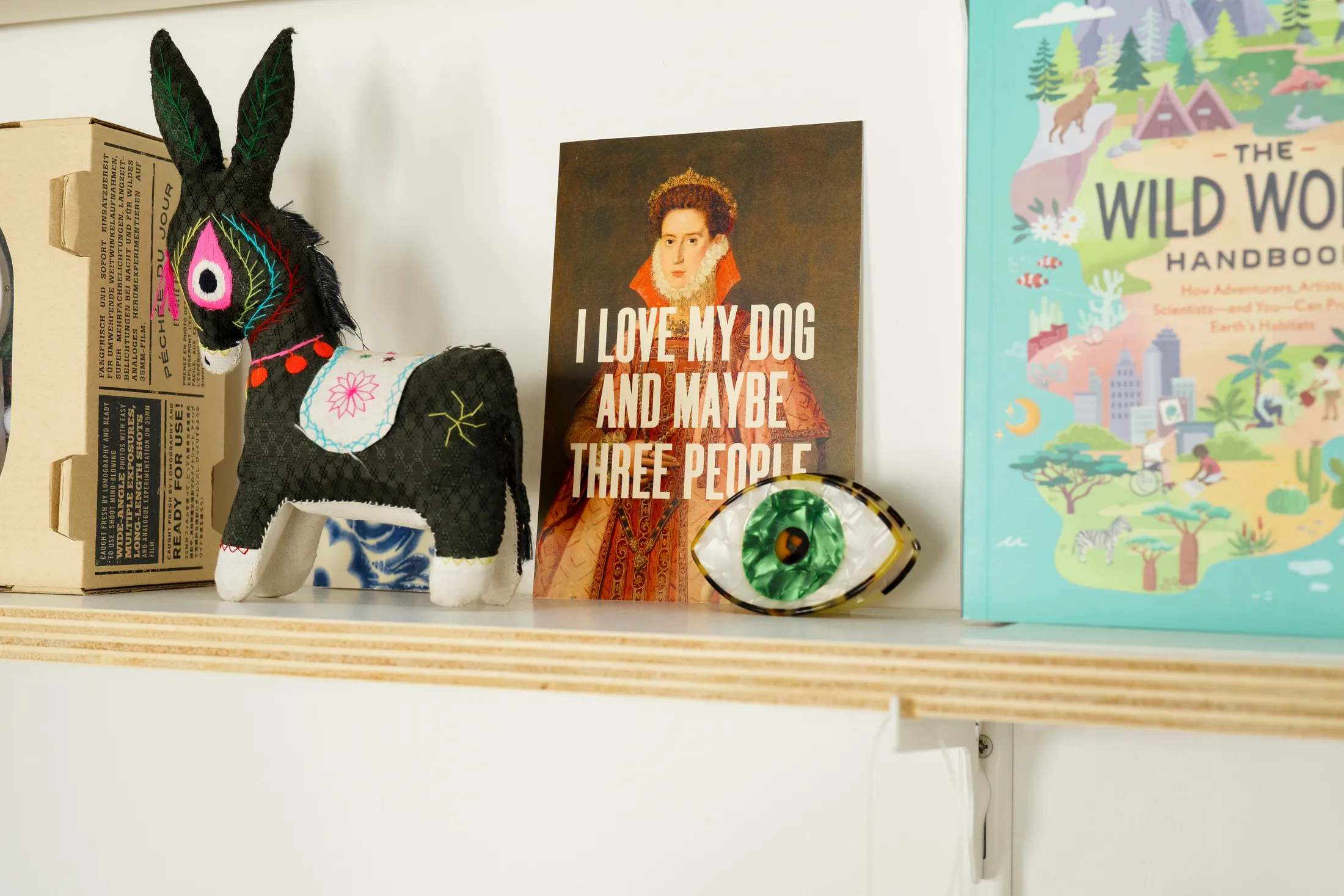
Pedro compares the house to something small animals would make for themselves: compact, protective, and entirely theirs — a nest, which shows up in the smaller, personal details. For Pedro and Asia, the goal isn’t a blank kind of minimalist calm. Given their neurodivergence, Pedro and Asia are sensitive to their surroundings, so they’ve built a home that suits their need for stimuli: colours and textures that feel grounding, and familiar, personal details that make them feel comfortable and settled.
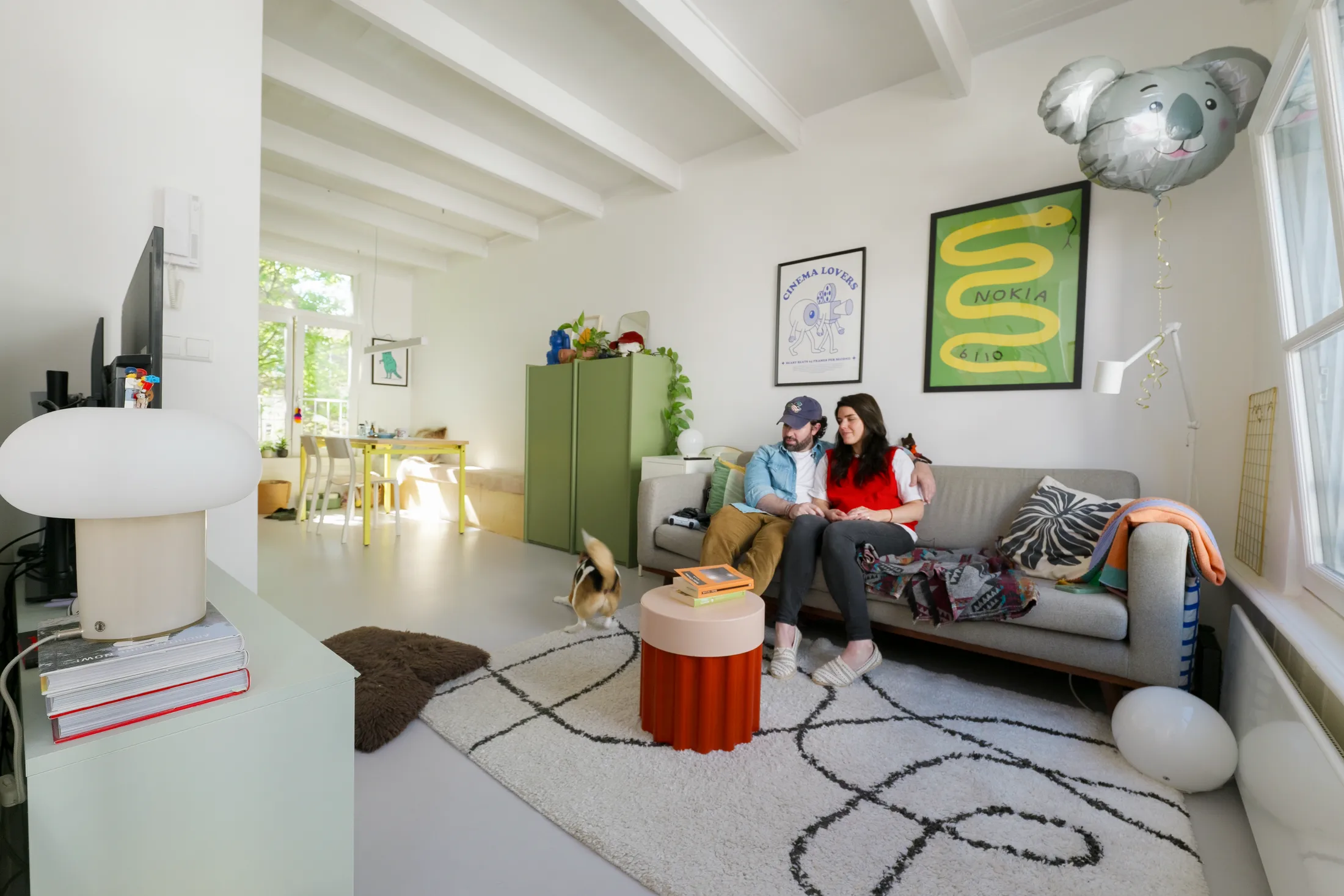
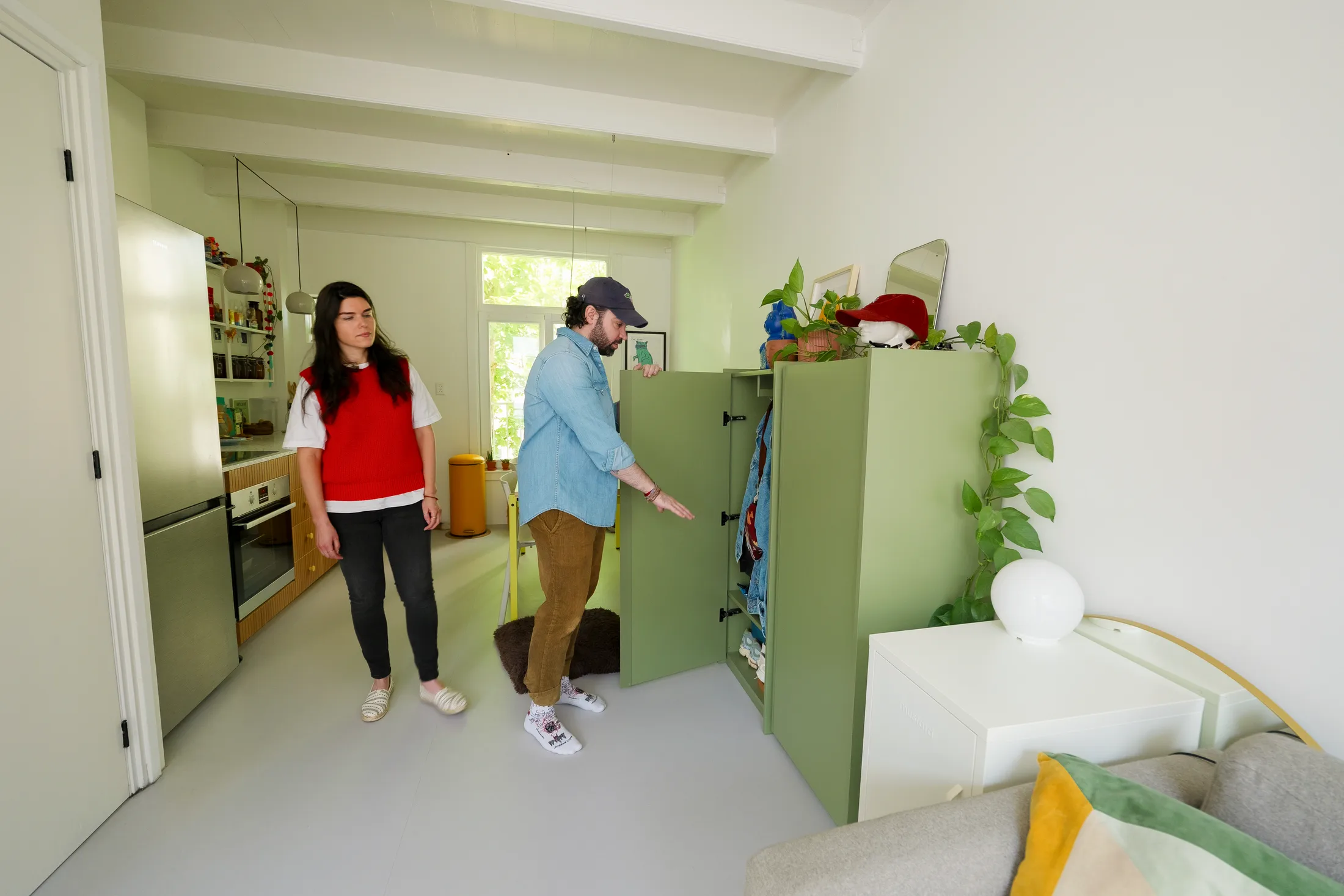
A Kitchen Designed To Do Less

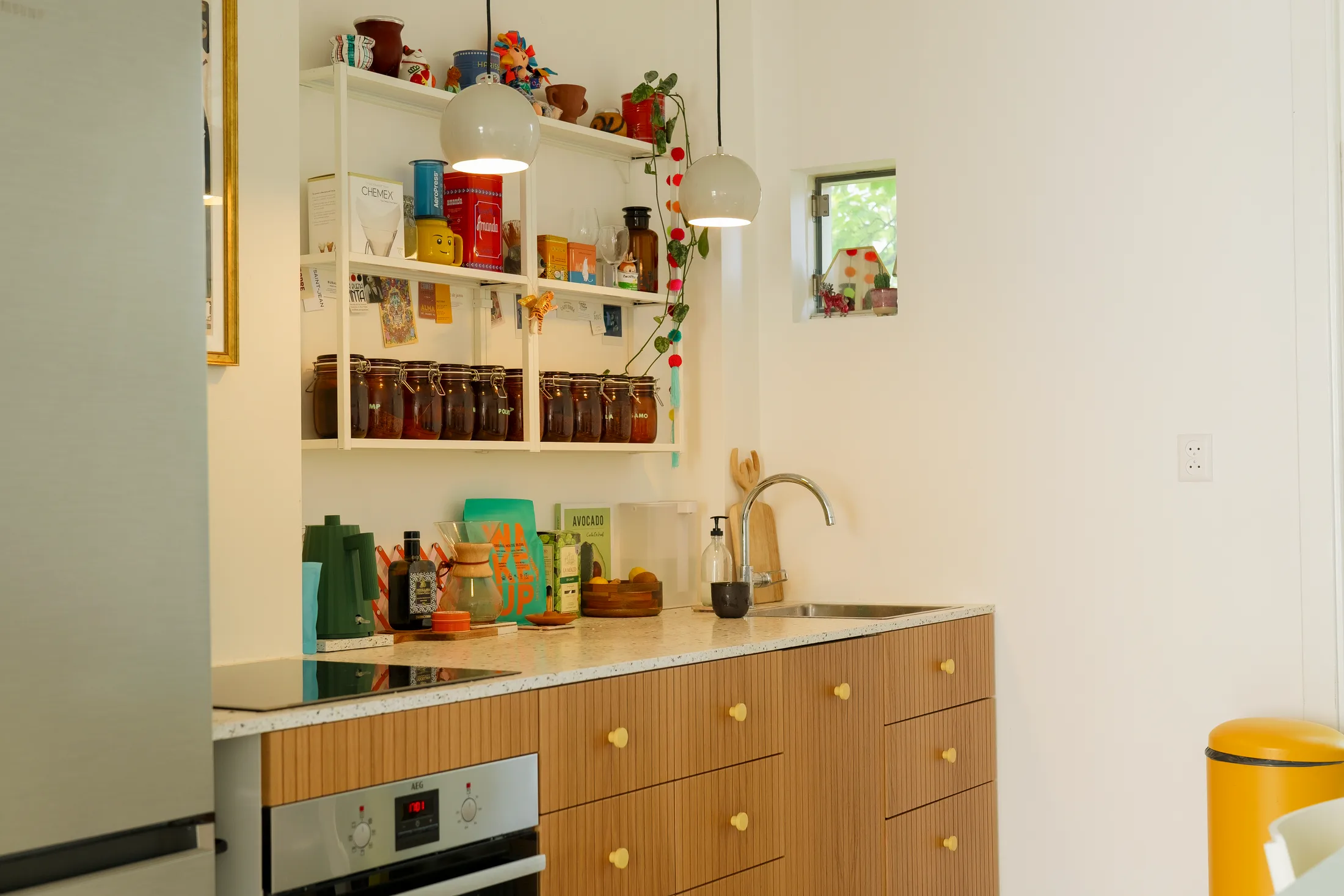
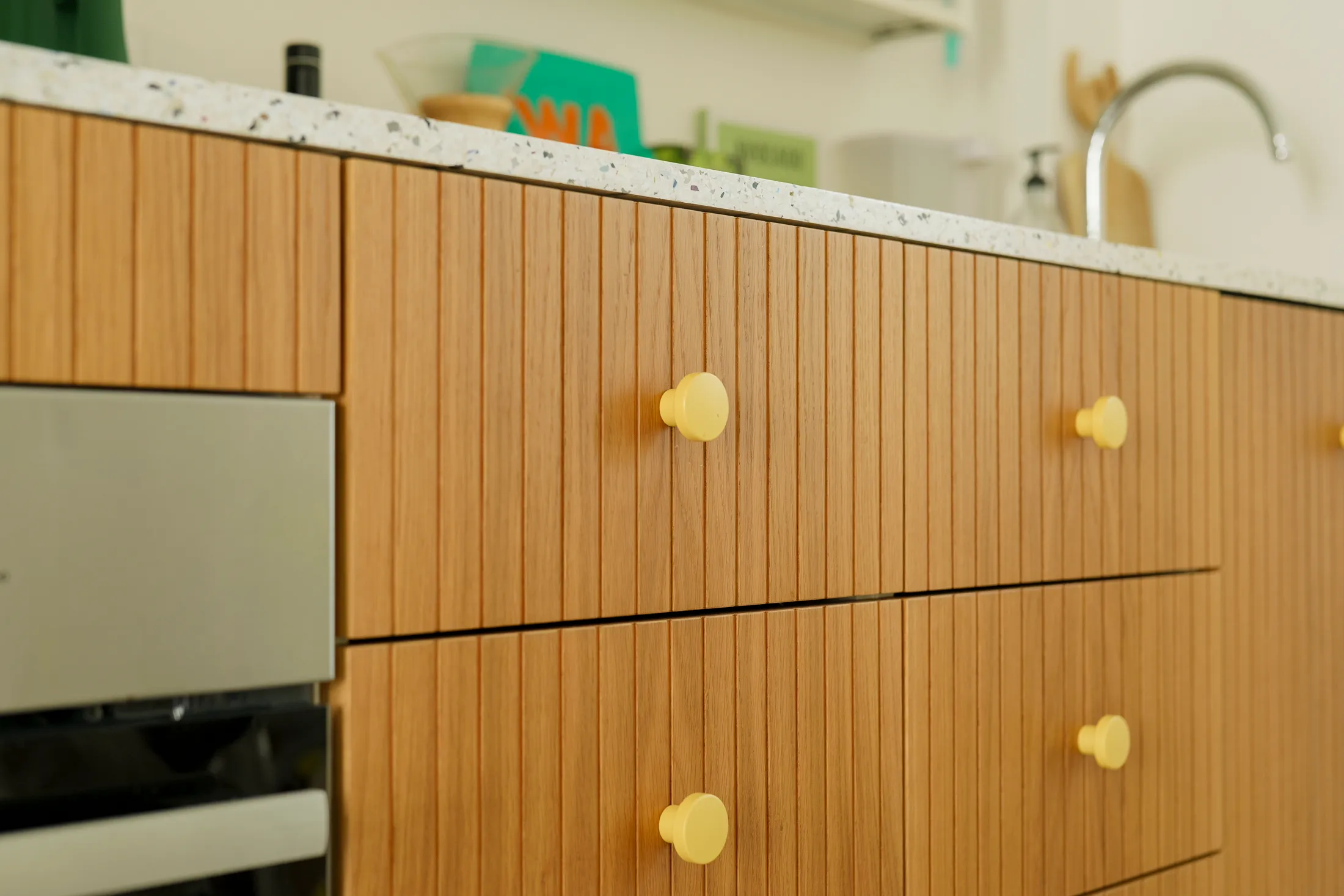
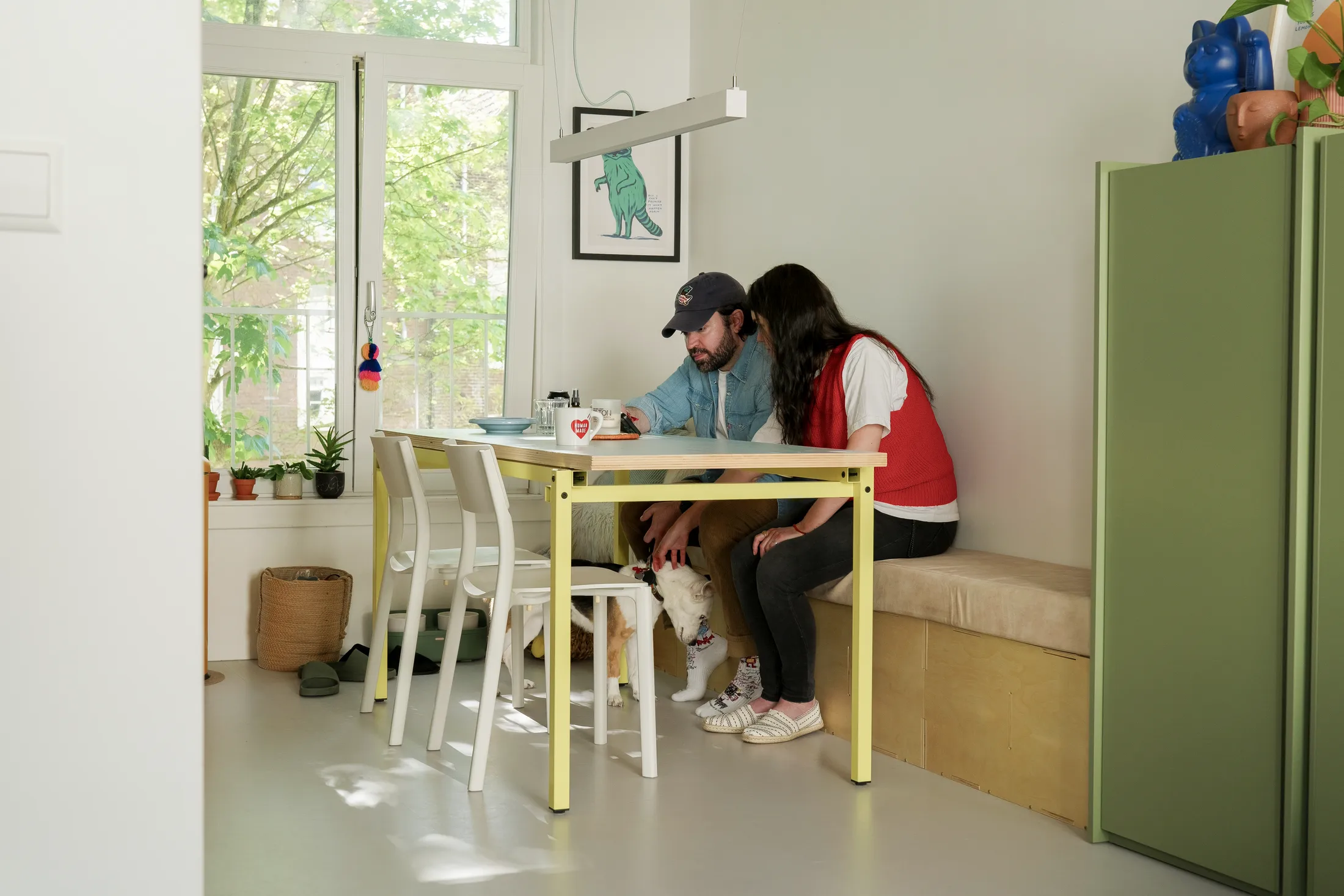
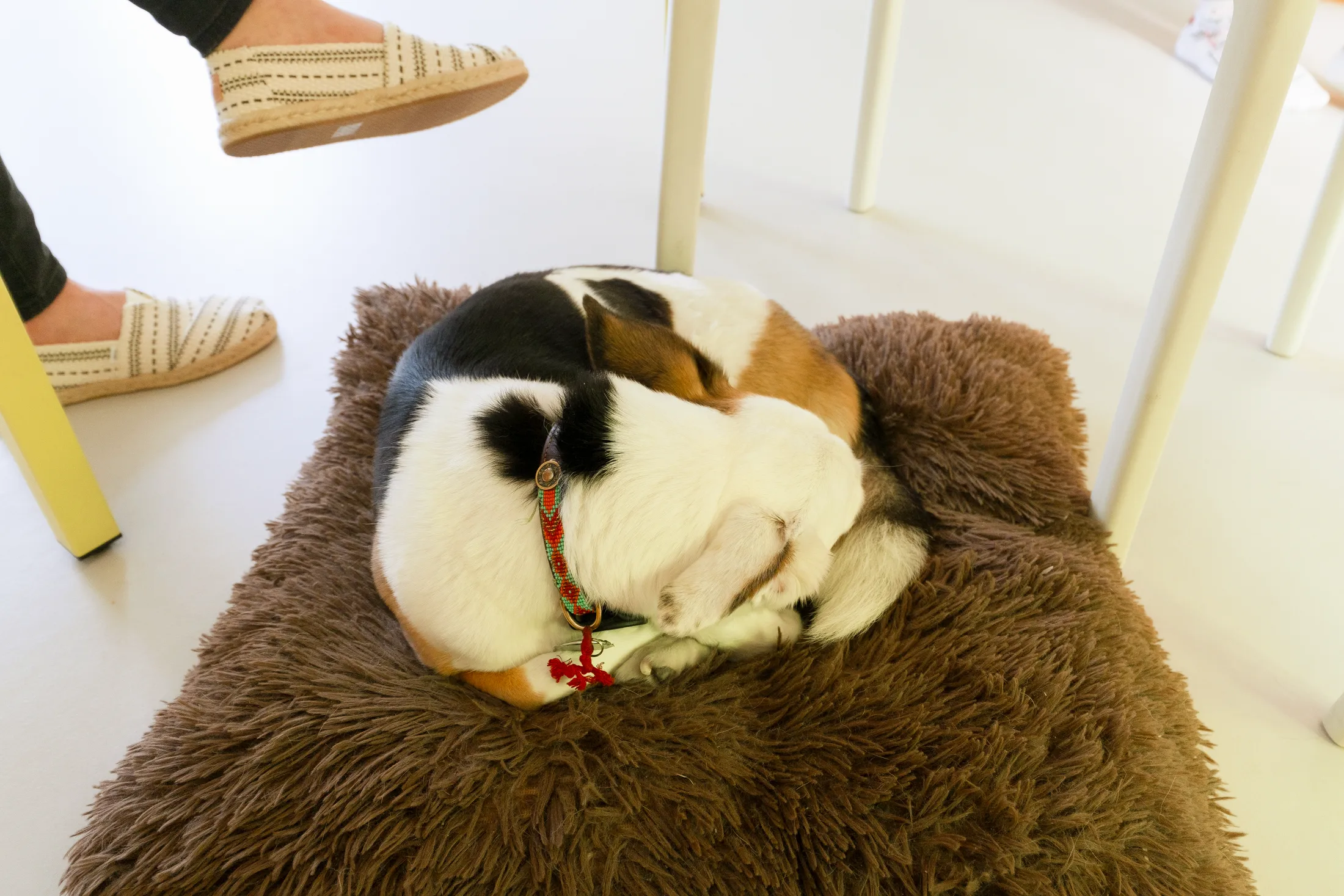
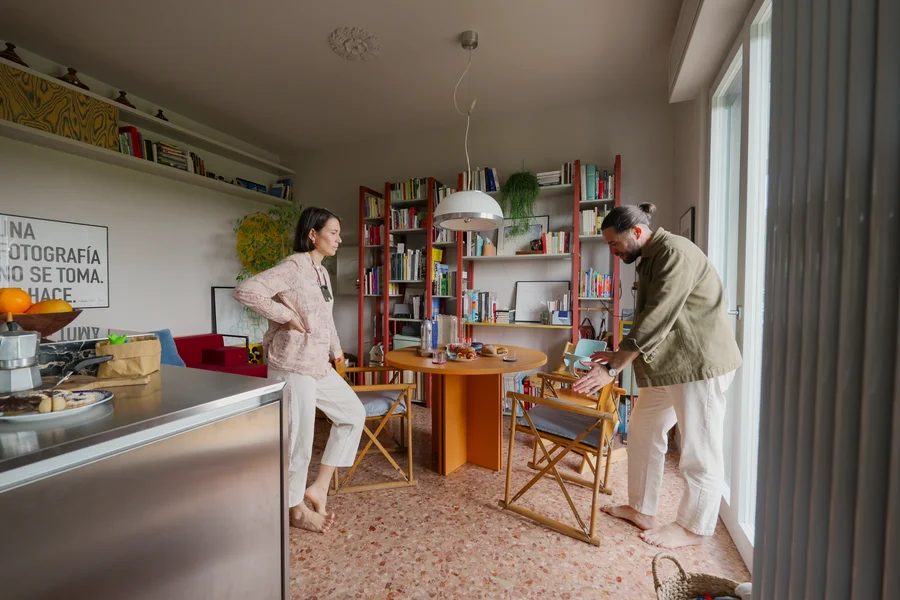
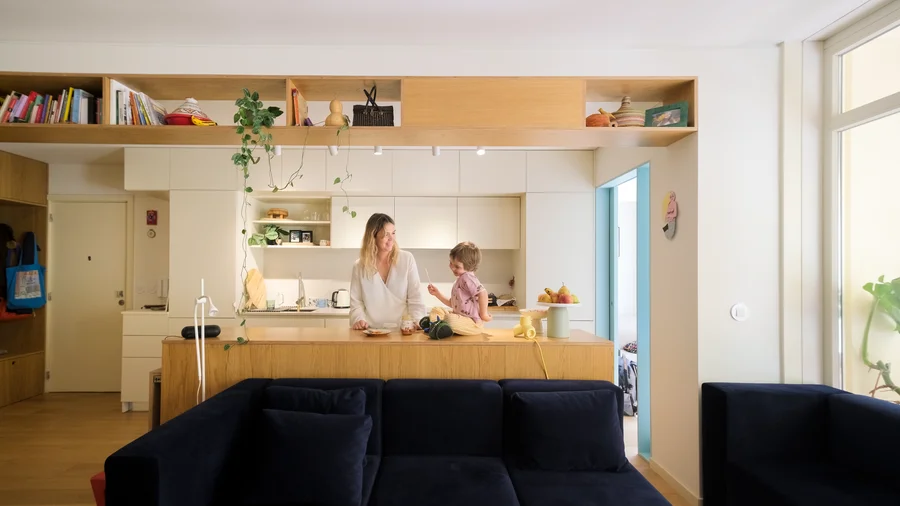
The kitchen is where Pedro and Asia set their tone for the day. Every morning, Pedro makes breakfast which they enjoy around the table, with coffee, conversation and (ideally) no clutter. Lupe even has a spot, with her bed tucked cosily beneath them. A big part of the ‘kitchen calm’ comes from the way Pedro and Asia have designed the space. The layout, appearing as a free-flowing continuation of the open-plan living space, features a single kitchen unit with a deep countertop that offers good storage space without adding visual bulk. All kitchen items on display are also everyday essentials, reducing clutter and keeping breathing space.

Soft Living

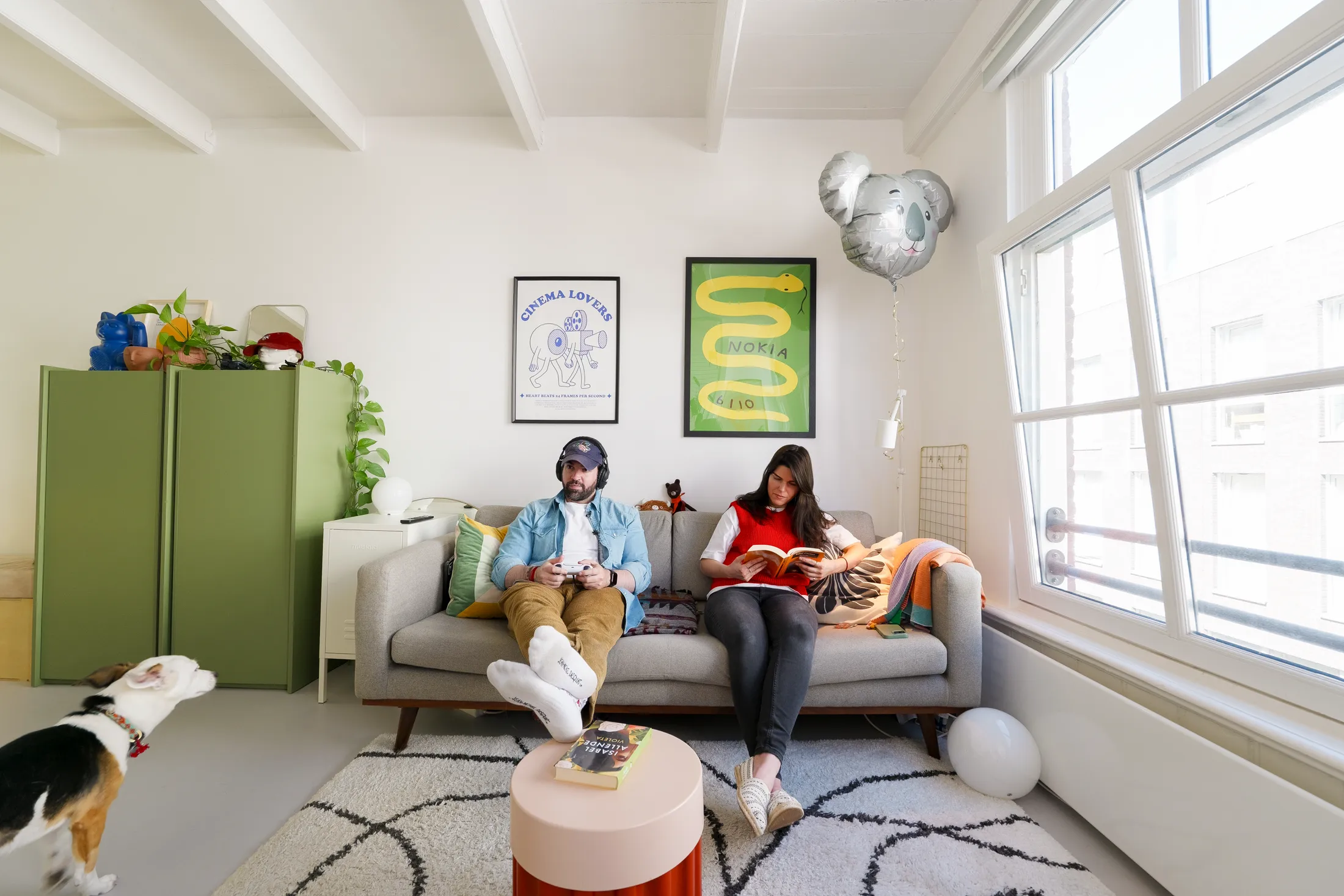
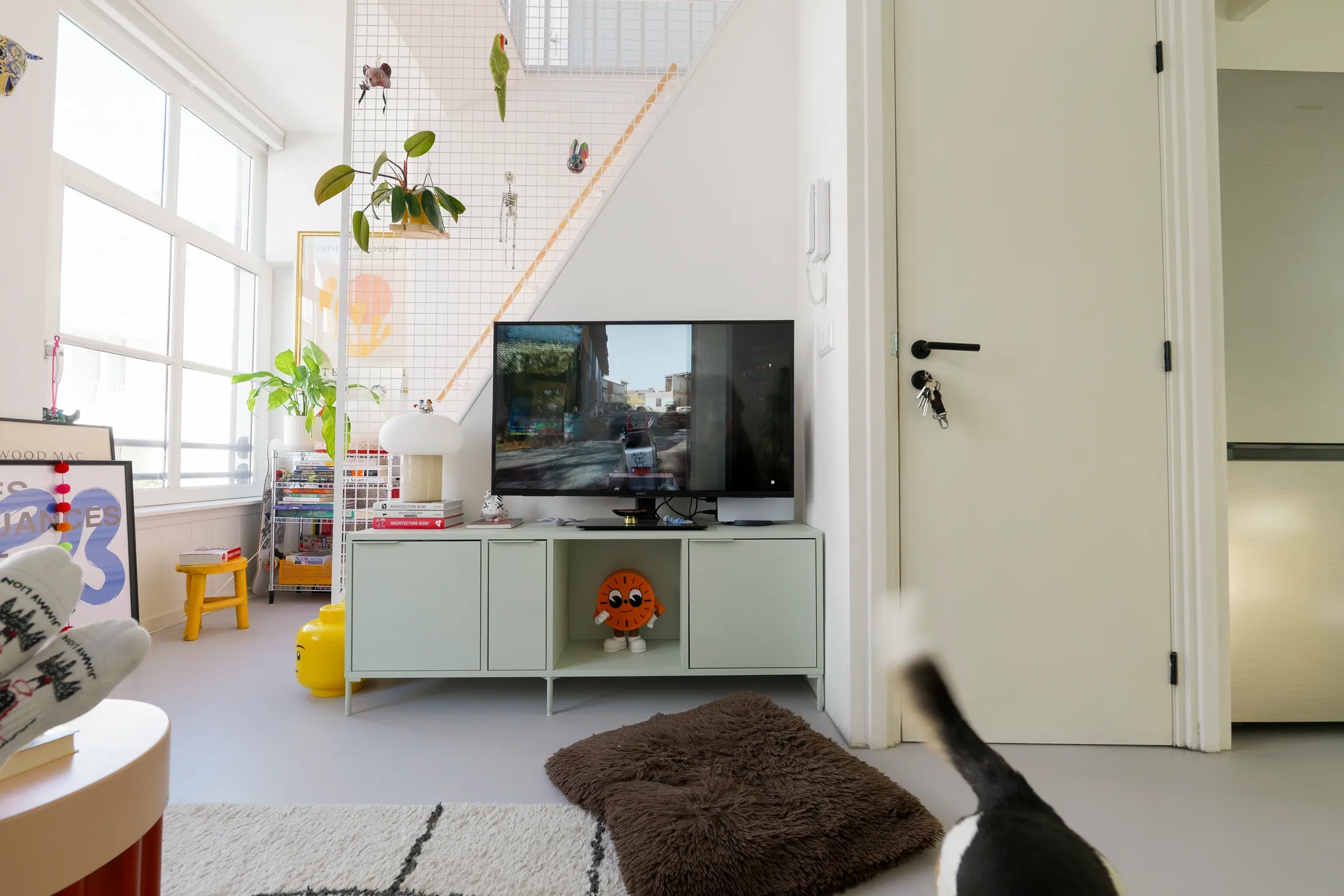
Their living area is Pedro’s favourite part of the house — the place the couple land most afternoons to unwind and watch a movie together. Instead of treating comfort as a “nice-to-have”, Pedro and Asia have made it a deliberate design decision: a carpet chosen specifically to further isolate sound, plus a plush sofa so big Pedro calls basically “bed size”. But softness here isn’t only about lounging. It’s also about creating a home that feels restorative, which includes a quieter reading nook — offering good lighting, a peaceful atmosphere and a spot that allows the living space to offer another function without taking up extra space.

Work Upstairs

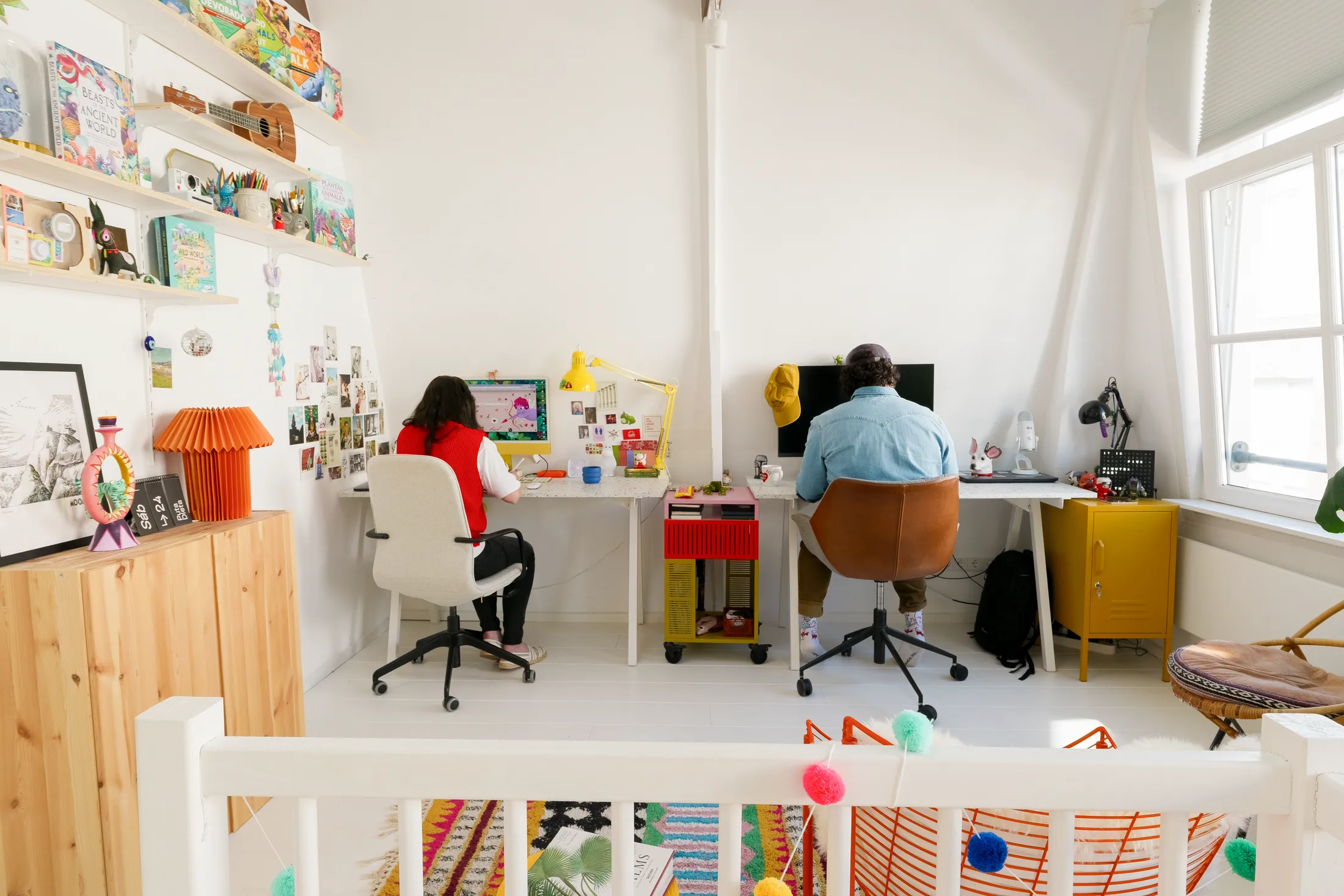
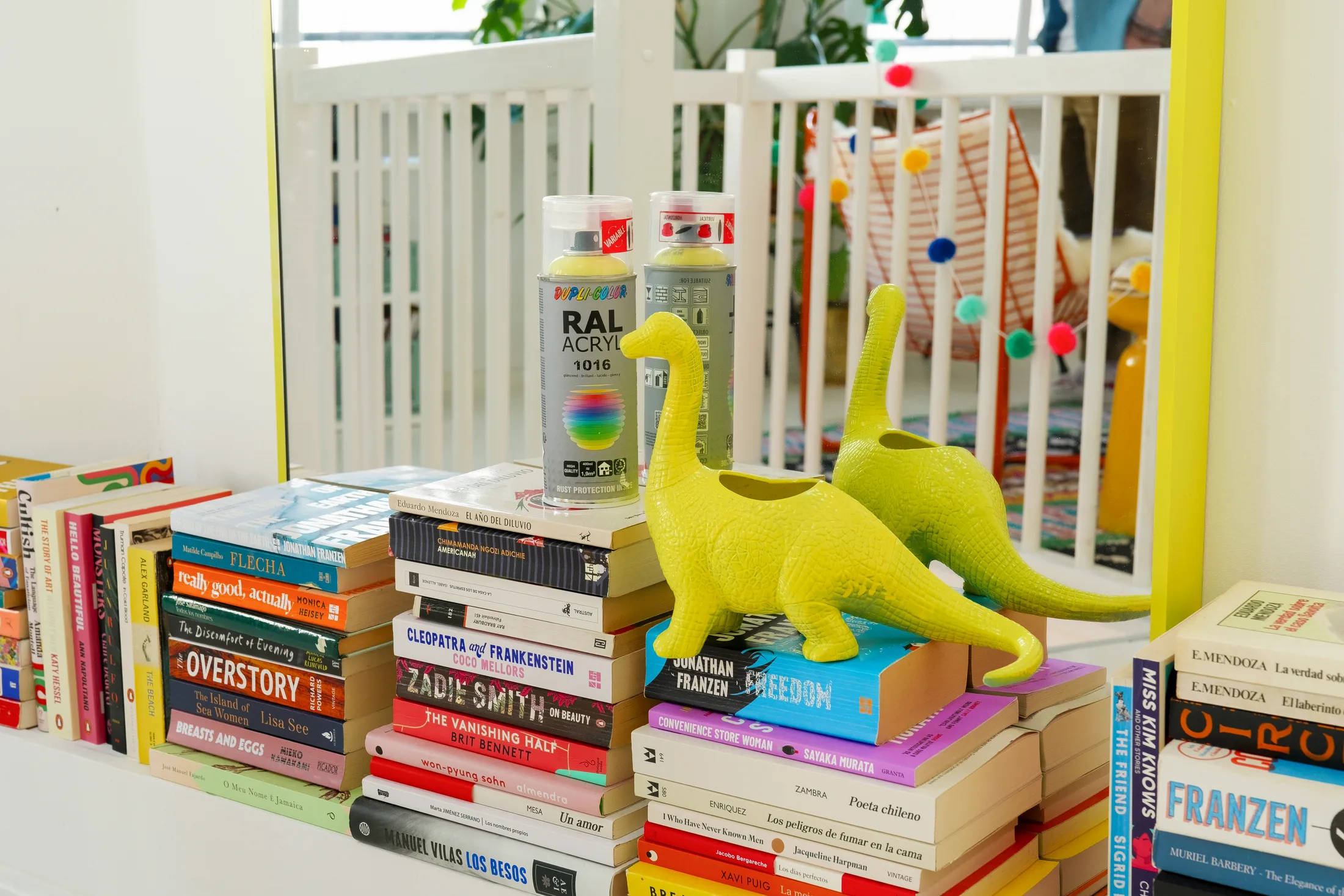
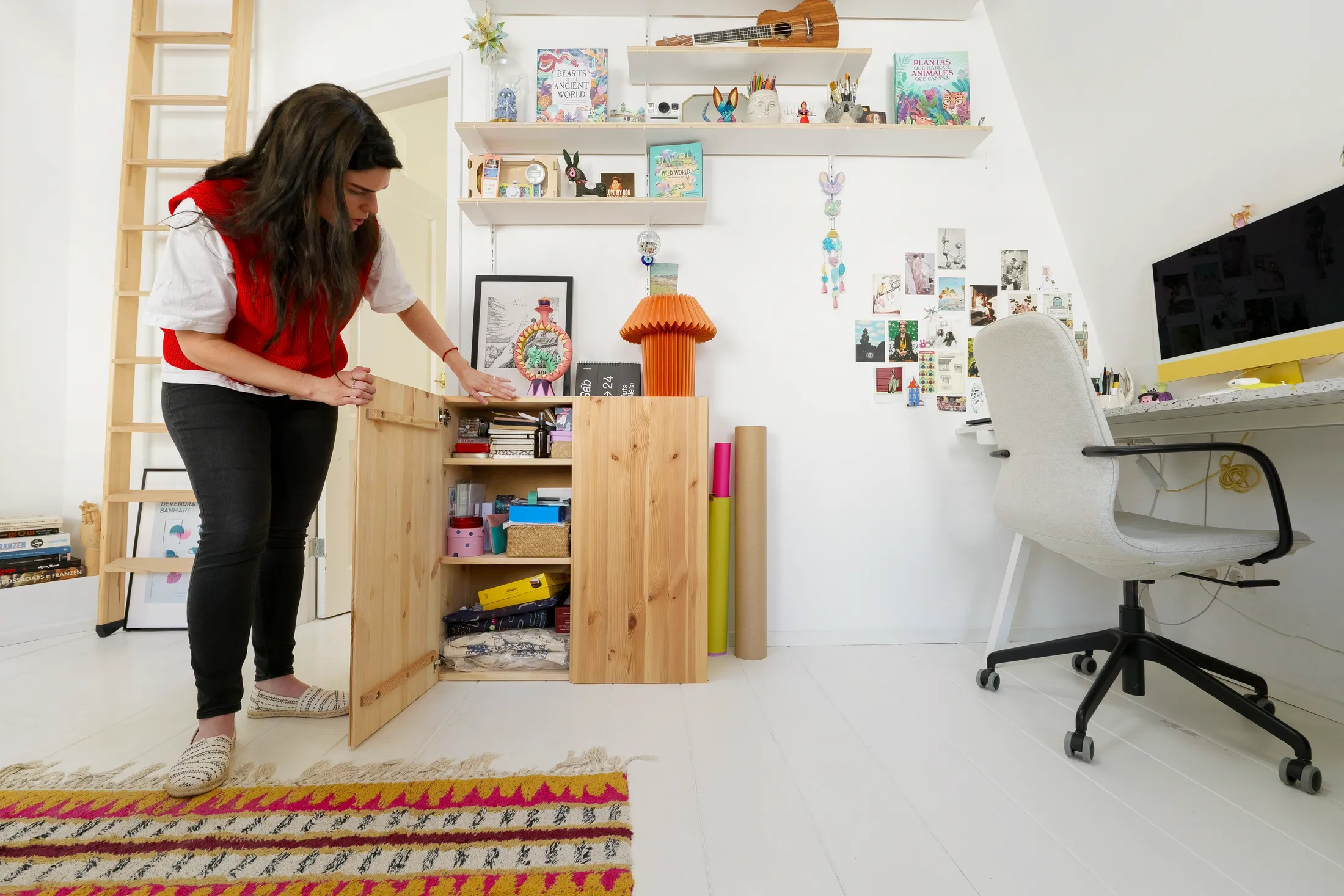
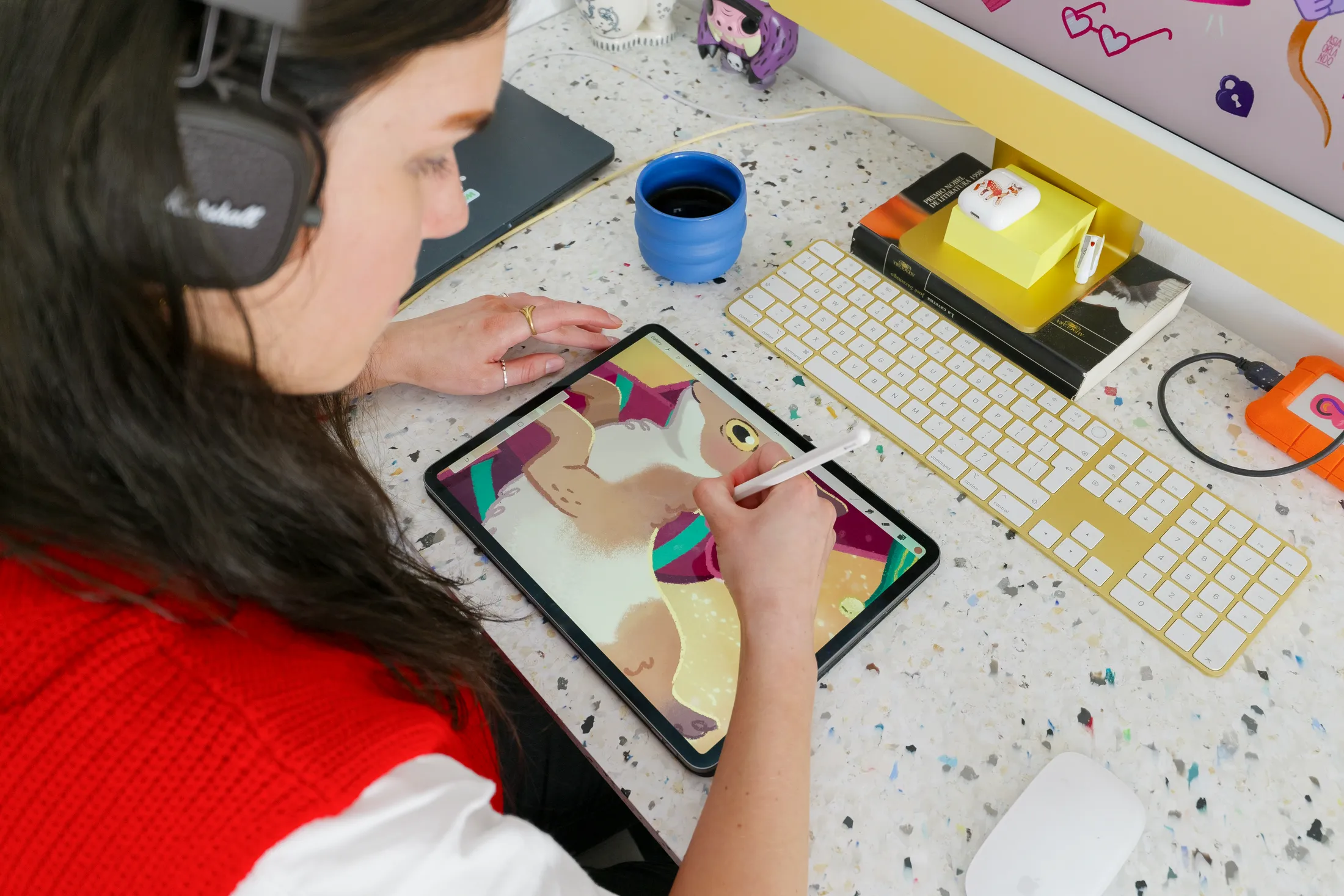
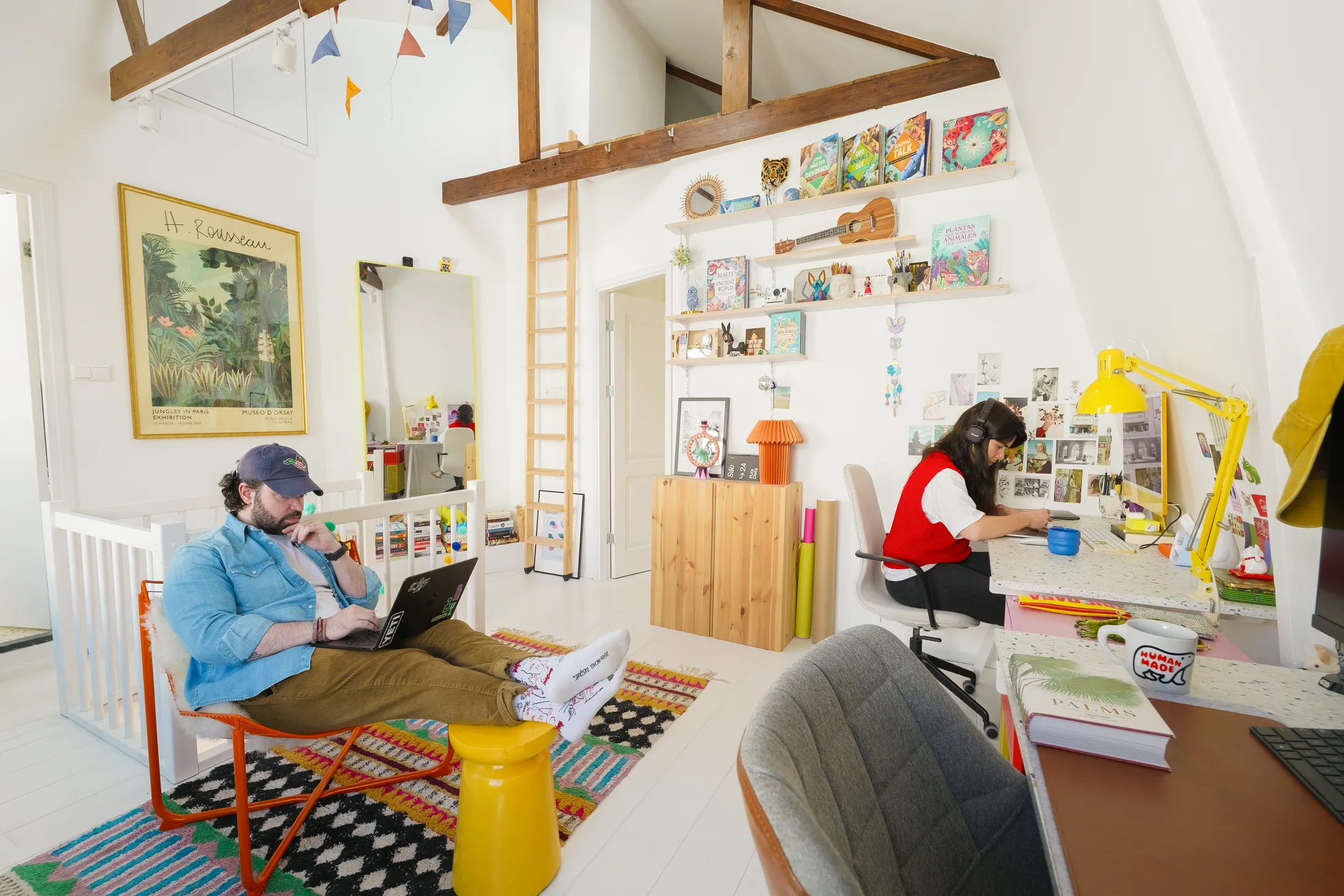
Upstairs is where the home becomes a studio. Before moving in, this upper level was an attic with various nooks and awkward little crannies. Pedro and Asia decided to embrace these features often found in older buildings, deciding to turn them into useful shelves and book landings. Asia’s workspace is also intentionally simple, narrow and is perfect for computer-based illustration, whilst the room as a whole is allowed to be a bit “real.” Paint happens here. Mess happens here. If something gets dirty, that’s fine, because this is a work zone, not a showroom. The result is a studio that behaves like a studio: practical, forgiving and packed with tools (Asia calls it “a small art shop”).

Sleeping + Utilities

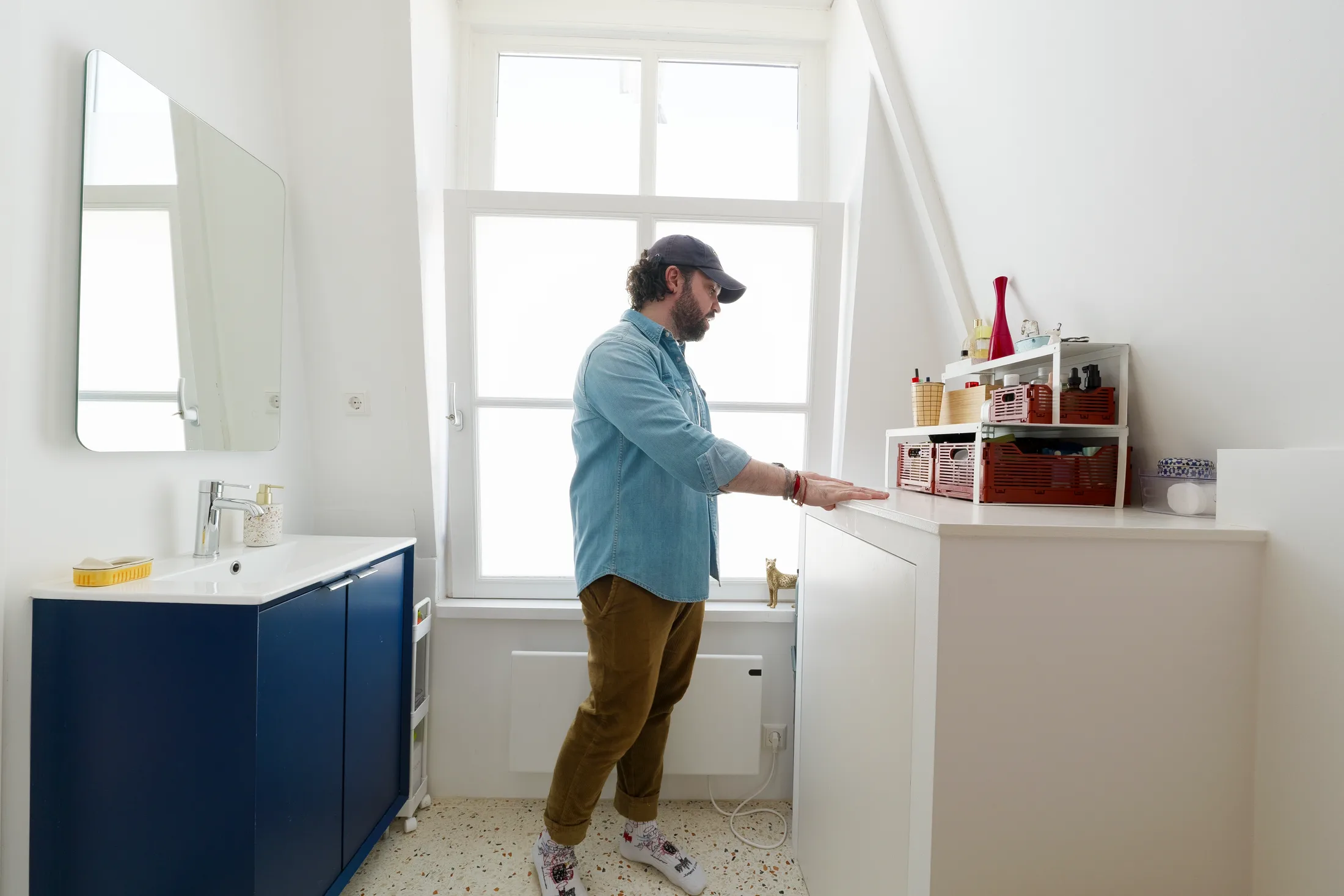
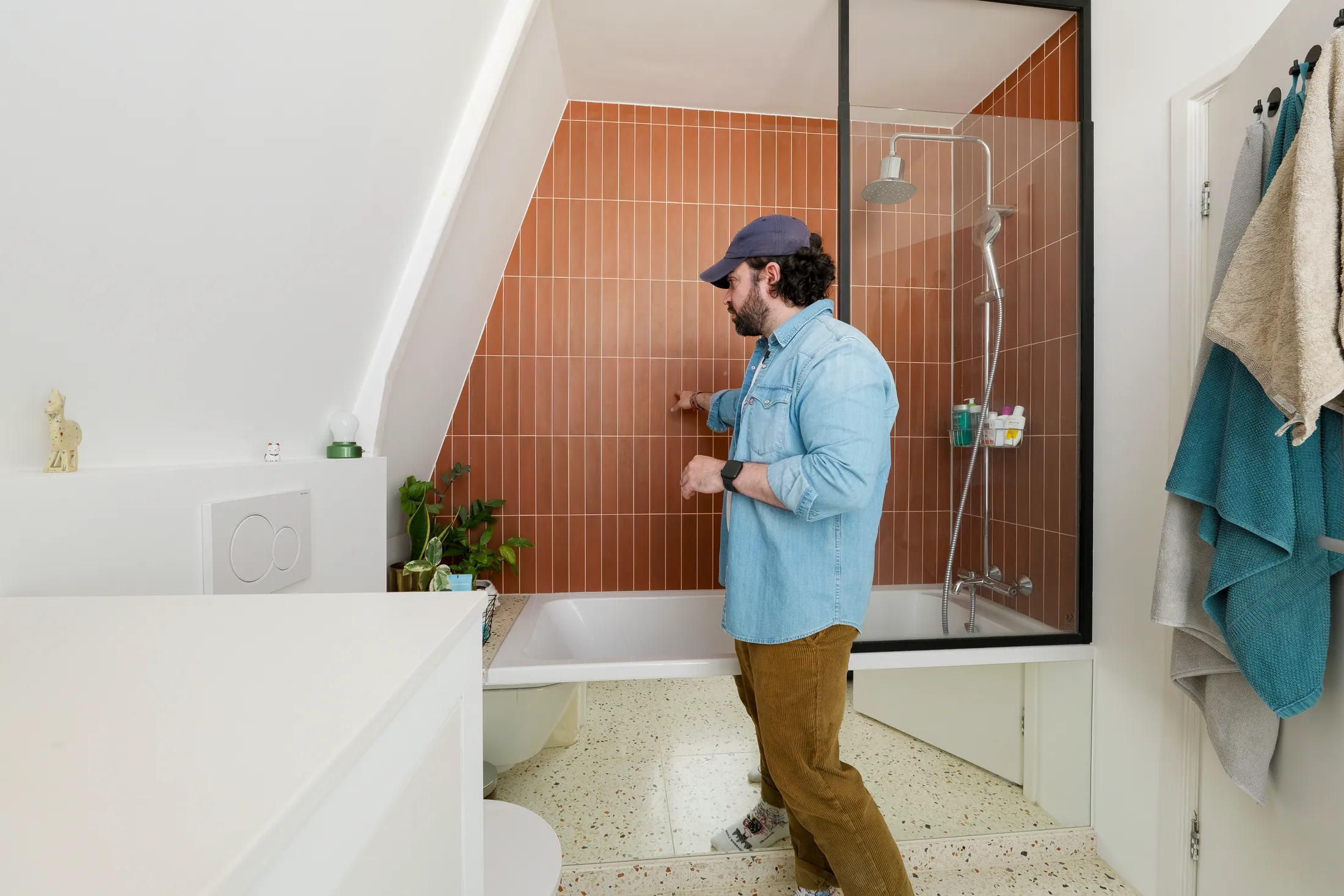
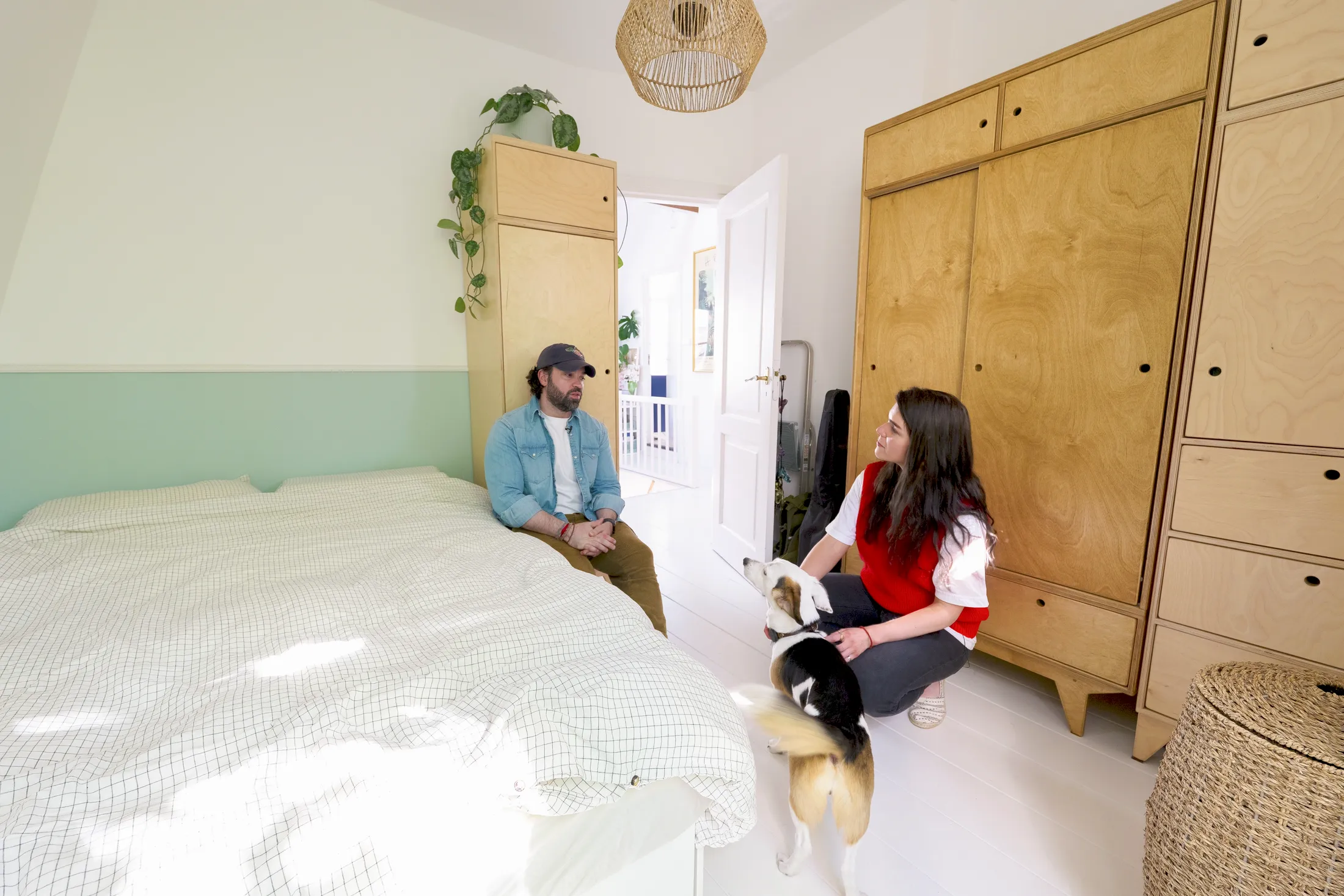
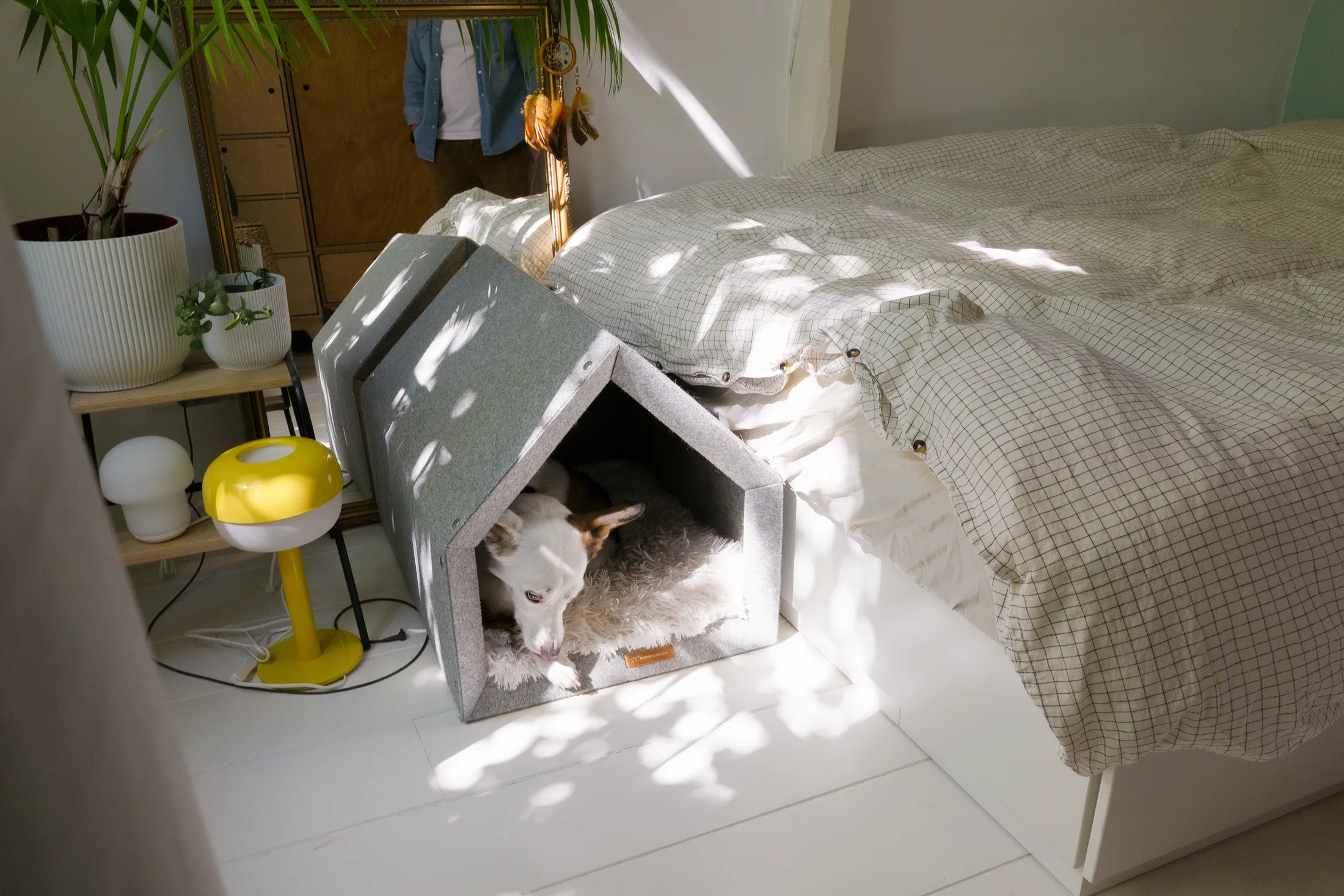
Upstairs also holds the most functional rooms: bathroom, bedroom, storage and features seemingly small decisions that make daily life smoother. In the bathroom, custom cabinetry does the hard work in awkward corners — shaping a neat basin nook and tucking the washing machine out of sight so the space stays calm and functional. The bedroom is intentionally the simplest room, with its slanted walls making standard furniture tricky, Pedro and Asia created a painted “headboard” above the bed by painting a small section of wall instead. Under the bed, they chose to include extra storage for items not needed everyday, like towels and bedding And of course: Lupe has her own little sleeping nook at the foot of the bed.

If you’d like to hear more from Asia and Pedro — and see the beautiful photographs Pedro has taken of their home — our magazine team sat down with them for an in-depth interview, covering everything from how they met to what it’s like working from home together, and how they decide which mementos and knick-knacks earn a place in Casa Koala. We’re sharing it here!

Writing:
Writing:
Photography:
Photography:
Back to Top
Arrow UpArrow Up
Top
Arrow UpArrow Up
The After shot of the Floorplan
Before
before
after
After
Businesses featured in this project
No items found.
Products featured in this project
No items found.
Magazine Current IssueMagazine Current Issue
Writing:
Writing:
Photography:
Photography:
Back to Top
Arrow UpArrow Up