Let's start with colour. What significance does colour hold in Thai culture?
Most people in Thai society have a blend of beliefs between Buddhism and Hinduism. This hybrid belief system is also similar to neighbouring countries such as Myanmar, Laos and Cambodia, as these countries have a longstanding historical connection with Thailand. So most people in this region have beliefs related to stars, astronomy and astrology, which are part of the roots of Hinduism. For example, the names of the days of the week are derived from the names of celestial bodies, such as Monday - Moon, Tuesday - Mars. Each celestial body is likened to a deity found in mythological beliefs, and each deity is associated with a specific colour1.
As a result, those who still hold tightly to these traditional beliefs often try to align themselves with the corresponding colours for each day, particularly in choosing the colours of their clothing, to bring good luck each day. This concept of lucky colours may even extend to individual preferences; for instance, if you were born on a Thursday, you might be suited to the colour orange for your entire life. However, nowadays, people may be starting to believe less in these significant beliefs.
How has this cultural connection with colour played out in Thai architecture?
Historians have explored and noted that in ancient times, architecture in Thailand rarely used colours. The colours that appeared were often linked to details such as Chinese ceramics or gold lacquer applied to sculptures. As for actual paint products used for the architecture, they were likely influenced by Western architecture during the reign of King Rama IV (around 160 years ago) for the royal families' palaces and vacation houses. Pastel tones were dominant at that time, and the choice of colours in architecture continued to be adjusted and selected according to the preferences of the king and the upper class.
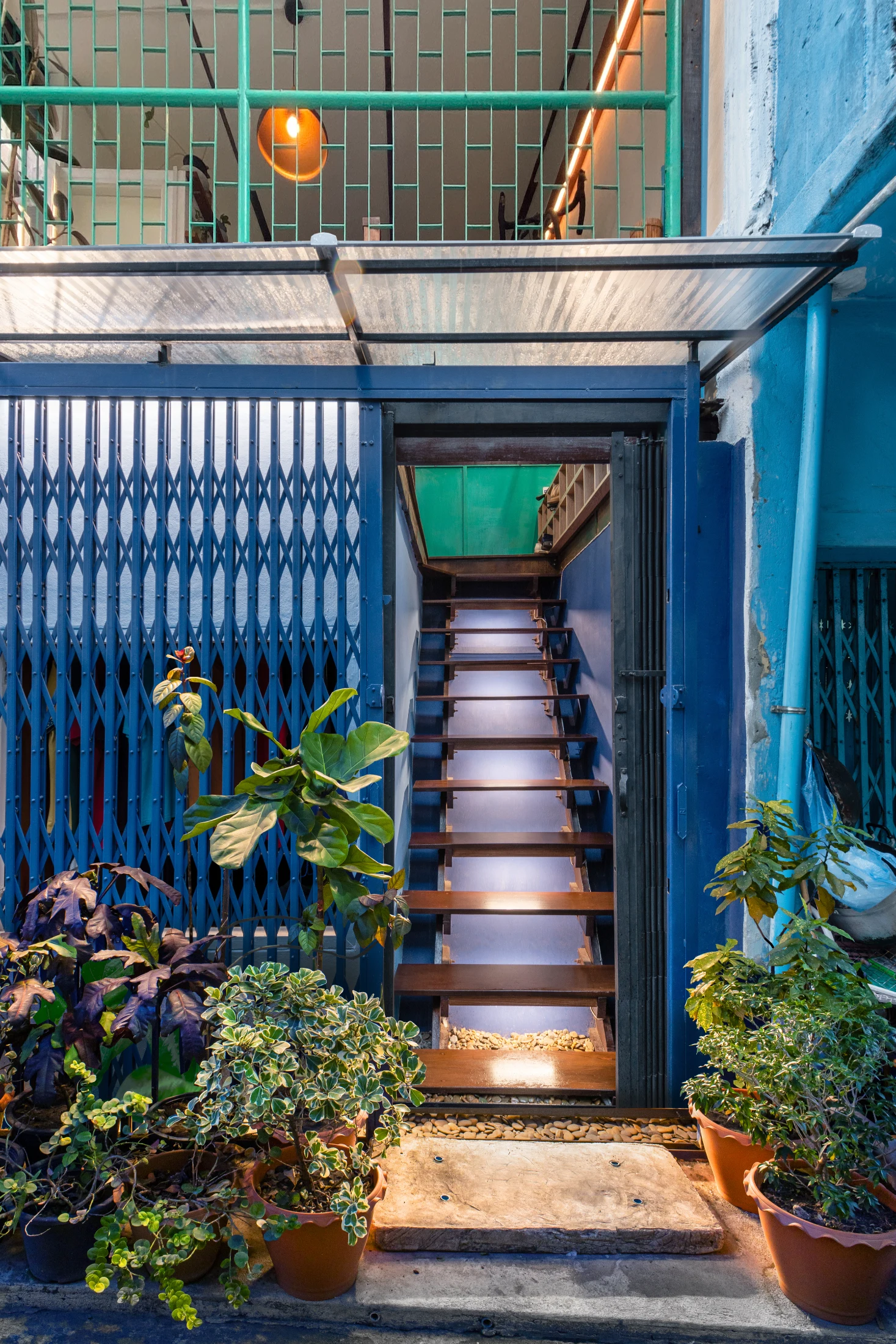
As urban construction began to expand, colour regulations were only enforced in the early stages. Since then, paint products have become easily accessible to the people, reflecting the characteristics of a capitalist era. These days, there are not many laws regulating building colours in Thailand (except for some regulations in old towns). This has led to a frequent display of brightly coloured and striking buildings everywhere, especially in rural areas, where we often find homes painted in extremely vibrant colours, such as a green railing contrasting with a pink house, or a blue staircase alongside a green house with yellow pillars against a pink beam. These bright and vivid colours reflect the tastes of ordinary people in Thai society.