
Magazine Current IssueMagazine Current Issue
Double Vision
Double Vision
From our Mag
April 20, 2026

Double Vision

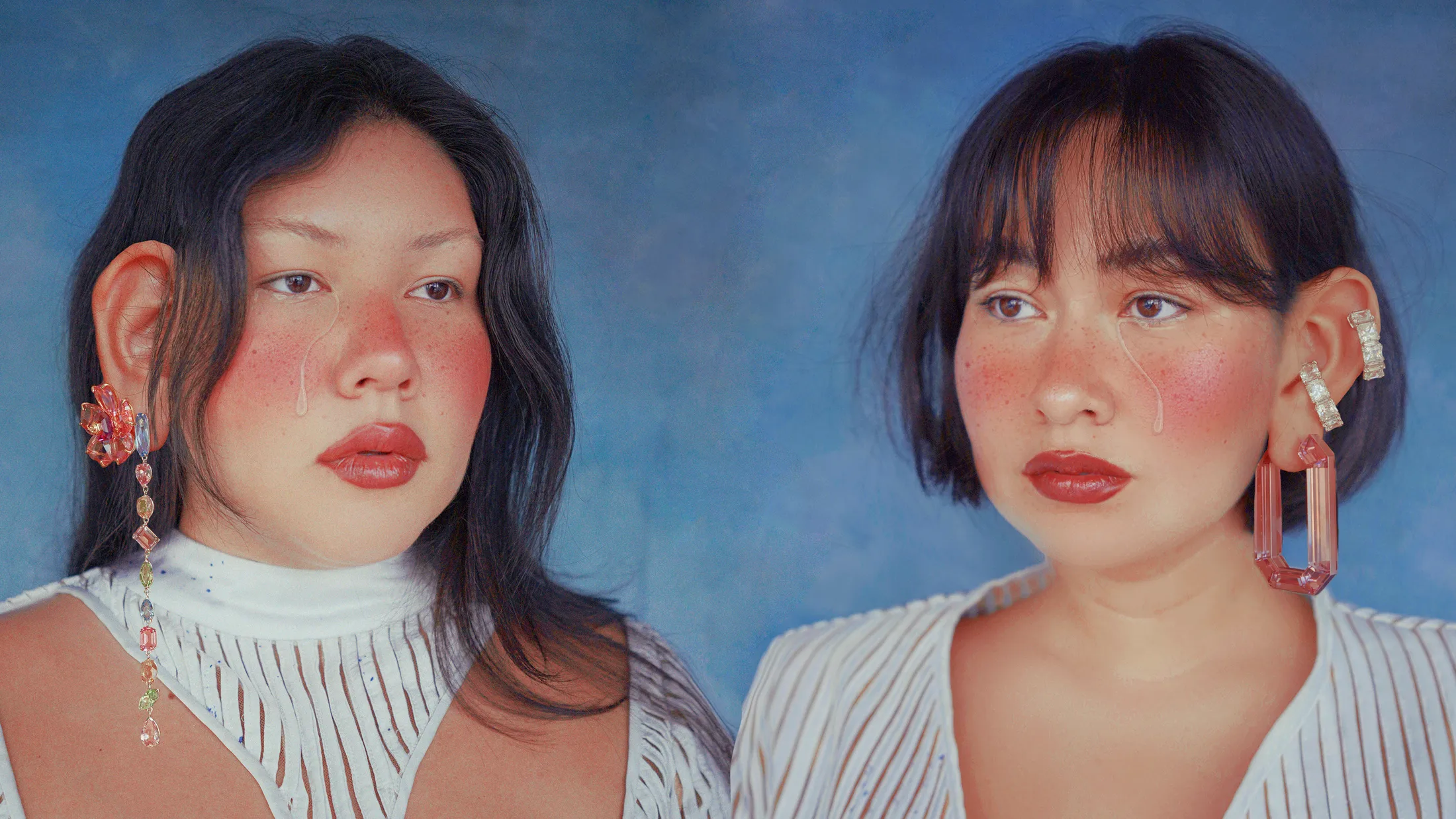
Brazilian sisters Thali and Gabi Zukeram built Two Lost Kids from playful internet experiments into a globally recognised creative studio. Blending nostalgia, surrealism and DIY energy, their distinctive visual world has made them favourites of major brands and online audiences alike.

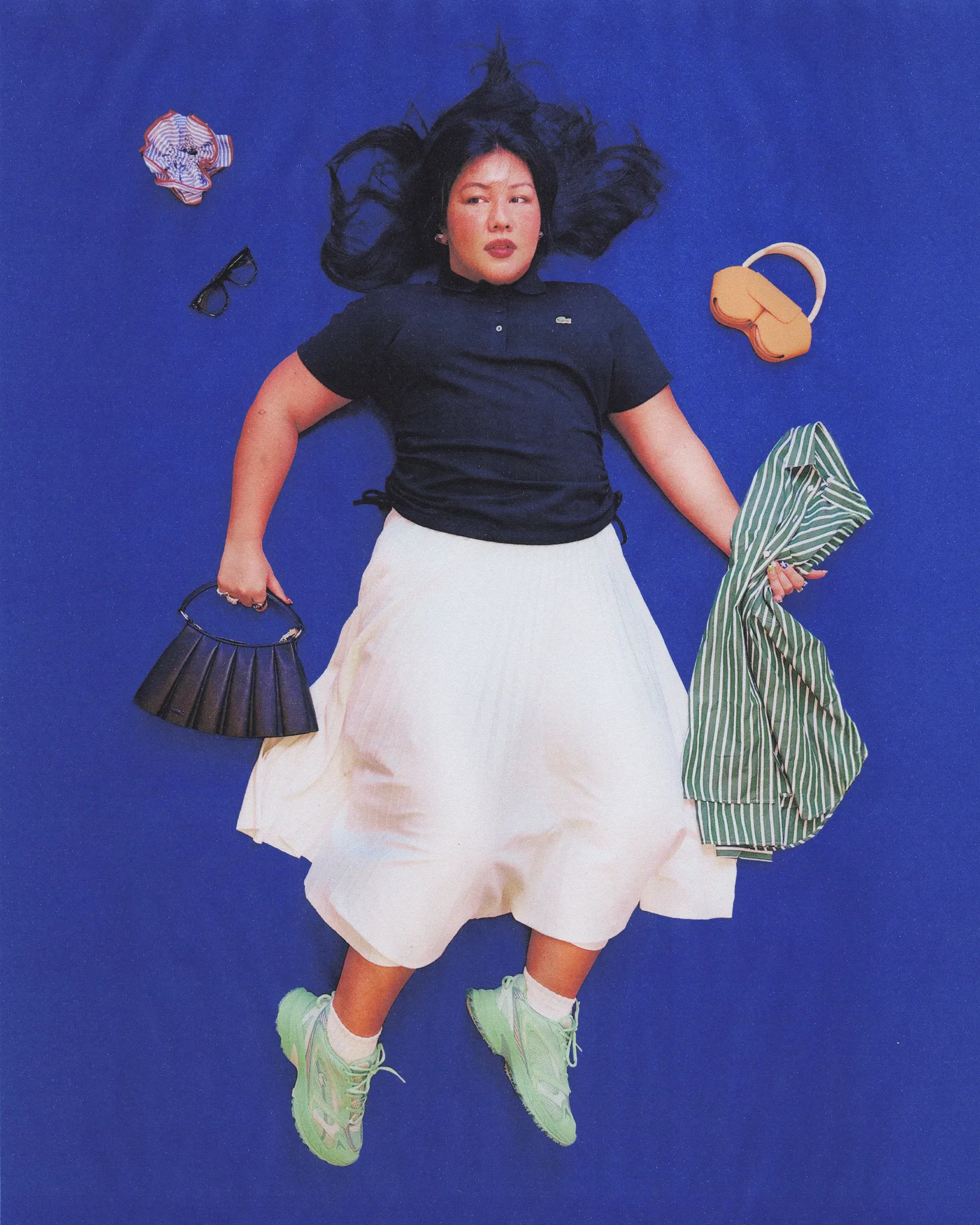
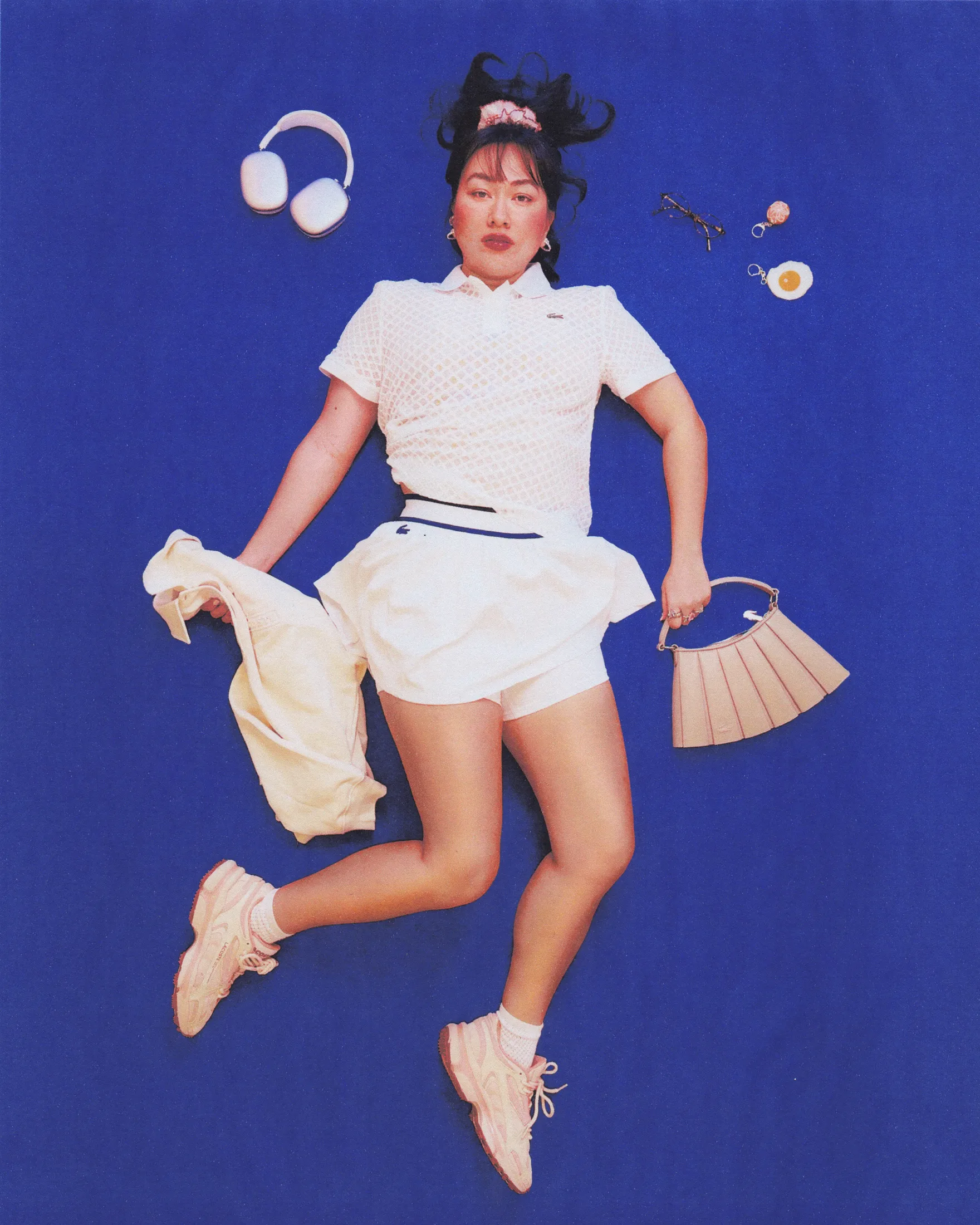
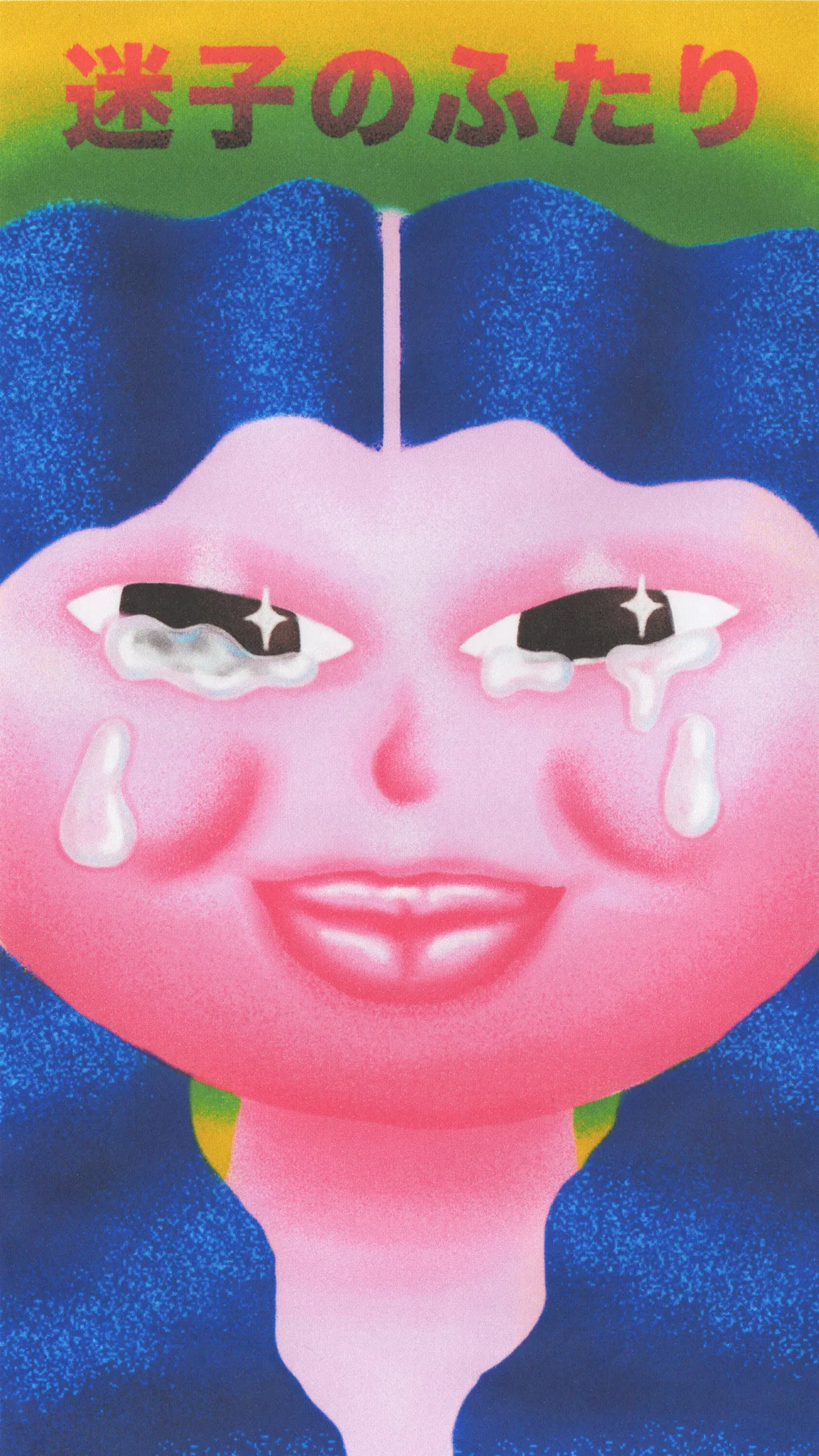
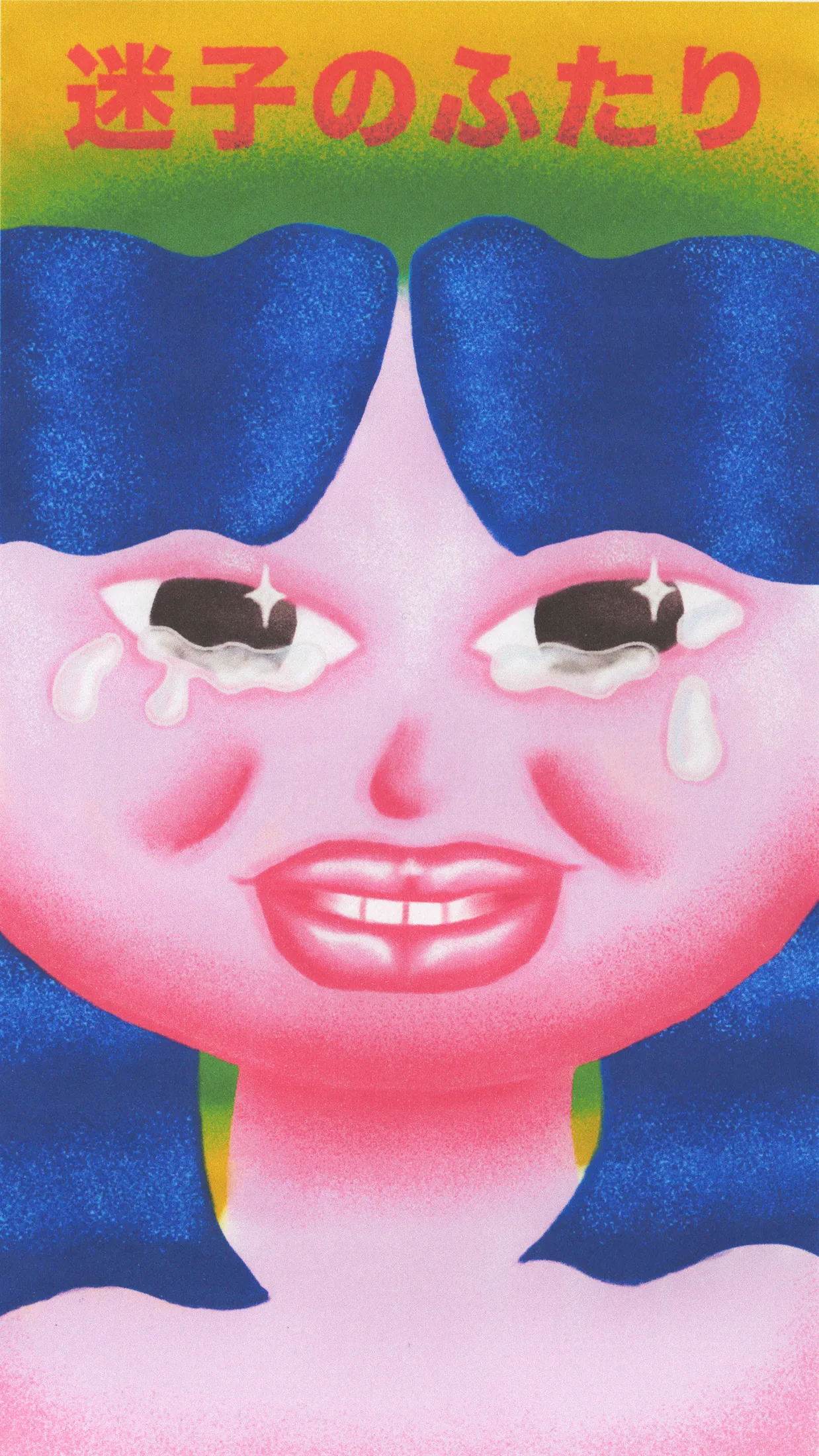
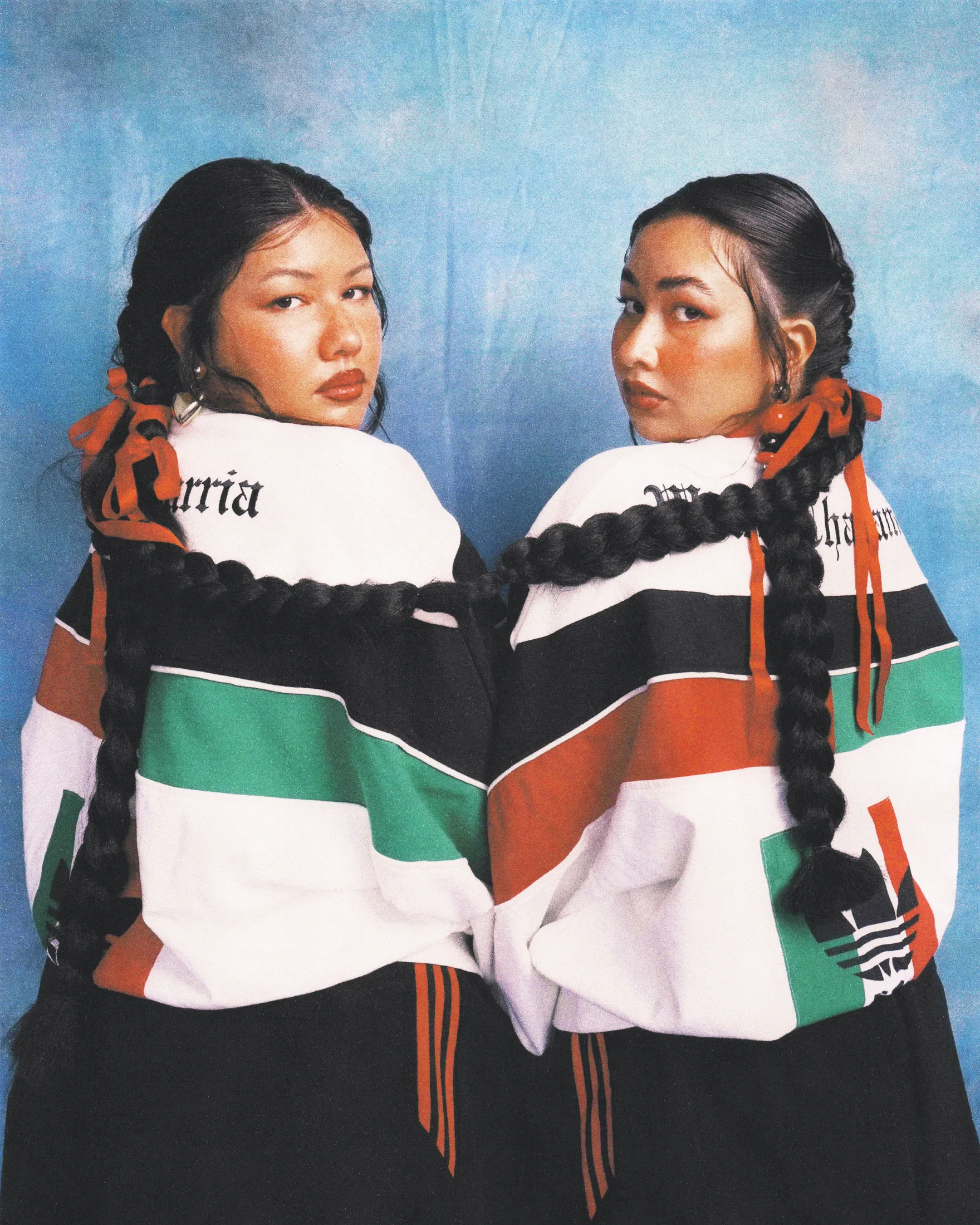
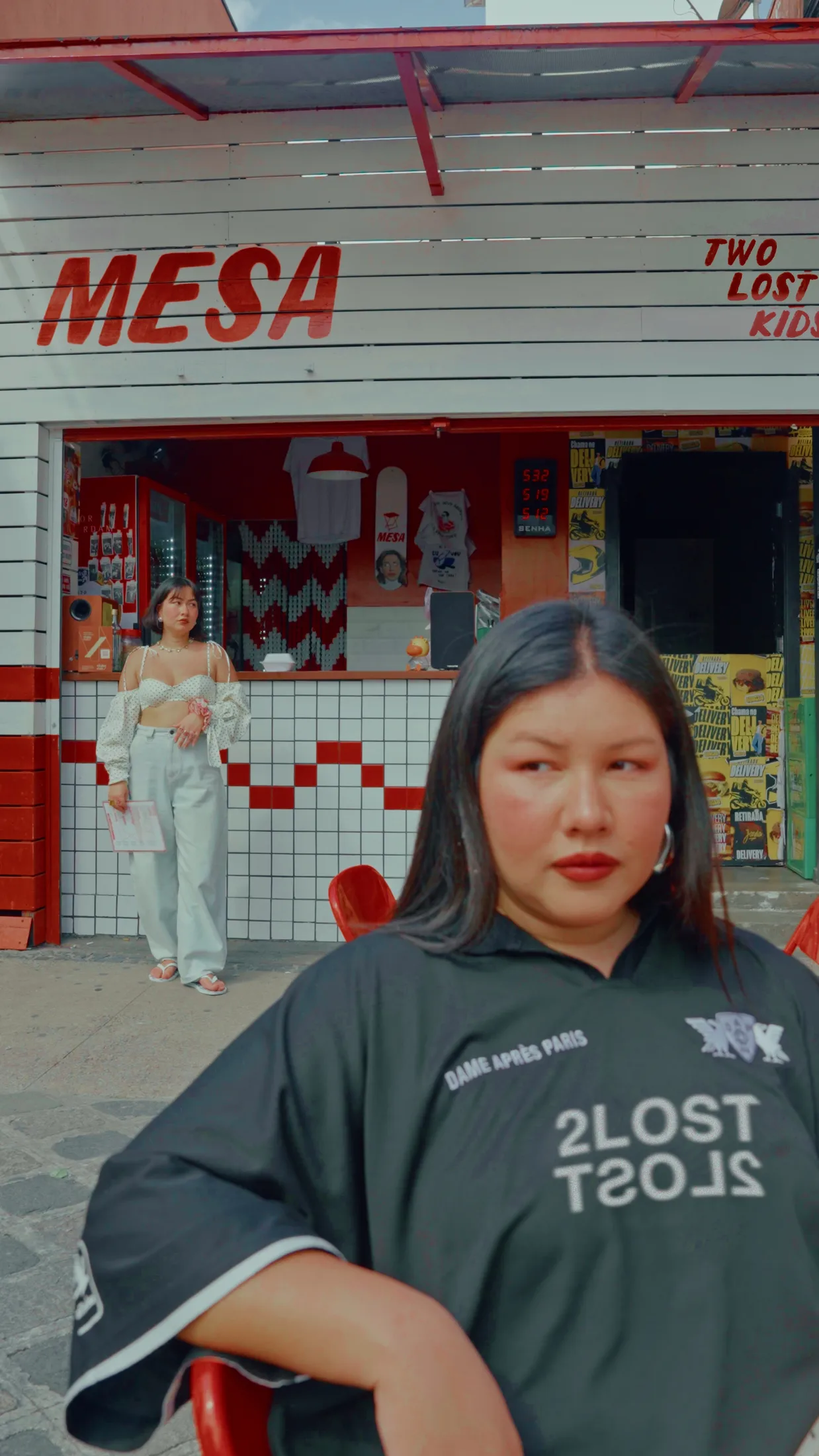
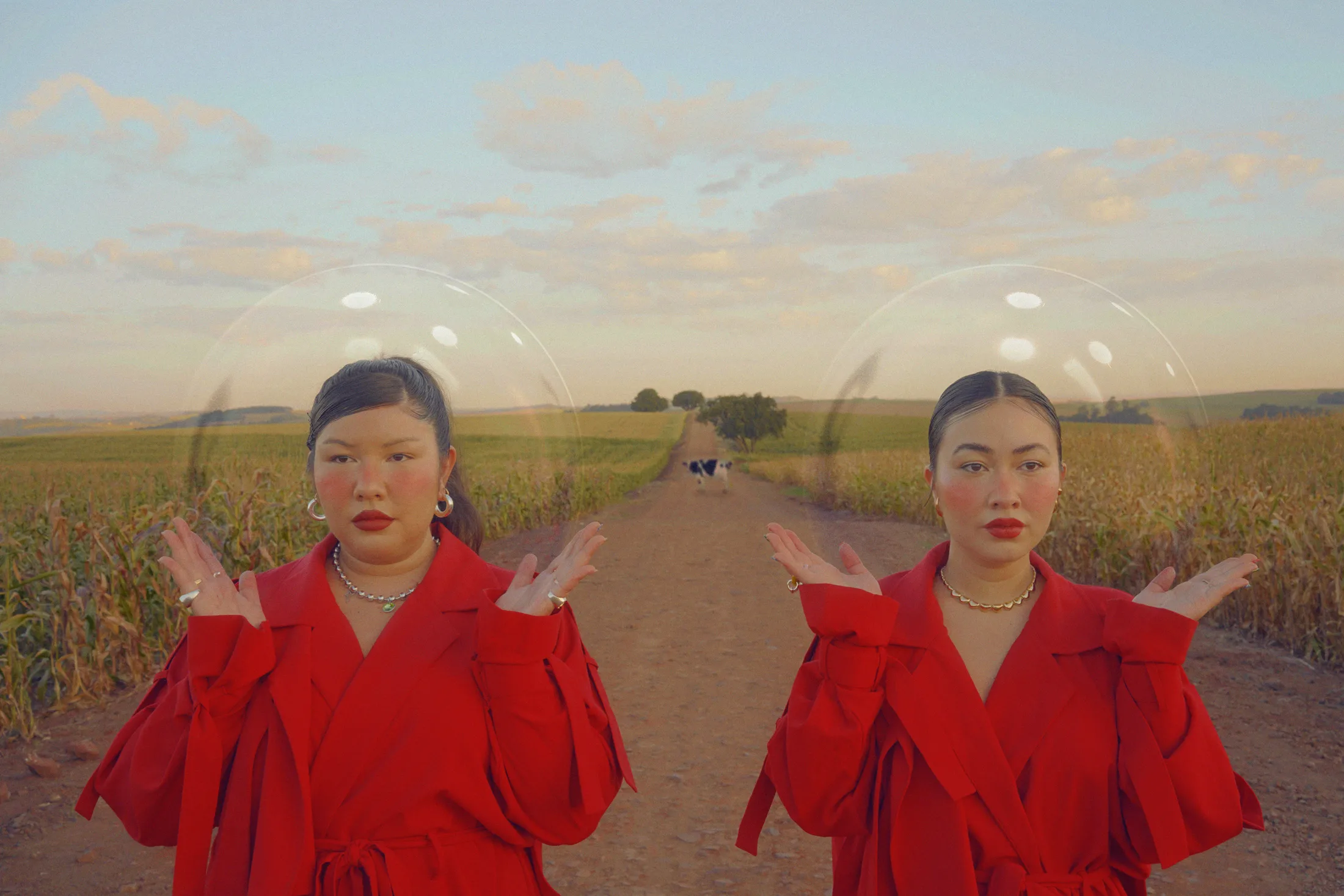
Thali and Gabi Zukeram are the Brazilian duo behind Two Lost Kids – the award-winning content creation business they started as teenagers. Their distinctive aesthetic style emerged early in life: think of them as pioneering visual ‘influencers’ (but know that the word ‘influencer’ really doesn’t do them justice!). They experimented with and developed their unique instincts in emerging online spaces, attracting a passionate following captivated by their playful, irreverent, other-worldly images. Since then, their strong artistic vision and multiformat talents have made the pair a favourite with global tastemakers, keen to cloak their own brands with the kind of exuberant visuals that could only come from the delightfully deranged minds of Two Lost Kids.

Kirsten Drysdale
Writing:
Writing:
Kirsten Drysdale
Photography:
Photography:
Two Lost Kids
Magazine Current IssueMagazine Current Issue
The After shot of the Floorplan
Before
before
after
After
Top
Arrow UpArrow Up

I want you to picture two little girls. Sisters, only a year and four months apart. Their names are Thali and Gabi, and they’re growing up in the early 2000s, in Maringá – a small city in the countryside of Southern Brazil. 

These girls are fun. They’re creative and quirky, they do pretty much everything together. They don’t have the internet yet, but they love to watch old black and white silent movies. It inspires their fashion sense – even though fashion isn’t really ‘a thing’ where they live.

THALI: “We wanted to dress different from the other people from the city. We had the references and we tried to make our own clothes, by painting them, or going to a thrift shop and buying male pants and then doing like, high-waisted shorts”.

Other people in their little pocket of the world find their outfits very strange.

THALI: “Everyone was kind of like, ‘what are they doing?’ Like, ‘why are you wearing something like this’?”

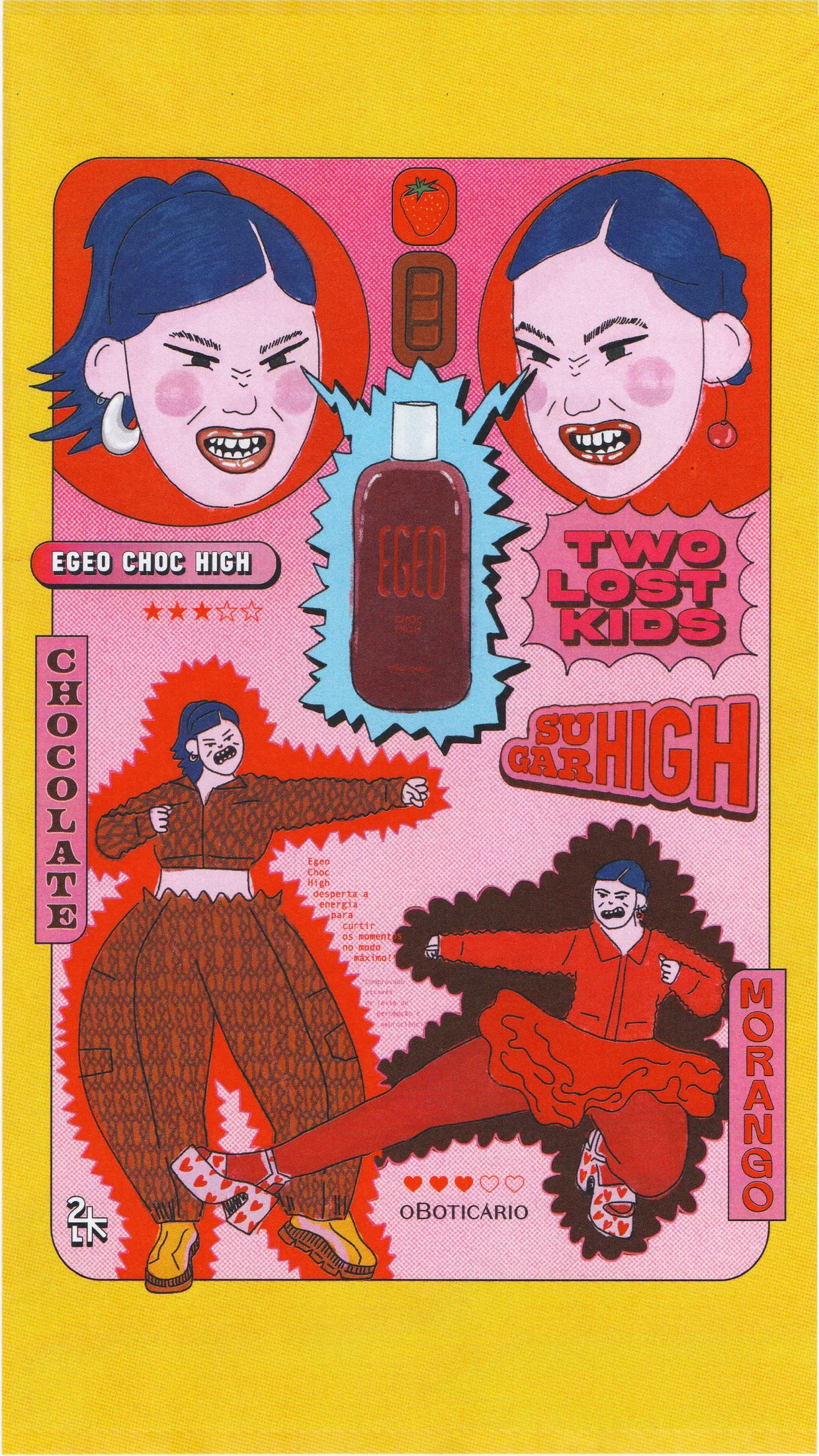
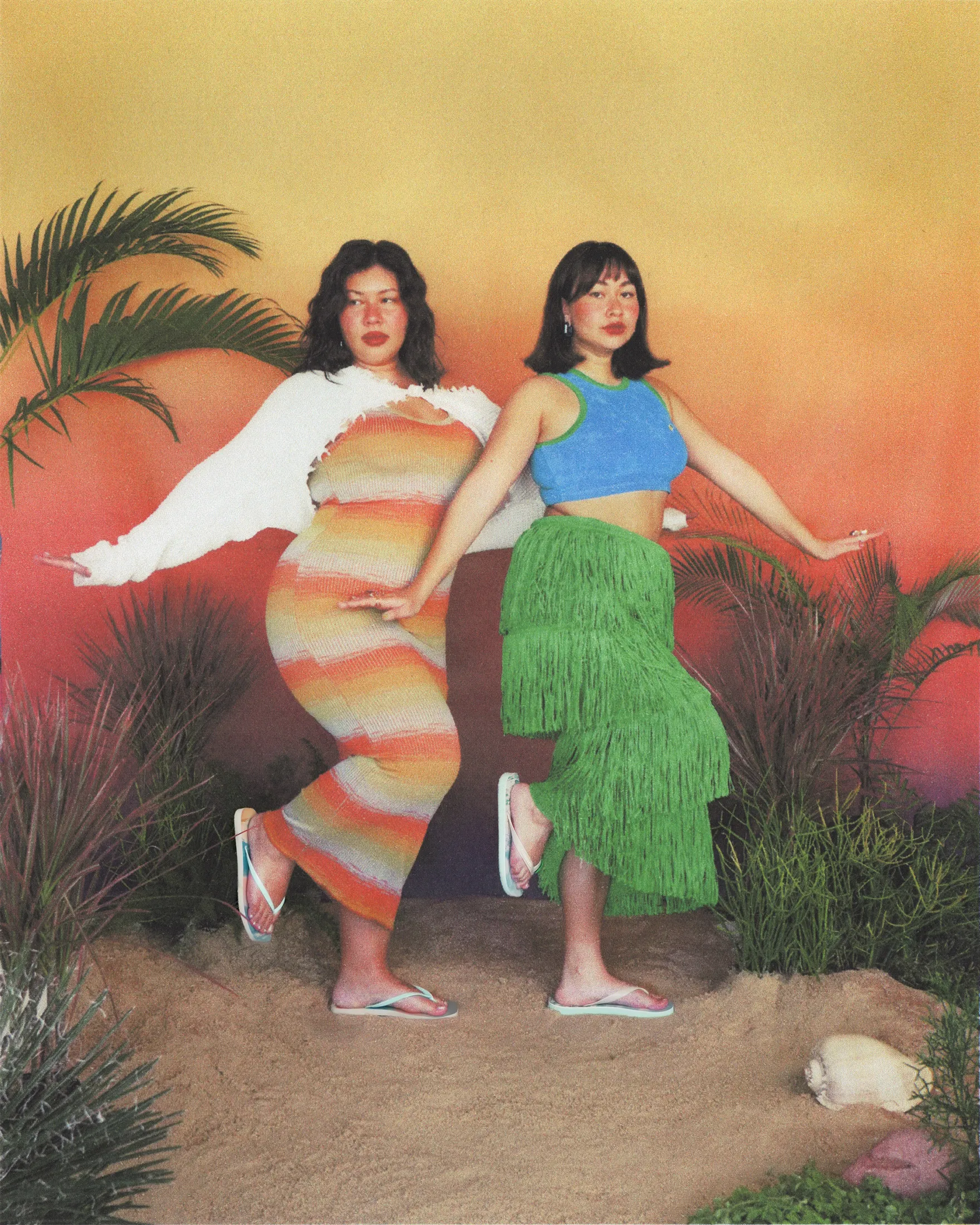
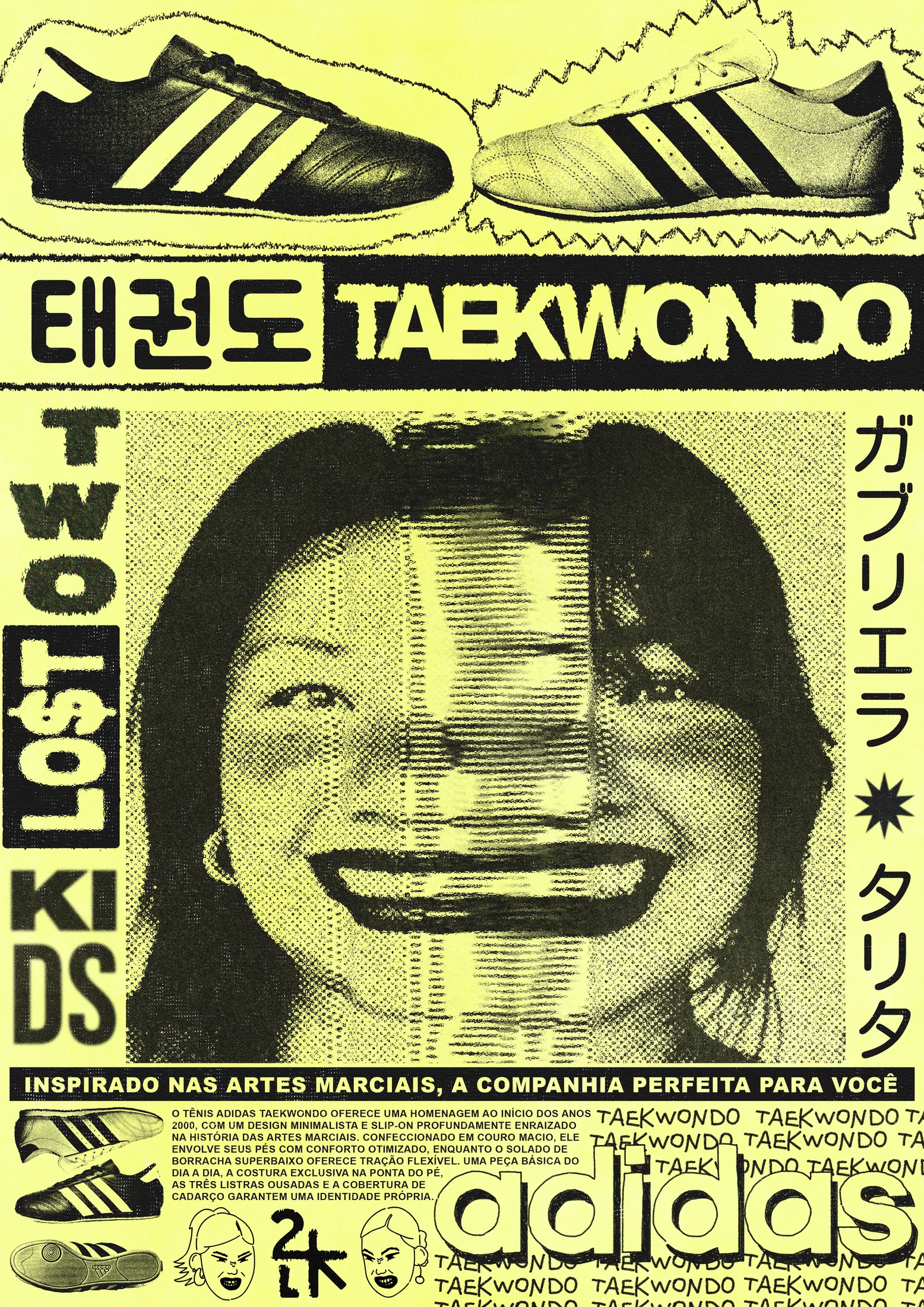
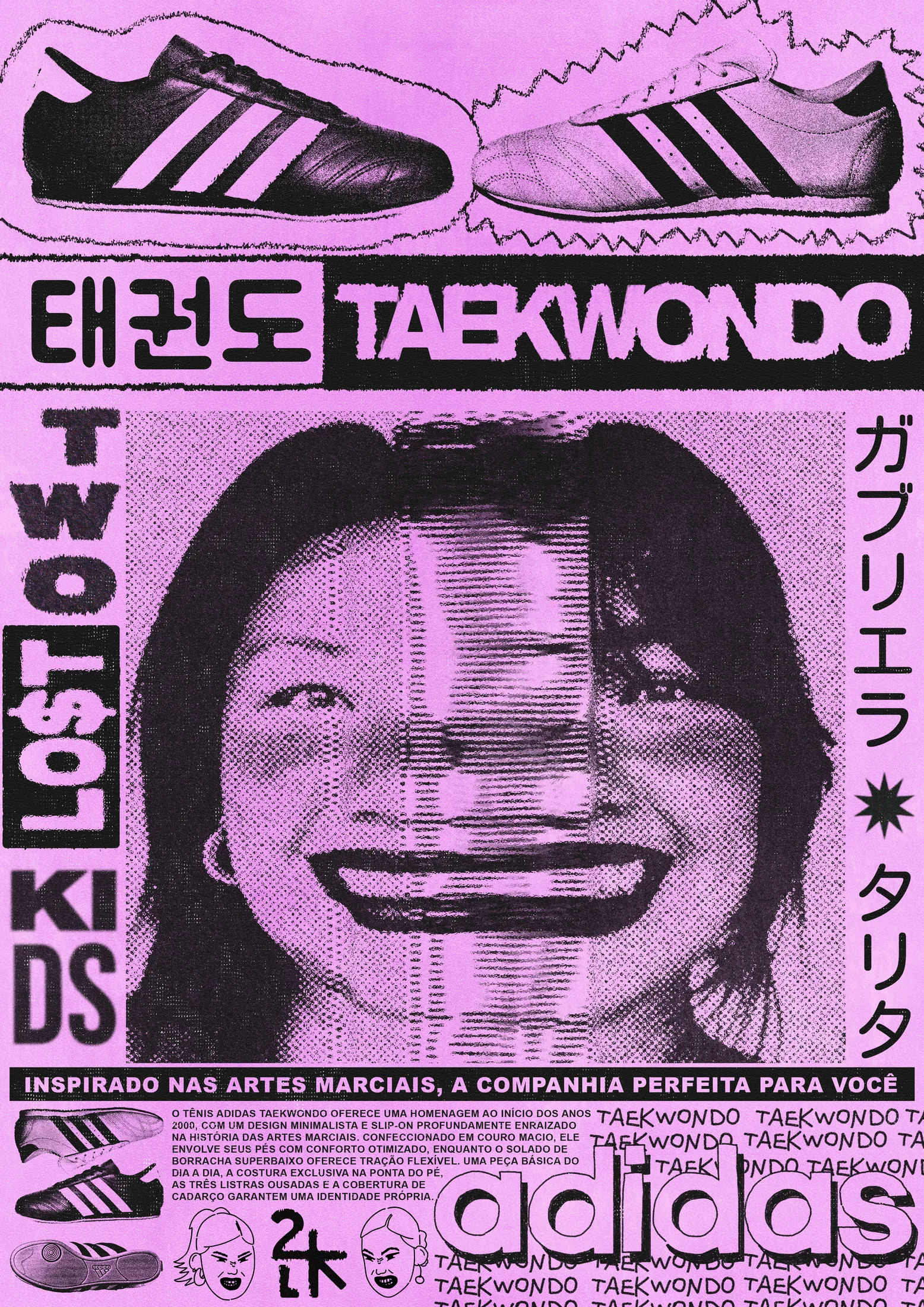
But not too many years later, that flair would be their livelihood. They would form an internationally renowned art collective known as Two Lost Kids, creating distinctive content for some of the biggest brands in the world. Clients would willingly place full creative control in their hands, wanting the Thali and Gabi magic sprinkled all over their image. Two Lost Kids have turned Adidas and KFC and Doritos and Coca-Cola and Crocs and Levi’s campaigns into works of actual art. They conjure scenes and stories no one else possibly could, then personally bring them to life – whoever it’s for, a Two Lost Kids piece is directed, edited, filmed, sound designed and graphically designed by these two lost kids themselves. In an age of social media influencers, they stand out as something else – true content creators, with their own unique lens on the world.

In hindsight, that trajectory seems virtually predestined. The girls’ shared, strong sense of style and love of performance was nurtured and encouraged at home: Dad was Japanese, an eye doctor who liked to film home movies on the huge VHS camcorder he’d brought home from a trip to Japan.

GABI: “He was the first ‘vlogger’ we ever met, because he would literally just put it on a tripod and record us doing regular life stuff.”

The girls would dress up to perform TV soap operas and dances and “fashion runways” for the camera.

GABI: “I think the fashion runways were the funniest ones because we're kids and we wanted to show off our clothes and copy the models we see on TV... it was very cute.”

Mum was a geography teacher who loved arts and crafts and home decoration. Grandma loved to draw; Grandpa loved handmaking things like baskets out of bamboo in the traditional rural style. Visual expression and a compulsion to create was second nature in this family. Even though their parents initially hoped Thali would go into medicine and Gabi would find a more traditional job, they soon came to accept the pair would be finding a way to make something out of their endless creations. 

THALI: “In the beginning, it was really hard to make our parents understand that it could be something interesting... Even we were really afraid that we wouldn’t make money. It was hard... Our profession didn’t exist. Especially coming from a small city, everything seemed even further away. We thought, ‘okay, we want to do this but how are we going to get people to notice us?’”

Eventually, the internet entered their lives – a portal to anyone and everyone, a place to publish their wild bright visions – and Two Lost Kids was born.

THALI: “We started as a blog because it was the time of the blog. It was about travel and about fashion.”
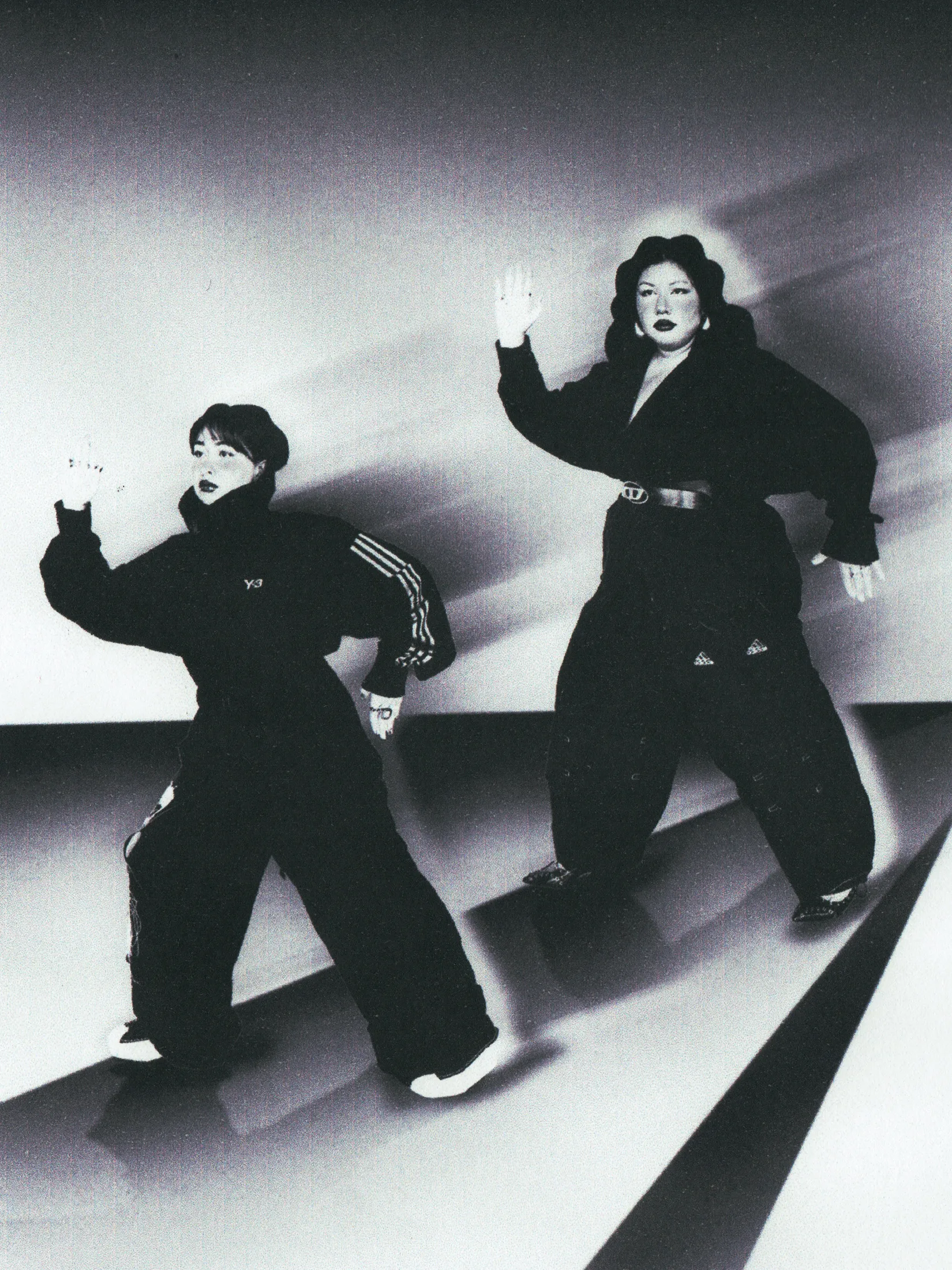
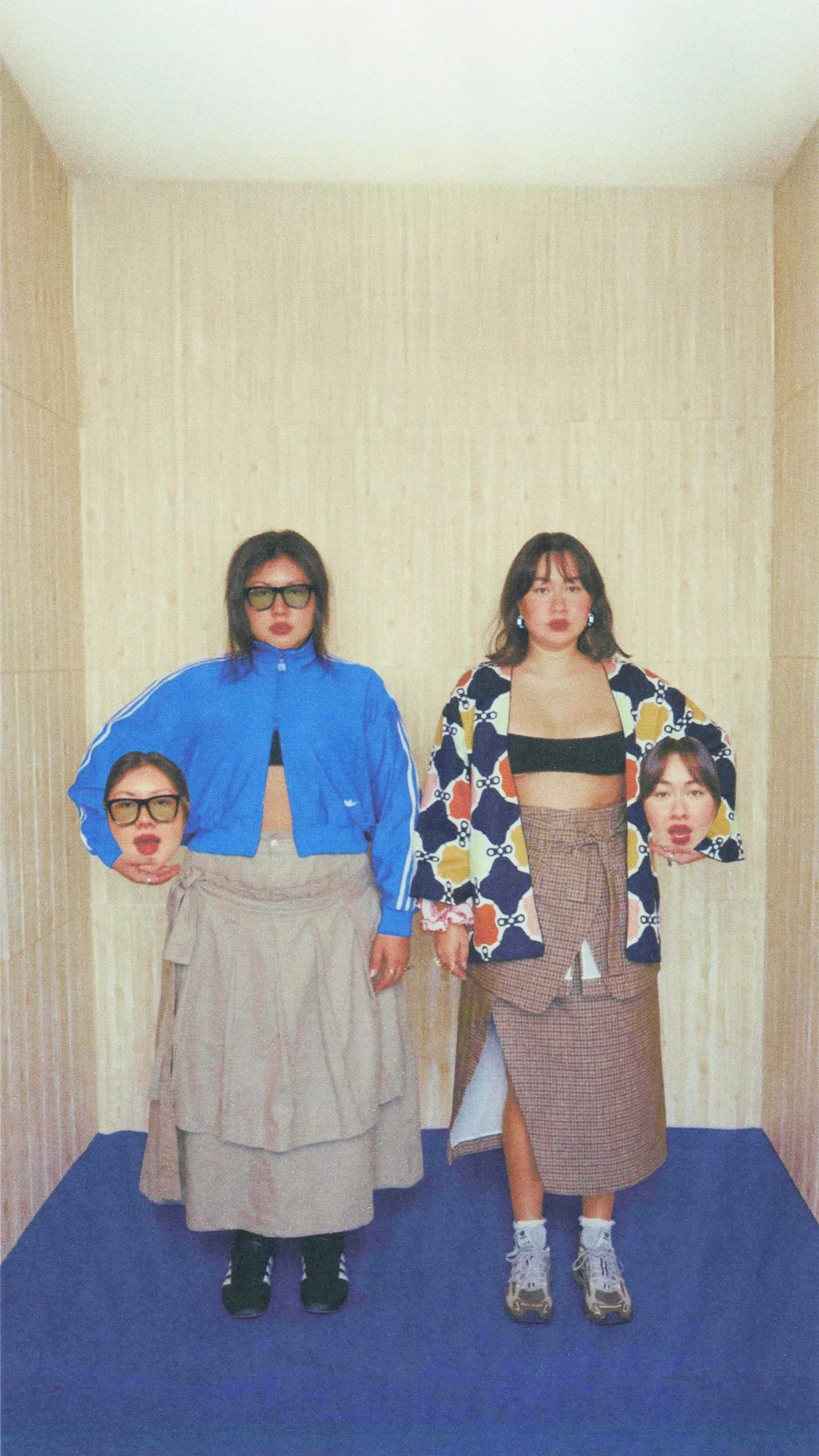
And the name, Two Lost Kids – how did that come about?

THALI: “So the ‘lost’ part comes from to ‘get lost’ in the city. Every time we travel, we don't care about having an itinerary. We just go and get lost and walk a lot. So this is the meaning that is more literal, but we also think it is kind of a place that we created for us where we could find ourselves.”
GABI: “Yeah. I think the one thing that we said a lot at the beginning was ‘it's okay to be lost’, because us being ‘lost’ is where we found our voice and our space to start creating. We were at the age where you don't know what you want to do for college. You don't know what's going to happen. So creating Two Lost Kids was our way to find what we wanted to do.”

Thali and Gabi’s work stood out online – it had a nostalgic flavour, and an almost tactile texture that seemed to transcend the digital screens it was viewed on. And they were prolific, pumping out bright and joyous and bizarre photos and video and mixed-media work. In an era where so much of popular culture seemed to be homogenising, they were producing something authentically fresh but also deeply referential, aesthetically inspired by the likes of Sofia Coppola, Yayoi Kusama, Wes Anderson, Nadia Lee Cohen, and Hayao Miyazaki.

Slowly but surely, Two Lost Kids built up a following – people finding them as they were ‘finding themselves’.

THALI: “We never got viral. It was day by day, and building everything really slow. Really believing every day.”

Some lucky timing helped propel them even further – the rise of Instagram in the early 2010s was a wave that they were swept along with, on a platform virtually custom-made to showcase their talents.

GABI: “It’s funny, because when we started with Instagram, there was no Reels, there was no Stories yet. Vertical video was not a thing, because everything was YouTube. So we started to post vertical on YouTube. We saw a video from a Korean band and it was in vertical, because they shot in a bathroom and the bathroom was very vertical, and we were like “Oh it’s cool! Because vertical fits better on your phone!”. Everything was so new. Today it’s so obvious, like of course you’re going to do vertical. But there was no platform for it [then].”

With the introduction of Instagram Stories and Reels – formats designed for vertical video – their work had the perfect vehicle. 

GABI: “It was a game changer, because now we could post everything we were doing before on YouTube. But it was not made for YouTube, it was made for Instagram. So that was when everything started to work better.”

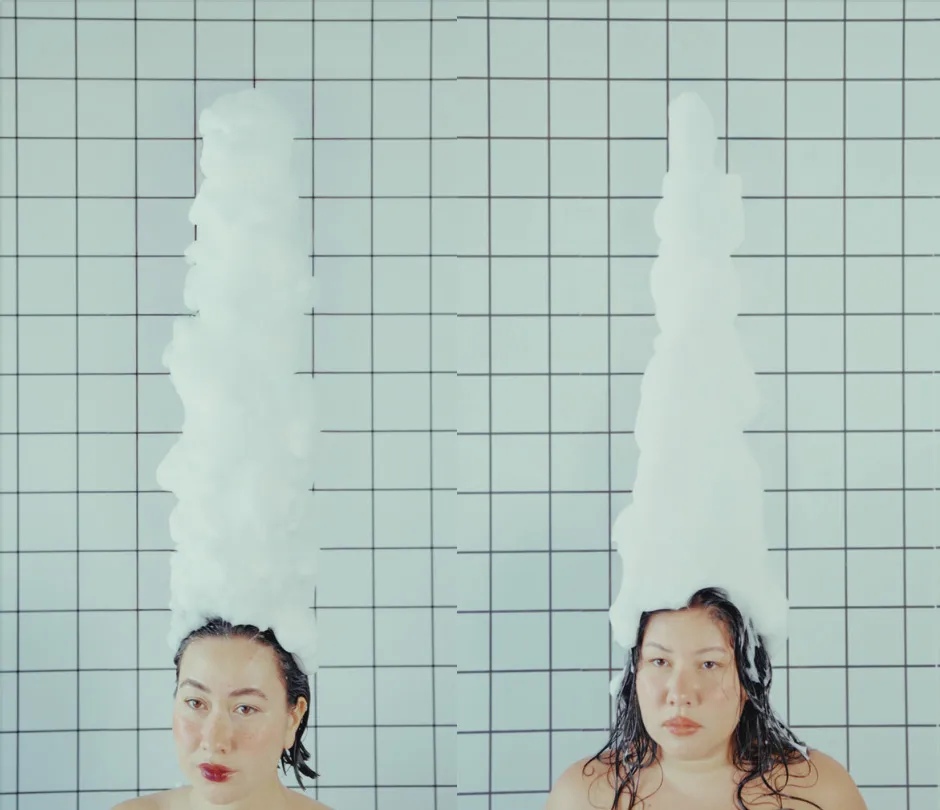
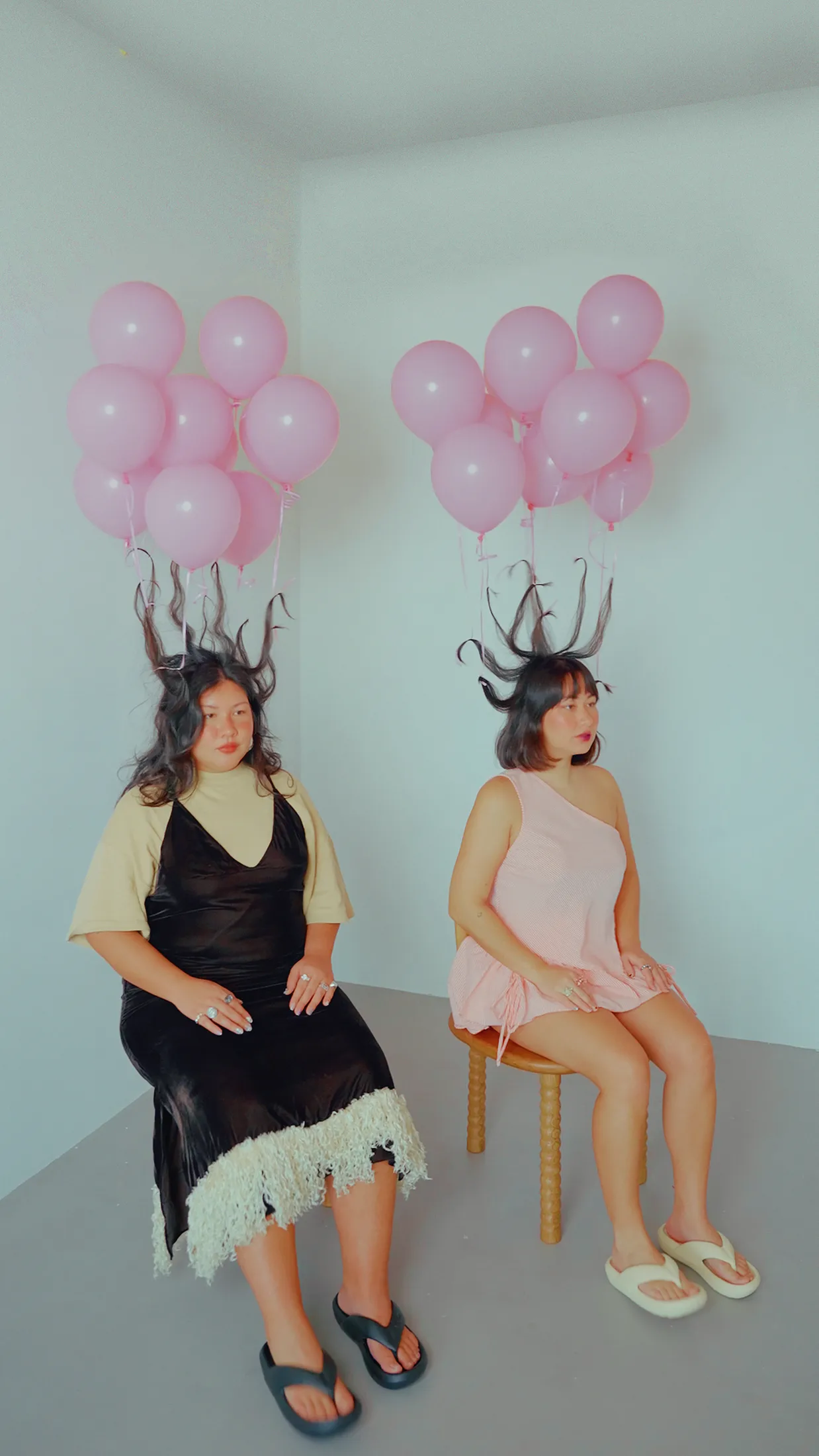
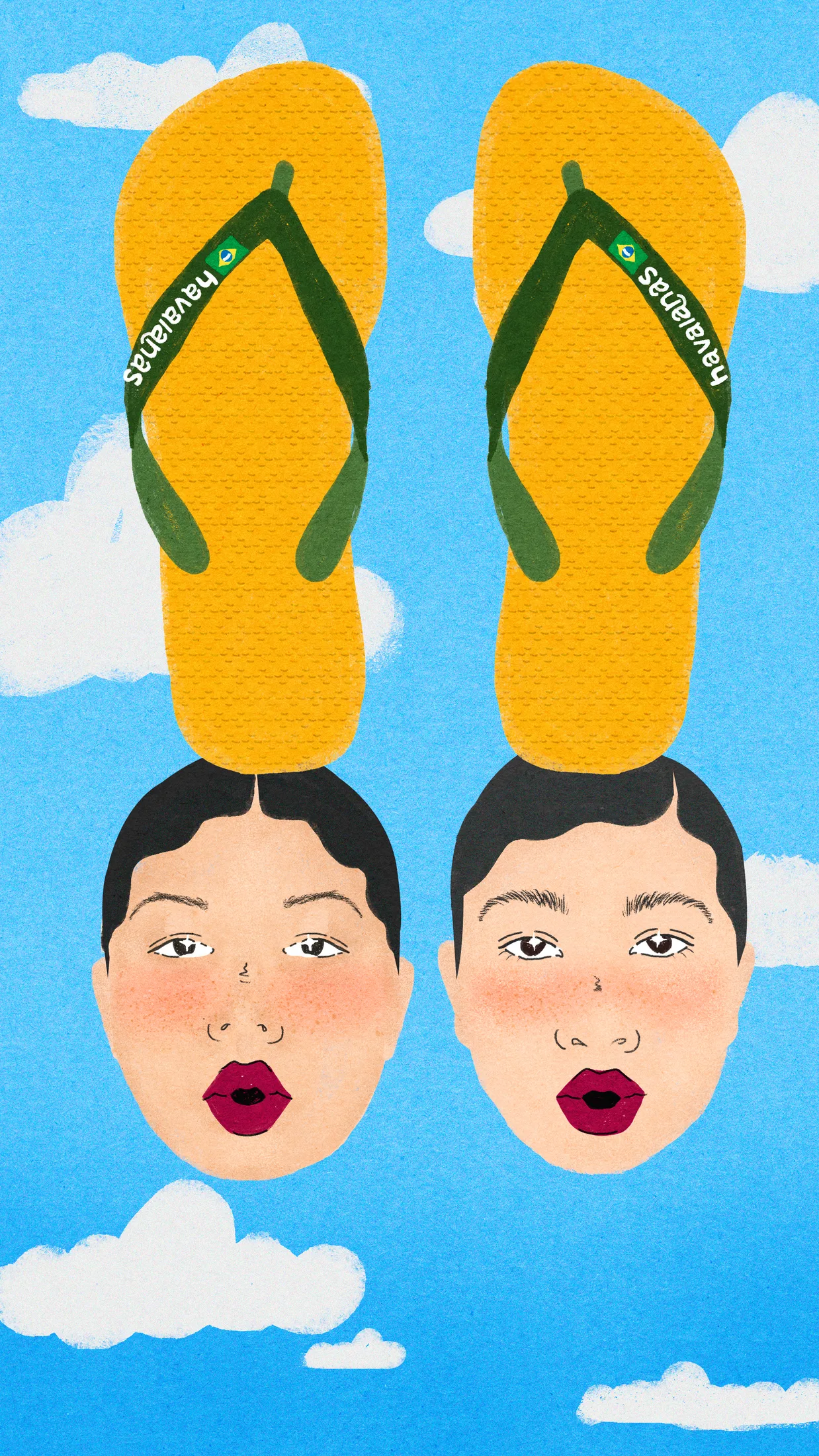
It’s almost impossible to put the Two Lost Kids ‘look’ into words, but let’s try: in one video content partnership with the Brazilian footwear brand Havaianas, they attached a bunch of pink helium balloons to snaking strands of their hair and sat like two Medusas tapping their feet to a jaunty arcade-like soundtrack, then walked on a treadmill while balancing towers of eggs on spoons held in their mouths. 

How do they convince a client to greenlight these sorts of brilliant-but-bizarro ideas in the first place? By demanding faith, basically. Though there are often nerves to settle in the beginning:

GABI: “Usually they have a lot of doubt and insecurities, because it’s very visual, and when we try to explain in writing and words it doesn’t make any sense. We’re like, ‘it’s not going to make sense but when you see it it makes sense’. So they’re always a little bit scared, but when they see it it makes sense and everything goes well.”

Have they ever had a client not love what they’ve come up with?

GABI: “Not at the final video. But we once got to a stage before that where [a client] really didn’t like the idea at all, and asked us to change everything. So we just said, ‘okay, we’re not going to do it’. And gave back the money, because there was no way to make it work.  But luckily, it’s never like the final product is delivered and then they say ‘no’.”

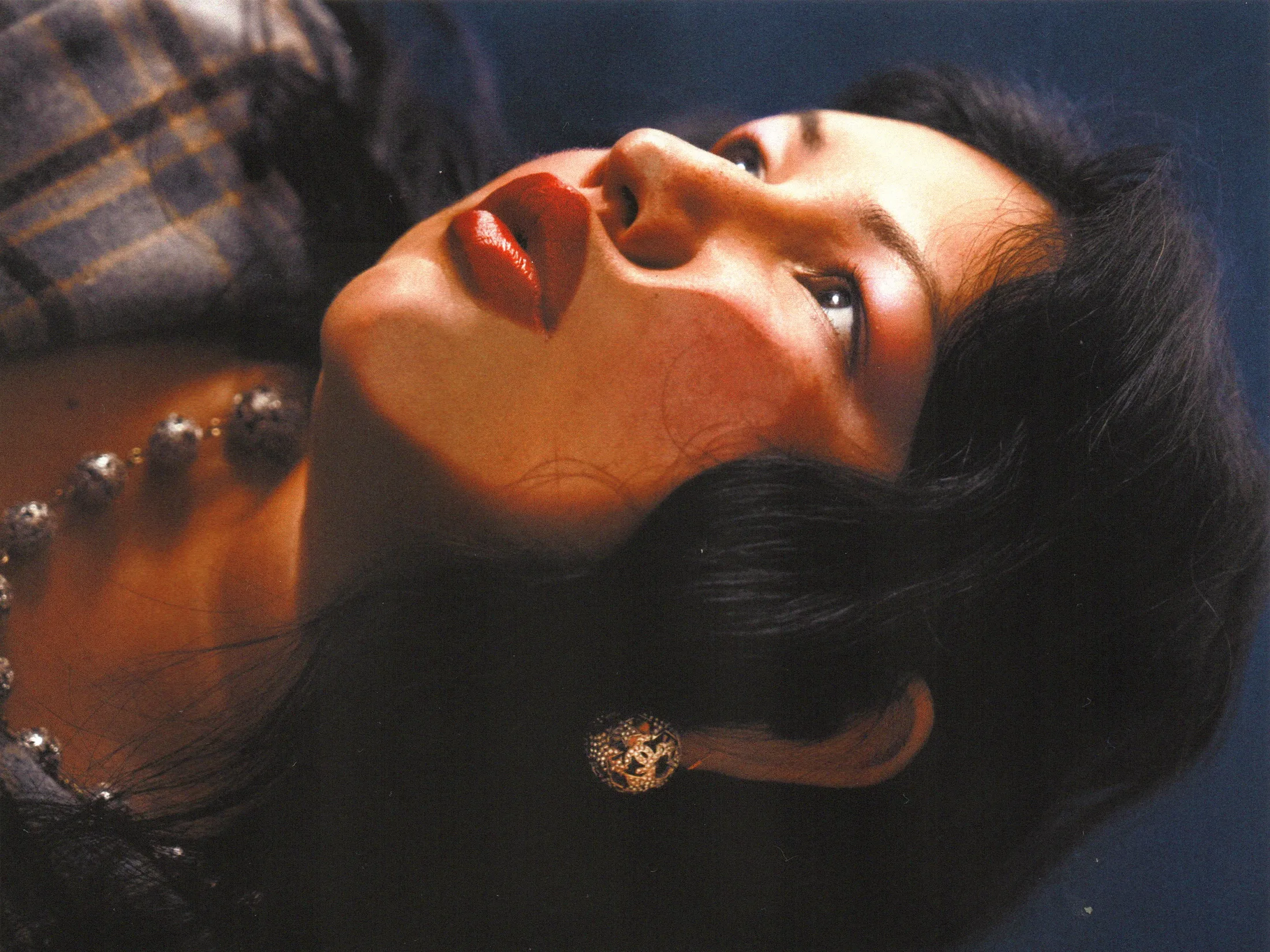
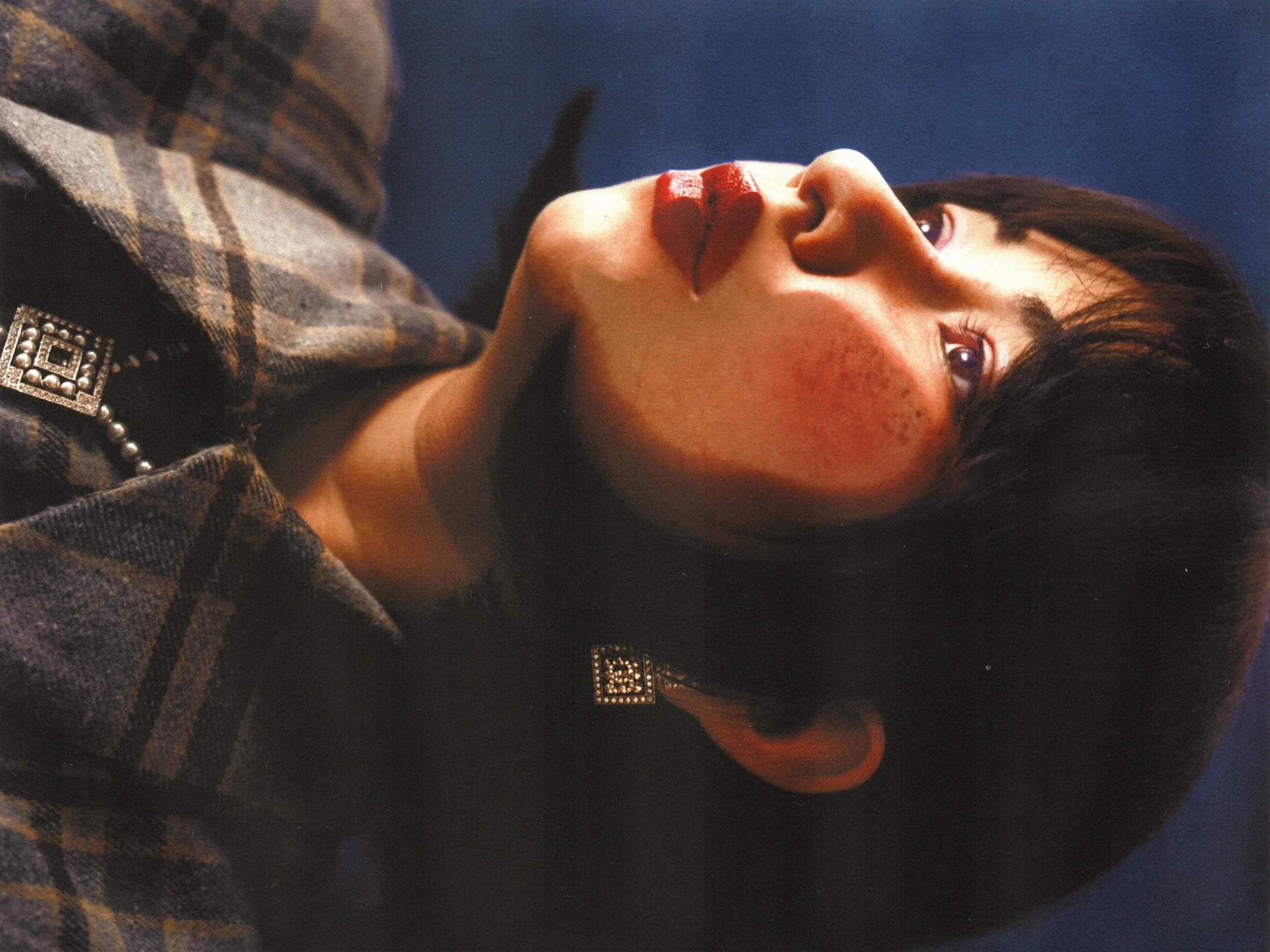
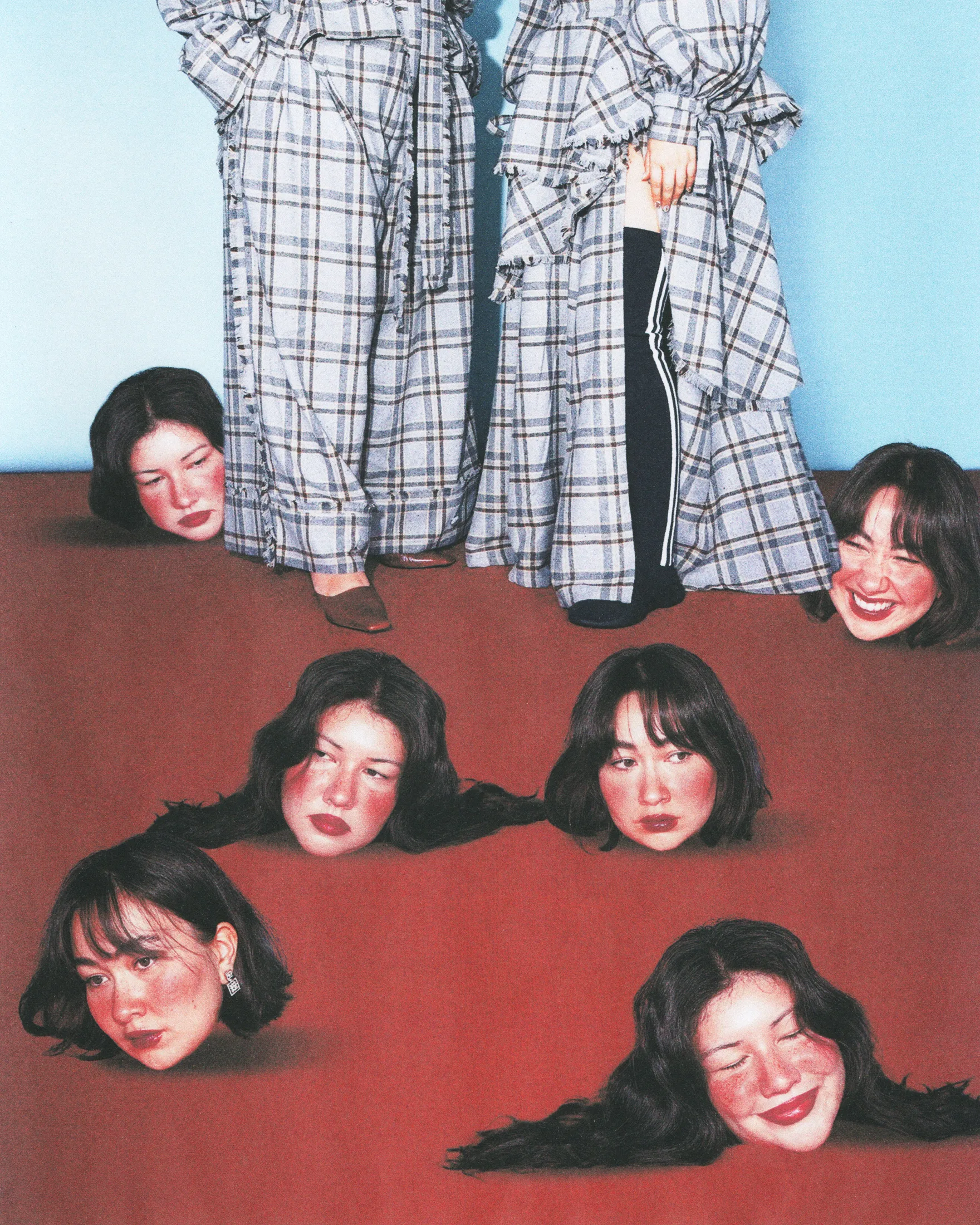
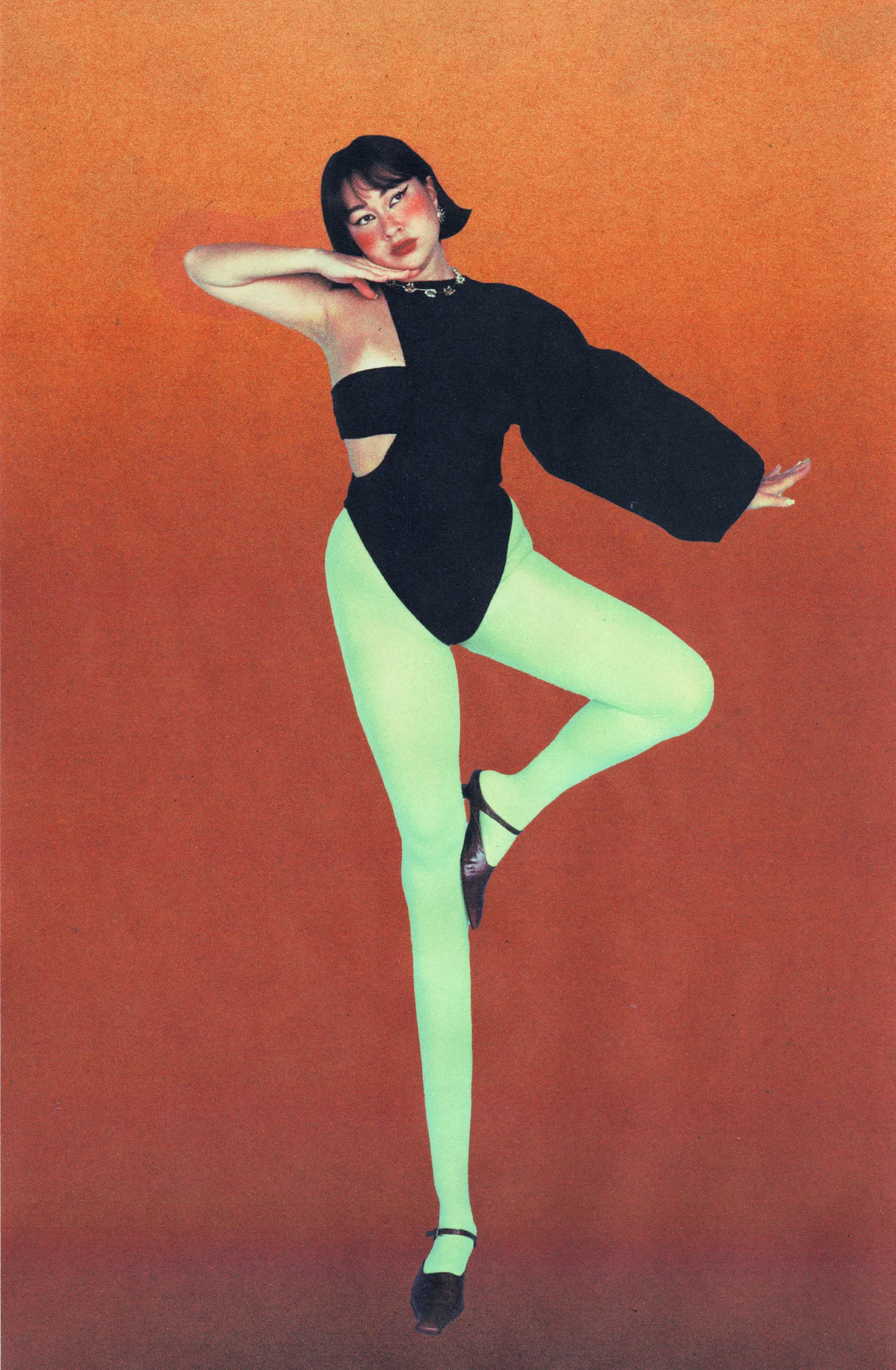
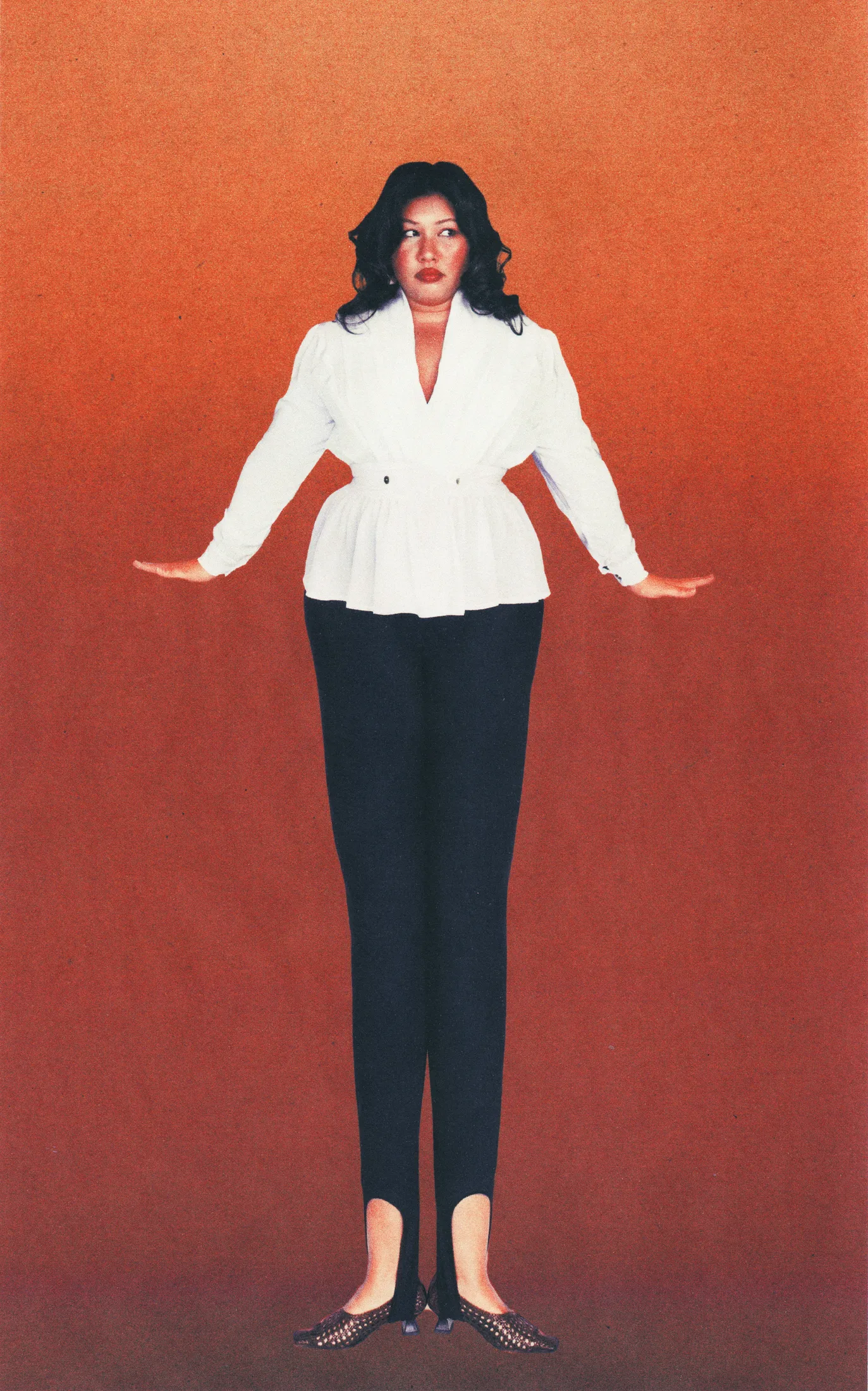
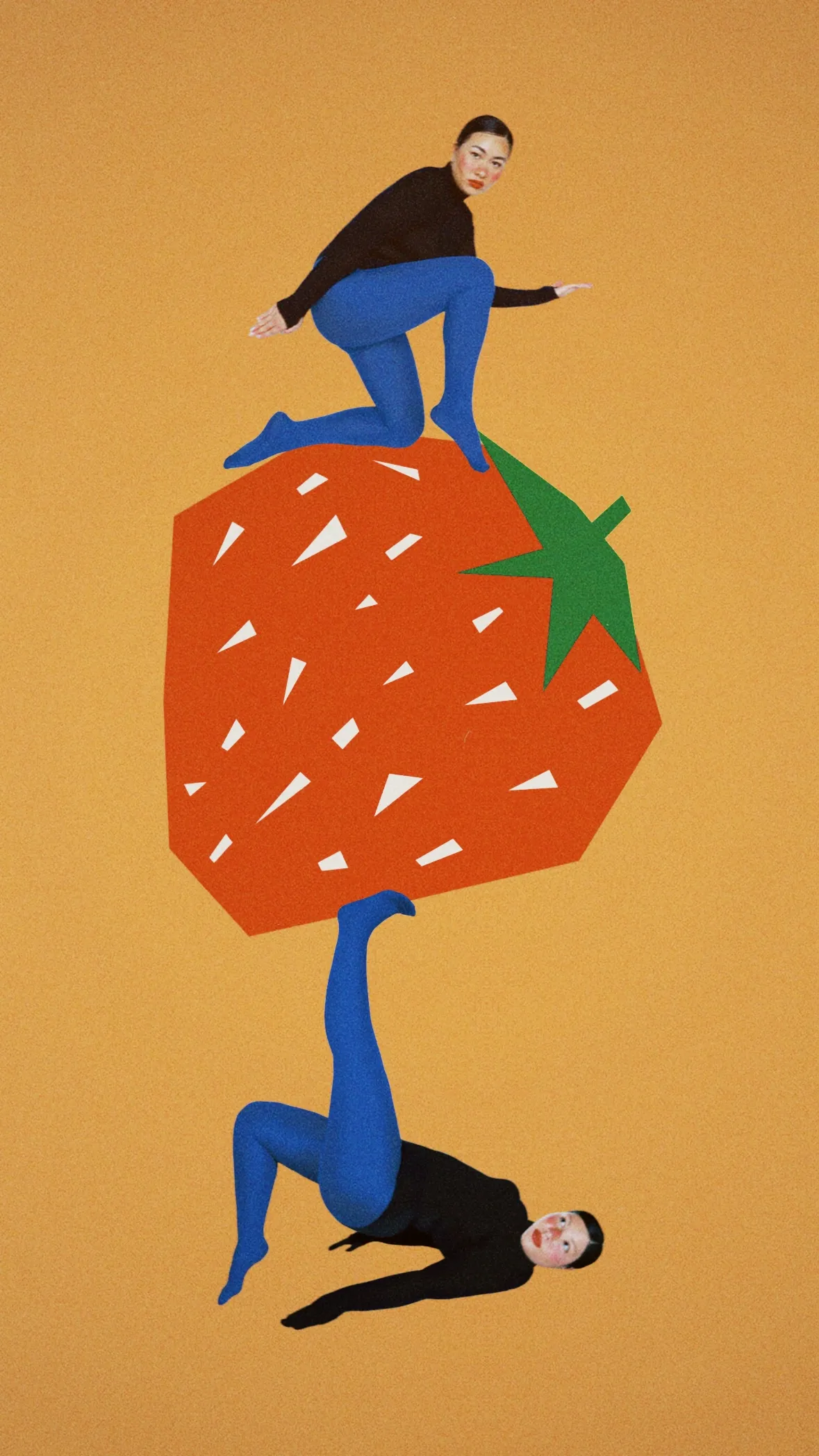
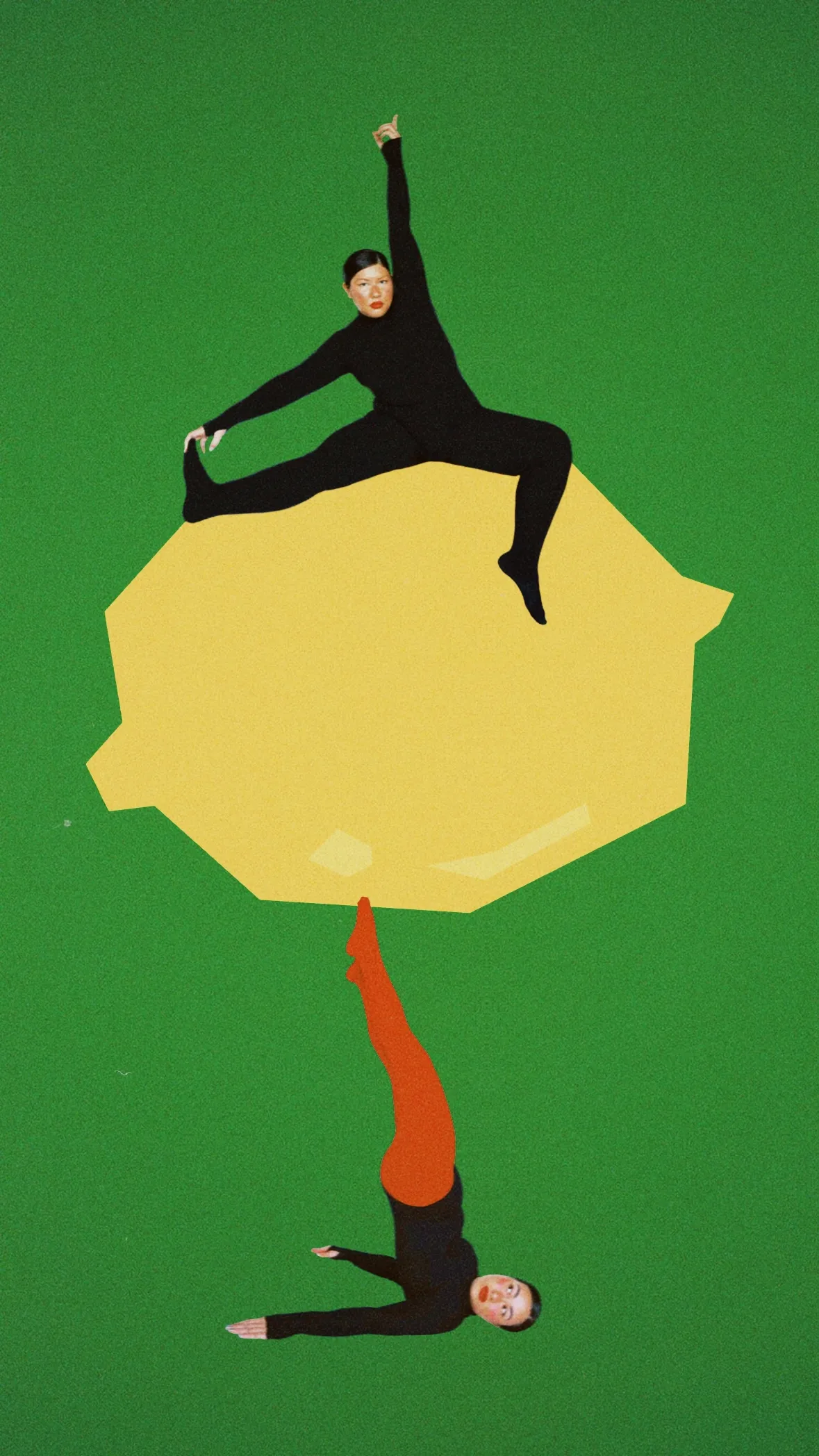
Their images often have a vintage, grainy-film feel, and look like they’ve been printed on crumpled paper, or are a still frame from a scratched VHS. Think hazy sunshine. Computer game sound effects. Playful pastiches of infomercials and sci-fi pulp novels and music videos and arthouse cinema. They have a recurring motif of removing or relocating their heads in their imagery. Or having two heads each. Or holding their heads in their hands. 

Okay, what’s the head stuff all about, anyway!?

GABI: “When we were kids, we loved the movie Spirited Away. And there is a scene where the heads from the witch are one on top of each other. And that scene really impressed us when we were kids. And I think it is this nostalgia feeling that we always talk about or get these references from – feelings that we had when we were kids.”

***

The pandemic period was huge for Two Lost Kids. With so much of the world being locked down and isolated, their ability to self produce gave them an edge that saw loads of work thrown their way. But it also taught them about the perils of taking on ‘too much’, even if it feels like all your dreams are coming true.

THALI: “We did more than 80 jobs in a year. As we lived together and did everything by ourselves, we got all the work. No one could do it – just us. So we grew a lot. And even though it seemed on the internet that everything was okay and we were doing a lot of work, we were really happy at the same time that we were really sad. We were tired and burned out.”

They’ve slowed the pace down since then. And they’re working on new endeavours – a fashion brand, for one. Designing clothes seems like the perfect pivot for digital artists who’ve always made “the real thing” sing in their work – having fabrics and textures to work with, bringing that nostalgic-yet-contemporary Two Lost Kids look to life on flesh-and-blood bodies.

But it sounds like it’s also about the pair finding a way to inject their irreverence into places that can be hard to shake up.

GABI: “We like the more unreachable high fashion brands, because we always like to go where we’re not invited. Places where we don’t see a lot of girls like us. We like to get inside of it a bit.”

Those two little girls with their offbeat outfits and fashion runways might have felt a bit lost in the beginning, but they know exactly where they’re going, now.

-

As featured in Issue 7 of our magazine!

Purchase a copy of Issue 7 https://www.nts-store.com

Subscribe to our NTS Sub Club https://www.nts-store.com/collections/subscribe

Writing:
Writing:
Kirsten Drysdale
Photography:
Photography:
Two Lost Kids
Back to Top
Arrow UpArrow Up
Top
Arrow UpArrow Up
The After shot of the Floorplan
Before
before
after
After
Businesses featured in this project
No items found.
Products featured in this project
No items found.
Magazine Current IssueMagazine Current Issue
Writing:
Two Lost Kids
Writing:
Kirsten Drysdale
Photography:
Photography:
Two Lost Kids
Back to Top
Arrow UpArrow Up