Magazine Current IssueMagazine Current Issue
Designing Endearment
From our Mag
August 1, 2026

Designing Endearment

From chocolate-like stools to human-ish coat stands, Studio Juju’s work is not the kind of design that shouts, it’s more like a cheeky whisper.

Joyful delight, without shouting about it. How Studio Juju encapsulates a very Singaporean sensibility.


Writing:
David Plaisant
Writing:
Photography:
Photography:
The After shot of the Floorplan
Before
before
after
After
Top
Arrow UpArrow Up

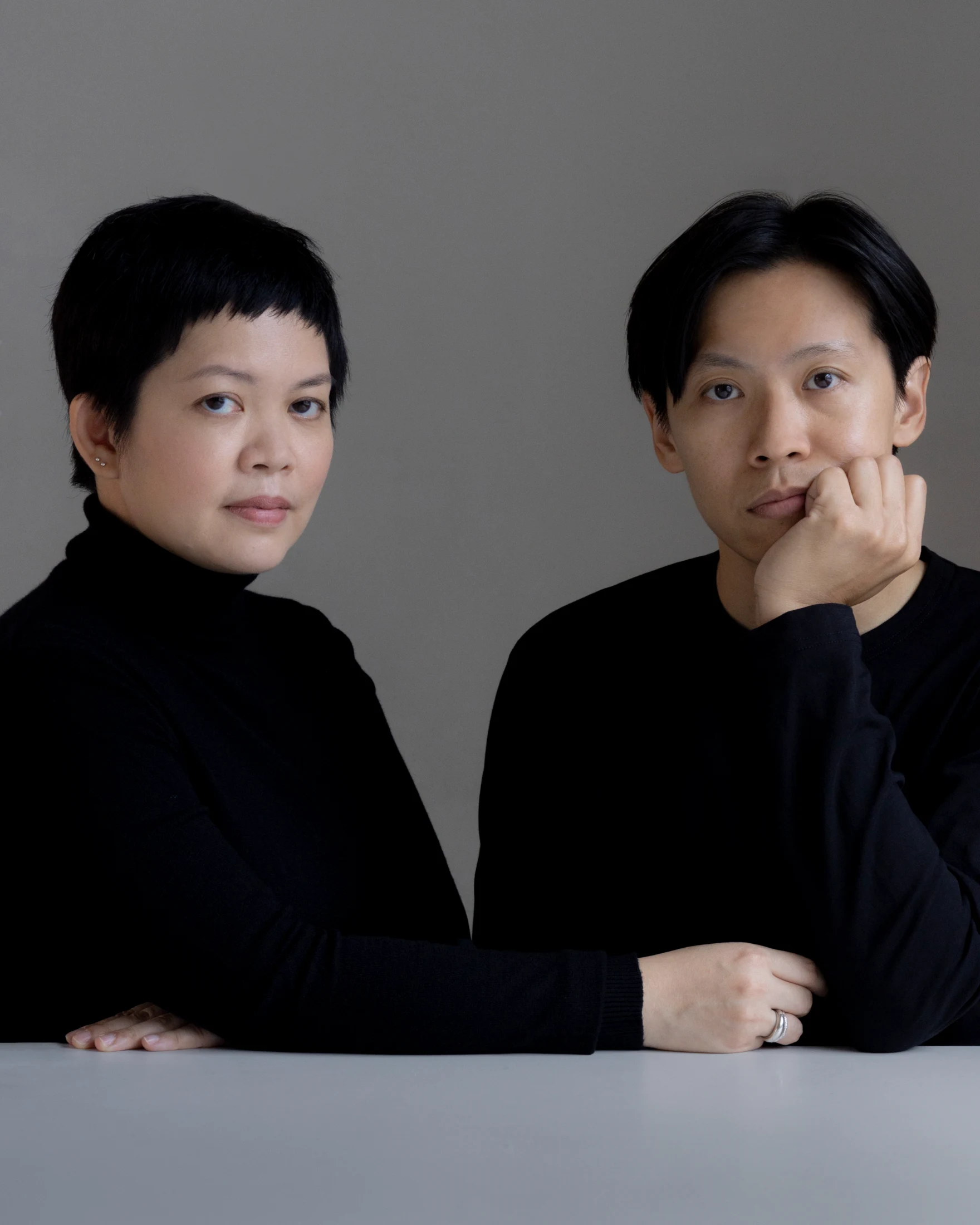
At their studio, which sits on a small industrial estate in the otherwise residential Lower Delta Road area, near the southern shore of the island state that is Singapore, we meet husband and wife design duo Timo Wong and Priscilla Lui. Timo and Priscilla work fluidly across public art, interiors, furniture and domestic objects, guided less by stylistic allegiance than by human experience. Trained as industrial designers, they began working together at a design incubation centre at the National University of Singapore, where early experiments in material exploration and object-making led to exhibitions at Maison&Objet¹ in Paris. Encouraged by that exposure, they established Studio Juju in 2009 as an independent practice dedicated to furniture and objects before gradually expanding into interiors and public commissions. The pair think in terms of form, colour and proportion, and how objects are perceived when encountered in real space – whether at the scale of a two-storey-high sculpture at a metro station or a coat stand in a hallway.

That awareness of scale and human impact has a particular resonance here in this small but mighty republic of 6.1 million souls. "When you're a country as young as Singapore, without an established design history and culture like, say, Denmark or Italy," Timo reflects, "you kind of have a blank slate." For Studio Juju, that condition has become an opportunity rather than a limitation: a chance to build a design language from first principles, rooted in clarity. Naïve: maybe, playful: sometimes; the studio's work above all emits an intentional gentleness that breathes contentment without shouting about it.

Despite their shared grounding in industrial design, where every intervention is conceived almost as a self-contained product, Timo and Priscilla seem keen to continue diving into the more spatially attuned aspects of their work. "When we design, we don't really think so much about the style or historical references for instance," explains Timo. "We're really trying to understand how we are able to carve out spaces through geometry and surfaces."
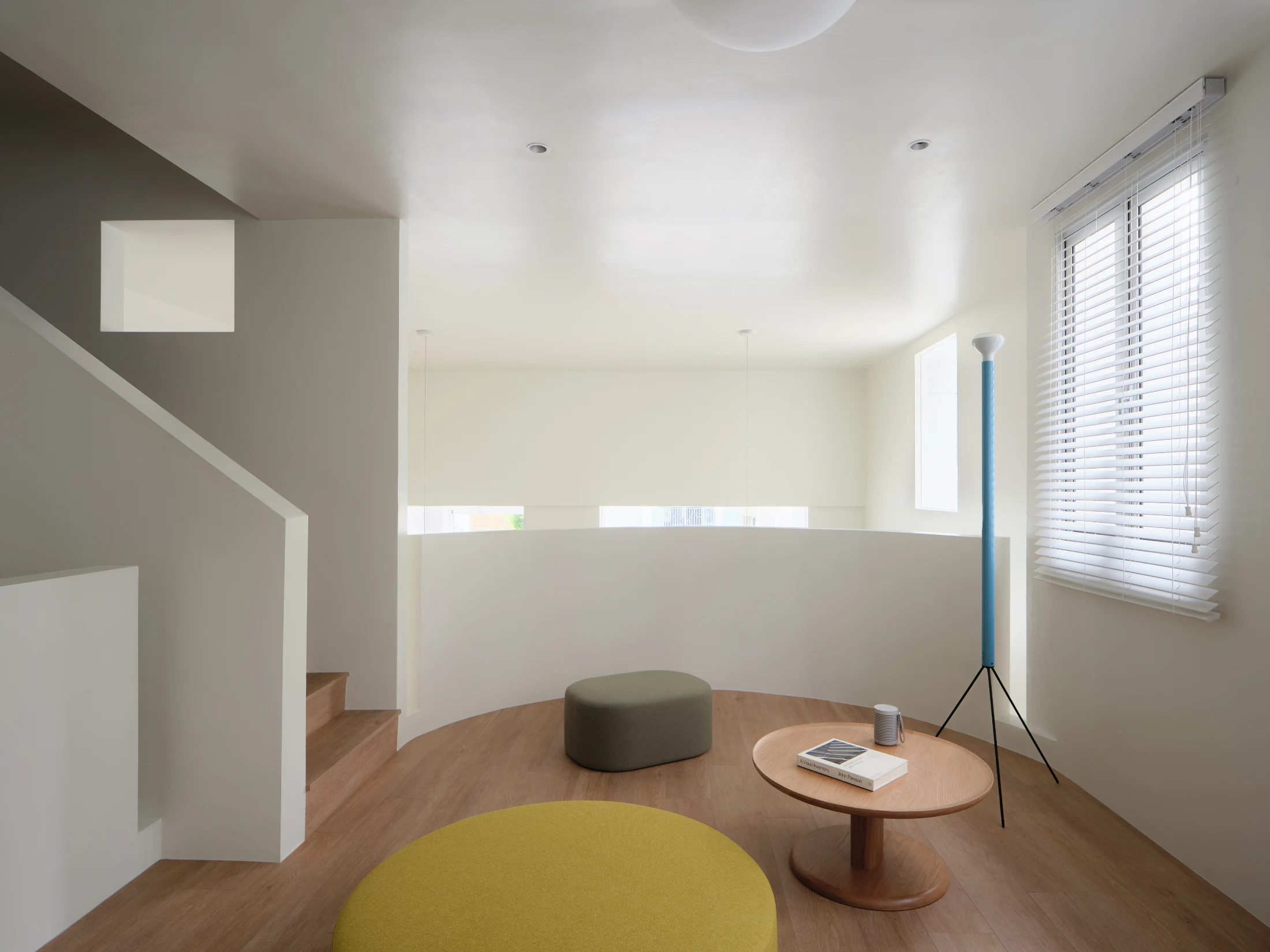
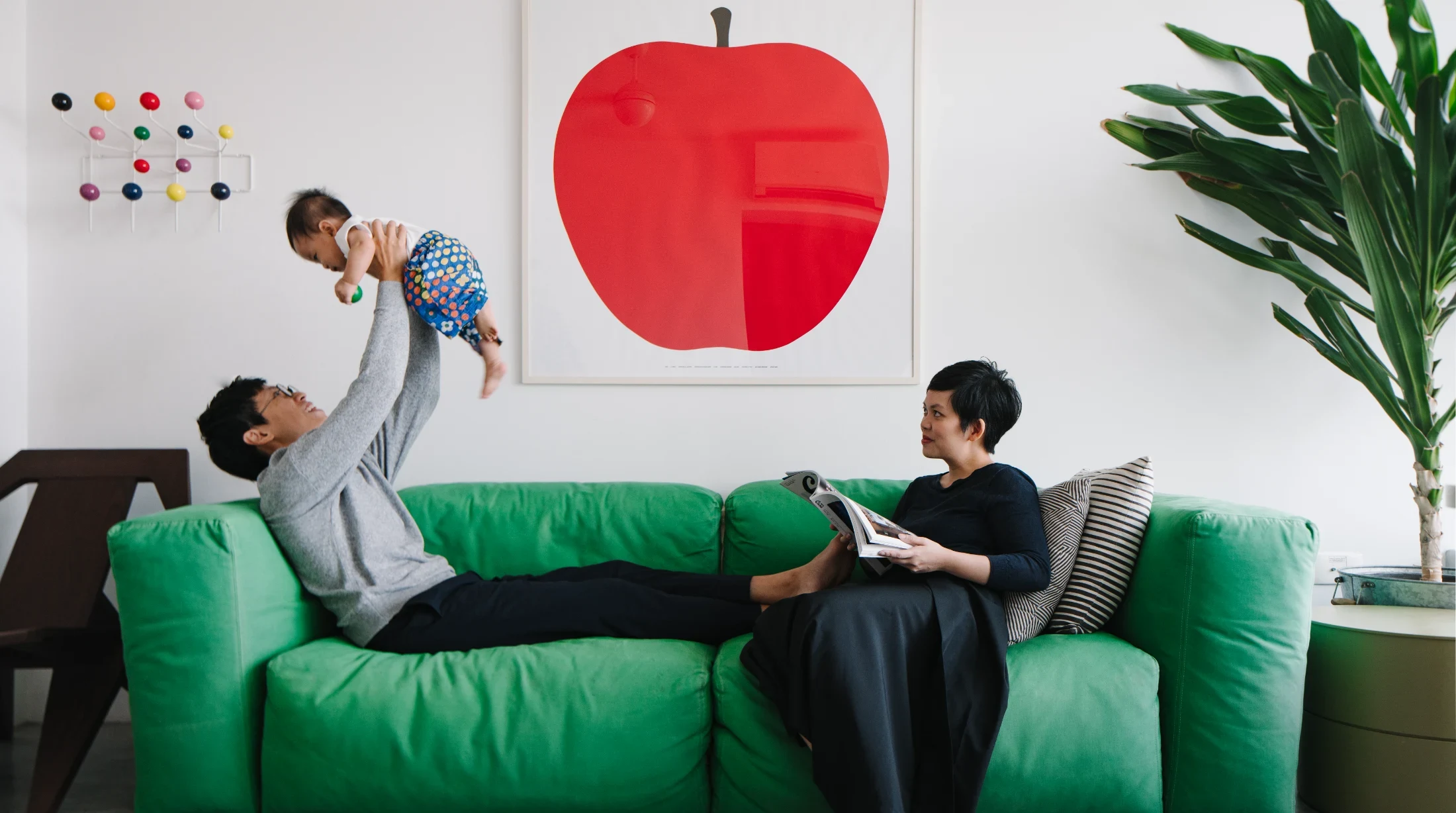
Take Grove View House (completed 2025), where they carefully remodelled the interior of a semi-detached house. One of the first residential projects undertaken by O Design Office, (the sister practice the pair established in 2023 to focus on interiors), the house offered an opportunity to explore ideas of scale and spatial clarity in a domestic setting. Inside, cylindrical volumes, curved planes and carefully cut openings are used to make the space legible at a glance. "I think we like that sense of having an ability to be clear, even just visually," says Priscilla referring to the project; "the ability to invite the person in to navigate without having to actually navigate".

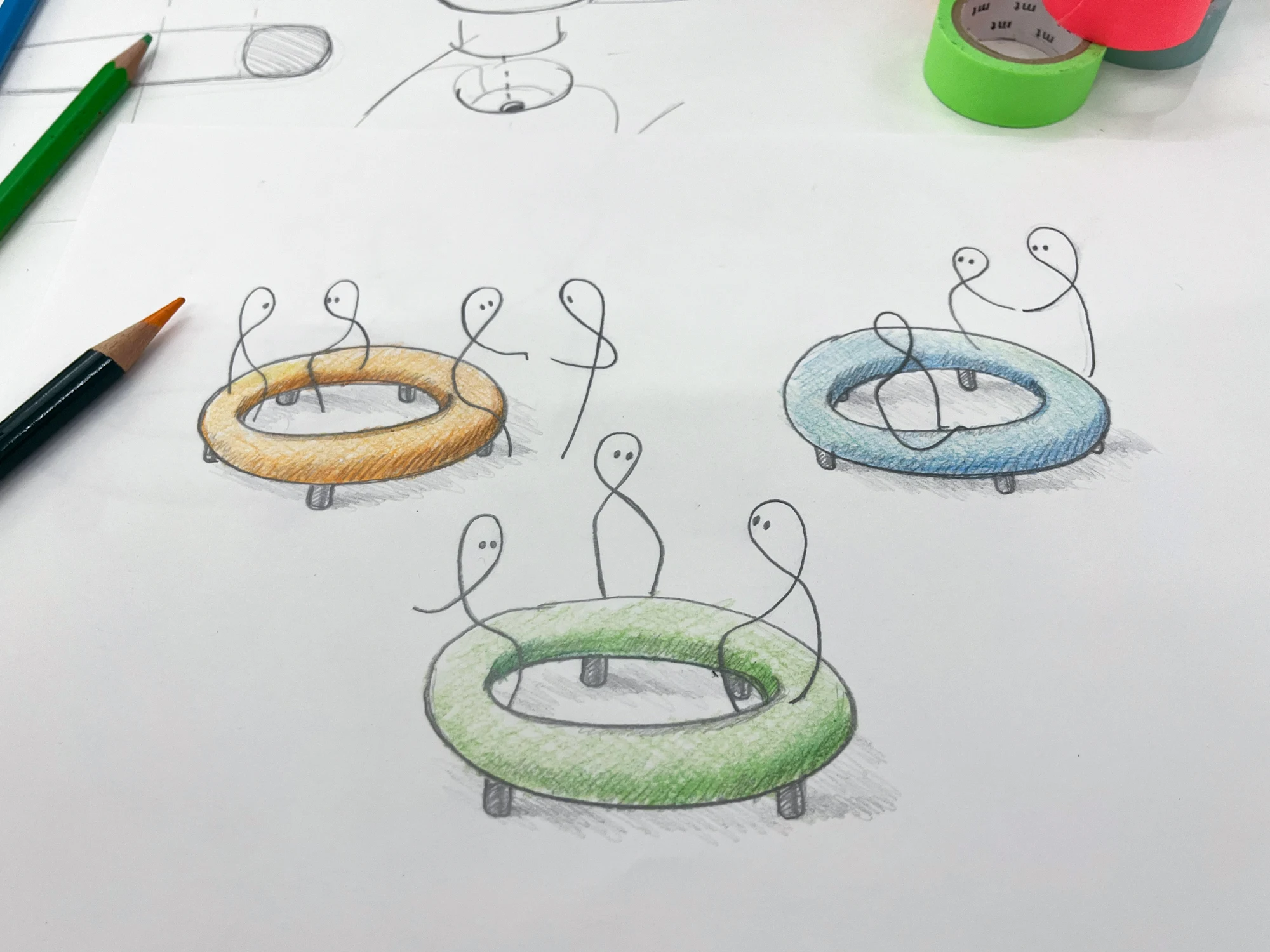
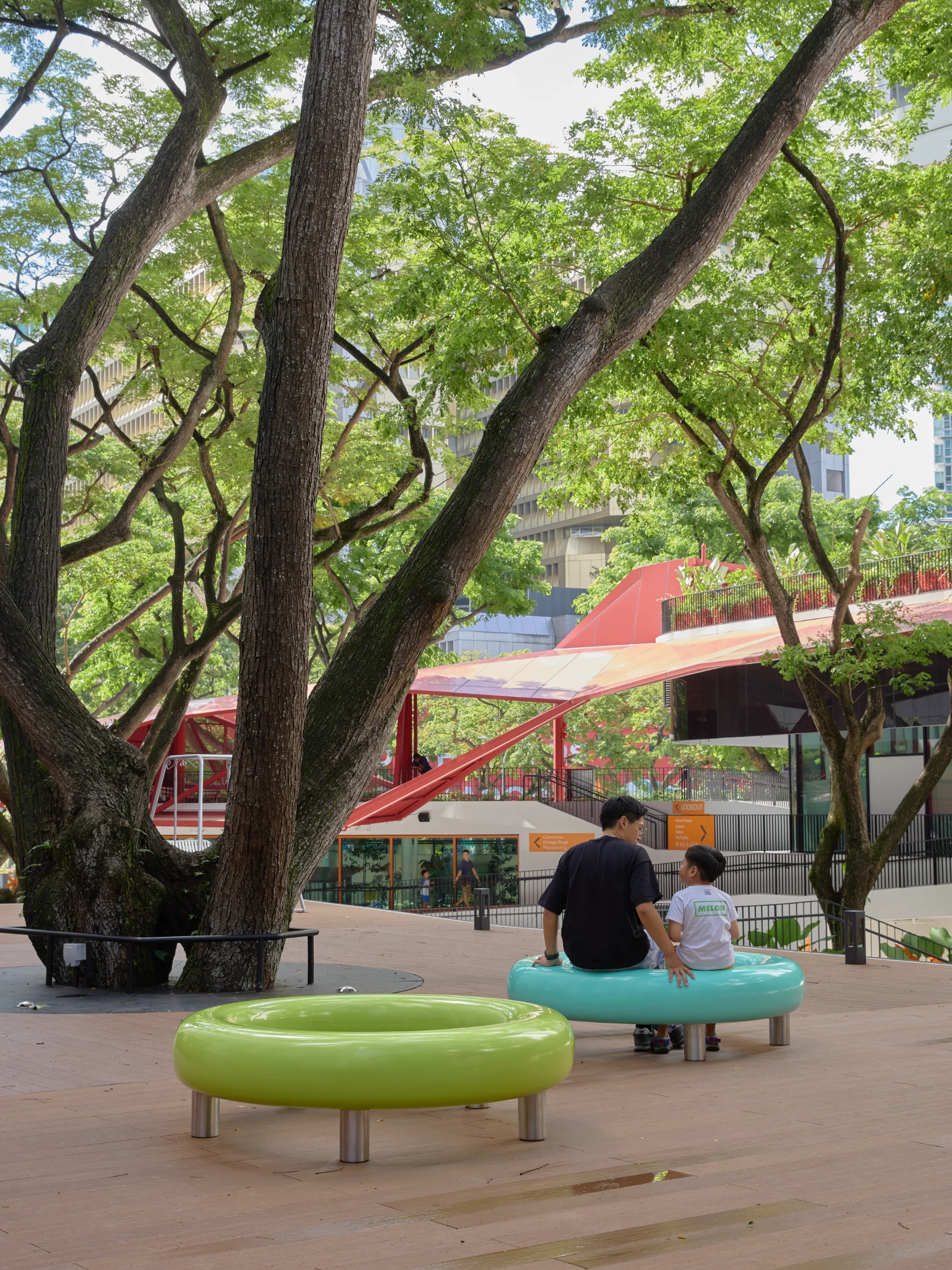
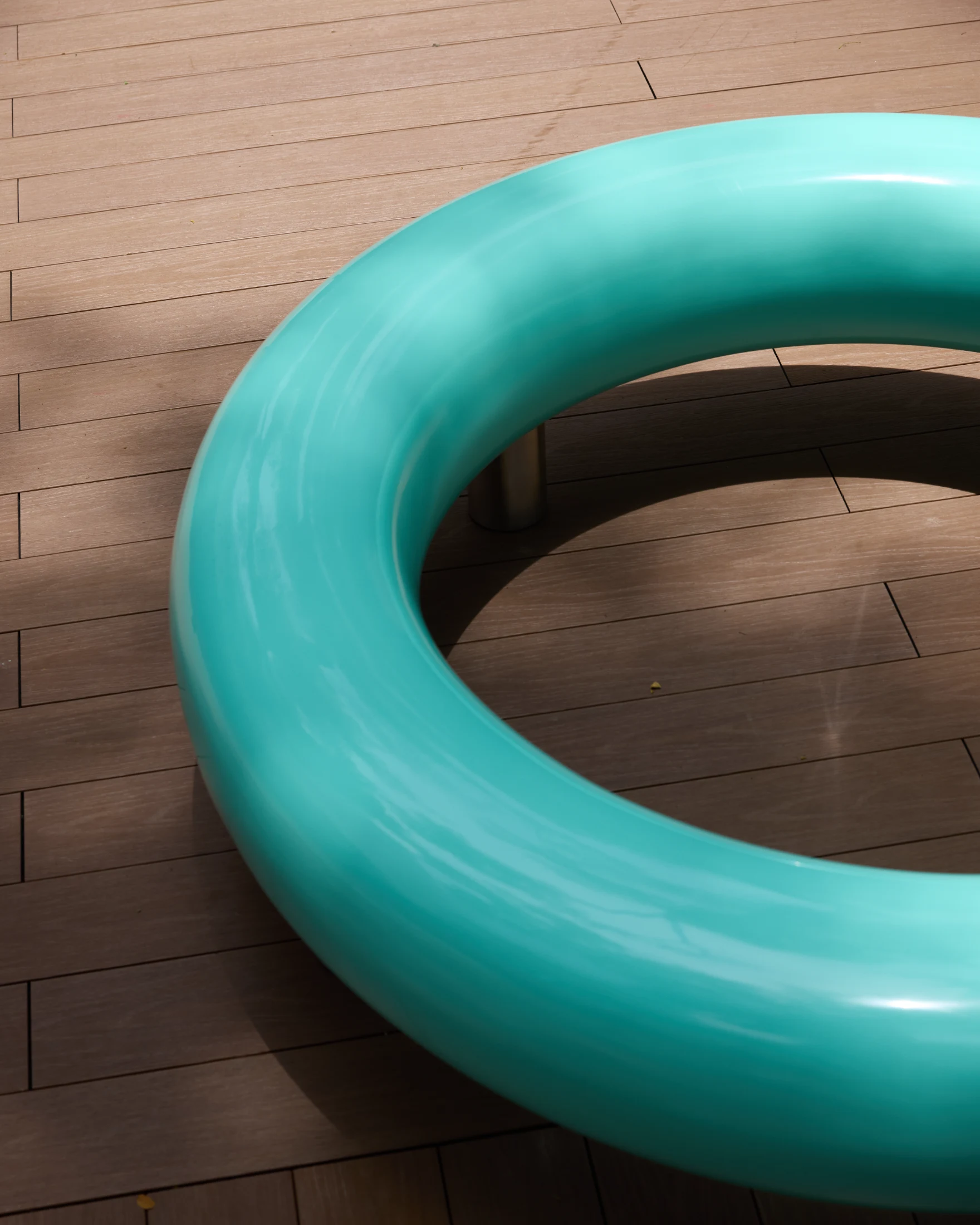
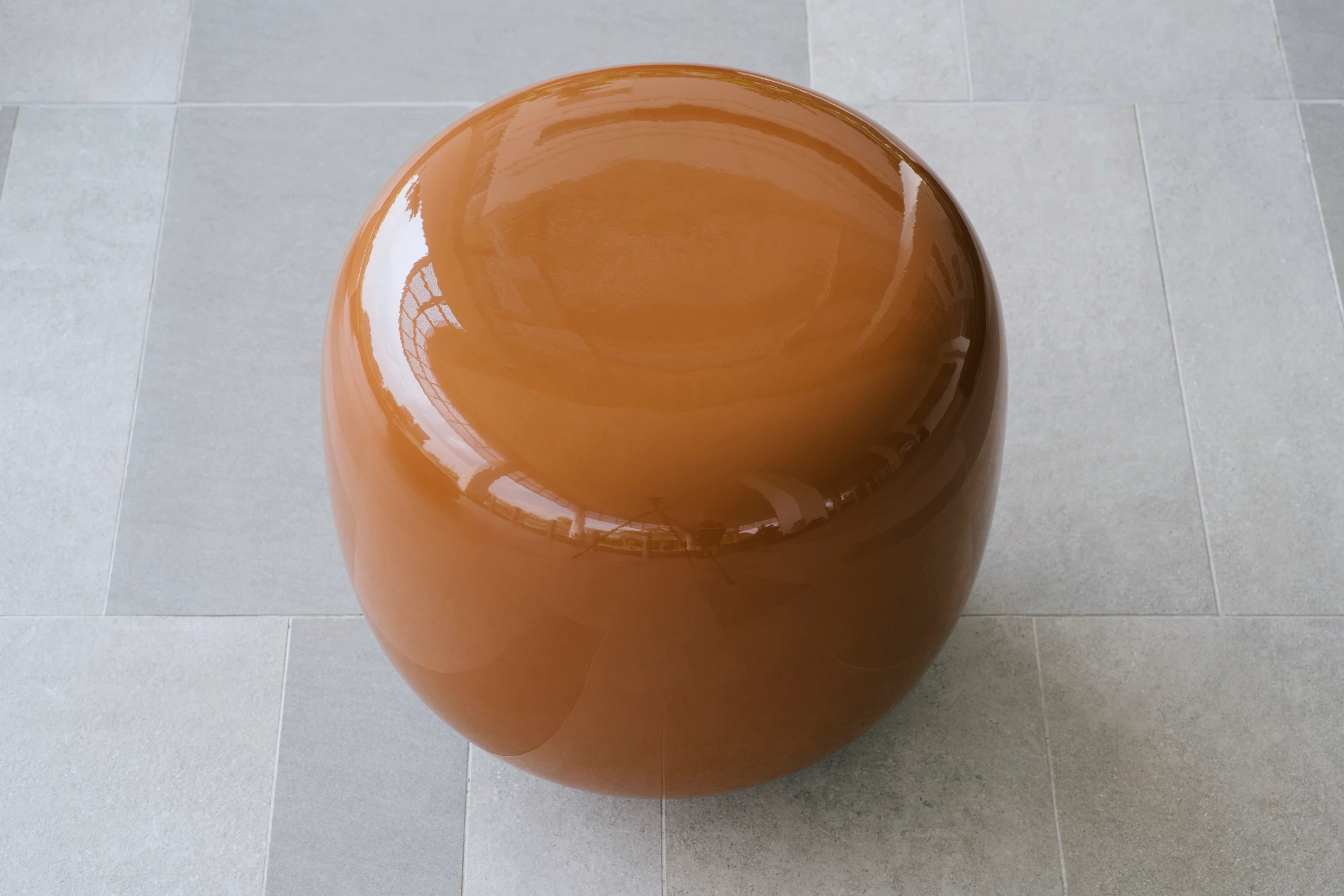
While Studio Juju might be preoccupied with scale and space, the industrial designer's way of thinking is always innately present. But that sensibility for the creation of self-contained objects is inspired by everyday experiences, family rituals and even food rather than being solely formal exercises. Their work balances function with a pinch of delight. This is pleasingly demonstrated by Chocolates, a series of seats and stools the studio created in 2018 for the lobby of Alice, an office building in Singapore's new tech district Mediapolis. "Originally we were commissioned to design a series of artworks for a lobby" recalls Timo. But given this is a semi-outdoor space where people are dropped off and picked up, something directional or overly conceptual didn't seem right. "We wanted something more cheerful here" interjects Priscilla, noting the overwhelmingly grey space, which is dominated by granite slabs; "something welcoming, that people could associate with that moment of arrival." Inspired by the notion of a host offering sweets to a guest (a particularly common custom in South East Asia), these glossy, gel-coated forms resemble oversized chocolates, tempting people to sit, gather or simply pause. The shapes are simple, in milk, dark and white chocolate hues, yet they convey a subtle narrative, linking human gesture and social interaction to material presence. "We thought chocolates would be endearing," says Timo with a smile.

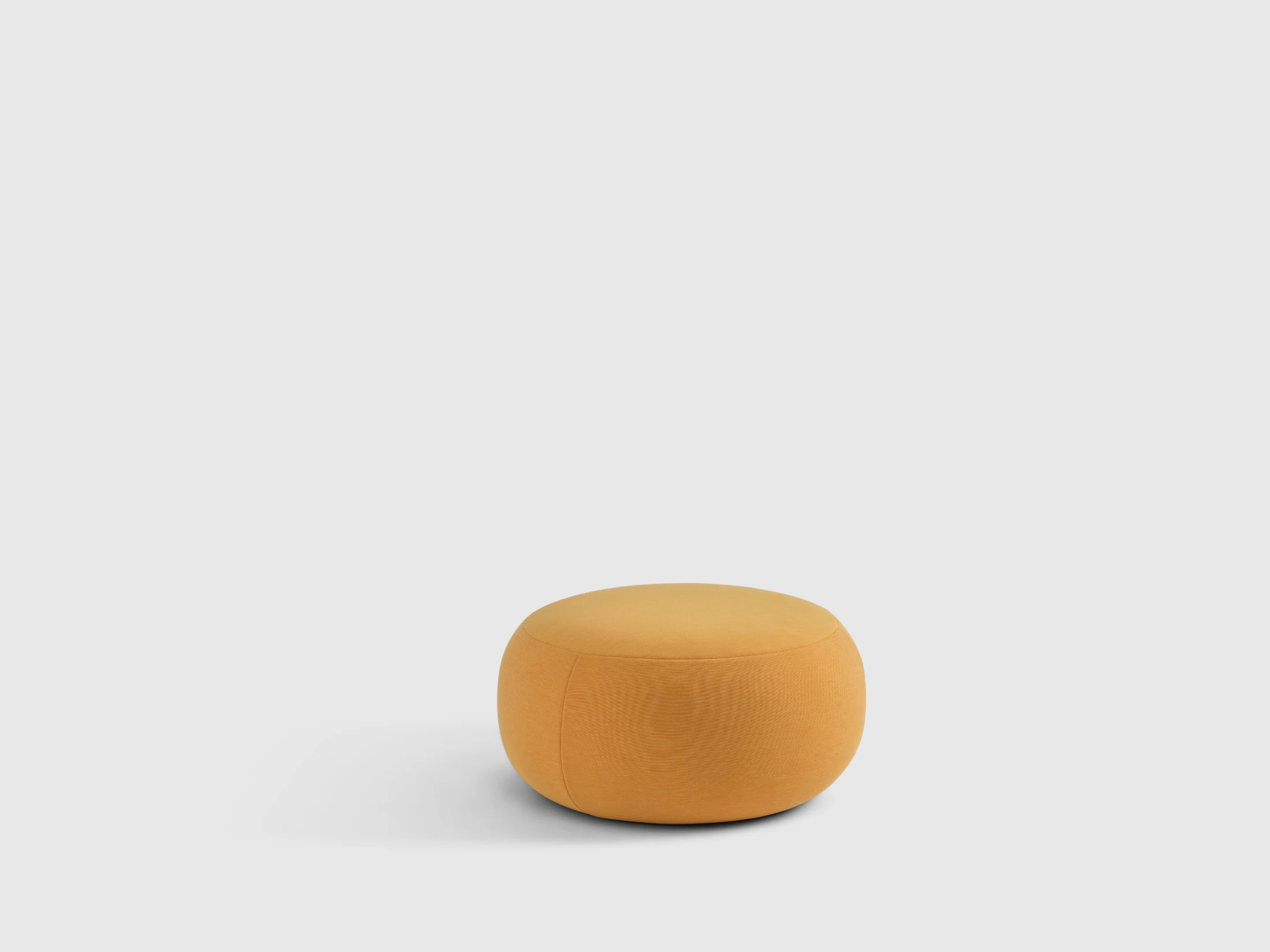
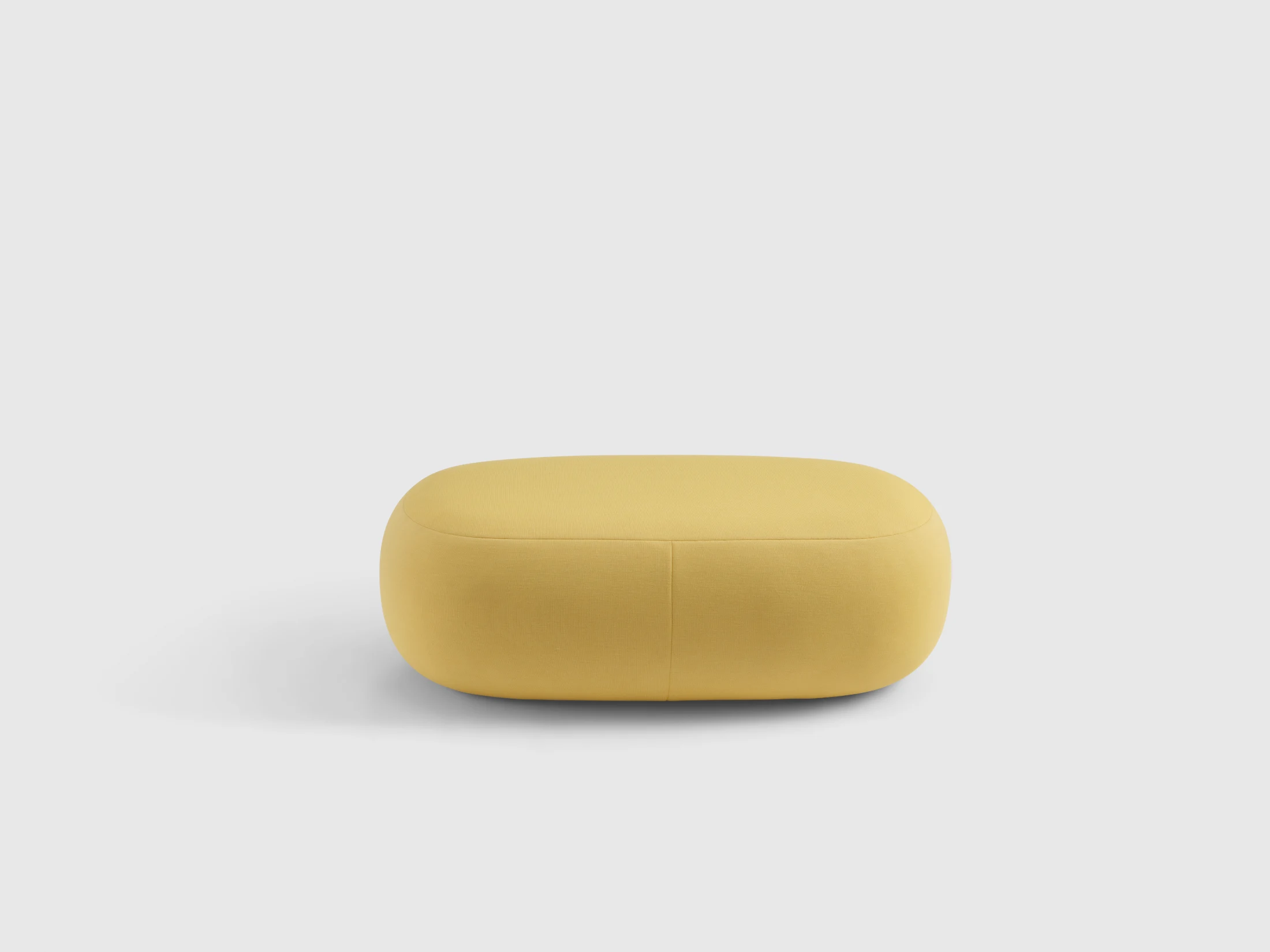
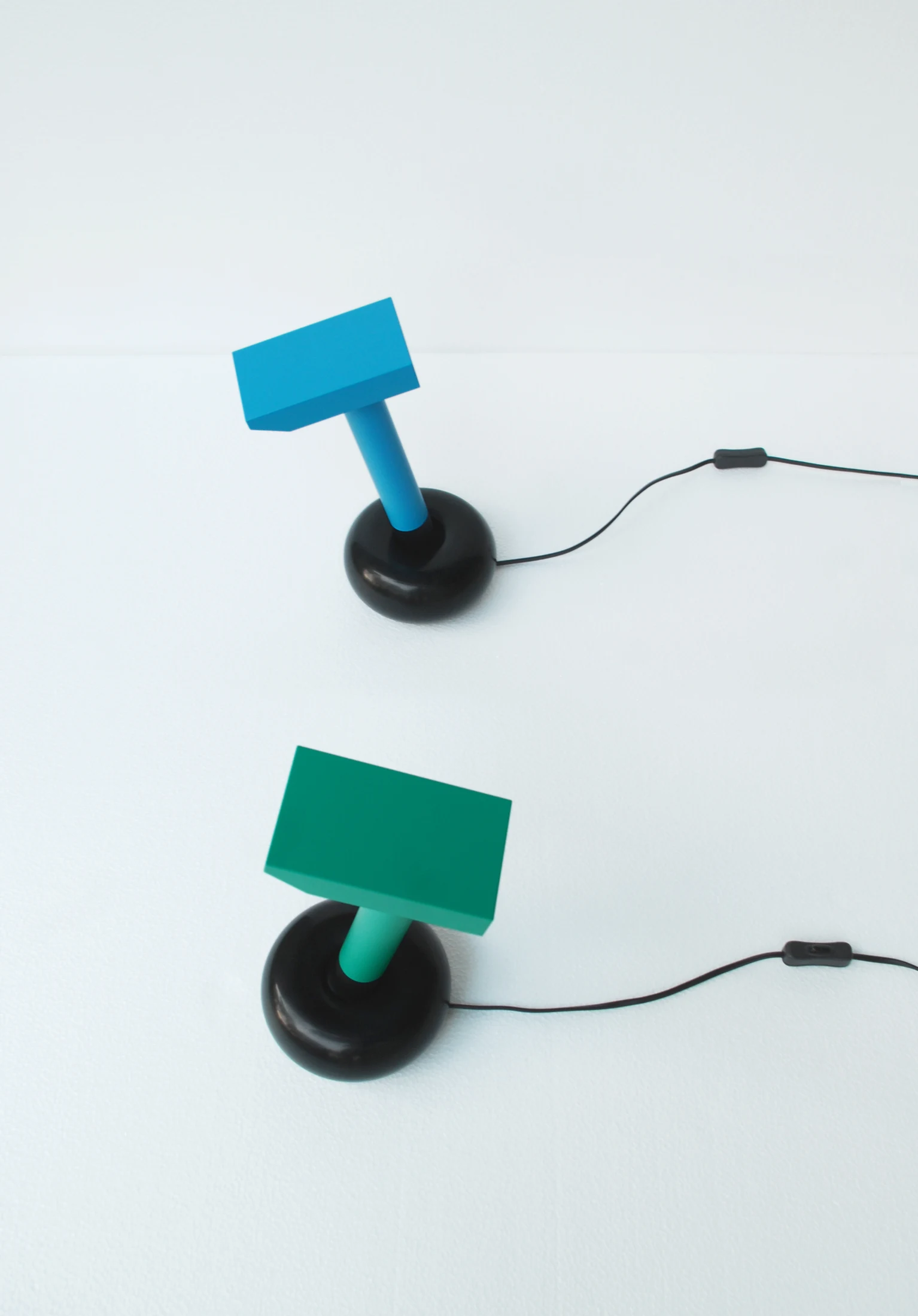
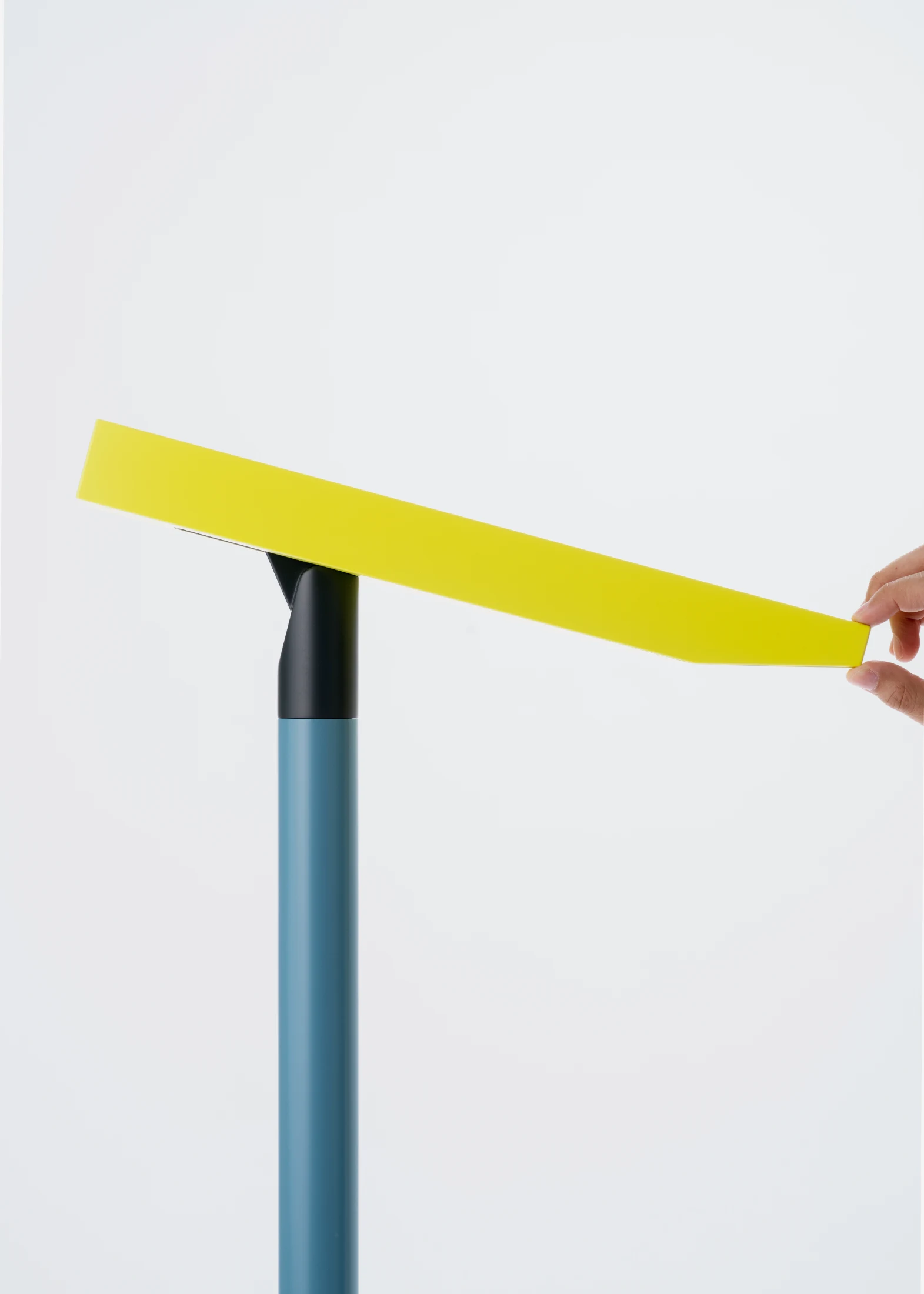
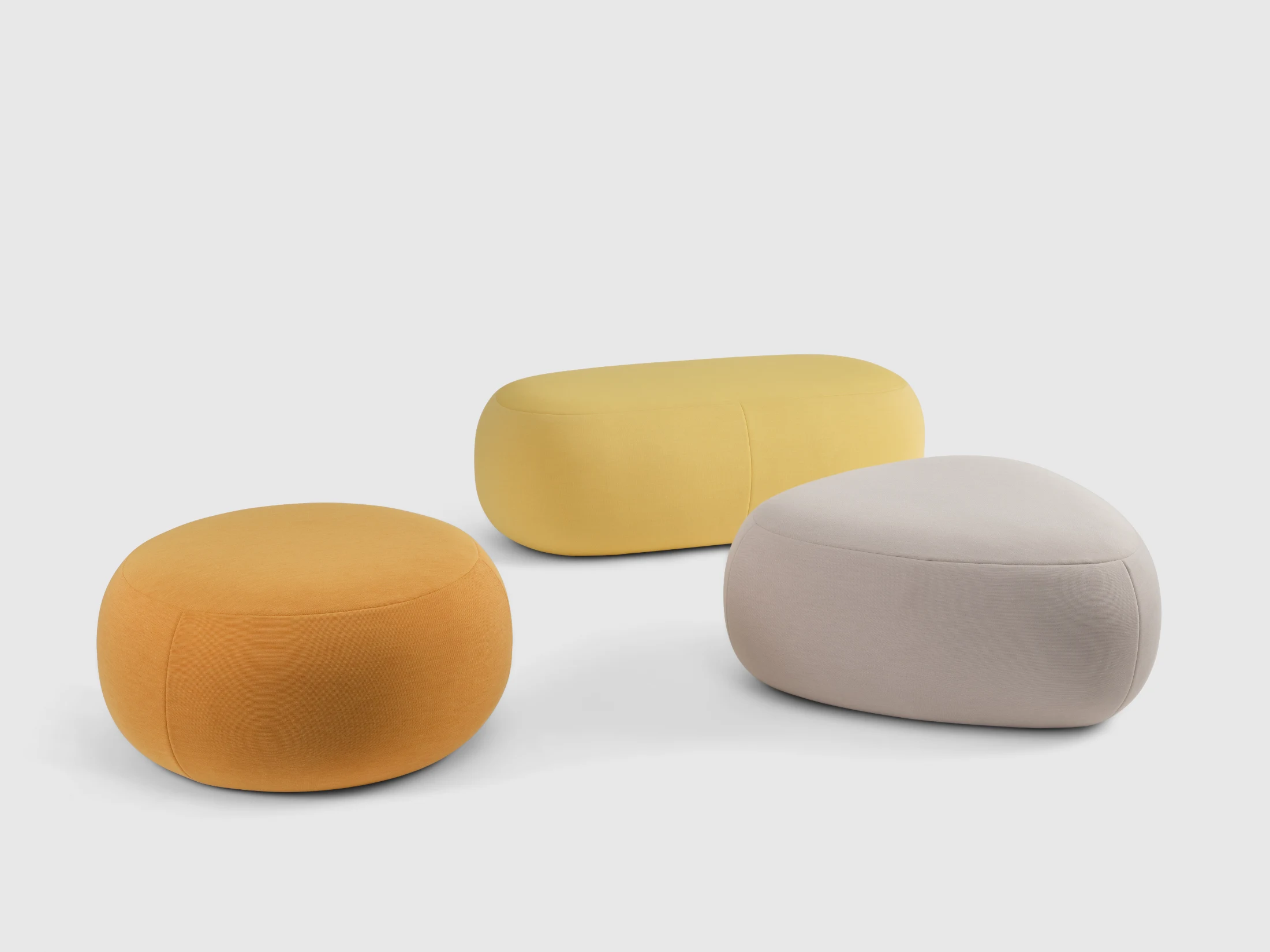
Duck Lamp (2010) was among Studio Juju's earliest expressions of form as character. Shown at SaloneSatellite in Milan the year after the studio was founded, the perky desk light pairs a blobbish base with a 40-degree articulation that makes the lamp feel alert, almost animate. Never put into production, it nonetheless signalled the duo's instinct to treat function as something expressive rather than purely technical. Fast forward to SoftSoft (2024), a collection of pill-like poufs, which continues that line of inquiry at a different tempo. These generous volumes are coated in smooth, stretchable fabric that heightens their tactile allure. As with much of the studio's work, the emotional cue is immediate – the formal language pared back.

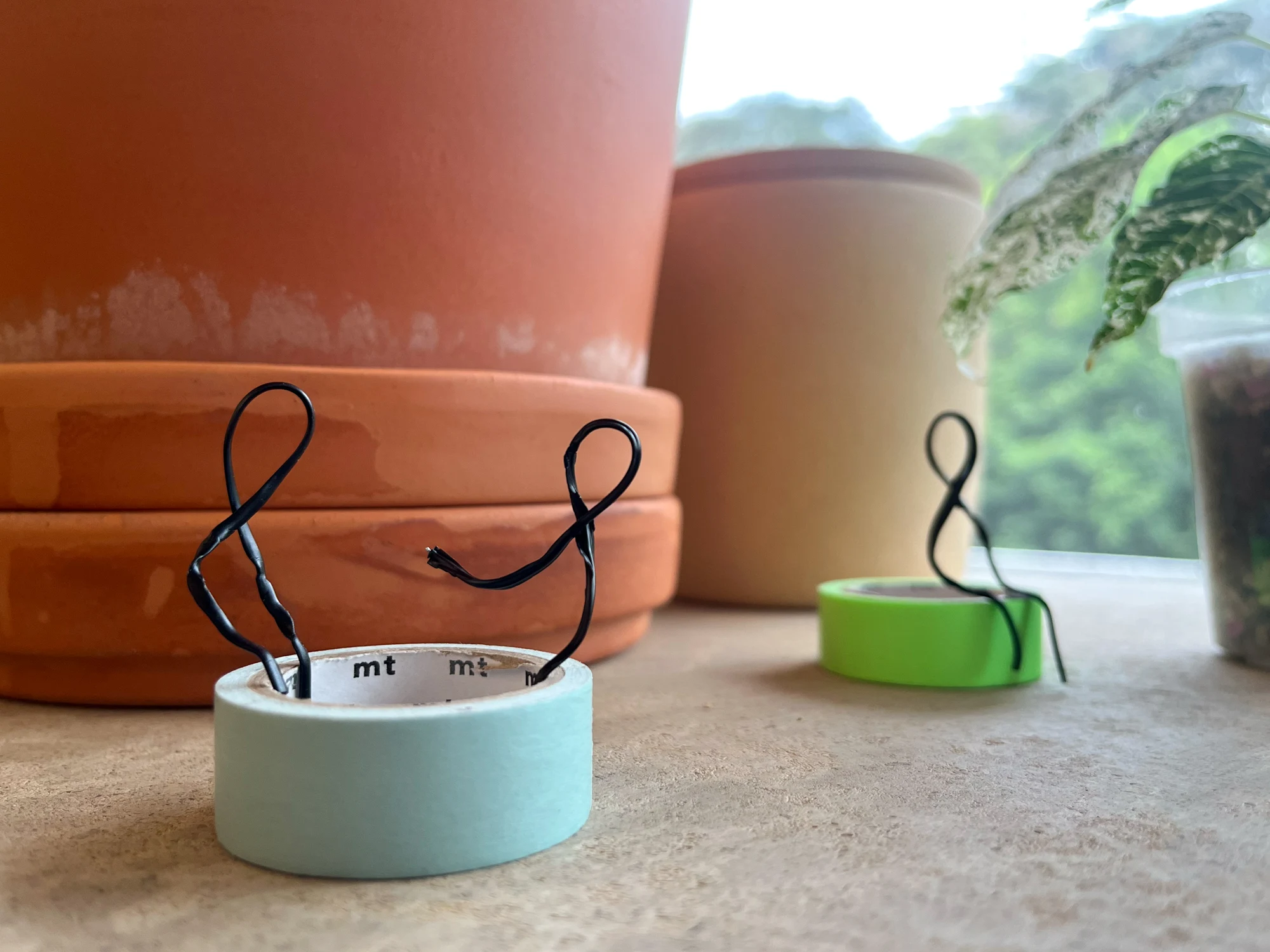
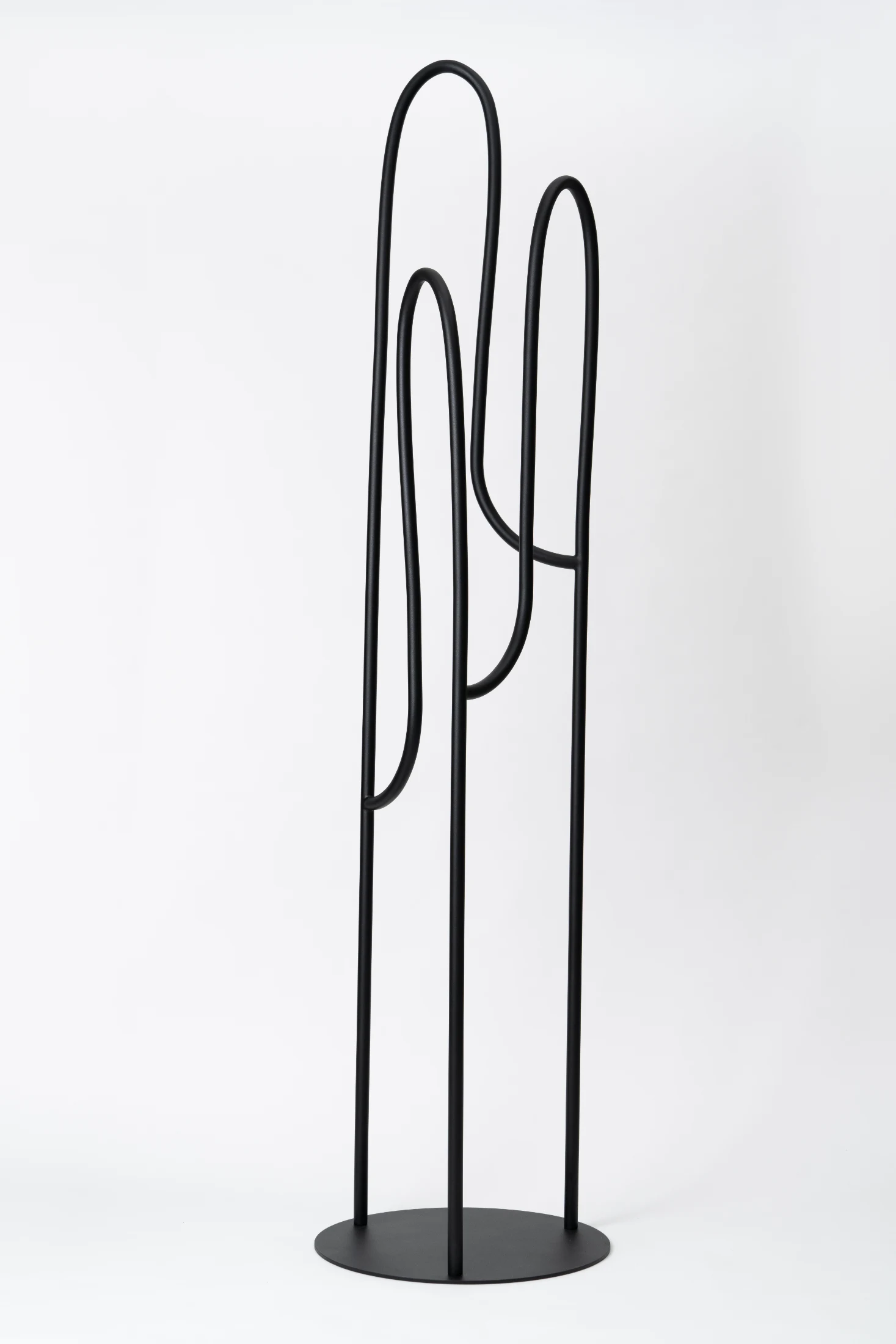
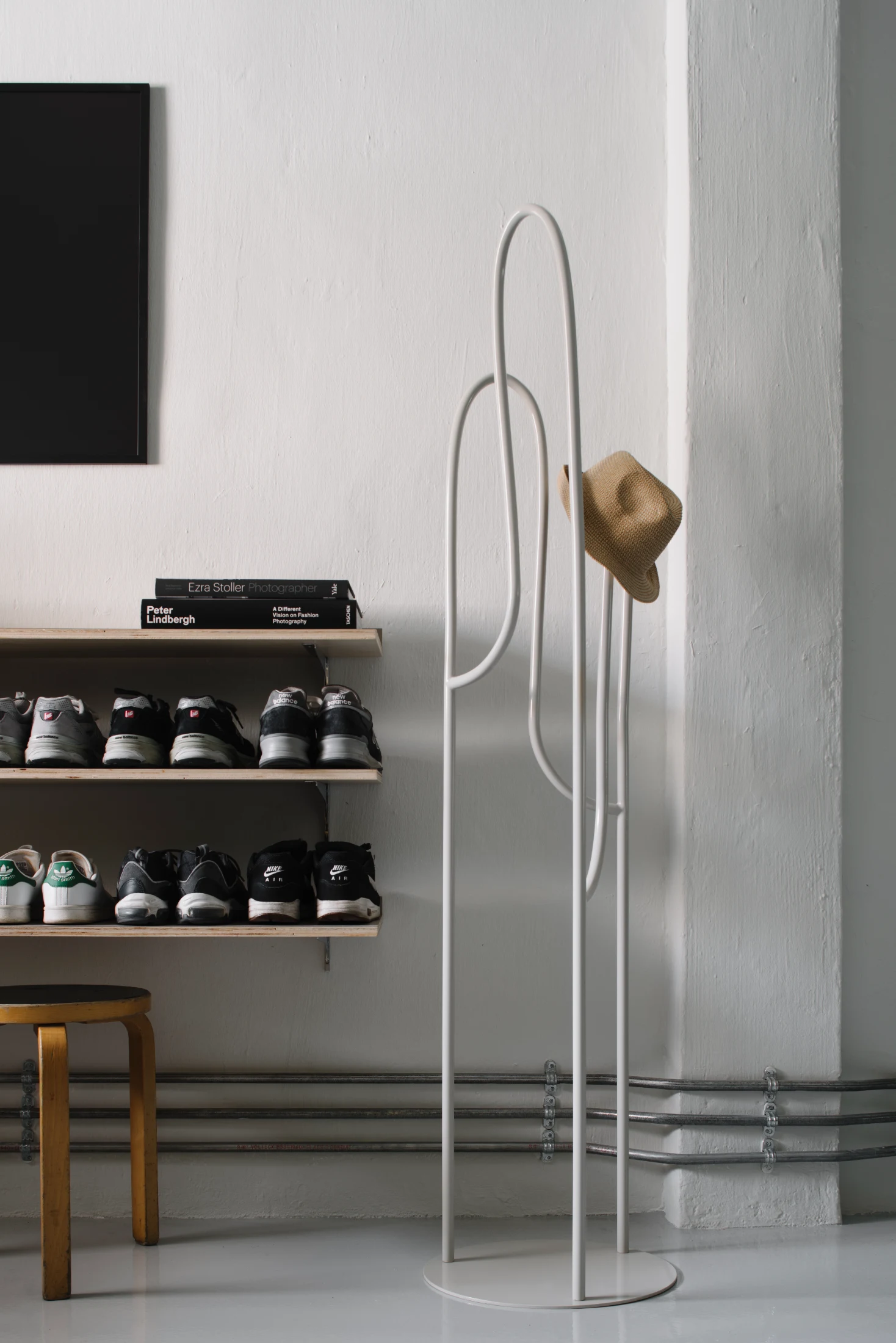
This design manner finds perhaps its clearest domestic expression in Friends (2019), a coat stand conceived at the scale of the human body. "It was like drawing a sketch in three dimensions," says Timo. The piece grew from "exploring the idea of bending metals" in a way that avoids the predictable logic of machine-made shapes: "it feels quite fluid, like our sketch." Three gently arcing arms suggest figures in quiet embrace, ready to receive coats, umbrellas or perhaps just a baseball cap; the casual accumulation of daily life. "The whole idea is to create a presence in the house," Timo explains. Crucially, its use is not prescribed: "People interact with it in their own way." Across these objects, form operates as invitation. Scaled to the body and softened by narrative suggestion, each piece balances clarity with charm; practical, yes, but always carrying that undercurrent of quiet joy that defines Studio Juju's work.

It is tempting to place Studio Juju's work under the easy headings of 'playful', 'whimsical', even 'postmodern'. Pill-like poufs, chocolates as benches: these might all be mistaken for visual references to those ends. But the longer you spend with Timo Wong and Priscilla Lui, the less those labels hold. Their work is not ironic, not nostalgic, and certainly not brash. But it is, above all, thoughtful and deliberate.

On the walls and shelves of their Lower Delta Road studio sit two works by the late Italian design maestro Enzo Mari — the bold graphic Apple from La Serie della Natura (1961) and his Box Chair (1971). "We are big Enzo Mari fans," Wong declares. The choice of displays feels important. Mari treated form as a language, a way to sharpen perception rather than chase taste and he designed objects that empowered users through clarity and construction. The Box Chair, with its visible frame and self-assembly logic, makes no attempt to elaborate visually; this is a distilled object that explains itself.

Studio Juju's objects and interior projects operate with a similar directness. In a young nation that Timo likens to "a blank slate," such clarity feels quietly confident and distinctly unwhimsical. The studio's name, chosen early on, was inspired by 授受 (juju), an archaic Japanese term meaning "give and take", a nod to the reciprocal, exchange-driven approach at the heart of their work. The founders later discovered that the word also carries echoes of magic in West African contexts, and was described by Finnish friends as a kind of "happy trick" in caring for a baby. These layered associations: precision and reciprocity, playfulness and calm, feel entirely fitting. The studio's work is never about spectacle; like Singapore itself, it doesn't shout. It is, instead, a quiet exchange between space and inhabitant, object and user, all imbued with enough lightness to remain endearingly human.

¹ Maison&Objet: As the name suggests (“House & Object”), this major trade fair deals in interior design, furniture and home accessories, and has been held twice a year in Paris since 1995. It brings together designers, brands and buyers from around the world to showcase new products and trends. Endearment.

Writing:
David Plaisant
Writing:
Photography:
Photography:
Back to Top
Arrow UpArrow Up
Top
Arrow UpArrow Up
The After shot of the Floorplan
Before
before
after
After
Businesses featured in this project
No items found.
Products featured in this project
No items found.
Magazine Current IssueMagazine Current Issue
Writing:
Writing:
Photography:
Photography:
Back to Top
Arrow UpArrow Up