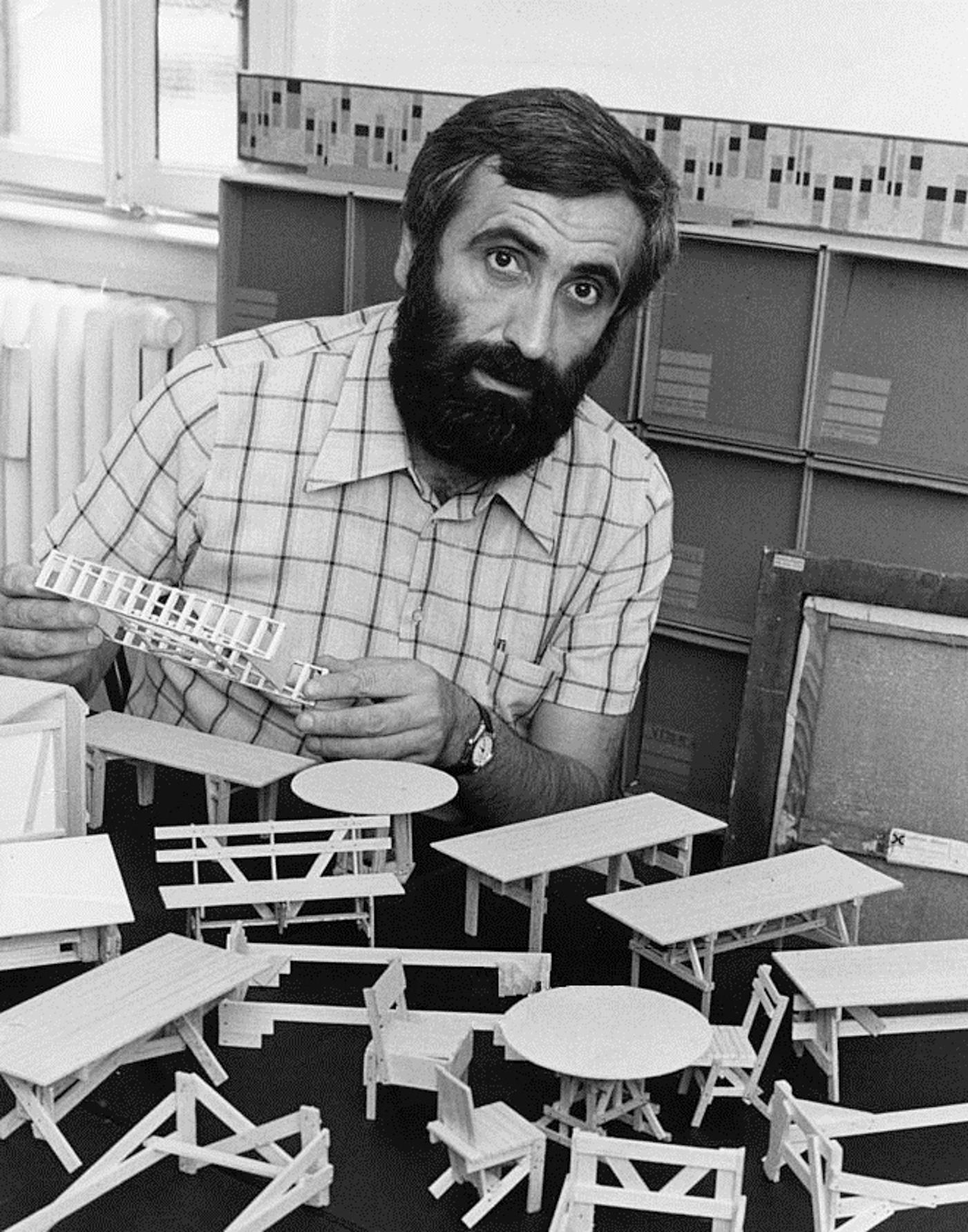



When the British design critic and author Alice Rawthorn first met Enzo Mari in the early 2000s, he was giving a packed-out lecture at the Serpentine Gallery in London. Well, we say "lecture". In classic Mari style, the presentation quickly devolved into more of a sardonic rant against capitalism, consumerism – in fact, most of the isms – and the inevitable decline of western civilisation. (Mari was a card-carrying Marxist, and proud of it.)
Afterwards, Rawthorn asked Mari if there was anything about contemporary life he actually liked. The great designer thought for a few seconds, then said, "Bread and terrorism". Rawthorn was aghast. Why terrorism, she asked. "Why not?" Mari scoffed. "People think it's bad, but if they thought about it, they'd realise it isn't all bad. It changes things."
This is perhaps the most enduring legacy of the late, great Enzo Mari (1932–2020). Whatever else you might think about his politics, his design philosophy, his full-frontal rudeness – he famously called the noted Dutch architect Rem Koolhaas a "pornographic window dresser" – and his habit of chain-smoking noxious, unfiltered cigarettes down to the nub, not even his fiercest critics would label him boring. Enzo Mari changed design forever and for always. Not through terrorism, it should be stressed, but through pure unfiltered rage, which he channelled into a superhot stream of philosophical napalm, aimed squarely at the mainstream design establishment. If Mattel ever made an Enzo Mari doll (something Mari would have fought against tooth and nail) and you pulled the string on its back, two catchphrases would emerge: "Form is everything" and "Design is dead".
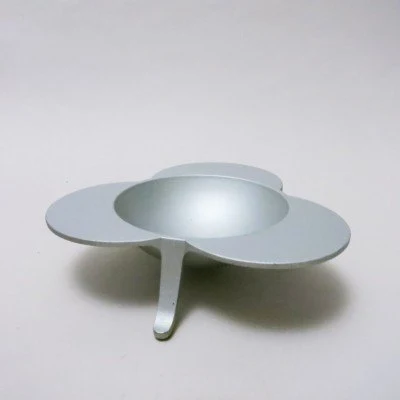
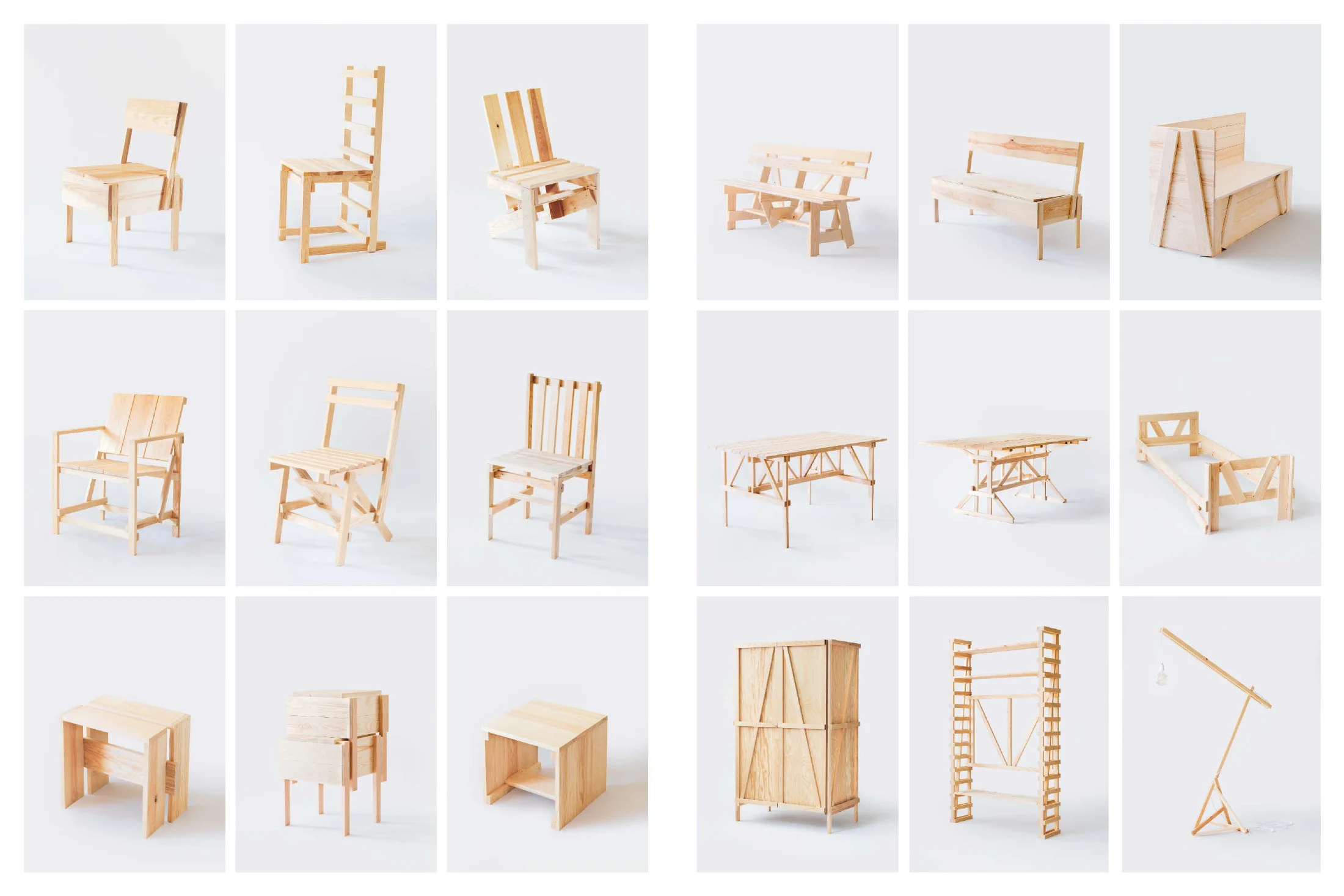
So let's talk output. Because this could take a while. Enzo Mari was arguably the most influential and productive post-war Italian designer of all time¹. His career spanned six decades and more than 2000 individual projects: everything from multifunctional daybeds, chairs and children's toys to puzzles, injection-moulded vases and industrial fruit bowls.
Born to a poor family in Novara, Italy, as a child he scraped a living selling soap in the marketplace. When his father fell ill, Mari dropped out of school and worked as a bricklayer and sign painter. By the 1950s, he'd enrolled in Milan's Brera Academy, where he jumped from painting to sculpture to stage design (leaving a string of exhausted, pissed-off teachers in his wake). This was before Italy's post-war manufacturing boom; a somewhat stodgy time, design-wise, still dominated by old-guard figures like Achille Castiglione and Marco Zanuso.
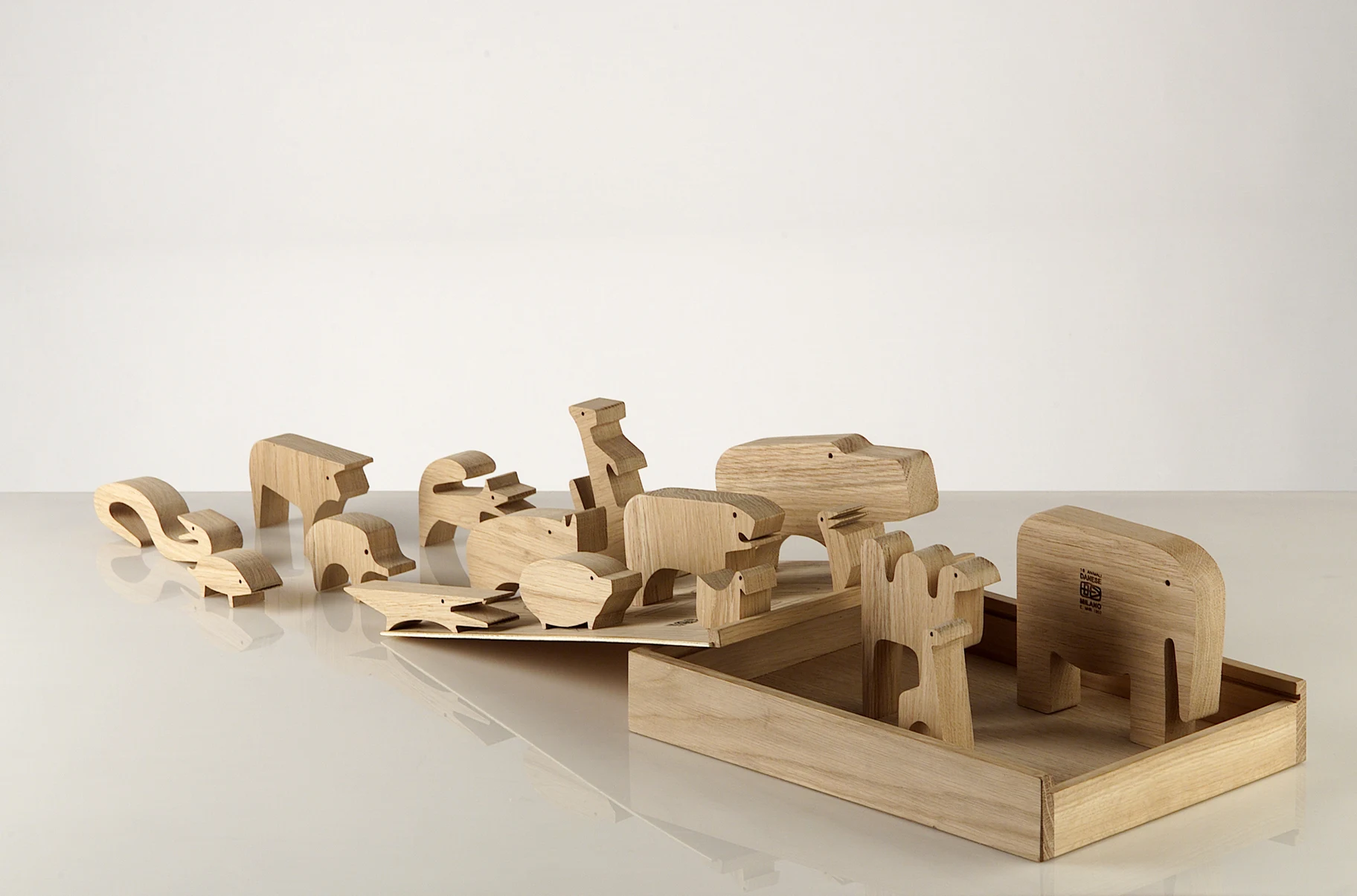
The young Mari stumbled into his calling almost by accident: "After I had designed several objects," he said, "someone told me that what I was doing was design." It wasn't a conscious thing, but by the late 1950s, and with the ink still wet on his diploma, Mari was emerging as one of the hottest talents on the continent, designing products and furniture for Italy's biggest manufacturers. Names like Zanotta, Driade, Alessi and Danese Milano, the last of which he partnered with to produce his famous children's puzzle, 16 Animali (1957) – a menagerie of 16 interlocking wooden animals cut from a single piece of oak using one continuous jigsaw line. Each animal tessellates together seamlessly, as if by magic, and they happen to contain everything you need to know about Enzo Mari's philosophy.
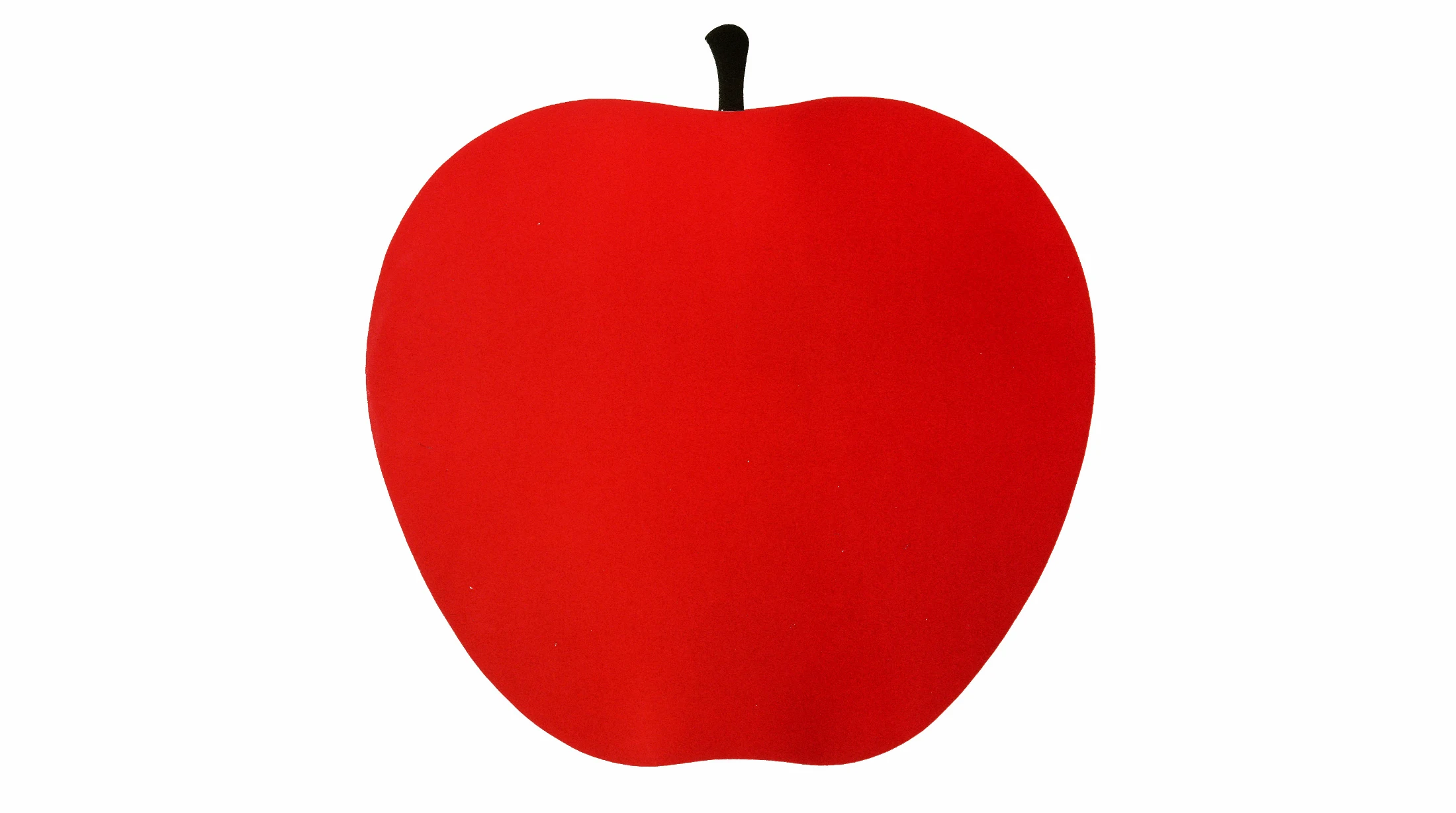
Mari prized clarity and economy in design above all else. He loathed gimmickry and ornamentation². In his graphic print series, Serie della Natura, for example, he boiled apples, pears, panthers and bears down to their most basic, Platonic forms³. He also had more respect for the creative power of children than actual designers. He once told an interviewer, "I'd give a Nobel Prize to every kid that turns a year and a half."
For Mari, design was a battleground, not some tacky commodity. A way of moving the world forwards. And you couldn't separate the designer from their politics any more than you could separate them from their designs. In the war for hearts and minds, there was no such thing as 'neutral'. "The designer cannot fail to have his own ideology of the world," he said. "If he has none, he is a fool who only gives shape to other people's ideas." Mari had nothing but contempt for trend disciples, or those who churned out mass-market commercial furniture. You got the sense he'd rather disagree with your principles than discover you had none.