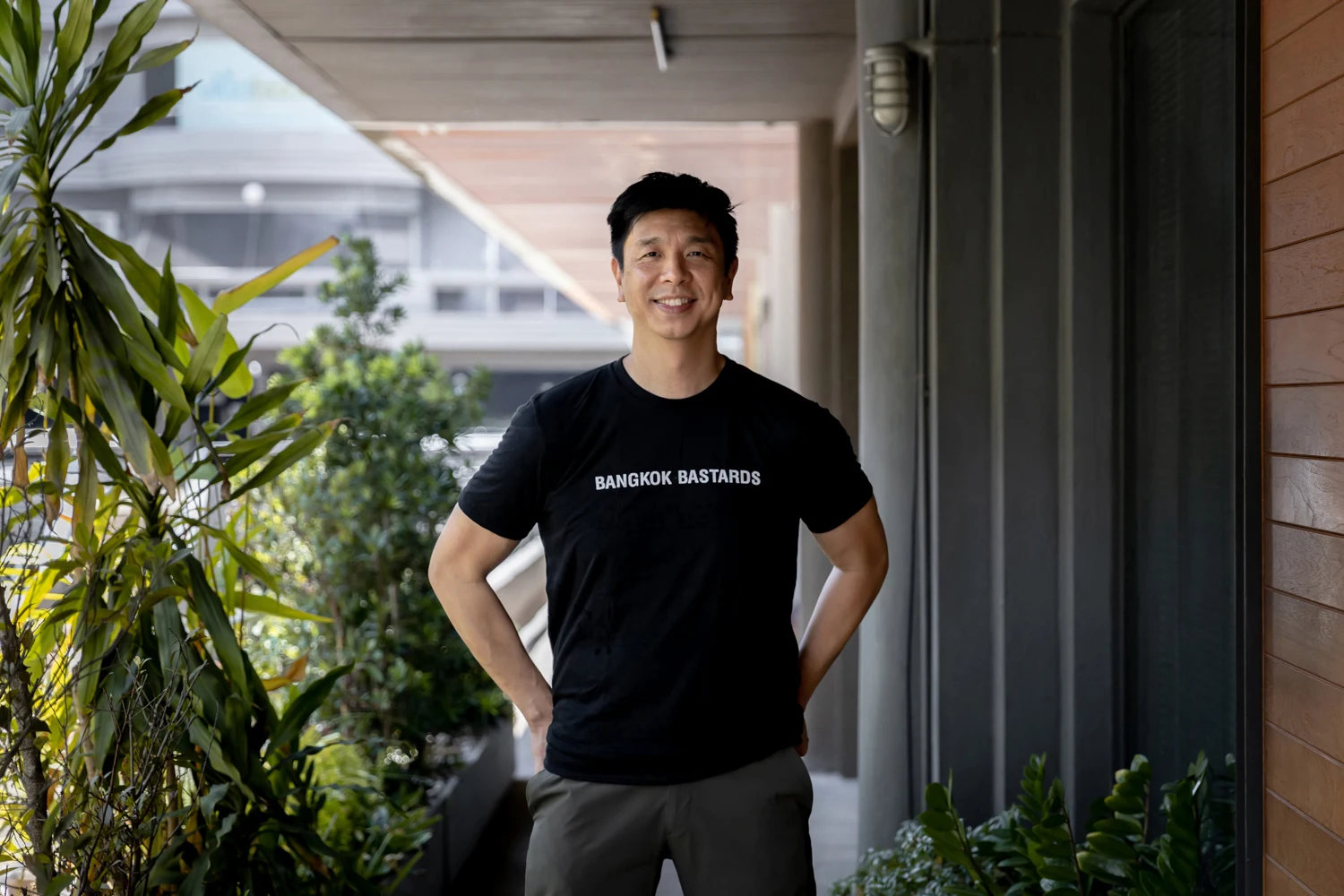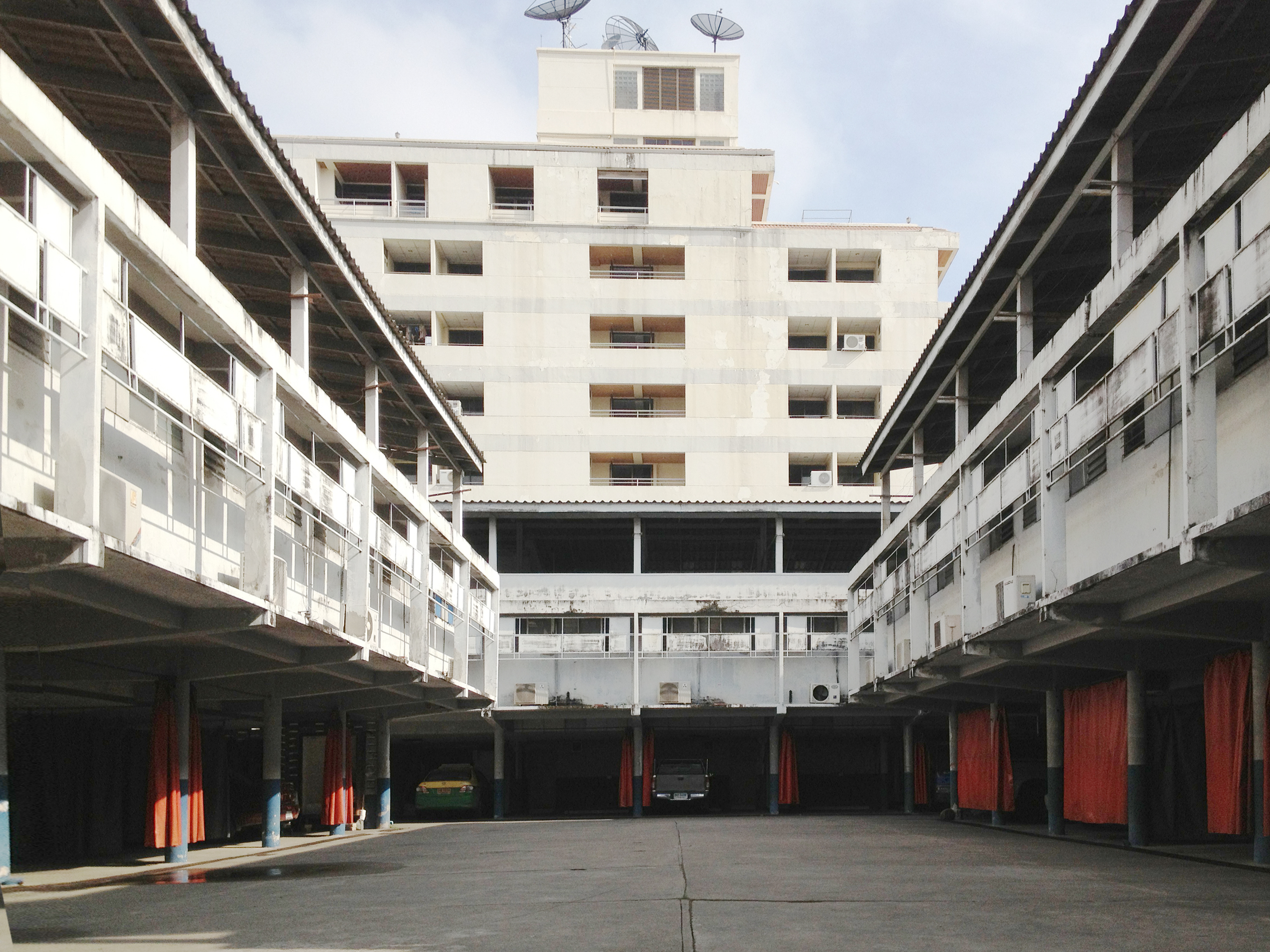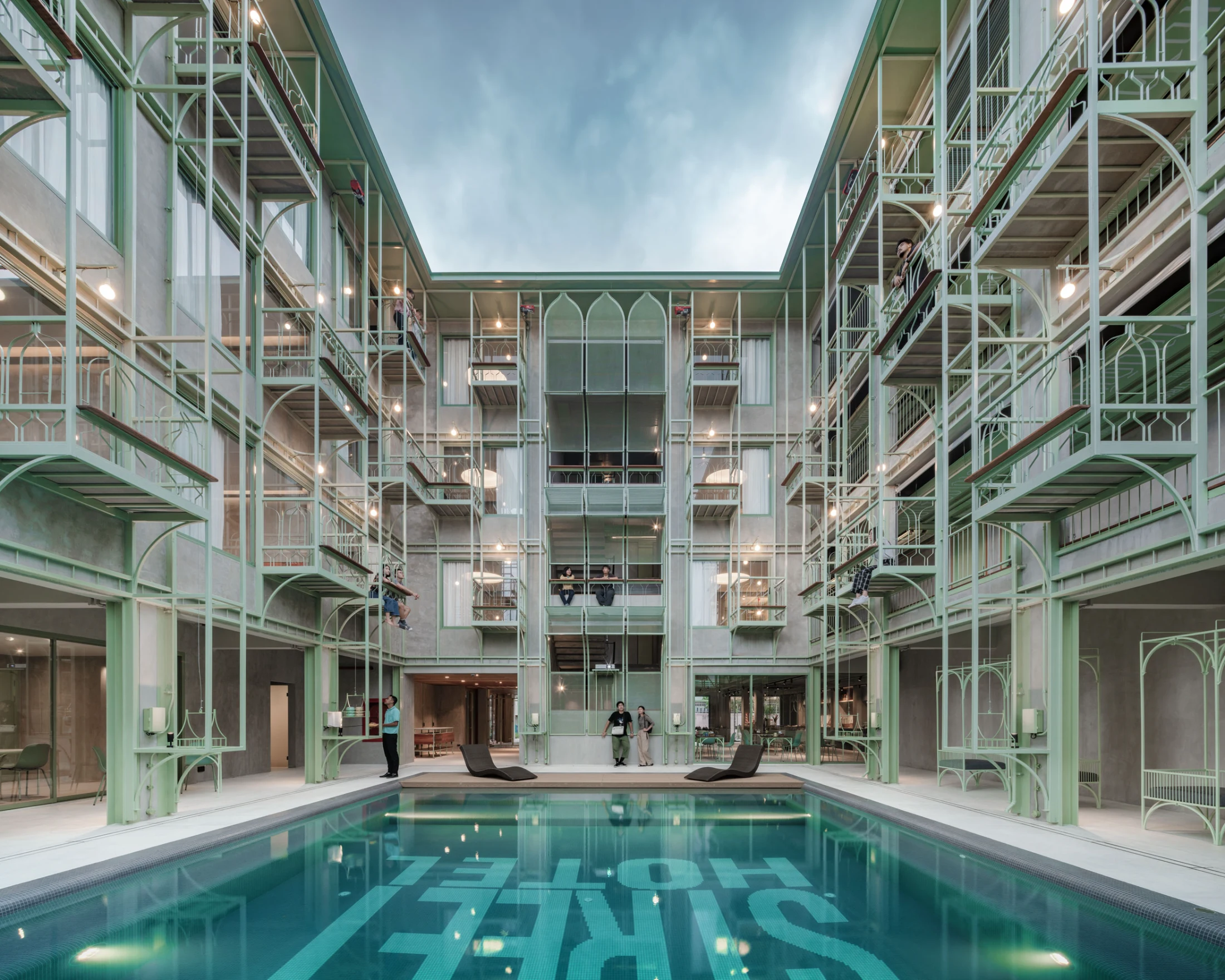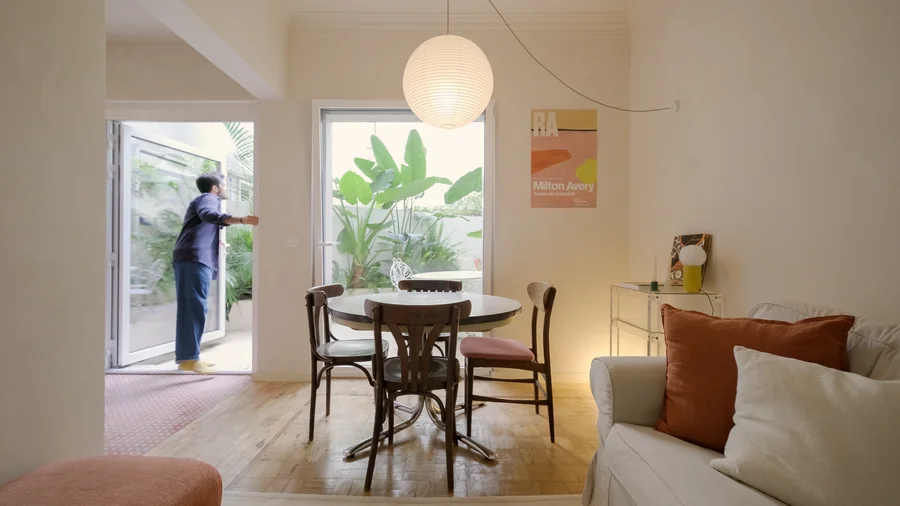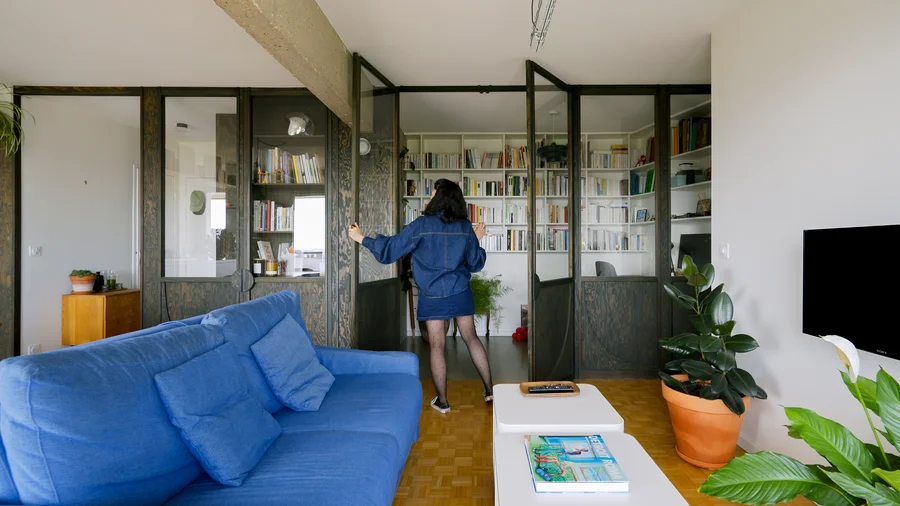



In 2000, one of South East Asia's most exciting architects, Chatpong Chuenrudeemol (known in design circles and pretty much everywhere else as "Chat") graduated with a Master's of Architecture from Harvard University. At the time, his classmates invariably were jetting off to illustrious placements in San Francisco, London, New York and Paris, entering the rarified climbs of 'serious' architecture. A world of postmodernist deconstructivism and very expensive giant glass cubes. But Chat wasn't interested in any of that. Degree in hand, he booked a one-way ticket to the last place anybody would expect: Bangkok, Thailand.
"I just thought Bangkok was the place to be," he laughs. "Even though, at the time, it really wasn't. There's an energy in Bangkok, and in South East Asia in general, that is unlike anywhere else. It's like the prototype for developing countries."
In some ways, it wasn't such a surprising move. Chat was born in Bangkok in 1972. The family moved to America when he was six, and Chat spent most of his formative years in the US, bouncing back and forth across the globe to visit family.
"A lot of people expected me to be completely Americanised. And I am, in certain ways. But I've always felt a deep link back to Thailand, because we'd always come home during the summers. I never forgot how to speak the language."
The Thai language was one thing, but the young Chat quickly realised that he had no idea how to speak the language of South East Asian design. His Western architectural education, which was about as eminent and expensive as you can find on planet Earth, had also saddled him with some unconscious biases. "Let's start with bad architecture, because that's what I was doing," he laughs. "I didn't know what was good. My whole foundational knowledge of architecture had to be re-learned."
Example? Well, in Western architectural circles in the late 90s, there was a serious aversion to pitched or gabled roofs. Cubes were considered cool. Students like Chat were taught to view buildings as a mass, which a skilled architect would then "carve" into. Like a sculptor. The result tended to be very artful, deconstructed boxes with lots of glass and lots of windows. None of which worked in monsoonal Thailand.
"You can solve so many tropical problems with a good roof and a large overhang," Chat says. "If you build a box without a roof, you're inclined to make it beautiful as an object, which means glass. And that causes more problems, because now you need ventilation, but all of the sun and rain comes in, so you rely on technology, which never works. It's a domino effect."
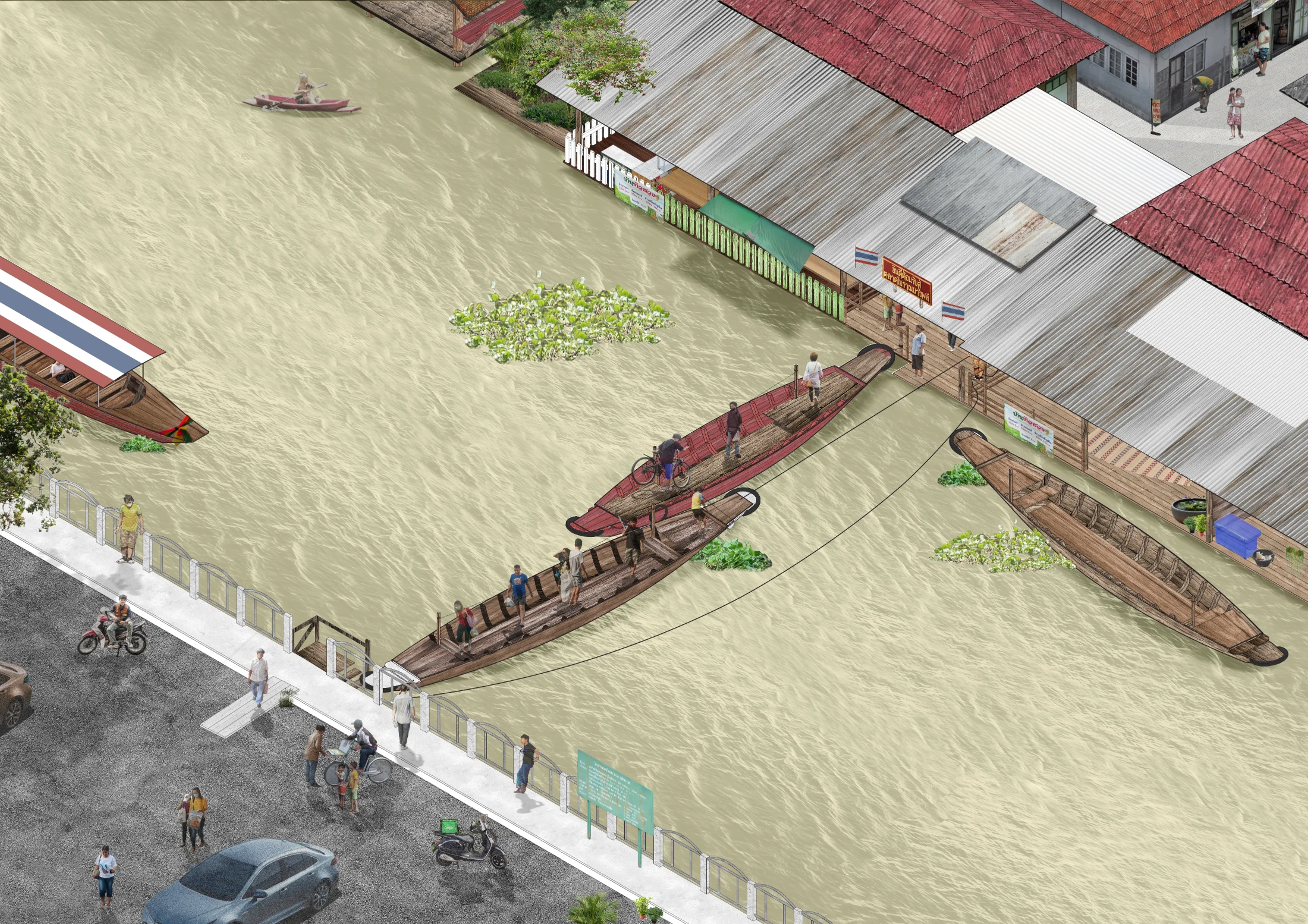
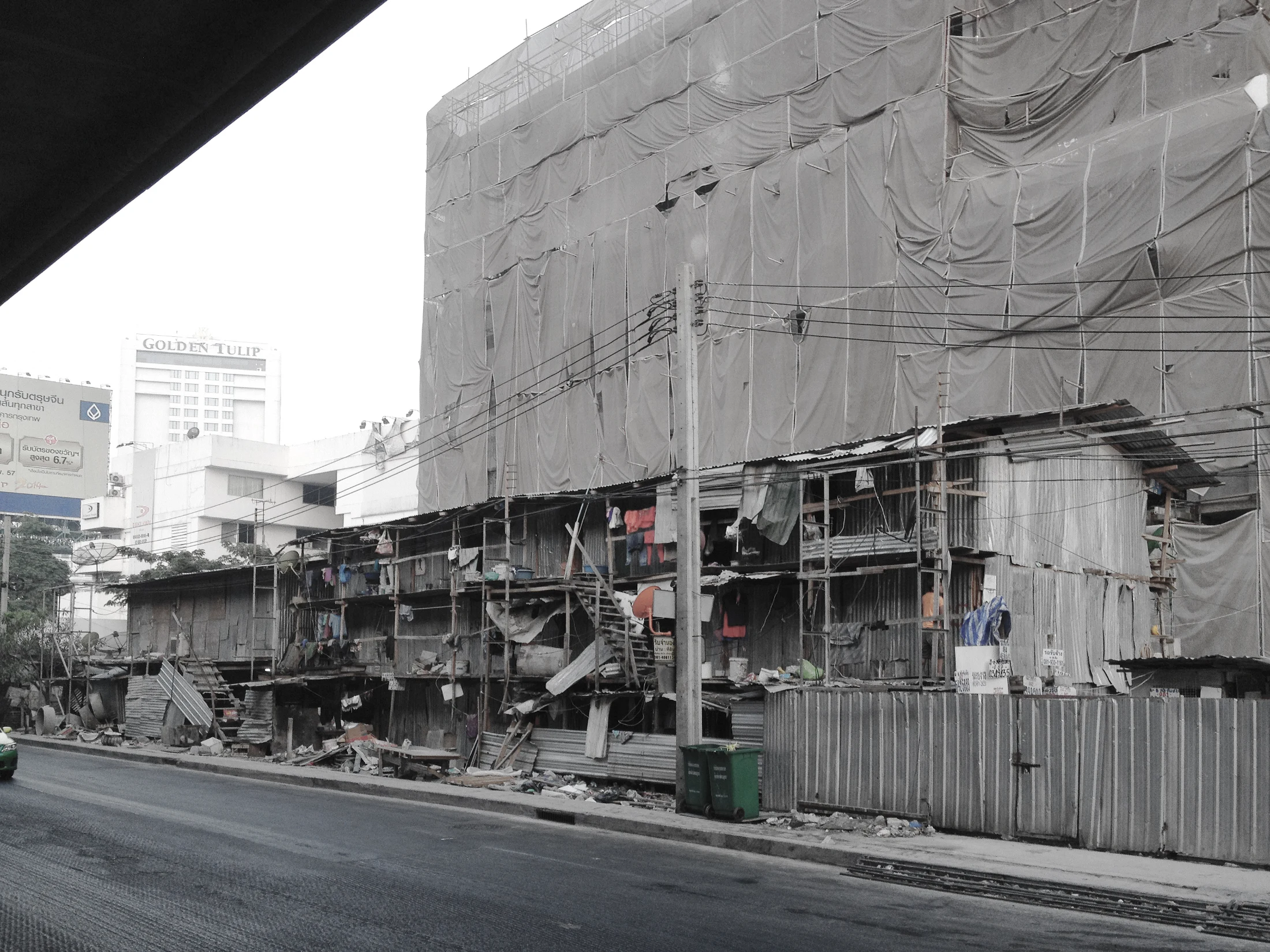
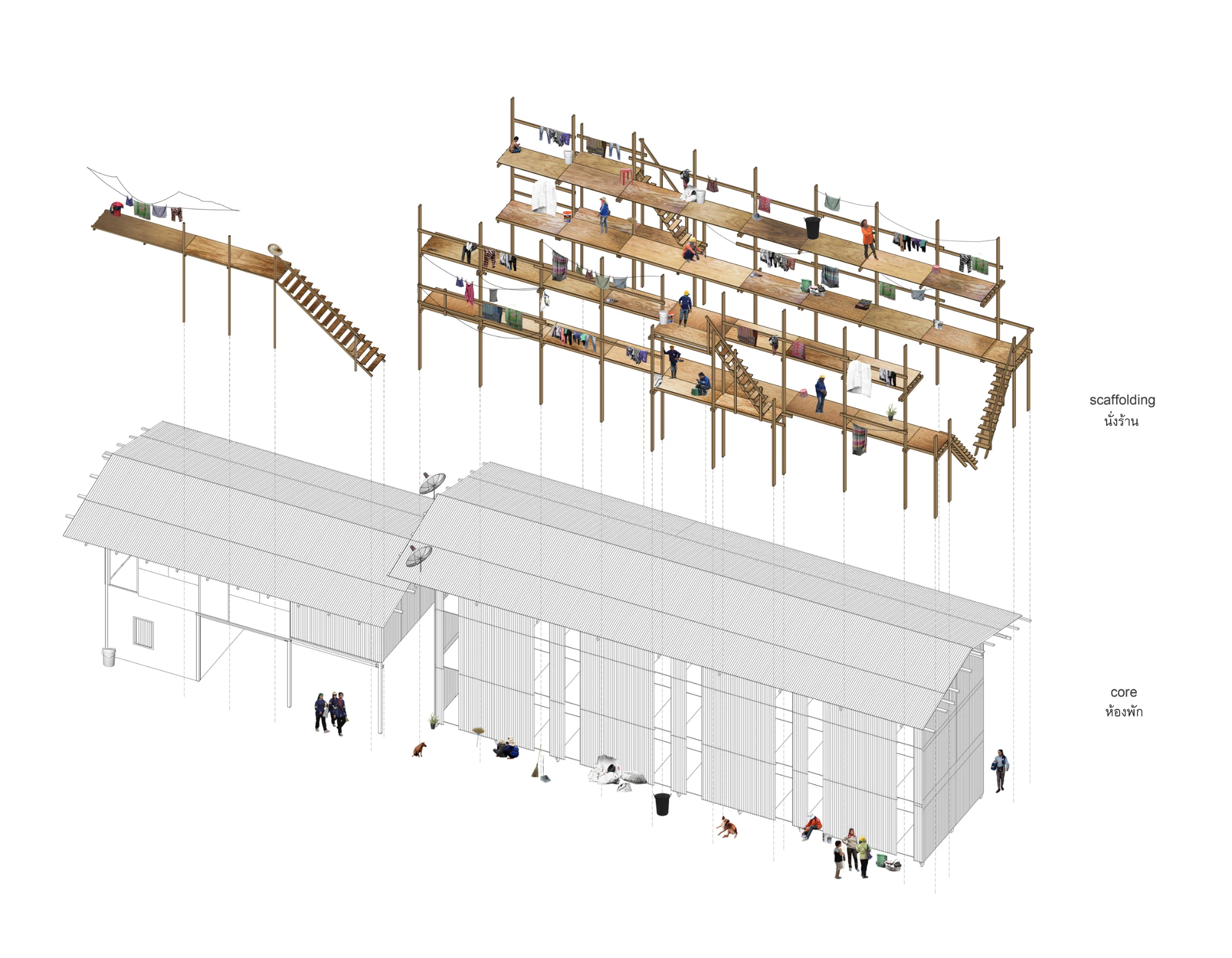
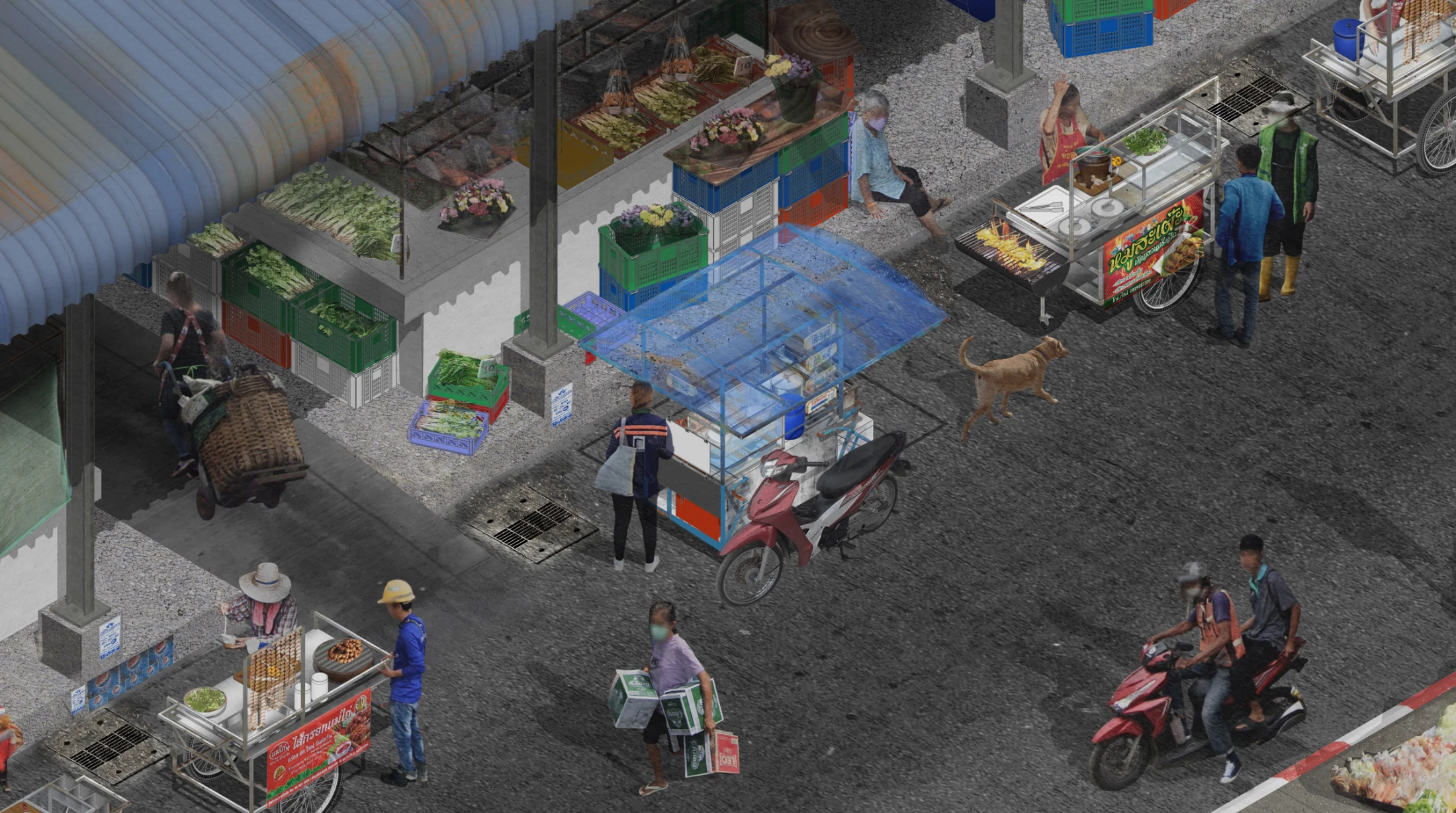
Then Chat had a lightbulb moment. Instead of trying to cram Western architectural ideals onto Bangkok, he flipped the script: what if he could reverse engineer a new form of architecture from Bangkok itself. From the streets. The hawkers and long-tail boats. The people. The slums and stray dogs and choking pollution. From the seedy Love Motels. What if he could take the city – exactly as it was – and somehow harness that incredible energy? That hyper-local inventive power?