
Magazine Current IssueMagazine Current Issue
A Renovation Revolution
From our Mag
May 1, 2025

A Renovation Revolution

Mandated obsolescence has bred an aversion to renovation in Japan but a new generation is discovering there is a lot to love about older buildings.

With a shrinking population and an aversion to renovation, Japan is now full of deteriorating houyses that lie abandoned, especially in rural areas. But a new generation has a plan.

Jana Perković
Writing:
Writing:
Jana Perković
Photography:
Photography:
No items found.
Magazine Current IssueMagazine Current Issue
The After shot of the Floorplan
Before
before
after
After
Top
Arrow UpArrow Up

A few years ago, my whole office became obsessed with watching the Japanese home renovation show Before & After. To us young designers, it was far more relatable than its aspirational Western counterparts. Instead of mansions, gutted to become even more mansion-y mansions, the houses in Before & After were mid-sized family homes in ordinary suburbs. The renovations were intended to solve practical difficulties of multi-generational living in often cramped quarters: lack of elderly-friendly features, unusable in-between spaces, poor insulation. Rot and mould were common, as were single-glazed windows. One episode, we watched an entire section of a house get demolished into a heap of plywood and aluminium. One of my Australian colleagues thoughtfully spoke out: "This is built worse than an Australian home." Then he added: "But outside their house is 20cm of snow."

What we learnt from the show, in summary, was that renovation in Japan wasn't a rich man's hobby.

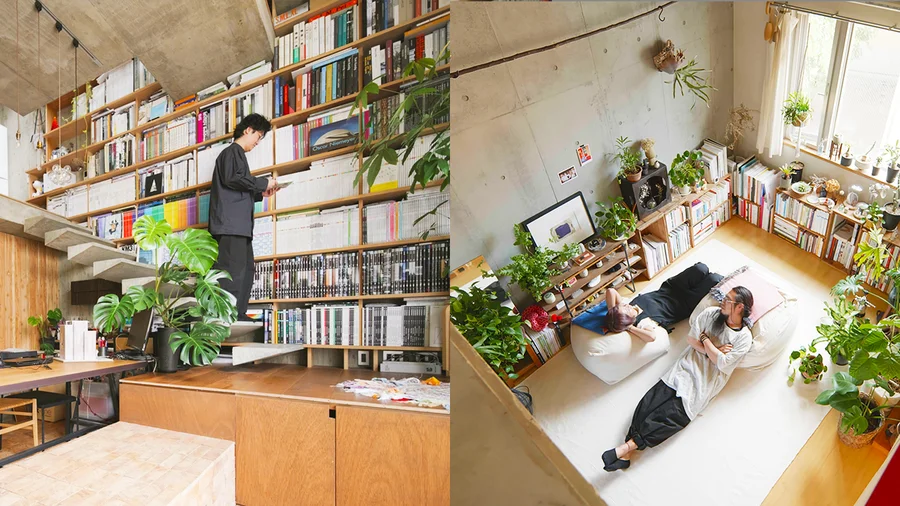
Architects are fascinated with the endlessly inventive Japanese residential architecture (known as jutaku). Nowhere else in the world are modestly-sized private homes, often commissioned by ordinary middle-class families, so willing to bravely stretch the very concept of a 'home'. Take Takeshi Hosaka's 18 sqm house for two with a cathedral ceiling and a dramatic skylight, inspired by medieval living; Atelier Tekuto's Lucky Drops house, built on such a thin strip of land that the house is about 20m long, but only 1–2m wide; or Ryue Nishizawa's Garden & House, which seems to have no walls, only plants. And let's not forget Share Yaraicho, where the external wall is replaced with a zip-up translucent tarp.

It is easy to fall in love with these radically playful homes – but they owe their bold existence to the fact that a home in Japan is largely seen as a depreciating consumer good. While most European cultures attach a special permanence to houses and land – reflected in the language of 'real' estate, 'fixed' or 'immovable' property – in Japan, the average house has a lifespan of only about 30 years. Its market value decreases accordingly, like in a car, so that towards the end of the 30-year-period it will approach zero. A 2012 survey found that a full third of the Japanese were "psychologically averse" to living in a pre-owned home.

The reasons for this are complex, some modern and some traditional. Fire was historically such a hazard to Japanese homes that rebuilding was frequent. In fact, traditional Japanese architecture developed as a catalogue of standardised parts, so tatami mats and fusuma sliding panel doors could be easily replaced after damage. A house could even be completely disassembled when a fire threatened – leaving only the roof and the frame – and reassembled after.

After the introduction of concrete and other modern building materials, in the 20th century it was the earthquake regulations that continued to mandate obsolescence. Continuously revised building codes meant that a home quickly became code-incompliant. Demolishing was preferable to costly, finicky retrofitting. And anyway, Buddhism values impermanence, as shown in the ritual demolition and rebuilding of the Ise Shrine, traditionally and cheerfully done every 20 years since 690 AD.
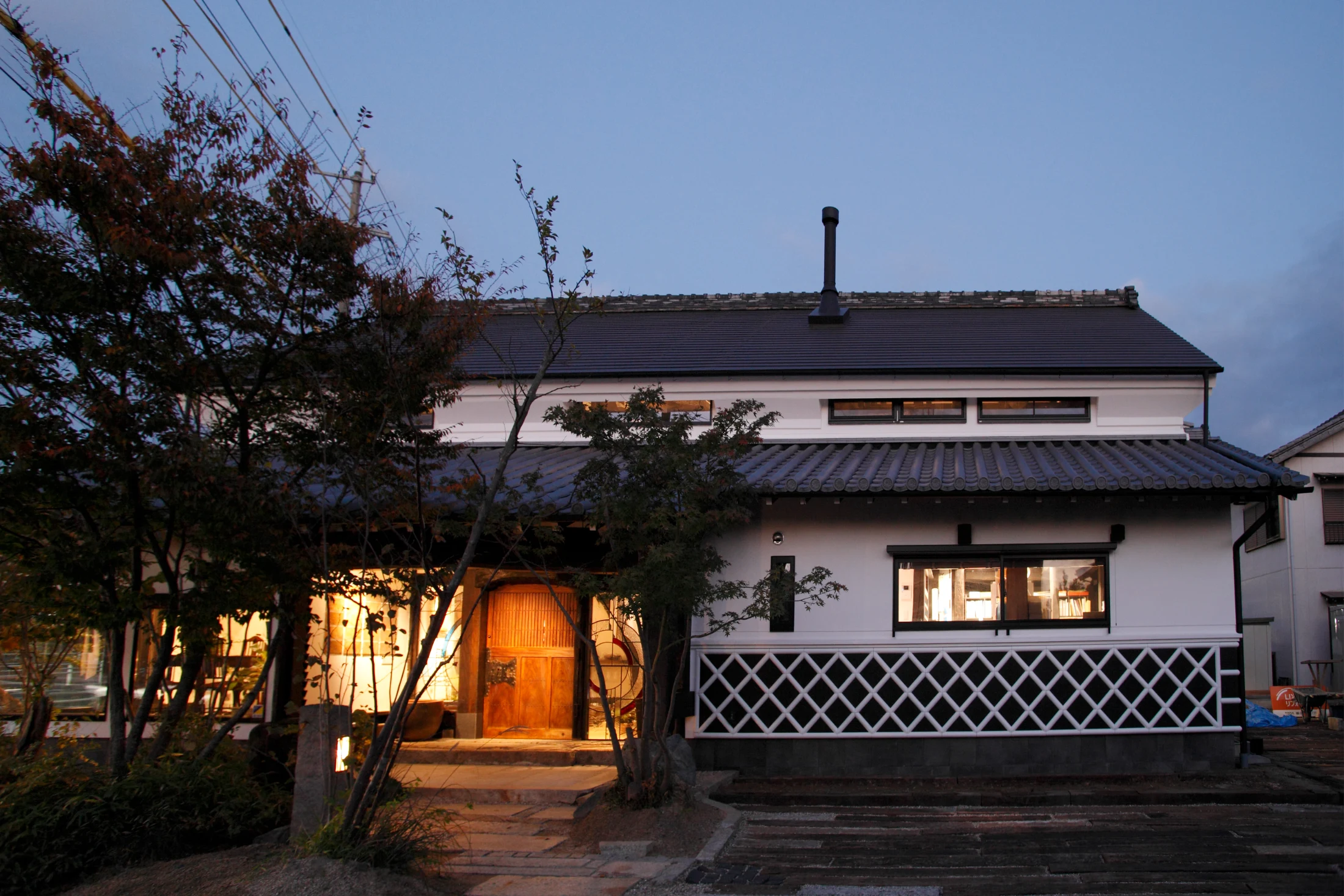
The result of all this is that half of all Japanese homes are demolished before they are 38 years old. For perspective, says Jiro Yoshida, researcher at Penn University, the equivalent half-life of homes in the USA is about 100 years. That is a big difference, and it goes some way to explain the idiosyncratic houses of Japan. With no consideration of resale value, each owner is free to make their home into their castle. Not surprisingly, says Yoshida, today Japan has more architects per capita than any country – 3.8 times more than the US.

But what happens when the land of the world's youngest homes also has its oldest people? The current median age in Japan is 46.5 – double the age of the average house. The low birth rate and migration rates are also shrinking the country, from the 2008 peak of 128 million people, to projected 87 million by 2070. As the population shrinks and ages, it is also concentrating in metropolitan areas, leaving millions of regional homes vacant. Should they really all be demolished?

Economist Richard Koo doesn't think so. In an academic paper, he has argued that routinely demolishing houses instead of caring for them is so wasteful that it has prevented Japan from recovering from its long economic slump: "[It's] no way to build an affluent society," he writes.

Neither does the Japanese government, which in 2020 made it a priority to revitalise the countryside by reactivating many of its 8 million empty homes, known as akiya. Regional towns have been supported to offer akiyas for sale at a low price or even for free, spiking international interest. But buying an akiya can be quite complicated, even for a well-meaning Japanophile willing to put in DIY work: from uncommunicative real estate agents to hidden conditions (such as having to farm the attached land, or live permanently in the house). An akiya can be had for as low as USD $10,000; the required renovations may cost two or three times more.

It seems like a vicious circle. But the problem has inspired a wave of radically creative solutions. Pioneers such as Masako Toyota are leading the way. Toyota, a tour guide inspired by beautifully preserved European cities, returned to her seaside hometown Onomichi, made famous by Yasujiro Ozu's film Tokyo Story, and found a shrinking city with hundreds of beautiful houses left to ruin. With two newborn twins in tow, she scoured the property market to find her own akiya, and restored it with her carpenter husband. They called their home 'Gaudi House'. Toyota then opened it up for artist residences.

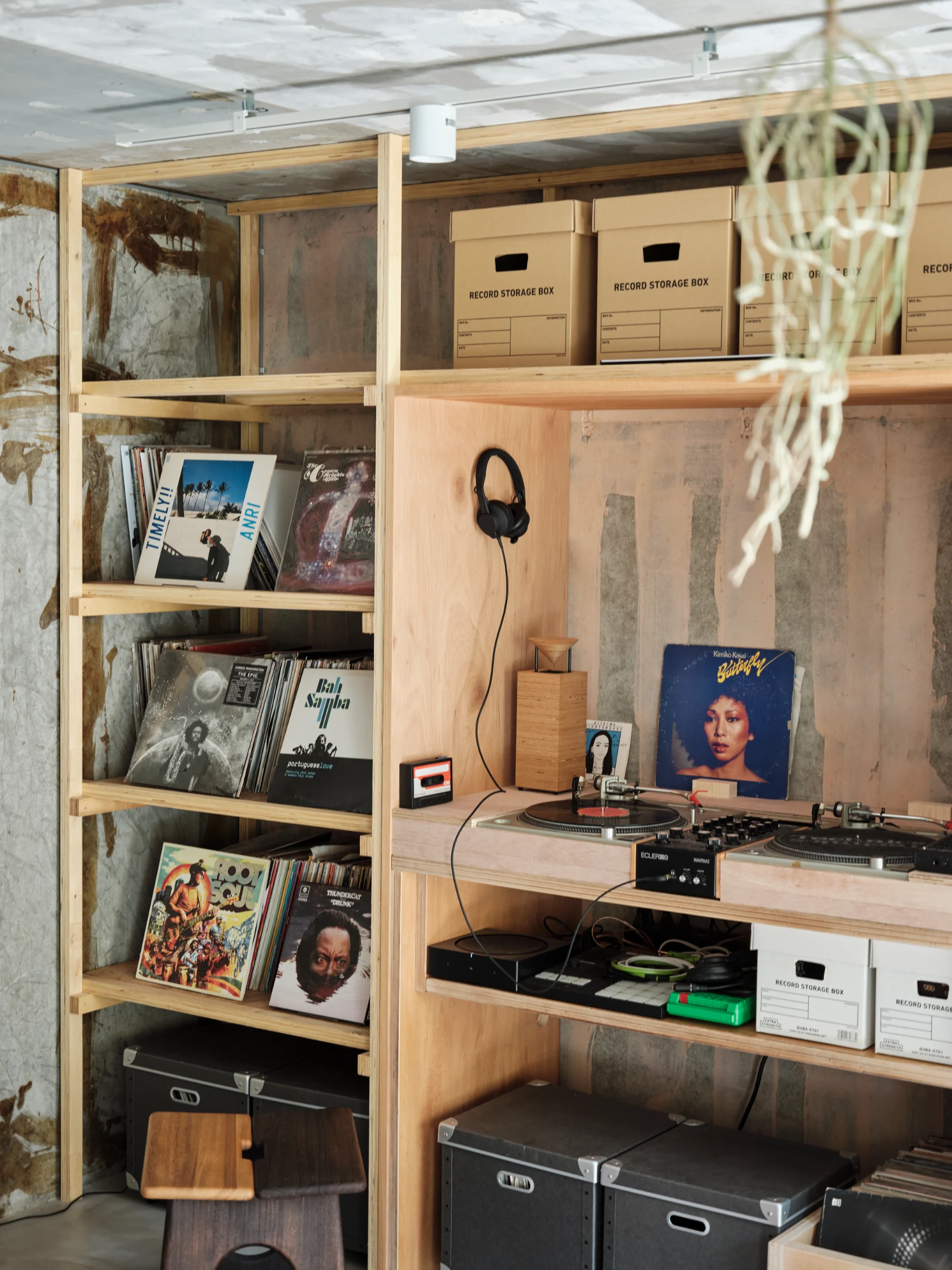
"It took six years to find my first house," Toyota later said. "I thought, if we could provide a matching service, more akiya could be saved." Toyota now runs a non-profit (known locally as Aki-P) that matches abandoned houses with interested buyers. To date, Aki-P has helped renovate over 150 houses, leaving behind a trail of delightful new ventures: an international guesthouse, a school house-style café, a creative shopping mall with an independent record store and an old book store. It has even renovated an abandoned banquet hall, formerly used to host weddings. The project has brought creatives, new residents, and tourists back to town. Toyota, used to entering abandoned akiyas and finding 20-year-old eggs in the fridge, takes pleasure in this transformation: "Travellers' positive comments help people here take pride in Onomichi."

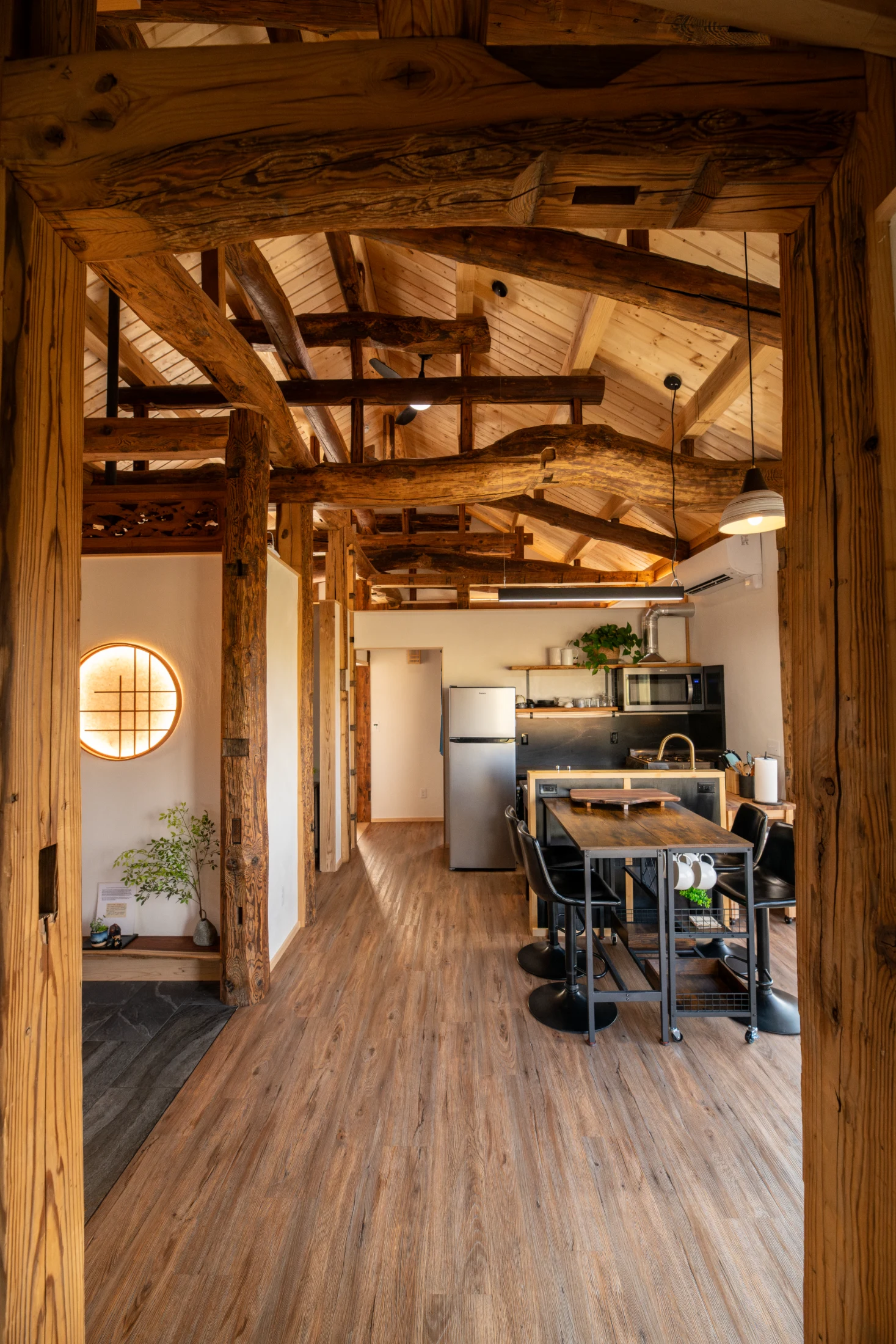
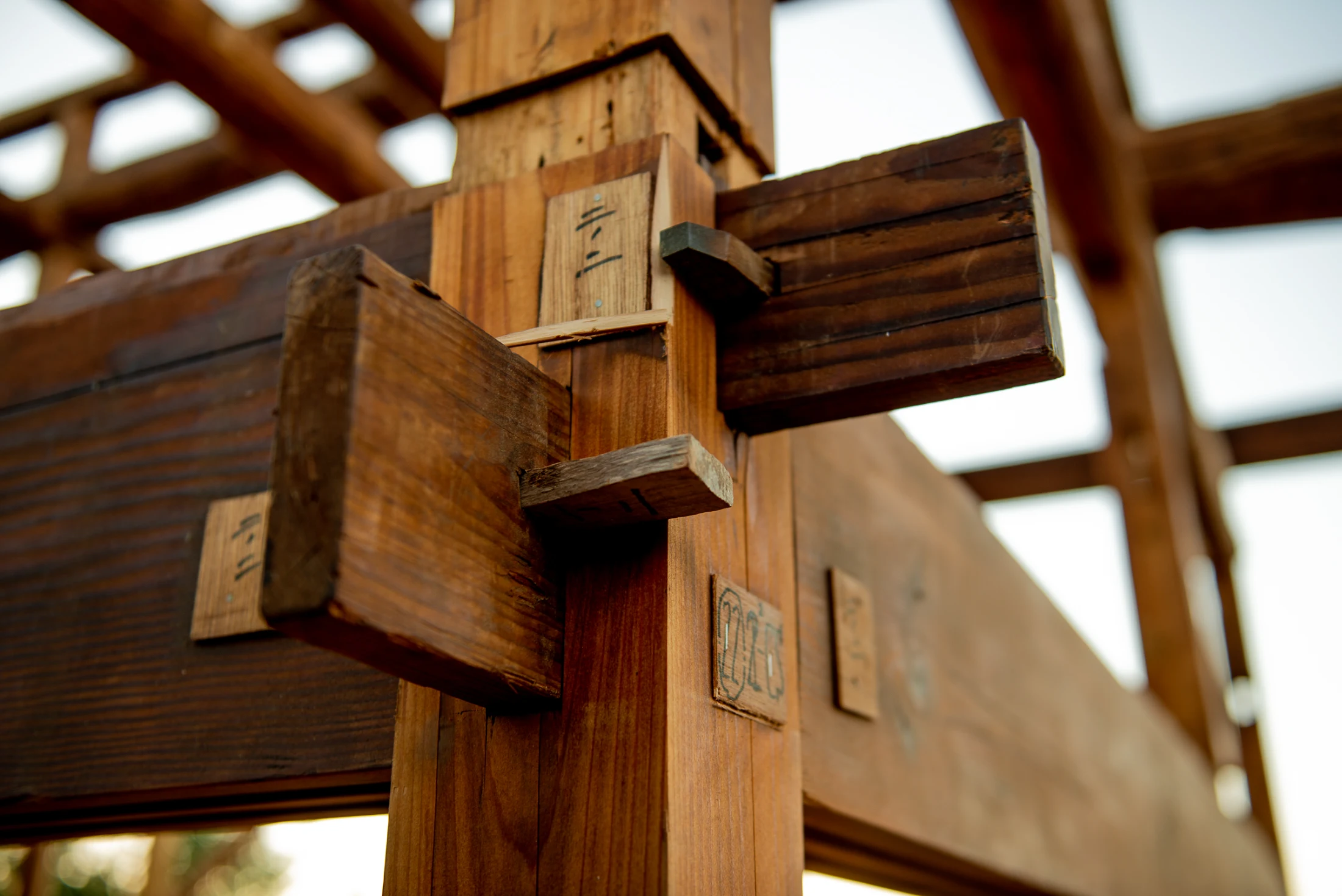
The issue with akiyas is often their location – sometimes far from roads and shops, let alone well-paying jobs. Moving into one can be such a logistical feat that a specialist company now offers to move one to you instead. Master carpenters Toda Komuten have long worked to preserve the traditional kominka houses of their Okumikawa region. Accidentally, they discovered that disassembling and reassembling a kominka was an excellent way to train apprentices in traditional carpentry. Today, through their Kominka Collective project, Toda Komuten offers to deliver a traditional Japanese house to you anywhere in the world. The house is carefully taken apart, each beam and post numbered, then polished and repaired in the workshop, and finally packed into crates and shipped. The houses are even refitted to have state-of-the-art energy efficiency when rebuilt. While Toda Komuten admit that relocating traditional houses may not help the depopulating towns of regional Japan, they do add: "[I]f an old house – filled with the skills and thoughts of the carpenters of the past – is simply left to decay, then it may be an option to have someone who understands its value take it over. To us, this seems like a good idea."

But even big Japanese cities are aflush with empty homes in need of a refresh. These are less likely to be charming timber cottages than prefabricated mass housing – the sort of hope-deflating homes one sees on Before & After. And here is where the most remarkable transformation is taking place – fuelled by the changing values of the younger Japanese.

Unlike their post-war baby boomer parents, Japan's so-called "enlightened generation," raised in an economic crisis, values community, sharing and clever reuse over flashy brand new goods. Take Hirohiko Urata. "I didn't particularly want to live in a newly built house," Urata told Quartz in 2015. "I feel that when you move into a brand new place, it can only deteriorate from there."

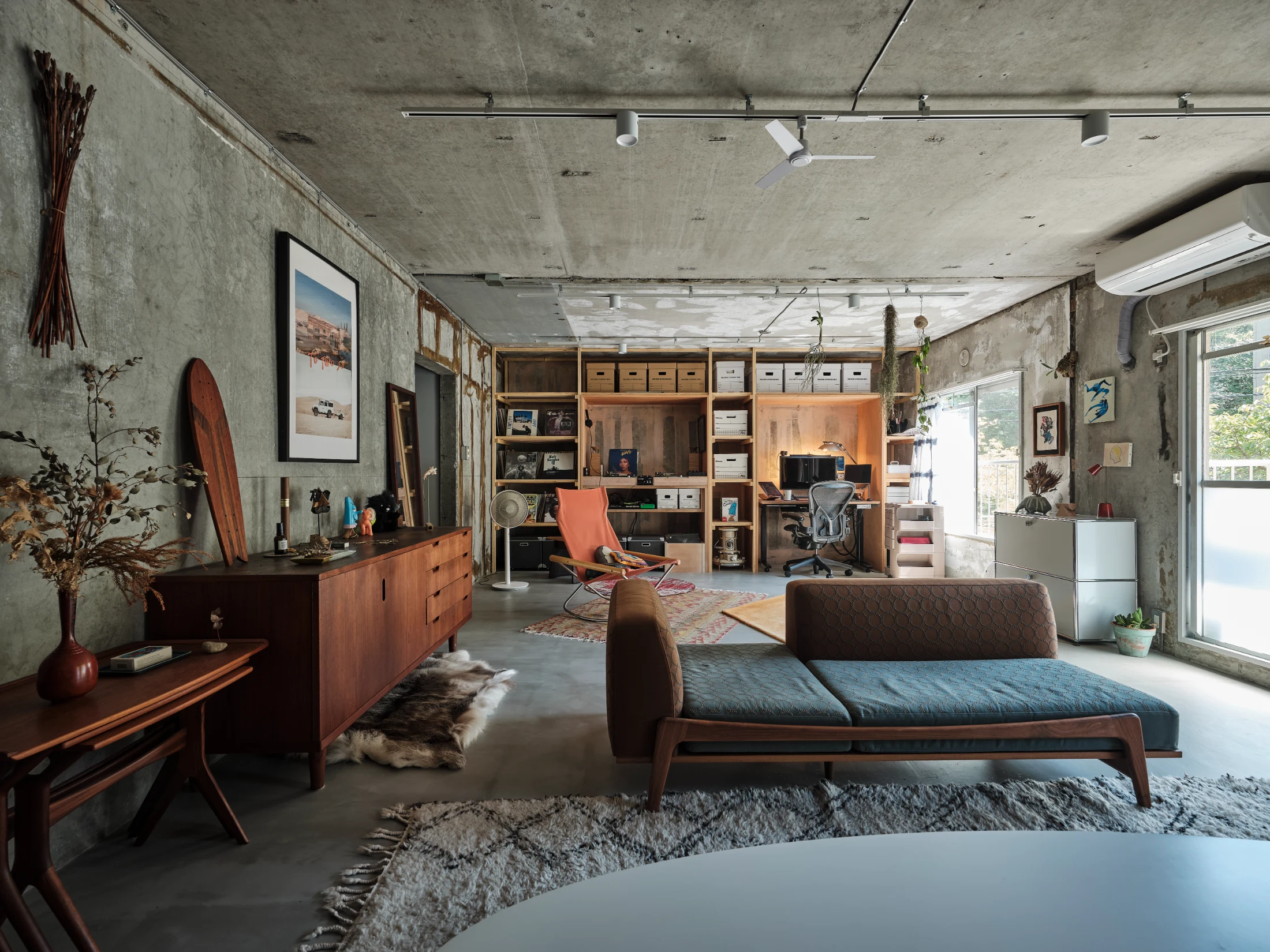
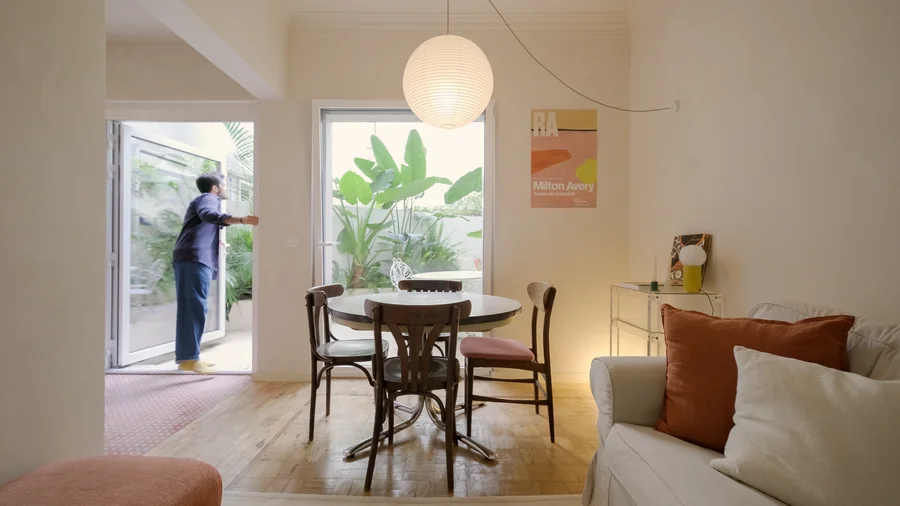
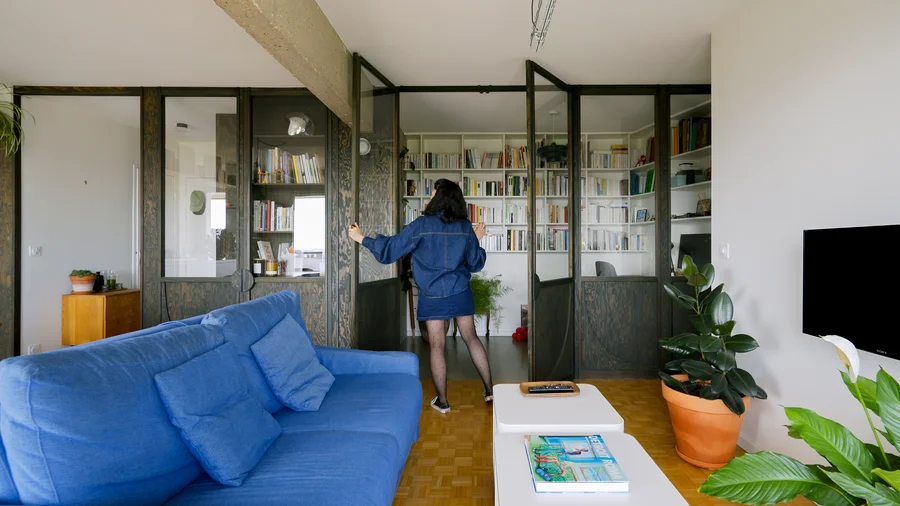
In fact, Urata moved into a refurbished 1950s apartment, developed in a remarkable new partnership between MUJI and Japan's public housing agency. Faced with a shrinking clientele and 760,000 dilapidating apartments in its portfolio, the agency rebranded itself as the Urban Renaissance (UR) Agency in 2004 and refocused from building to renovating. MUJI came on board, ripping out interior walls and dividers, joining small rooms into bright open-plan spaces, installing durable fixtures but leaving many of the original mid-century features in place, and in the process creating minimalist, functional apartments that rented at below-market rates.

Once seen as unsafe and poorly designed, these public housing units have become a hit. Urata's south-facing modernist block, generously set back and with views of communal gardens, gets ample sunlight and cross-ventilation – a luxury rarely found in Tokyo's cramped commercial developments. "Many of my friends come over because it's easier to relax here," Urata told Quartz.

As the collaboration continues, MUJI is moving beyond single apartments to redesign entire public housing estates. The first iteration aimed to bring young people back into public housing, says Teruhito Toyoda, senior architect at MUJI House. Now, he says, MUJI wants to help "those young residents form a community with existing elderly residents." To see to that, MUJI is redesigning public plazas, revitalising shopping streets, planting gardens and installing benches, and building events' spaces and shared kitchens.

Indeed, in a society where more than 50 percent of households comprise a single person, shared and community-oriented living has become a new trend – and a welcome corrective to the mass of depressing single-room apartments in major cities. A market niche has developed for imaginative designer-developers, such as architect Ryuji Fujimura or company ReBITA, who sensitively renovate older homes, apartment buildings, and even offices, for a variety of new lifestyles. Fujimura has turned a four-bedder in suburban Tokyo into a shared home for four individuals, and an elementary school into accommodation with a restaurant. ReBITA's offer ranges from co-living for younger people, to community-centred buildings where small apartments are complemented with ample communal gardens, to straightforward apartments for sale – all in sensitively refurbished buildings.

The most interesting start-up to emerge may be Kariage, the side business of renovation specialist architecture studio Roovice. Founded by Nobuyuki Fukui in the global financial crisis, Kariage specialises in renovating and subleasing difficult akiyas – hard to upgrade, maintain, or sell – renovating them at its own expense, and then renting them out for seven or eight years before returning them to the owner. When Kariage started in 2015, it took a while to convince the owners. "A lot of people thought that after I renovated the space, I would just end up taking their whole house away from them," Fukui told Tokyo Weekender in 2023. But today, Kariage renovates 10-20 spaces a year across an eclectic portfolio.

What all these projects have in common is that buildings that until recently would have been demolished without a second thought are now lovingly restored and updated for the 21st-century needs – and at a fraction of the price of building new. It points to a profound generational change in values.

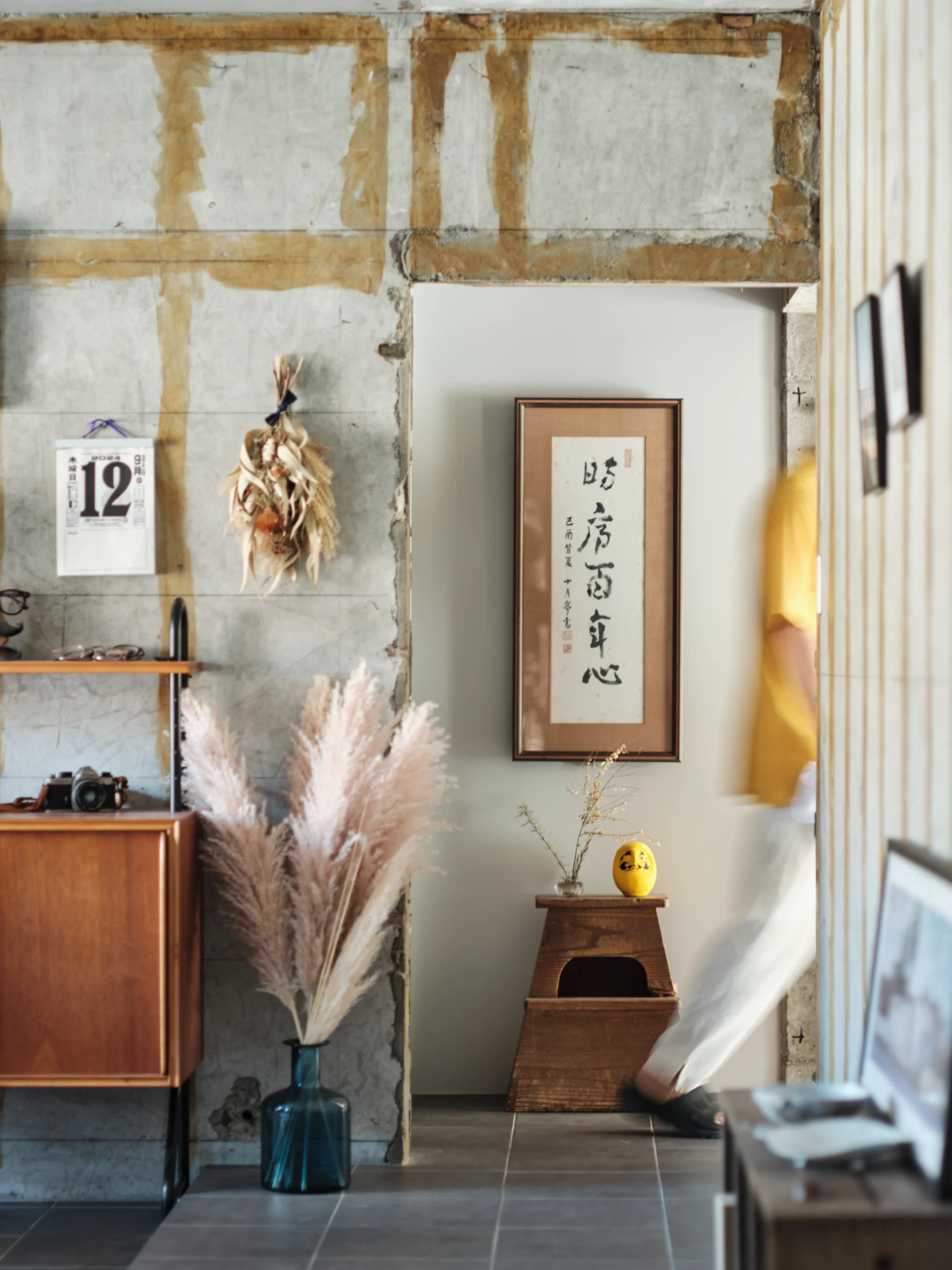
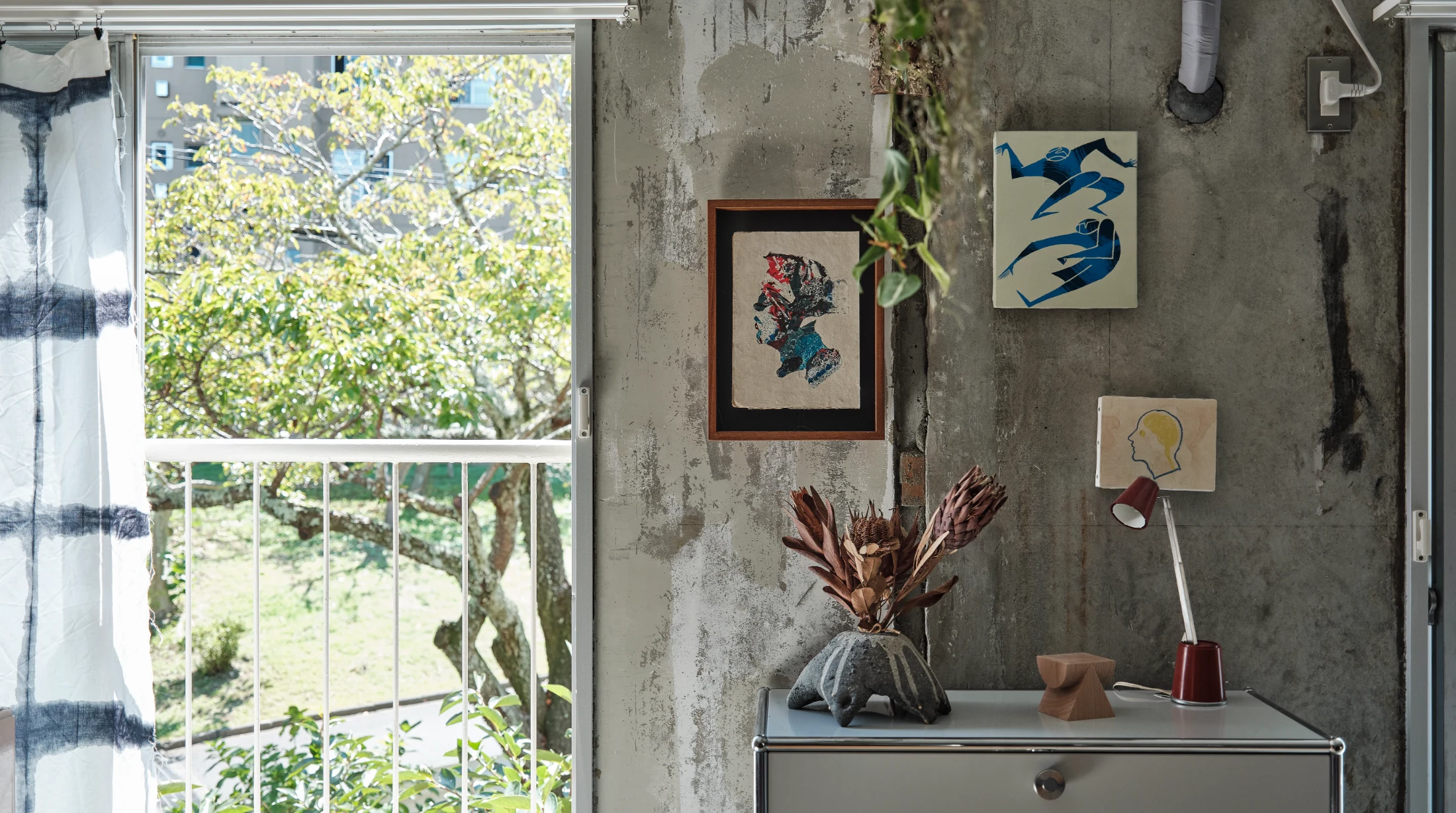
They may lack the pizzazz of a brand new home, but Japan’s young generation is discovering there is a lot to like in older buildings: from their often generous size and well-designed layouts, to the layered patina of another era. “Our ‘old’ is their ‘new’,” says Fukui. “There is newness in nostalgia.”

The radically inventive jutaku houses are a brilliant response to a set of limitations: tiny and awkwardly-shaped plots in large cities, caused by inheritance division, paired with very loose building regulations and no concern for resale value. But they are an individualistic response: a cocoon for a single family, or even a single individual. Something else is being achieved with Japan's renovation revolution: a renewed sense of connection to the past, to the neighbourhood, and to community.

"I felt guilty about tearing down something new just because I didn't like the design, and it's not good for the environment," says one of the ReBITA residents, who ended up moving into a 37sqm apartment, but with a 37sqm garden and access to plenty of community facilities. Like many, his initial scepticism has turned into an appreciation of thoughtful, practical design, and the more connected lifestyle his new home encourages. "It's reassuring to know that there are many people in the neighborhood who I can have a casual conversation with. It feels like my world has expanded."

Writing:
Writing:
Jana Perković
Photography:
Photography:
Back to Top
Arrow UpArrow Up
Top
Arrow UpArrow Up
The After shot of the Floorplan
Before
before
after
After
Businesses featured in this project
No items found.
Products featured in this project
No items found.
Magazine Current IssueMagazine Current Issue
Writing:
Writing:
Jana Perković
Photography:
Photography:
Back to Top
Arrow UpArrow Up