
Magazine Current IssueMagazine Current Issue
A Hungry Curiosity
A Hungry Curiosity
From our Mag
February 1, 2025

A Hungry Curiosity

Innovation, reinvention and curiosity fueled the six-decade-long career of the late and great architect and designer, Gaetano Pesce.

In appreciation of the late (and wild) Gaetano Pesce.

Writing:
James Shackell
Writing:
Photography:
Photography:
No items found.
Magazine Current IssueMagazine Current Issue
The After shot of the Floorplan
Before
before
after
After
Top
Arrow UpArrow Up

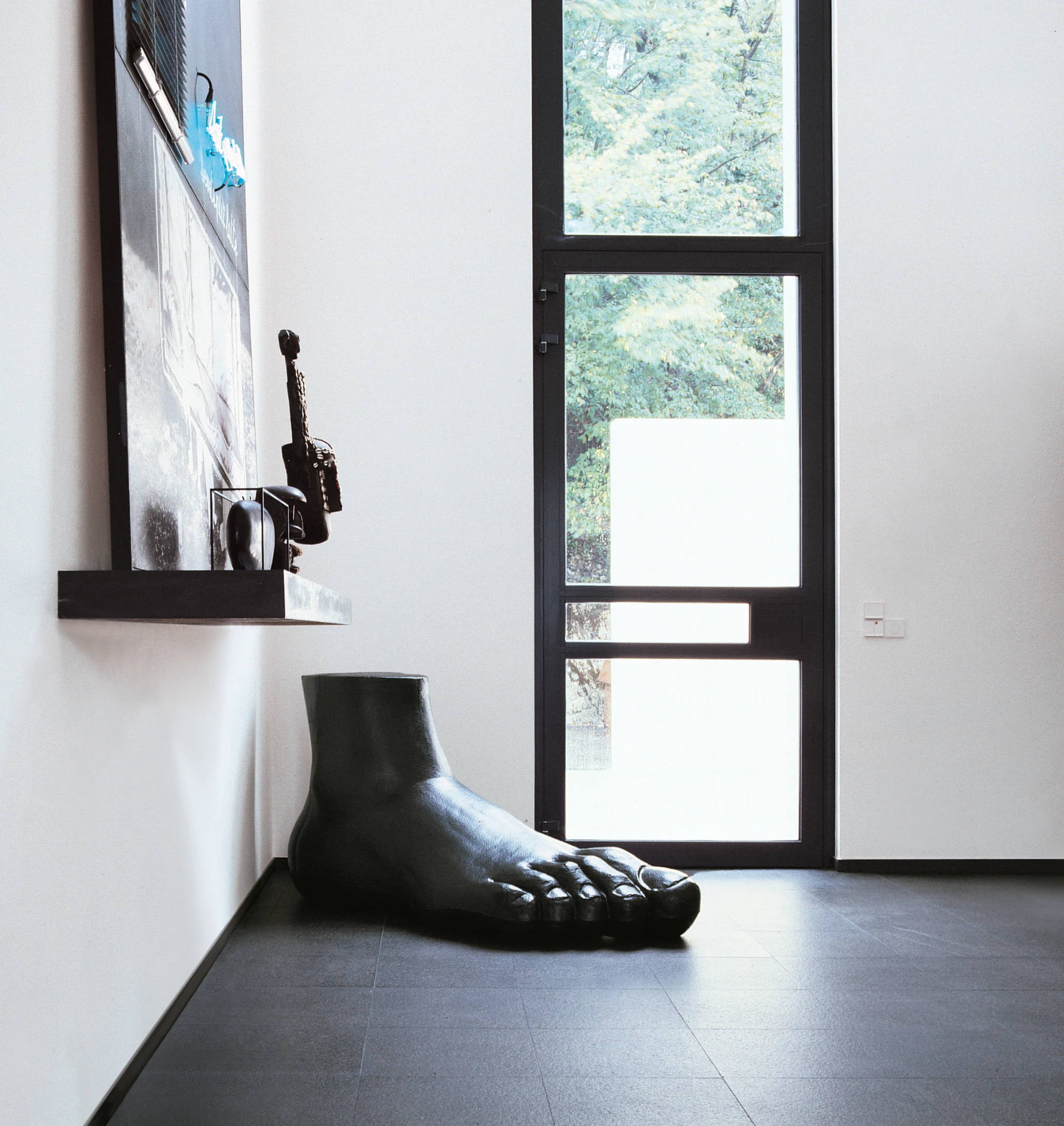
In 1968, legendary Italian architect-cum-industrial-designer-cum-sculptor-cum-artist Gaetano Pesce built a foot. And not just any foot. ‘Il Piede (Up 7)’, as it became known, was the last object in the artist’s famous Up Series.

Inspired by Constantine's severed marble feet in Rome's Capitoline Museum, and measuring over 1.6 metres long from heel to toe, Il Piede was made by pouring reactive polyurethane into a giant mould, which expanded to fill the shape. The surface was then treated with a dyed polyurethane elastomer, to give it a leather-like finish.

Technically, Il Piede was a chair, although it's hard to picture homo sapiens sitting on it comfortably. The foot, like pretty much all of Up, was more of a statement than a functional piece. And that was just fine by Pesce – he always thought that 'form follows function' was restrictive and dumb. Form was fun. Form was the whole freaking point.

"Why is [Il Piede] important? Because it's a tribute to that part of the body that allowed us to go on," he told GQ in 2022. "It's very difficult with a foot to go back. So it's a symbol of advancing… going… crossing."

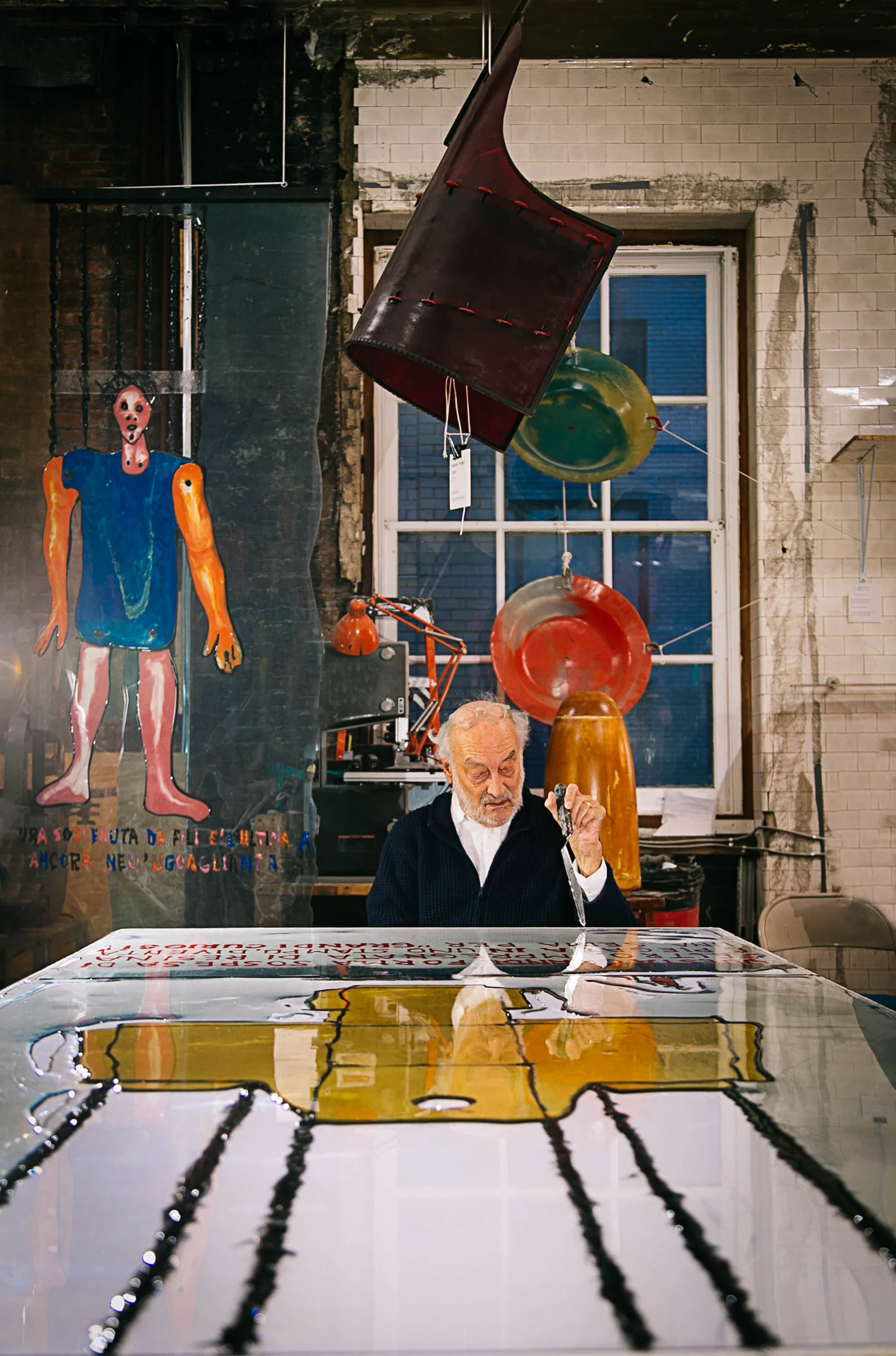
On the 3rd of April, 2024, Gaetano Pesce died of a stroke. He was 84 years old. Looking back at his career, which spanned eight decades and covered pretty much every genre and medium known to science, it's hard to squeeze him into any particular category. And that makes sense. It was this talent for defying categorisation that made Pesce's work so iconic. He's a difficult man to eulogise because, like, where to even start? As Pesce himself noted, "My career is not monolithic, but fragmentary."

But if you dive into the artist's eclectic back catalogue, a general theme does emerge – one that Il Piede captures perfectly – and that's a firm orientation towards the future. More than perhaps any other artist, Pesce knew where he stood. And which way to face.

"If people don't like the future, they're stupid," Pesce said. What he meant was that the future is basically a blank canvas for human potential and expression. There's nothing there yet. We have to build it. So to not like the future, in Pesce's mind, was evidence of a critical failure of imagination. It was like… hating the sunrise. By labelling rigid thinkers and nostalgia-trapped luddites "stupid", Pesce was ironically advocating for that rarest human quality: open-mindedness.

"If people don't like the future, they're stupid," Pesce said. What he meant was that the future is basically a blank canvas for human potential and expression. There's nothing there yet. We have to build it. So to not like the future, in Pesce's mind, was evidence of a critical failure of imagination.
Gaetano Pesce was born into a world falling apart. A few months before his birth in La Spezia, on the coast of the Ligurian Sea, Germany had invaded Poland. World War II had begun. Pesce's mother was from Venice and his father was a Florentine. This gave the young Pesce a crash course in Italy's two dominant creative forces: the dancing light and colour of Venice, and Florence's obsession with form and technical perfection.

Growing up in post-War Europe, Pesce learned to hate the rigid, geometric rules of modernism. While studying architecture at the University of Venice, he met another design student, Milene Vittore, and together they began to sketch the outlines of a new artistic philosophy.

"At the time, design was about form following function," Pesce said. "For us, this wasn't acceptable. We thought, 'We're young, and we want to see design as an expression'. The idea that design is always very practical: if you design a chair, for example, it needs to be comfortable. But in the meantime, that chair can express meaning. This is the new design, the design of the future."

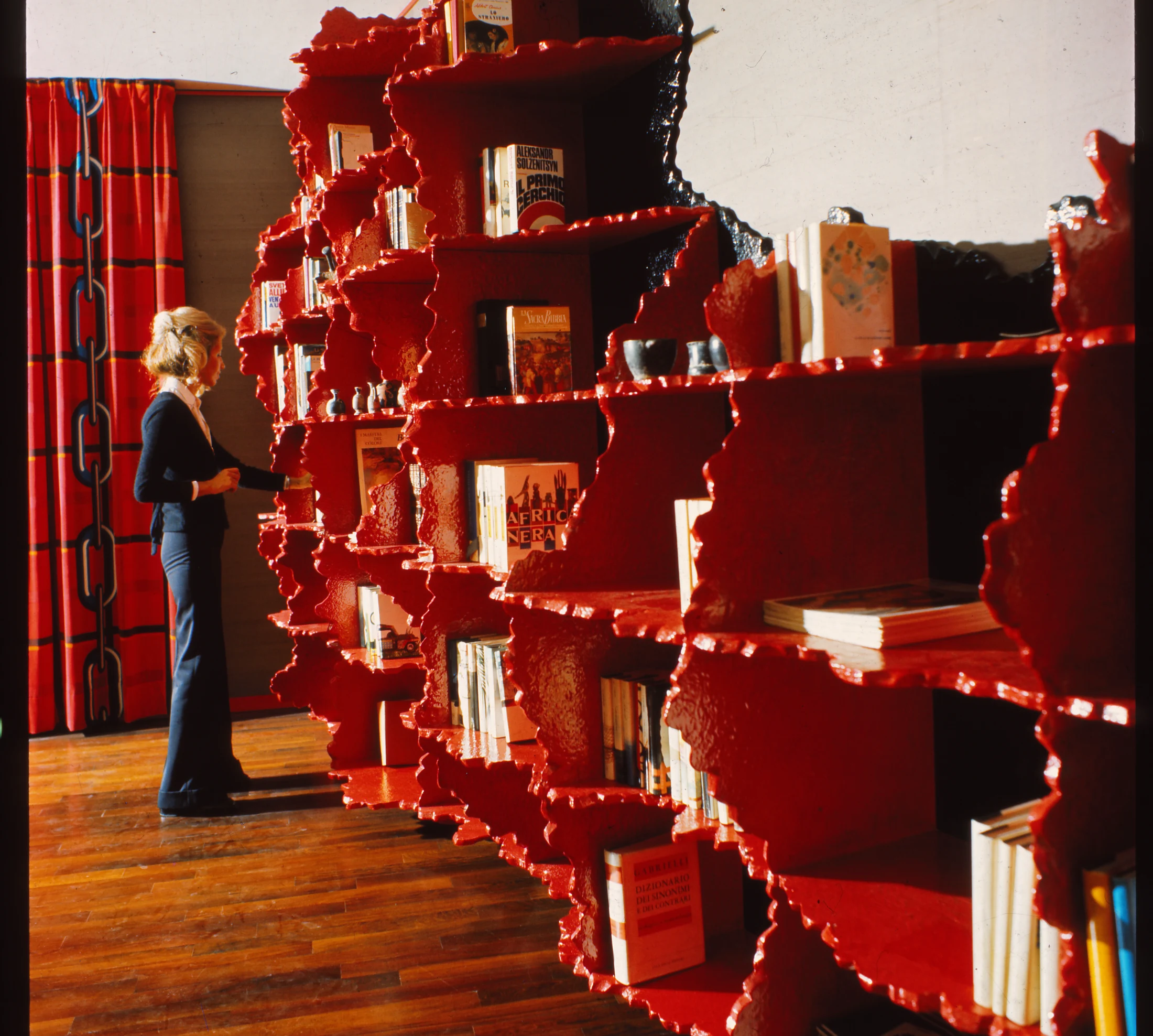
In the 1950s and 1960s, Pesce fell in with the Italian design collective, Gruppo N, joining radical artists like Alberto Bassi and Ennio Chiggio. By the 1970s, he'd established himself as one of the most groundbreaking polymaths in Europe, using organic shapes, colours and odd materials (especially new-fangled plastics and synthetic mediums) to flip modernism on its head. In a world of concrete and straight lines, Pesce moved in curves. And that upset a lot of purists, which was kind of the point.

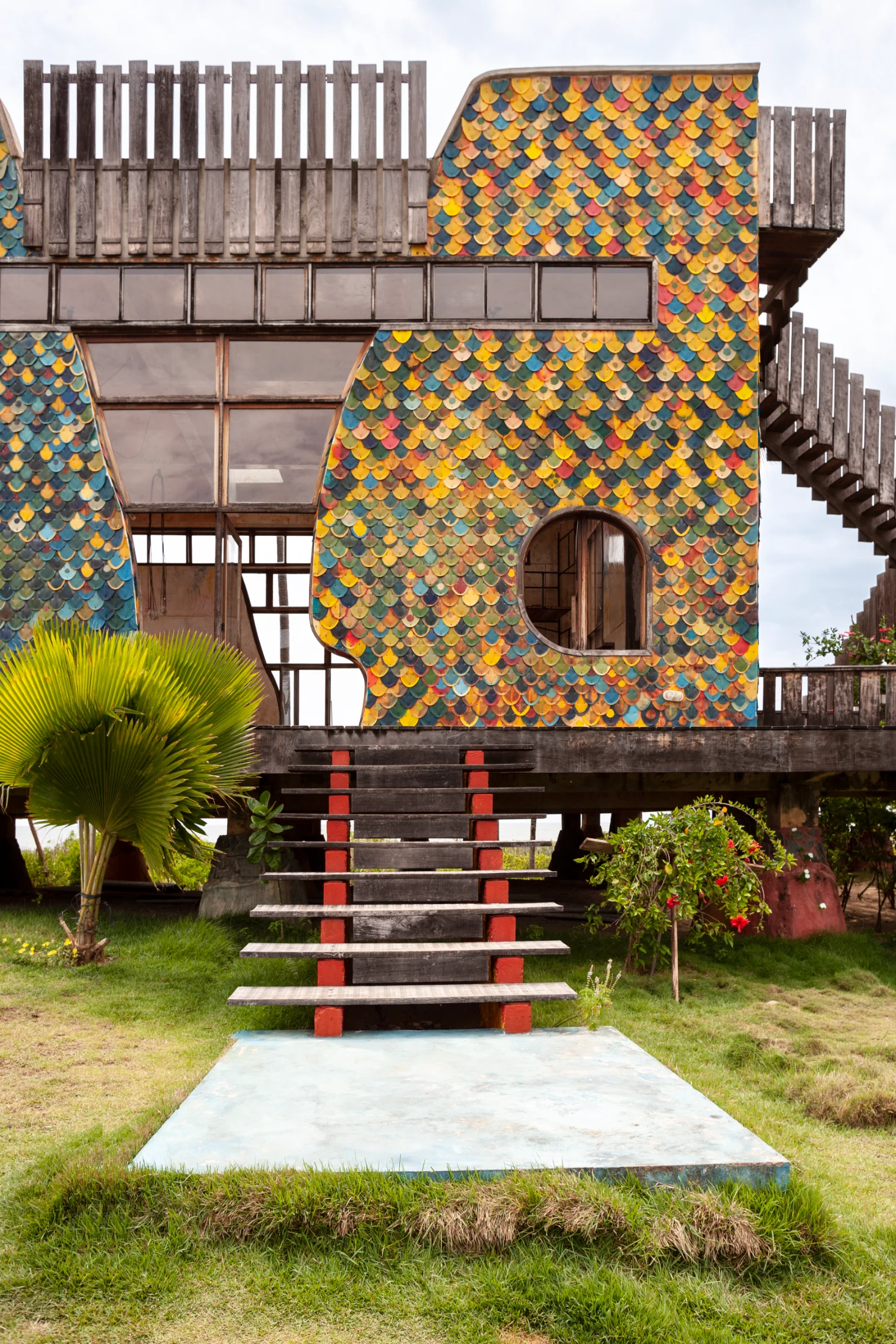
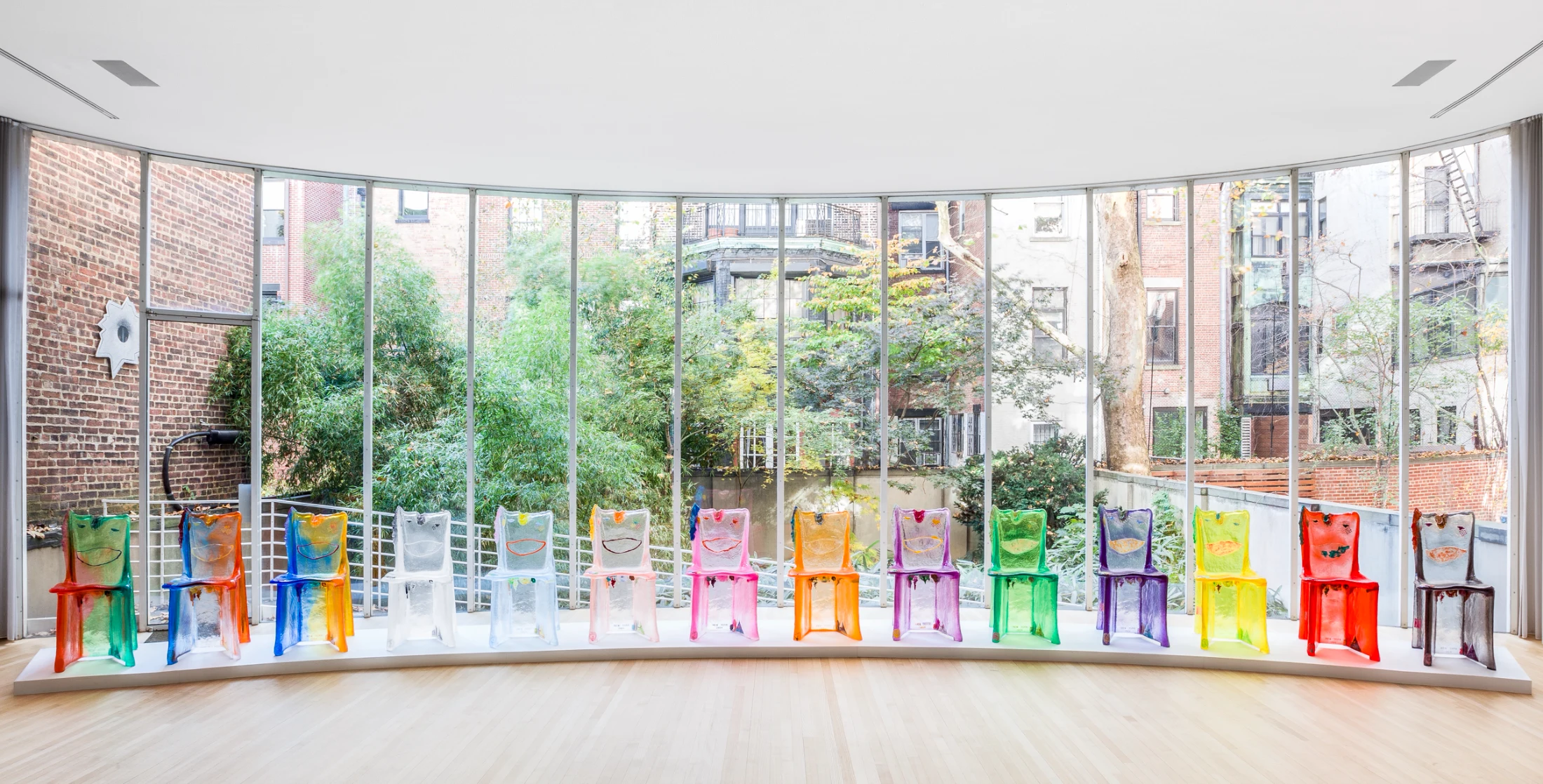
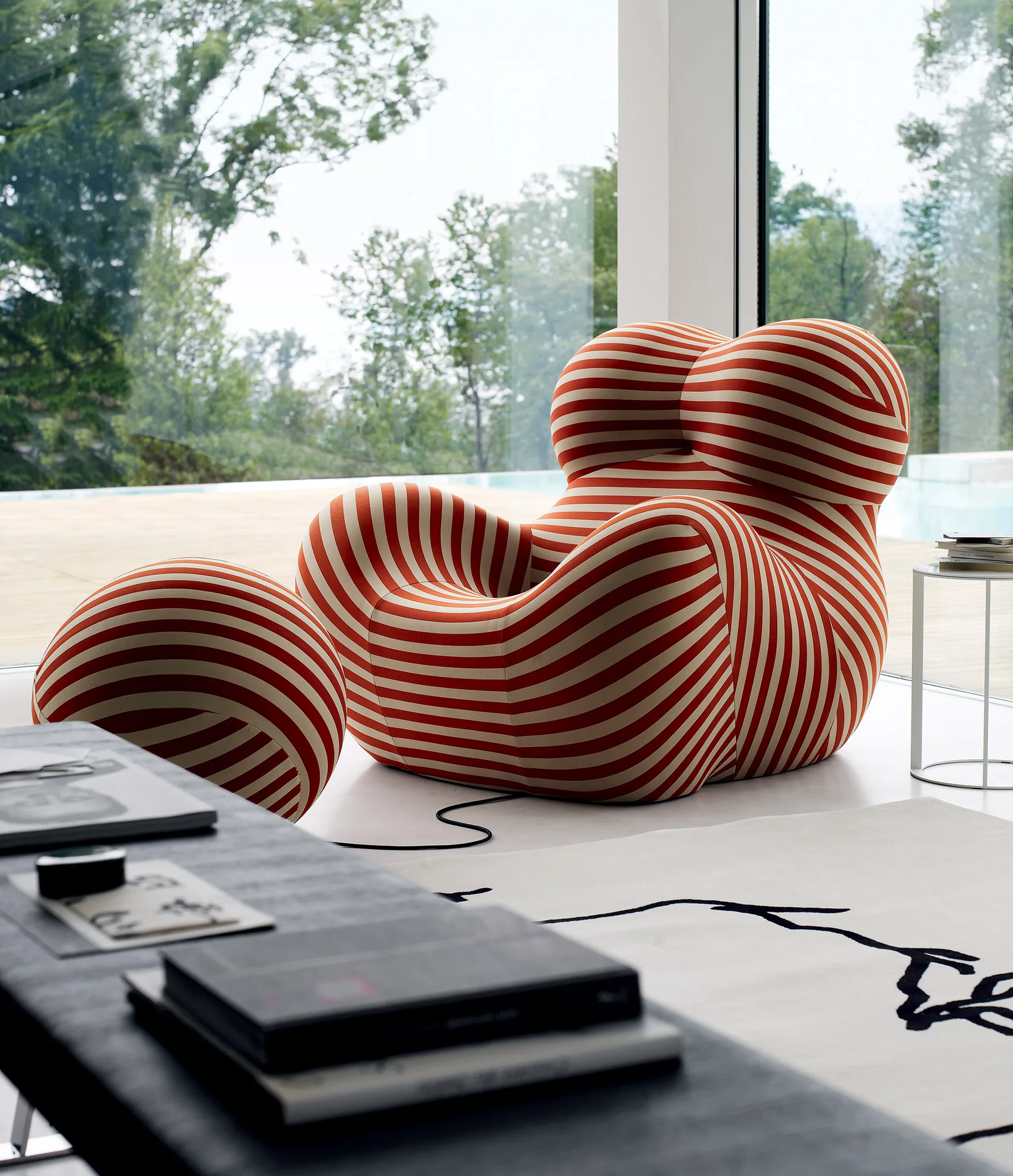
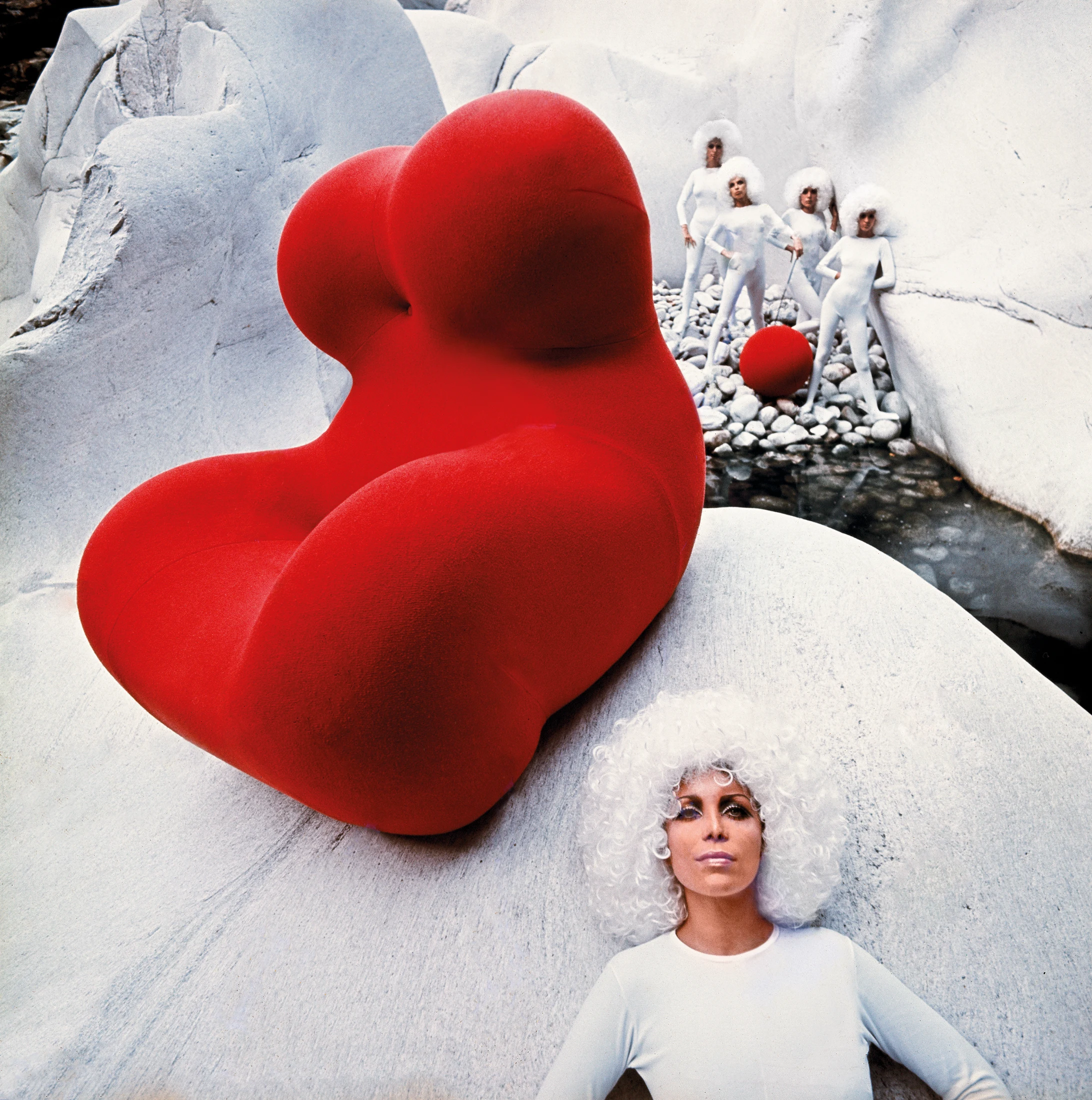
Pesce's works from this period are some of his most influential. His chairs in Up (1969) took the rounded form of a female body, complete with matching 'ball and chain' ottoman – whose symbolism you can figure out for yourself. His 'Organic Building' in Osaka (1993) channelled Hundertwasser's natural style to establish one of the world's first vertical 'green' walls. He designed foam houses in southern Italy, and covered a residence in Brazil with glass fish scales. From industrial design and sculpture to urban planning and architecture, Pesce tried them all, infusing everything he touched with unapologetic mischief.

For 28 years, he also taught architectural design at the Institut National des Sciences Appliquées in Strasbourg, along with stints at the Domus Academy in Milan, City University in Hong Kong, New York's Cooper Union, and Ohio State University. His career was punctuated by periods of hermit-like absence, after which he would return, usually to dominate a completely new medium. Just when critics thought Pesce was due to zig, he'd zag.

"In my life I did strong moments in creativity, and then I disappear," he told GQ. "And then I reappear with another thing, and then disappear, then reappear. Why? Because I have a problem. If I talk too much, I risk to repeat."

For Pesce, originality was the thing. Homogeny and groupthink, the enemy. Art was 'good' to the extent that it was honest and true and had something to say. Creation was an endless struggle against that inevitable drift towards the middle, where every cultural bite tastes the same. "When I was teaching, I would say to the students 'try to be different – don't do what I do'," he once told Hypebeast. "Find your vocabulary, find your language, because each of us inside has a lot to discover."

Interestingly, while Pesce made his name in the latter half of the 20th century, his influence has arguably grown since turning 70. Something not many artists can boast. Writing for Curbed in 2021, Matthew Schneier argued that the world had "finally caught up" with Pesce. He was always an artist ahead of his time, but perhaps now, at the ripe old age of 81, that time had come.

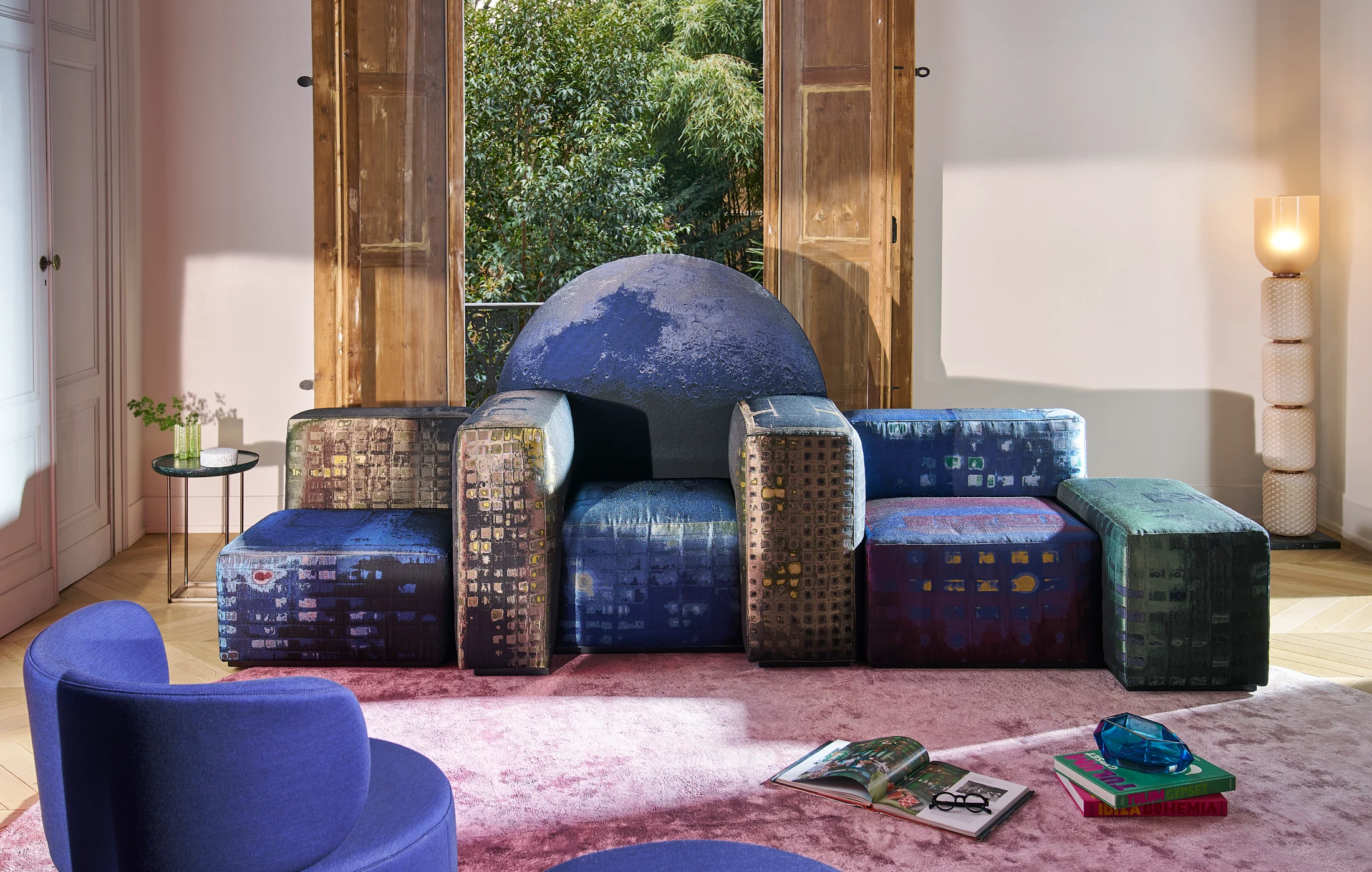
Pop culture icons like KAWS, Urs Fischer and Christine Quinn started collecting Pesce's work, and one of his armchairs featured on the recent Gossip Girl reboot. In 2022, Pesce joined forces with Italian luxury furniture brand Cassina to style Bottega Veneta's Spring/Summer 2023 show. Not even death could stop Pesce: his planned exhibition at Milan's 2024 Design Week went ahead posthumously.

An eight-decade career is usually evidence of a restless mind, and this is arguably true of Pesce, whose ultimate legacy goes way beyond armchairs, or even architecture. "I am curious," he said once, "and I keep giving nutrition to this curiosity."

For Pesce, curiosity was the driving force behind creation, and as long as curiosity endured, he wouldn't – couldn't – stop. He believed if we could just harness that curious energy, plug it right into the grid, there was no limit to what humanity could achieve. "I think that progress is the most important thing we can have," he said. "The future is a beautiful time."

Gaetano Pesce: The Complete Incoherence by Glenn Adamson and published by Phaidon features many of the images that appear in this article as kindly supplied by Phaidon (phaidon.com).

Writing:
James Shackell
Writing:
Photography:
Photography:
Back to Top
Arrow UpArrow Up
Top
Arrow UpArrow Up
The After shot of the Floorplan
Before
before
after
After
Businesses featured in this project
No items found.
Products featured in this project
No items found.
Magazine Current IssueMagazine Current Issue
Writing:
Writing:
Photography:
Photography:
Back to Top
Arrow UpArrow Up