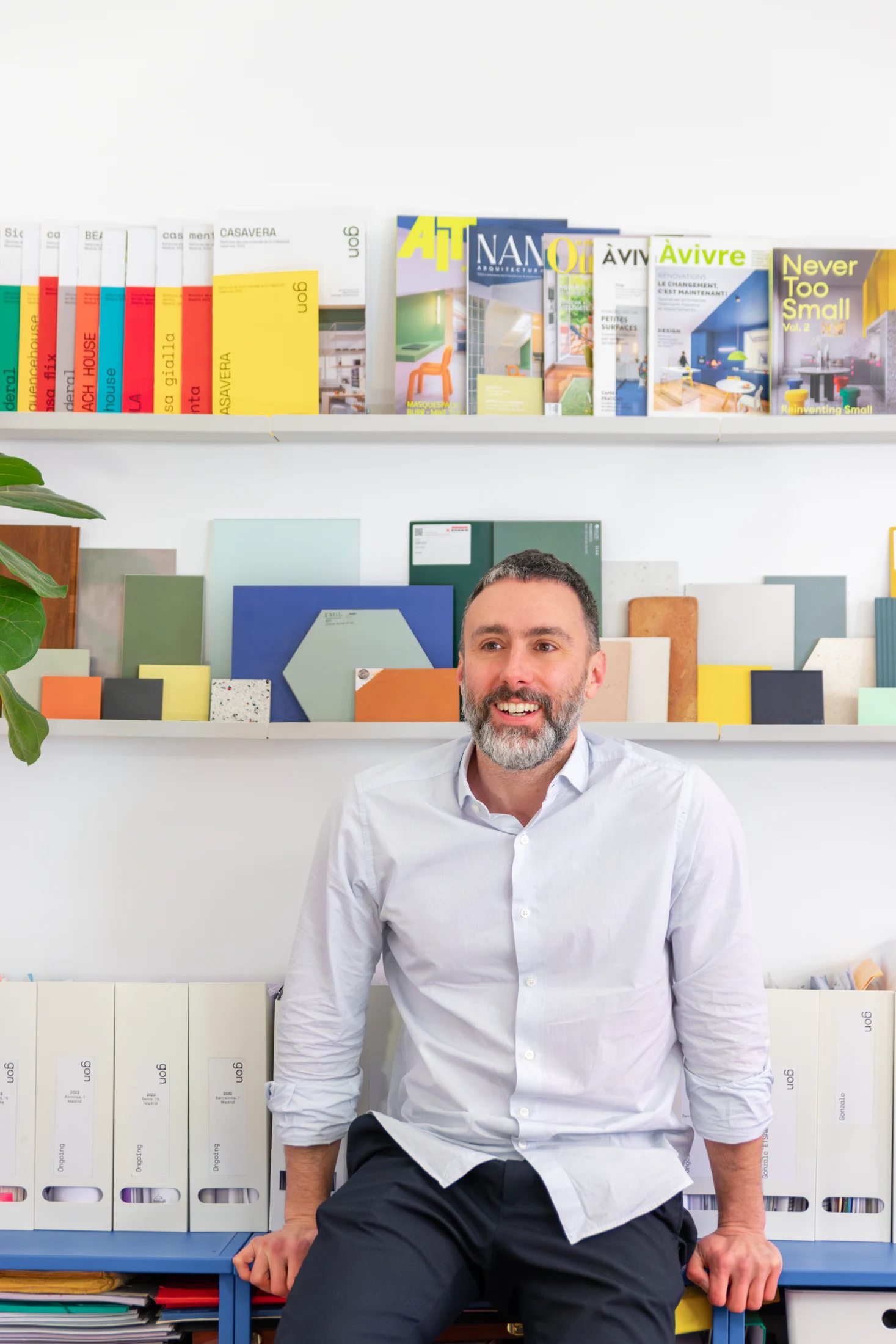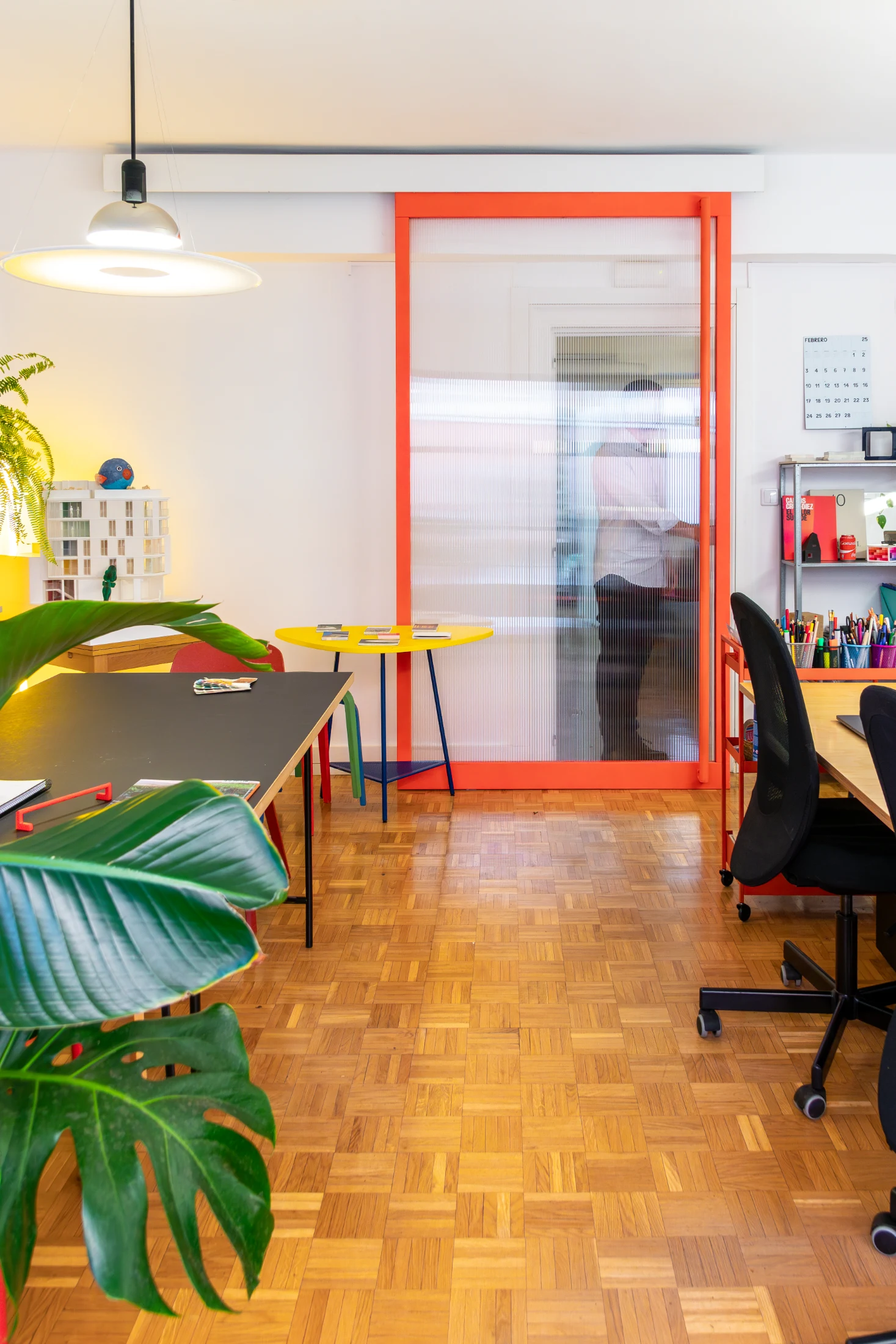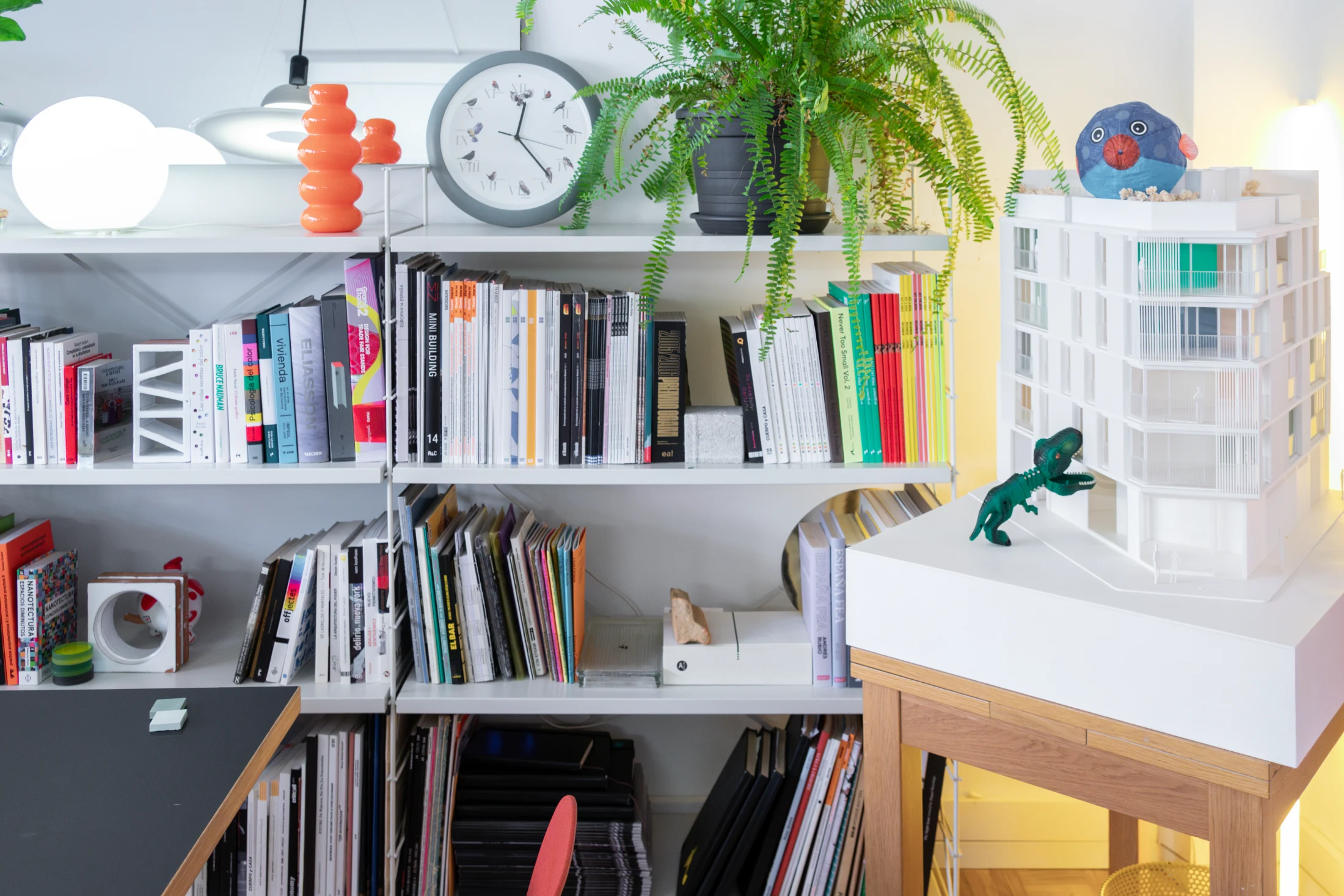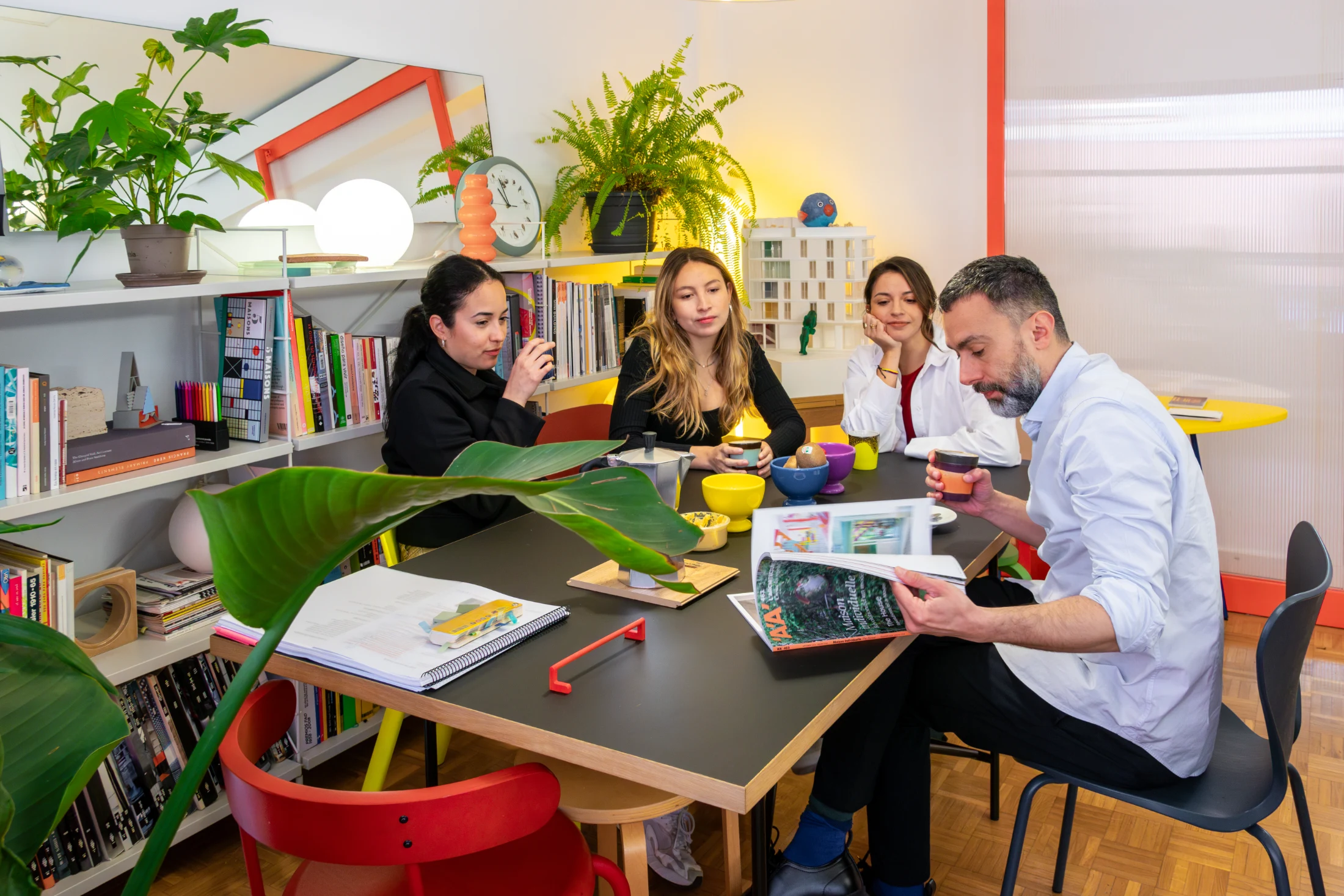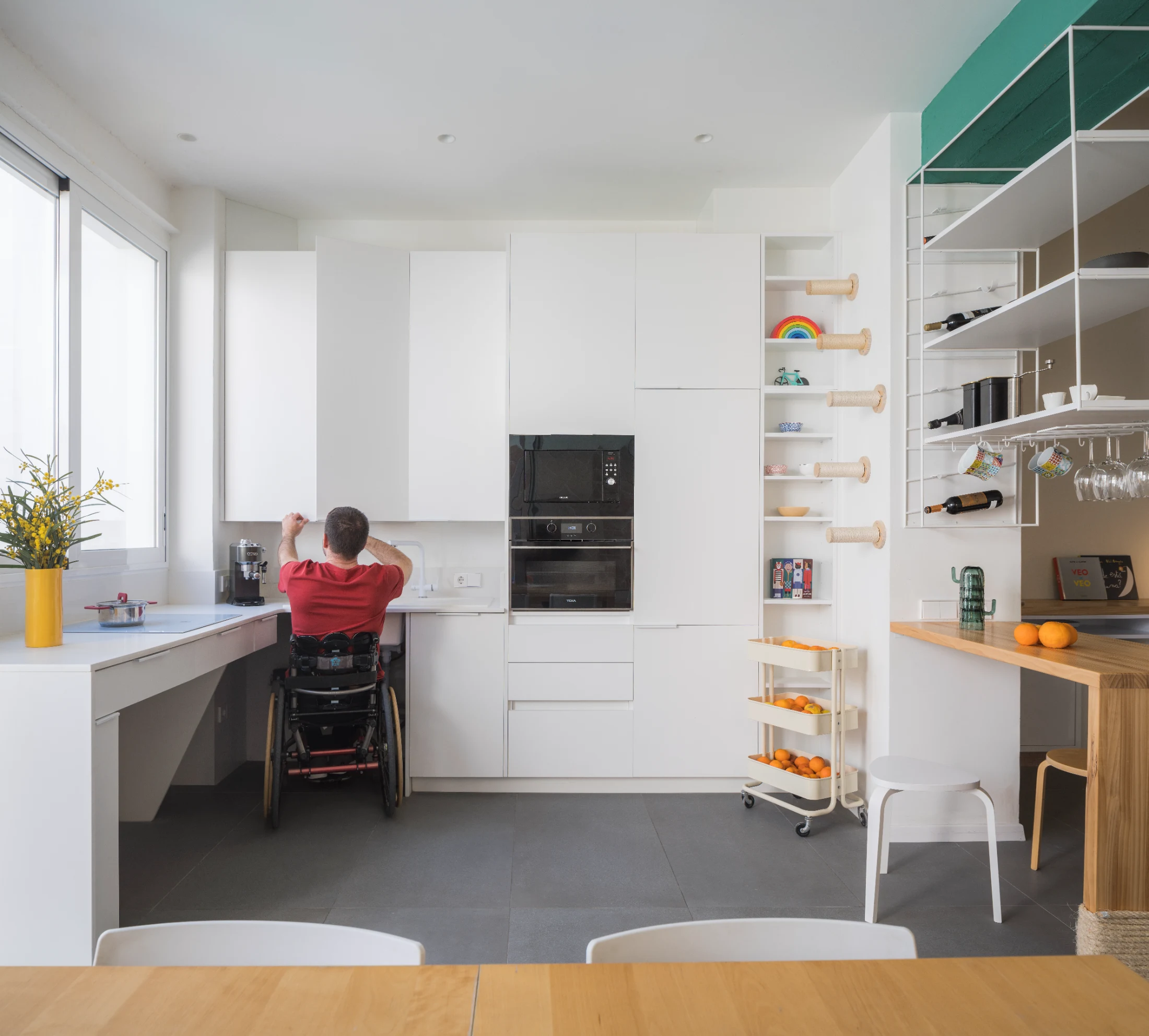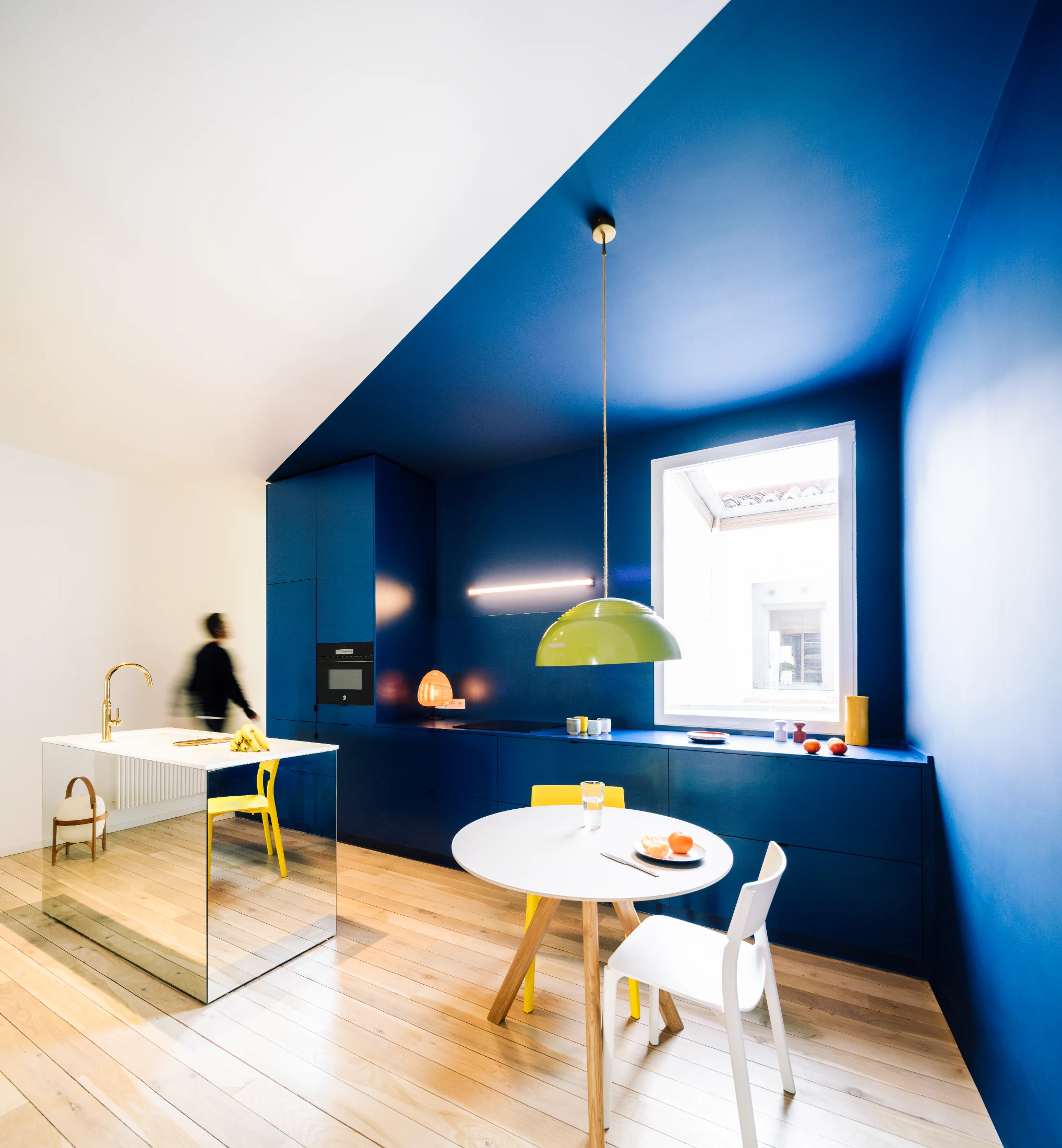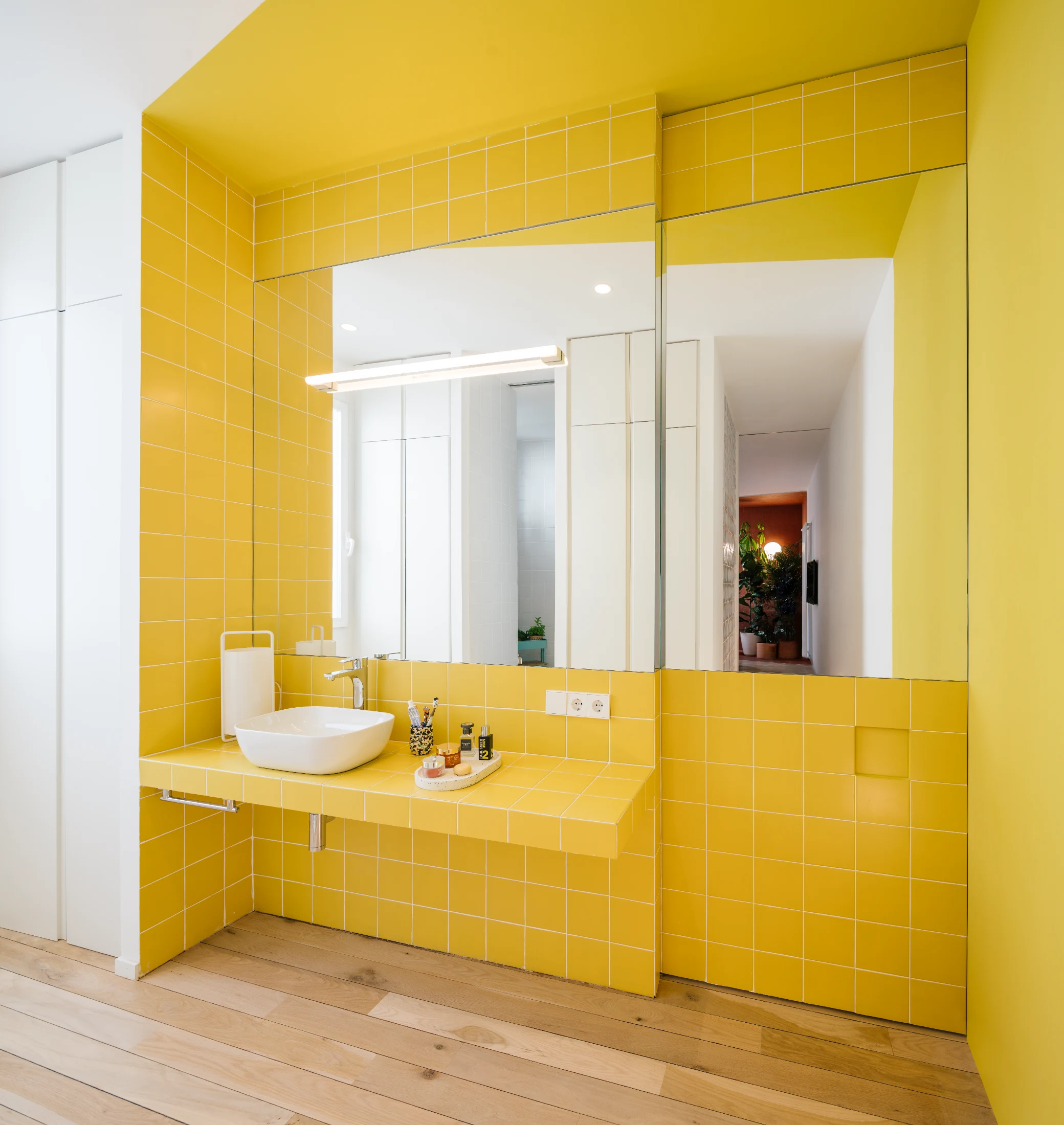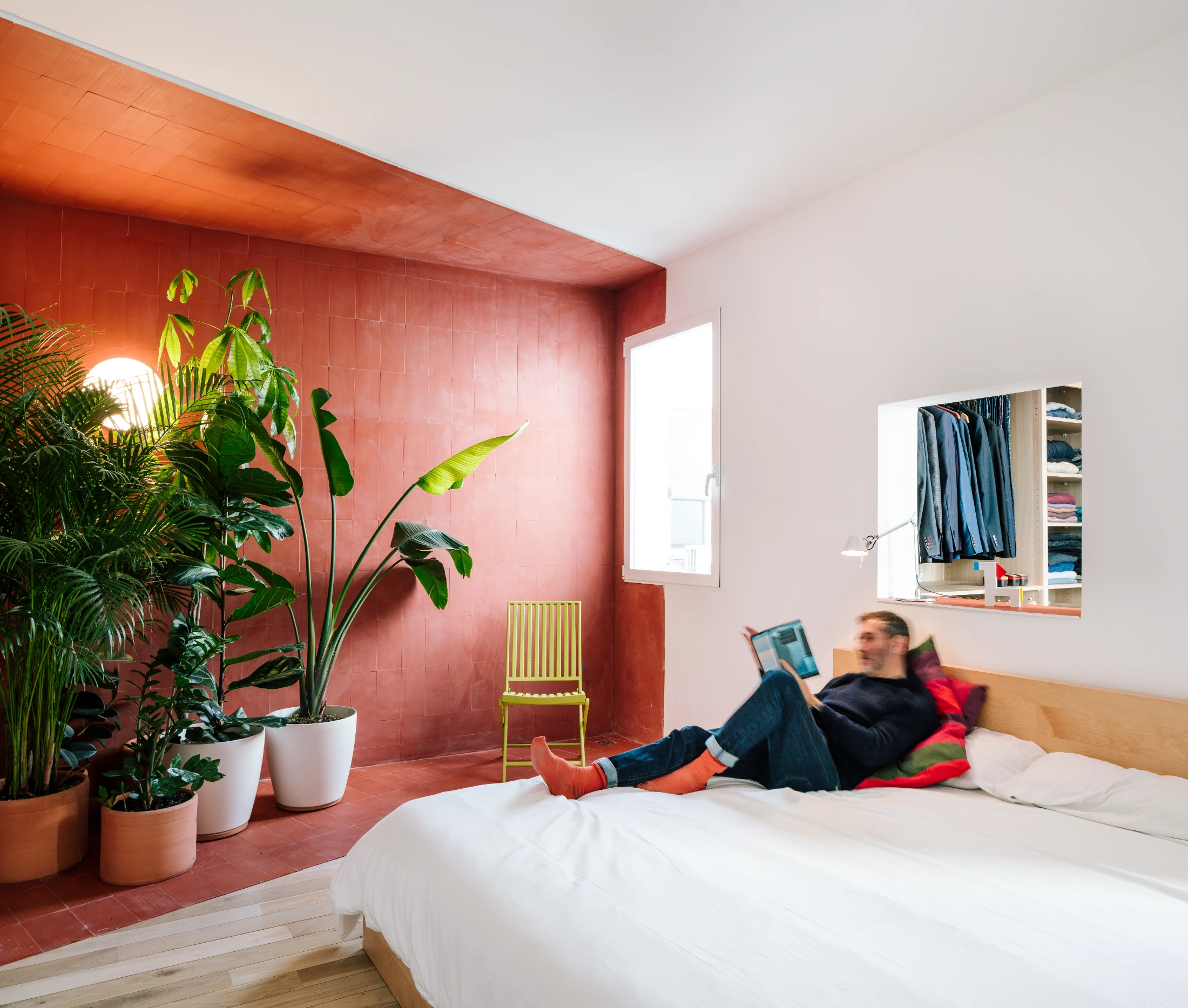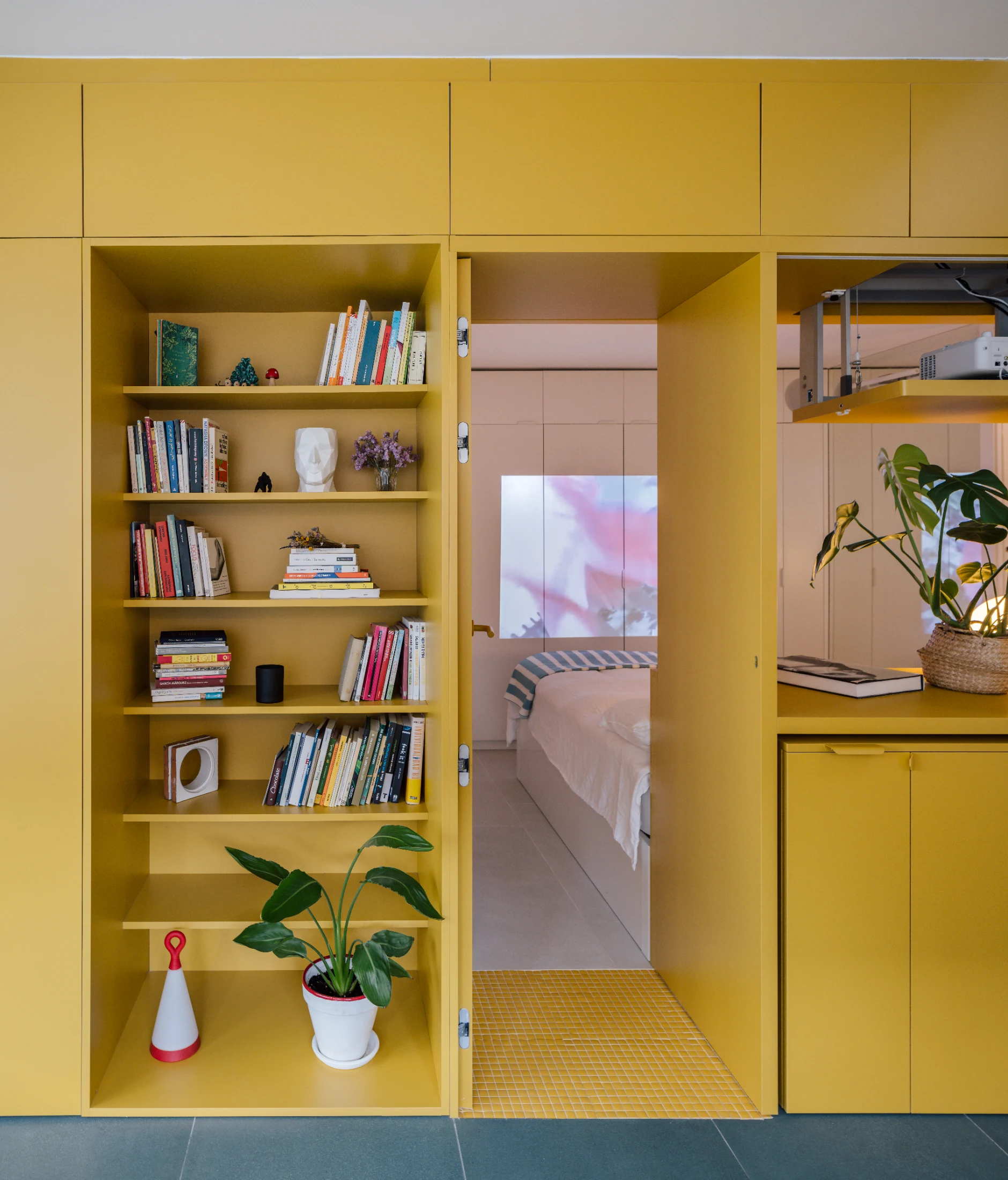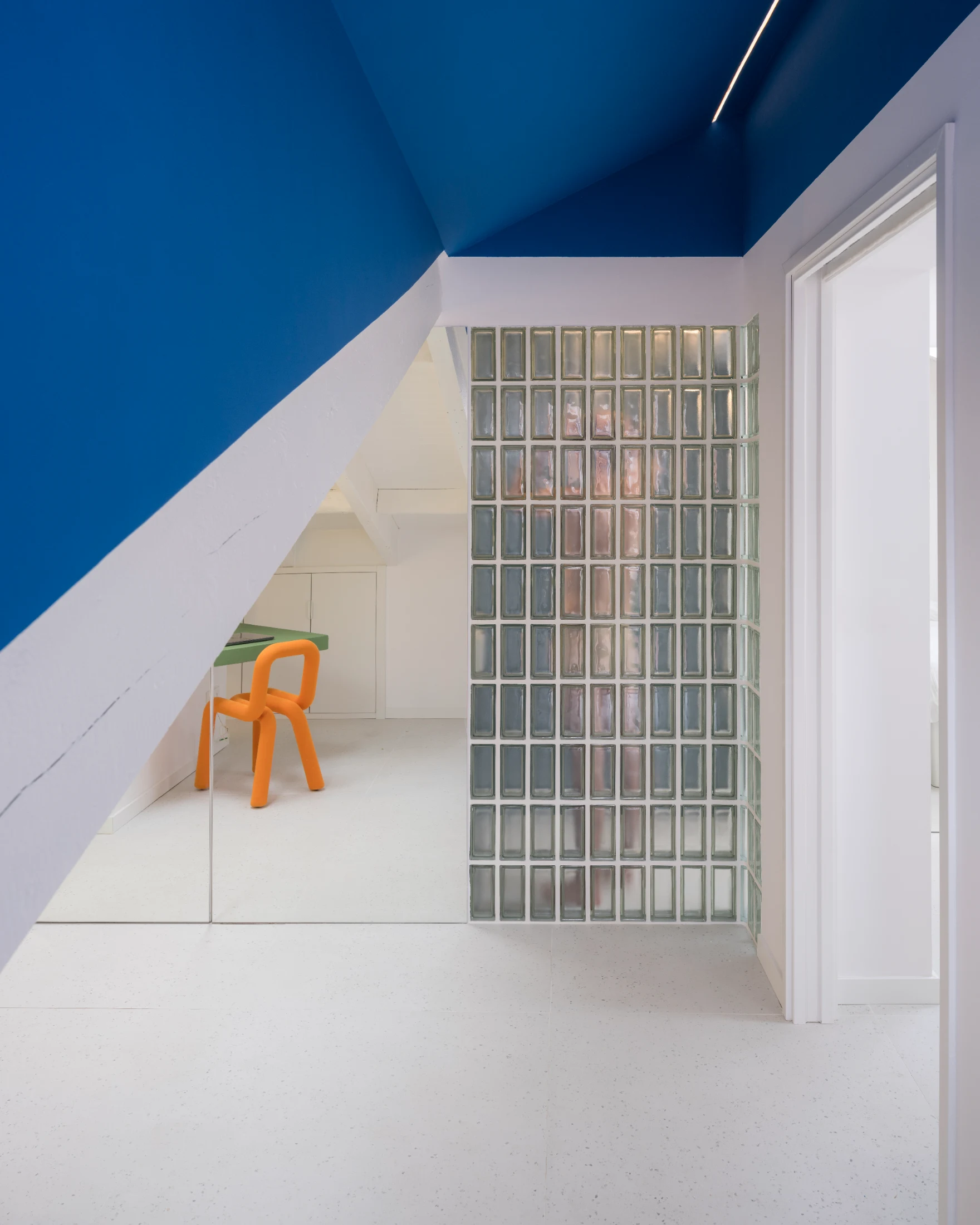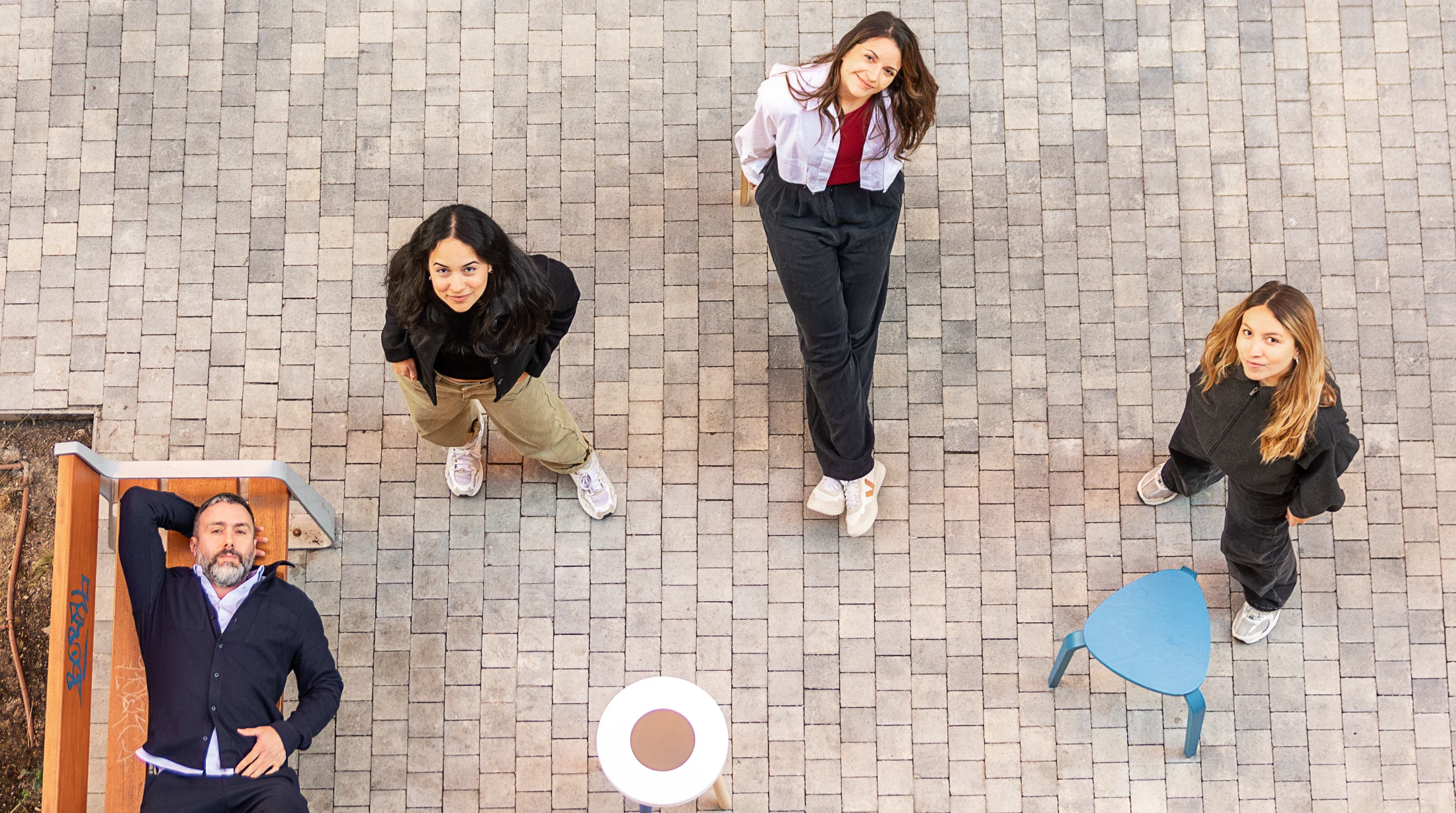



"When I started my doctoral research in 2016," Gonzalo Pardo, the founder of gon architects, tells me, "I wanted to know how we, in developed countries, had arrived at an open-plan kitchen."
Gonzalo was already working on small residential projects. "In a small home, you have to erase, erase, erase, make fast decisions. You have to articulate a house in a very small space. What you take out is more important than what you put in." He was looking at MasterChef and wondering how cooking had become so important. "For example, in Ancient Rome there was no kitchen – just a public surface in the street called tabernae, from which people sold food. In Renaissance villas, the kitchen was in the basement. Then it starts migrating to the centre of the house."
Gonzalo became obsessed with charting how cultures have changed with time, pulling the home along. His award-winning PhD thesis starts in the Paleolithic with the discovery of the fire, and ends with the air-fryer. "Today, the kitchen is often a large, central room, but it's increasingly disconnected from cooking. It has become a room for socialising, enjoying life." As a non-cook, he finds this fascinating: he could easily live in a kitchenless house.
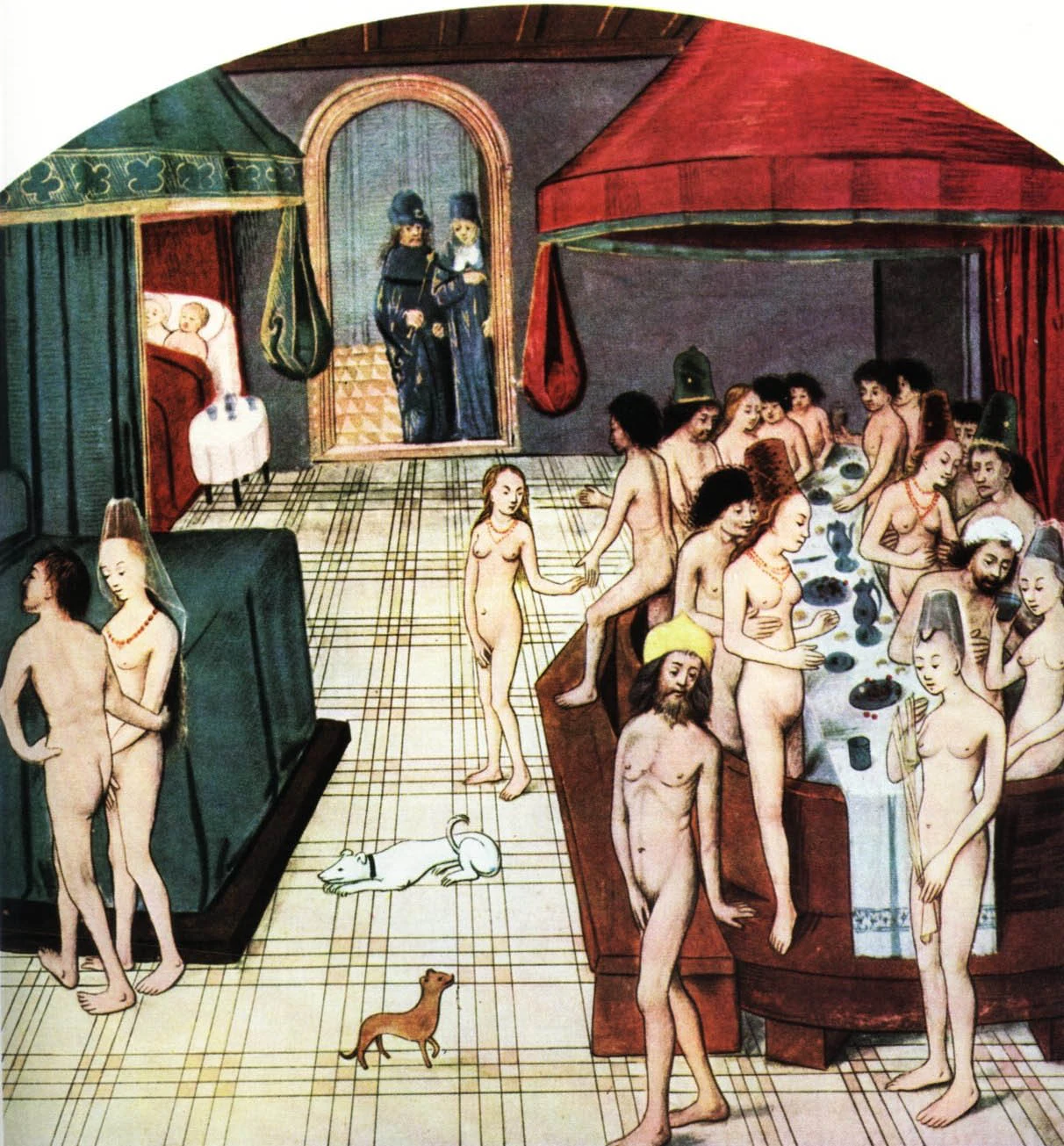
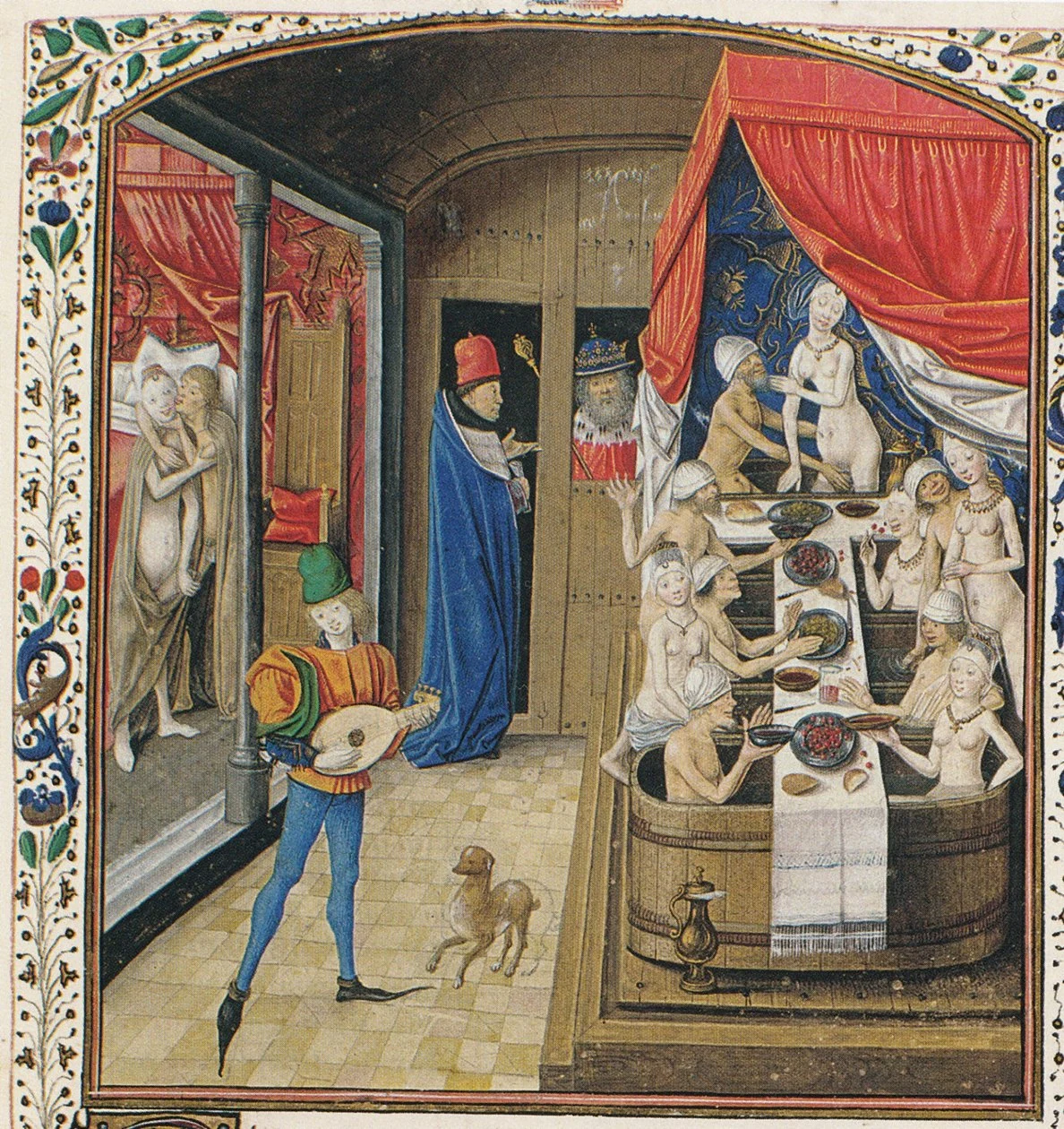
"The bathroom, on the other hand, goes the opposite way: to the periphery." He shows me image after image of large, communal baths that were ubiquitous in medieval cities. Strangers bathed, ate and enjoyed music together. "It all ended with the Black Death. Suddenly, the authorities said that air and water spread diseases – particularly water, because it opened pores. For the next 200 years, everyone covered up their whole body." Bathrooms disappeared – there isn't, for example, a single one in Versailles – reduced to a small portable chamber pot. It is only now, he thinks, that the bathroom is becoming a social space again, as we sit on our toilets scrolling on social media.
It is worth understanding, he says, that architects were always the least important people at the table – the home was shaped by engineers, by politics, by social trends, such as the emancipation of women. "When we understand this cultural history, we can be more open-minded in our designs."
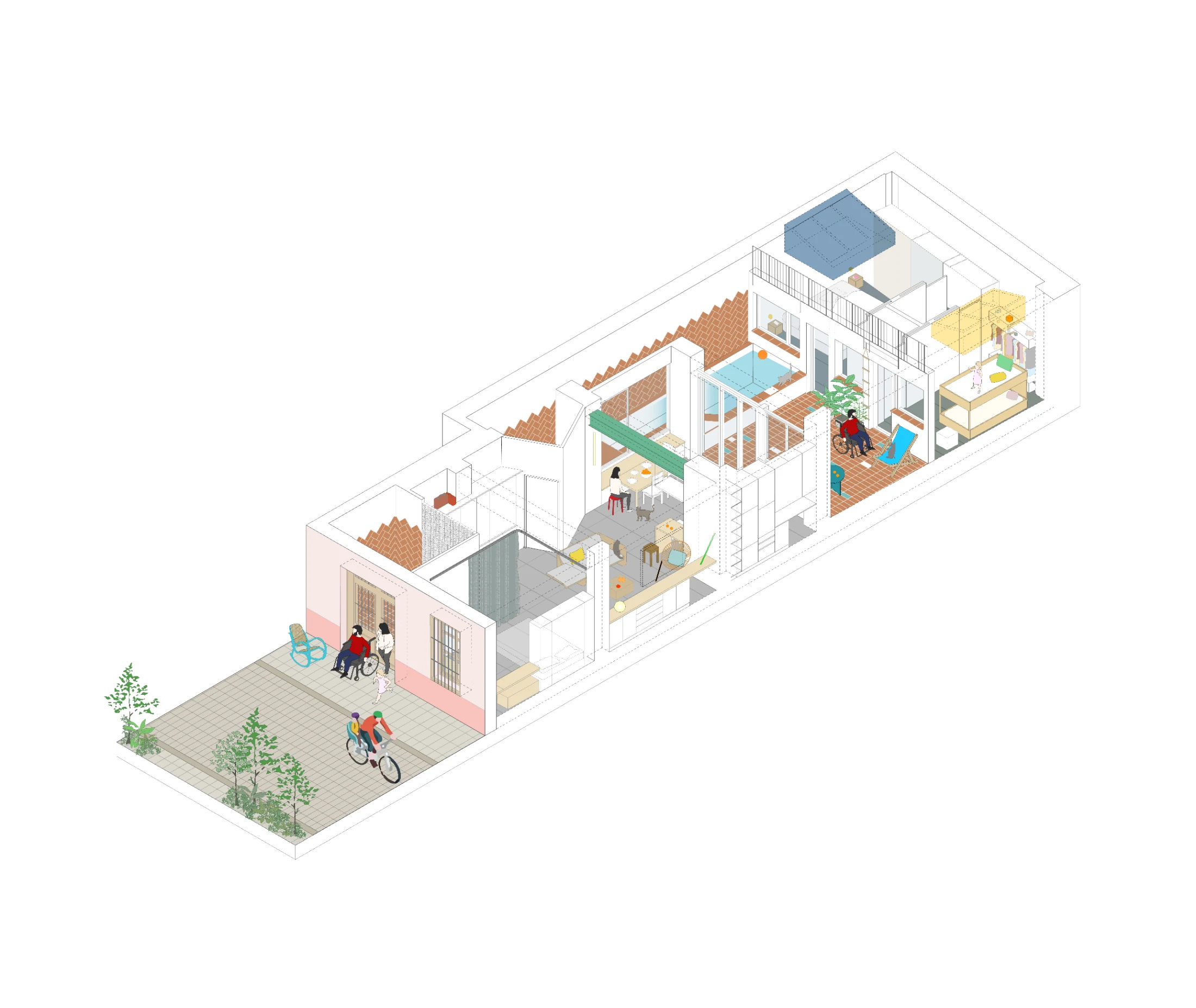
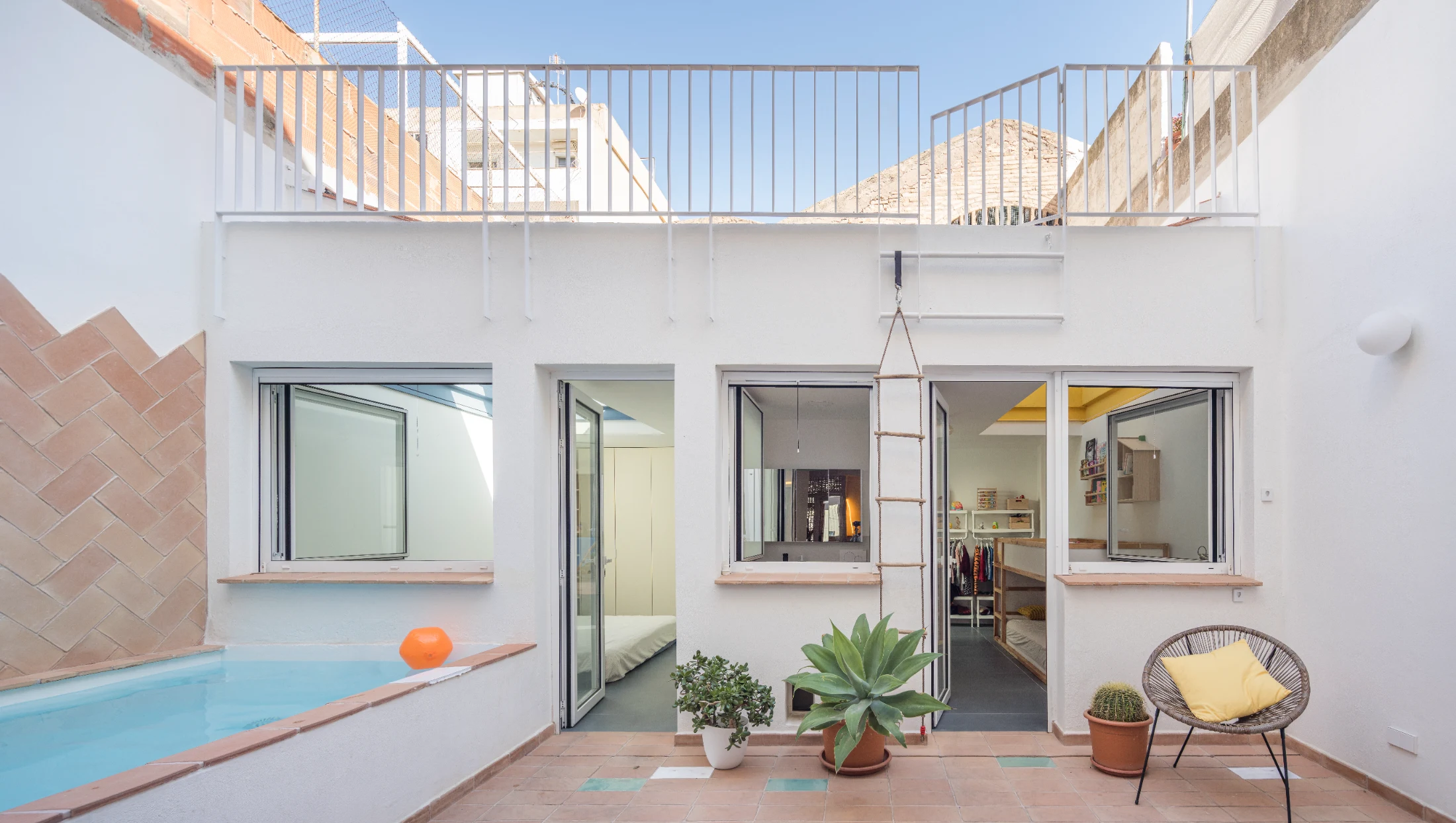
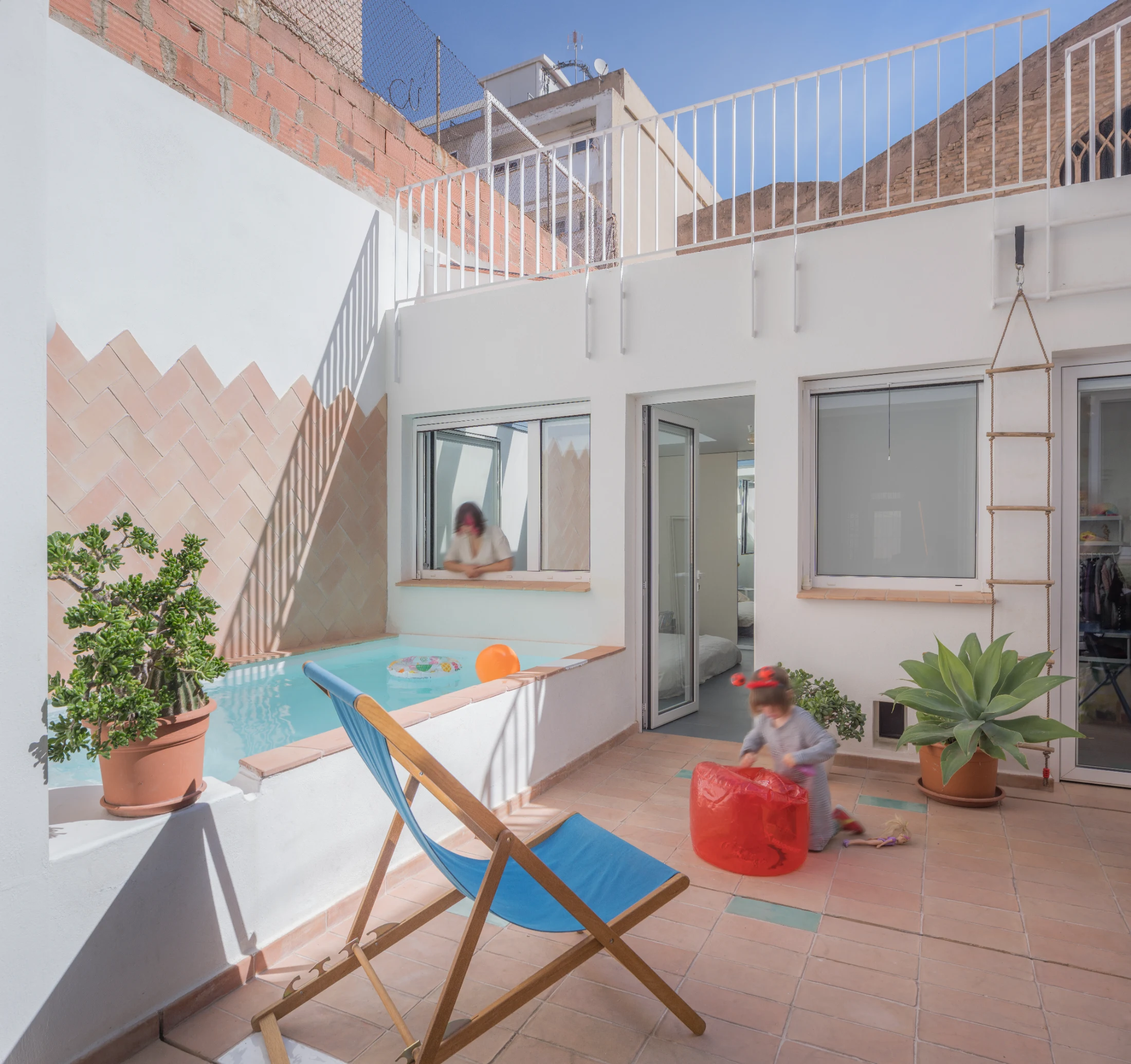
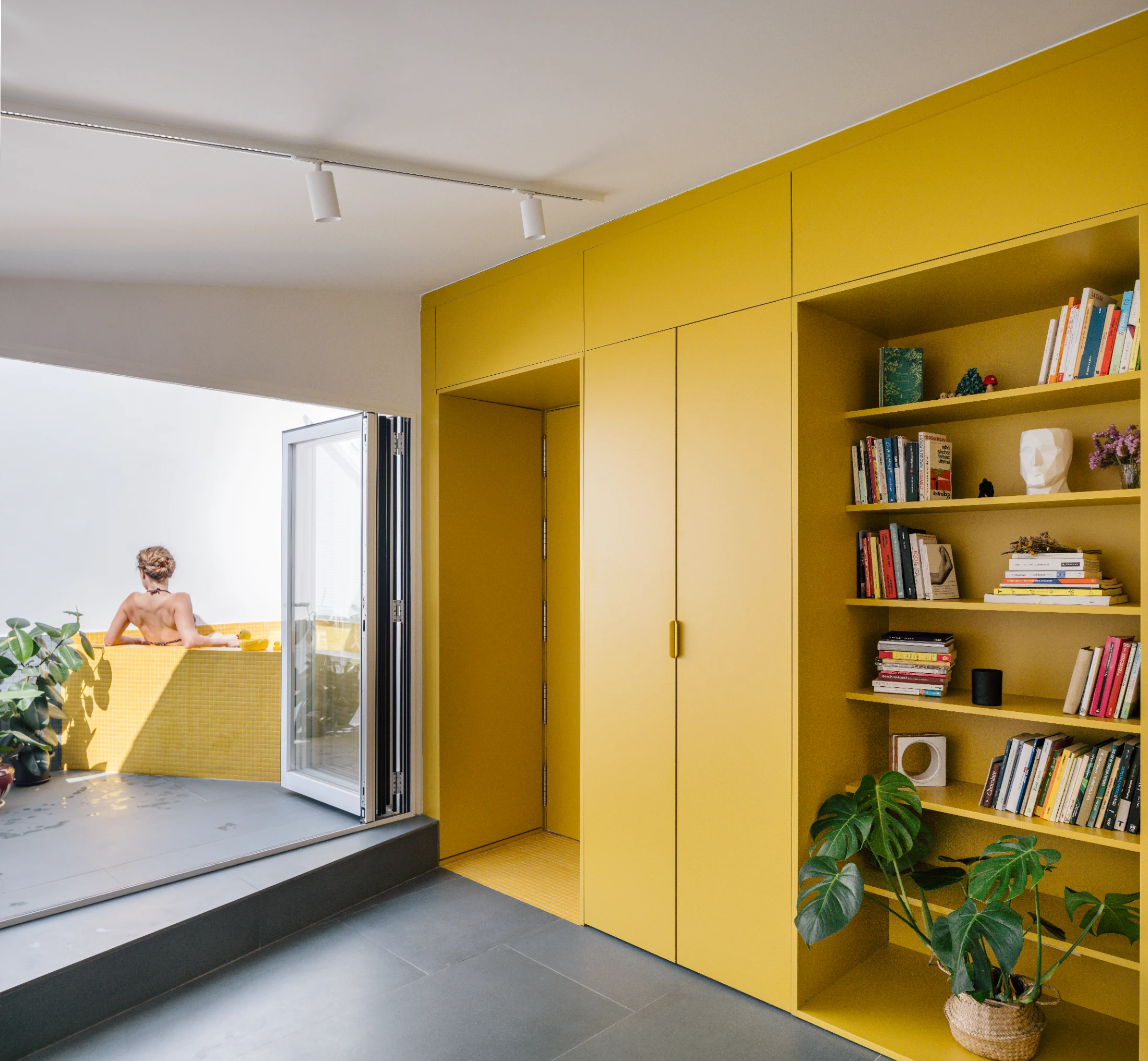
Gonzalo's designs are nothing if not open-minded – and the bathroom, I sense, is his true passion. Water is often the protagonist of his designs:
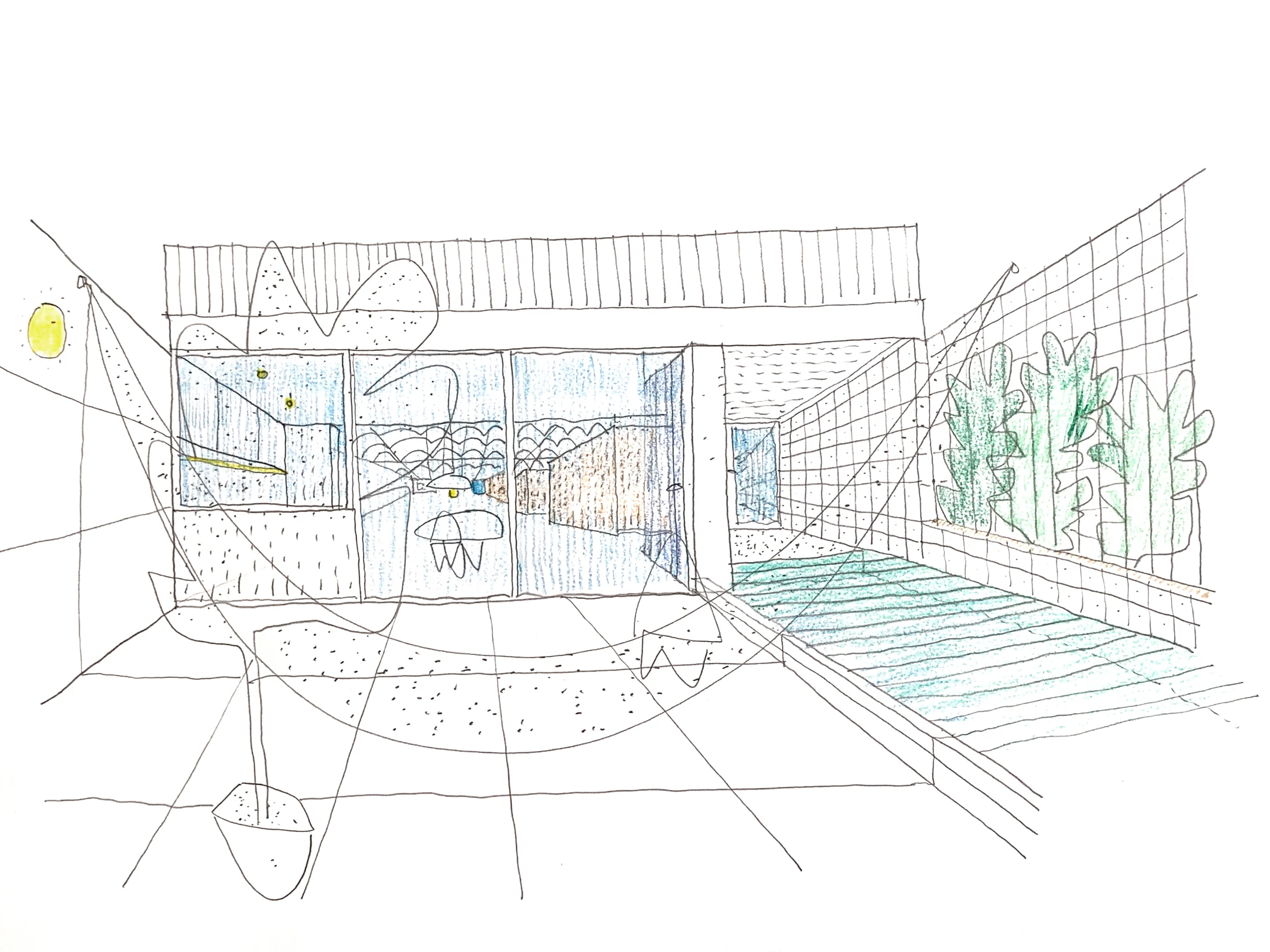
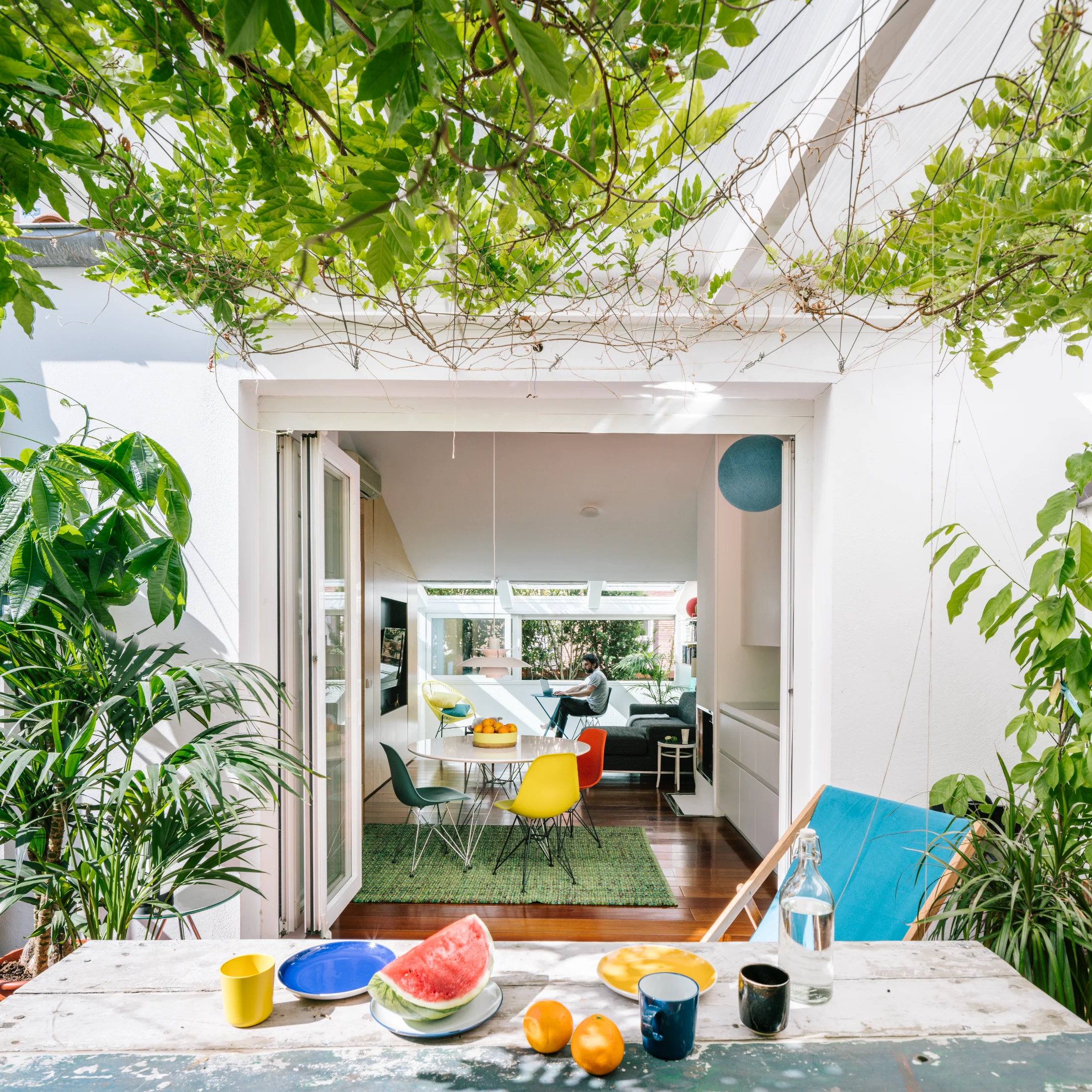
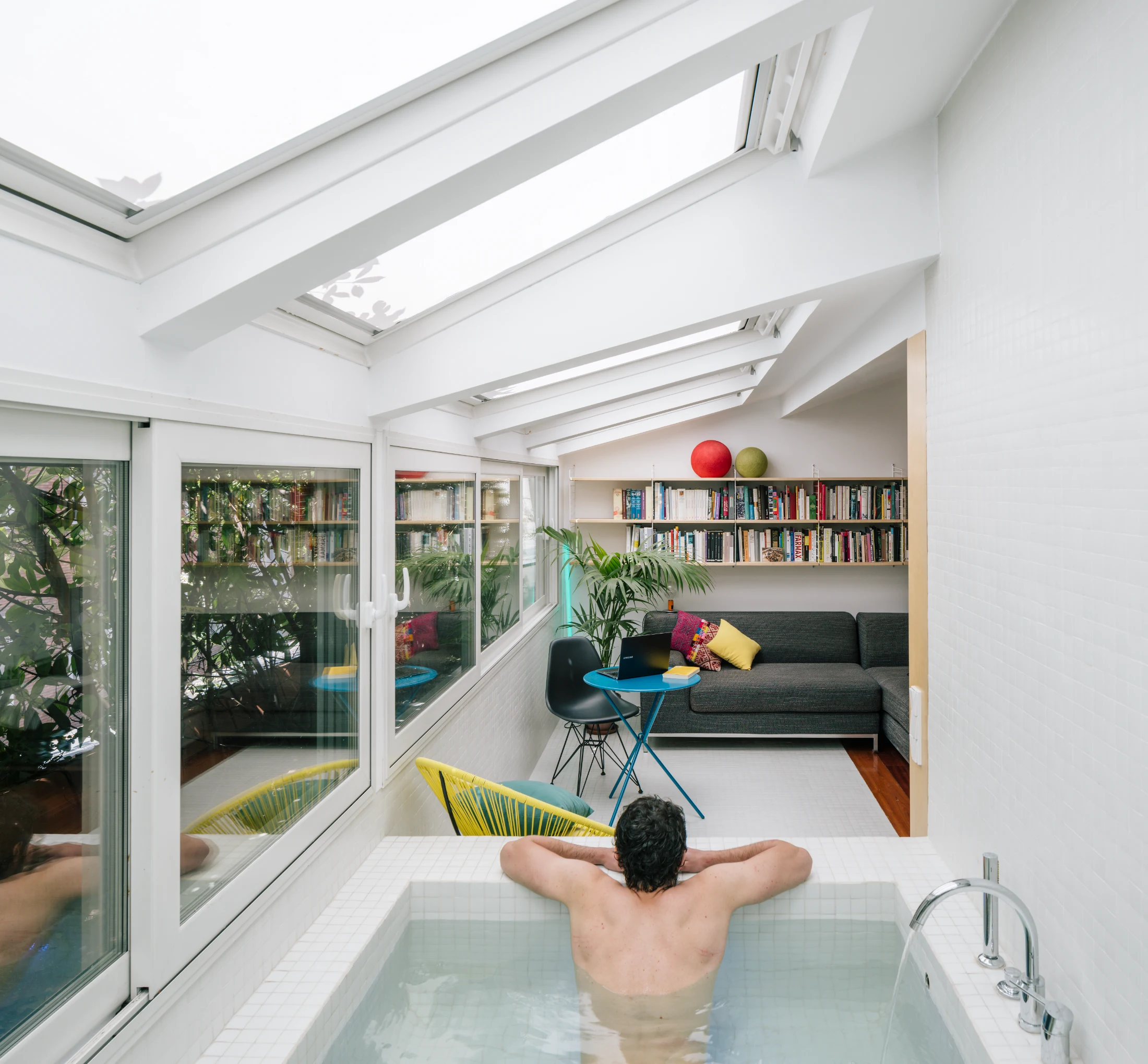
the central glass shower that illuminates Casa Flix (2024) like a lantern; the small pool under a large skylight that adjoins the living room in his own G House (2018); the exquisite open bathroom that spills into the corridor of Sequencehouse (2020) and becomes a walkable, sociable space. Such expansive spaces for enjoyment and self-care are unusual in small homes, which often have to be sternly functional – and it is this playful, hedonistic spirit that attracts clients to him. For his new project, a client asked for a bathroom filled with greenery. She wants, he said, "to bathe in a jungle", like in Henri Rousseau's 1910 oil painting 'The Dream'.