


"Excuse me, how big is Athens?" I ask the taxi driver.
"Five million," he says, as if it were nothing.
"And how many people live in Greece?" I ask, uncertainly.
"Eleven million," he nods. I gasp. Half of the country is crammed into this concrete monster-city we're heading into, clearly not the quiet seaside town of my expectations.
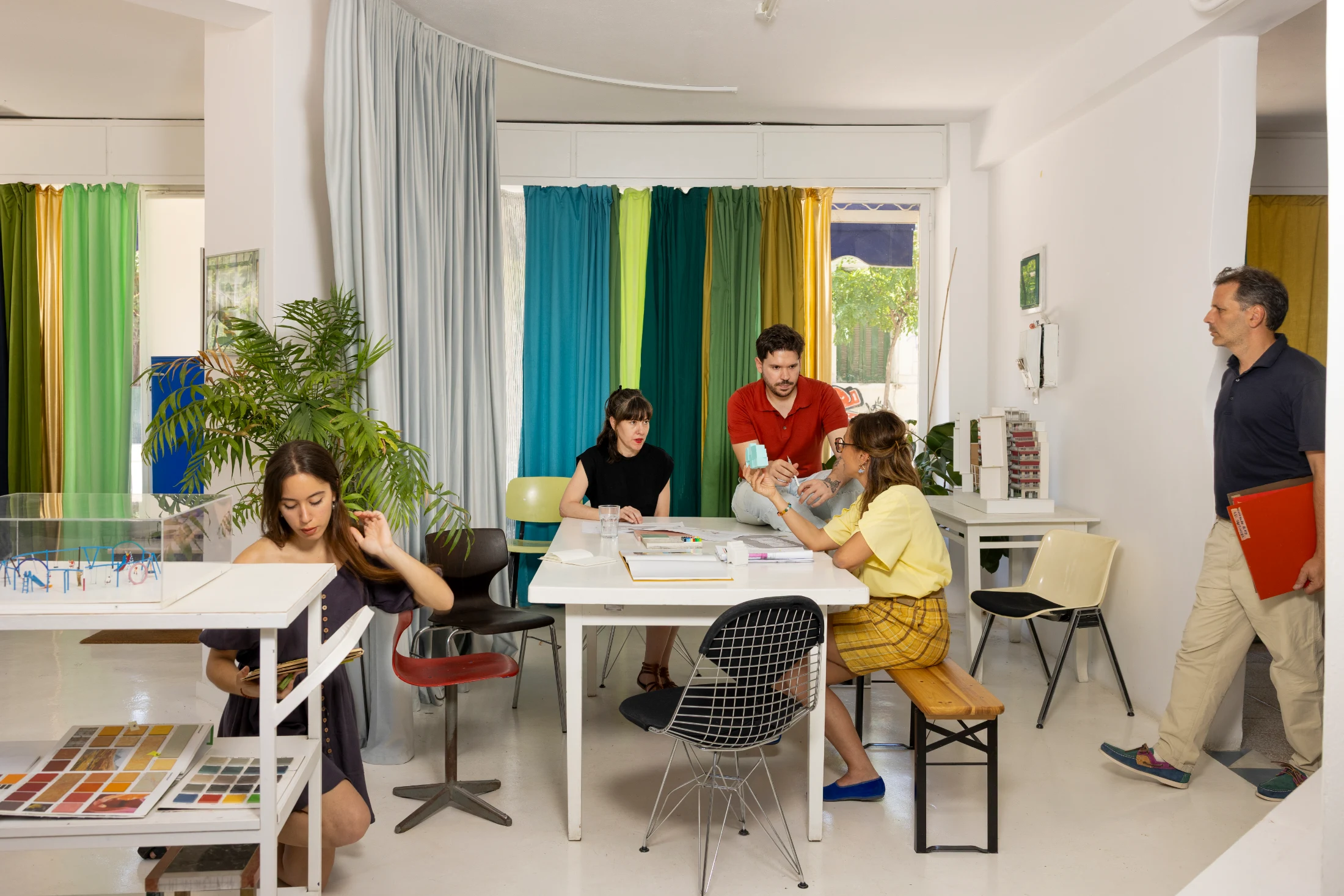
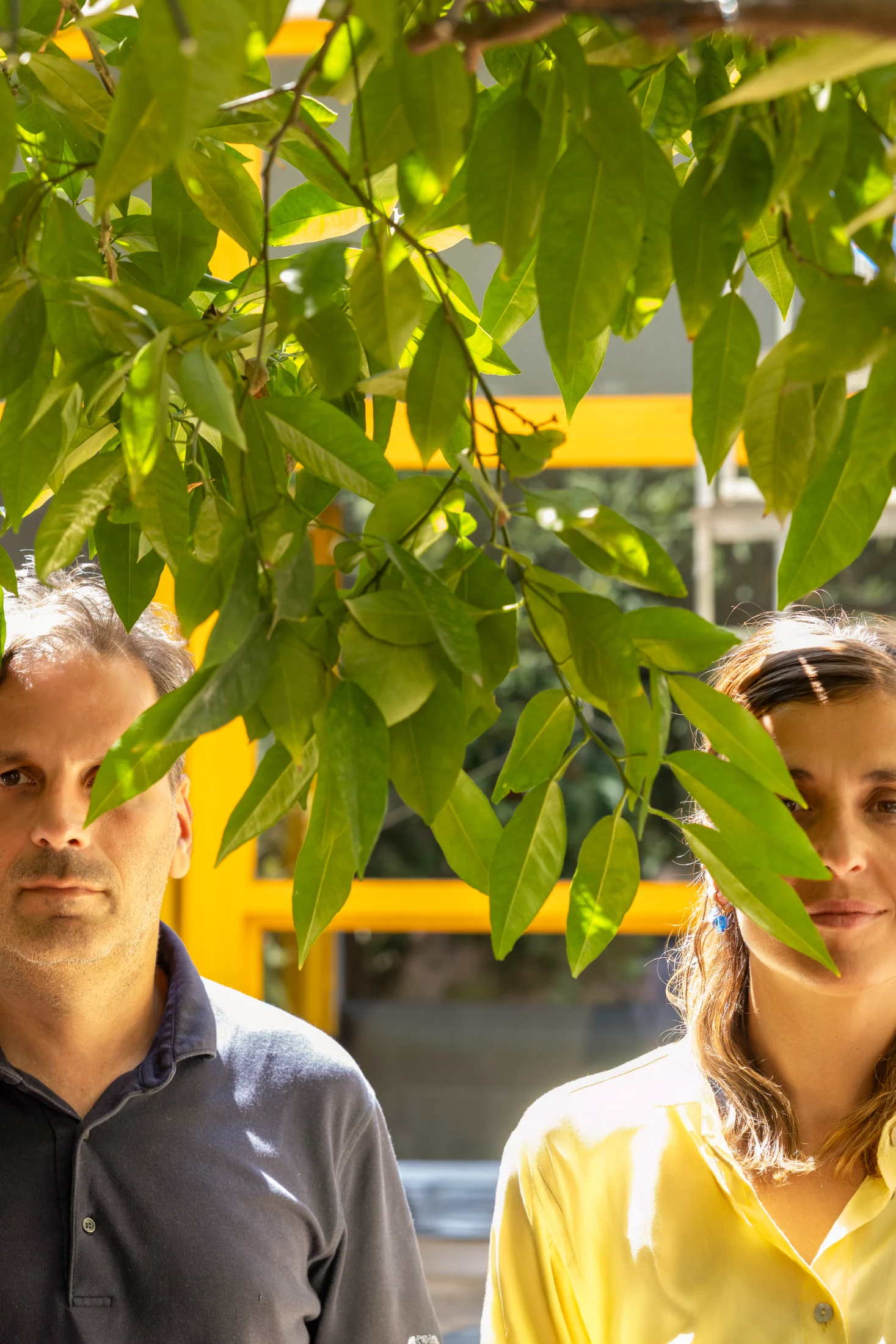
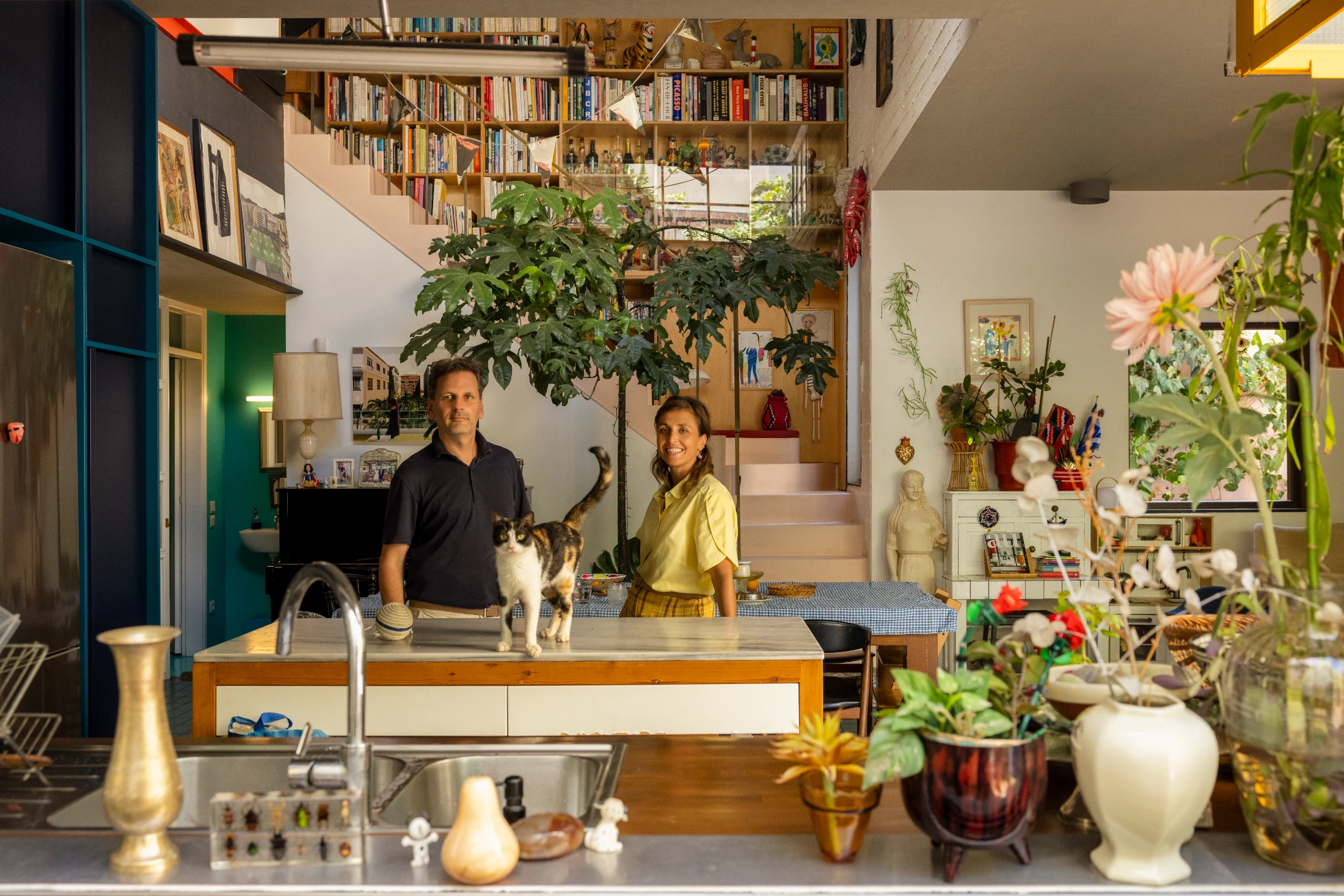
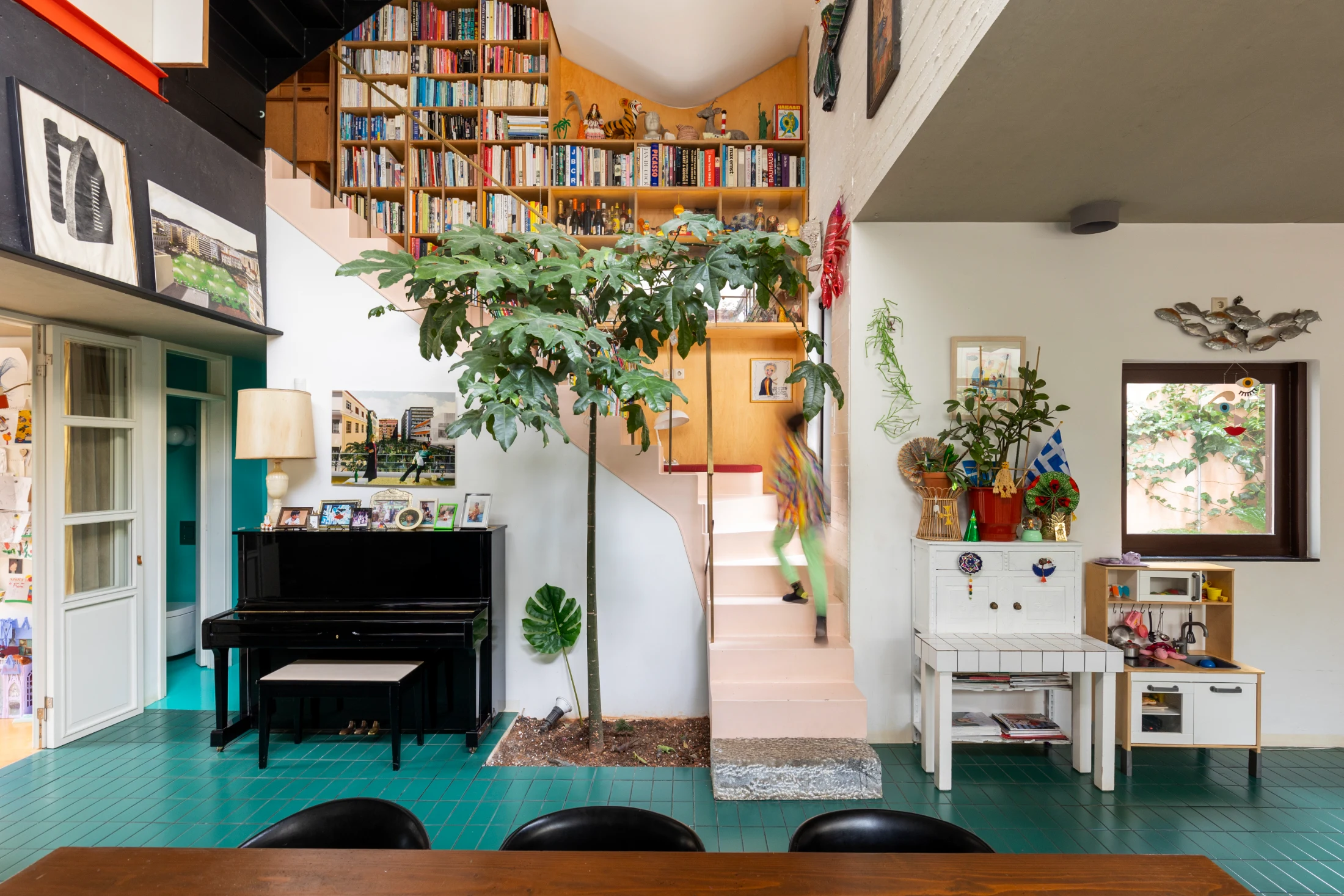
These expectations, I soon find out, are exactly what animates the work of Marianna Rentzou and Konstantinos Pantazis: architects, researchers and university professors, better known as Point Supreme.
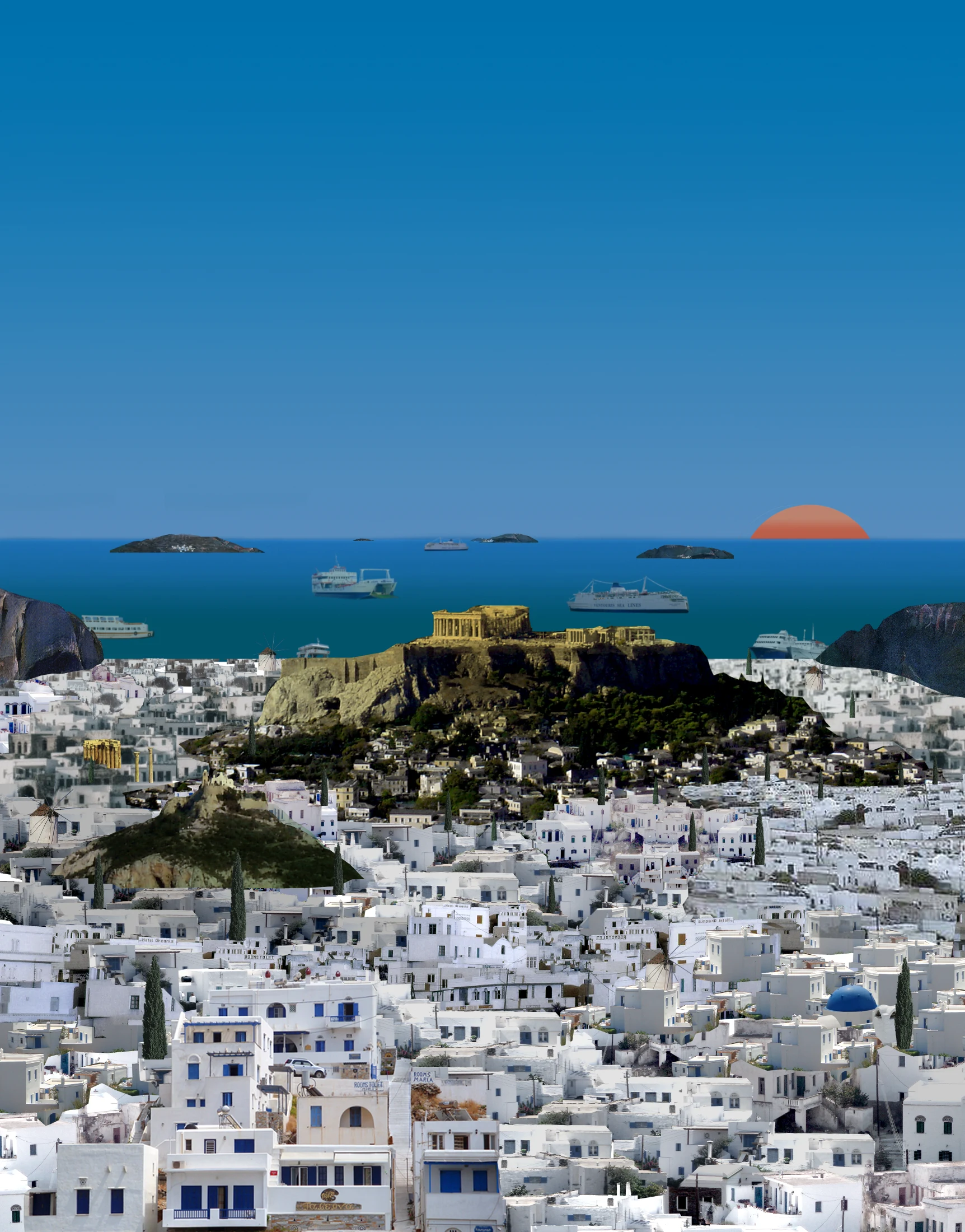
In 2017, at Columbia University in New York, Point Supreme opened their lecture with a collage of postcards of Athens. Acropolis, Parthenon, vases, sculptures, an illuminated cypress hill. You would be forgiven for thinking there isn't a single modern building in all of Greece.
"You don't see the city at all in popular communication," Pantazis said to the American students. "Never what Athens really is, this thing in between ancient remains." They zoom out to show "a formless lava" of a megalopolis shaped only by the topography – hills on three sides of the city, the sea on the fourth. "Every typical neighbourhood of Athens is continuous urbanisation made up of the same module, always."
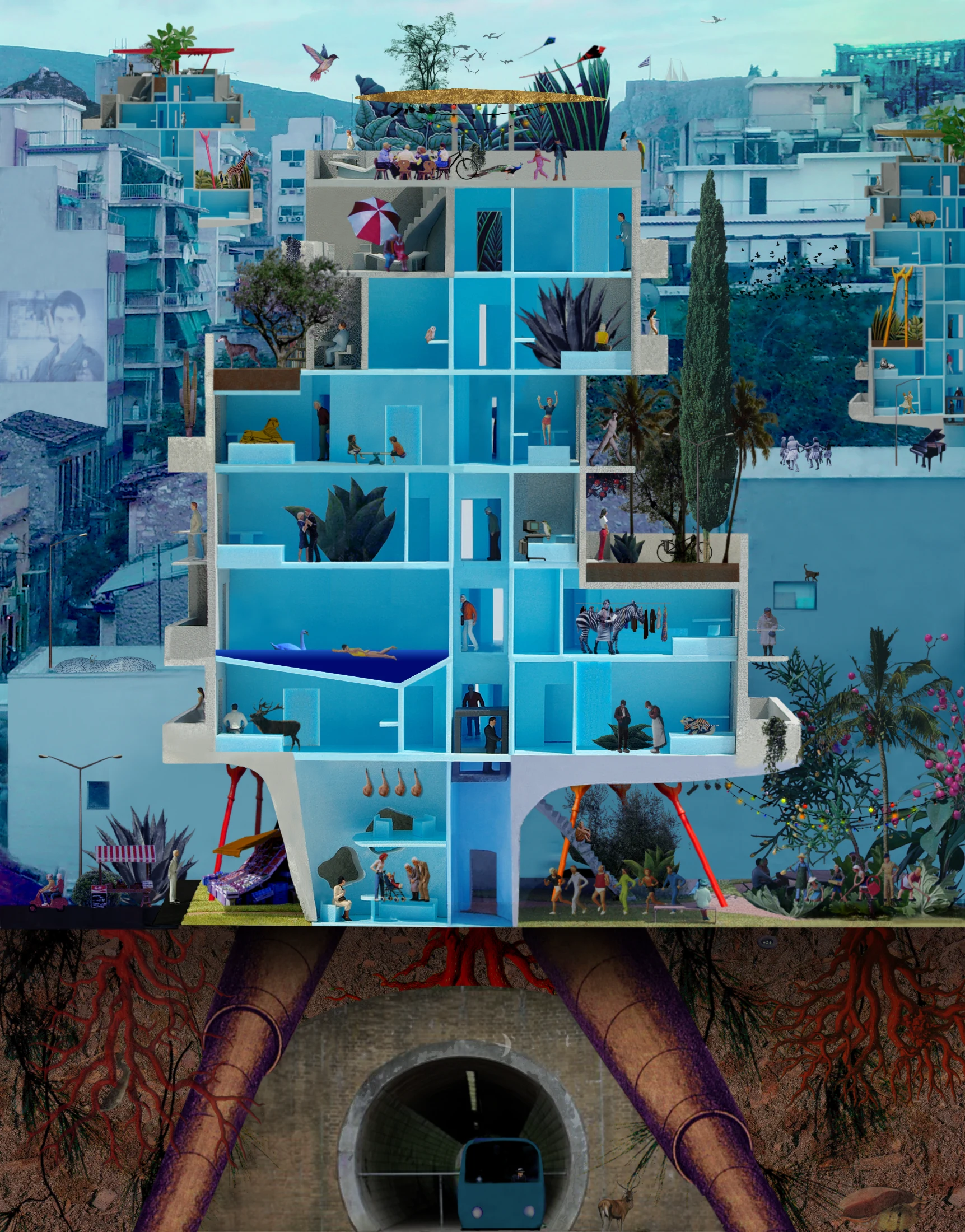
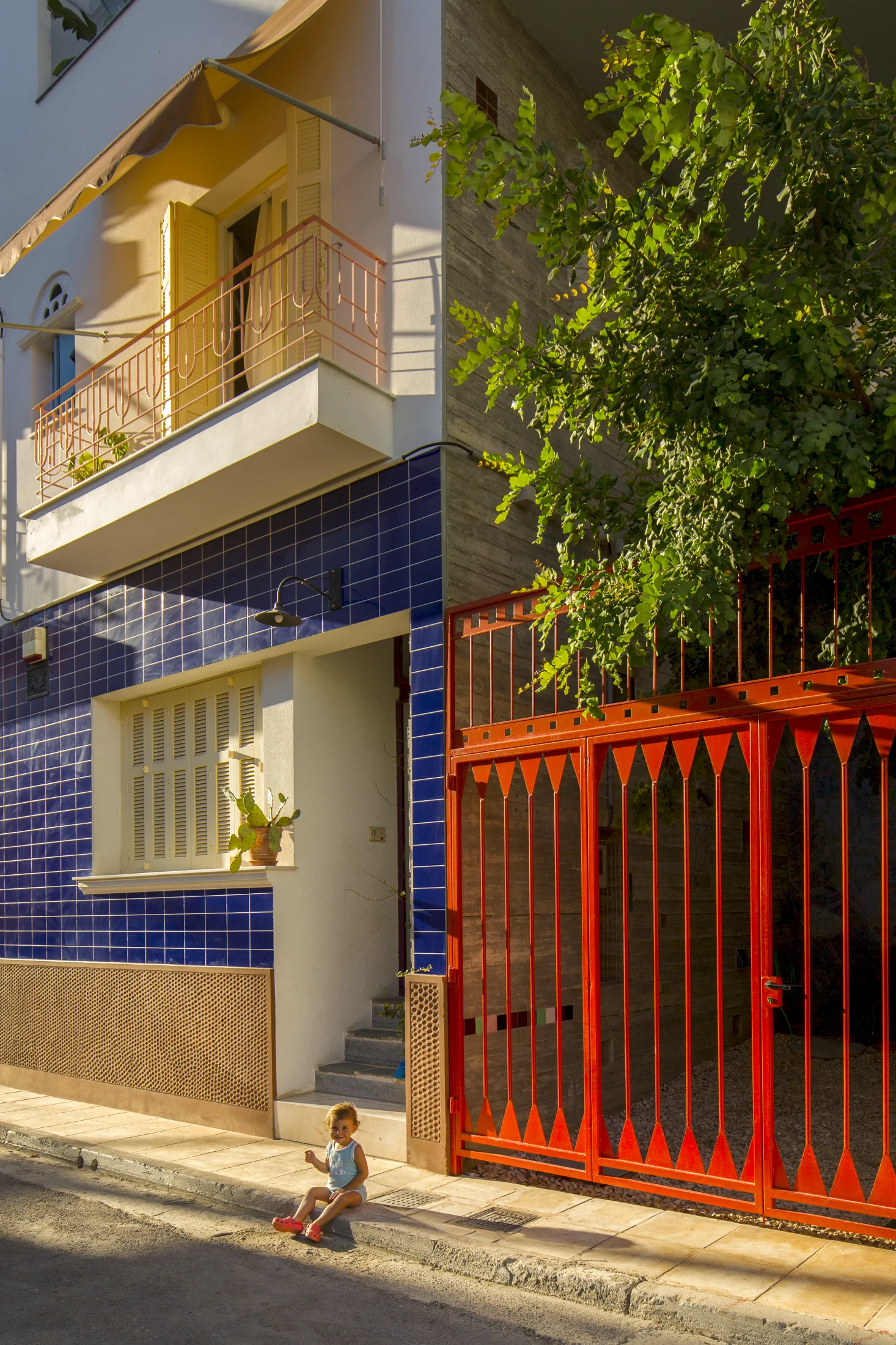
The module: a five- or six-storey apartment building, with top floors set back to let the sun reach the street. This type of building is called a polykatoikia, literally 'multiresidence'. "This is what Athens is actually made of."
Ancient Athens, the city of our history books, largely declined with the rise of Christianity in the early centuries CE, and was later subsumed into the Ottoman Empire (modern Turkey). By the time Greece became independent again, in 1821, Athens was a village of 400 houses scattered around the Acropolis hill, and was made capital largely for sentimental reasons. Only after WWII did the city rapidly grow, on the influx of refugees. All polykatoikies were originally single-family houses. "There was no money, so an interesting bottom-up process was devised. The owners of little plots would give land to the builder, and in exchange for building an apartment building, they would give some apartments, or whole floors, to the owner," Pantazis tells me. "It bypassed the need for cash, but it also bypassed any masterplanning procedure or large-scale developments, so there are none in Athens." Built haphazardly, usually without an architect, to a simple template, polykatoikies were universally scorned by architects and Athenians alike. Nobody considered them beautiful or remarkable. That is, until Point Supreme moved into town.
"We take reality very seriously," Pantazis told Columbia students in 2017. "The point [of our work] is not to propose new cities, but to take the existing reality and try to see it differently."