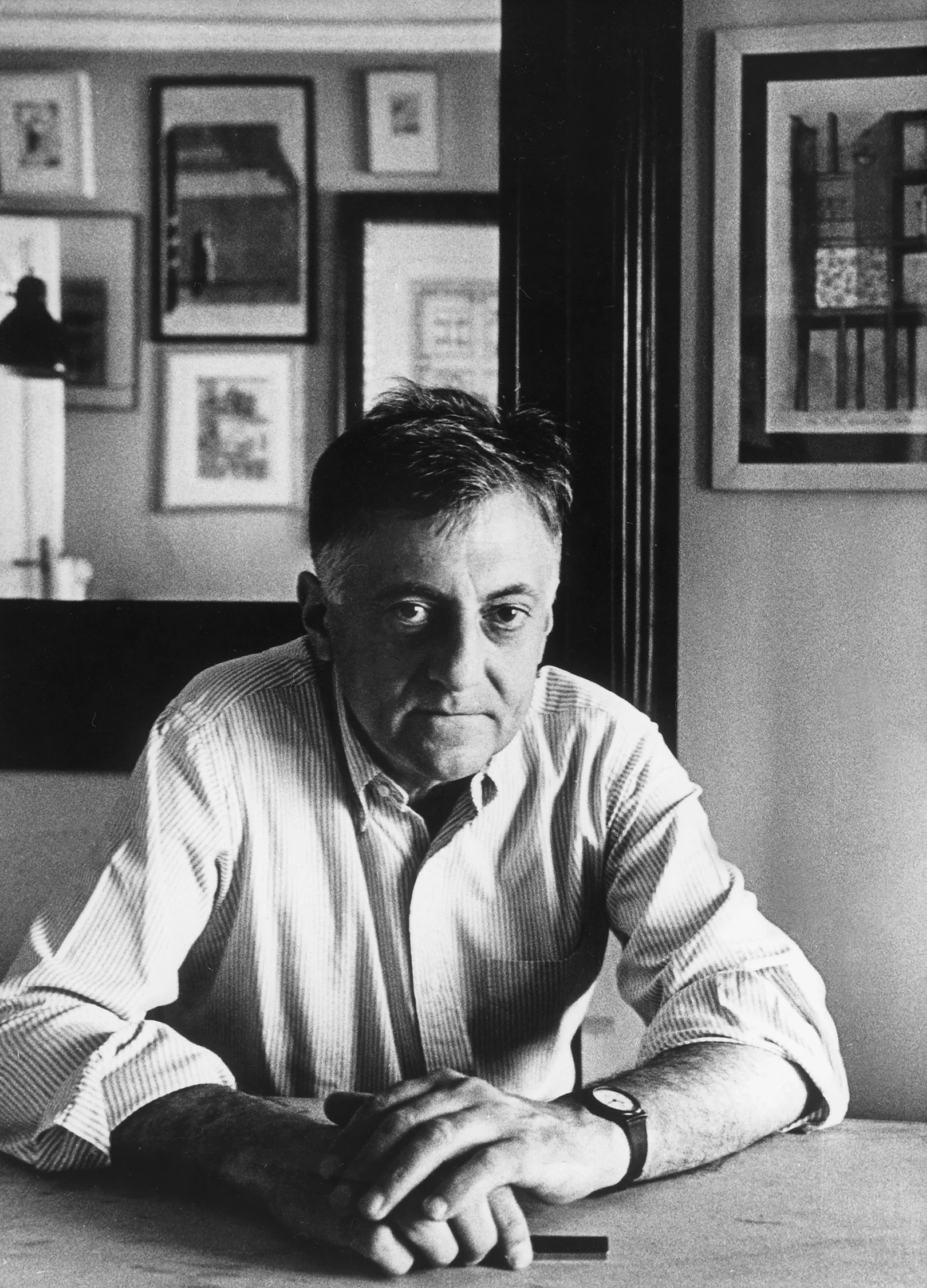



In 1971, Italian architect, product designer and urban theorist Aldo Rossi experienced a serious car accident, just outside Milan, which left him critically injured and hospitalised for weeks, and profoundly influenced his entire design philosophy. During his recovery, Rossi looked down at his bleeding, shattered body, and a weird sense of estrangement and disorientation started to creep over him. He felt like a visitor inside his own skin. Unattached. Cut adrift. Less a person and more like a collection of memories inside a walking thing.
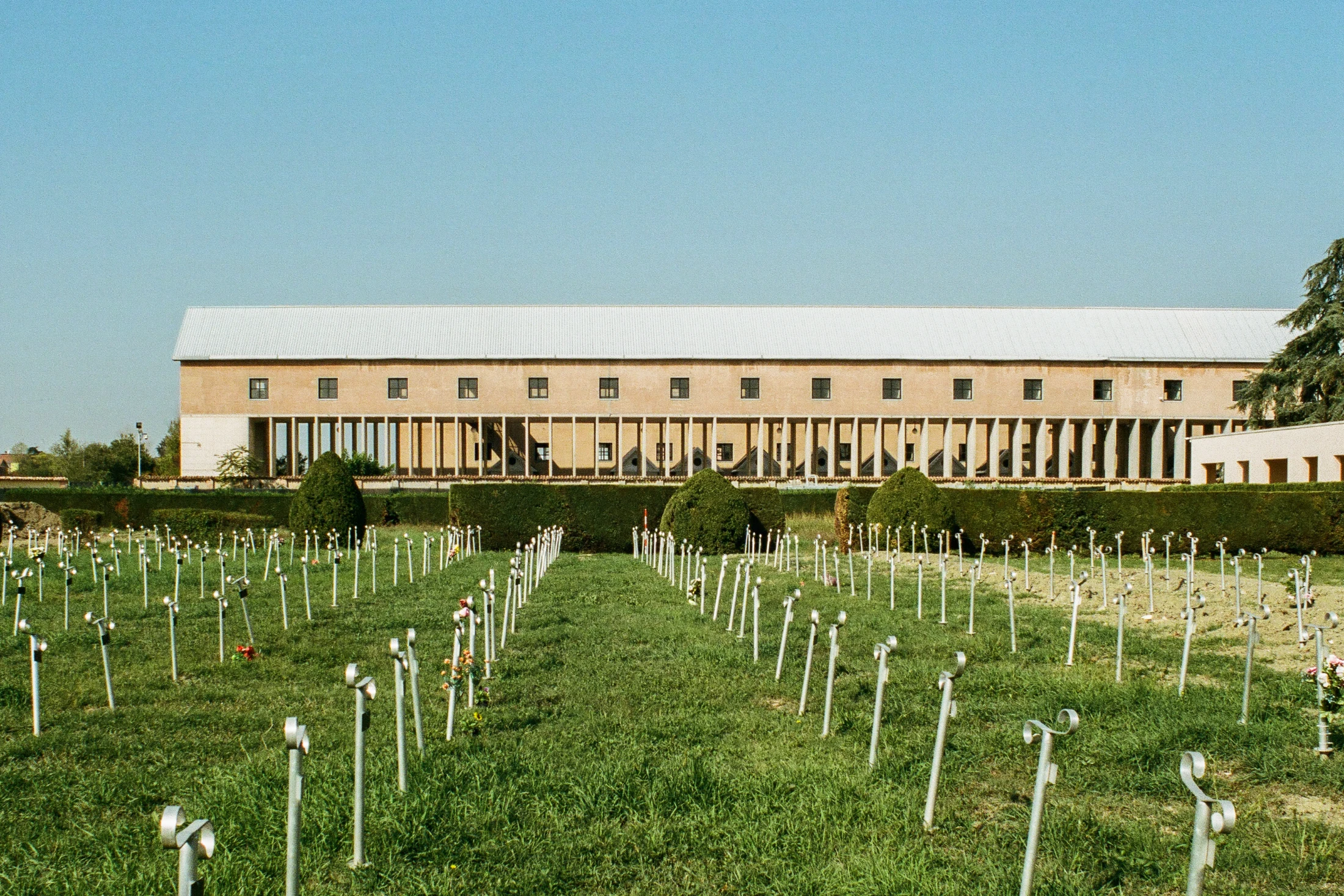
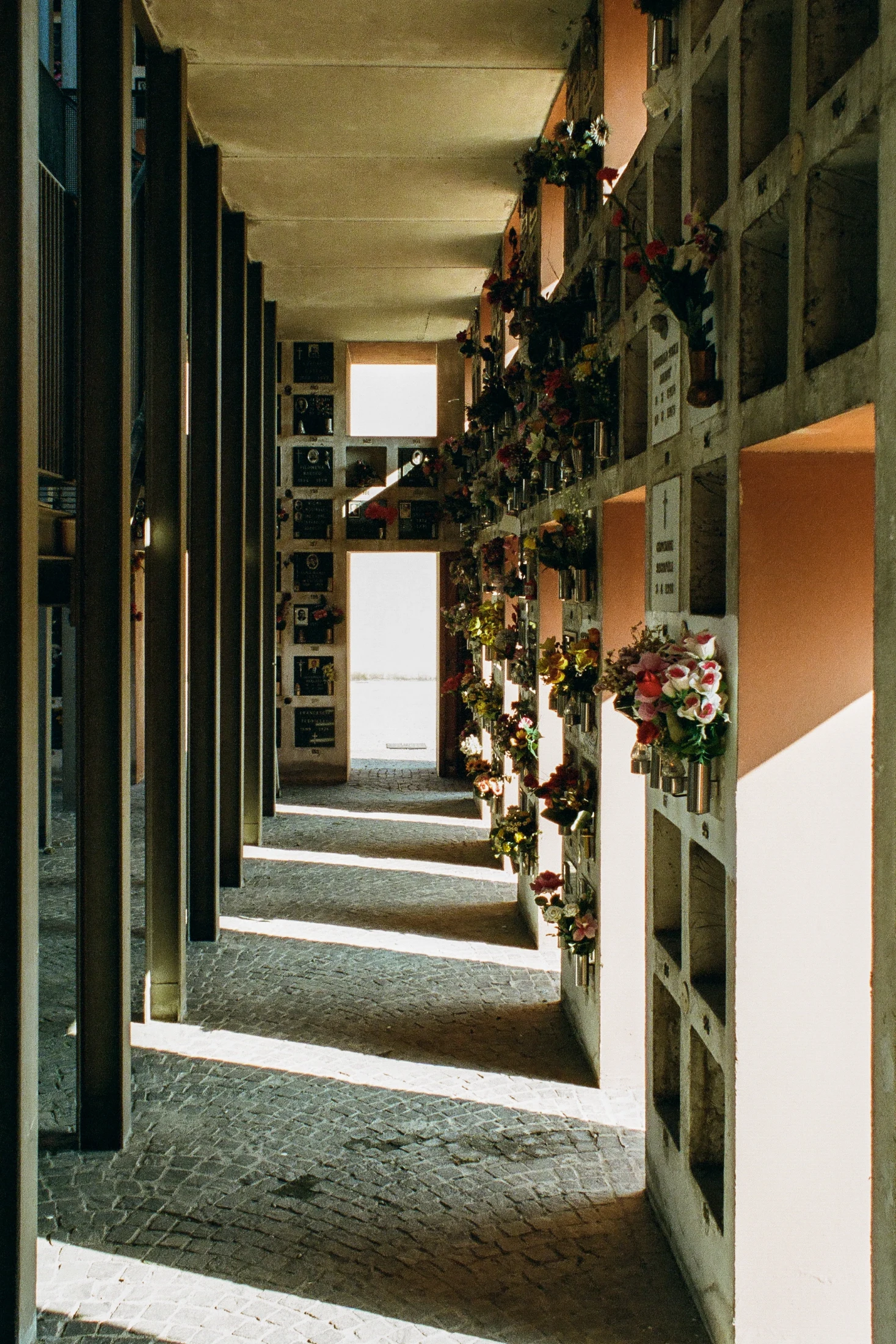
When he got out of hospital, Rossi channelled this existential queasiness into a groundbreaking new project: San Cataldo Cemetery (1971). Co-designed with artist and architect Gianni Braghieri, it would become one of Rossi's most haunting and elusive works – his magnum opus – and one of the buildings that kicked off the 1970s postmodernist movement.
San Cataldo is deliberately austere. Almost spookily so. The cemetery is laid out like a rectangular grid with a walled enclosure arranged around primary axial paths, echoing the classic layout of Roman towns, or Renaissance urban planning. It's also attached to an actual 19th-century cemetery – sort of a hat-on-a-hat situation – creating this weird dialogue between the buildings of the present and the bones of the past.
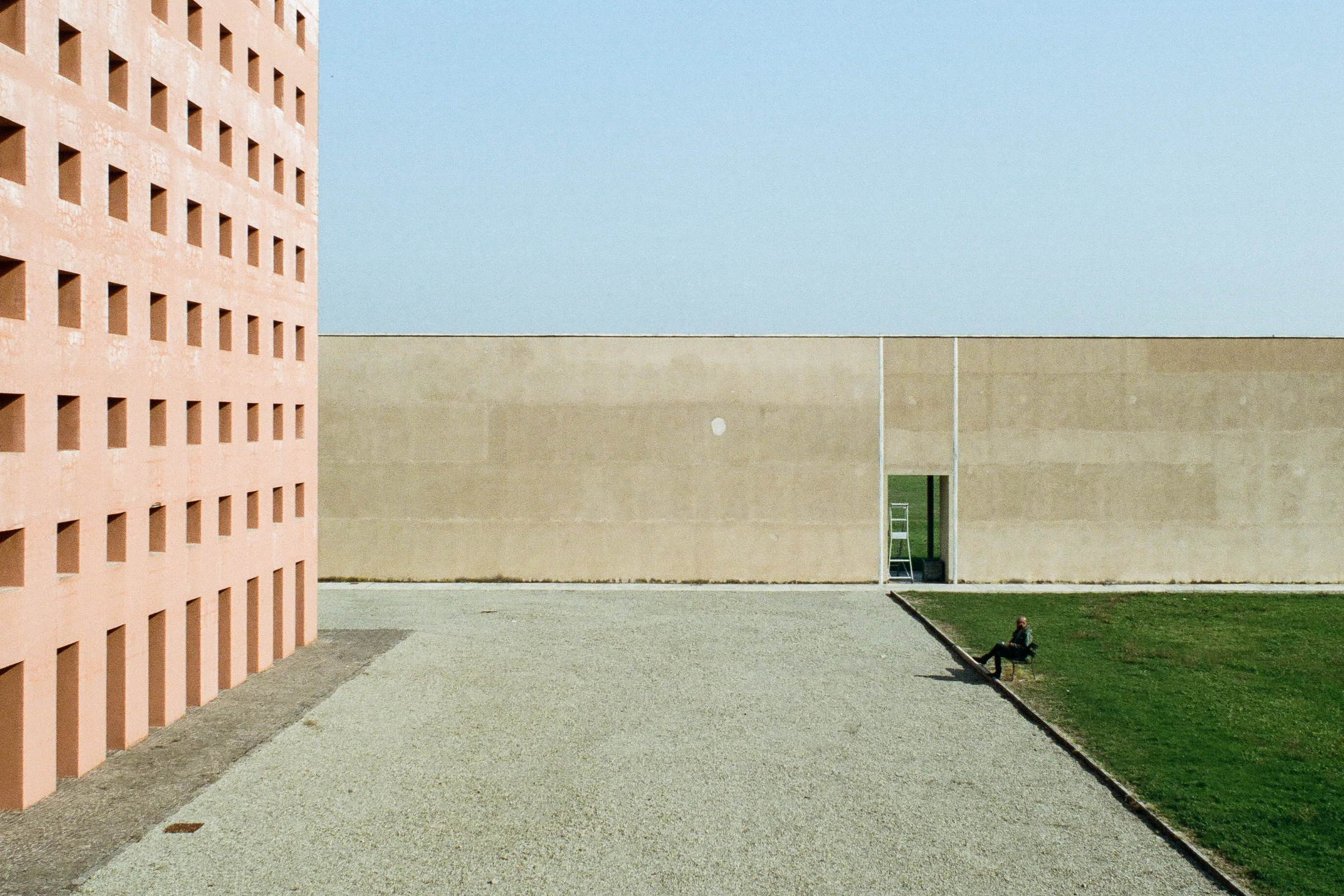
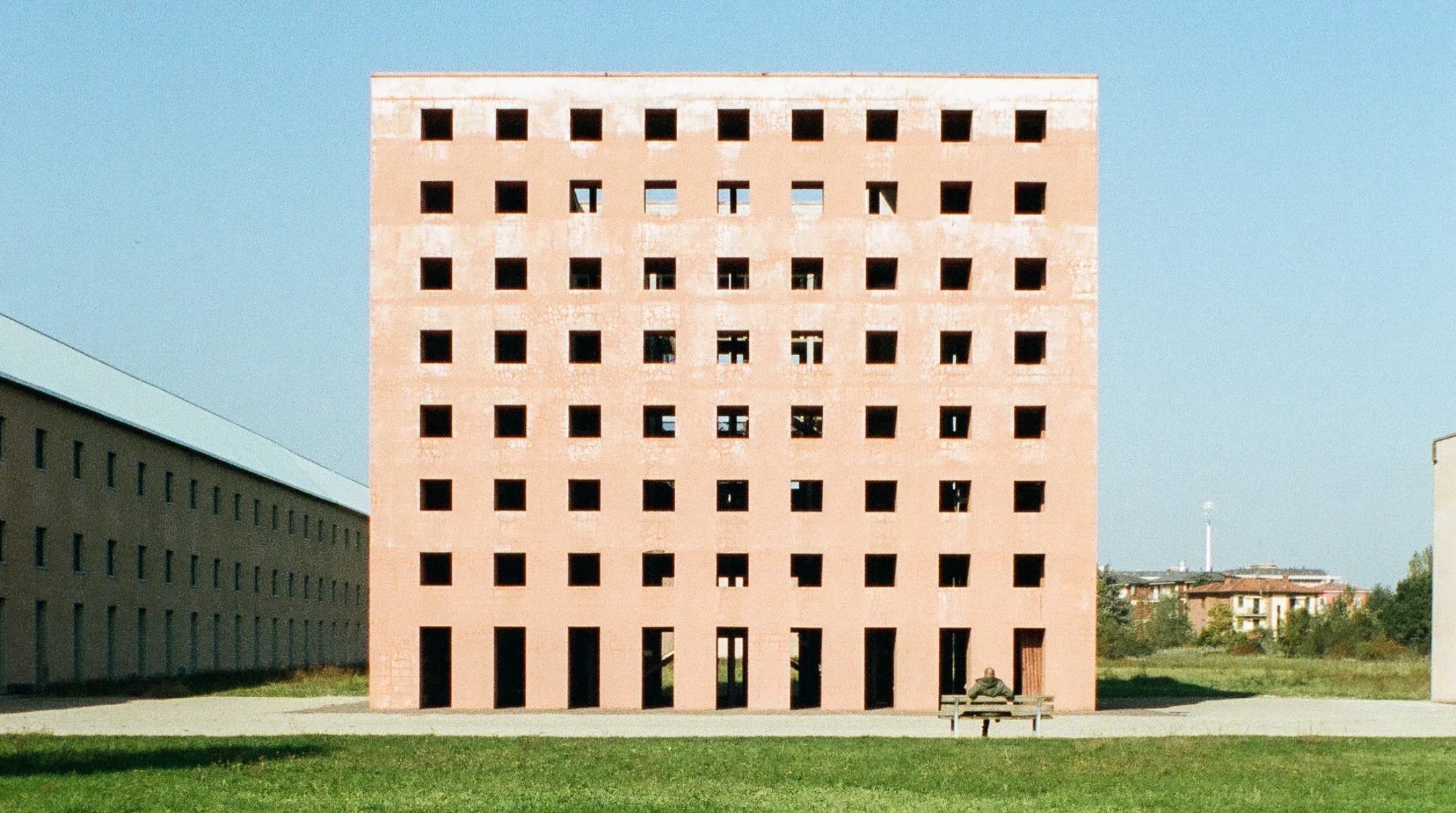
In the centre of San Cataldo lies The Ossuary Cube: a giant, skeletal, pinkish-red block, windowless and empty, which Rossi deliberately left unfinished. And positioned right in front of the Ossuary, surrounded by planar emptiness on all sides, perched on the edge of a lawn, and with nothing else to stare at, is a solitary park bench. As incongruous as a candle in a carpark. It's a detail that almost makes you smile: Rossi knew any occupant of the bench would have nothing to do but sit and gaze up at the cube, confronting the unresolved spectre of their own mortality.
More than most architects, when you look at an Aldo Rossi building, the building looks back.
"The question of the fragment in architecture is very important," he wrote, "since it may be that only ruins can express a fact completely. I am thinking of a unity, or a system, made solely by reassembled fragments."