
Magazine Current IssueMagazine Current Issue
Playful, Peculiar and Perfectly Imperfect
From our Mag
May 1, 2026

Playful, Peculiar and Perfectly Imperfect

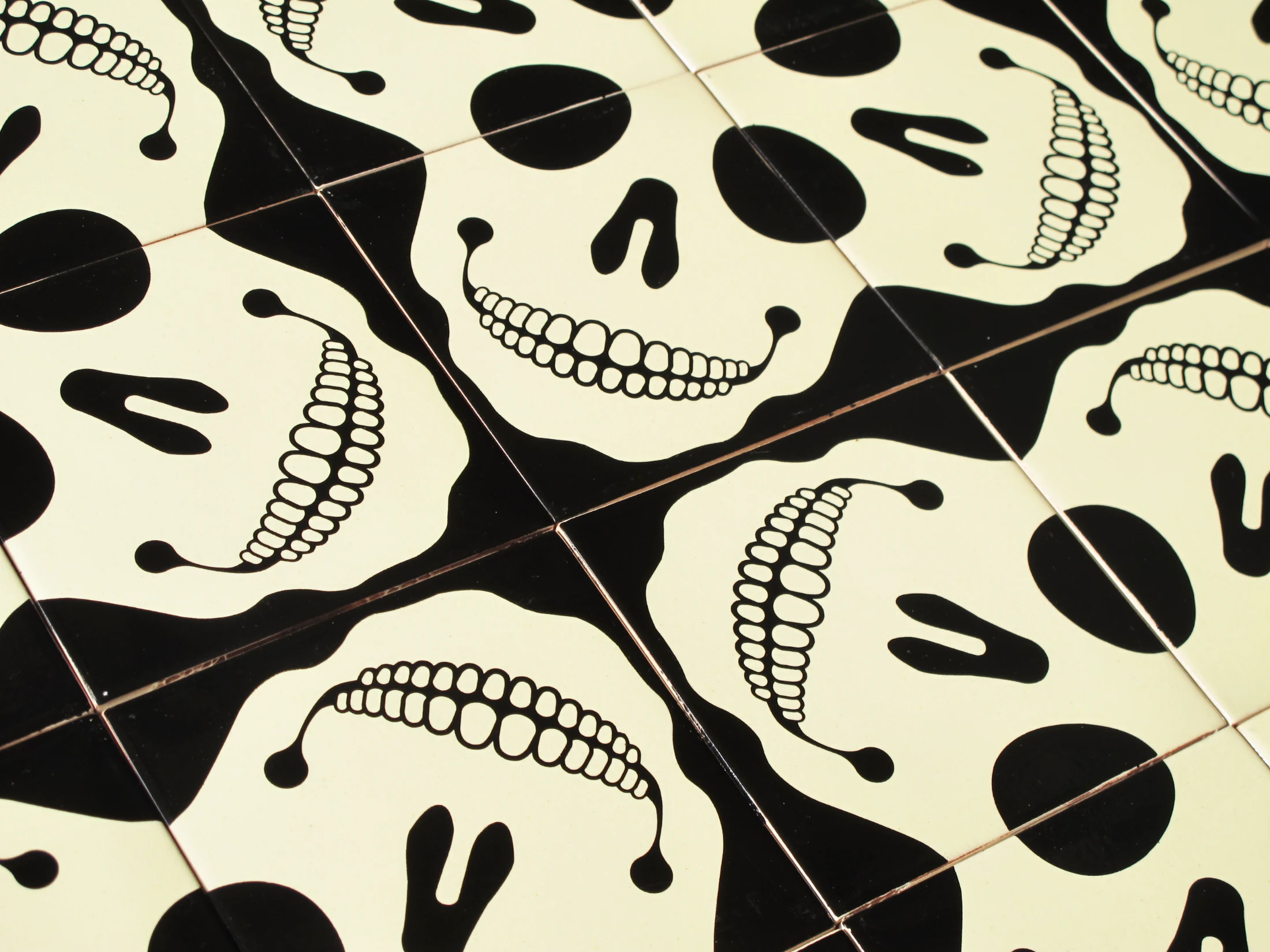
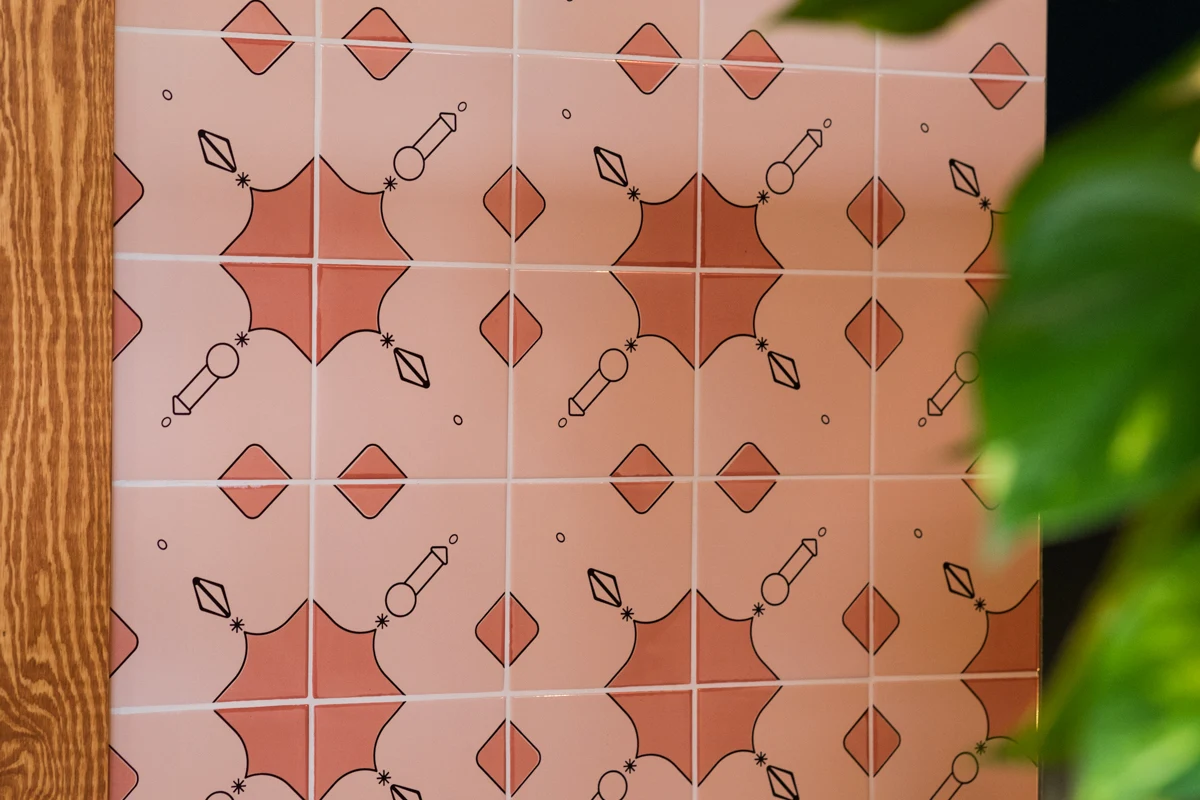
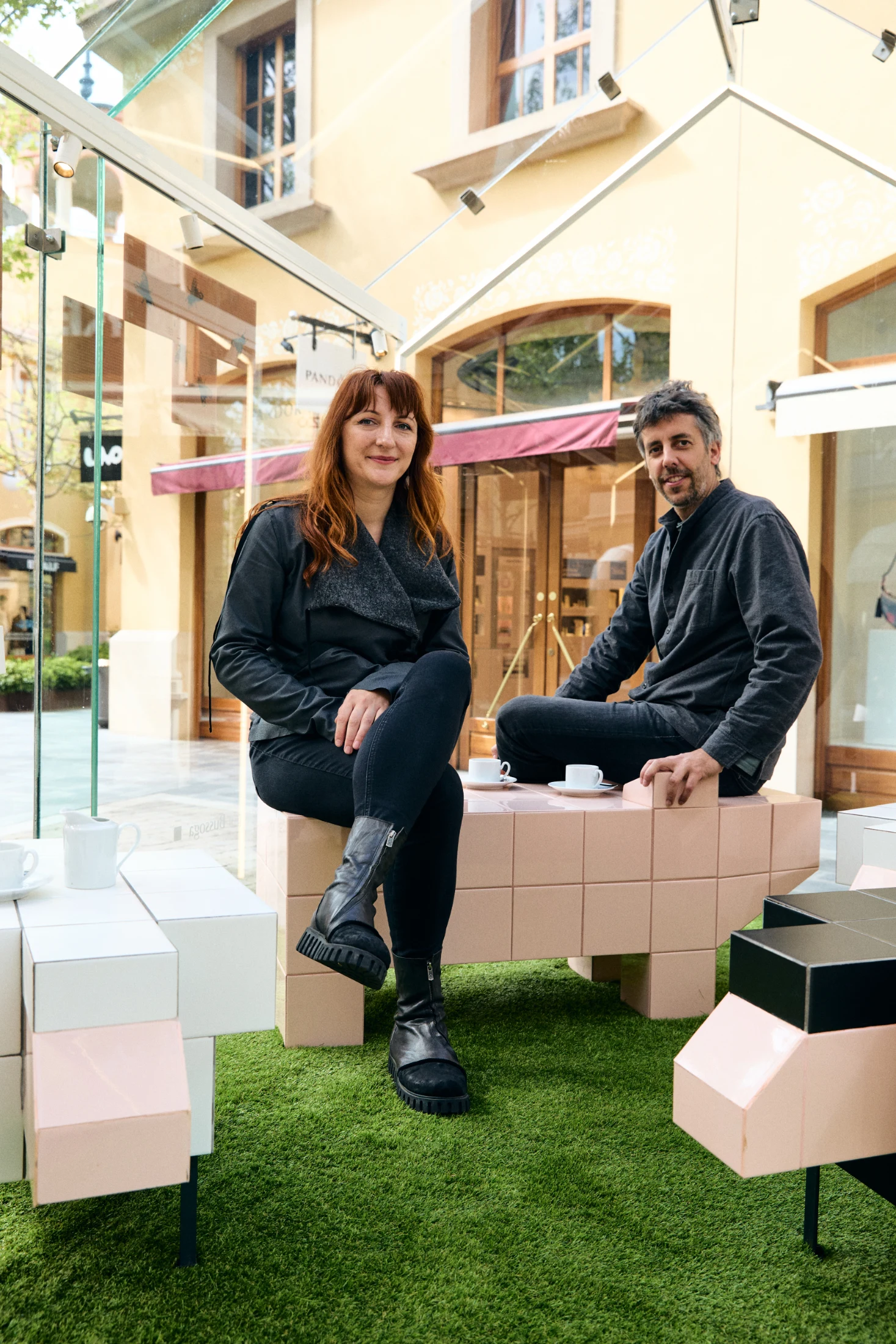
When Irina Grosu and Josep Motas studied the tile market they found a gap in the market (so to speak). Many different sizes and designs but none with penises and vaginas. Enter Bussoga tiles: playful, odd and a little bit naughty.
Bussoga’s work reminds us that design doesn’t have to be polite or perfect; it can be sticky, silly, and full of stories. In the hands of Romanian designer irina grosu and Spanish creative josep motas, tiles stop being mere background building materials and become conversation starters.
Writing:
Sophia Fawdry
Writing:
Photography:
Photography:
Courtney of Bussoga
No items found.
Magazine Current IssueMagazine Current Issue
The After shot of the Floorplan
Before
before
after
After
Top
Arrow UpArrow Up
From their ceramic studio in Spain, the duo has been quietly (and sometimes loudly) reinventing what a tile can be. Their hand-silkscreened, self-adhesive murals transform flat surfaces into scenes filled with character, humour and mischief. We caught up with Irina to talk about sticking things on walls, not taking design too seriously, and why being unapologetically unconventional might just be the most beautiful thing of all.

Let's start with the obvious. Of all the canvases in the world, what made you fall for the humble square?

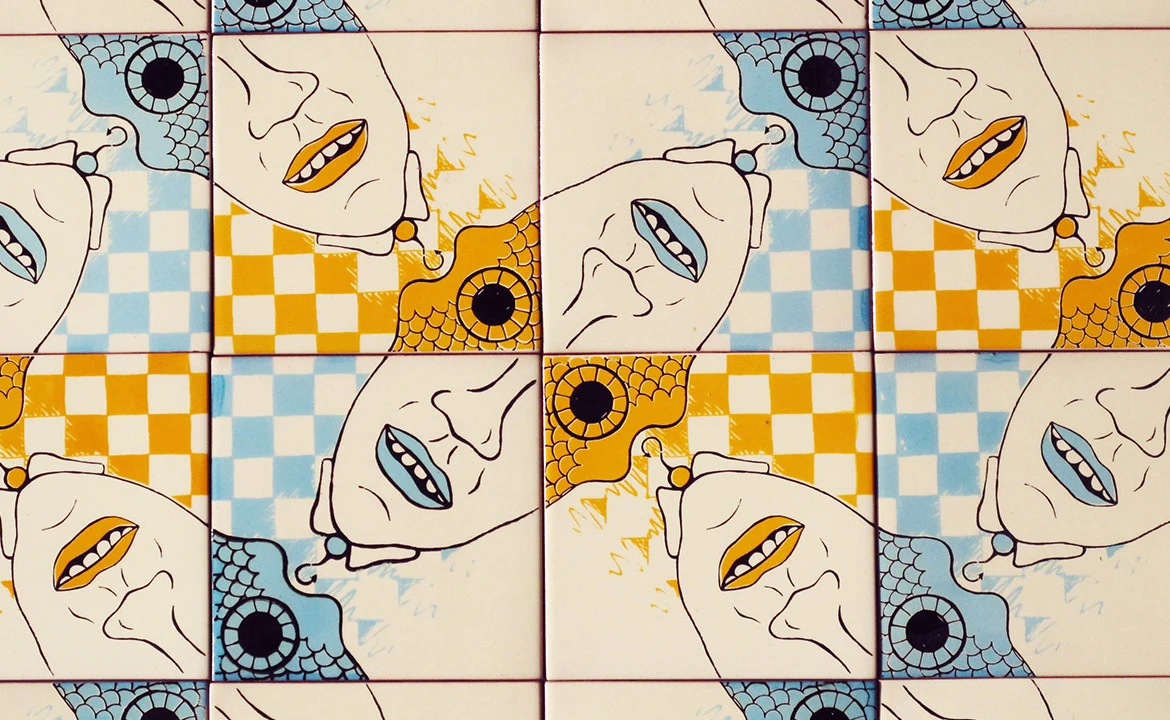
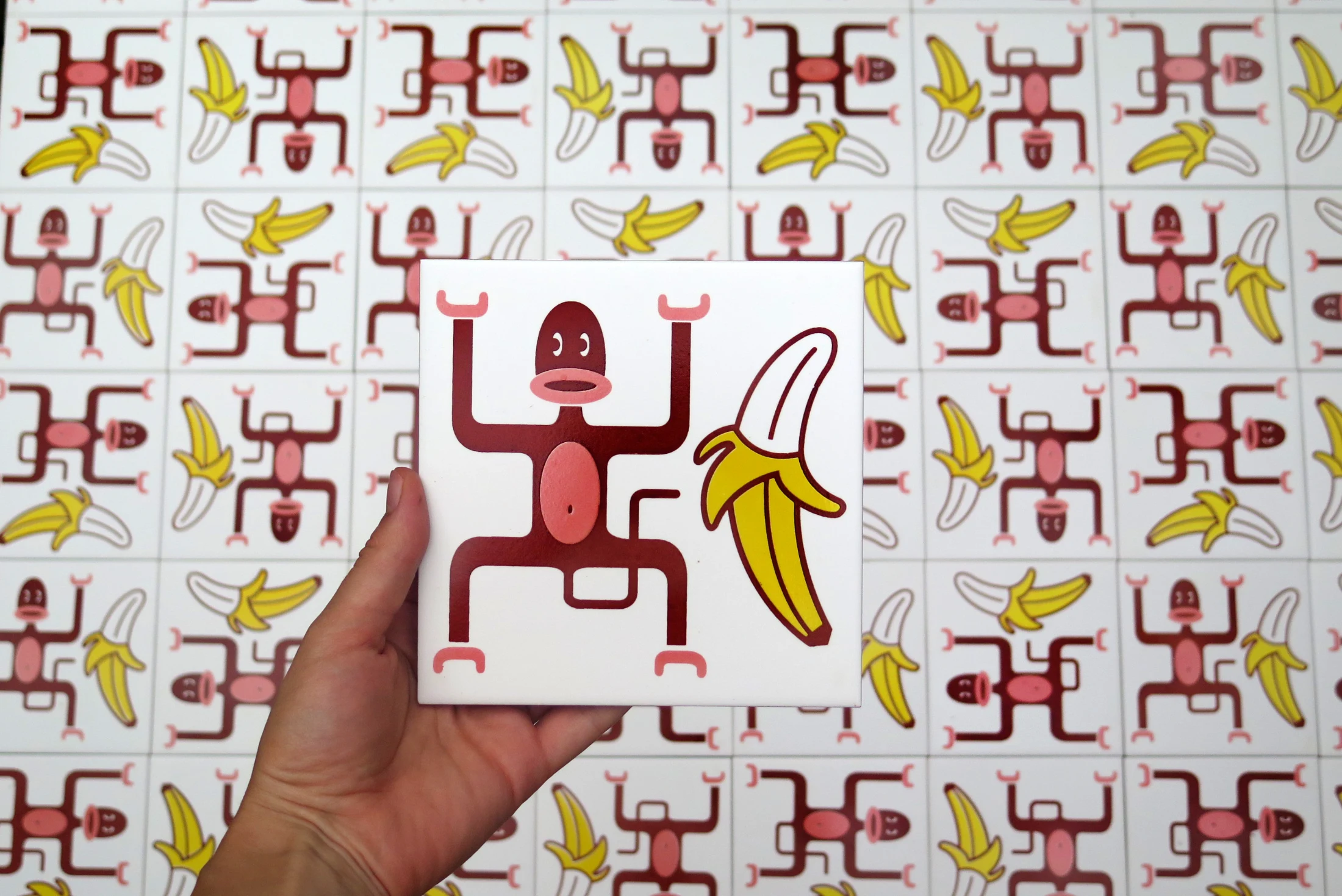
Every time we have to carry heavy boxes of tiles, we ask ourselves the same question: why didn't we choose a lighter material? Ha ha. But we decided on square tiles because their shape allows us to create large, patterned surfaces. We work a lot with math and repetition, as well as the ceramic screen-printing technique, which involves repeatedly decorating flat pieces. Tiles allow us to do all of this.

How did Bussoga begin?

Josep worked as an interior designer, and with the 2008 crisis, he began developing his ideas and then founded the Bussoga studio. I came to Bussoga by chance, with an internship grant from Romania. Aside from the fact that sparks flew when we first met, total love at first sight, I immediately identified with the brand. Since then, we've worked together very hard and with great enthusiasm.

Your designs reimagine those kitschy pictorial tiles from the 60s and 70s – playful, odd, sometimes a little naughty. What drew you to that visual language?

Studying the world tile market, there are many tiles in different sizes. Plain, with reliefs, floral motifs, geometric, etc., but none with penises and vaginas. That’s where we saw our place in the market.

You both come from different creative and cultural backgrounds, Romania and Spain. How do those perspectives meet in the studio?

With fights that always end well! The truth is, we complement each other. I studied fine arts, specifically mural art, and Josep studied industrial and interior design. Ceramics was our common ground, although neither of us had formally studied it.
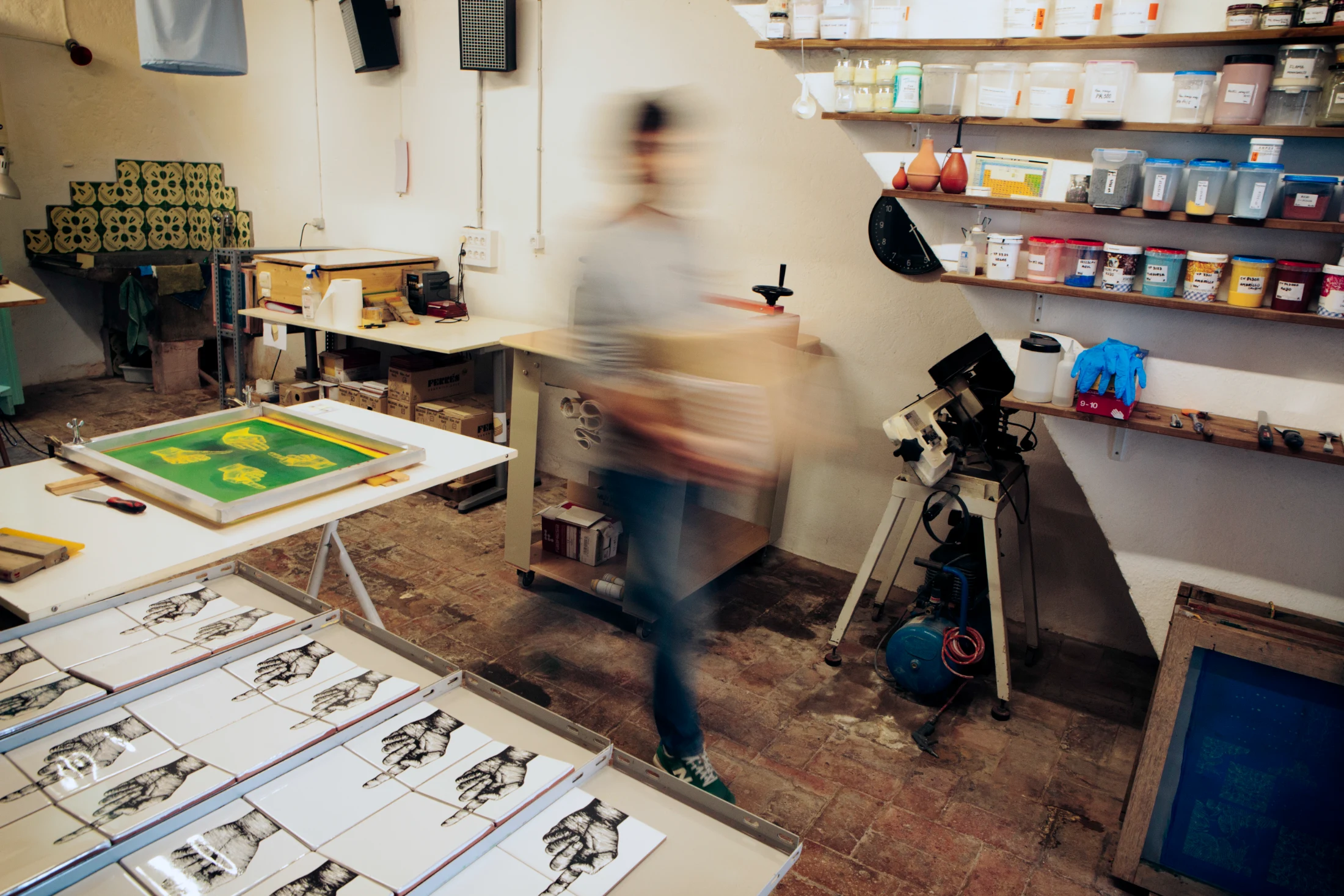
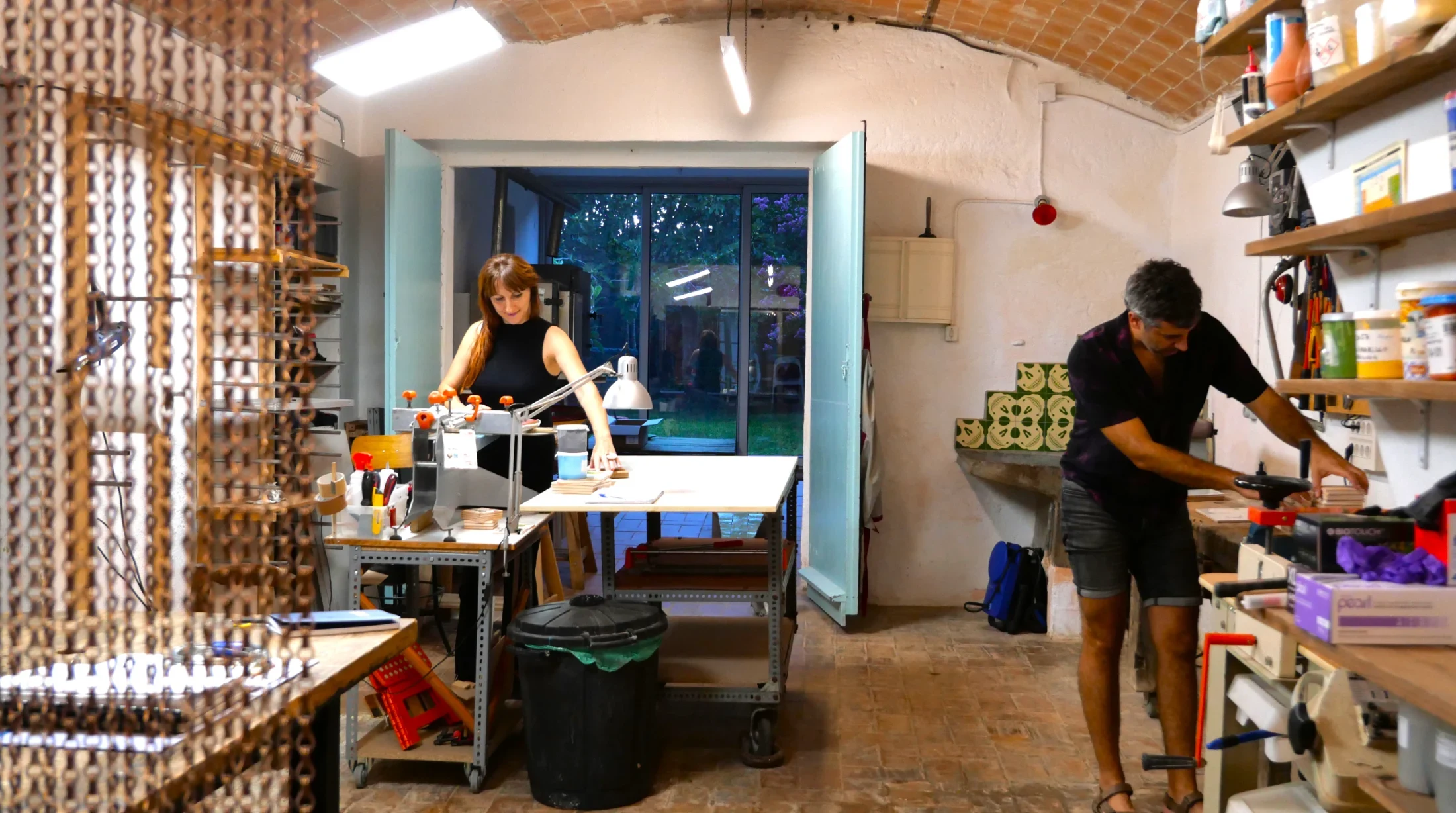
Take us inside the workshop. Do you make the tiles yourselves from start to finish, or do you source blanks and then hand-silkscreen them?

We usually work with plain-coloured tiles. We first draw by hand, then edit the designs on the computer, and print a photolith — a transparent sheet with the black-and-white negative image. Using this photolith, we prepare the silkscreen, which we've previously coated with a photosensitive emulsion. After exposing it to light for a few minutes, we wash the screen, leaving the printed negative. It's a very complex process, similar to analogue photography.

We then use the screen to make copies of the same drawing. We apply ceramic glazes to each tile, then fire them at 800°C, where they fuse permanently. Oh, and the colours are applied layer by layer. So the more colours a design has, the more likely it is that problems will arise.

The adhesive murals are such a clever concept. How did you land on the idea of making tiles that people can literally stick anywhere?

He he, there's a catch here. The invention of adhesive backing has helped us remove tiles from kitchens and bathrooms and turn them into an accent that people can place in any space. With this "trick," we compete with art prints, and we're much more affordable.

Do you remember the first tile you made together?

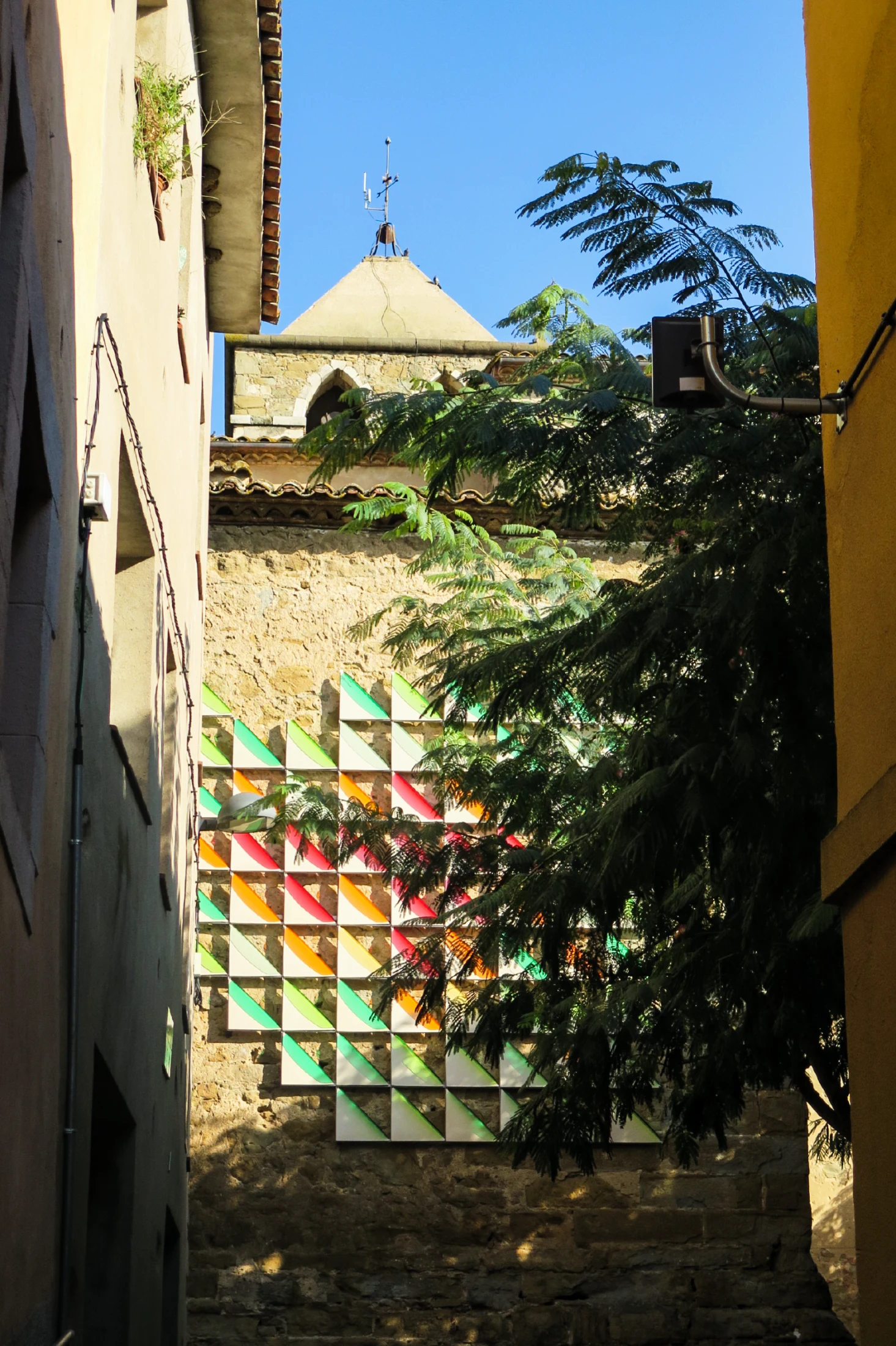
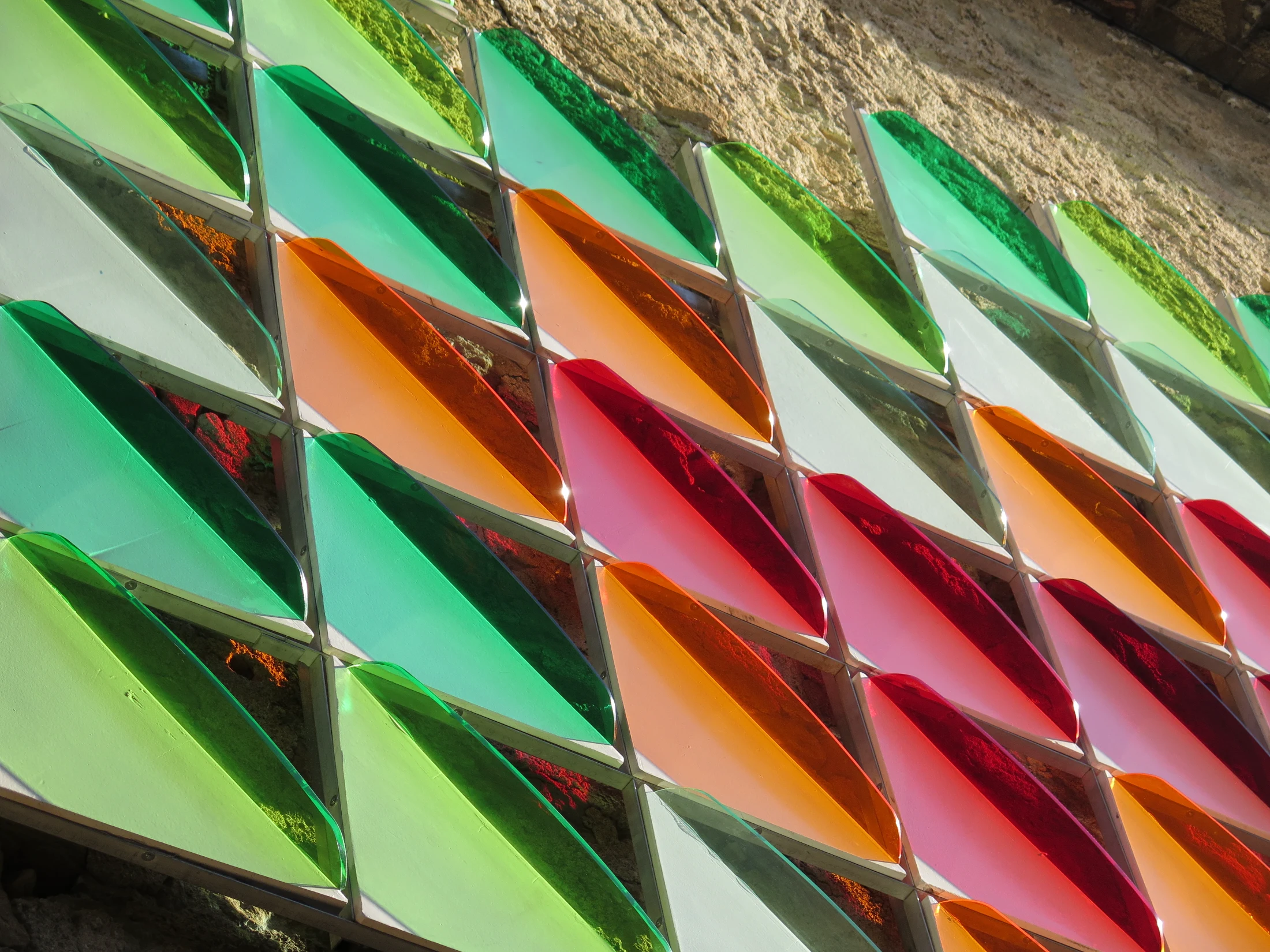
What comes to mind now is our first public space project, which was a memorial to the Spanish Civil War, located in Sant Jordi Desvalls (Girona). The commission posed a significant challenge for us, and there was a genuine merging of ideas on both sides. This memorial was a mix of tiles, patterns, lights, mural art, engineering, and many other elements.

Do you work with a stable of different designers or illustrators?

Most of the designs are our own, but on various occasions we have collaborated with designers, artists and illustrators we have met and with whom we've formed friendships.

Have there been any surprising or delightful ways people have used your tiles?

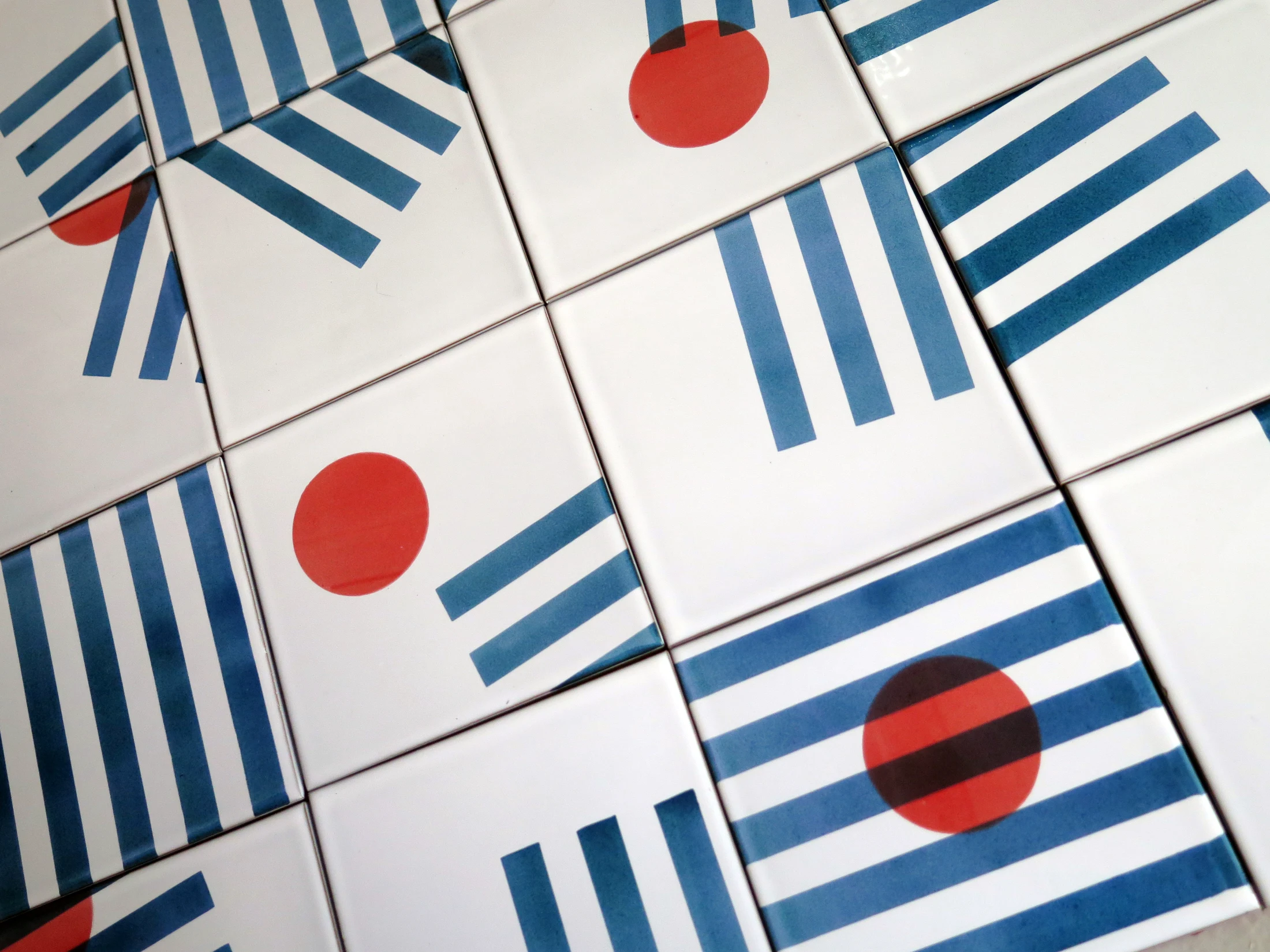
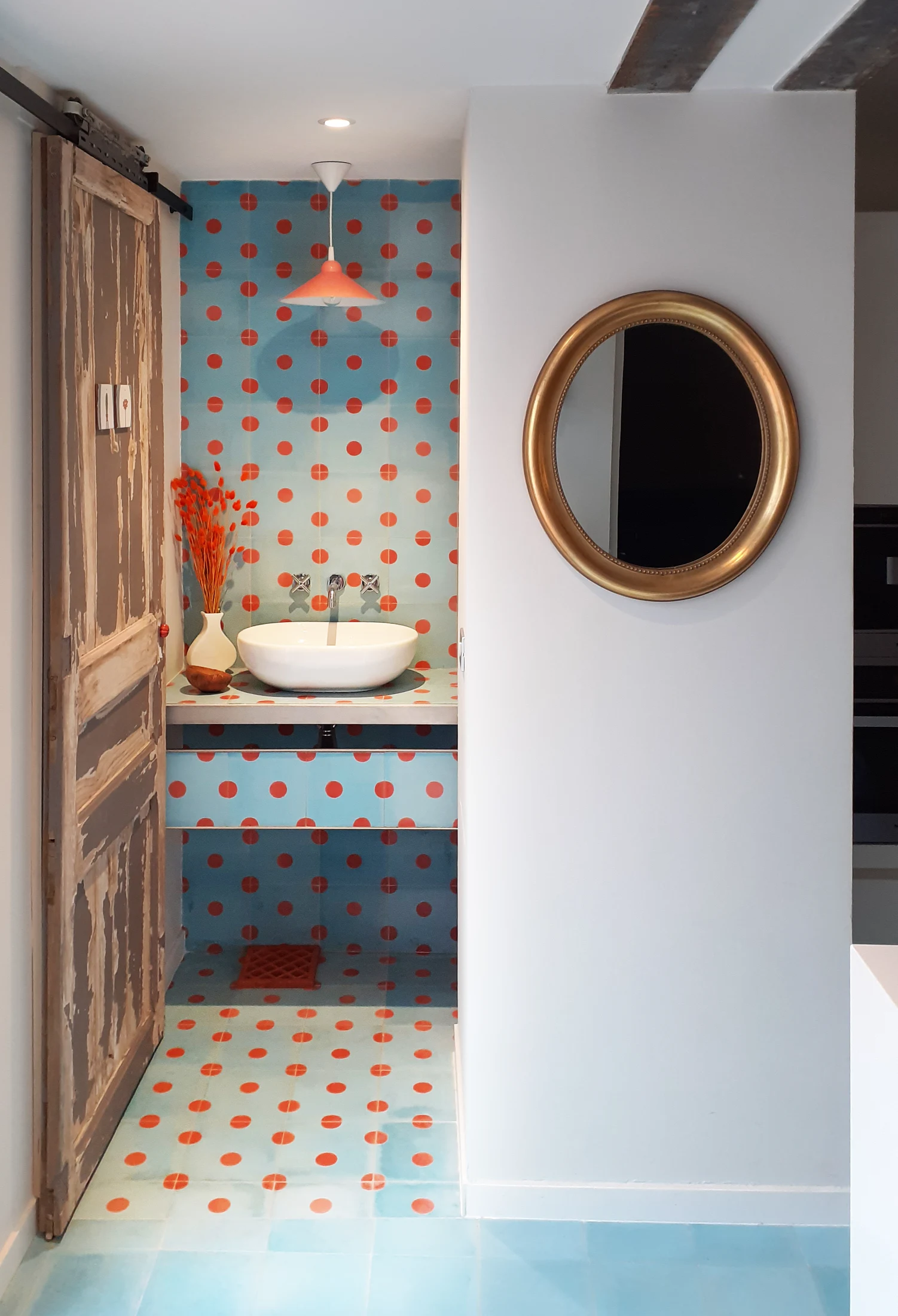
Oh yes, we're always surprised to see our tiles in different homes. Our favourite so far is a client from Paris who combined prints like Bikini (yellow) and Escates (red, turquoise) in her bathroom, and the result was spectacular. She had a great taste for bold colours.

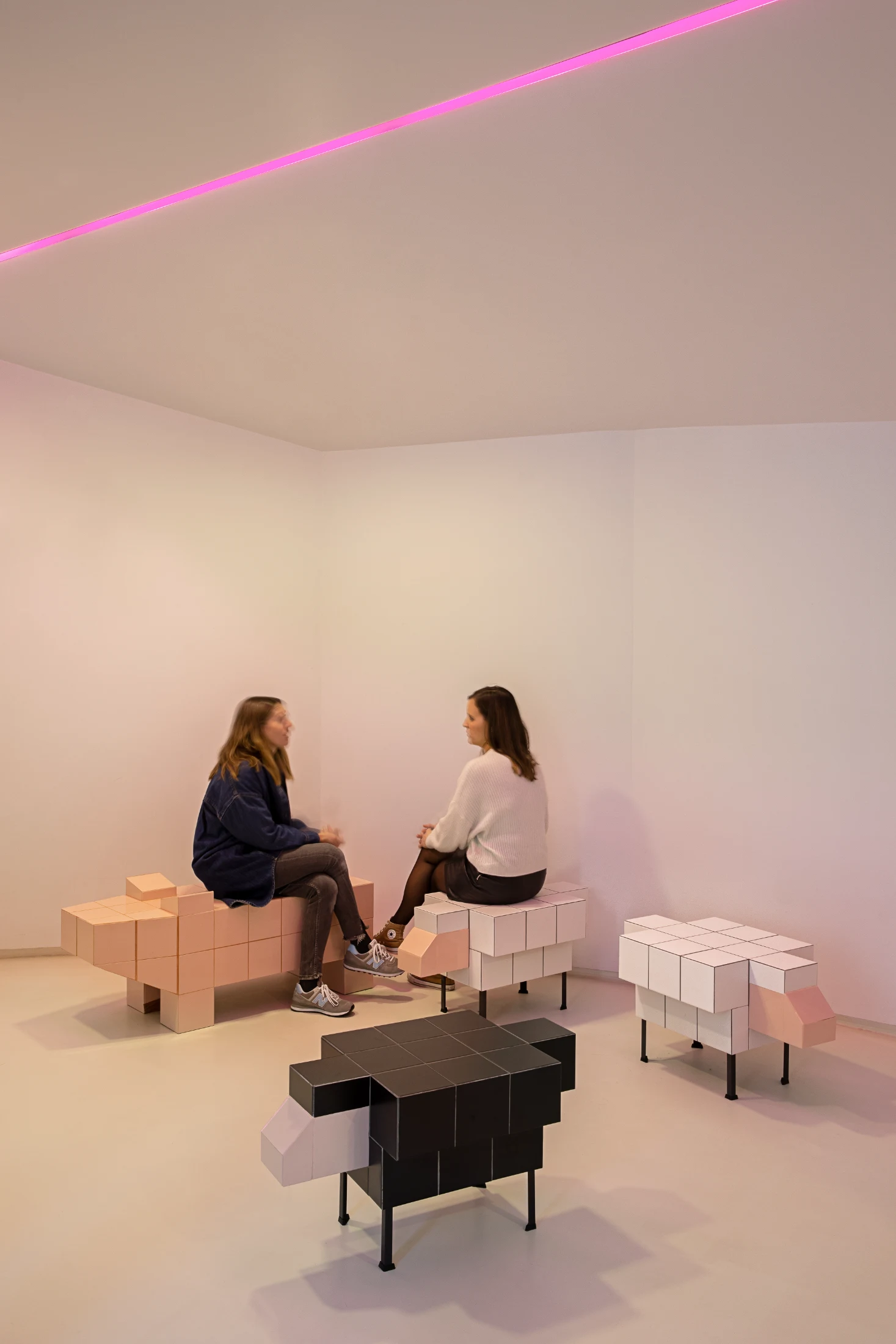
You've created furniture that pairs ceramics with animal forms, pigs, cats, sheep and alligators. How did that idea evolve?

We really wanted to make things in 3D. The first piece we made was the pig table, which is still our favourite. From there, we faced new challenges, like cutting the tiles as small as possible so the animal shapes could be understood.

You recently showed your work at Barcelona Design Week. What did you want people to experience when they came across Bussoga?

Laughing! People don't expect to find sheep made of tiles, much less a cow with two frankfurters instead of horns. We like to bring out people's sense of humour; we really need it these days.

bussoga.com | @bussoga

Writing:
Sophia Fawdry
Writing:
Photography:
Photography:
Courtney of Bussoga
Back to Top
Arrow UpArrow Up
Top
Arrow UpArrow Up
The After shot of the Floorplan
Before
before
after
After
Businesses featured in this project
No items found.
Products featured in this project
No items found.
Magazine Current IssueMagazine Current Issue
Writing:
Courtney of Bussoga
Writing:
Photography:
Photography:
Courtney of Bussoga
Back to Top
Arrow UpArrow Up