Magazine Current IssueMagazine Current Issue
Embracing the Pause
Embracing the Pause
From our Mag
August 1, 2026

Embracing the Pause

From one-off creations to designing for students, Nathan Yong’s designs strive to balance craft, practicality and emotional resonance.

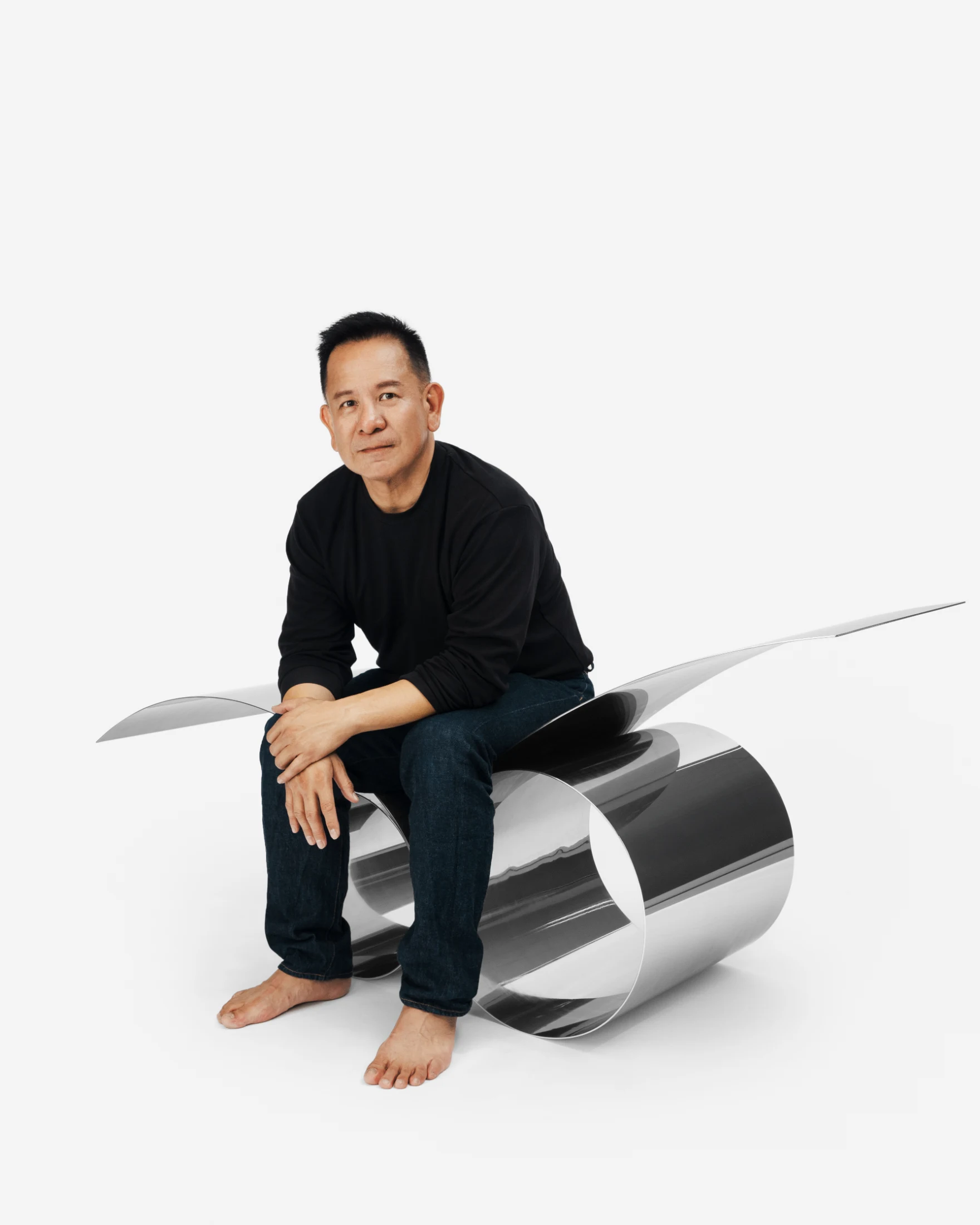
Nathan Yong's work begins at home. Not just in the domestic sense, but in the deeper idea of how objects shape the way we live.

One of Singapore's most prolific contemporary designers, Yong has built a career in honest design with attention on materials, use and emotional resonance rather than spectacle. His designs are practical, but also function as a medium for personal connection, identity and quiet contemplation.

Growing up in 1970s Singapore, Yong spent his early years around the shipyard valleys of Tanjong Rhu, absorbing the sculptural forms of boats and the raw presence of wood and metal. Later, life within the tight confines of government housing sharpened his sensitivity to space, restraint and necessity.

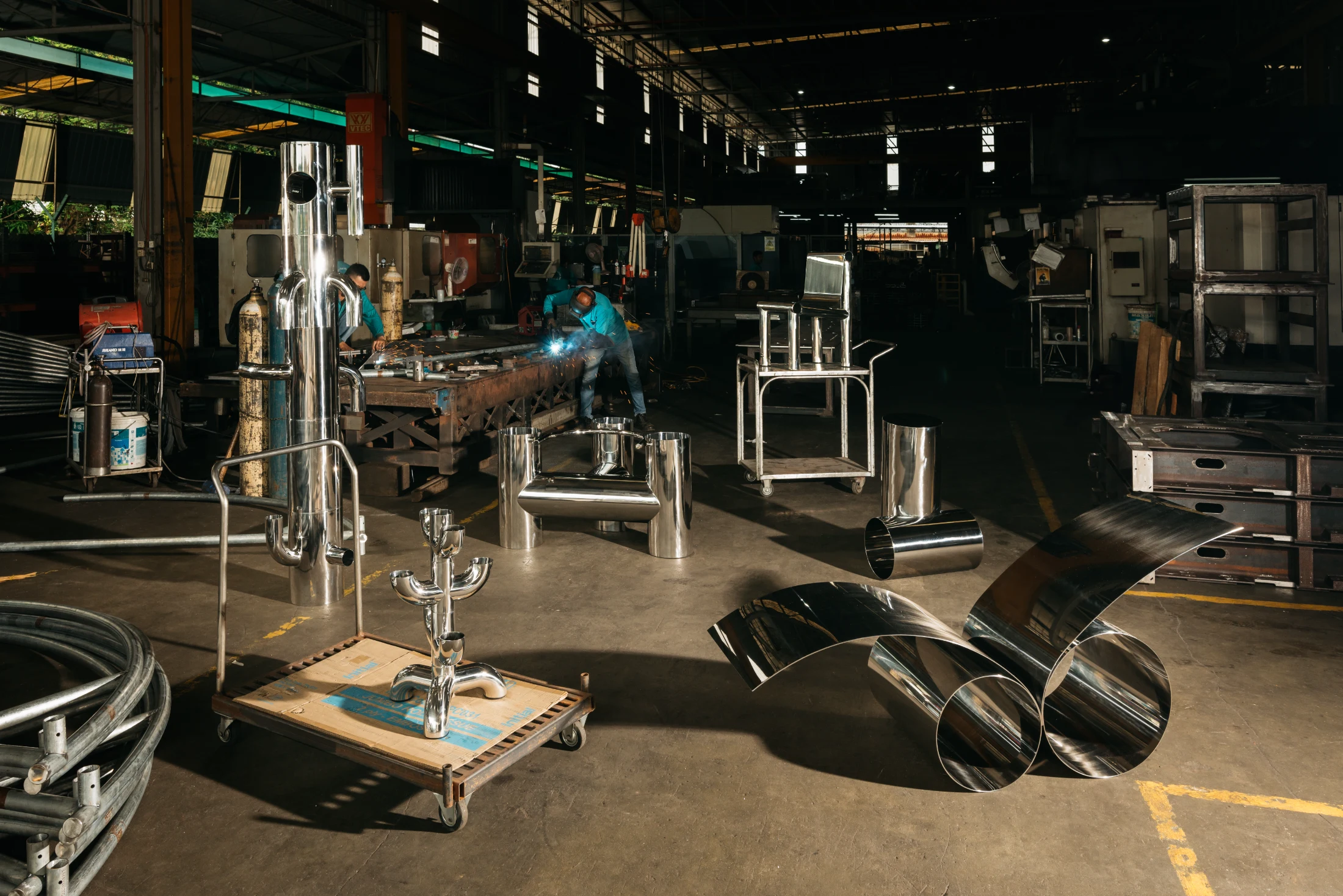
First trained in industrial design, Yong's career has taken him across countries as a buyer and designer, working directly with manufacturers and craftspeople. This exposure to production and craft continues to inform his approach.

With his first retail space, Nathan Home, now open, we spoke with Yong about homemaking, influences, cherished objects, and the thinking behind some of his most iconic designs.

Writing:
Sophia Fawdry
Writing:
Photography:
Photography:
The After shot of the Floorplan
Before
before
after
After
Top
Arrow UpArrow Up

When you think of 'home', what does it mean to you these days? What pops into your mind first?

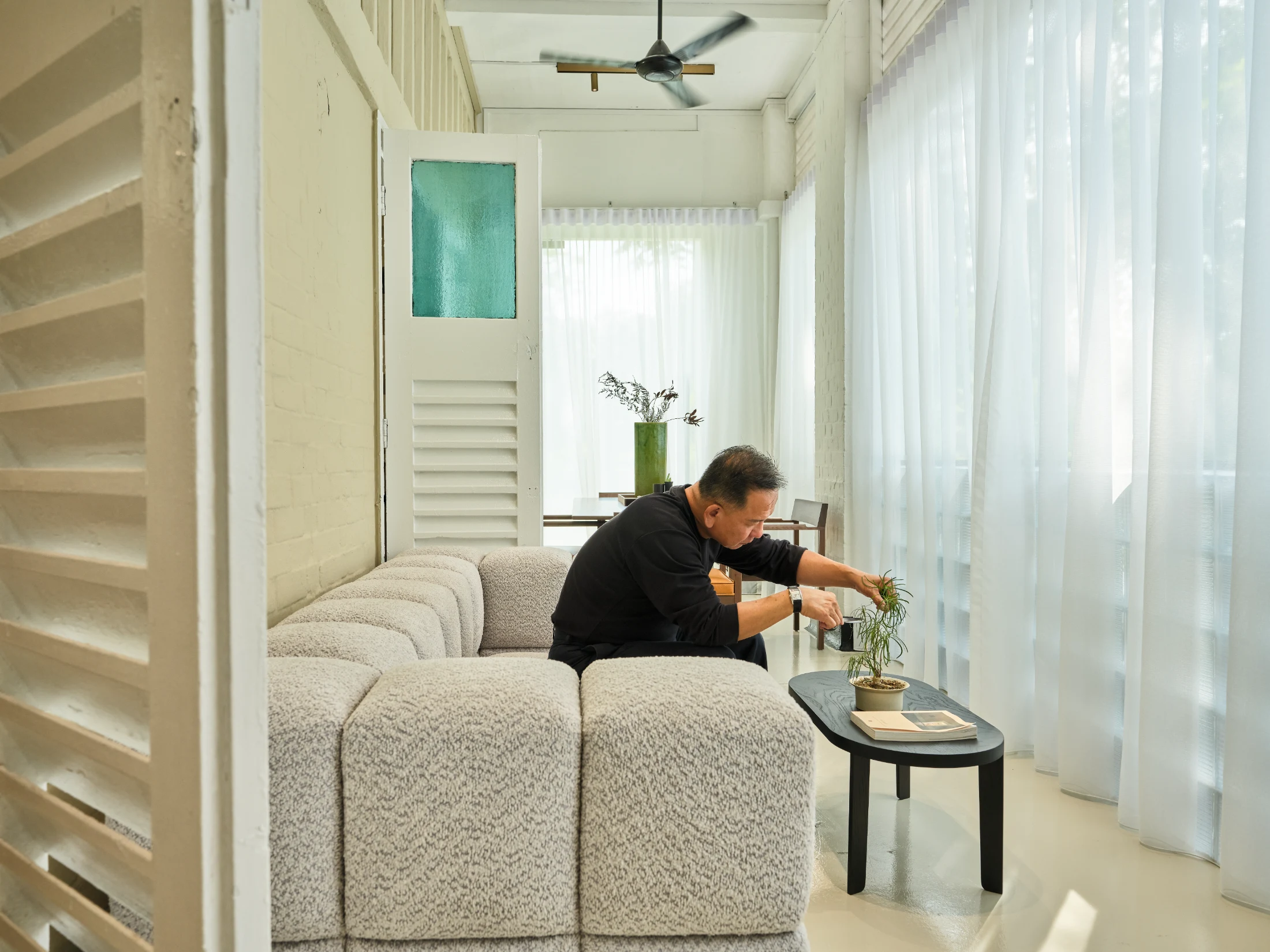
Home feels less fixed these days. What comes first is a sense of calm, light coming in through the curtains, found objects around me, things I've lived with for a long time. Home is where I can slow down and stop performing, even when everything outside feels rushed.

How did your upbringing shape the way you relate to objects, design, or even the way you live in a space?

I grew up with very little excess. Objects had a job to do, and if they broke, you fixed them or lived with the damage. That made me very aware of use, wear and necessity. I still carry that with me, and I’m drawn to things that are honest, meaningful and able to age. I don’t need perfection; it stresses me out. Every chip and scratch speaks of a moment in life, and knowing that keeps me aware.

What role do materials, craft and making techniques play in creating a space that truly belongs to someone?

You can feel when something has been made by hand or carefully considered. Craft brings human warmth and time into a space. When we sense that something was made by someone who cared at every stage, it stops feeling generic. It's love, basically, a universal language communicated through making.

When you design something, do you picture the person who'll live with it, or the life it might gather over time?

Definitely the life. I'm more interested in how something will be lived with, how it gets used, moved or repurposed. If something ages well, it will naturally find the right person.
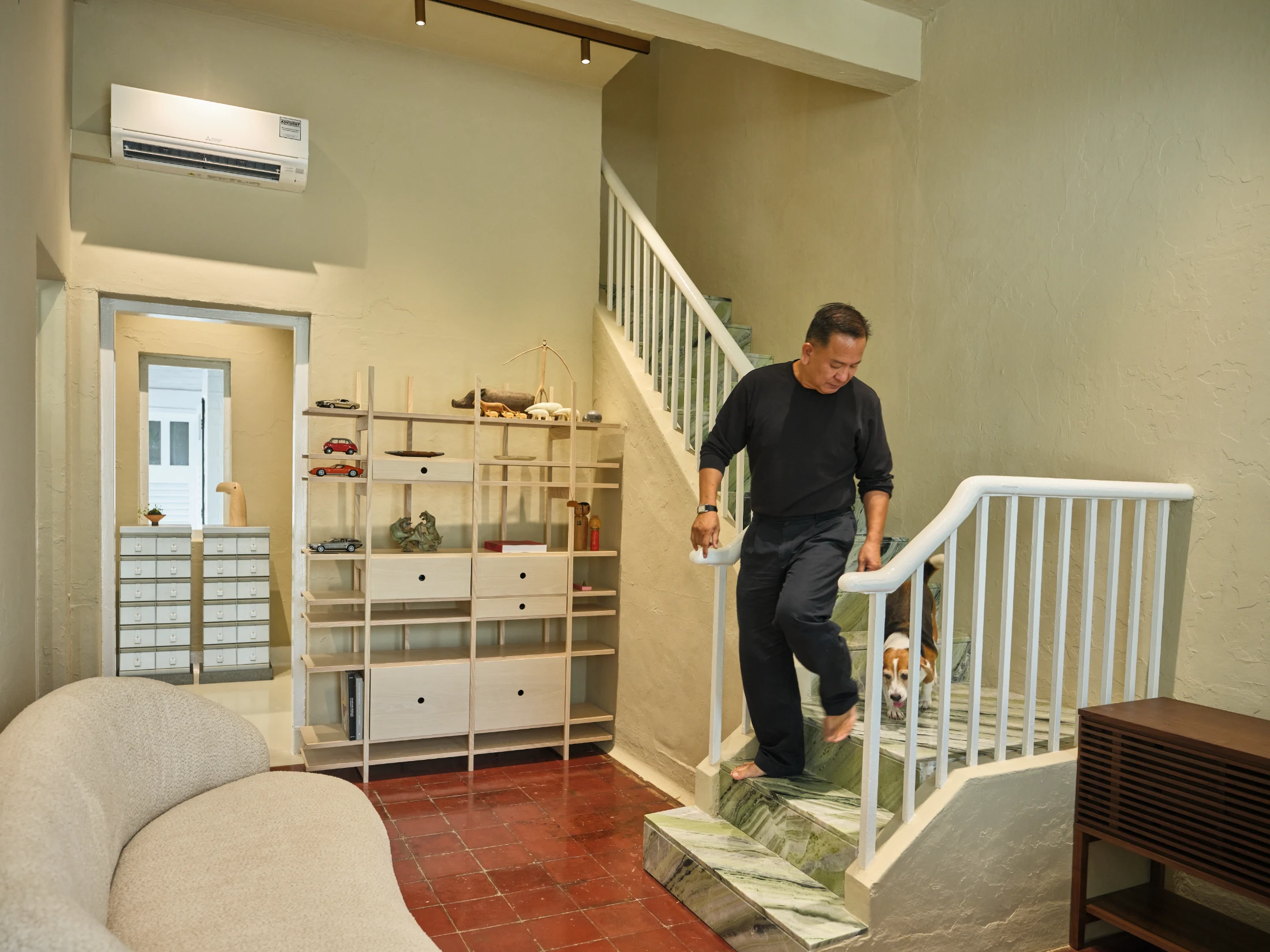
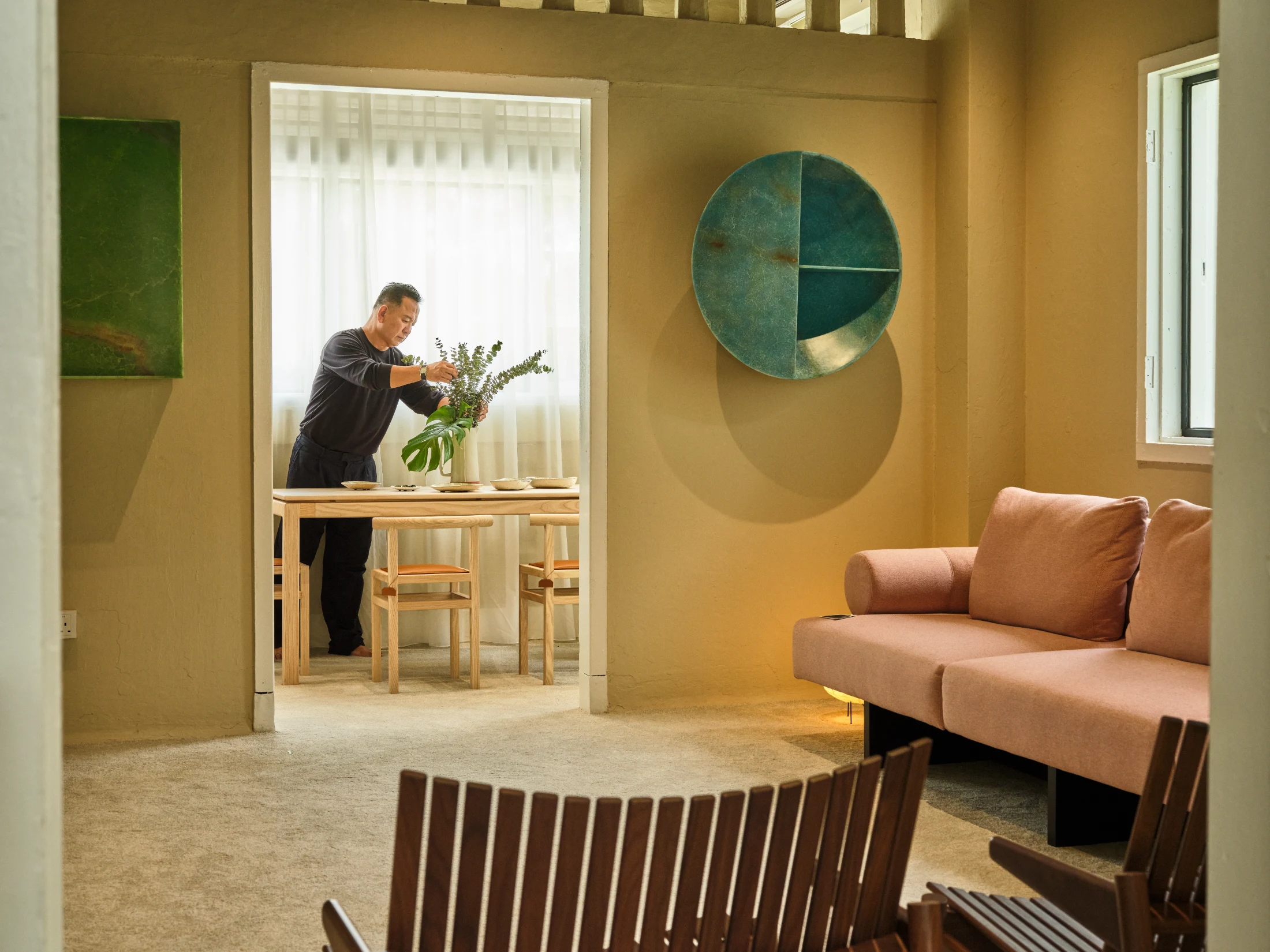
There's a sense of resistance to a culture of fast, disposable design in your work. Is that a deliberate position or an instinctive one?

It's instinctive. I've never been comfortable with things designed to be replaced quickly. I don't like being wasteful; it's disrespectful to the environment and to nature, from which all materials come.

Like any relationship, I believe objects should earn their place over time. If something can stay with you for years, even decades, it becomes part of your life. Value and meaning grow, and respect is built. It’s not something you consume, but something you have a relationship with.

Do you have a favourite object in your home? What's its story?

I have too many favourite objects to name just one. But over the years, I've subconsciously collected animal figurines without realising it, until a friend pointed it out to me. I'm drawn to animals made from different materials like stone, wood, glass and clay. There's something very primitive about them, almost like the earliest human drawings, which were often of animals. They sit somewhere between craft, materiality, art and humanism, and I find that deeply moving.

Why did you start Nathan Home?

I wanted to create a new Asian brand that values our collective Asian sensitivities within the space of modernity. Where design feels more humanistic, hospitable, respectful and mindful of our environment, space and people. Nathan Home is about expressing our collective values as Asians in the contemporary world, without losing ourselves to a fast-paced, transactional culture.

Nathan Home feels more like a lived-in space than a traditional store. What kind of experience are you hoping people have?

I hope people feel comfortable enough to linger, sit, touch things and imagine them in their own homes rather than feeling pressured to buy. It's meant to feel like stepping into someone's space: relaxed, curious and unhurried. I hope it inspires people to live more intentionally, with well-thought-out design that holds our Asian values.

You're currently renovating your own home. What's that experience been like so far?

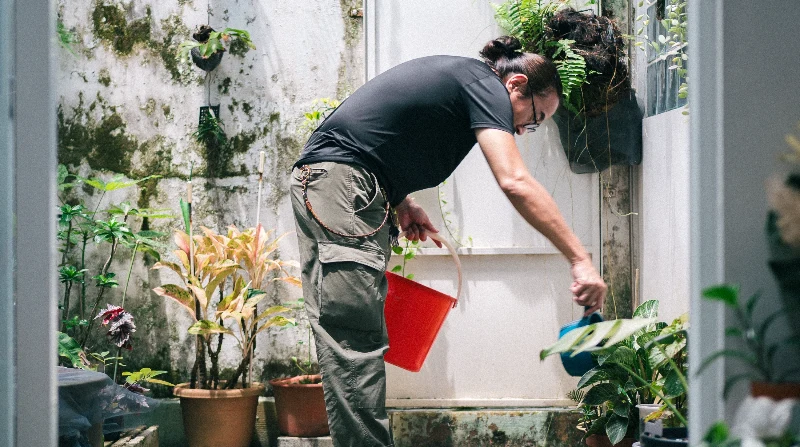
It's a very introspective renovation. I've asked myself honestly what is needed now in my life, and what inspires me, my past failures, dreams, hopes, and grounded truths. I'm simplifying and trying to do as little as possible, letting behaviour, habits, light, proportions and materials do the work instead of 'architectural' decoration. It's an old, modest house that suits my scale. It's slow and very personal, more like editing a life than styling a space.

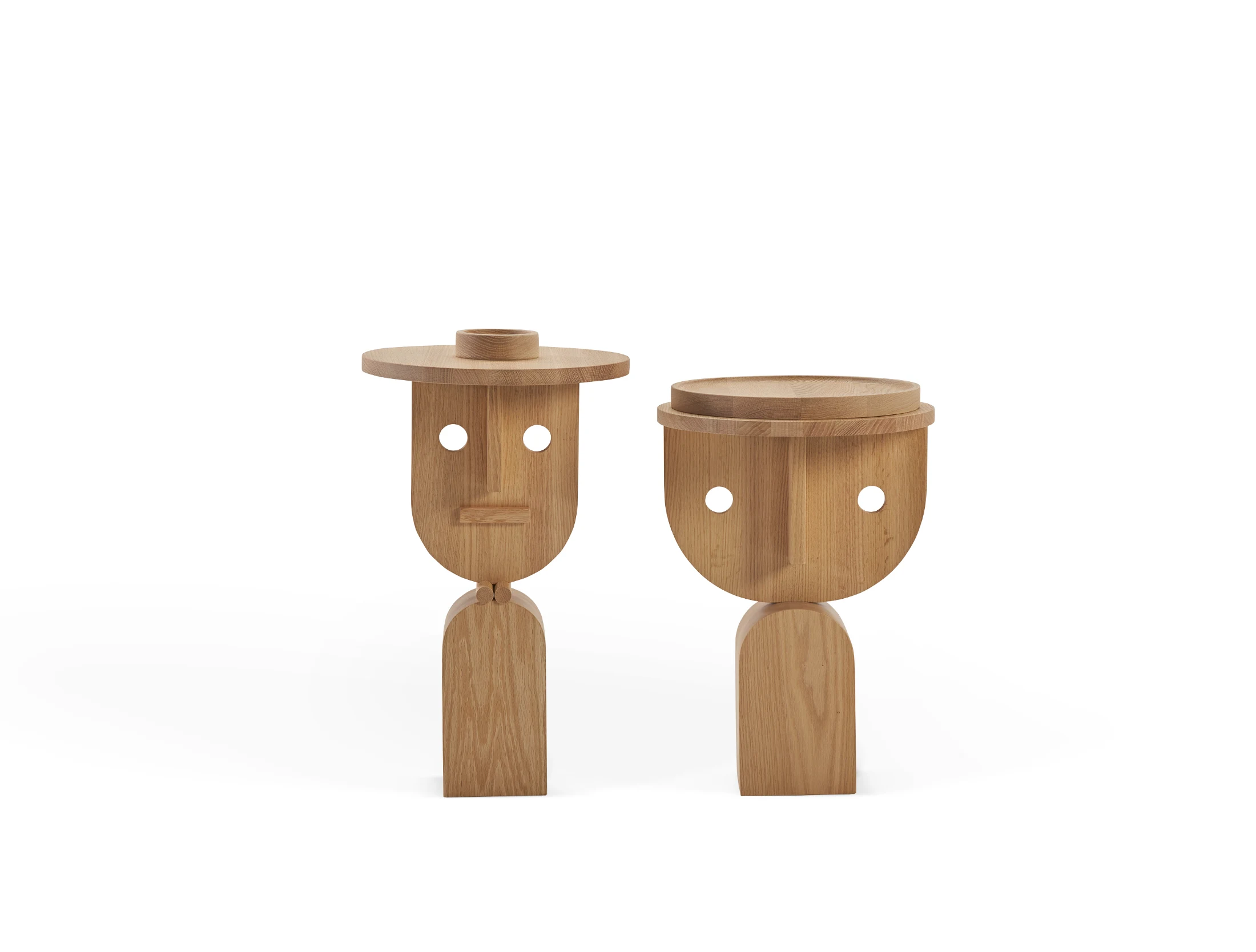
Your Faces tables for SANCAL were conceived during the pandemic. What was it about this time in your life that inspired these designs?

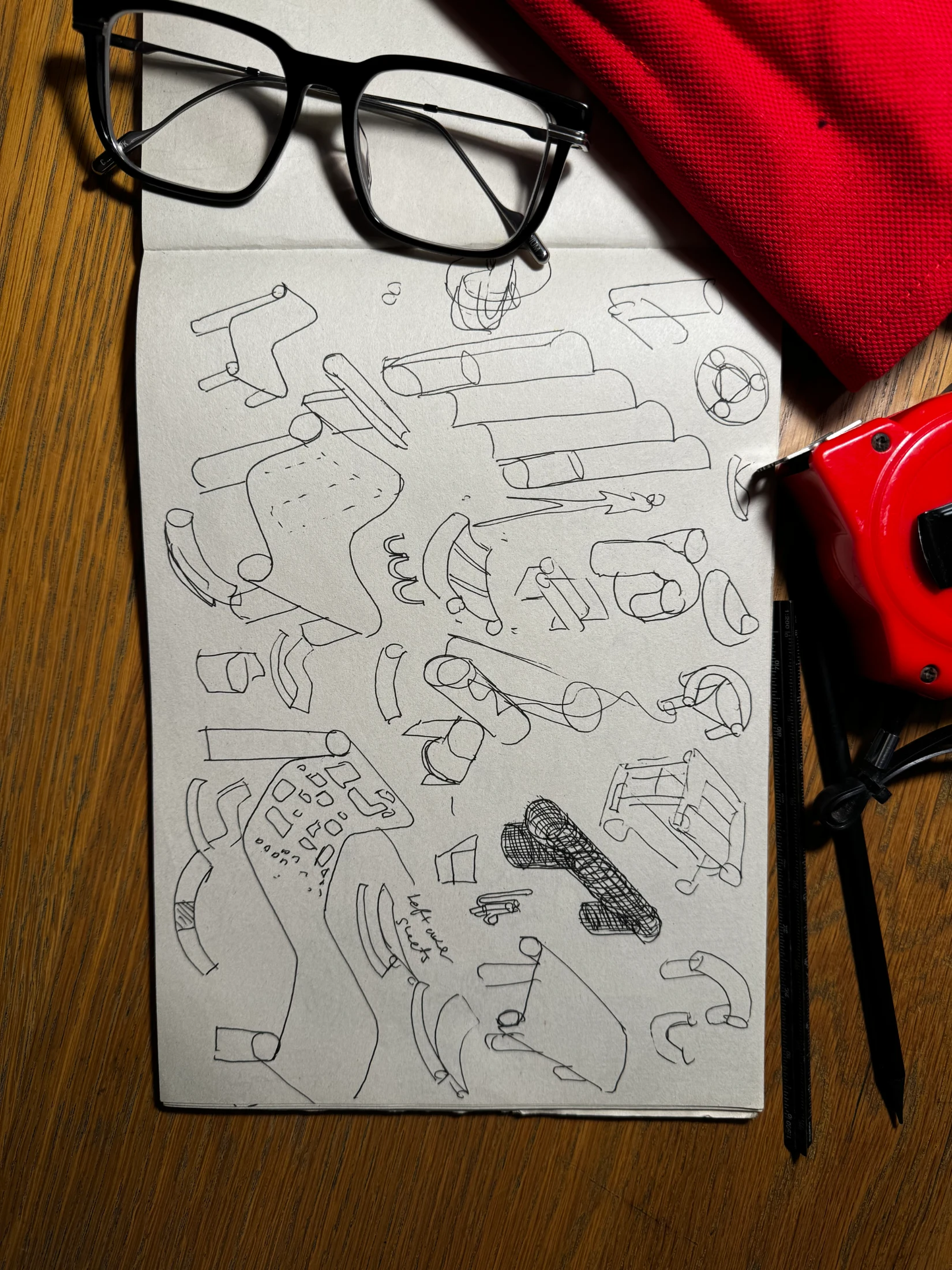
It was a time when we felt the need to develop happy products. I've always been fascinated by how simplified shapes of humans or animals can evoke such a strong sense of connection. This idea has always been present in my sketches in some way, but the urgency to bring it to life intensified during the pandemic. There was a subconscious desire for companionship.

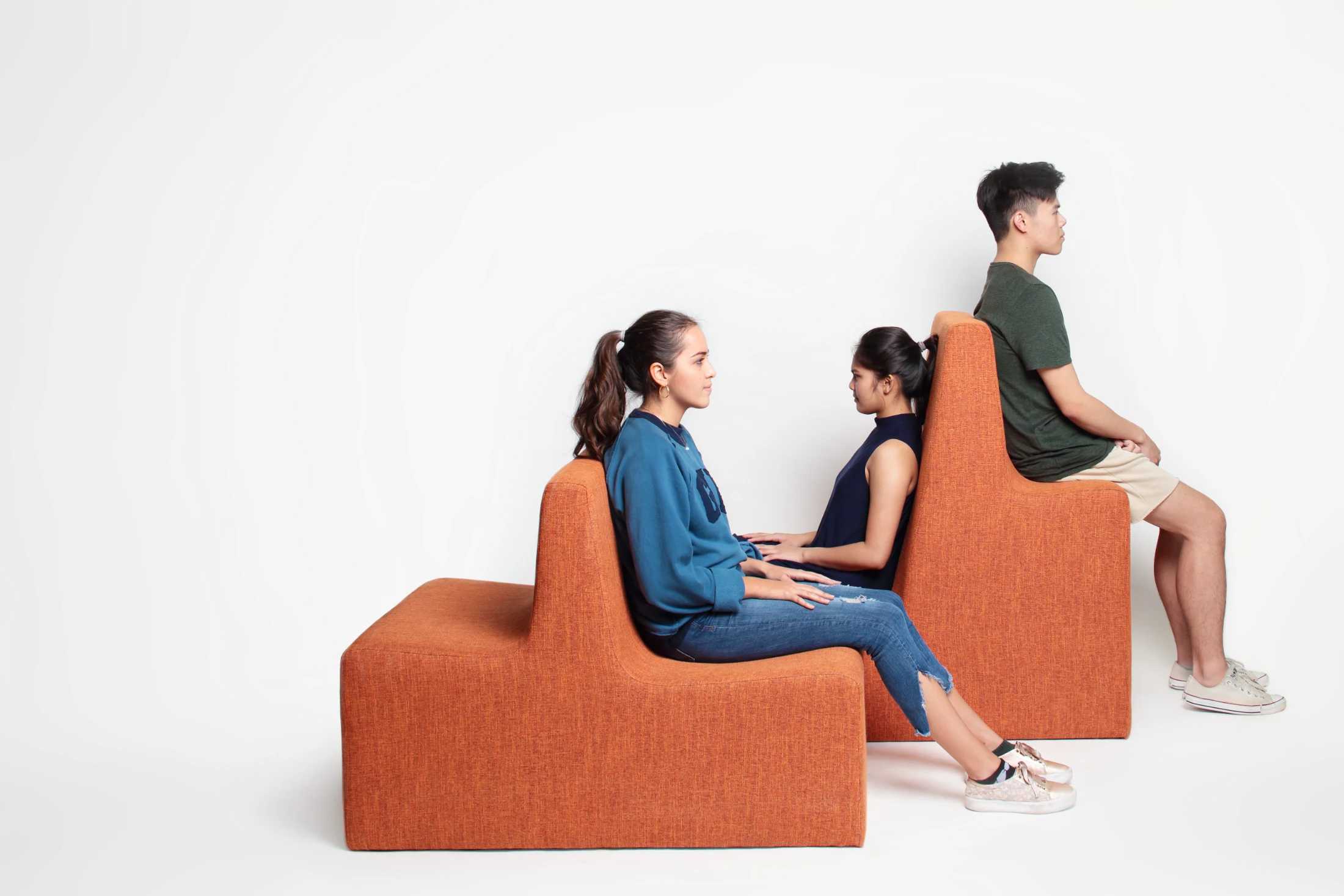
SCAPE was designed for students and shared life. How does comfort play into communal or transitional homes, where personal space can be limited?

The young are flexible, restless and creative. SCAPE, as a sofa-scape, allows them to be part of evolving change through how they arrange it. It's democratic in that sense, and encourages exploration and adaptability.

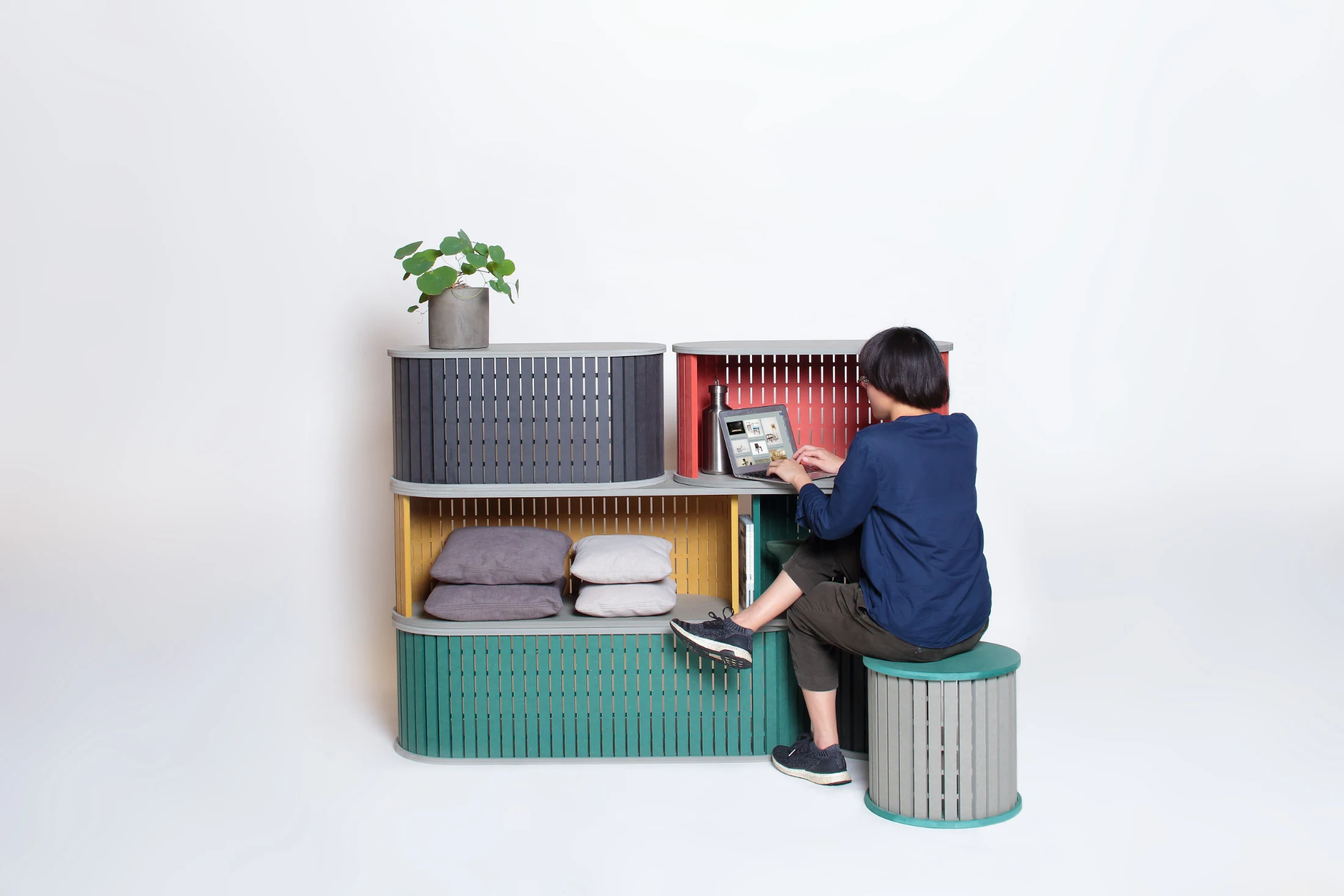
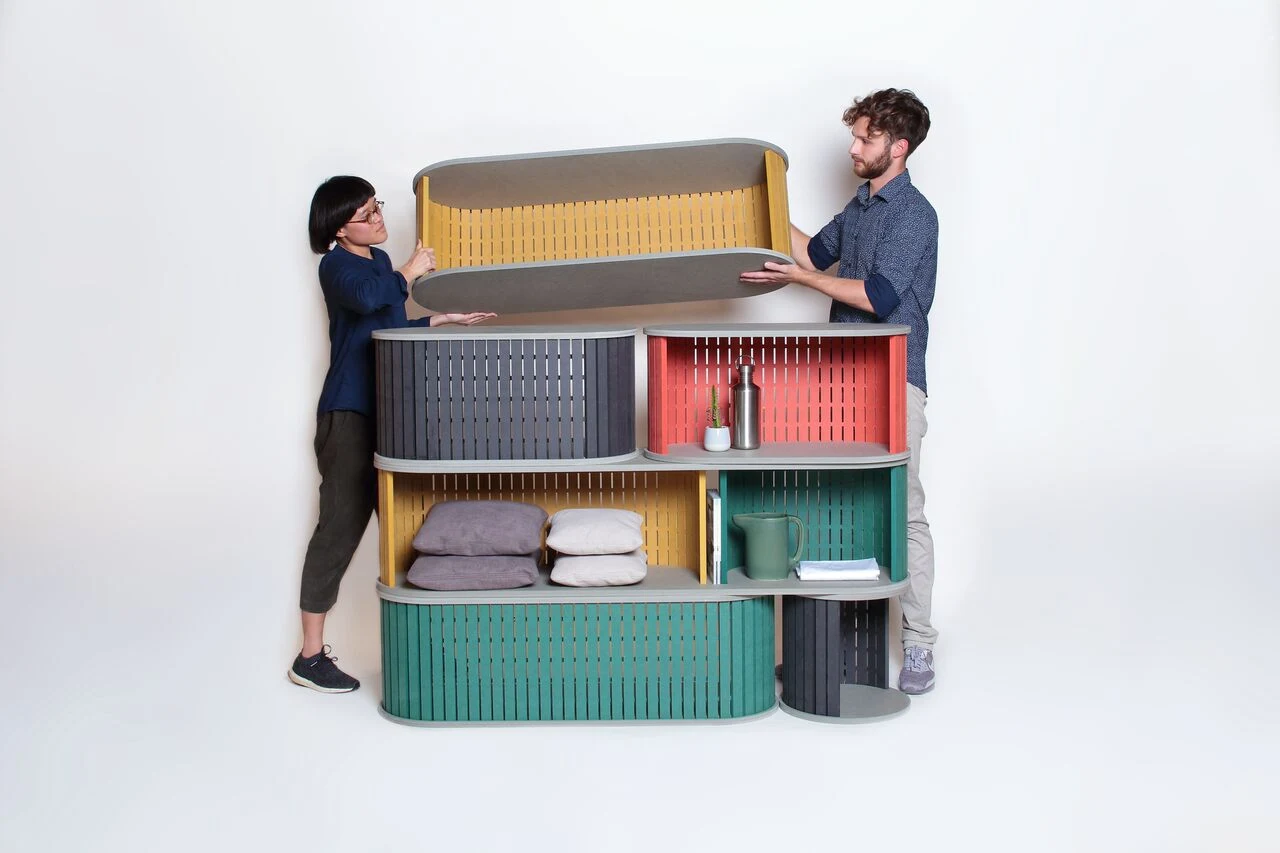
Flexibility seems central to your designs, like in P.O.P.U.P. How do you approach it for homes that need to adapt?

Flexibility comes from simplicity. When something is well-proportioned and clearly made, it can move between roles easily. P.O.P.U.P. was designed to adapt without feeling temporary. It allows homes and people to change without constantly replacing what they own.

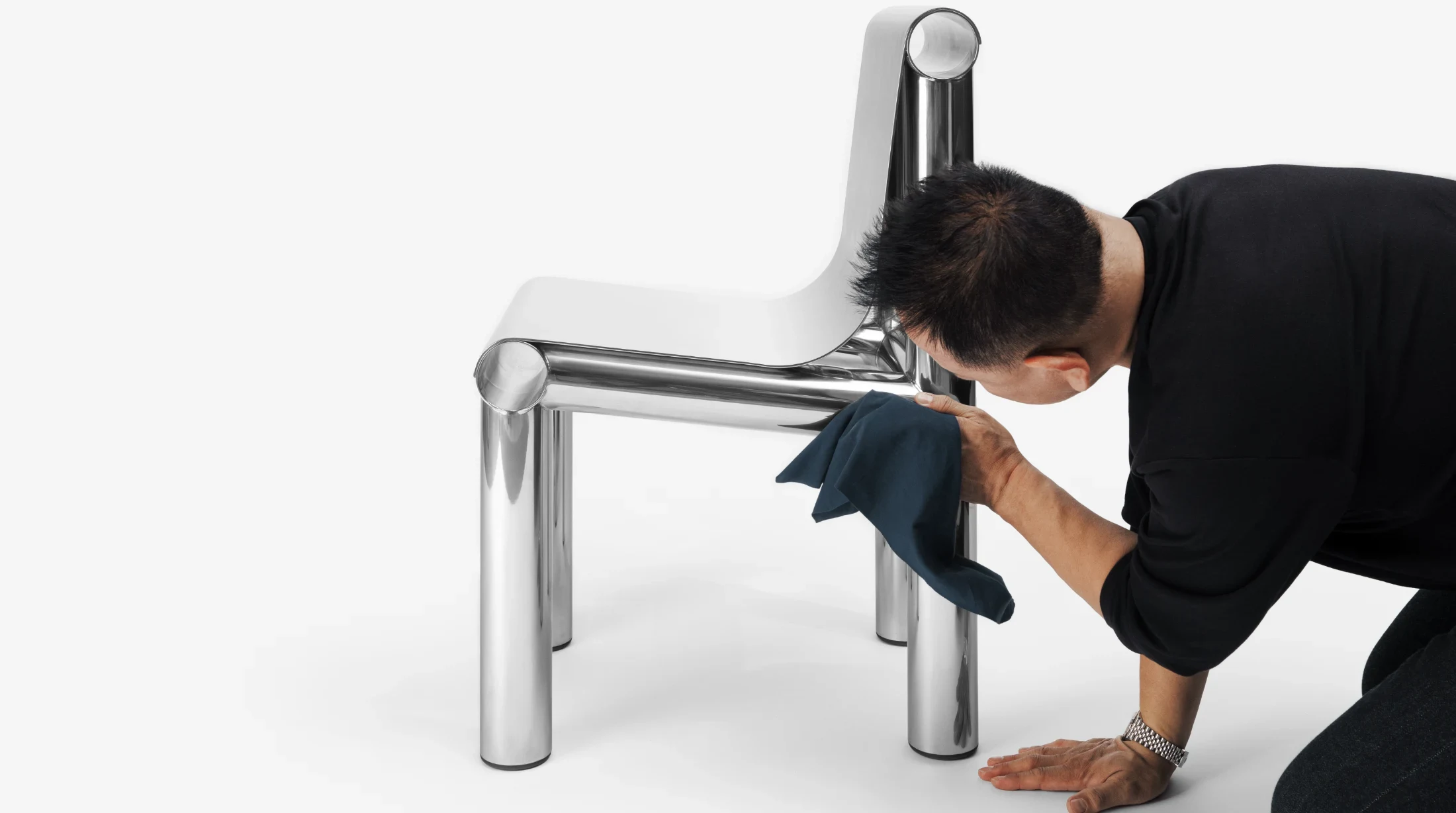
Being and Nothingness reflects the viewer back to themselves. How do you see contemplation and self-awareness fitting into the home?

Home is the last place where we can be unabashedly ourselves. We surround ourselves with objects that hold meaning, and these encourage contemplation. They allow moments of stillness that force us to confront our own thoughts. That kind of awareness is important; it reminds us to slow down, be thankful, forgive, be generous and love.

Writing:
Sophia Fawdry
Writing:
Photography:
Photography:
Back to Top
Arrow UpArrow Up
Top
Arrow UpArrow Up
The After shot of the Floorplan
Before
before
after
After
Businesses featured in this project
No items found.
Products featured in this project
No items found.
Magazine Current IssueMagazine Current Issue
Writing:
Writing:
Photography:
Photography:
Back to Top
Arrow UpArrow Up