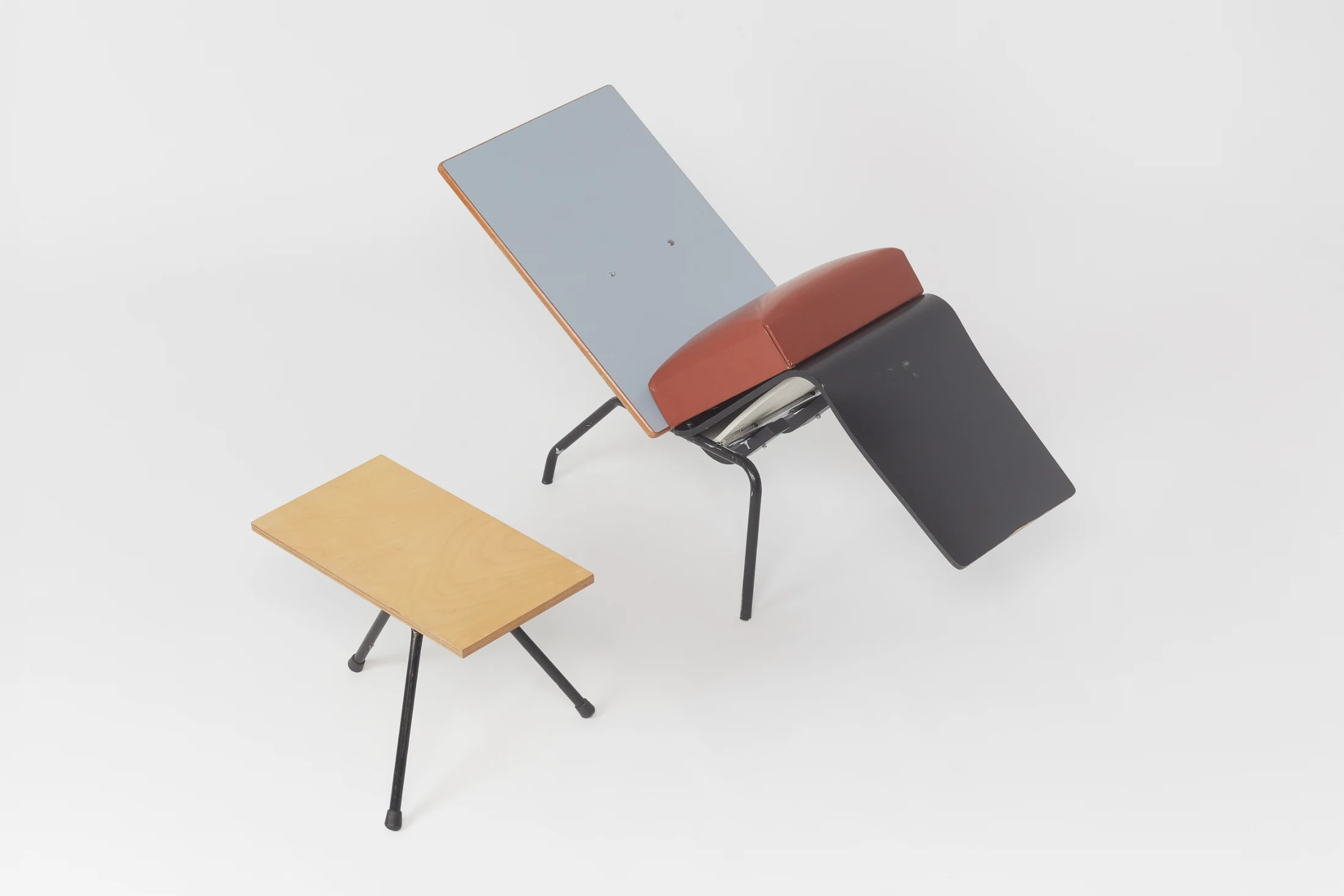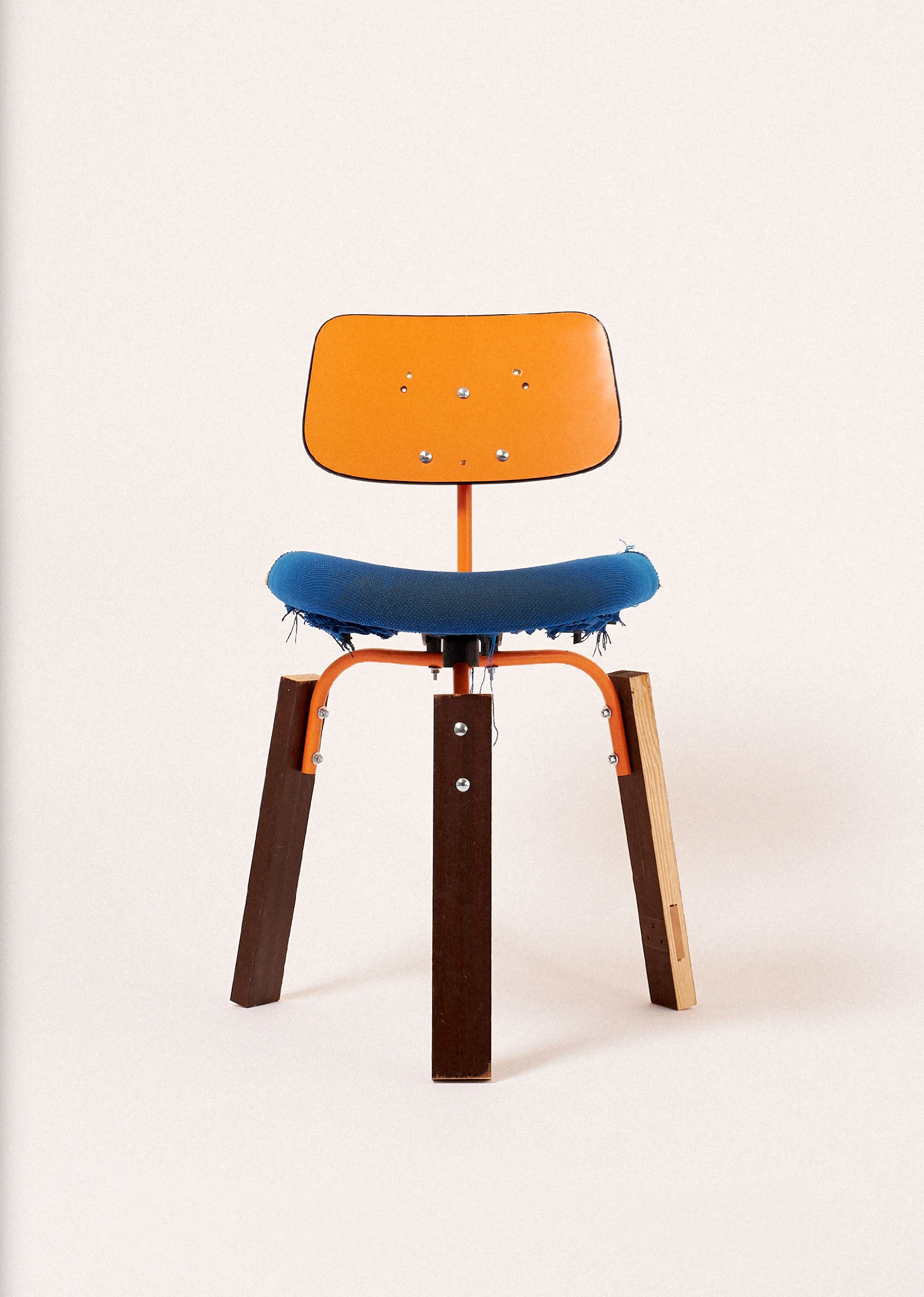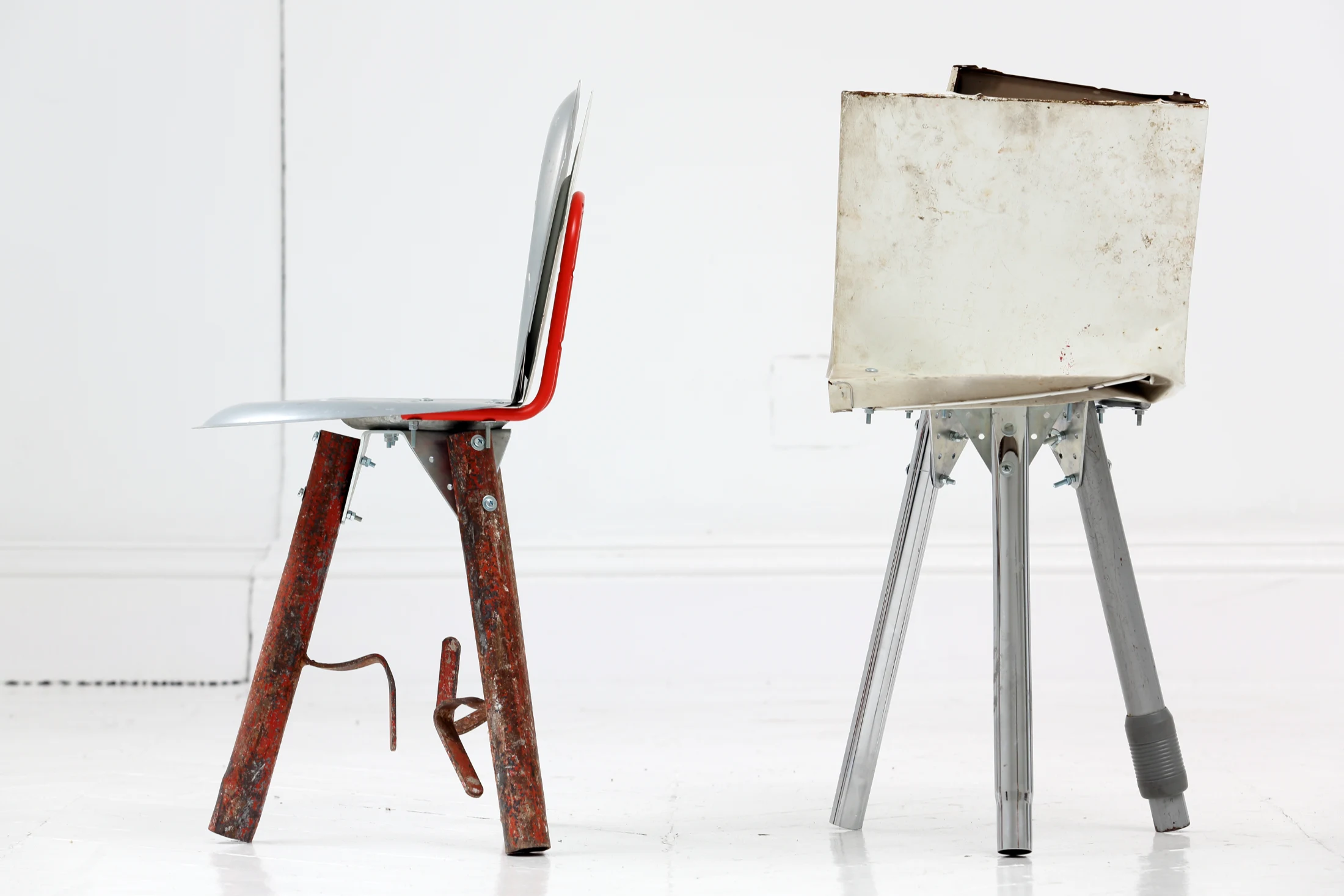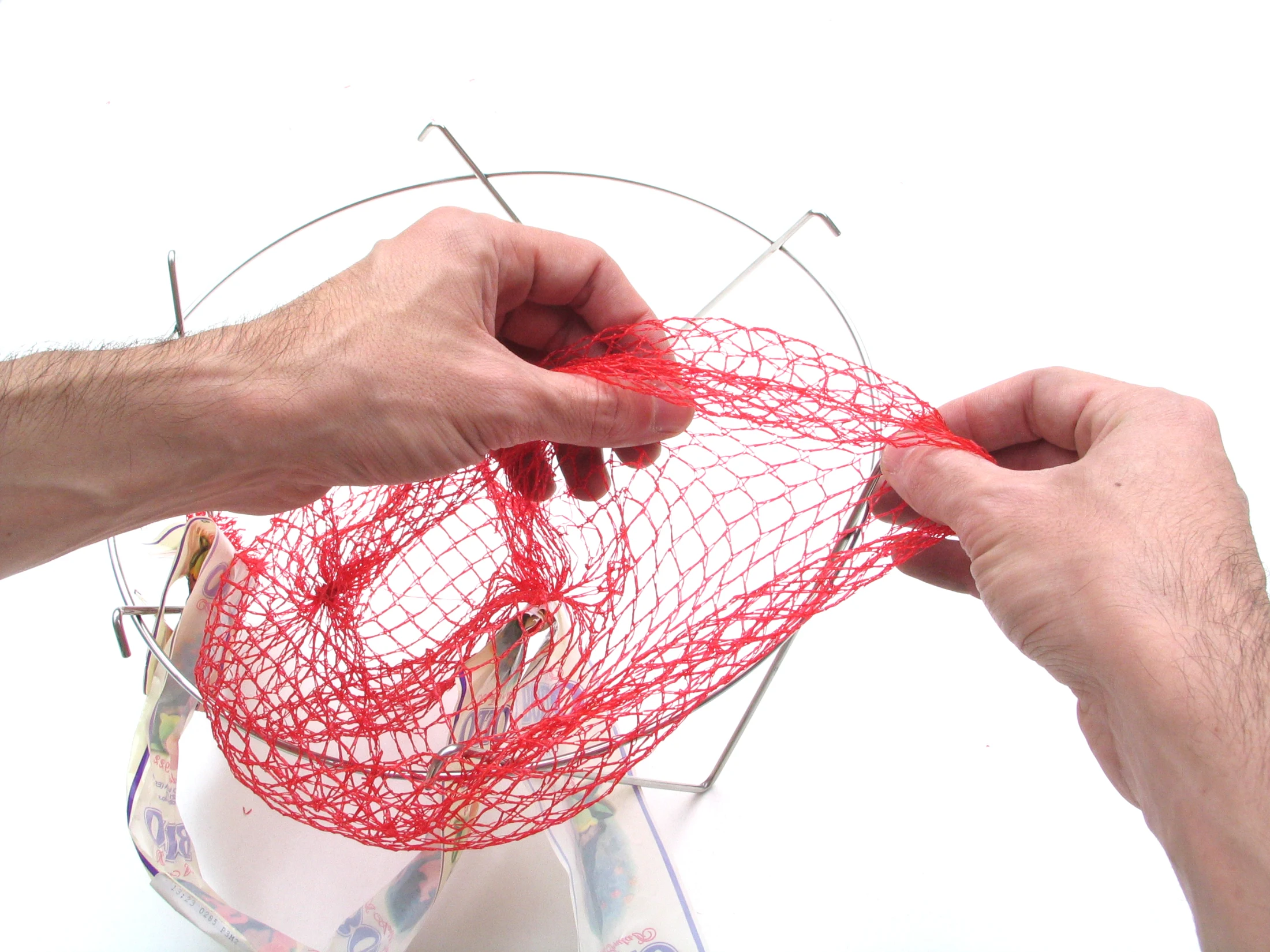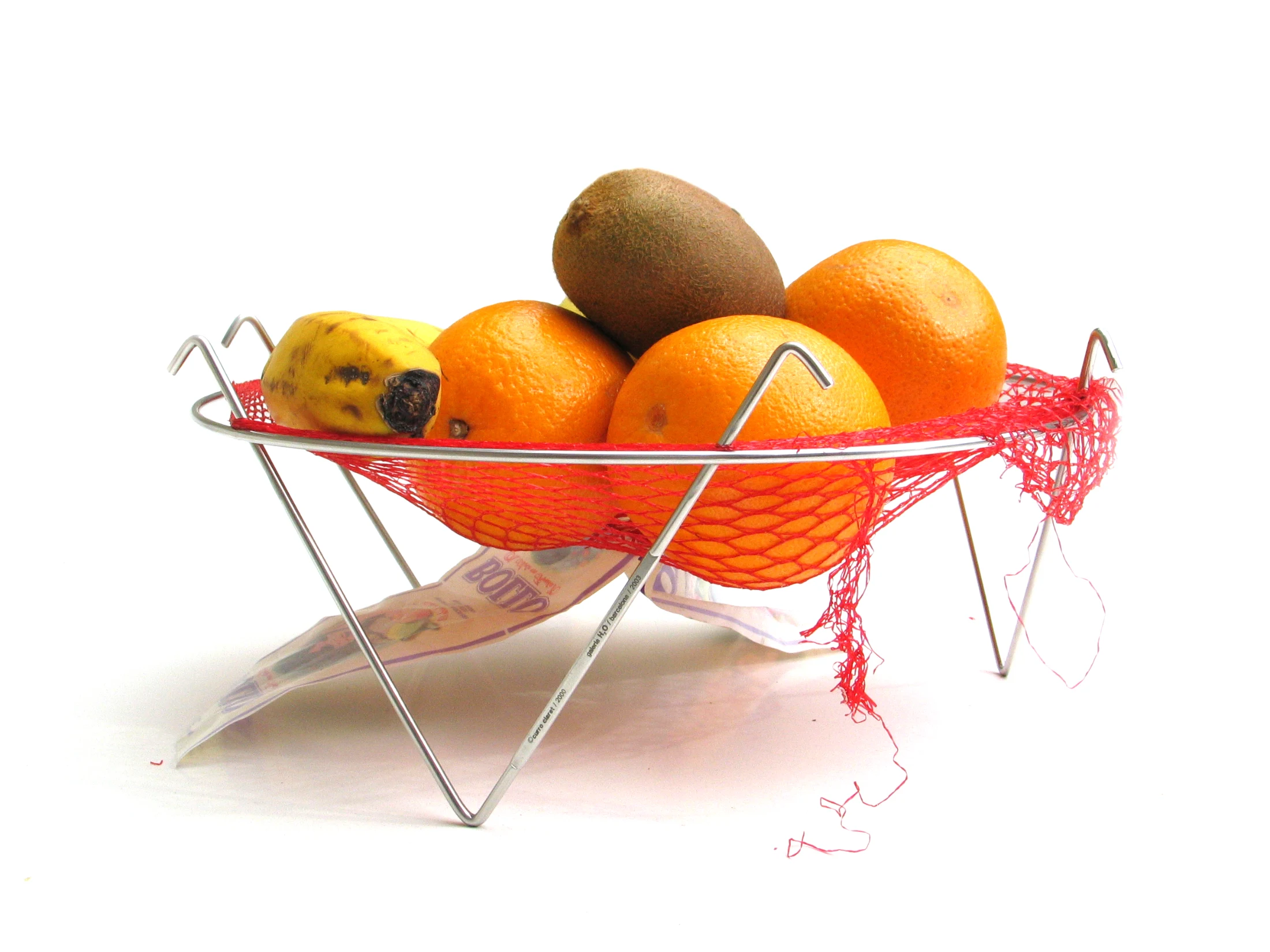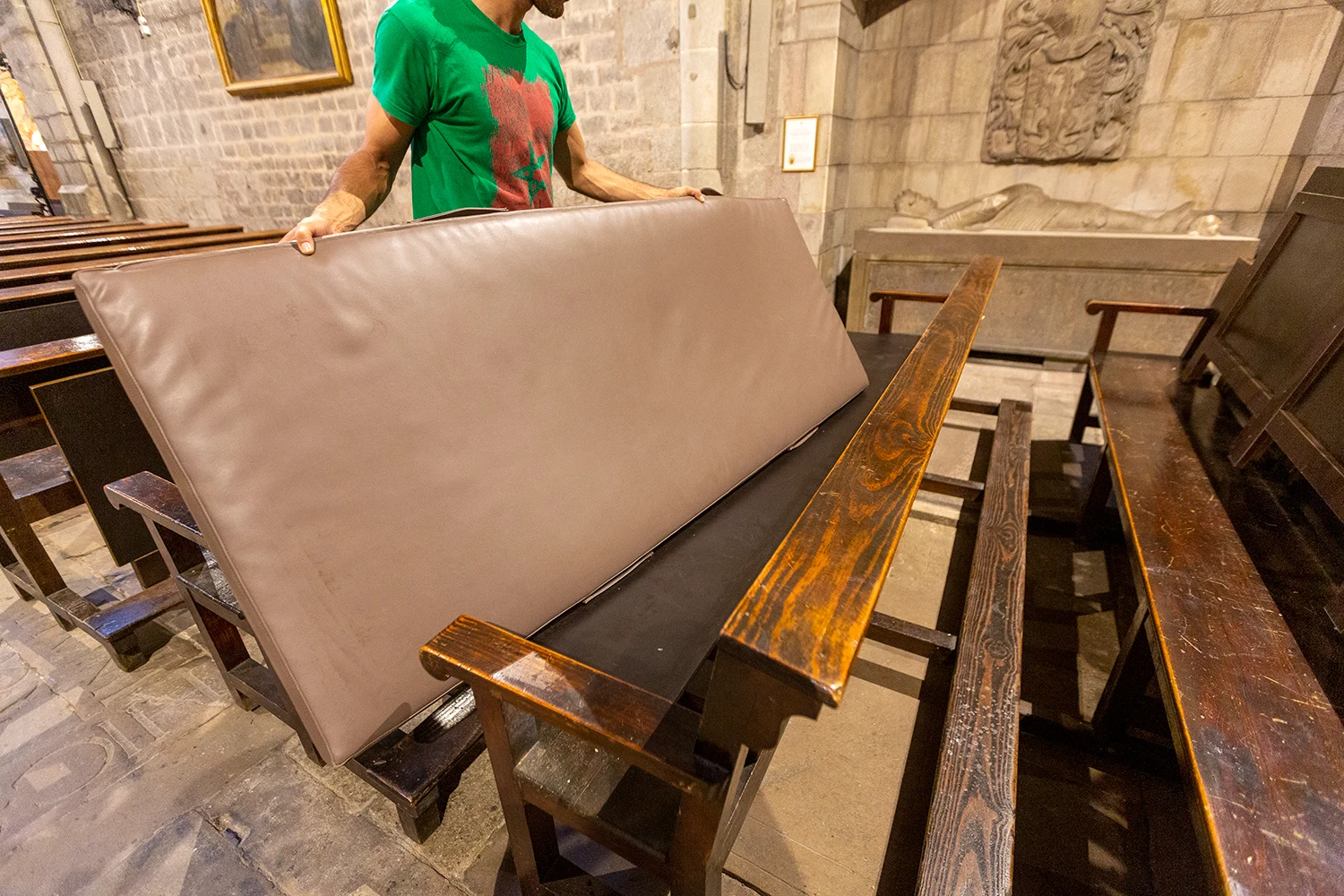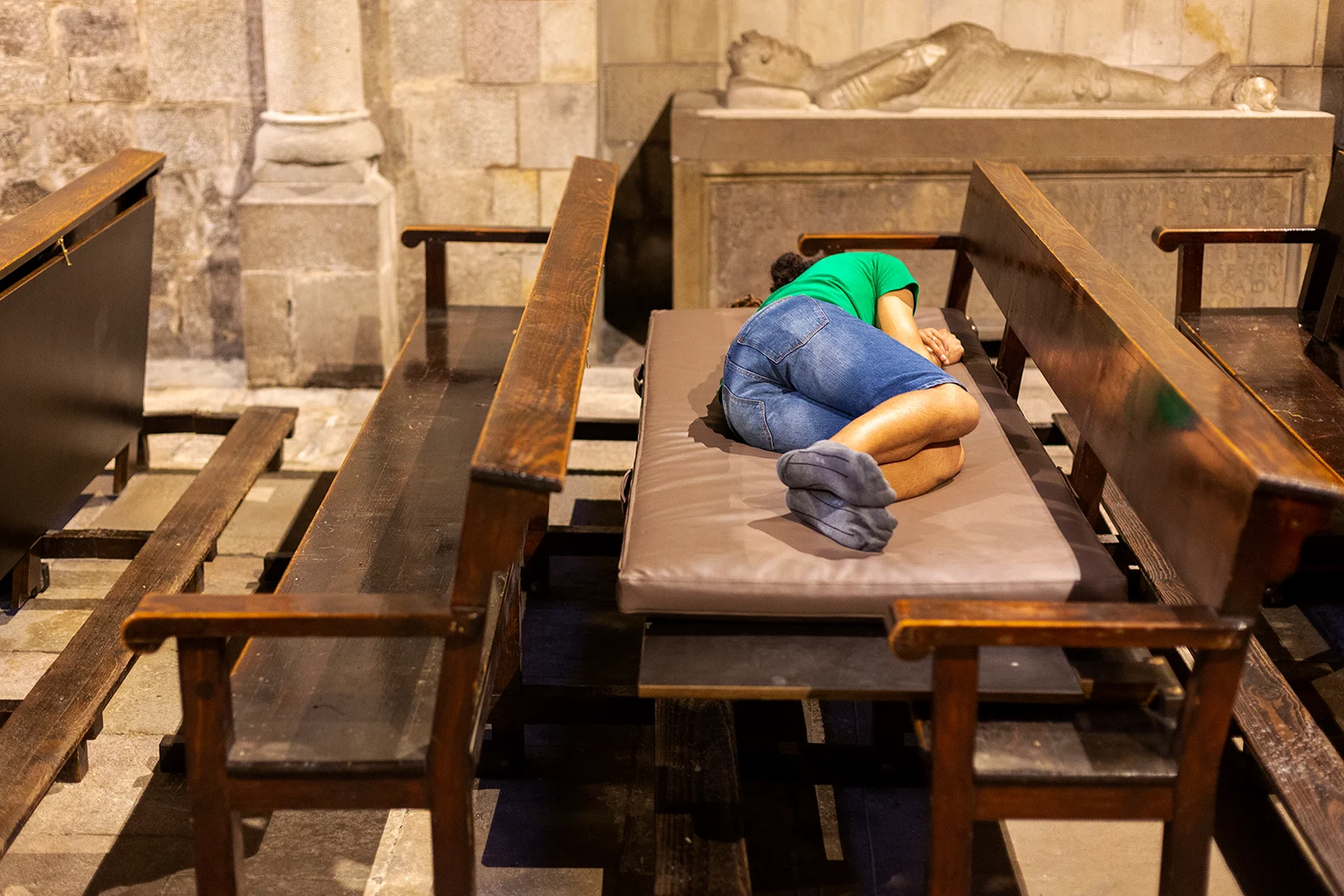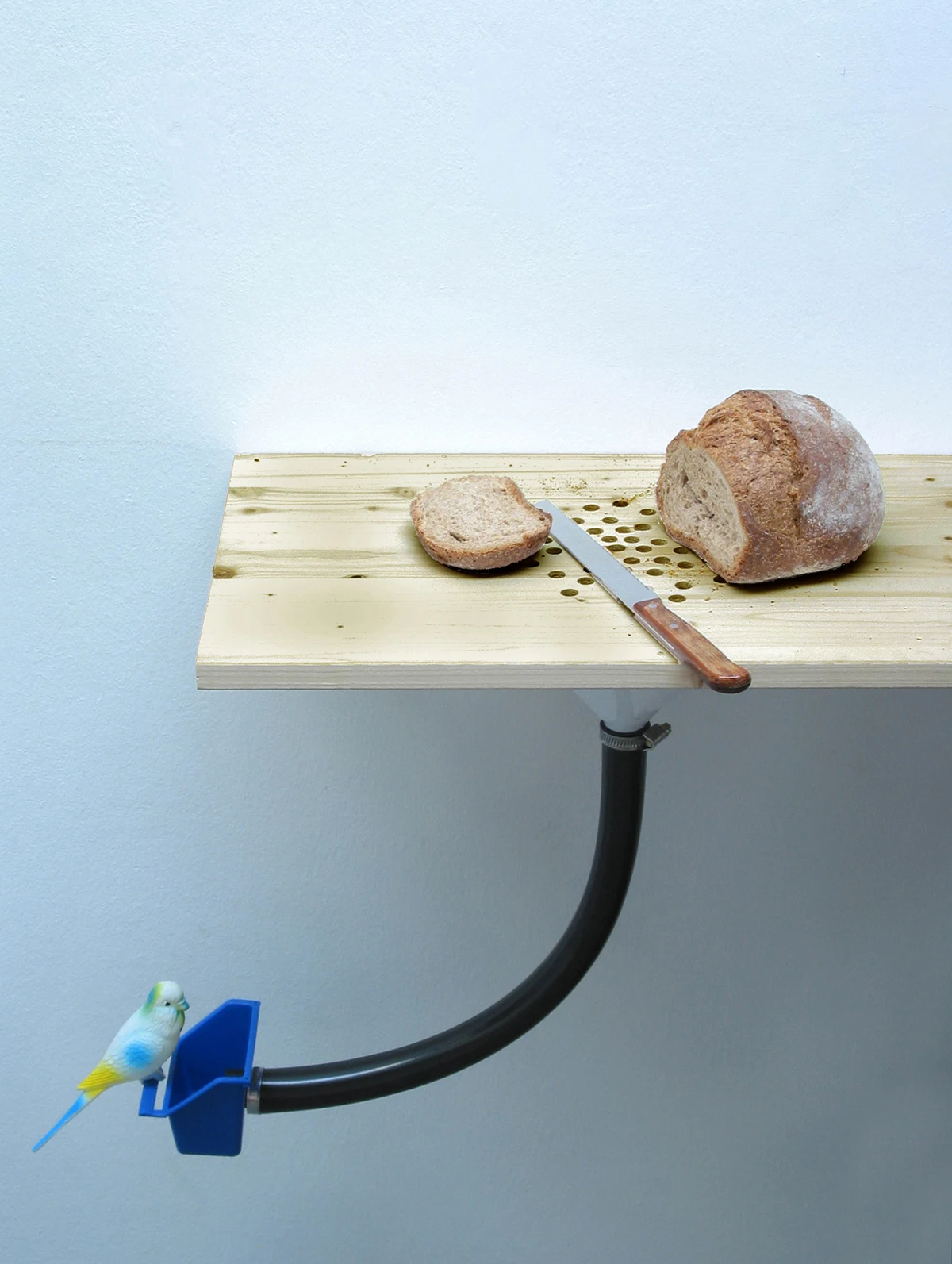



To understand the philosophy of Spanish industrial designer Curro Claret, all you need to do is look at his website, which (in today’s hyper-optimised, beautifully rendered online world) feels like some kind of vestigial organ, or time capsule. A hangover from the primordial days of the early internet, when the web resembled something more like a giant filing cabinet. There is no ‘design’, as such. It’s just a vertical HTML index of Curro’s many, many projects, arranged in folders. The home page is literally titled “Index of www.curroclaret.com/en”. The whole thing looks like what you get before you get a website.
“I often receive messages from people saying, ‘Hey, your website is not working,’” Curro laughs, “but for me it’s all about making people a bit uncomfortable and questioning certain conventions of ‘cool’ design. I like to think of it as ‘non design’.”
What Curro’s website is, really, is design stripped of ego, affect, trend-driven hype, and anything that doesn’t particularly need to be there. You want to learn about Curro Claret? Well, it’s all here. It just doesn’t look very sexy.
Born in Barcelona in 1968. Studied at the Elisava School of Superior Design and then at Central Saint Martins in London (a degree he technically never finished). Worked various odd jobs in Barcelona to make ends meet, including a stint at a car parts factory, which helped spark Curro’s humanist design ethos: “The job that most shocked me was the one at the factory,” he says, “the kind where workers are standing all day long in front of a machine, practically without moving, repeating the same gesture over and over again.”
For the young Curro, everything was design, whether good or bad. And this soulless assembly line was definitely an example of bad design, because it offered no room for human expression, or creativity, or movement, or purpose – only mindless drudgery.
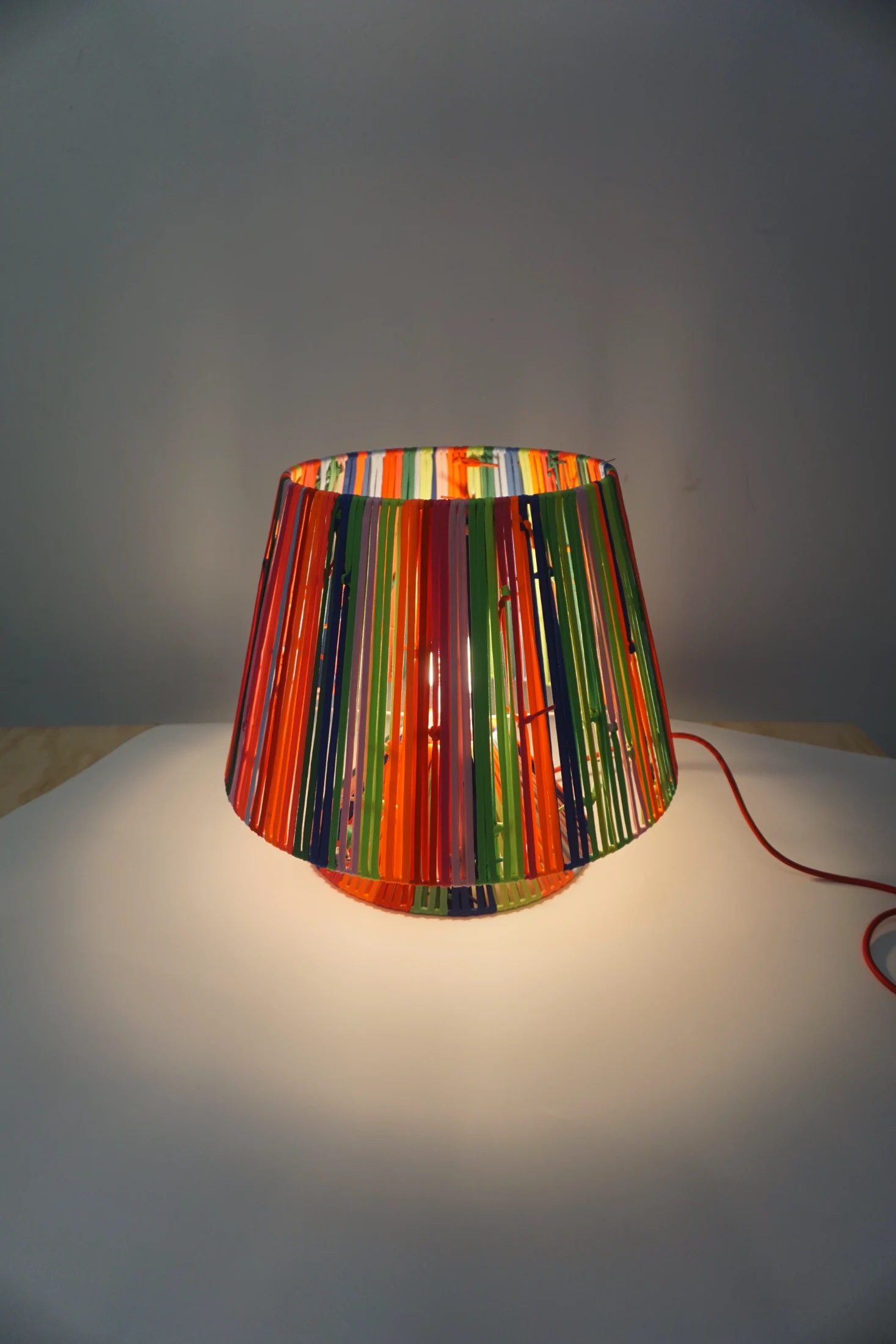
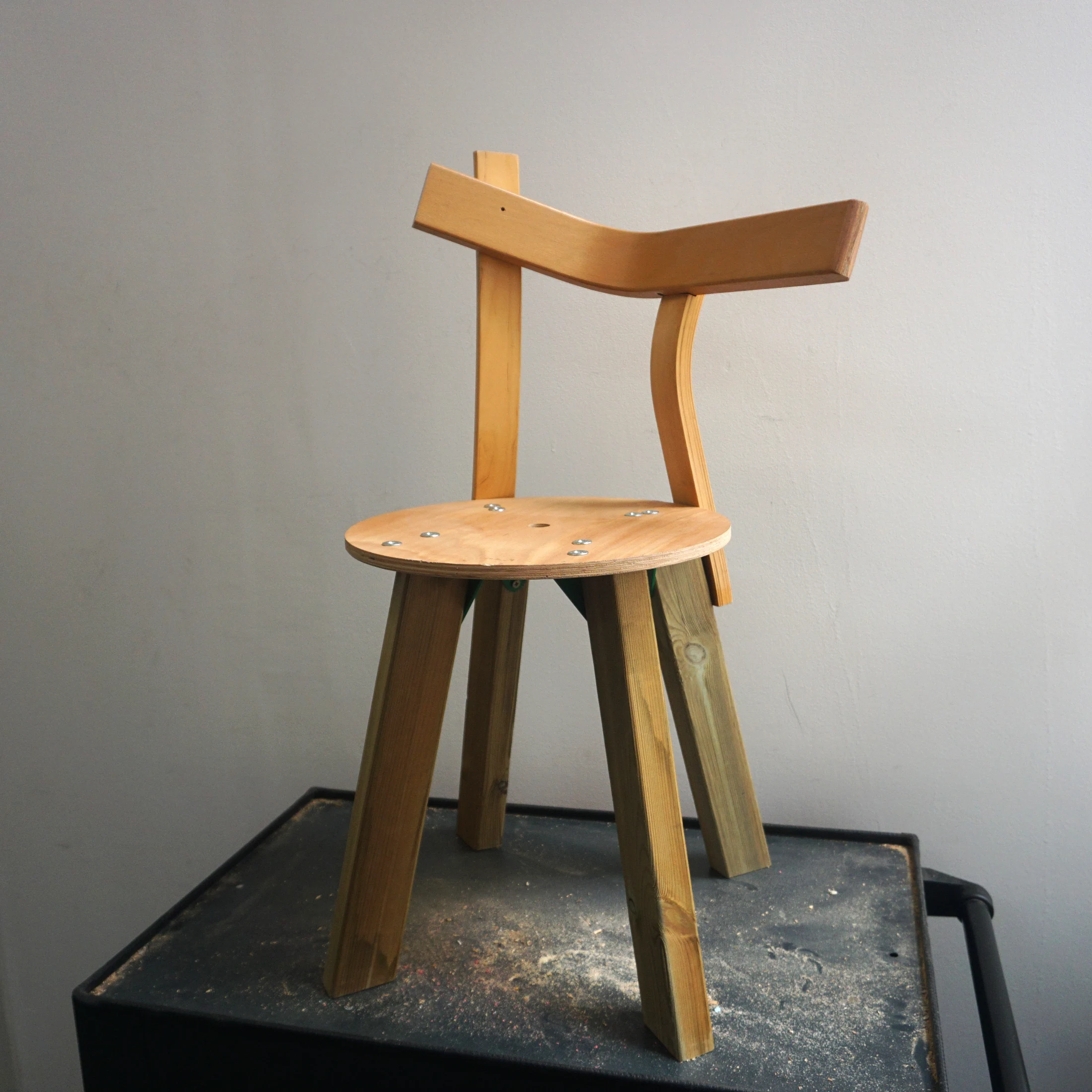
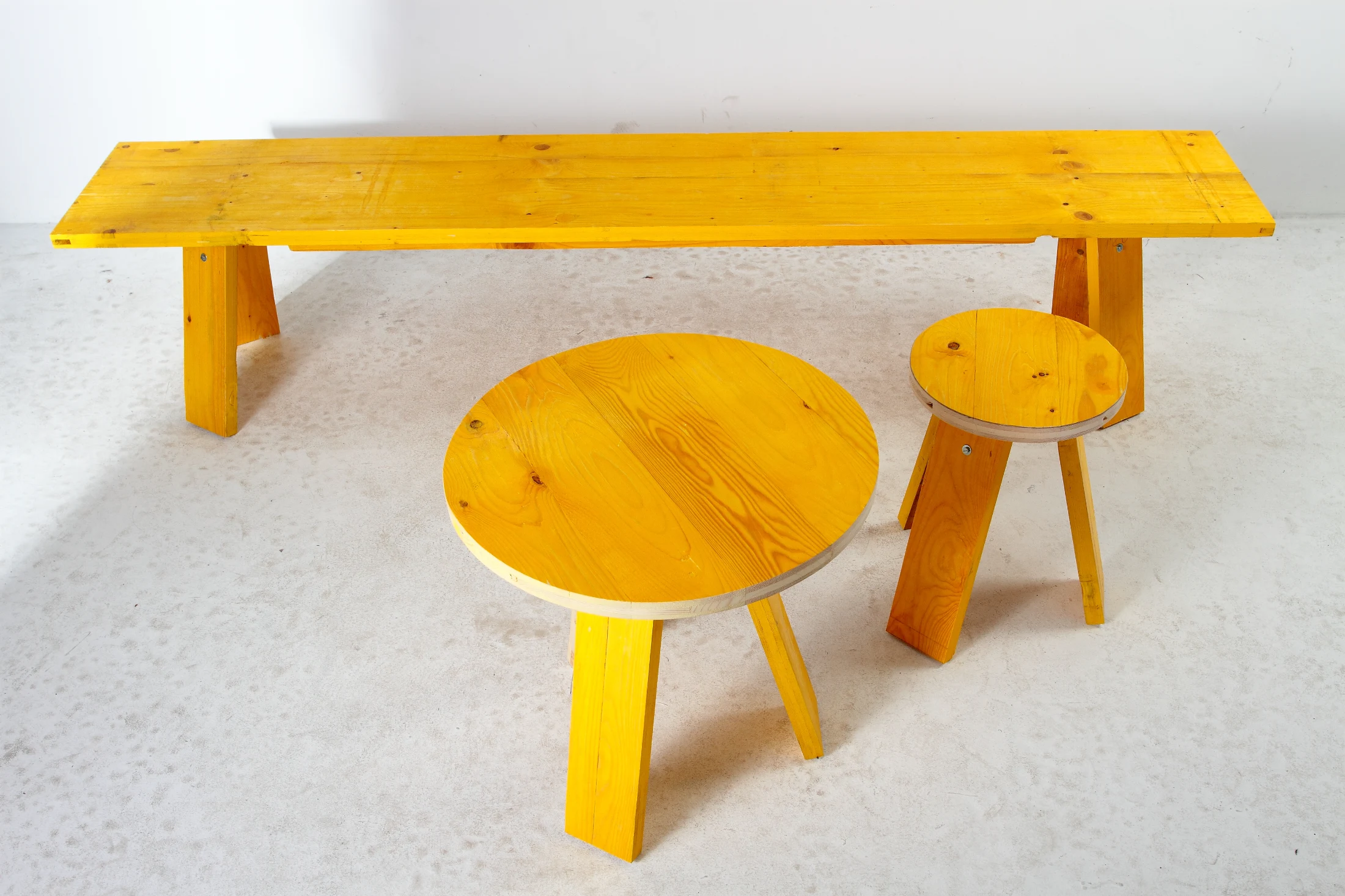
“I became more interested in those areas of design that were not well attended,” Curro says, “where I felt it made sense for a designer to be there. I was interested in the materials and resources that others considered leftovers.
“It’s so easy for us to assume that design only refers to beautiful stuff, which it often does. But at the same time, as designers, we’re here to participate. To help things get a little better. And beauty limits our perception of what design can do.”