
Magazine Current IssueMagazine Current Issue
The Vertical Belongs to Man
From our Mag
February 1, 2025

The Vertical Belongs to Man

Meet the visionary behind Vienna’s Hundertwasser House: the godfather of biophilic design and stager of naked lectures against rationalism in architecture, Friedensreich Hundertwasser.

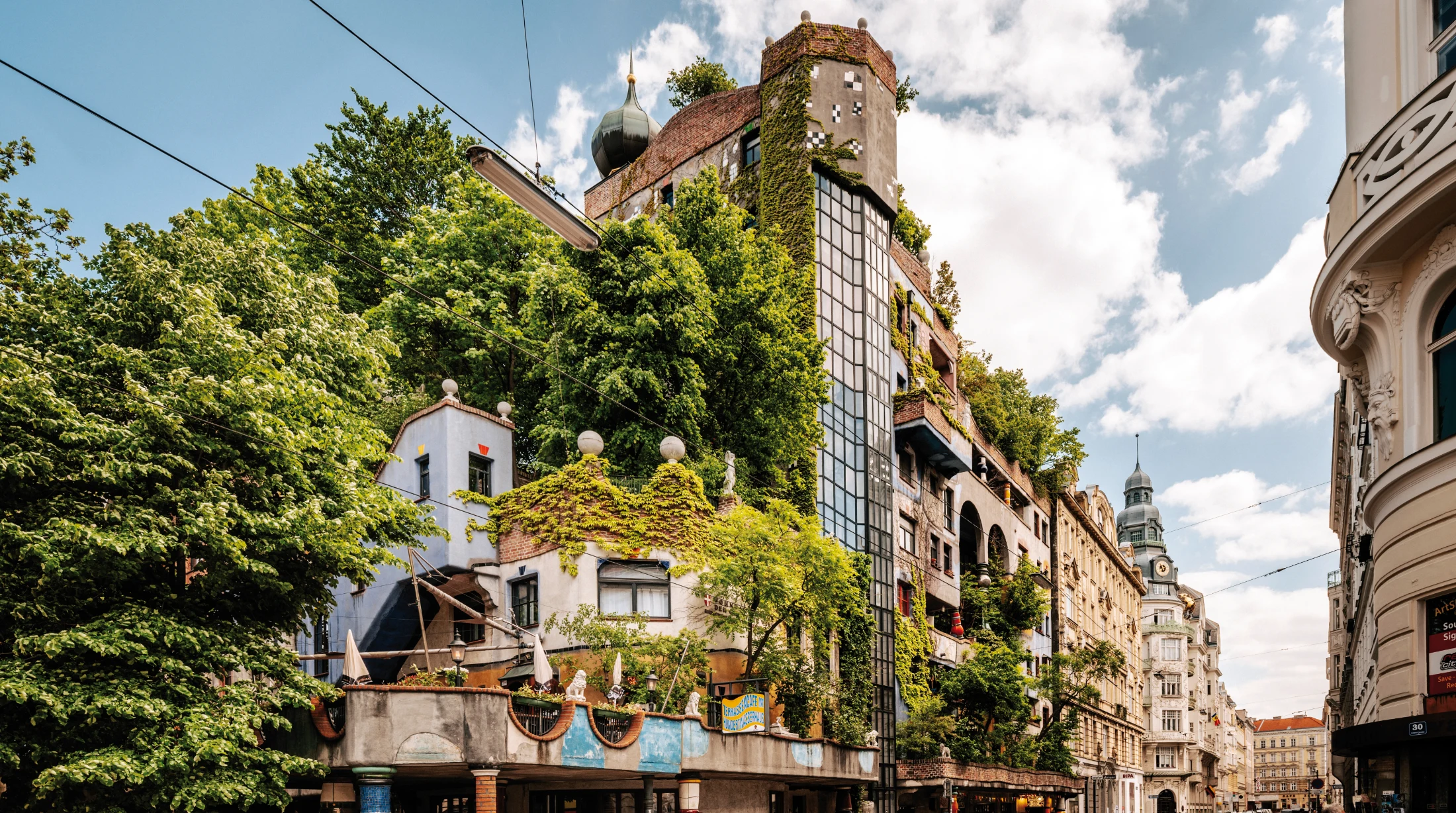
Looming like a fever dream amid the baroque streets of Vienna’s 3rd district, Hundertwasserhaus is one of the few buildings that genuinely looks like it’s about to spring to life.

Writing:
James Shackell
Writing:
Photography:
Photography:
No items found.
Magazine Current IssueMagazine Current Issue
The After shot of the Floorplan
Before
before
after
After
Top
Arrow UpArrow Up

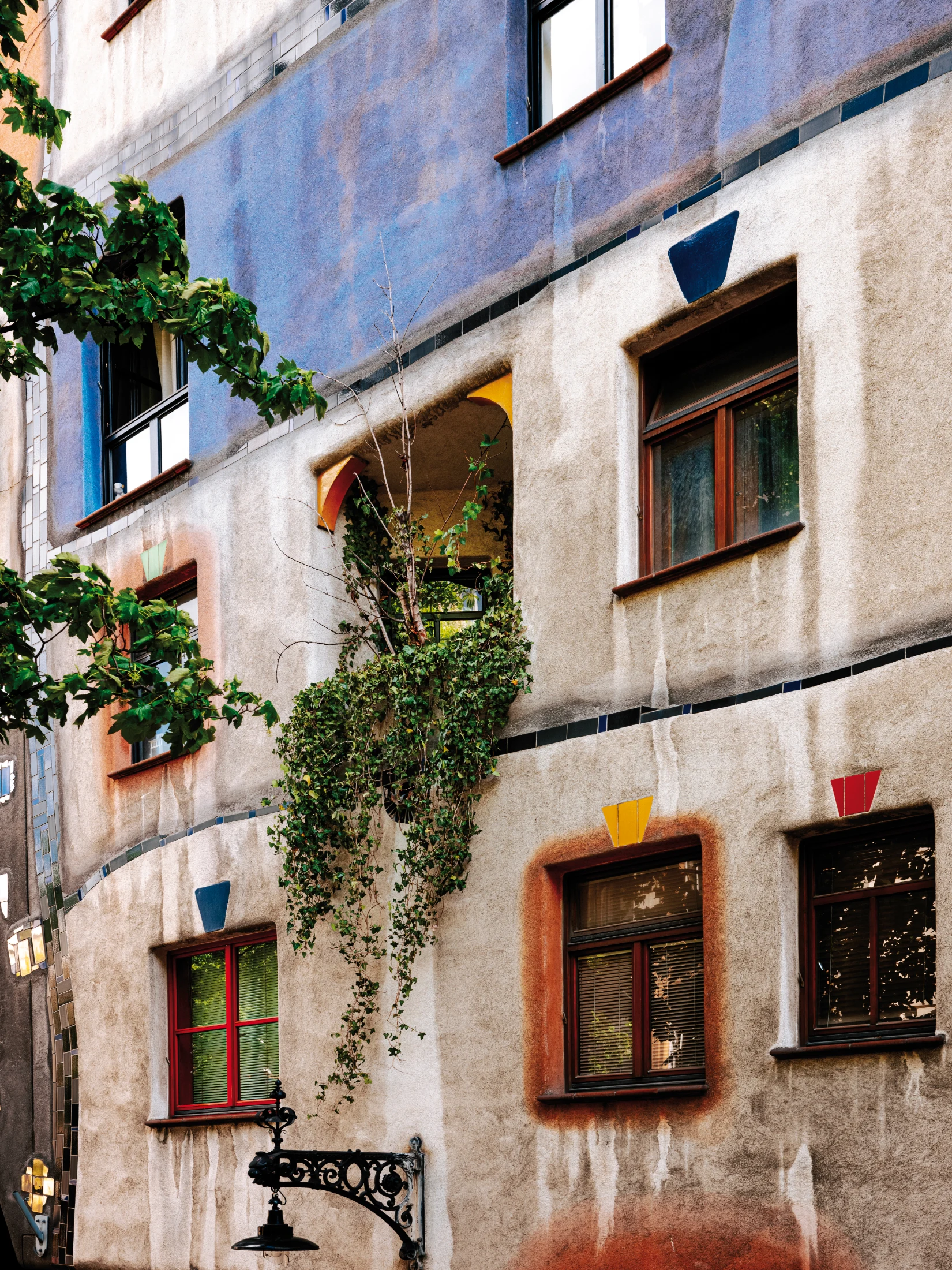
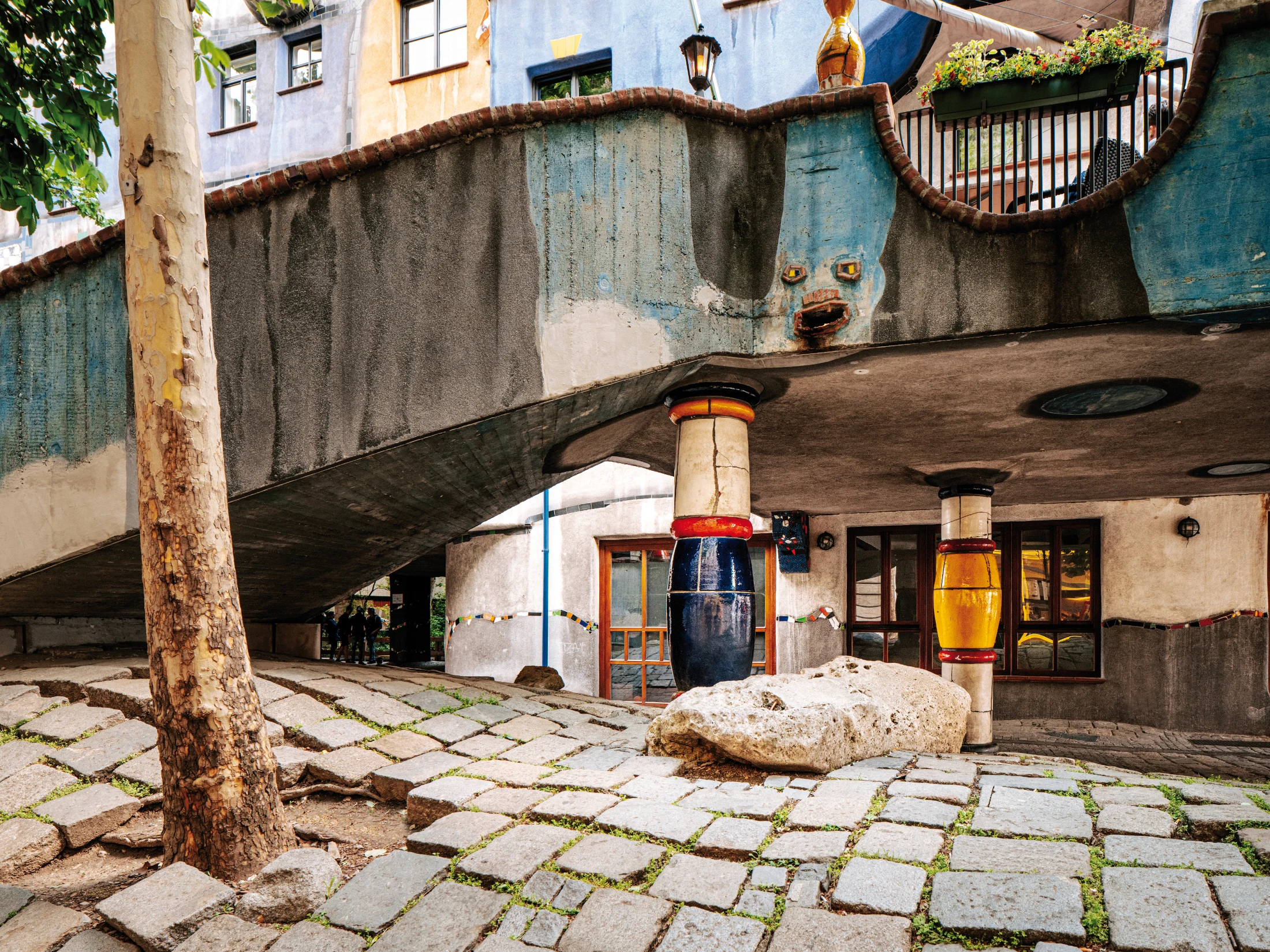
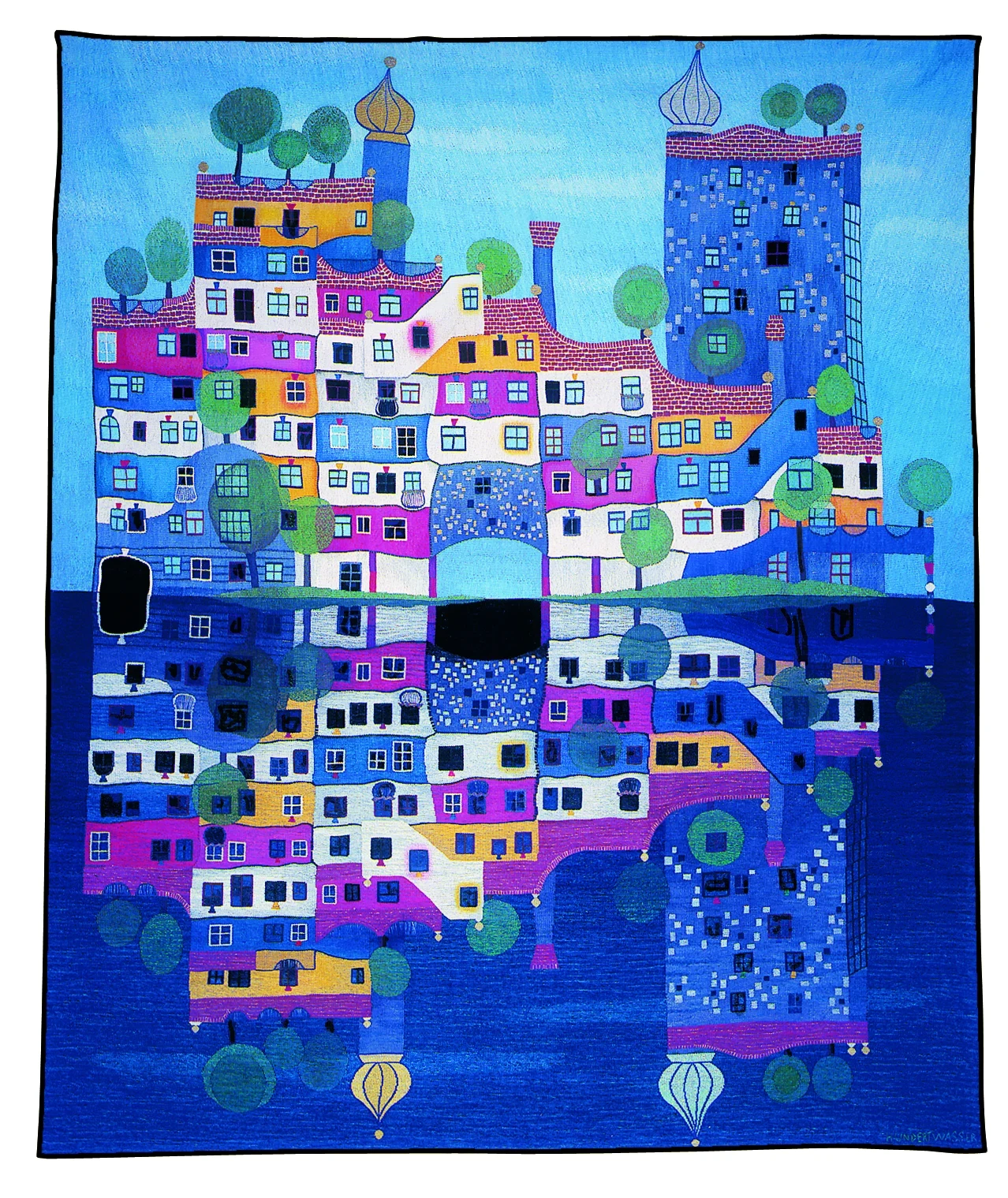
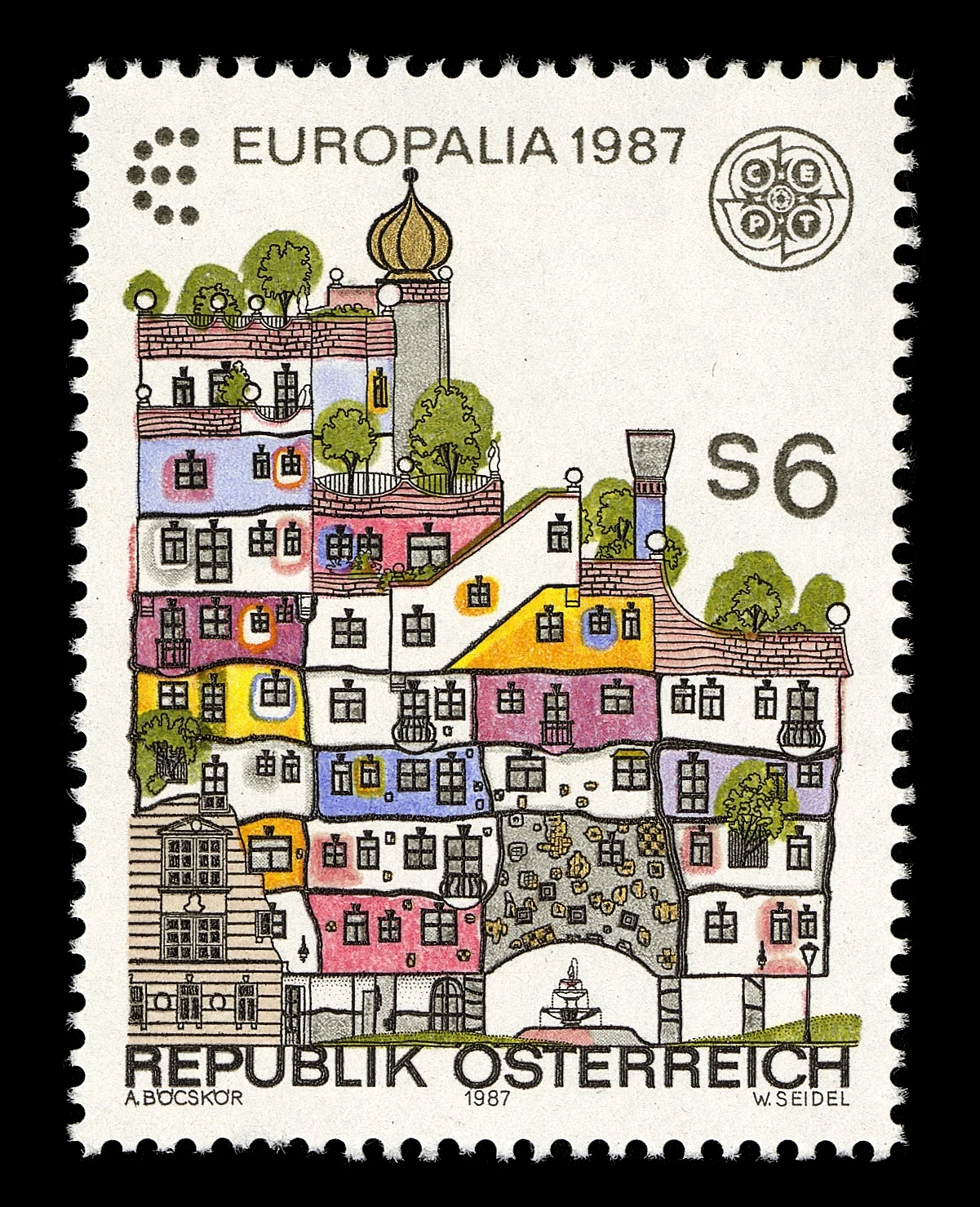
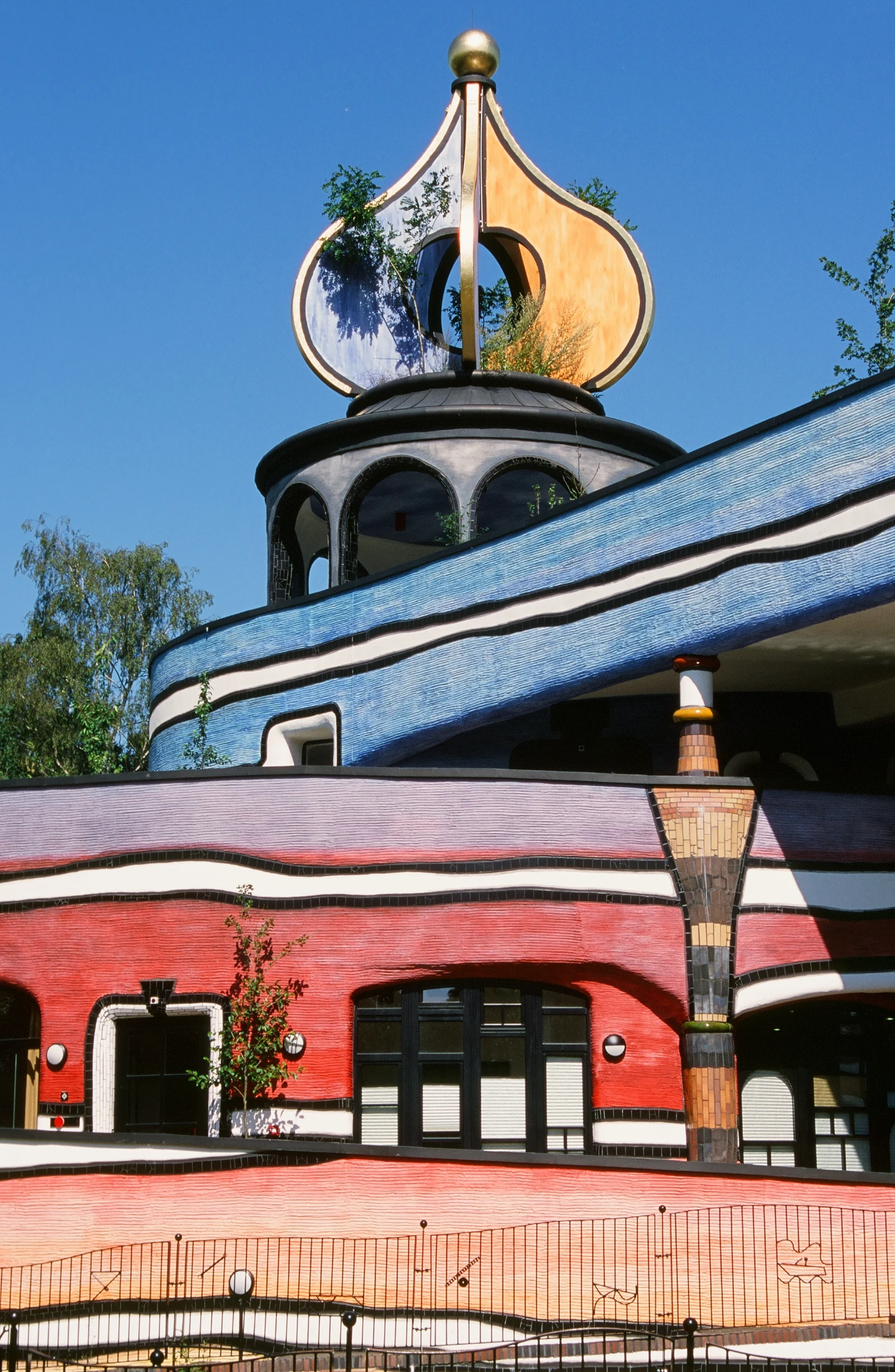
Trees sprout from inside the apartments, branchestwisting through balcony windows. Colourfulmosaics, carefully arranged in eye-watering curves,give onlookers the impression that they’re seeingthe world through the bottom of a Coke bottle. Ivycrawls over most of the exterior, and paving stonesrise in wave-like humps at ground level. The overalleffect is Gaudí meets post-zombie apocalypse.

It would be easy to imagine that Hundertwasser-haus wasn’t constructed at all, but merely sproutedafter rain like some psychedelic mushroom. Thefact that it exists is down to three factors: openminded Viennese bureaucracy, the rise of humanistdesign, and an Austrian painter-turned-architect,whose full moniker translates to “Peace-EmpireHundred Water Rainy Day Dark-Coloured”.

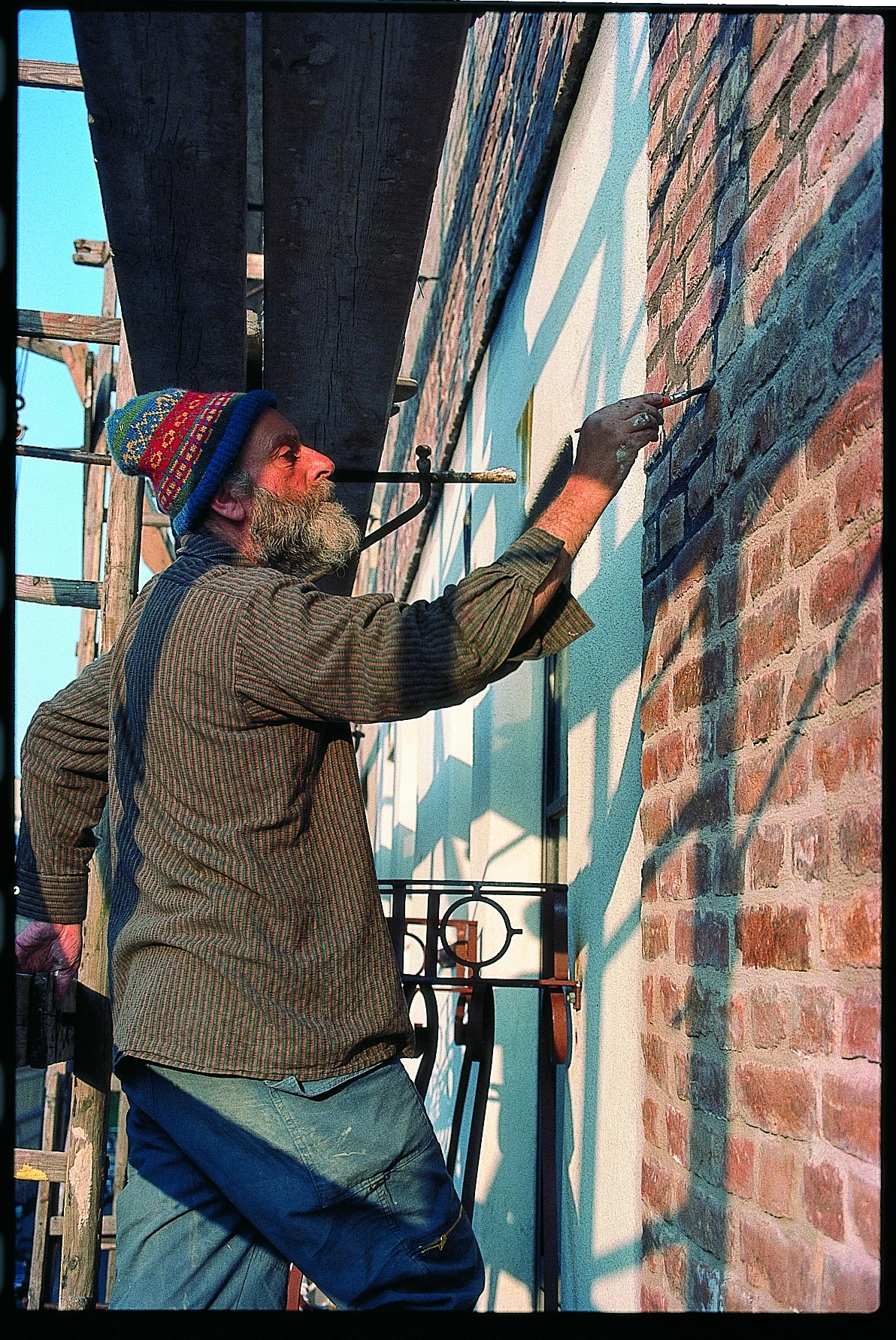
The man is famed expressionist artist, Frieden-sreich Hundertwasser Regentag Dunkelbunt (Hundertwasser, for short). And this buildingwas – believe it or not – his first.

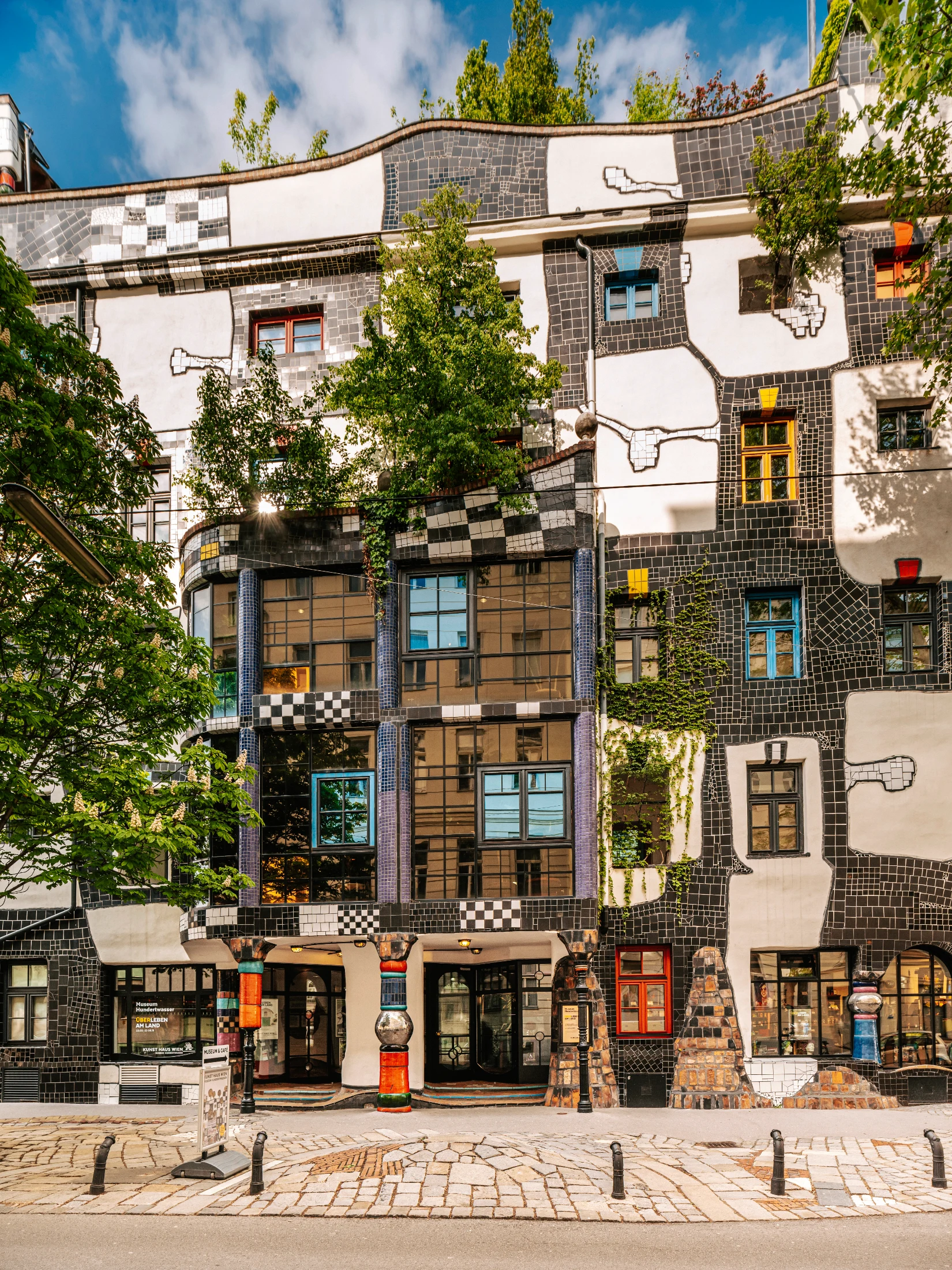
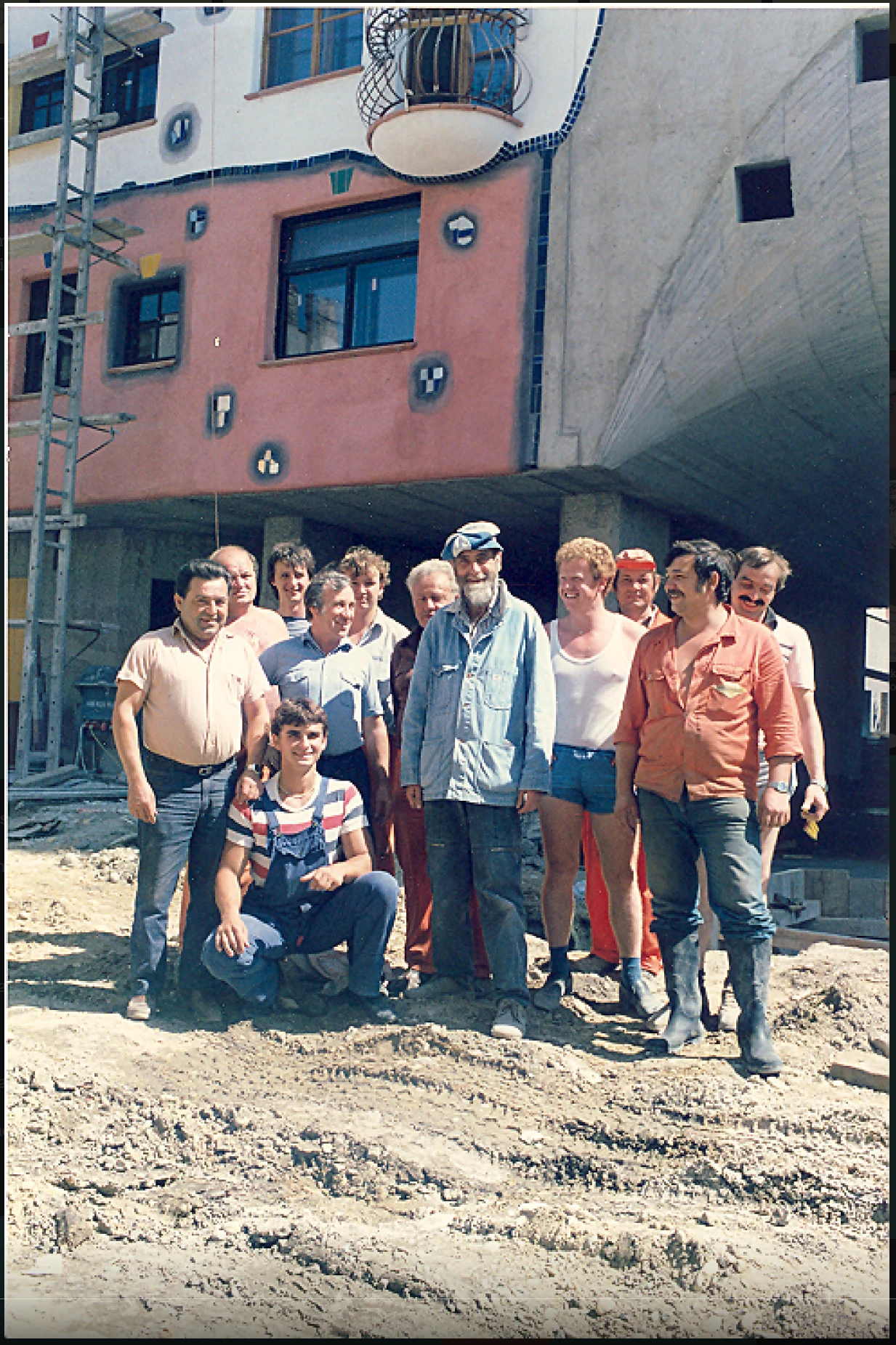
Like most first albums, Hundertwasserhaus has a wonderful sense of being unburdened by expectation. It's derivative of nothing. Built over two years, between 1983 and 1985, the project cost €7 million (about €20 million in today's money). Over 900 tonnes of earth was shipped in to cover the roof and terraces, which is how the building now supports more than 200 established trees. Hundertwasser himself was paid the grand sum of €0 for the work – he insisted that preventing an ugly alternative was remuneration enough, which is about as close to punk rock as it's possible for an architect to get.

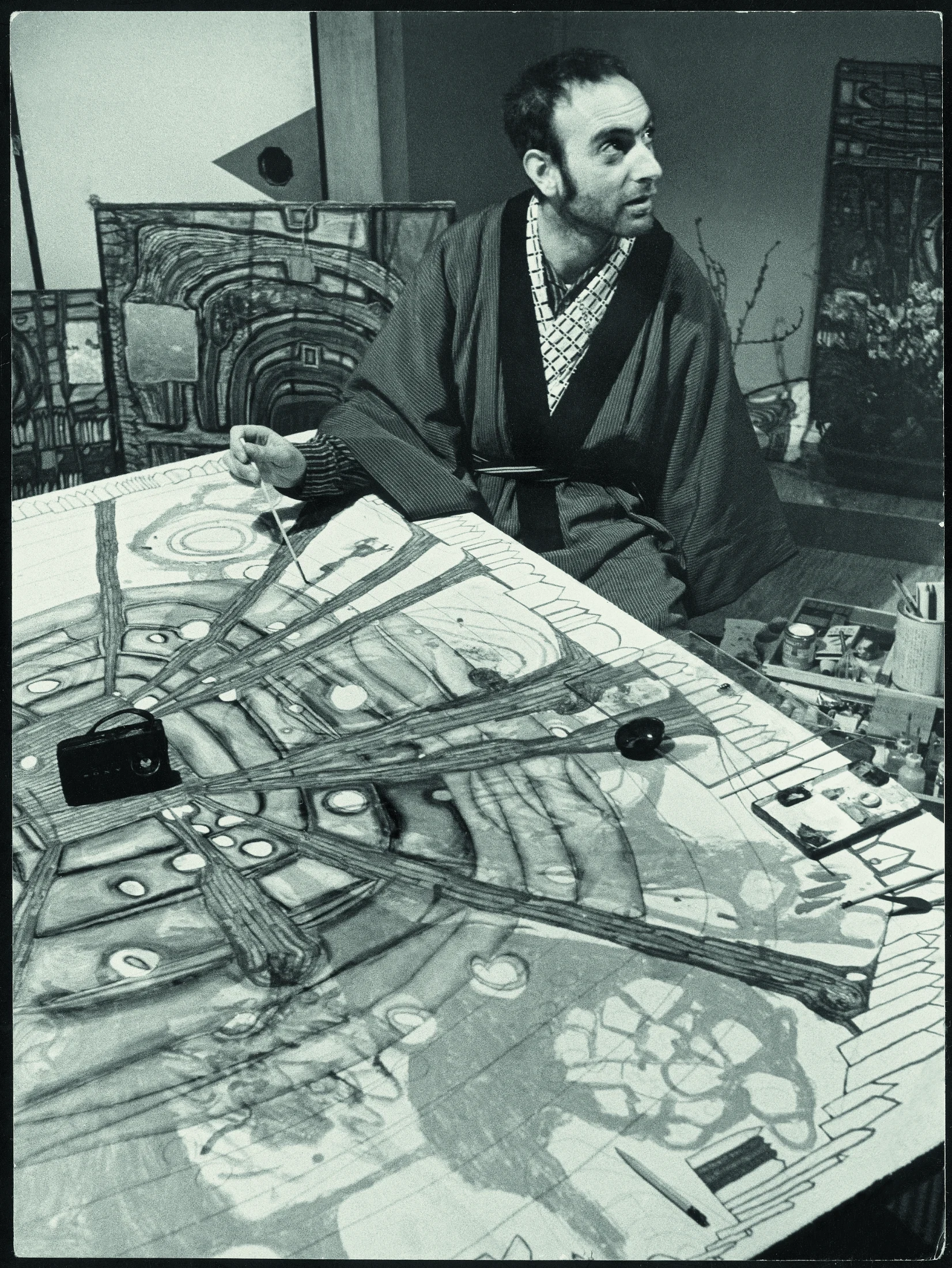
Having started his career as a painter in the 1950s, by the eighties Hundertwasser had turned his unorthodox eye to architecture.

He famously declared that "The horizontal belongs to nature, the vertical belongs to man." People had a moral obligation to protect the land, he said, and a creative imperative to build upwards, outwards, in a way that brought nature and design into harmony. "You're a guest of nature," he would say. "Behave."

This doesn't sound too radical in 2024, but in the sixties and seventies it represented a very deliberate philosophical brick, hurled at the button-down modernist structures popping up across post-war Europe.

Hundertwasser himself was paid the grand sum of €0 for the work – he insisted that preventing an ugly alternative was remuneration enough, which is about as close to punk rock as it’s possible for an architect to get.

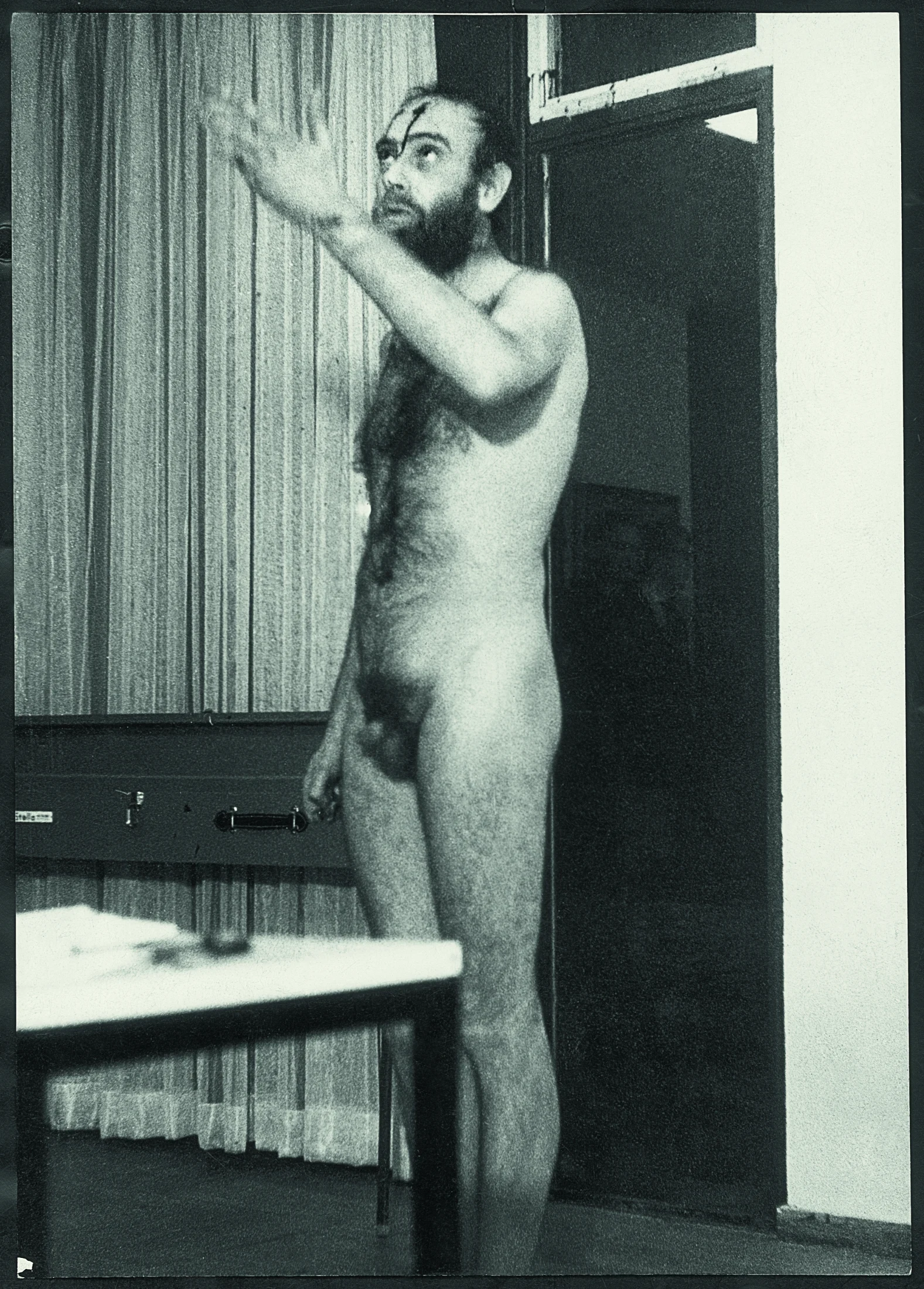
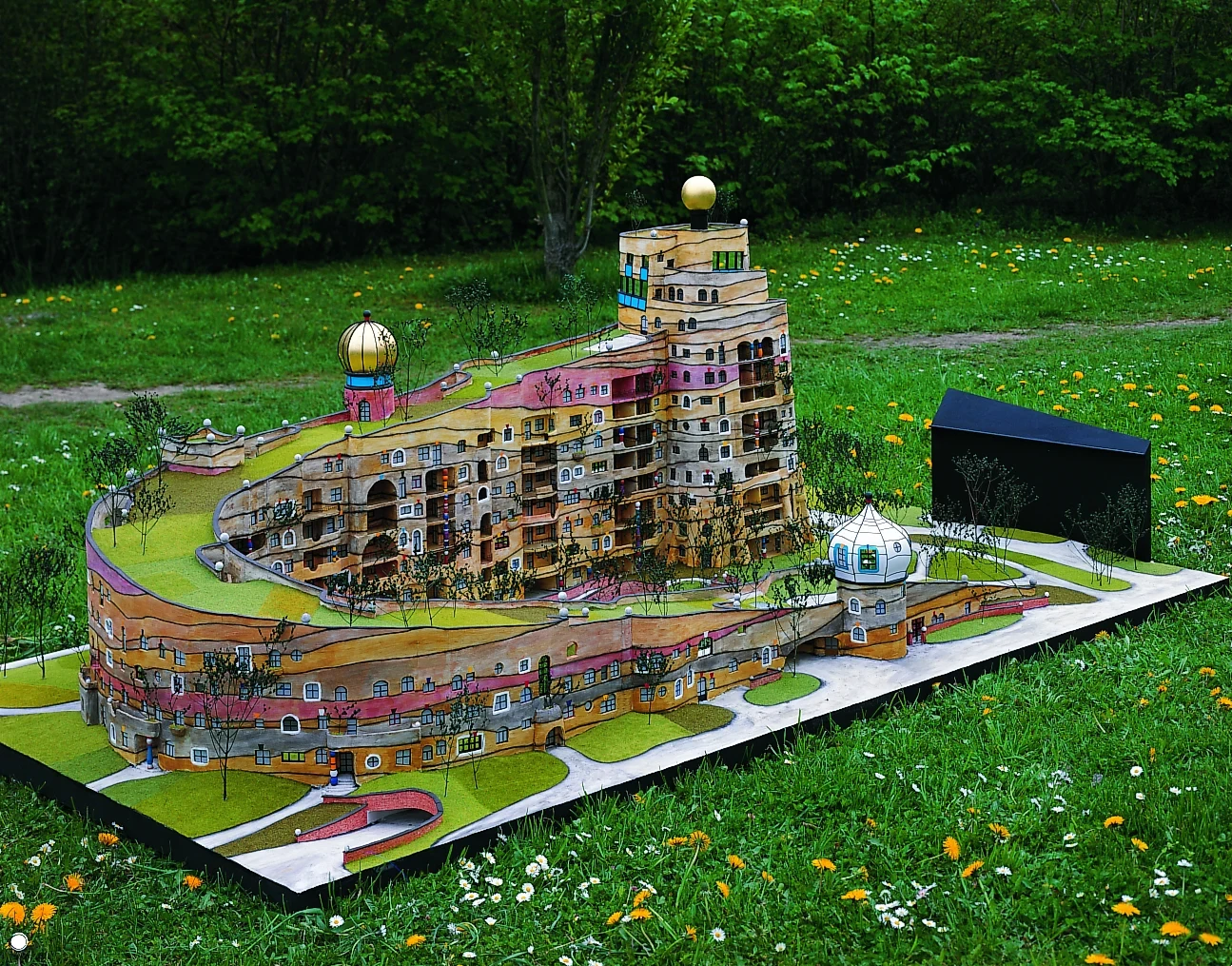
In 1972, Hundertwasser made his first architectural models for the TV show Wünsch dir was ("make a wish" or literally "wish yourself something"). These exhibited some of the tropes for which he would become famous: the fusion of greenery and good design (he liked to refer to vertical plants as "tree tenants") and the "window right" of every resident to decorate and embellish the building's façade. So pretty much the opposite of every modern body corp.

He also rejected straight lines, calling them "godless and immoral". If the Creator had enjoyed linear shapes, Hundertwasser argued, he would have bloody well used them.

Straight lines were rigid and unyielding; an example of man's hubris and will to dominate. "Just carrying a ruler with you in your pocket," he said, "should be forbidden." Hundertwasser's buildings would, instead, flow to the organic curves and gentle rhythms of nature.

Hundertwasser's polarising lectures caught the eye of Austria's federal chancellor, Bruno Kreisky, who suggested to Leopold Gratz, the mayor of Vienna, that Hundertwasser be turned loose on a public housing project. (Apparently in the seventies it wasn't unusual for municipal bureaucracies to put avant-garde artists in charge of huge amounts of taxpayer money). In 1977, Gratz issued the green light, and Hundertwasser had his first commission.

To bring the project to life, Hundertwasser teamed up with an actual qualified architect, Josef Krawina, as well as planner Peter Pelikan. Both of whom thankfully owned rulers.

Rejecting Krawina's initial drafts, which featured more straight lines than a packed geometry convention, Hundertwasser sketched a very different building: a mashup of art, ecology and humanism, with undulating floors, ceramic pillars and a gilded onion dome. The roof would be covered by earth and plants, for better insulation, and trees would be encouraged to emerge from inside the structure itself. Hundertwasserhaus would eventually feature 53 apartments, four offices, 16 private terraces and three communal terraces. All owned by the city of Vienna.

If Goethe¹ is right, and architecture really is "frozen music", then Hundertwasserhaus is probably the strangest thing in our cultural freezer. Forty-nine years after its construction, it's still used as public housing, which is why the building is technically closed to visitors.

However, this hasn't stopped Hundertwasserhaus becoming a popular Viennese tourist attraction, and on most days you'll find an avid crowd of Hundertwasser groupies and architecture geeks huddled on Löwengasse, staring up at the tree-covered facade. There's even a small Hundertwasser-themed shopping centre, Hundertwasser Village, built just across the street. It sells Hundertwasser prints and mugs and tea-towels, perhaps unaware of the irony; Hundertwasser himself would have hated this sort of shallow commercialism.

Hundertwasser died in February 2000, and the bright colours of his initial vision have faded over the years. Time-worn stains now discolour Hundertwasserhaus' exterior, and many of the mosaics are cracked. But the designer's weird animus still burns as bright as ever.

Architecture is a conversation across time, and in a lot of ways we're still in the middle of that discussion. Hundertwasser was basically the grandfather of the modern biophilic design movement, and the fingerprints of Hundertwasserhaus can be seen in every 'vertical garden' and 'green building'. Every rejection of glass and steel and straight-lined tedium.

Like all good iconoclasts, Hundertwasser challenged the conventional norms of the day, and his work showed people a glimpse into something weird and beautiful. A world where architecture could help us live better – in every sense of the word.

There's a quote from Helder Camara that Hundertwasser was fond of using: "When we dream alone it is only a dream," he would say, "but when many dream together it is the beginning of a new reality."

¹Johann Wolfgang von Goethe (1749–1832) was a German polymath-slash-genius, and arguably the most influential German writer of all time. We’d need a bigger footnote to list all his accomplishments, but you may know him best as the author of Faust.

Writing:
James Shackell
Writing:
Photography:
Photography:
Back to Top
Arrow UpArrow Up
Top
Arrow UpArrow Up
The After shot of the Floorplan
Before
before
after
After
Businesses featured in this project
No items found.
Products featured in this project
No items found.
Magazine Current IssueMagazine Current Issue
Writing:
Writing:
Photography:
Photography:
Back to Top
Arrow UpArrow Up