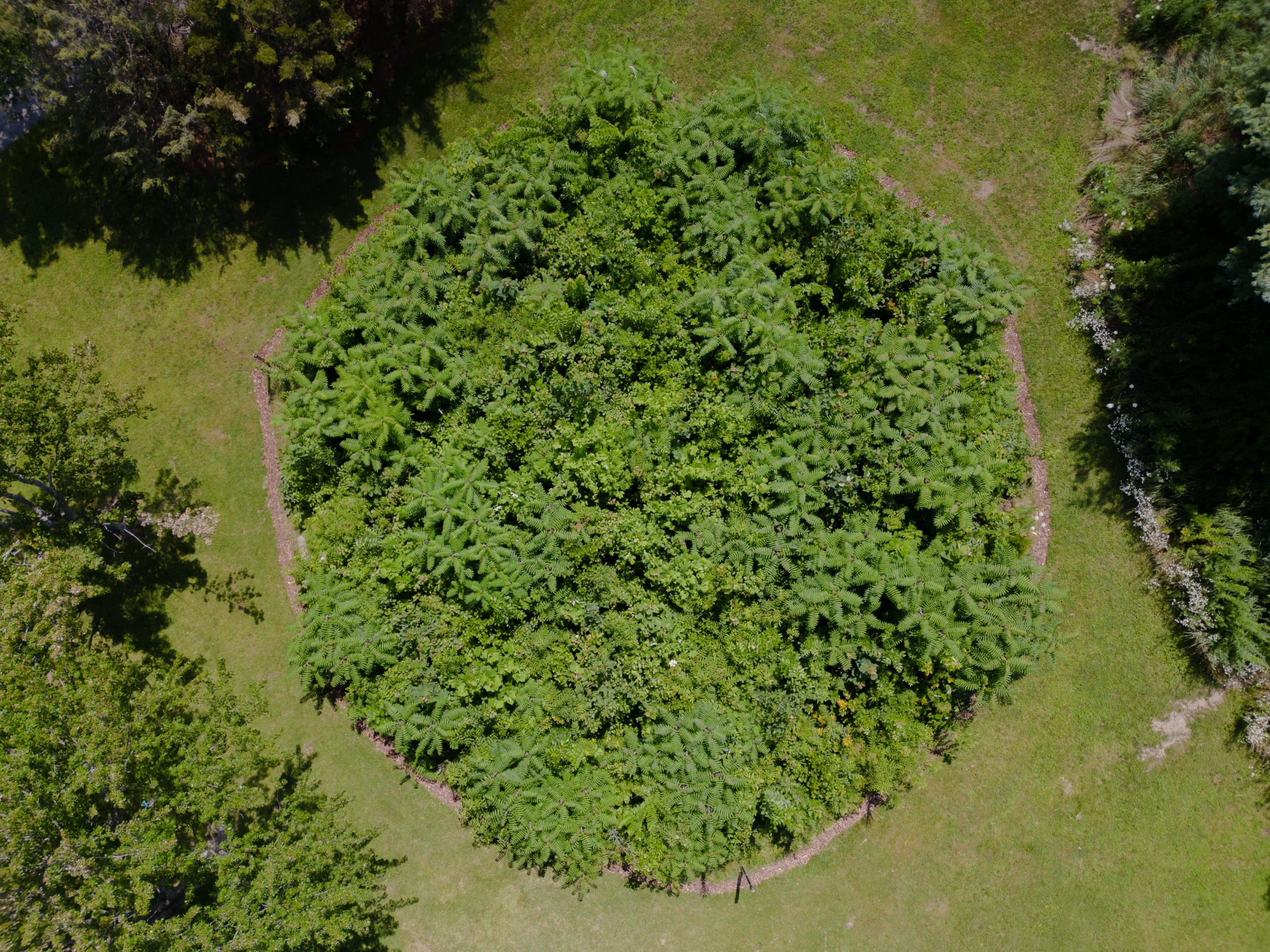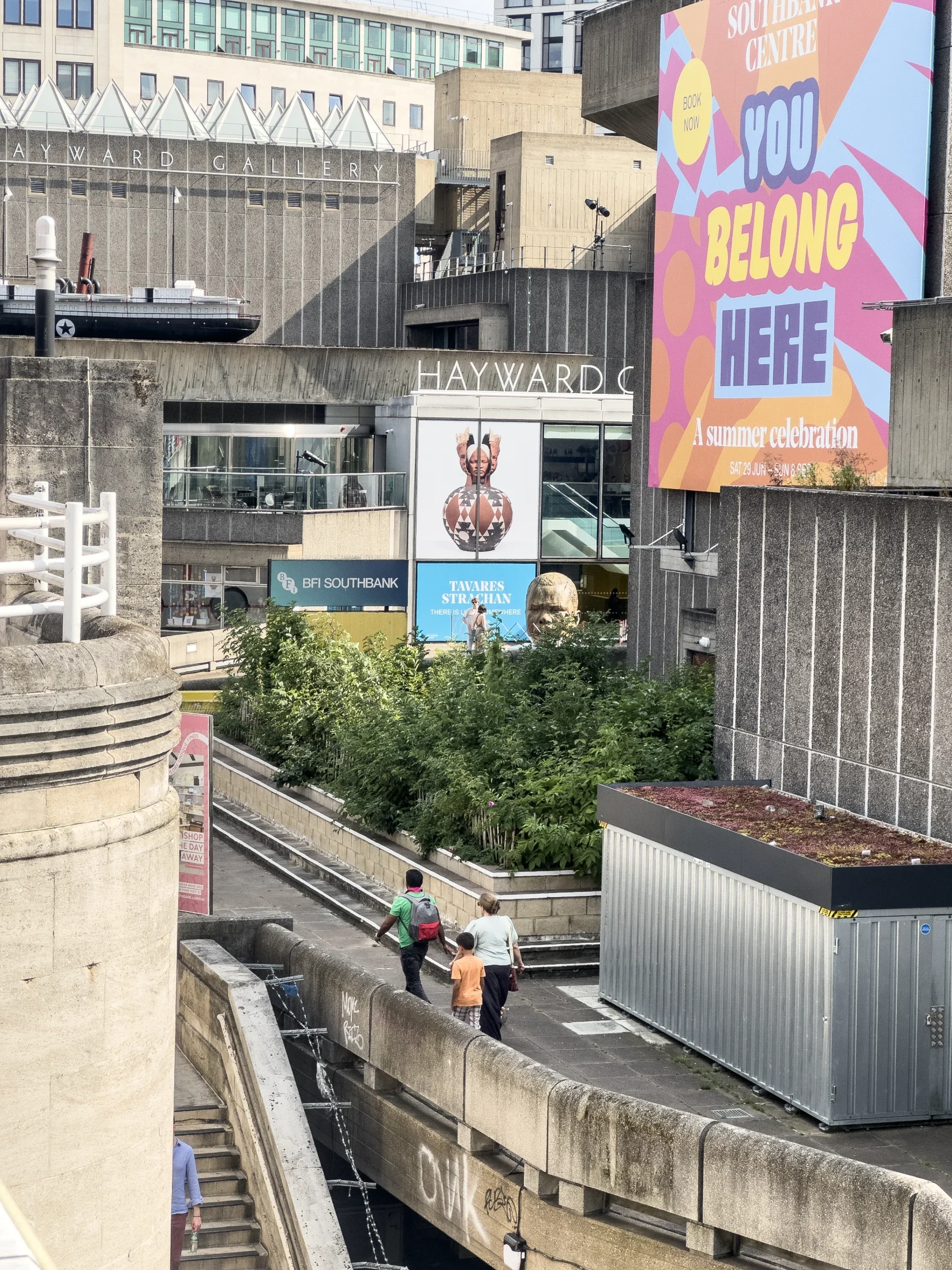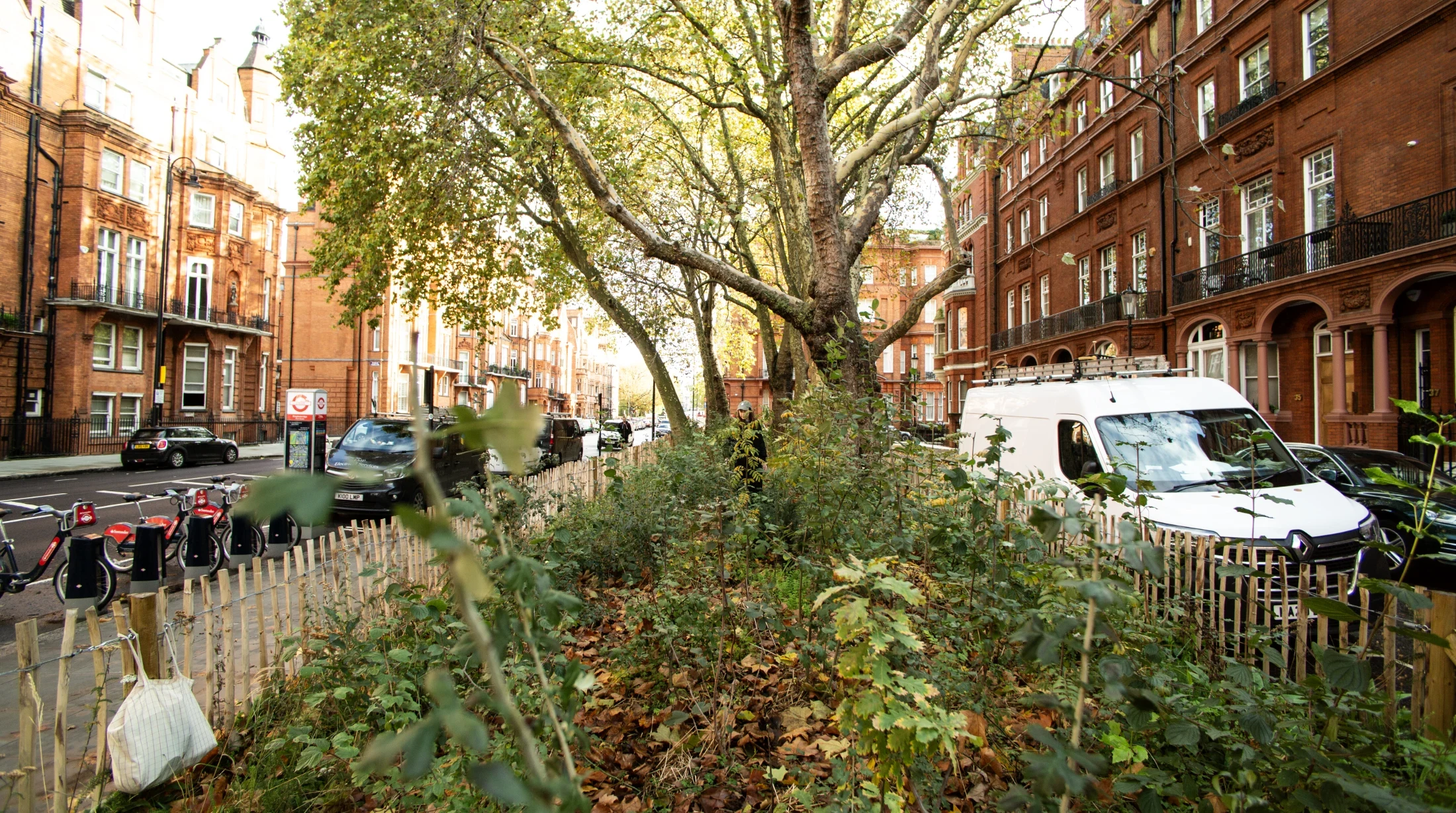




Like patches of fungi after rain, a growing number of these tiny forests are cropping up in urban neighbourhoods in every corner of the globe: in some cases turning concrete jungles, car parks and petrol stations into flourishing green oases. Despite their diminutive size, they are conjuring outsized achievements in carbon sequestration and biodiversity recovery. But not only do tiny forests benefit local environments in a state of climate and habitat crisis – they also create rare and meaningful intimacy for people suffering our own twin crises of loneliness and disconnection. Could these tiny forests be the answer to some of the most urgent social and environmental challenges facing our cities?
Tiny forests (also described as mini, pocket and 'wee'), are typically homed on urban lots around the size of a tennis court, and sometimes smaller. But it's not just their size that makes them special. They grow much faster than single-crop plantations due to a magic trifecta: enriched soil, dense composition, and use of exclusively indigenous plants, sown in multiple layers from shrub to canopy. The intense arrangement encourages heavy competition for resources – particularly sunlight – as plants tap into thriving bacterial and fungal networks in the soil.
Like many clever ideas, tiny forests are themselves a form of biomimicry, a practice that emulates models, systems, strategies and elements found in nature to solve complex human design challenges. The idea for tiny forests sprouted in the 1970s when the late Japanese botanist and plant ecologist Akira Miyawaki observed that groups of indigenous trees around temples and shrines seemed healthier and more resilient than monoculture plantations. His method for creating fast-growing native forests, based on these observations, earned him the prestigious Blue Planet Prize in 2006.
SUGi is a global organisation and network of forest makers continuing Miyawaki's legacy. Since 2019, their people have planted more than 200 pocket forests, some 350,000 native trees across nearly 16 urban hectares in 42 countries across six continents. In Georgetown, South Seattle in the USA, their team converted the site of a former petrol station into a thriving native forest.
Like many clever ideas, tiny forests are themselves a form of biomimicry, a practice that emulates models, systems, strategies and elements found in nature to solve complex human design challenges.