


Bricks are philosphy
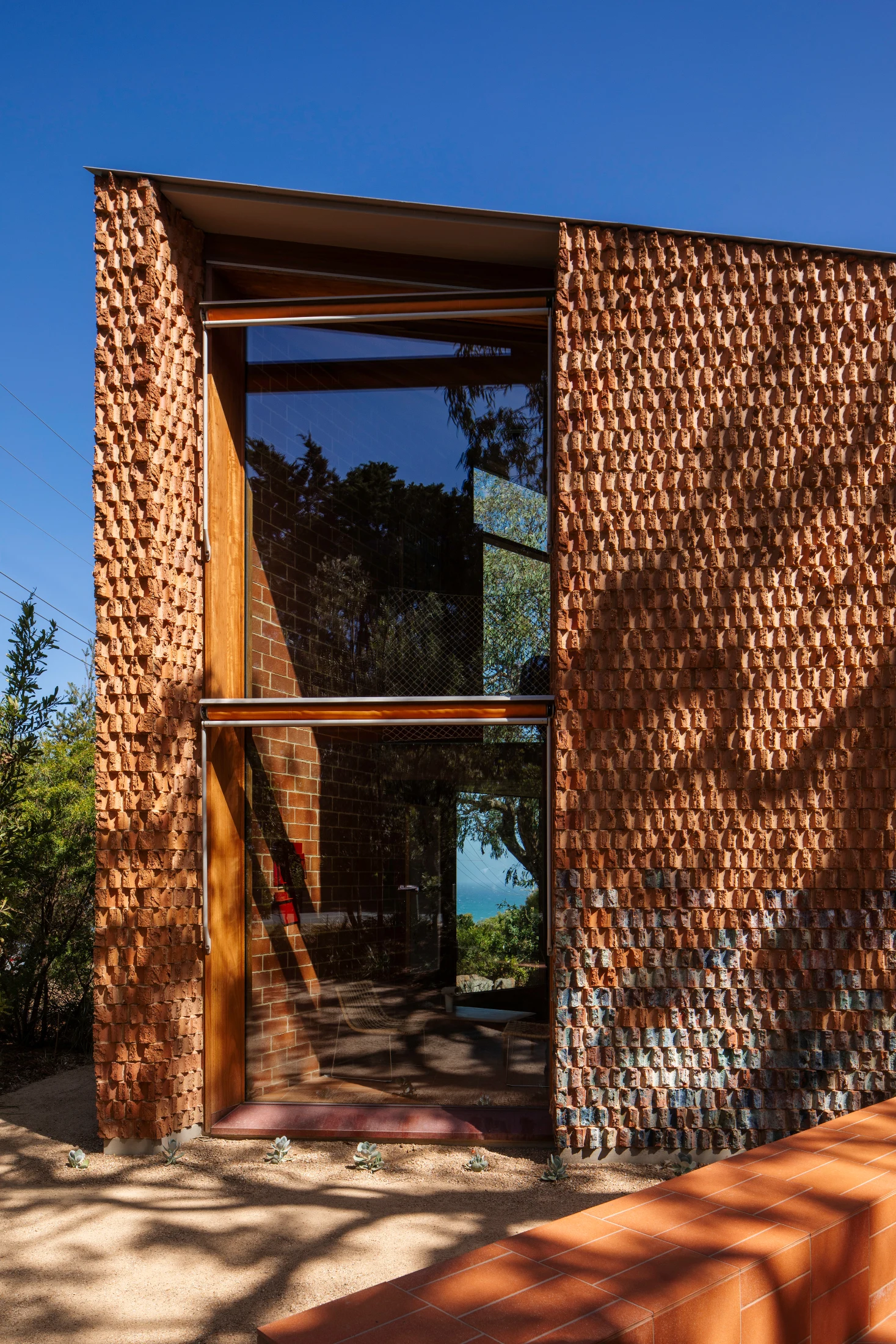
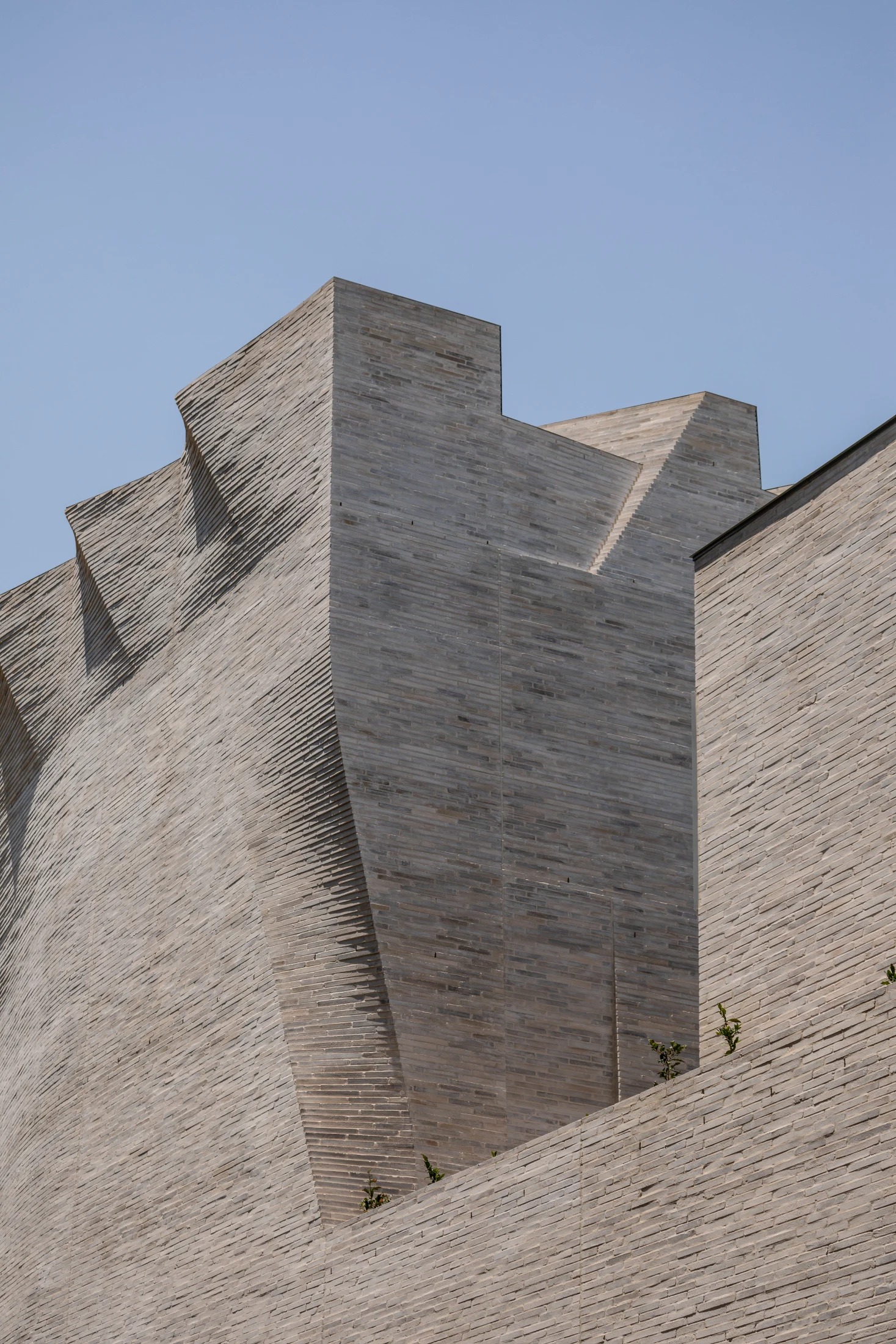
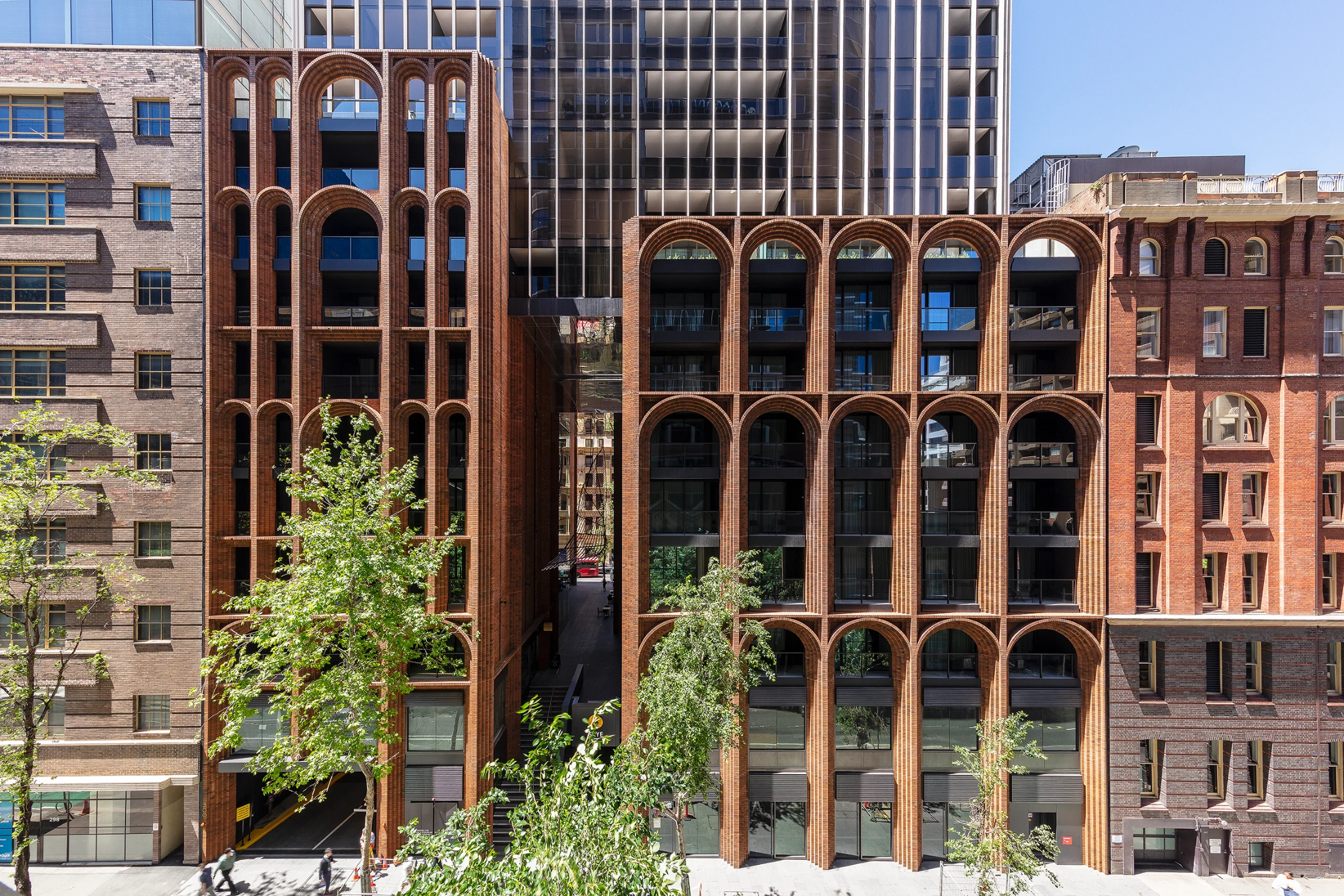
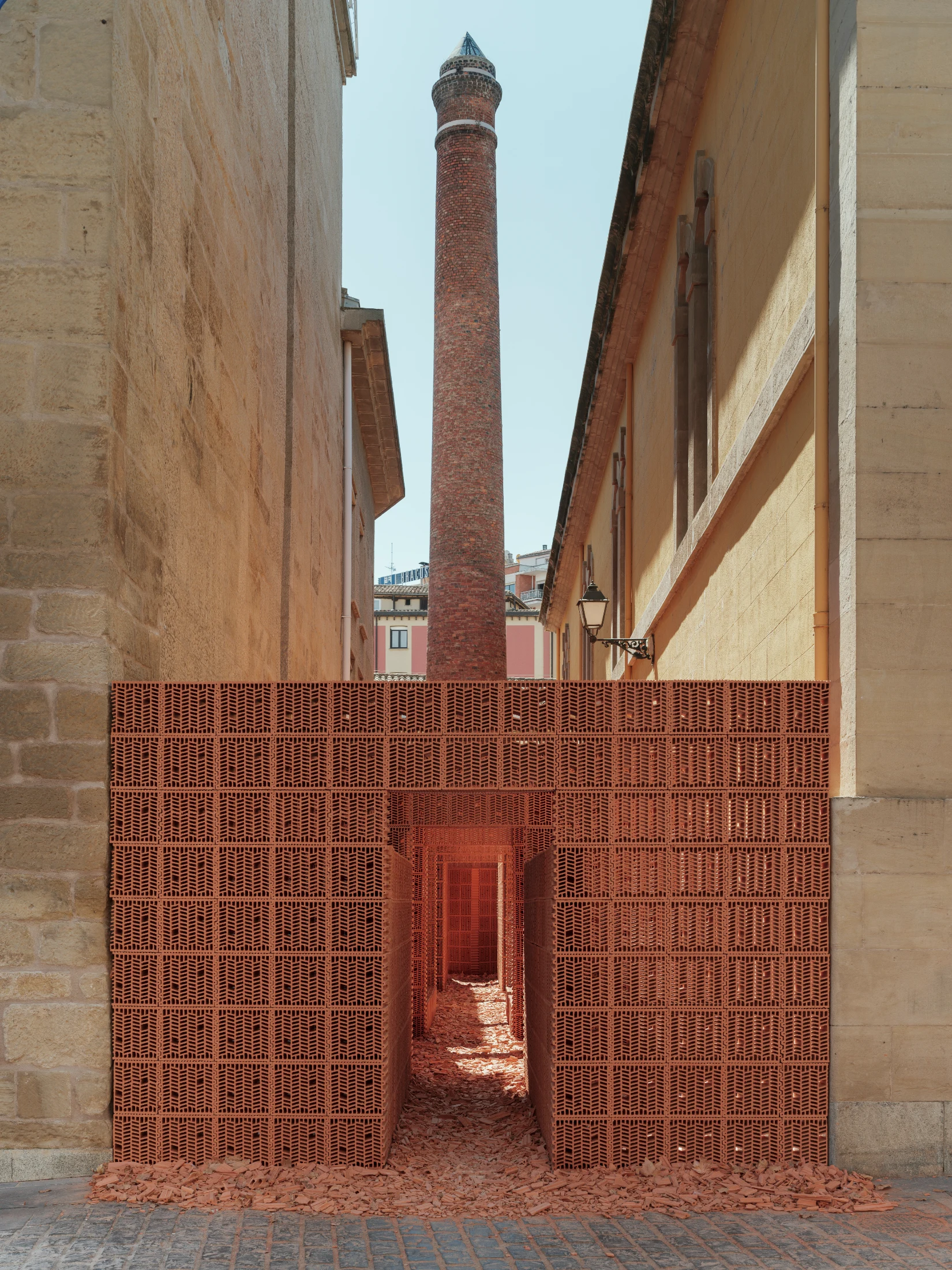
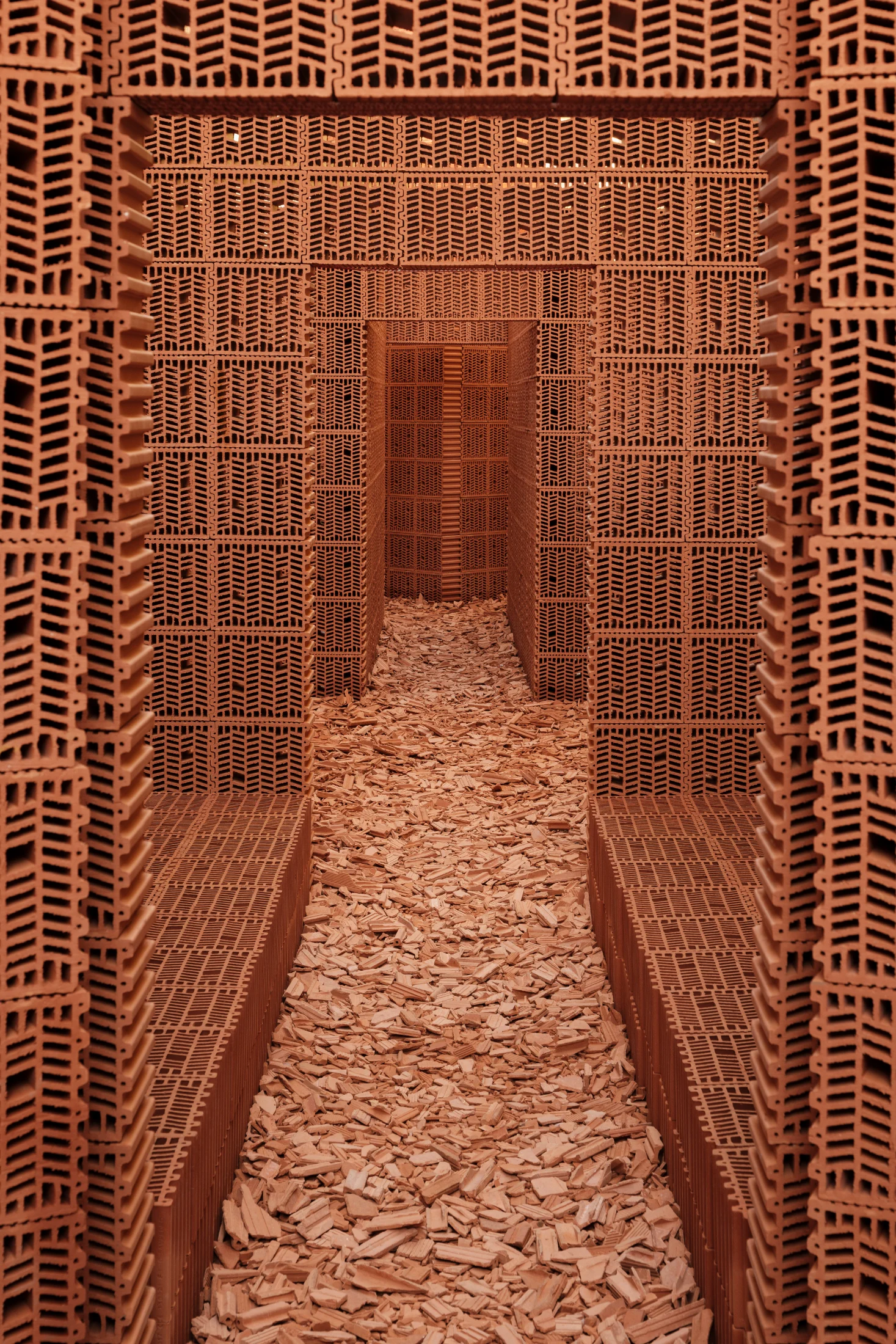
Bricks are ubiquitous and often ignored but actually quite sublime, when you stop to notice them. They are the ground beneath our feet, dug up and compacted and moulded and fired and stacked upon itself, to rise up and provide shelter or service. Bricks can seem uniform and utilitarian, but are in fact a natural material as poetic as timber. Wood grows from the earth; bricks are the earth. A brick is as tied to place as any swanky hardwood species. Once you know what you're looking at, you'll see bricks that are the oak or cedar or mahogany of their domain. You'll appreciate their character and colour and texture, as you would the grain and knots of polished floorboards. People are catching onto this, they're chiselling away the plaster of their interior walls to expose the structural brick behind it. Why hide such rustic charm?
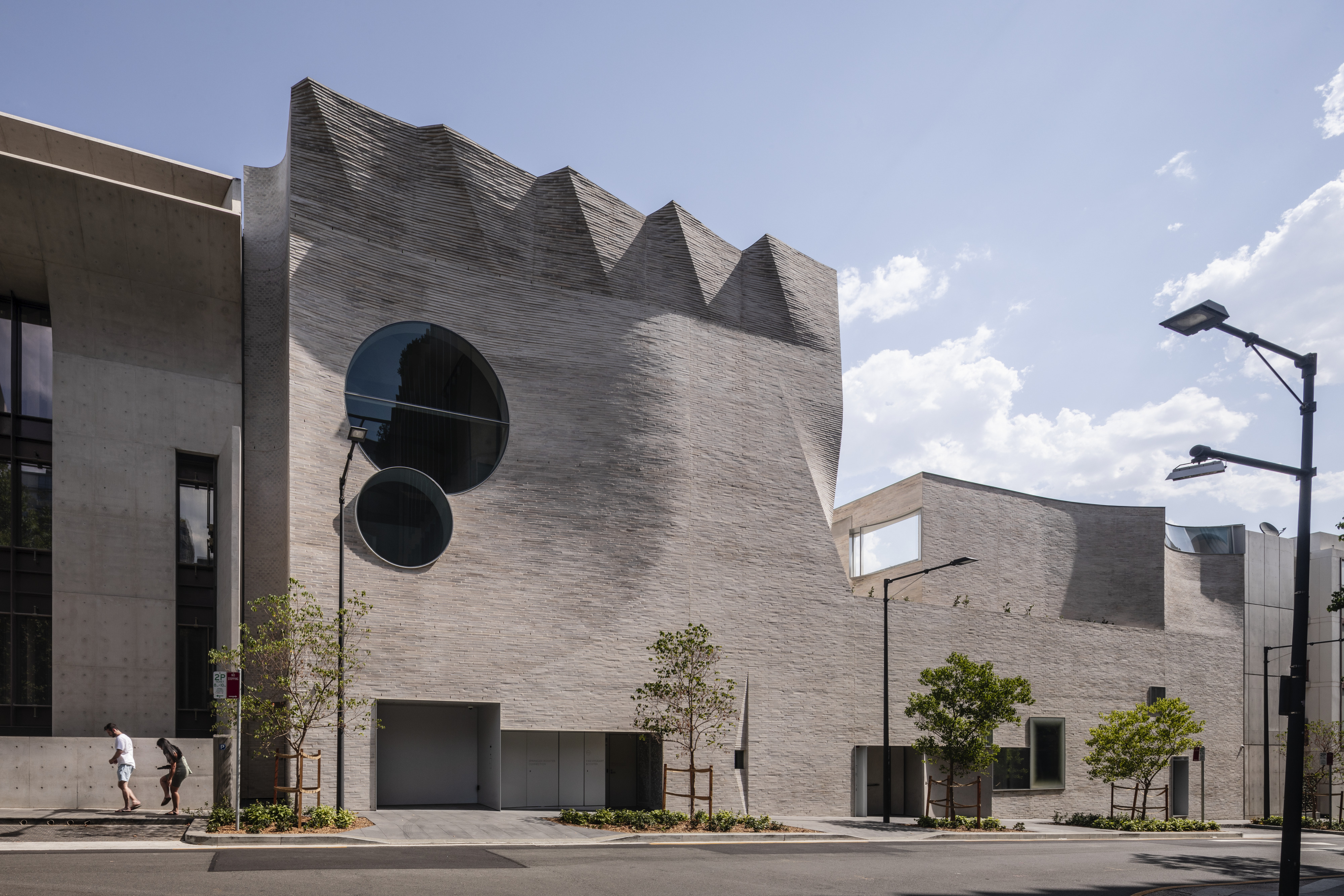
To pick up a brick is to hold potential in your hand. Take one brick. Add another brick. And another brick. Bond together with mortar, add more bricks again. Soon you have a wall. You have a hut, or a house, or a school, or a church, a temple, a workshop, an office, a woolstore, a bridge. Maybe you have a whole tower, with an octagonal tomb on the top, with bricks arranged in such beautiful and intricate patterns that the walls resemble textured fabric.
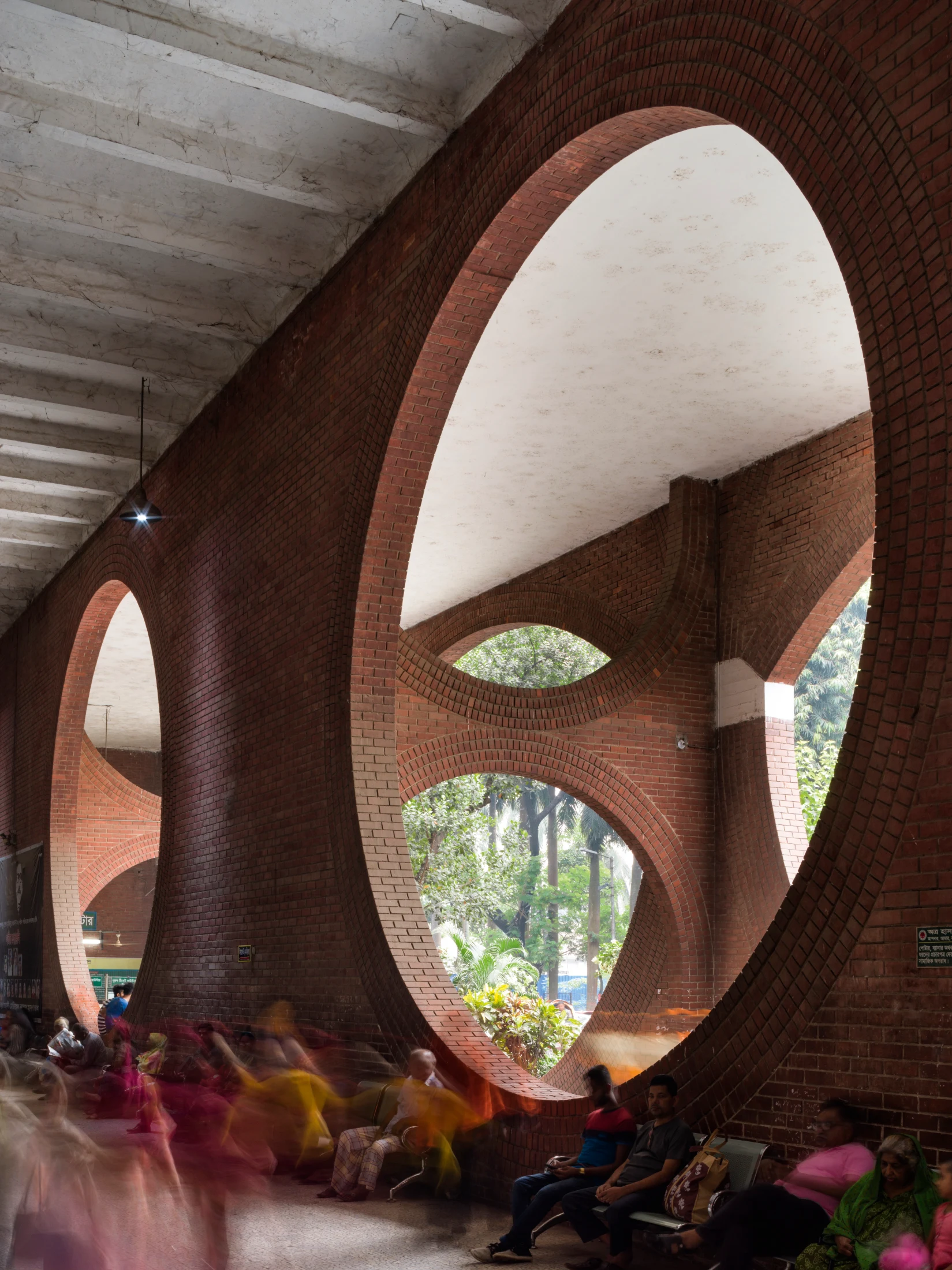
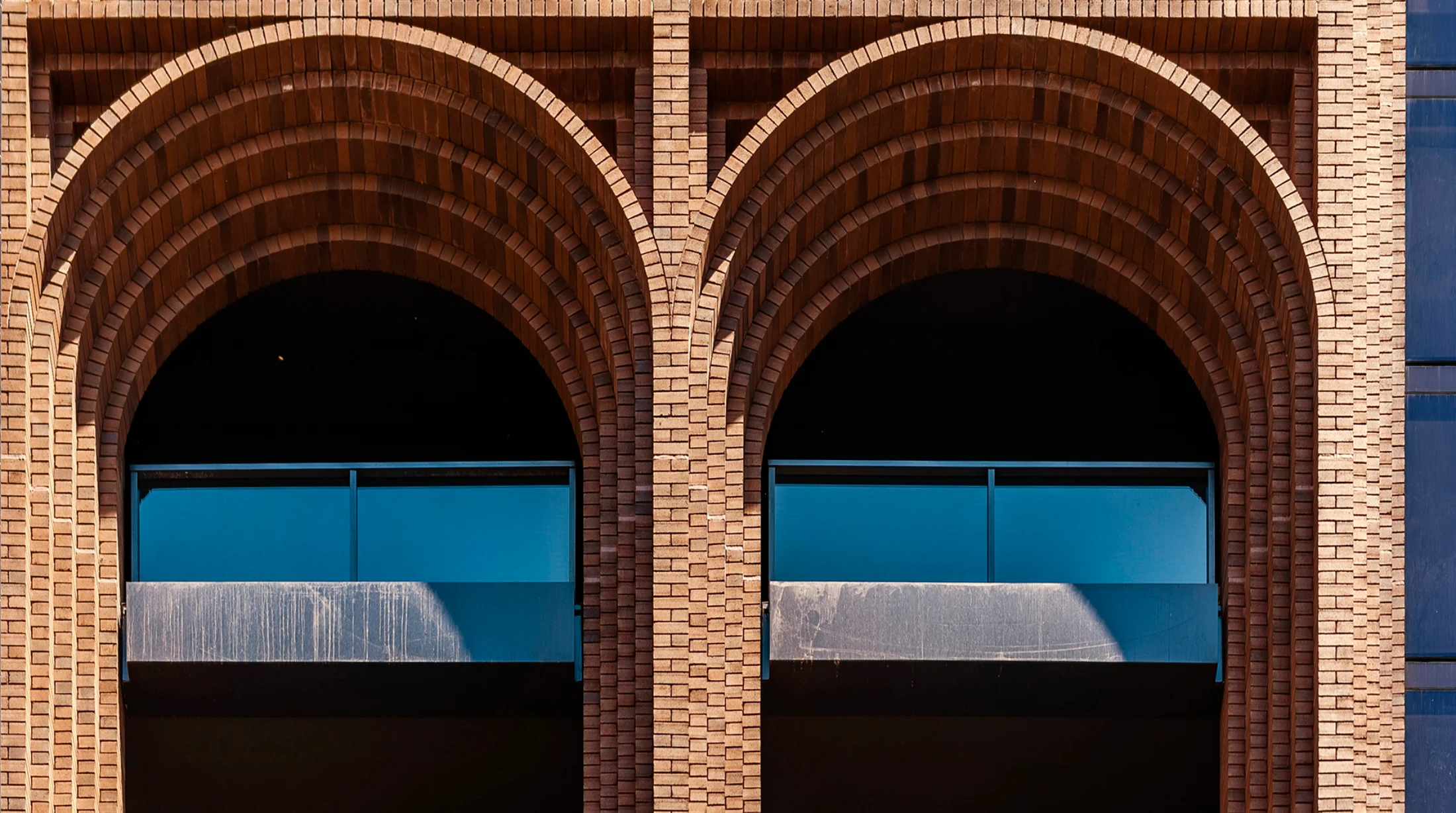
Often, you'll have an arch. Louis Kahn, the American architect once dubbed the 'brick whisperer', knew this was an inevitability:
Bricks know what they like, and they know what they are. How big is a brick?¹ Ask any human at almost any point in history that question, and you'll get the same answer. A brick is as big as a brick. In modern metrics, a standard brick anywhere in the world isn't a long way off the Australian dimensions of 230mm x 110mm x 76mm. But bricks have always had a rough ratio of 4:2:1, and been sized to fit nicely in the human hand. That's just how big a brick should be.