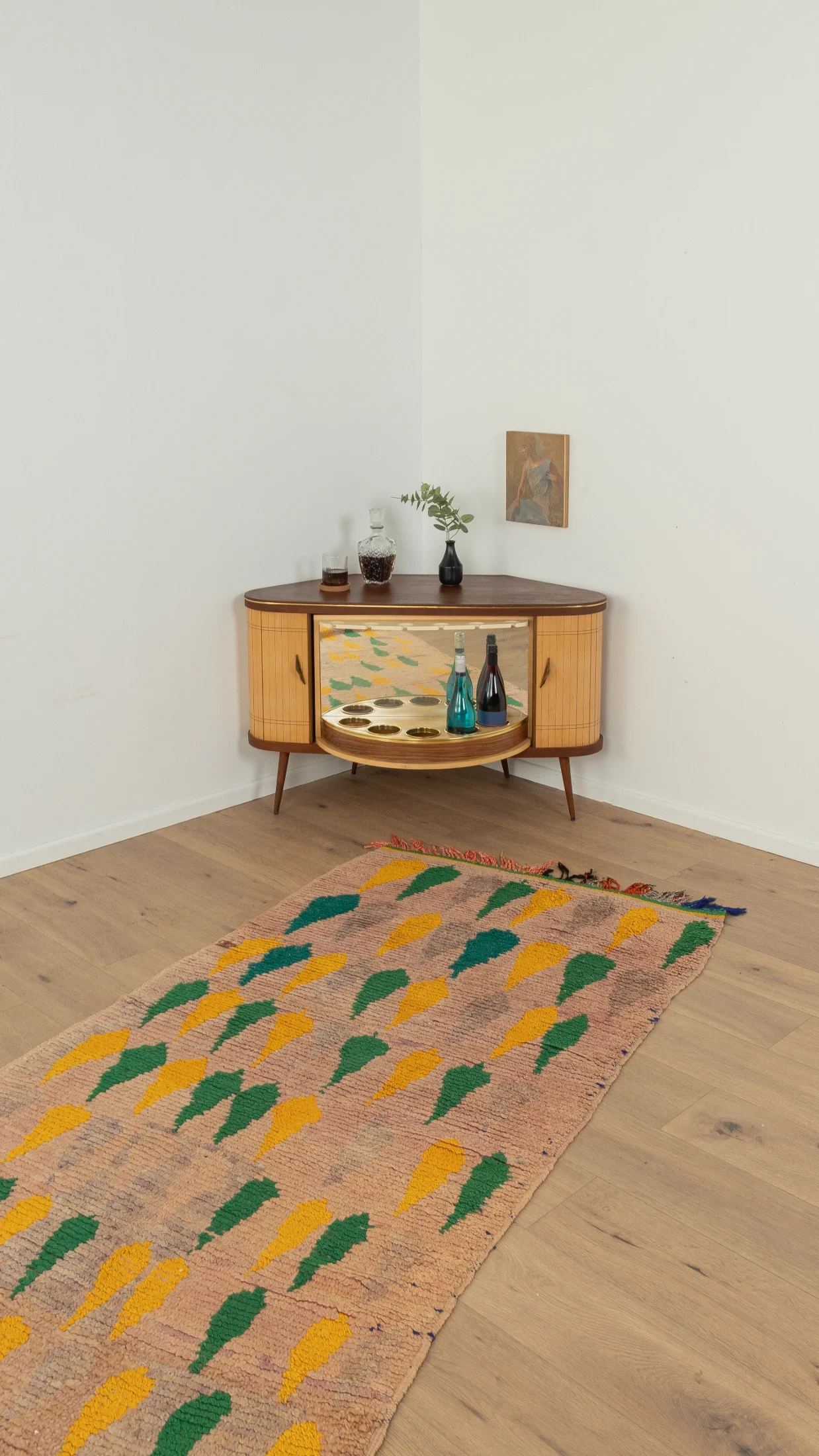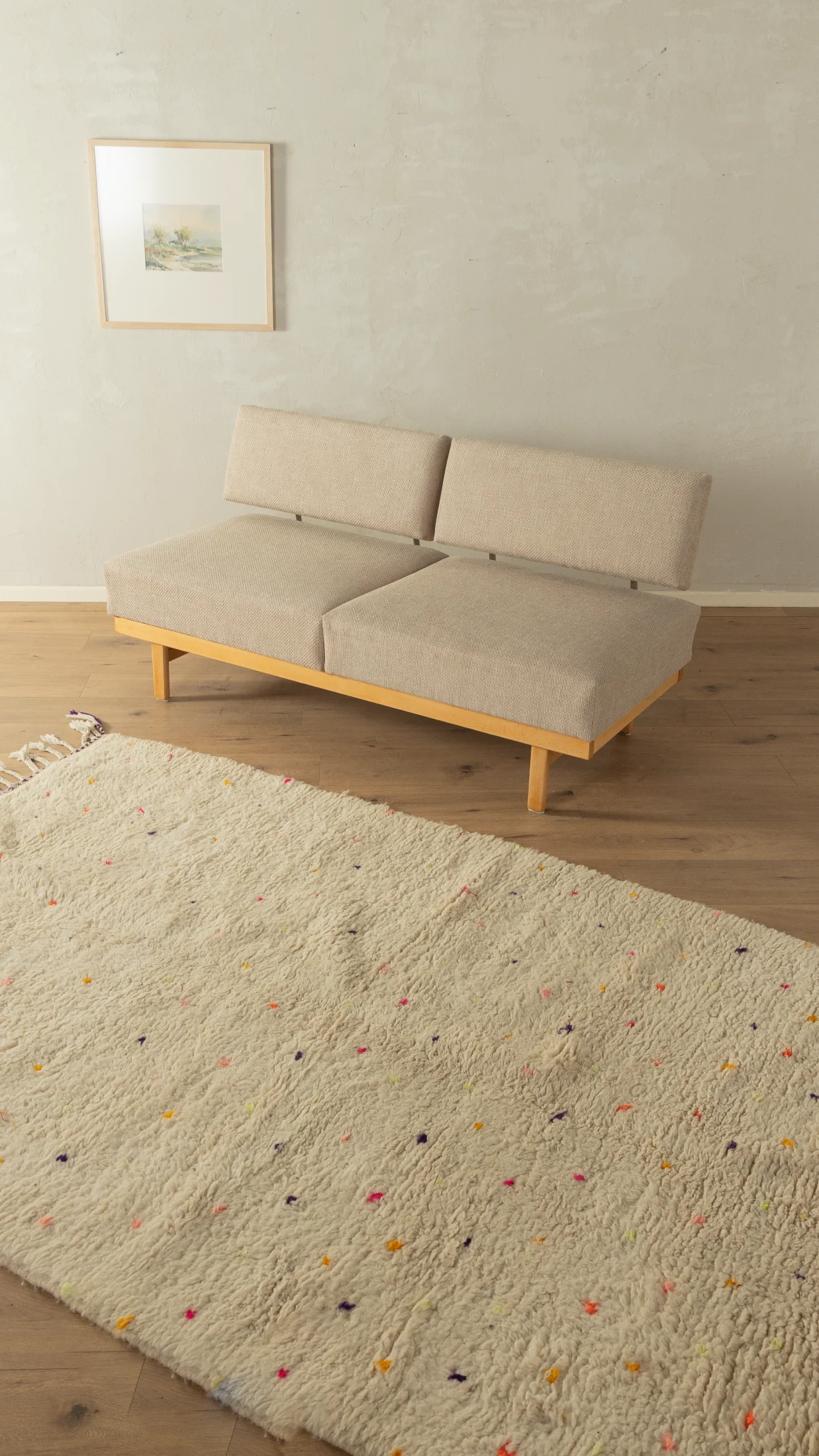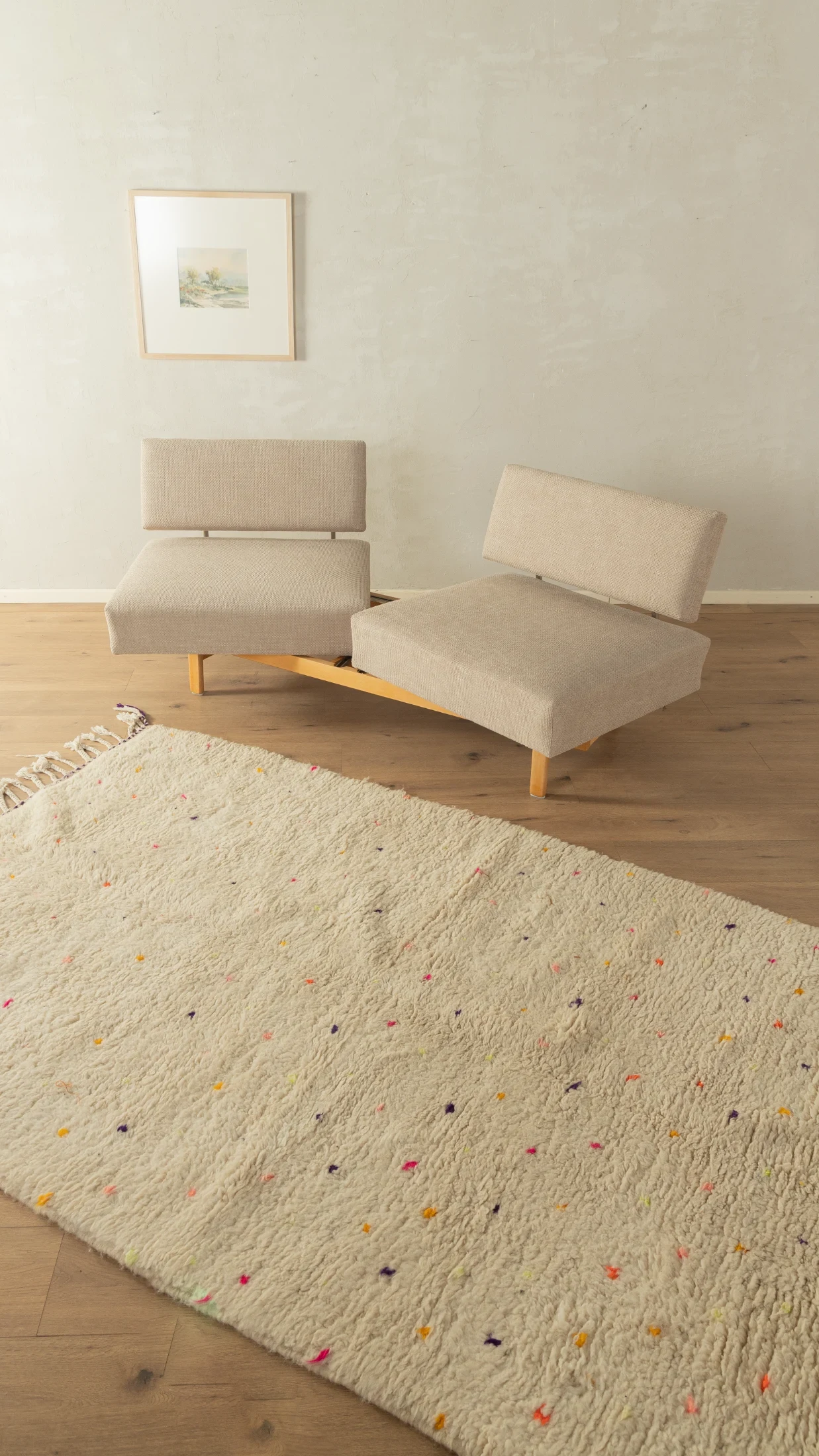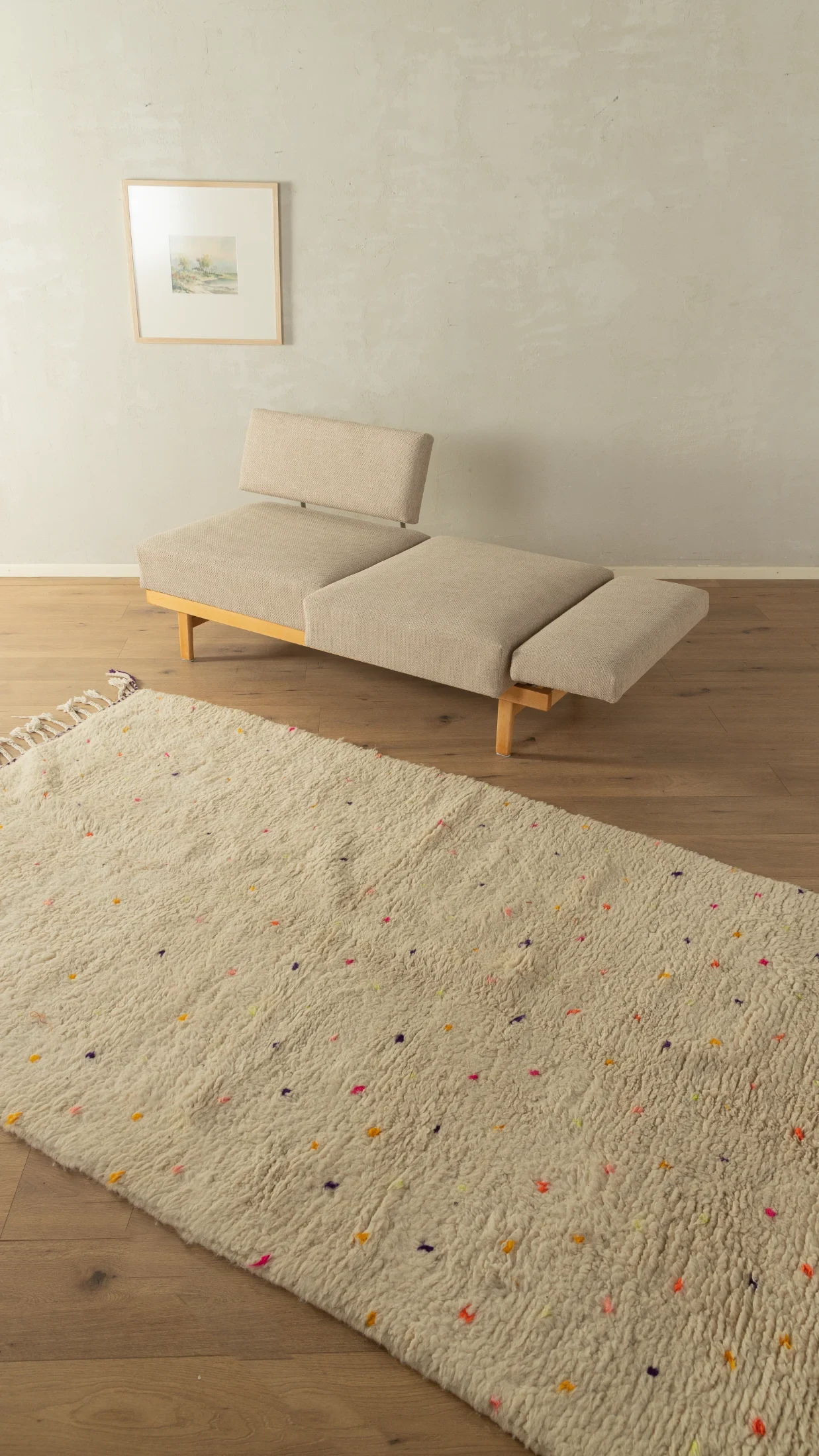



In a silent 1916 short film called One A.M., Charlie Chaplin turns a Murphy 'in-a-door' bed into a hilarious sketch, set to music. First named 'The Disappearing Bed' by its inventor William Murphy and patented in 1911, with the advertising line 'the room that serves a double purpose', Chaplin goes into combat with this mechanical contraption, as he drunkenly presses the control buttons and it pins him down, flips him over, and tosses him into the closet. The design wasn't the first of its kind – there's a 'Piano Bed' in Brooklyn Museum from 1885! – but it's the one that captured the public's imagination, and endures as a concept and name today.
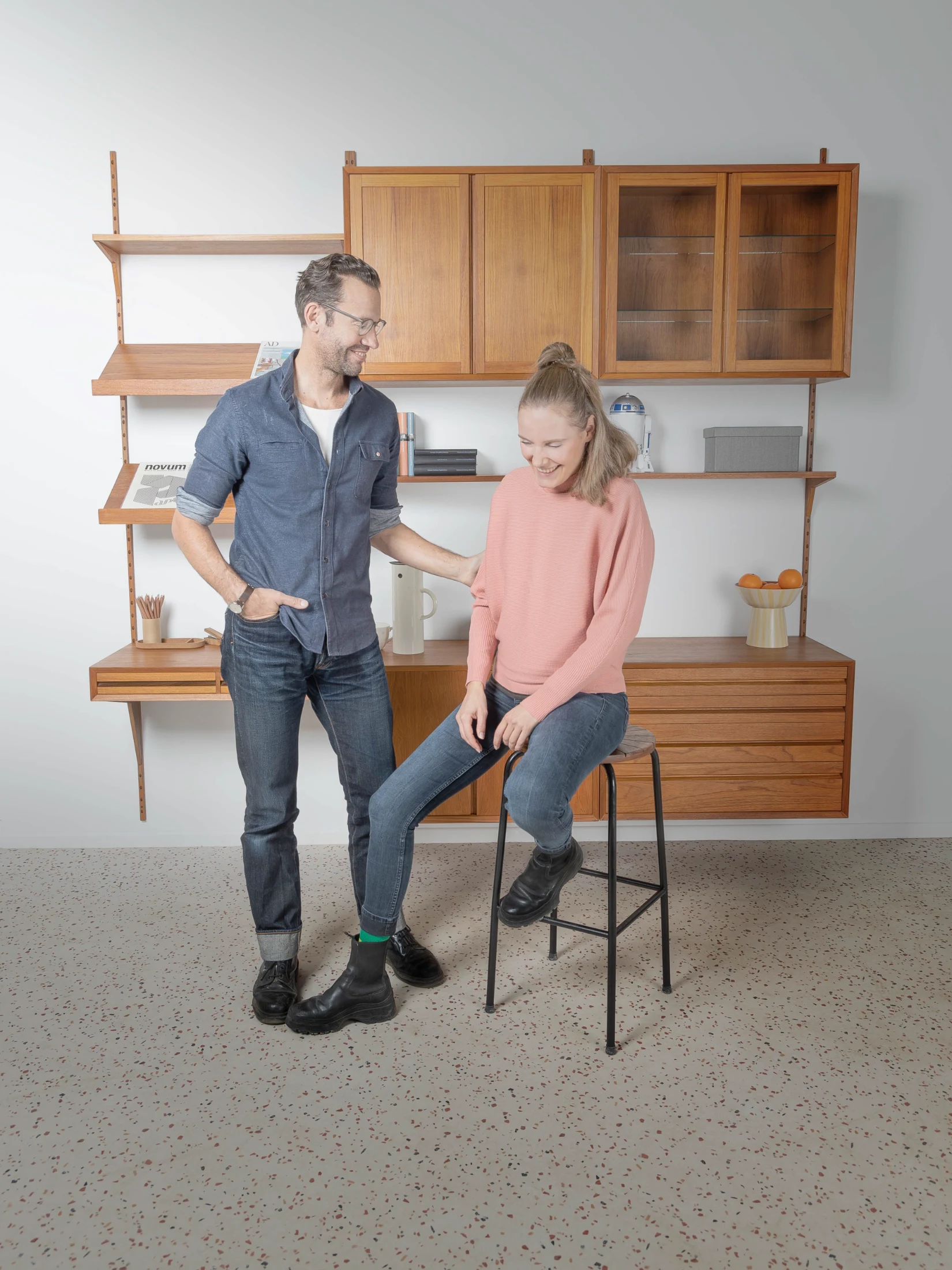
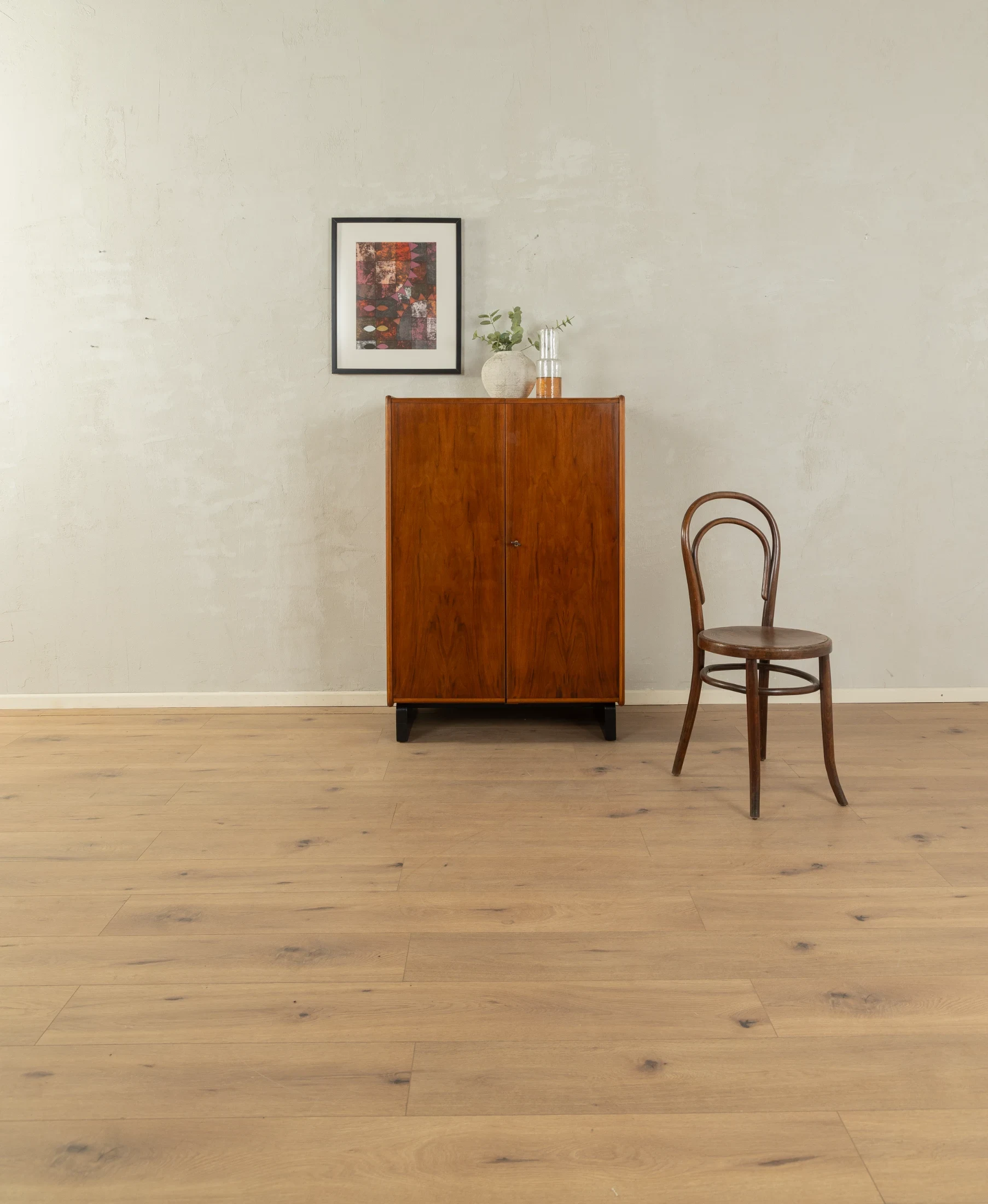
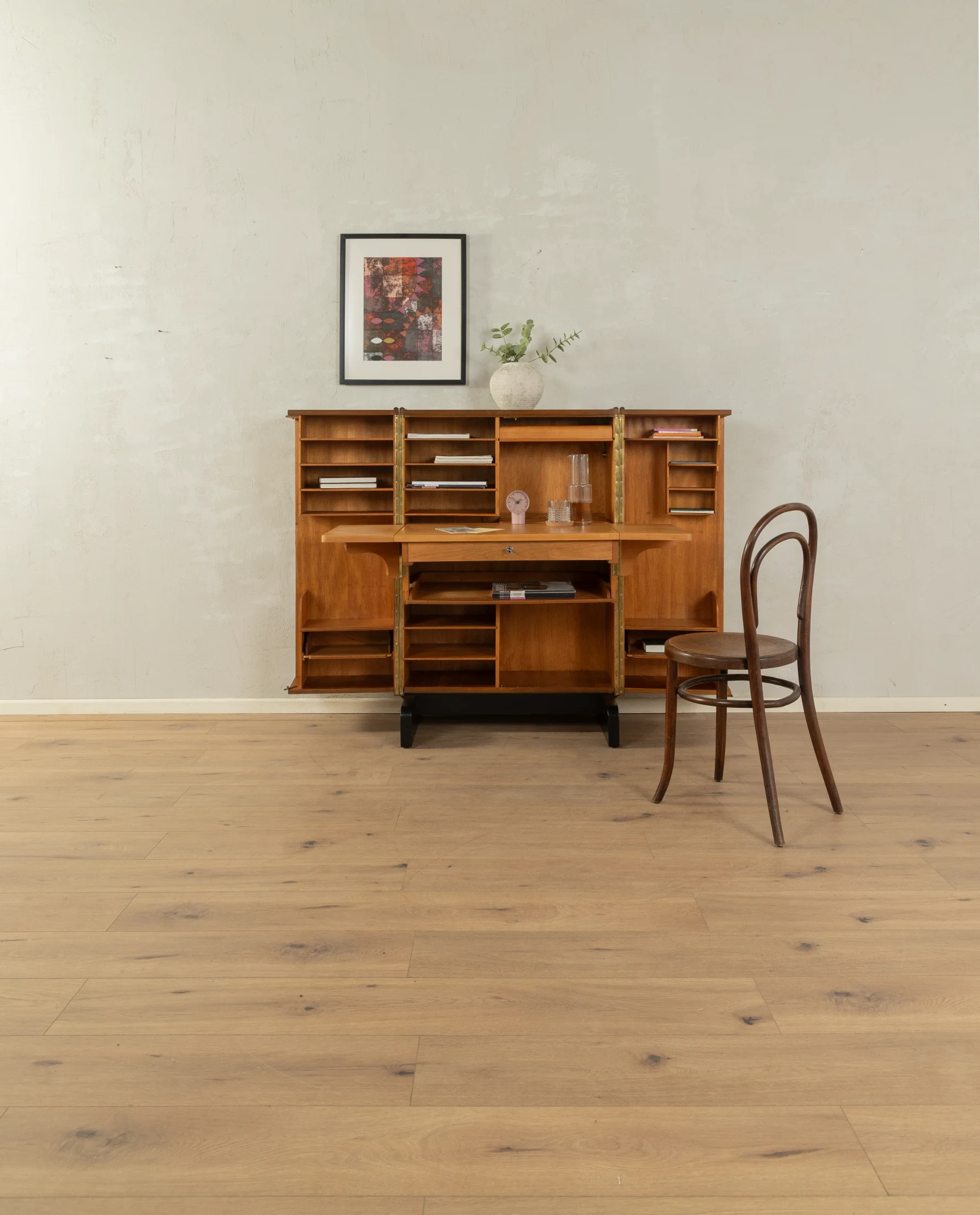
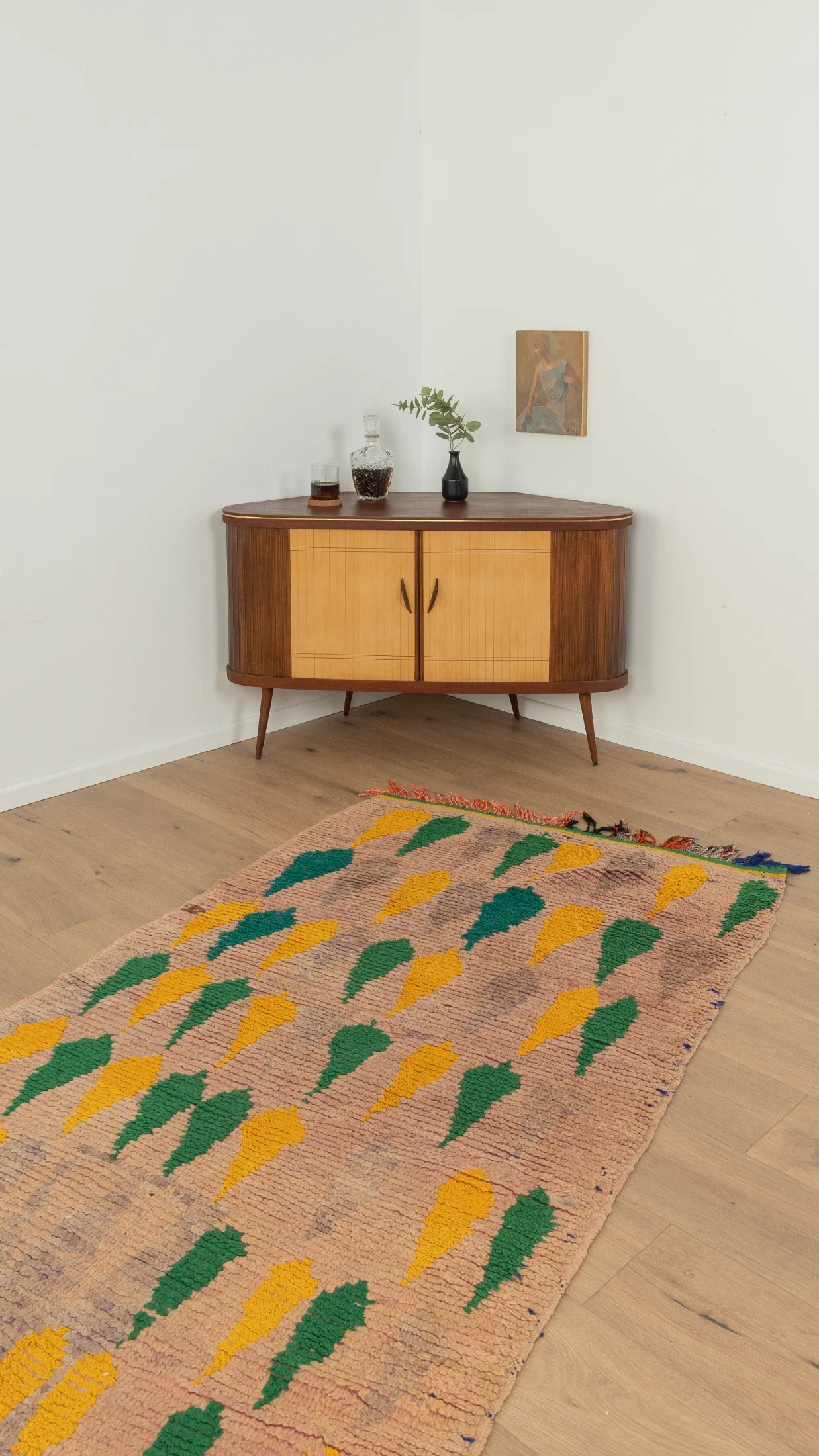
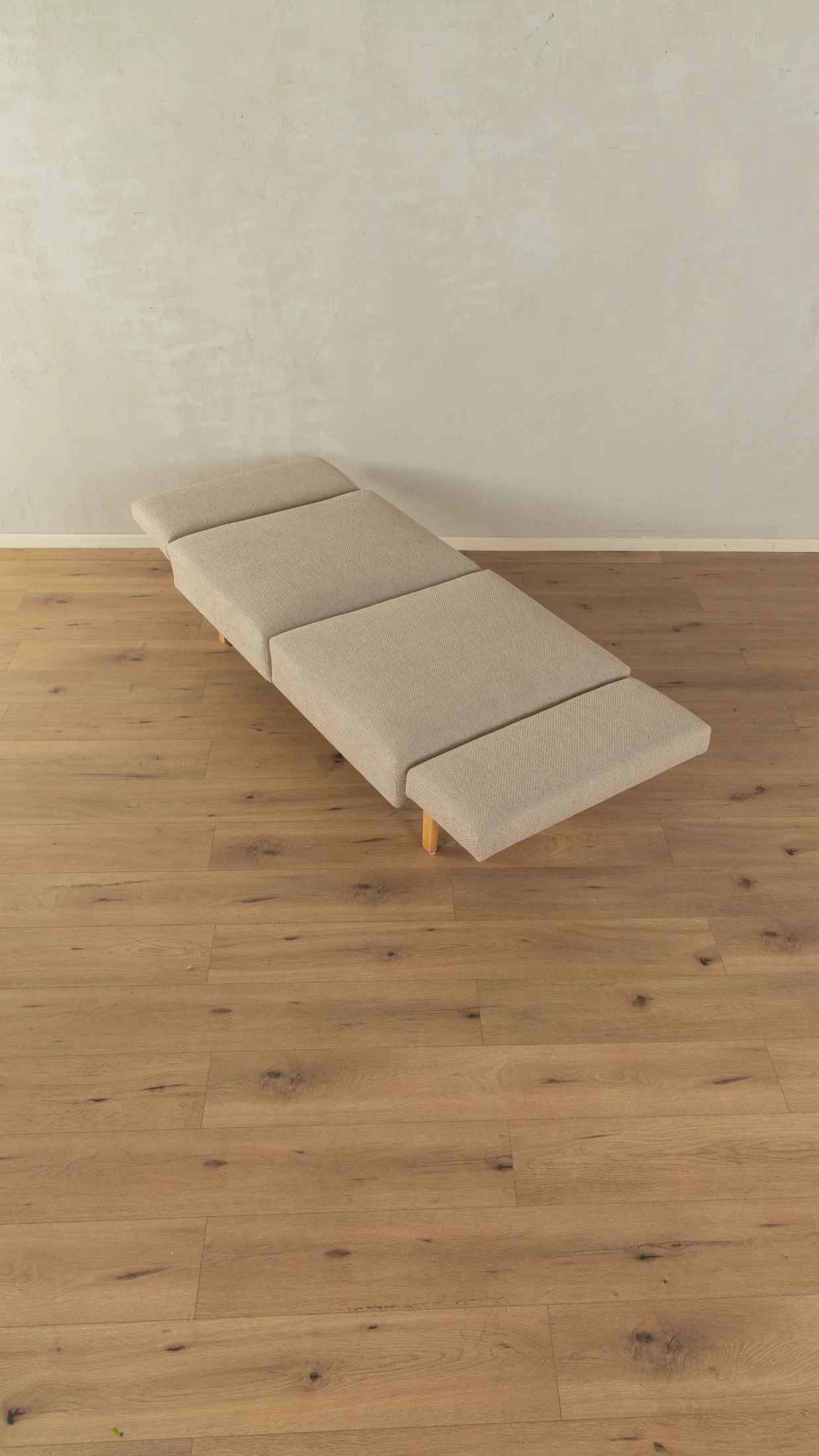
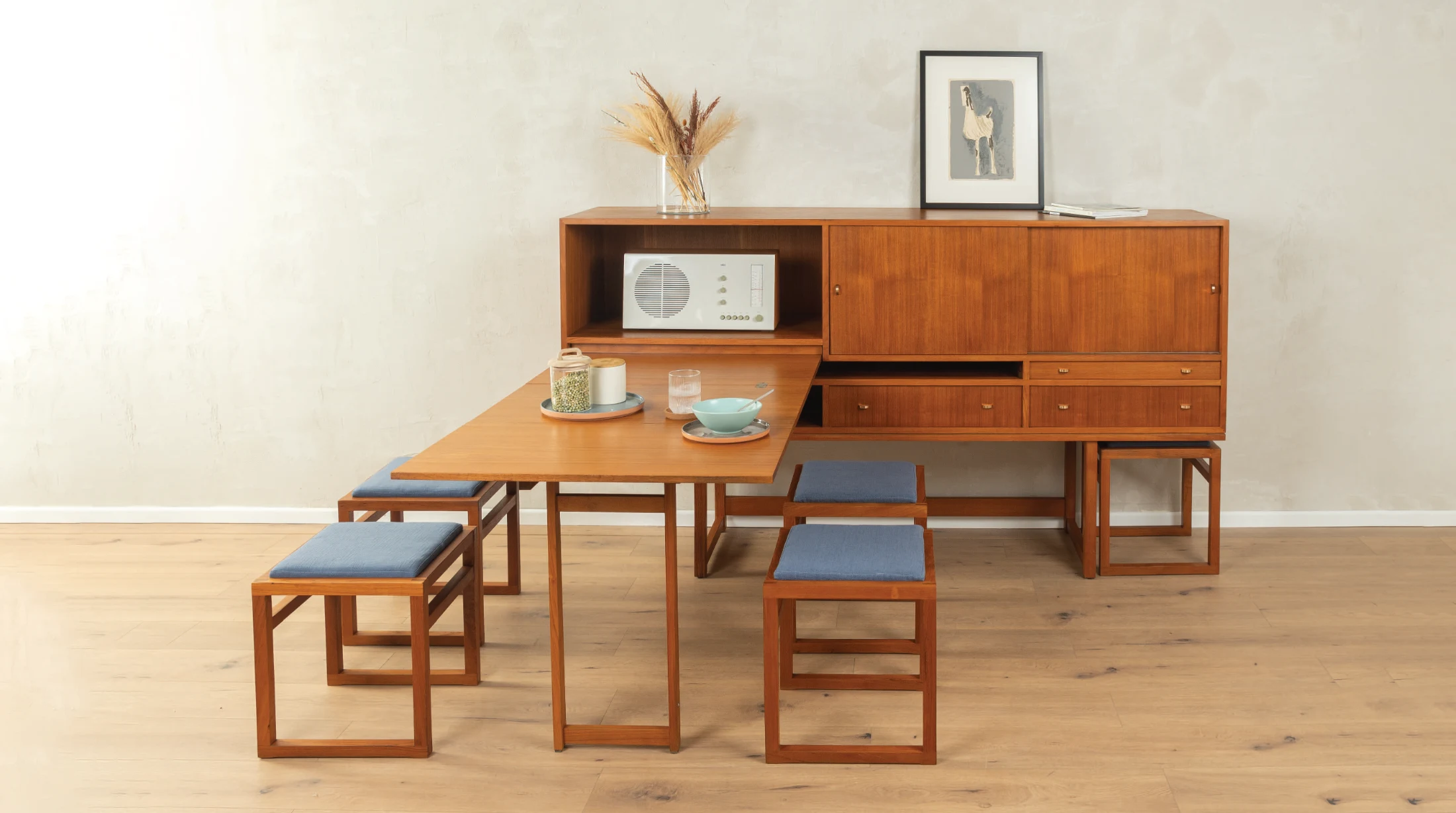
Fast forward to 2024, and Mid Century Friends, a shop in Neuss, Germany, is publishing videos on Instagram like micro theatre sketches set to music, which also have a silent-movie quirky spirit, (though this time the actors are firmly in control of their multifunctional furniture). Showing everyday activities like reading a magazine, relaxing with a drink, or sitting with a friend, and sometimes with little time lapses to demonstrate the different configurations throughout the day, these posts show off the furniture's transformations with captions like, 'How many options does this offer you? Many.' Even though these pieces – which are mainly sourced from house clearances before being restored and occasionally modified¹ – are often 60-70 years old and designed for a very different era, the likes and replies are quick and passionate.
One explanation is that these mid-century pieces, in spite of their age, still exude the optimism of post-war modernity, with its quality craftsmanship and industrial processes. Nostalgia certainly plays a part, as the boomers think back to their childhoods, and younger generations are drawn to the clean lines, organic shapes, space-age plastics and tactile woods or wood veneers (in teak and rosewood) that are the perfect complements to vinyl records and vintage or archival fashion. It's a sustainable choice, and a world away from the flat-pack. It's also an aesthetic that works well with the simple lines of our sleekly designed modern technologies, and the profusion of plants that now fill our homes.