
Magazine Current IssueMagazine Current Issue
Making Mythology: The Eclectic World of Kumkum Fernando
From our Mag
February 1, 2026

Making Mythology: The Eclectic World of Kumkum Fernando

Sri Lankan artist Kumkum Fernando transforms found architectural patterns and objects into mythological robot-like sculptures through traditional Vietnamese lacquering techniques.

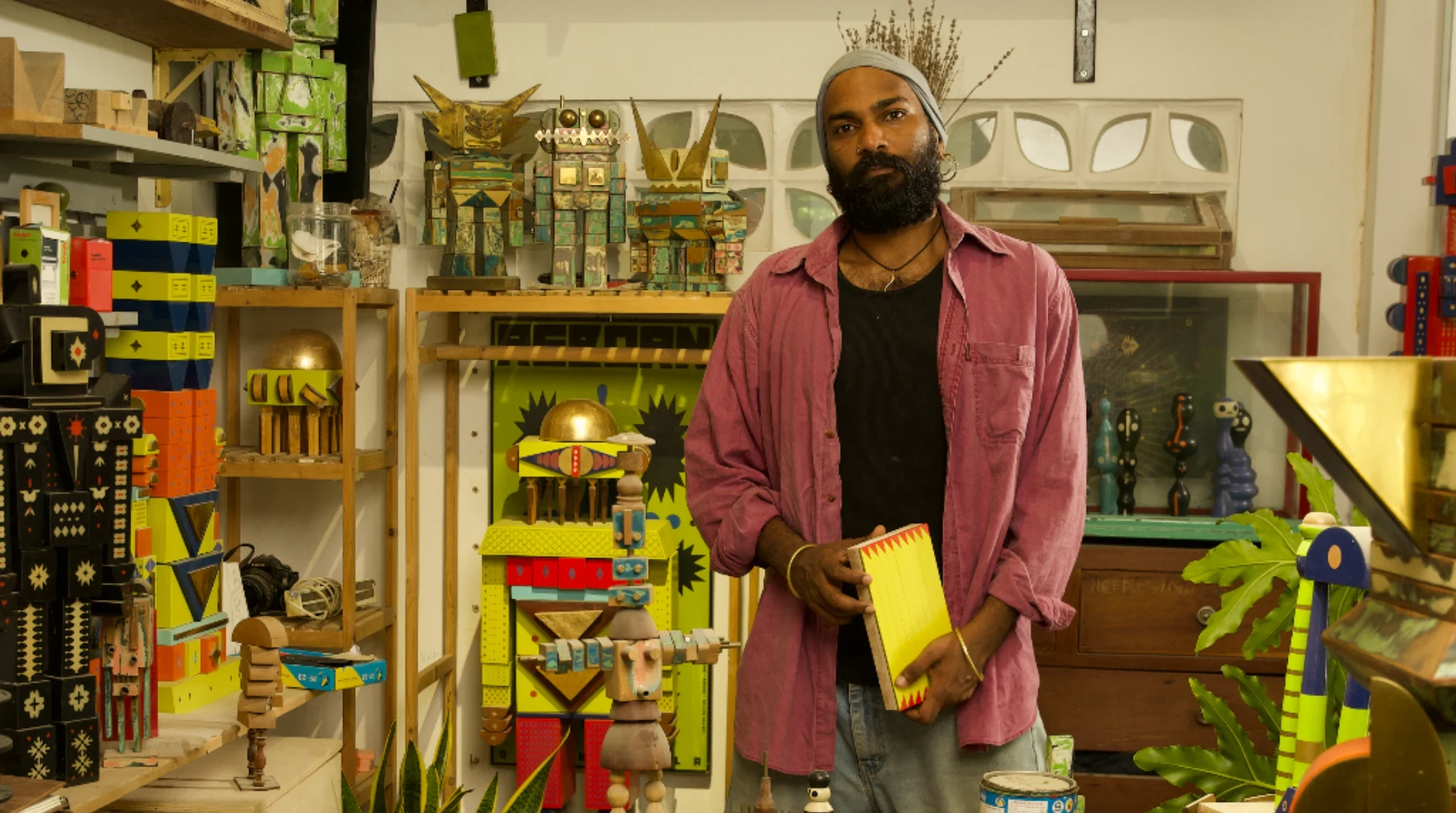
Kumkum Fernando is not at his Saigon studio. In fact, he is halfway around the world in Schwerin, Germany, looking out at a beautiful 19th-century castle from his window. He explains that he's living in Schwerin part time to be closer to his son, while he's in school. It is not where we expected to find him, but not much of what the Sri Lanka-born artist does is guided by the expected.

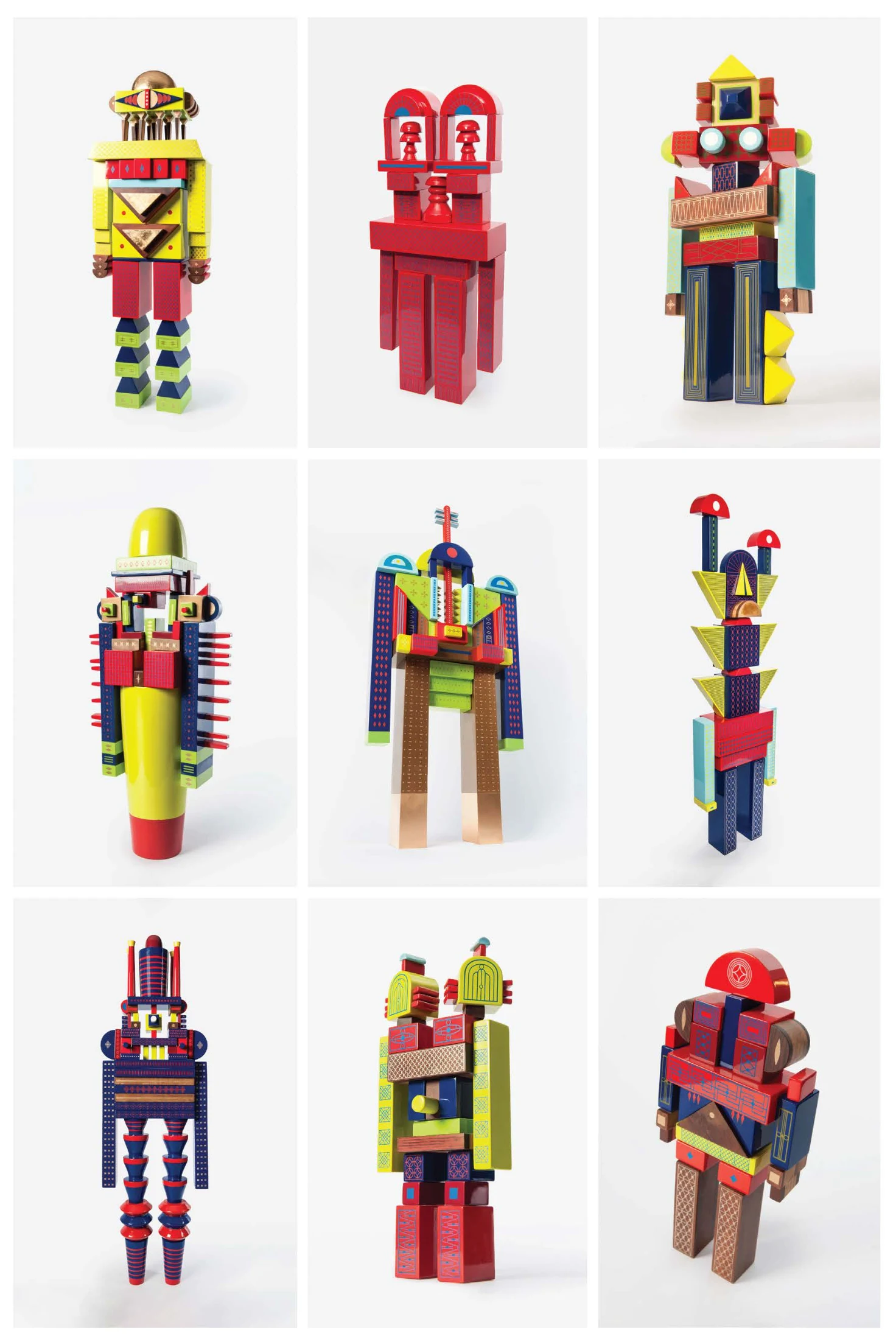
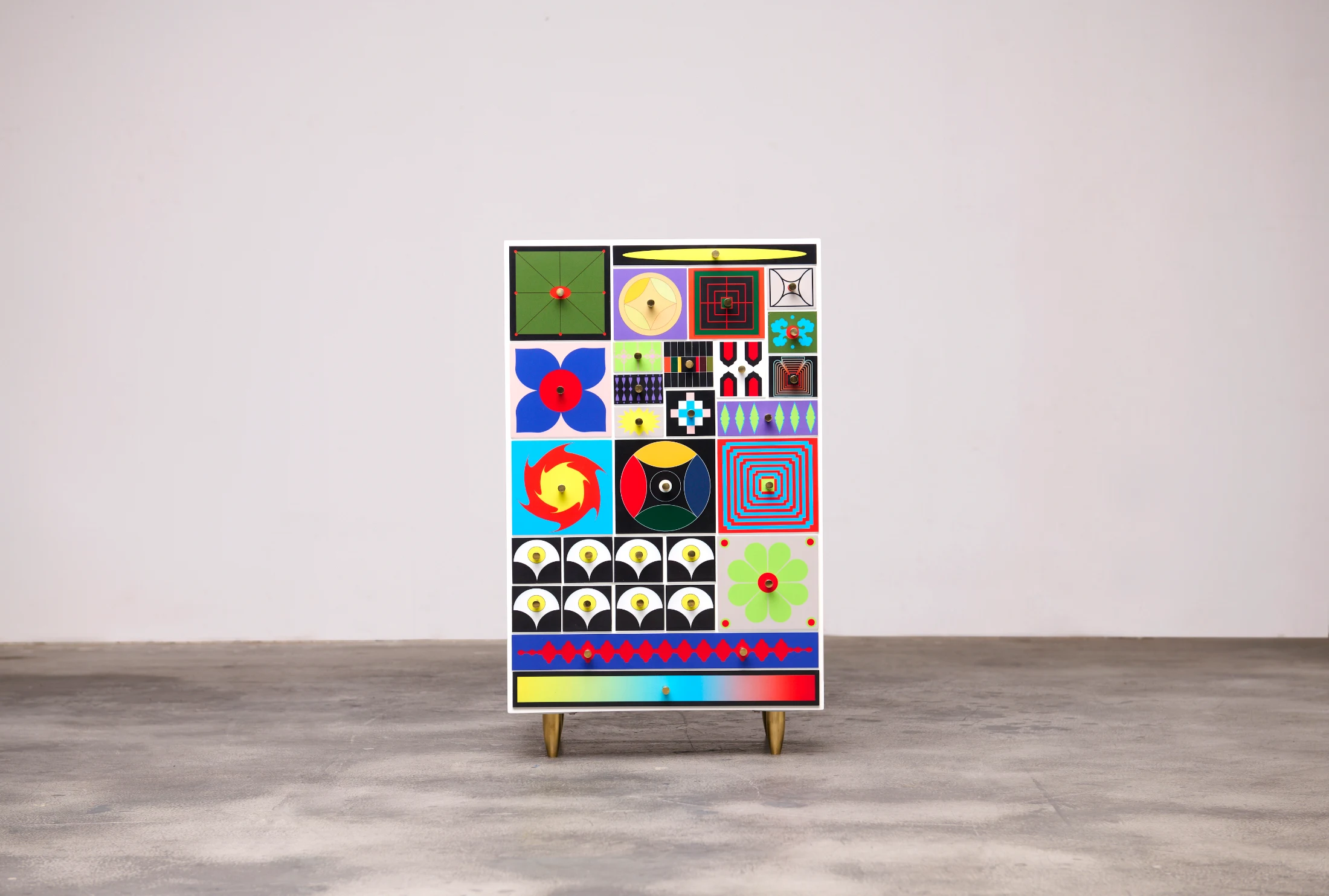
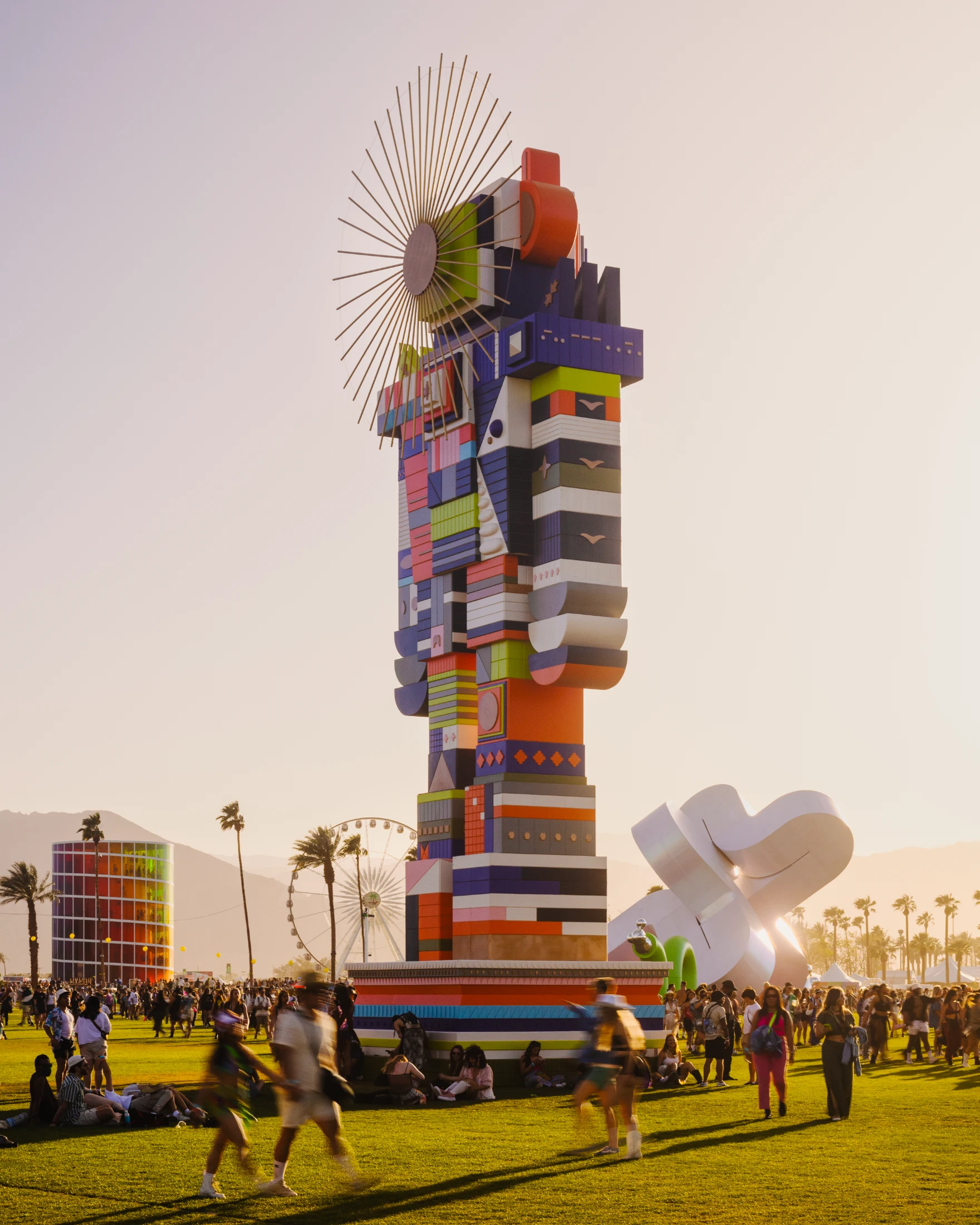
As a complement to artist, Fernando describes himself as a collector of "curiosities" – a catch-all term for spoons, statues, antiquities, found materials, architectural patterns, cultural references, and, well, you name it. These sprawling curiosities have been a constant in his artistic practice, which is still primarily based in Saigon. Between the calls of the local street vendors and the gurgles of the guppy fish pond he set up in the studio's bathtub, Fernando works steadily and modestly to create worlds. He absorbs inspiration indiscriminately. He collaborates readily. And he pieces it all together into his "own mythology" – currently taking the form of towering characters and monuments, as geometric as they are colourful.

Writing:
Kate Kolberg
Writing:
Photography:
Photography:
No items found.
Magazine Current IssueMagazine Current Issue
The After shot of the Floorplan
Before
before
after
After
Top
Arrow UpArrow Up

Where do you feel your relationship to objects and collections began?

My father was an obsessive antiques collector. He was drawn to the myths, beauty and history of the past, so I grew up surrounded by all kinds of curiosities. His collections grew out of control – we were constantly running out of space in the house – but it was a huge influence on me. We used to shop for statues together, and even at a young age, he'd give me pocket money so I could start a small collection of my own. I still have those pieces at my parents' house in Sri Lanka.

When or how did this curiosity transition into an artistic practice? And what is it about working with discarded or forgotten materials that speaks to you creatively?

In the beginning, I worked only with found objects, making collages out of things I used to find. I did that for years. Eventually, like my dad, I started running out of space to store the work or the materials, so I shifted toward figurative pieces – but the principles stayed the same. It's still somewhat of a collage but made from patterns of old objects, buildings, books.

Creatively, I think it's the fact that these materials have had many lives. They carry hidden stories and secrets. Their textures and colours have a mood that can't be replicated. When you come across something that speaks to you, you just feel it – like it's calling out to be given a new life.

Once you moved to Vietnam, your practice expanded into a dialogue with place, like your use of traditional lacquering techniques and local architectural patterns. Tell us a bit about how that came to be.

It actually started by accident. When you walk around the back alleys of Saigon, you'll notice these beautiful old window grills, almost every old house has them. I hoped there was a database somewhere, but I couldn't find one, so my team and I started making our own – photographing grills, collecting the patterns, and noting down their addresses. We ended up with hundreds of patterns.

Over time, we realised that many of these houses were being torn down and the grills were disappearing. So what started as a collection project slowly turned into more of a mission to preserve them.
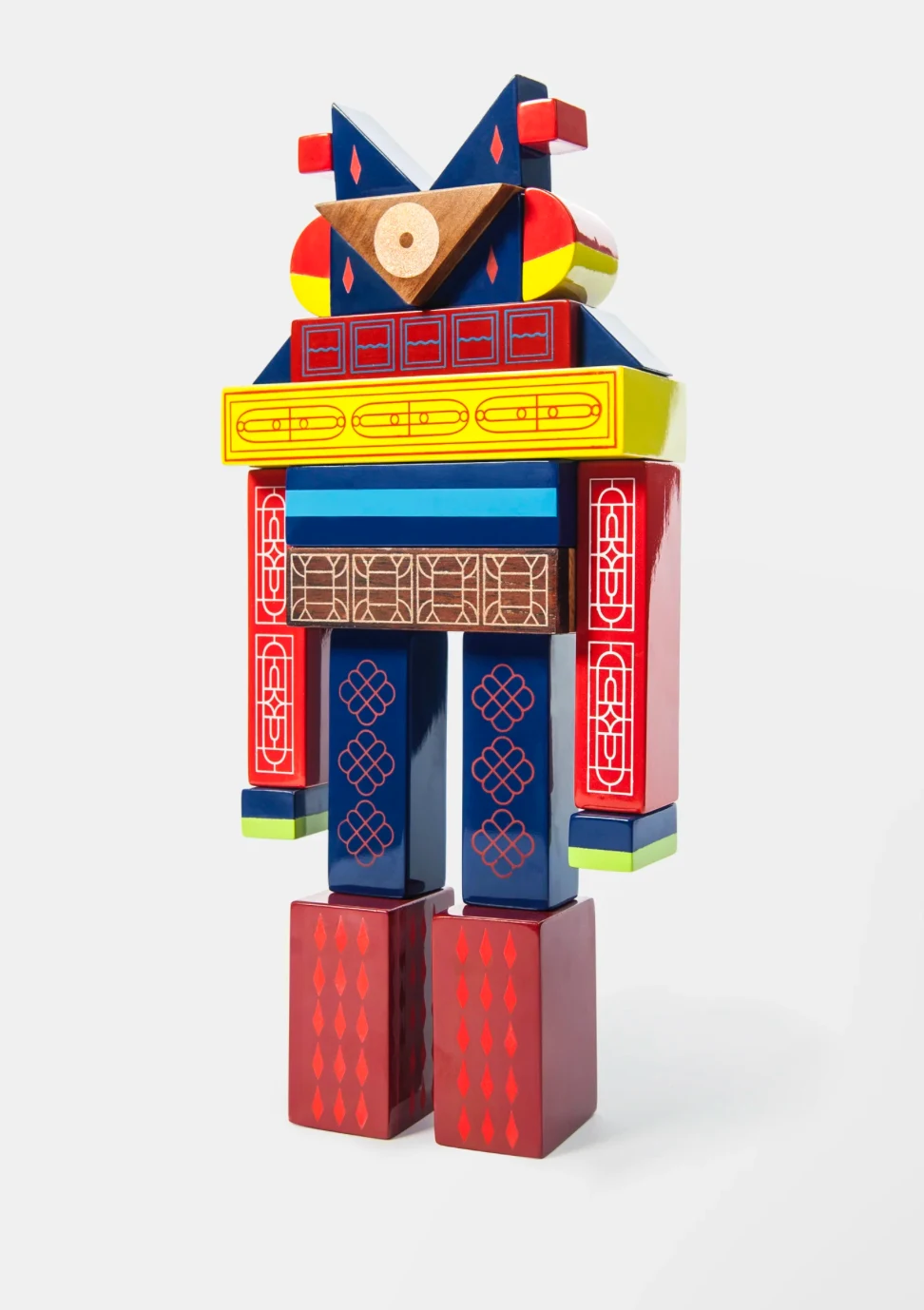
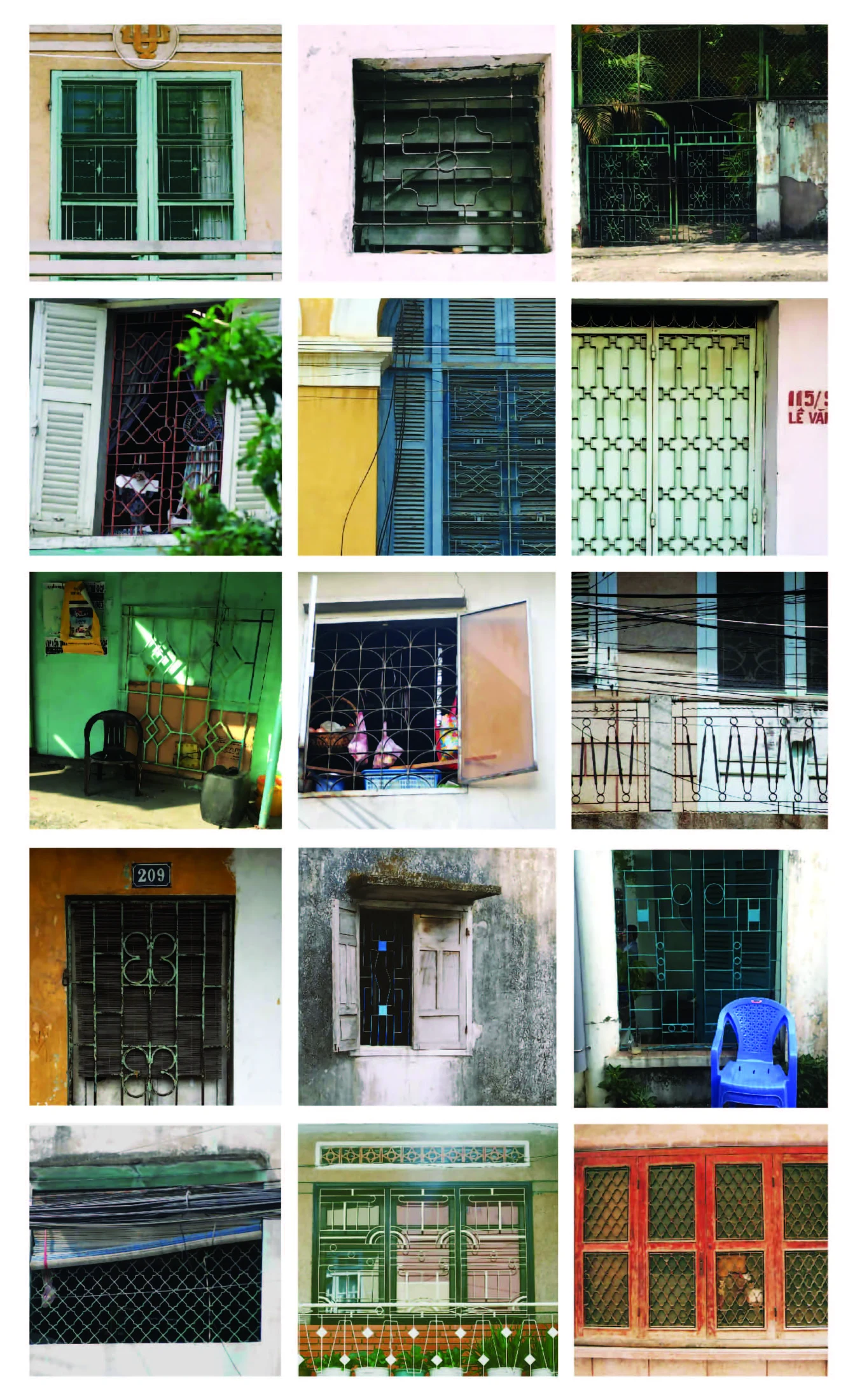
So in some ways, this was the birth – so to speak – of your Reborn series. How did this archive of Saigon's window grills morph into a sculptural practice?

After I had a big enough collection of these grills, I started playing around with them digitally – mixing and combining them.

One day, a face started to appear, slowly taking the shape of a geometric figure or character, which inspired me to try them out in 3D.

The face of that first piece was based on a lotus-shaped grill, so I called it Lotus Face.

After that first character came to life, it hit me: this was like a three-dimensional map. Since we had the addresses of all the original patterns used on the character's body, I thought it would be interesting if each sculpture came with a map. That way, someone could actually go and find the exact patterns in the real world. It was a turning point. It felt like people really connected with it, and at the same time, it gave me more space to tell stories. It felt more accessible, more meaningful – and definitely more fulfilling.

It's interesting that they're so tethered to a real geography because in many ways these sculptures – part idol, part machine – feel like mythological beings from a parallel world. Why robots? What drew you to that form?

I think it started with symmetry. Most of the patterns I use are symmetrical, so naturally the figures came out very balanced and geometric, and at first glance, they looked like retro robots. But I don’t really see them as robots in the traditional sense anymore. For me, they’re more like beings that represent a feeling or a message.

I was drawn to this form because, growing up in South Asia, you're surrounded by idols and there are always layers and layers of stories that come with them. It felt natural for me to treat my characters the same way. A body that could hold stories, feelings, symbols and emotions but not tied to any specific culture or time. That gave me the freedom to create my own mythology. When I make them, I try to capture a mood or a memory, something personal and then shape a figure that holds that feeling. It's like giving that emotion a body.

Would you say that this attempt to capture a feeling is how other points of influence and tradition – from Sri Lankan folklore to global design references – feed into your practice as well?

Ya, it really depends on what headspace I'm in when I'm conceptualising. Music plays a big part too; sometimes I'll be listening to something and think: creating a character inspired by a Tibetan colour theme mixed with the aesthetics of West African masks and a pinch of intergalactic bounty hunters could be cool. It's almost like trying to find the perfect combination for a fusion dish. There's so much to explore, and the process always feels like a journey of discovery. Sometimes it works, sometimes it becomes a monstrosity – but that's okay, it's all part of it.

And the lacquering – such depth and gloss – is this something you do yourself or do you work with local artisans?

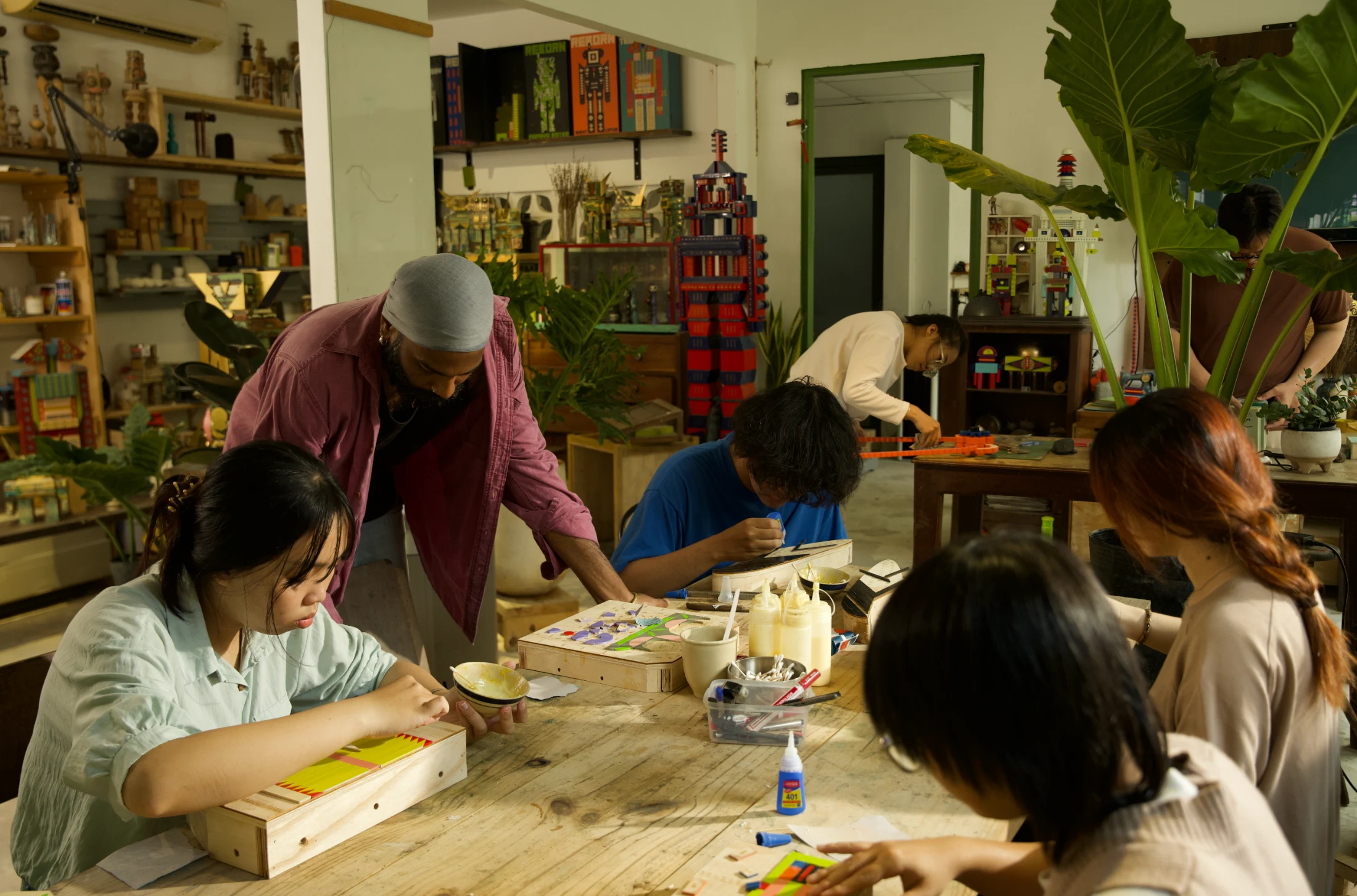
Lacquering was completely new to me before Reborn. A friend actually introduced me to some local artisans in Vietnam. I was just really intrigued and impressed by their workshop – especially the high-gloss finish – so I started doing tests with them. And I still work with the same team today. I focus on the form, colour and direction, and they do the lacquering.

What does their process involve?

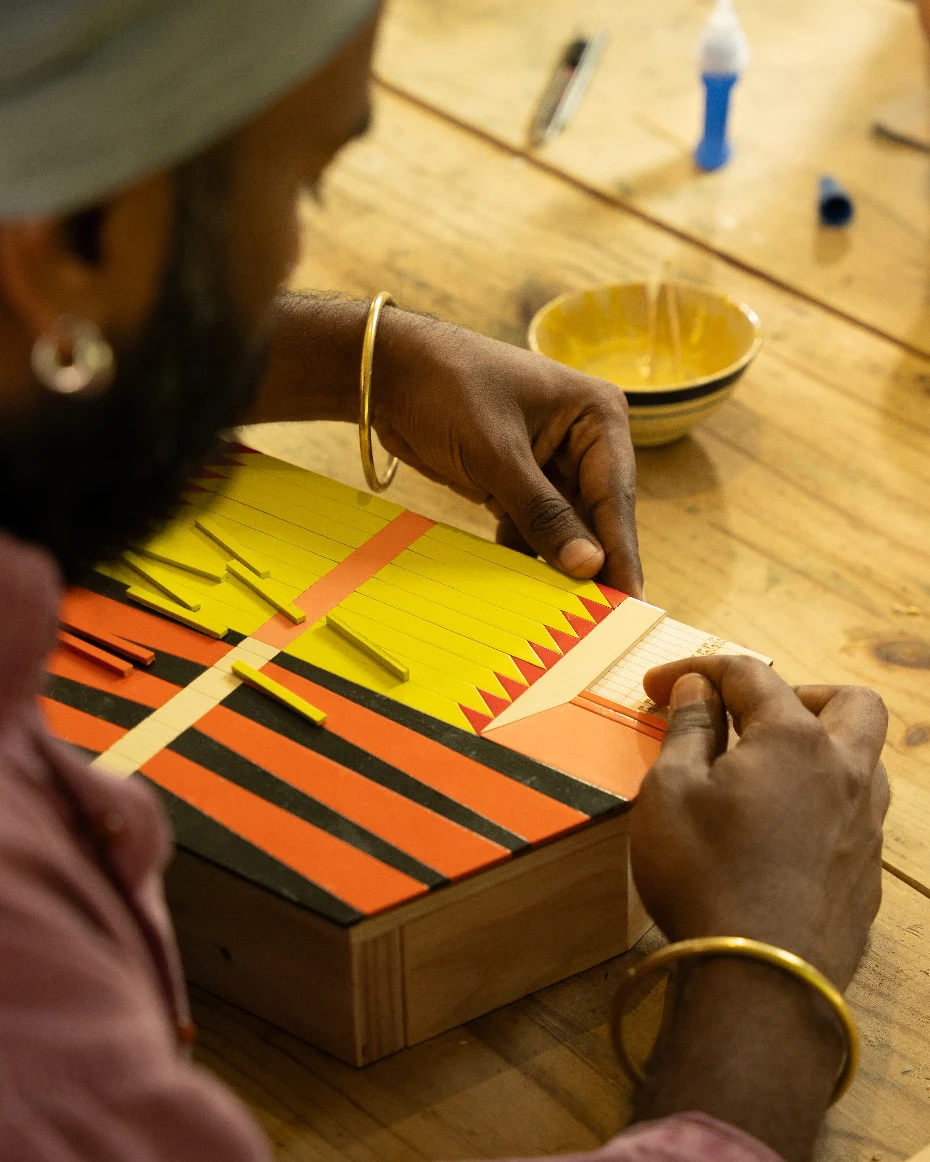
There are a lot of steps to it – and some of the materials and techniques they use are kept secret – so even now, I don't know everything that goes into it. But the process is slow. Really slow. Each layer has to dry completely before the next one can go on, and some have five or 10 layers. But there's a rhythm to it: sanding, layering, sanding again. You only see the final skin, but there's so much hidden work behind that finish. In the past I've tried to rush things, but I had to learn the hard way that it can never be rushed.

What about the colours? Are they typical of traditional lacquering or are they more of your own invention, so to speak?

The colours are my own mix. I experiment with colours and create combinations based on my reference library and try to match it as closely as possible. I'm not trying to recreate traditional lacquer palettes. It's more about building something that feels connected to the worlds I'm trying to make.

Where do you see these worlds you've built taking you? Are there new materials, stories or cities you're curious to explore through your work next?

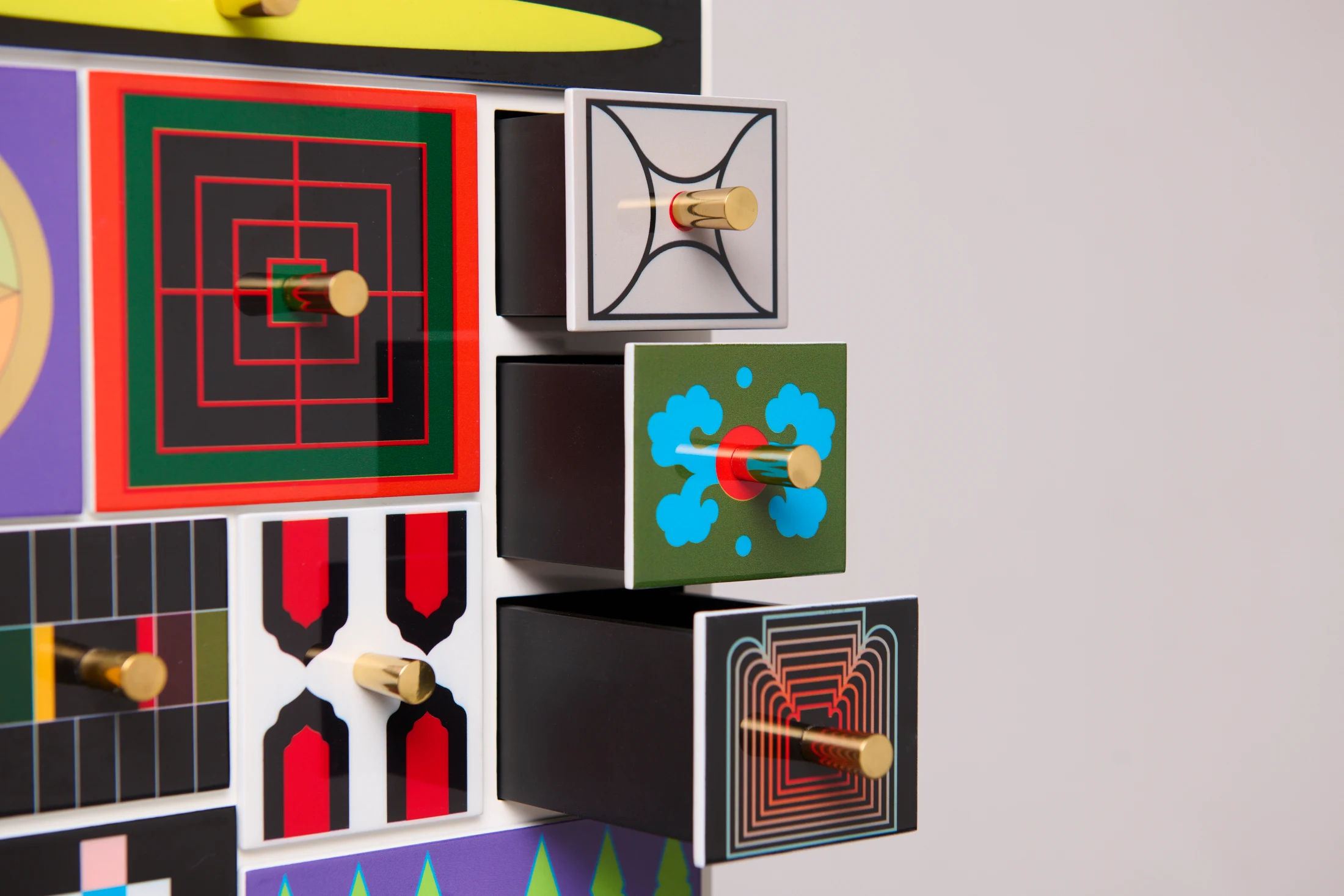
It's opened up new avenues for me to explore some of my other interests – like furniture, textiles and objects – through the same language and world. That's something I'm really excited to keep building on. But I really don't know where it will take me, and I'm okay with that. I'm open. So far, I'm just really happy with where it's brought me.

Writing:
Kate Kolberg
Writing:
Photography:
Photography:
Back to Top
Arrow UpArrow Up
Top
Arrow UpArrow Up
The After shot of the Floorplan
Before
before
after
After
Businesses featured in this project
No items found.
Products featured in this project
No items found.
Magazine Current IssueMagazine Current Issue
Writing:
Writing:
Photography:
Photography:
Back to Top
Arrow UpArrow Up