
Magazine Current IssueMagazine Current Issue
Love at First Pepper Mill
November 1, 2025

Love at First Pepper Mill

A New York couple's chance encounter with a Jens Quistgaard pepper mill in Copenhagen sparked an obsession that led to collecting 60 pieces and creating a comprehensive website documenting the Danish designer's complete pepper mill series.

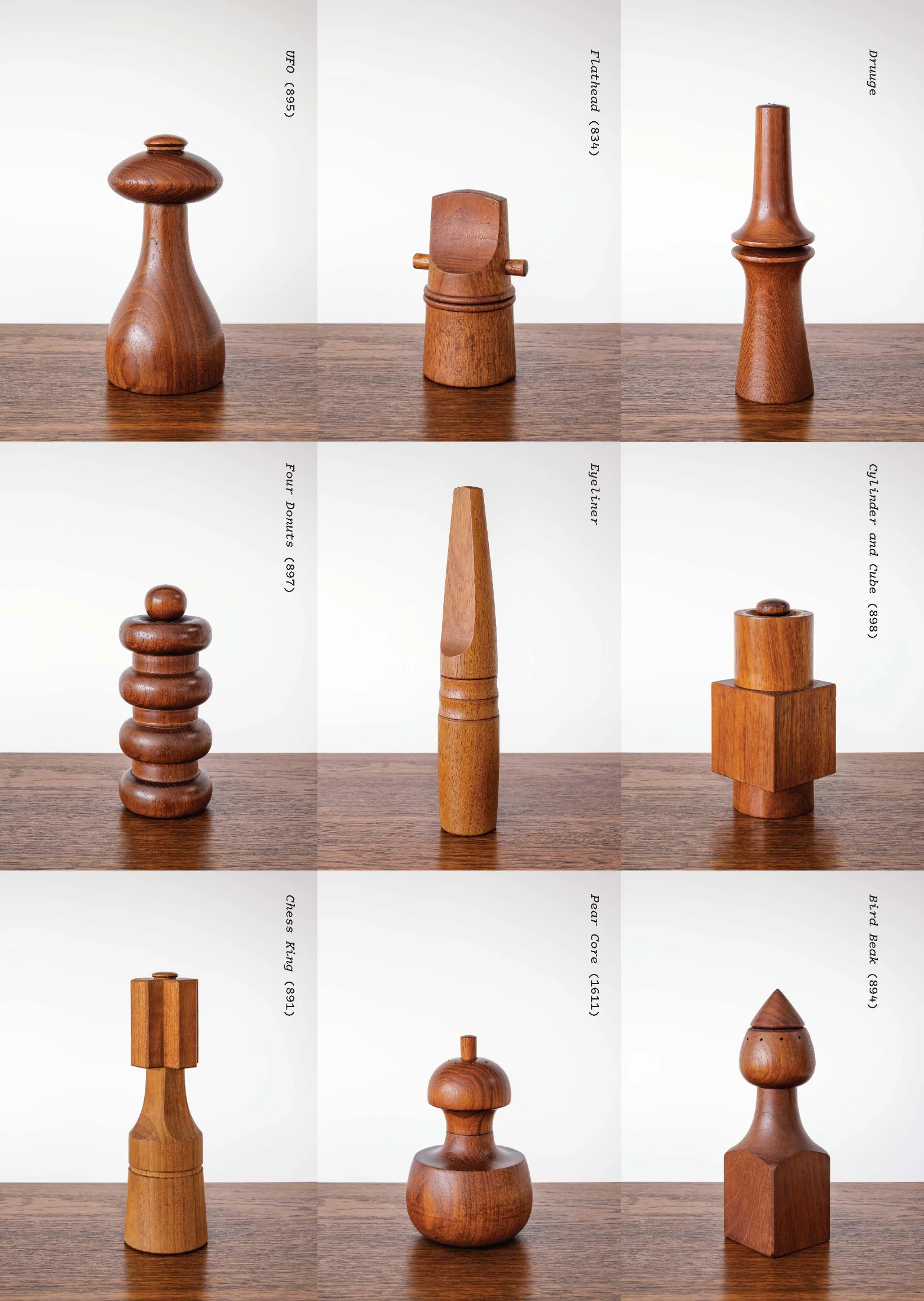
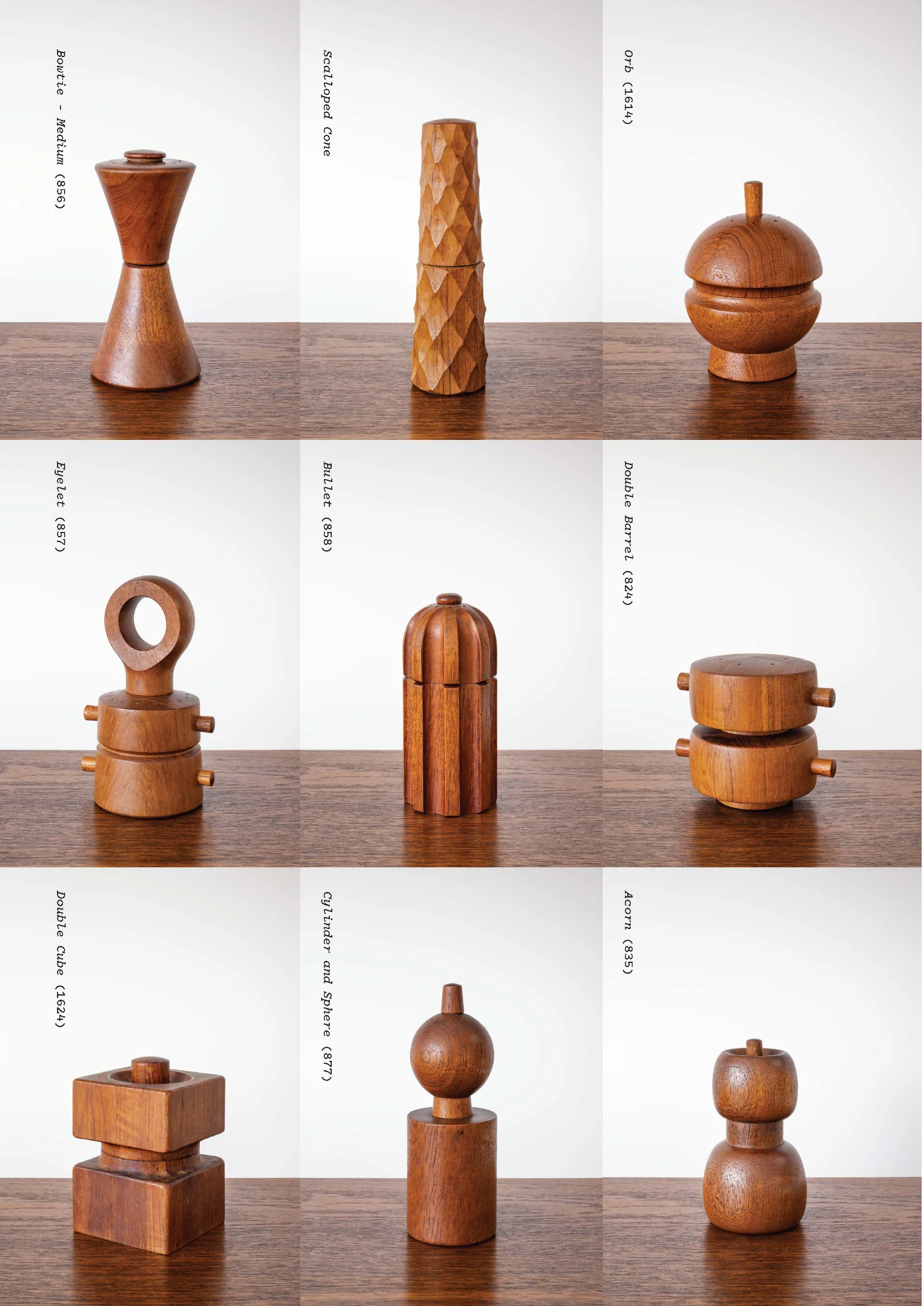
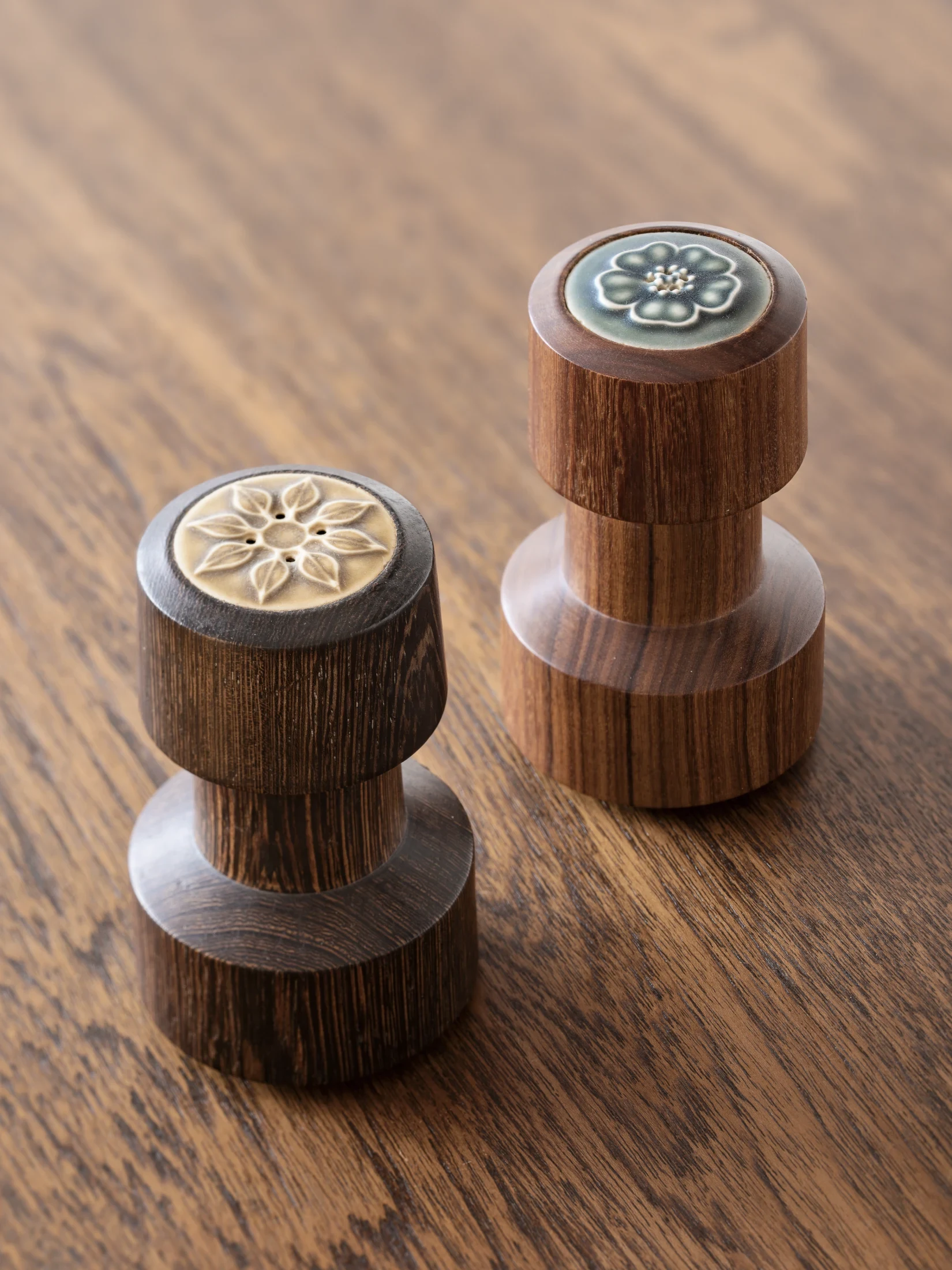
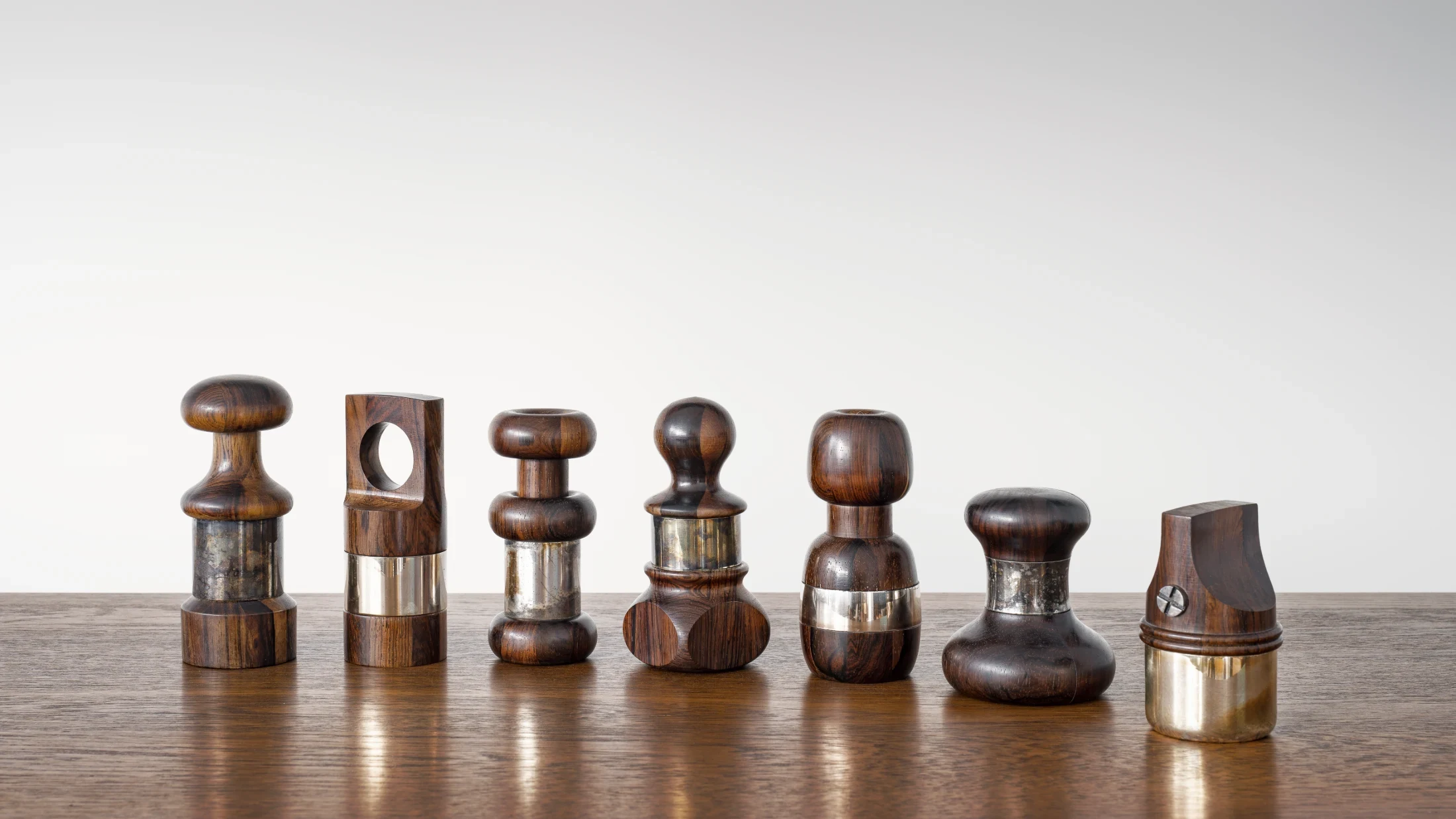
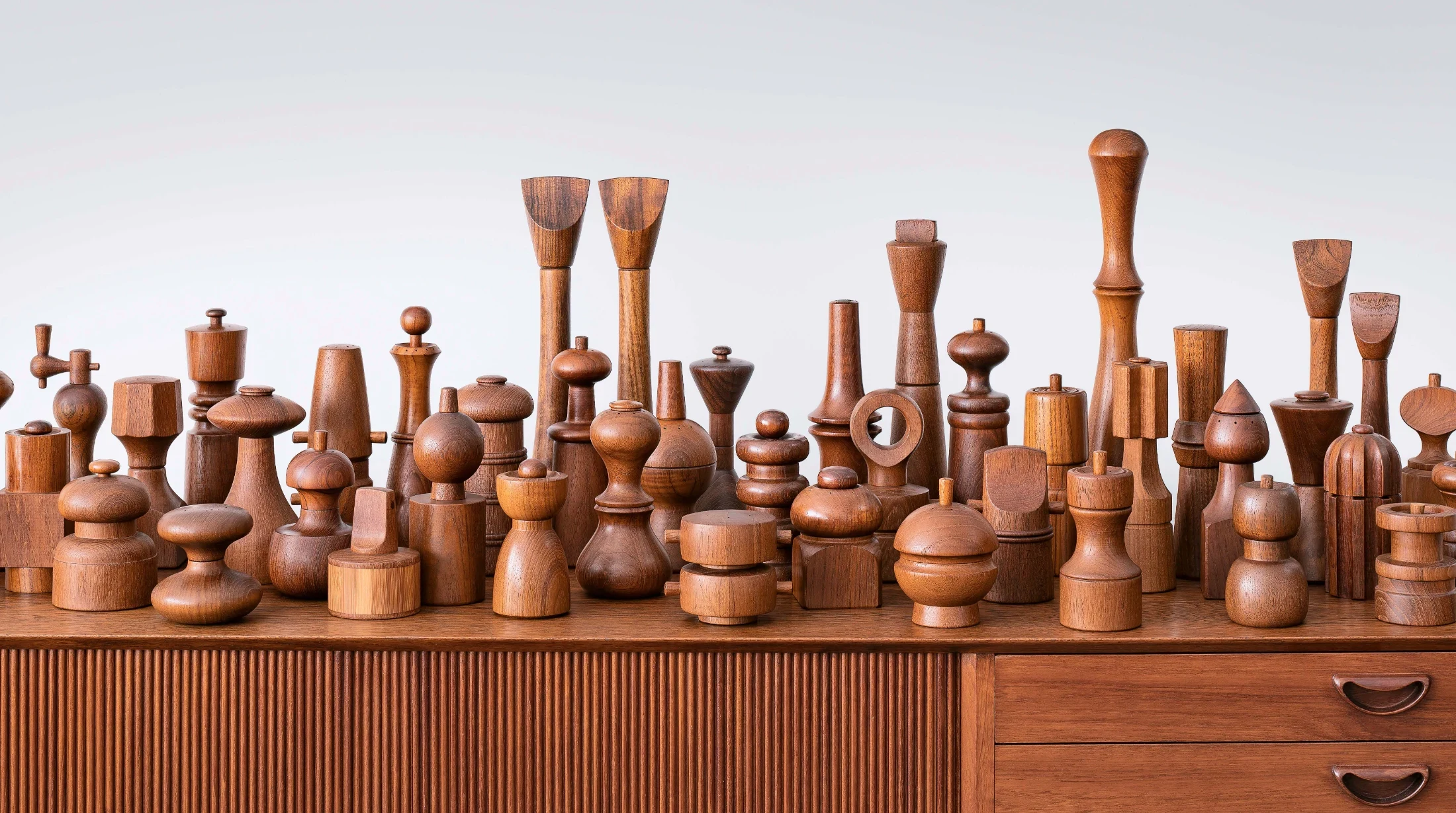
Charismatic, elegant, a bit mysterious… transcendent. Not qualities you would typically attribute to the humble pepper mill. But these are not your average pepper mills. When New York-based couple Maren Lankford and Alexander Severin first encountered one of Jens Harald Quistgaard's (JHQ) peppermills, they were awestruck, and lovestruck too. Since that fateful meeting in 2015, they have amassed a 60-piece strong collection of these exquisite objects that the Danish designer and sculptor designed for Dansk. They have painstakingly documented and classified their pieces (assigning nicknames to each one) and – as an act of public service for other design and pepper mill enthusiasts – share details of the series' origin, design and evolution on their website: The Peppermills of Jens Quistgaard.

Writing:
Eloïse Lachicorée
Writing:
Photography:
Photography:
Alexander Severin
No items found.
Magazine Current IssueMagazine Current Issue
The After shot of the Floorplan
Before
before
after
After
Top
Arrow UpArrow Up

Could you tell us the story of how you first encountered Jens Quistgaard's pepper mills?

We first saw a Quistgaard mill in an antiques store in Copenhagen in 2015. We had spent an almost embarrassing amount of time perusing the Roxy Klassik warehouse, which feels a bit like an encyclopedia of Danish Modern design. After seeing all the chairs and tables we could imagine, we started looking for smaller objects we could purchase as a souvenir. That's when we first came upon the Vanguard mill by JHQ. This object stood apart. Without knowing anything about it, we were drawn to its high level of craftsmanship and elegance. We asked the sales staff about it and got a couple of raised eyebrows. Since these pepper mills were made for the American market, finding them in Denmark is a bit unusual. After a bit of a chuckle that folks from New York had to go all the way to Copenhagen to find one of these mills, the friendly staff gave us our first primer on Quistgaard.

How did this first encounter progress to setting up a website?

When we got home, we started to look more into JHQ and his work. This was in 2015 and there wasn't much information available online. It soon became clear that JHQ's pepper mill series was particularly under-represented. We pieced together what we could from the scraps of information we could find: auction websites, Facebook posts, etc. Luckily, there was a book Danish Pepper: Jens Quistgaard's Teak Pepper Mills by Mark Perlson, specifically about the pepper mills. Furthermore, we found a defunct Wiki page created by Todd Pederzani via the Wayback Machine. These two sources gave us a first look at the extent of this collection. Even still, we wanted to expand on those bodies of information and make a more user-friendly collector's guide. We began to think seriously about making our guide around the start of the [Covid] pandemic lockdowns. Our collection was pretty fleshed out and we had a lot of time on our hands. So we got to planning and delved into more serious research, reaching out to lots of folks who could help us piece this story together. Then came photo shoots, drawings, putting together a website, which are luckily all things we'd done before.

How did Jens Quistgaard's design philosophy play a role in piquing your interest?

We are awestruck by the dedication to experimentation that underpins JHQ's design output. According to the wonderful and definitive book Jens Quistgaard: The Sculpting Designer by Stig Guldberg, Quistgaard regarded designing pepper mills as creative play. Each object is engaging, charismatic, a bit mysterious, and solves a specific design problem in a resourceful way. All together, these objects represent a dedication to a process of invention, discovery, iteration and optimism that we find transcendent. We see this as aspirational for our own lives – to find an activity from which we glean this kind of joy.

What is it about their design that holds such enduring appeal, do you think?

This collection of objects has a few ways to draw people in. To those who like craftsmanship, there is no end of it here. The shapes of the mills are somewhat familiar, drawing on a variety of references in an inventive way. As JHQ himself mused, each object was created as a whimsical centrepiece for your table.

Unlike the other objects on your table, which are meant mostly to be used by an individual, a pepper mill is meant to be passed around, held and used by everyone.

And apart from the appeal of each mill, when arrayed, they create endlessly wonderful compositions. When photographing our collection, one of our favorite activities was arranging the mills into groups, and considering how each shape plays off its counterparts.

Could you tell us briefly about the production process and materials used in the making of the mills?

Most of the JHQ mills are made of teak. During the beginning of the production run of this series, they were produced in Denmark. Later on, production moved overseas. In addition to teak, several special editions of mills were produced in more exotic and rare woods: wenge, palisander, mutenye, etc.

Quistgaard's designs for Dansk are particularly popular in the US. Why do you think this is the case?

There is a concrete reason for JHQ's success in the US. Dansk, the company that produced most of JHQ's designs, was founded by Ted and Martha Nierenberg in Long Island and aimed specifically at the American market. Dansk was created with the forethought to take advantage of the expanding postwar homewares market and in a way became the exemplar of Danish Modern design for many Americans of that generation. Naming the company "Dansk" was a brilliant touch. To this day, everyone assumes it's a Danish company!

What does your process in sourcing new designs entail?

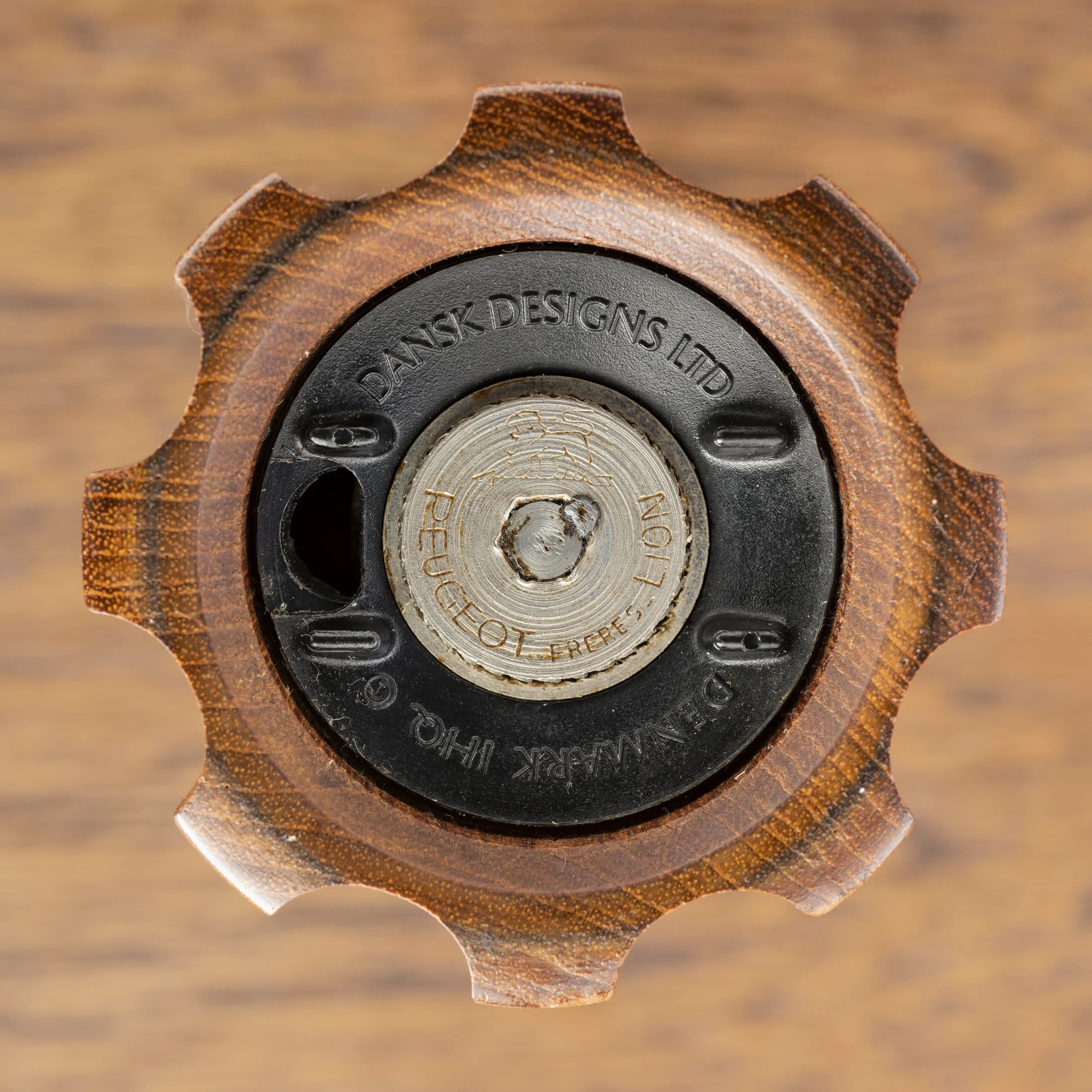
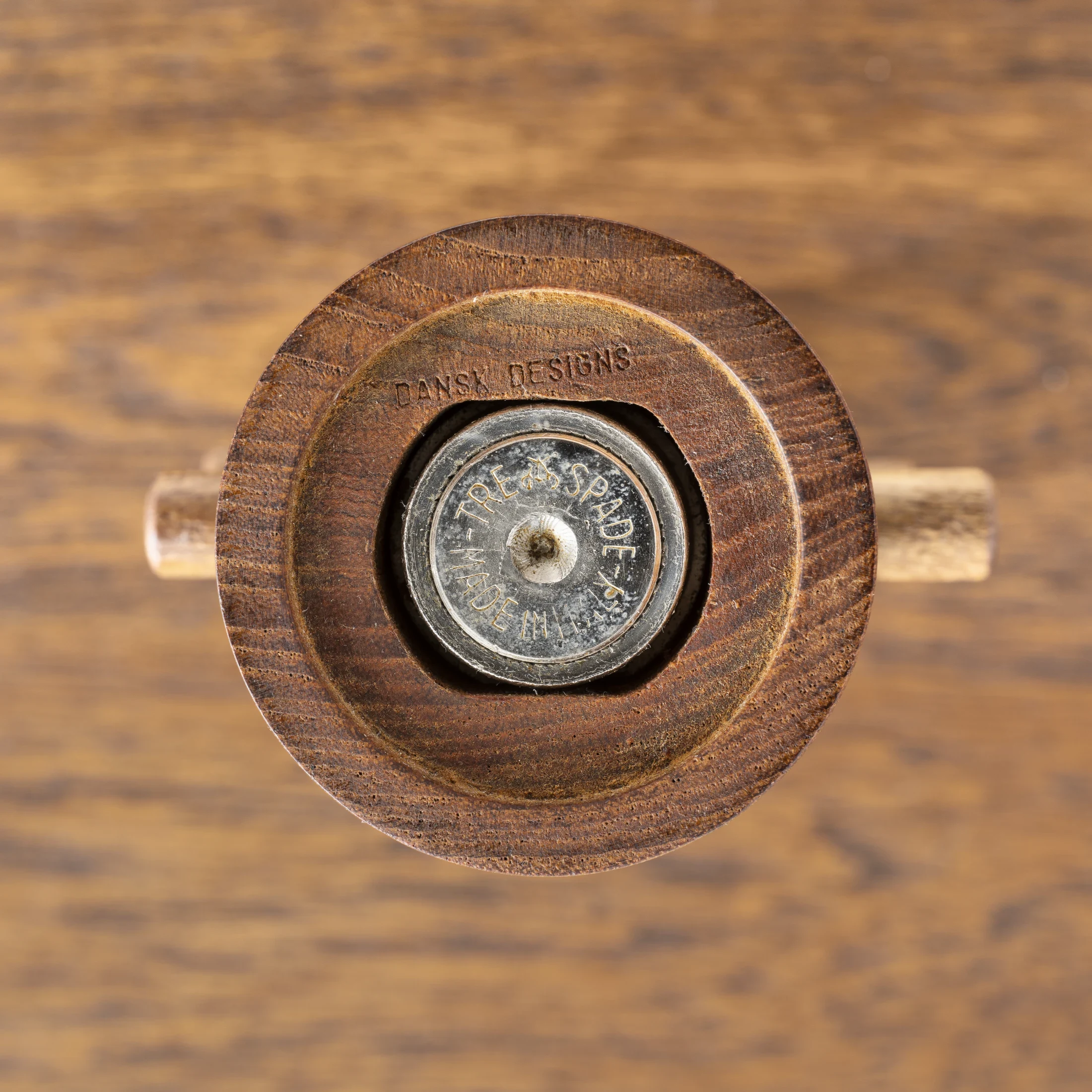
We pieced together most of our collection through eBay and Etsy. Our biggest piece of advice for those just starting to collect: pay attention to the grinders of the mills. We don't have specific dates to these mills, unfortunately, but on our website we have a guide to dating the sequence of production based on grinder type.

What would you like to share with people through the work of this collection?

We created our website with the hopes of helping fellow collectors organise their efforts and to generally promote and celebrate this niche of JHQ's prolific output. When we got started, we struggled to find reliable information. So we hope we're doing a decent job of creating a repository of content and we're always looking for fresh info. (Dear reader, if you have any insight, please share!)

Are there any designs from the series that you would love to acquire?

We are missing a few pieces from JHQ's oeuvre. At this point, we're just missing the rarest of the rare. And we're okay with that!

What are each of your favourite designs from this series?

It's hard to pick a favourite mill. We just love the totality.

How would you best describe a Jens Quistgaard pepper mill?

It's hard to say exactly what makes a JHQ mill. But you know it when you see it! More specifically, JHQ has a specific design language: a distinct way with a curve, a classically-rooted sense of proportion, and just a bit of whimsy. Each object is charismatic and elegant, but doesn't take itself too seriously.

Do you dare to use any of your pepper mills in the kitchen?

As an homage to the first [JHQ] mill we ever encountered, we use his Vanguard mill in our kitchen.

quistgaardpepper.com | @quistgaard_pepper

Writing:
Eloïse Lachicorée
Writing:
Photography:
Photography:
Alexander Severin
Back to Top
Arrow UpArrow Up
Top
Arrow UpArrow Up
The After shot of the Floorplan
Before
before
after
After
Businesses featured in this project
No items found.
Products featured in this project
No items found.
Magazine Current IssueMagazine Current Issue
Writing:
Alexander Severin
Writing:
Photography:
Photography:
Alexander Severin
Back to Top
Arrow UpArrow Up