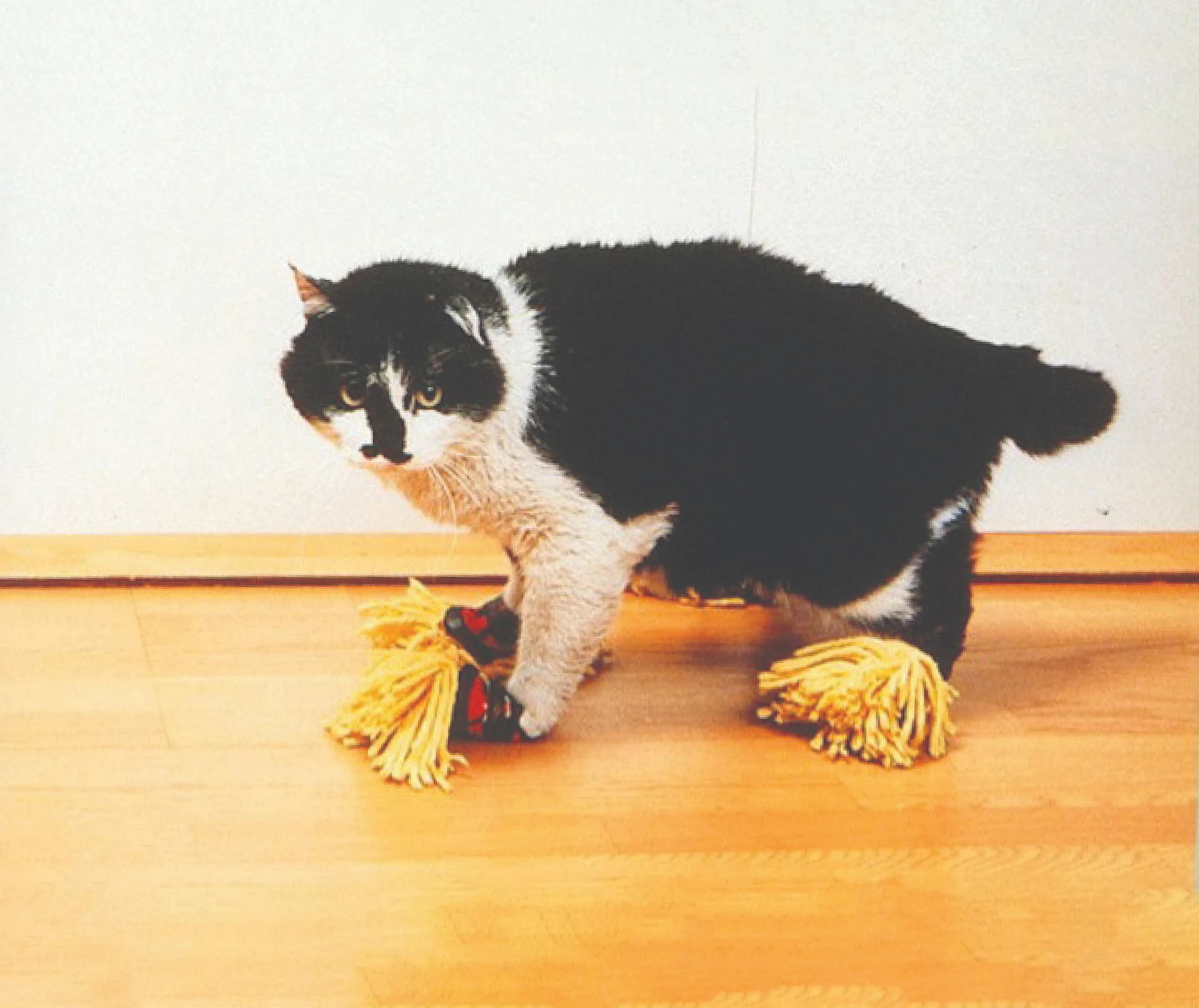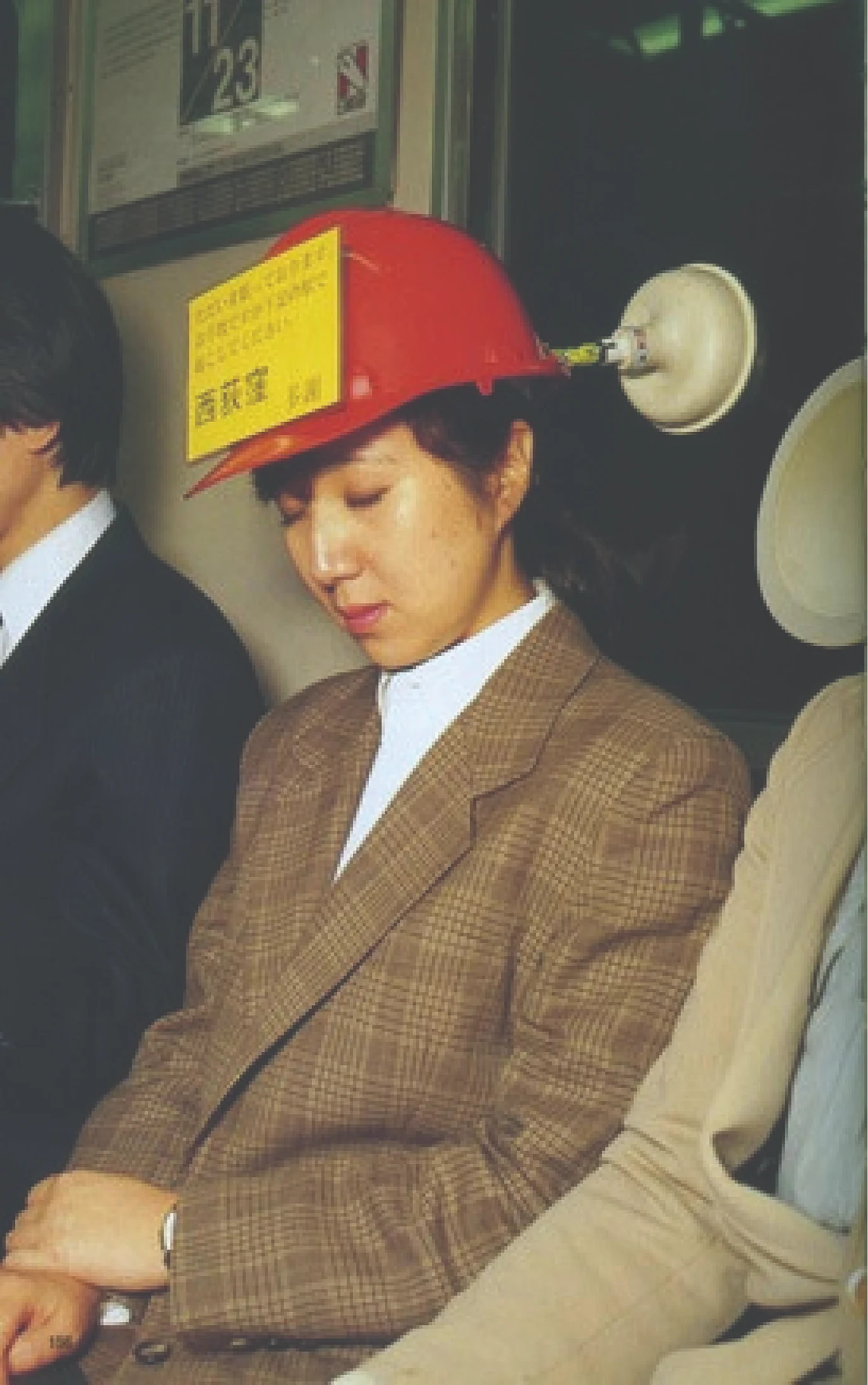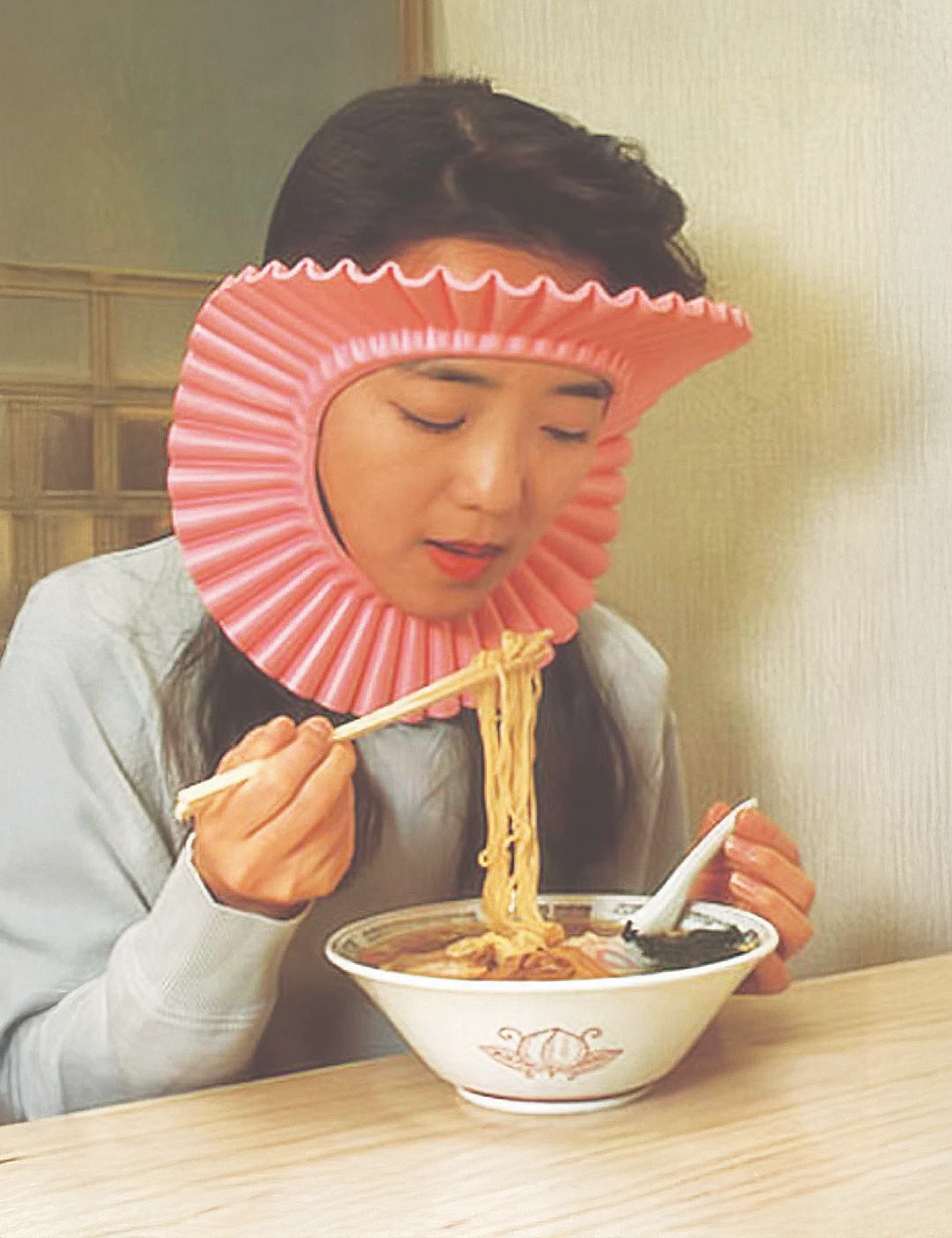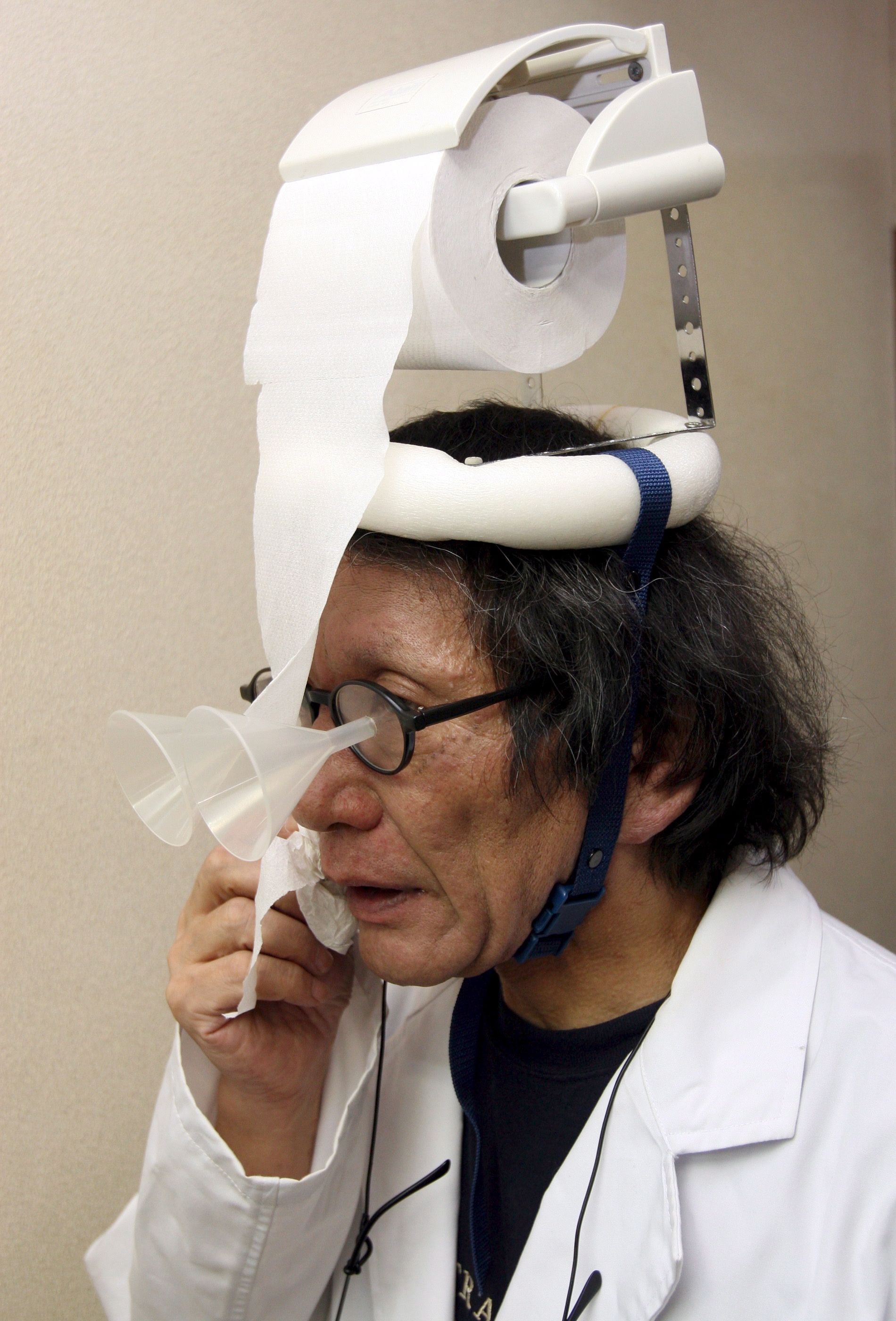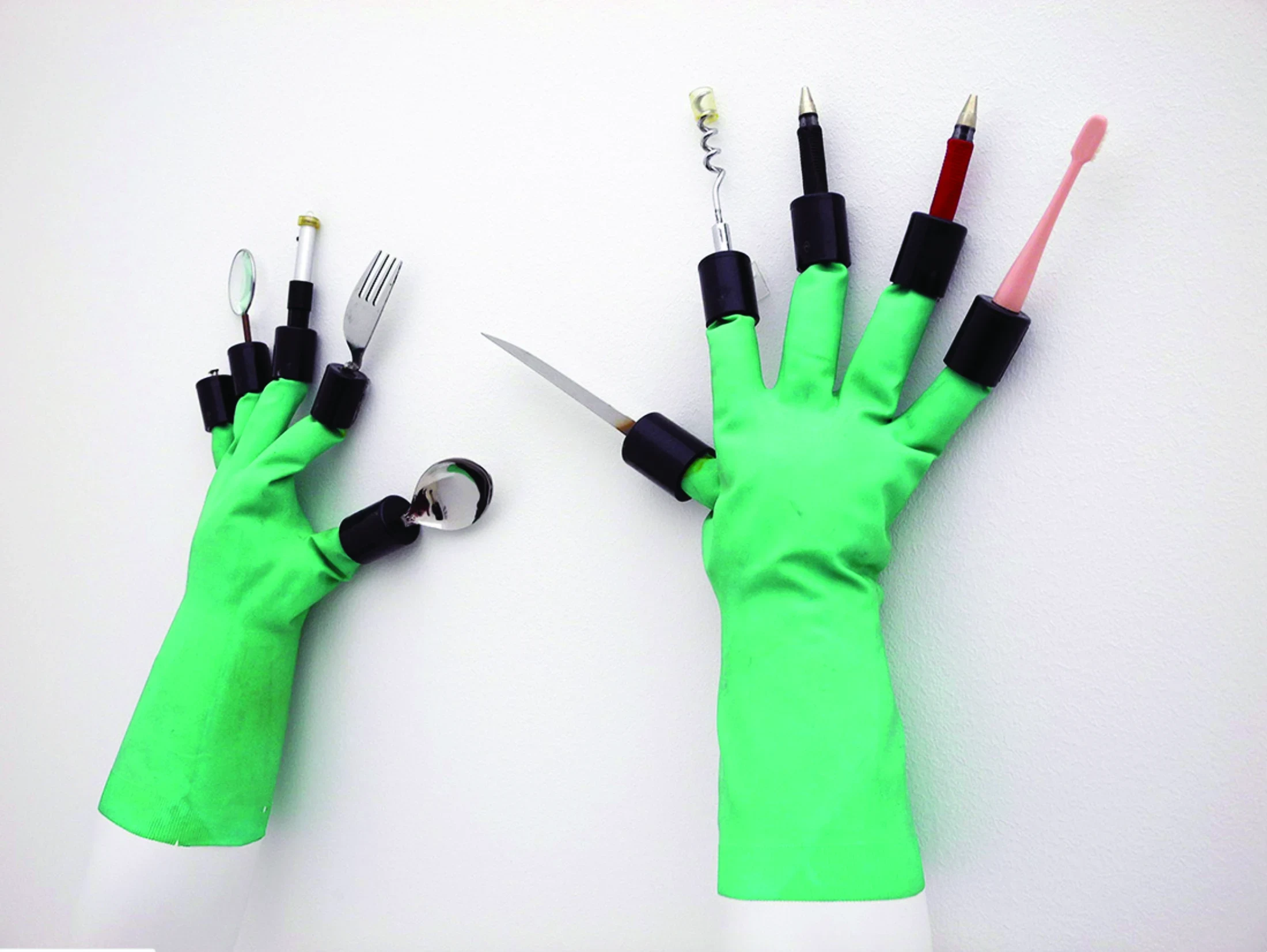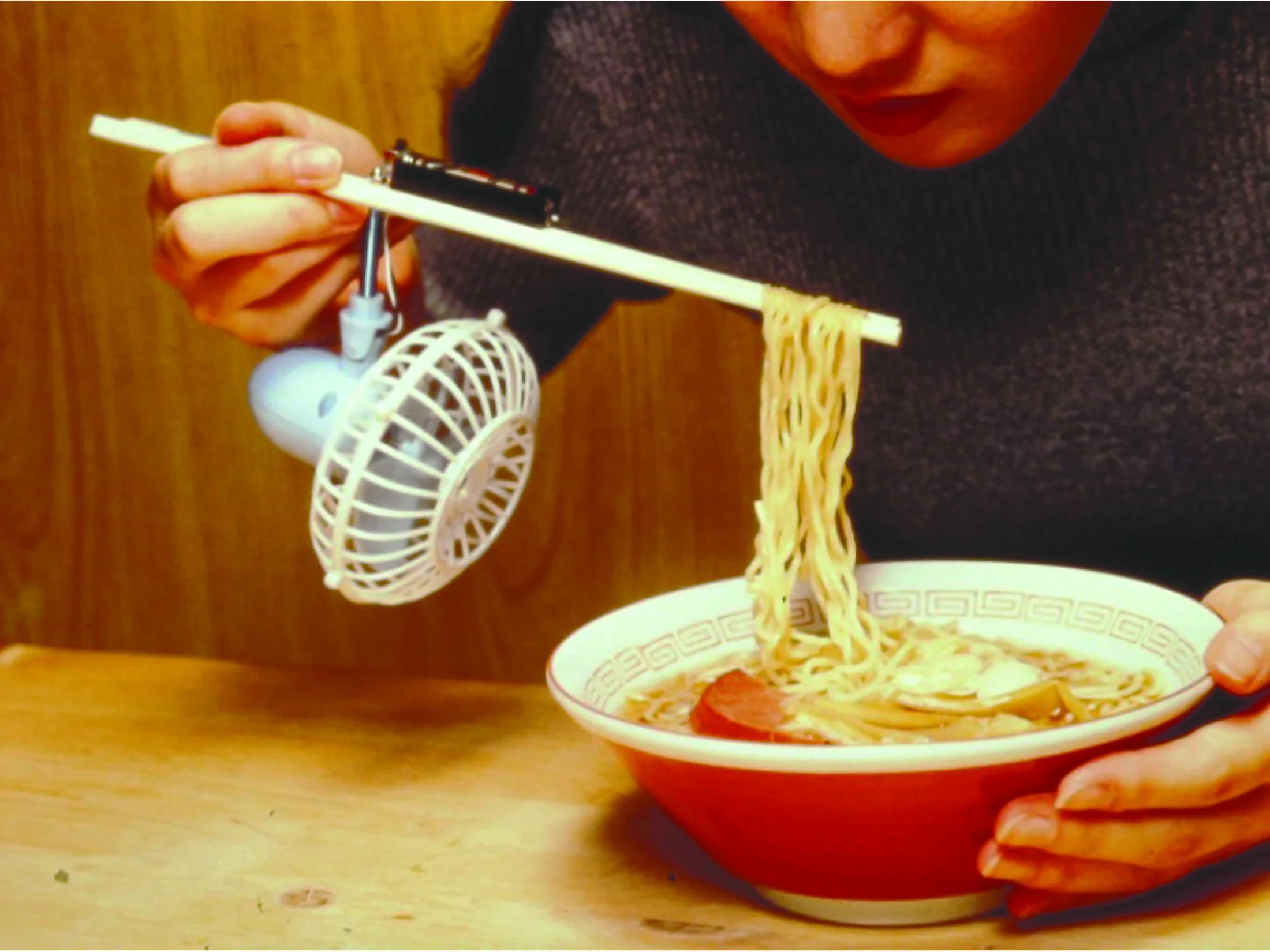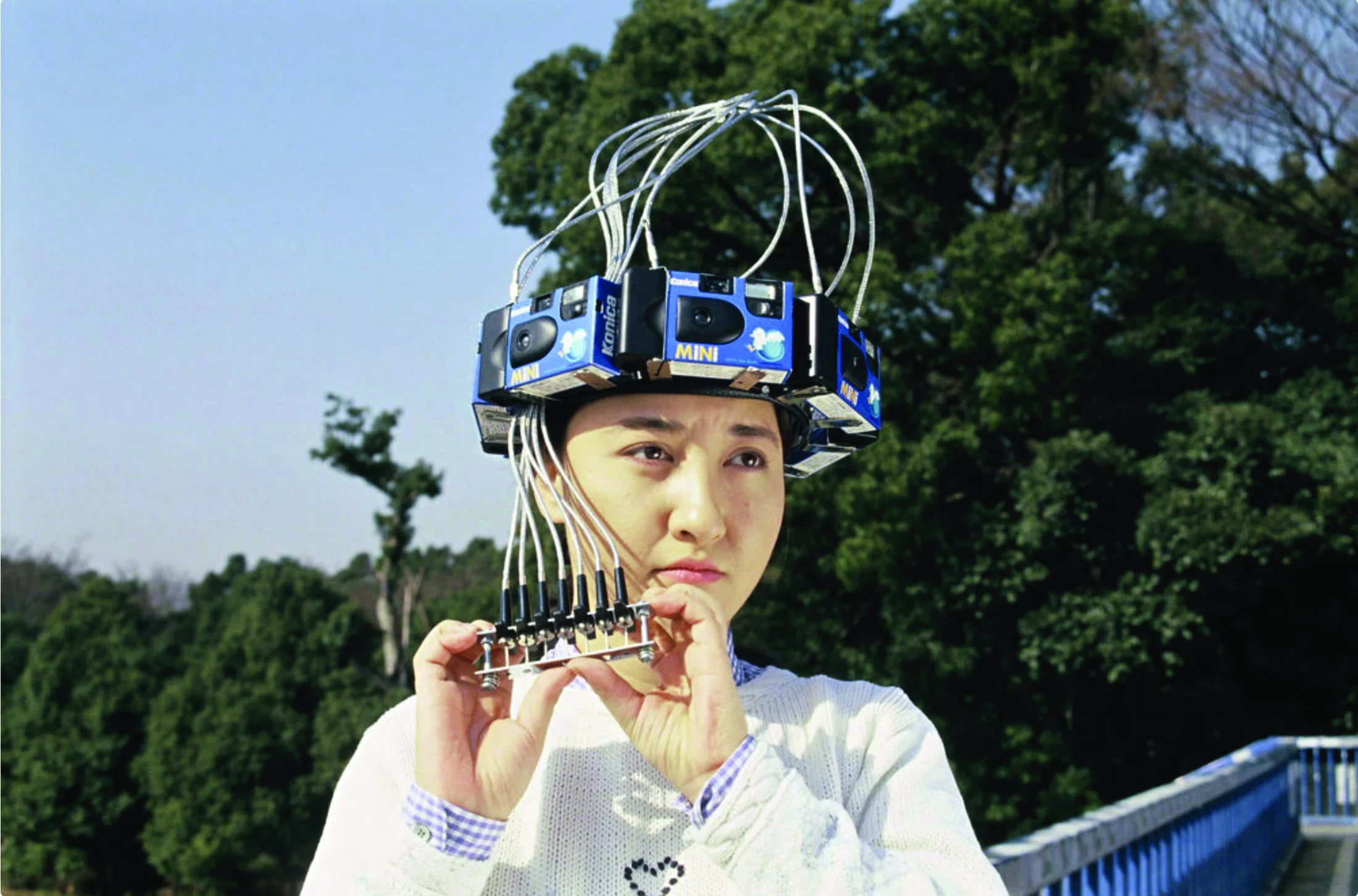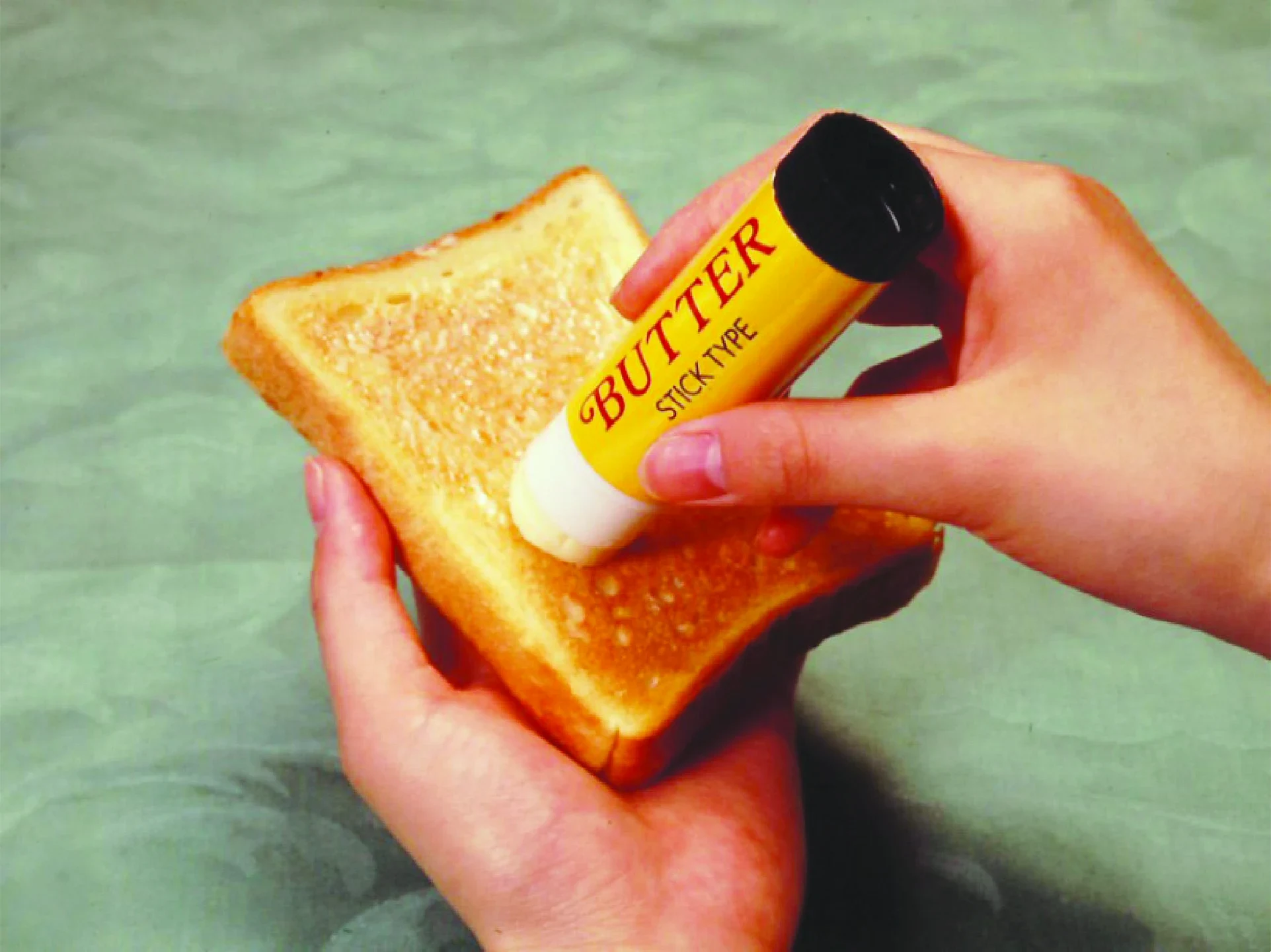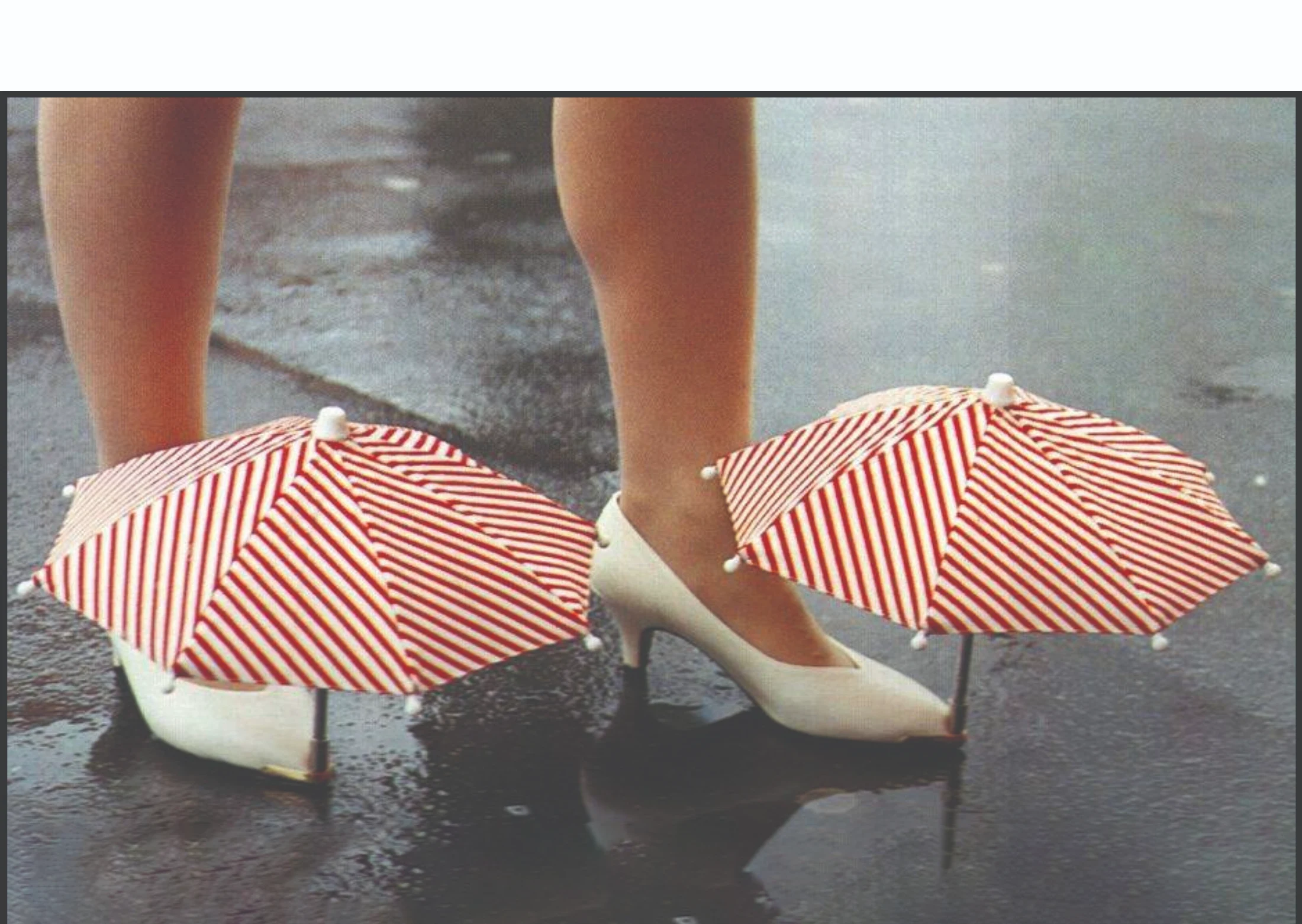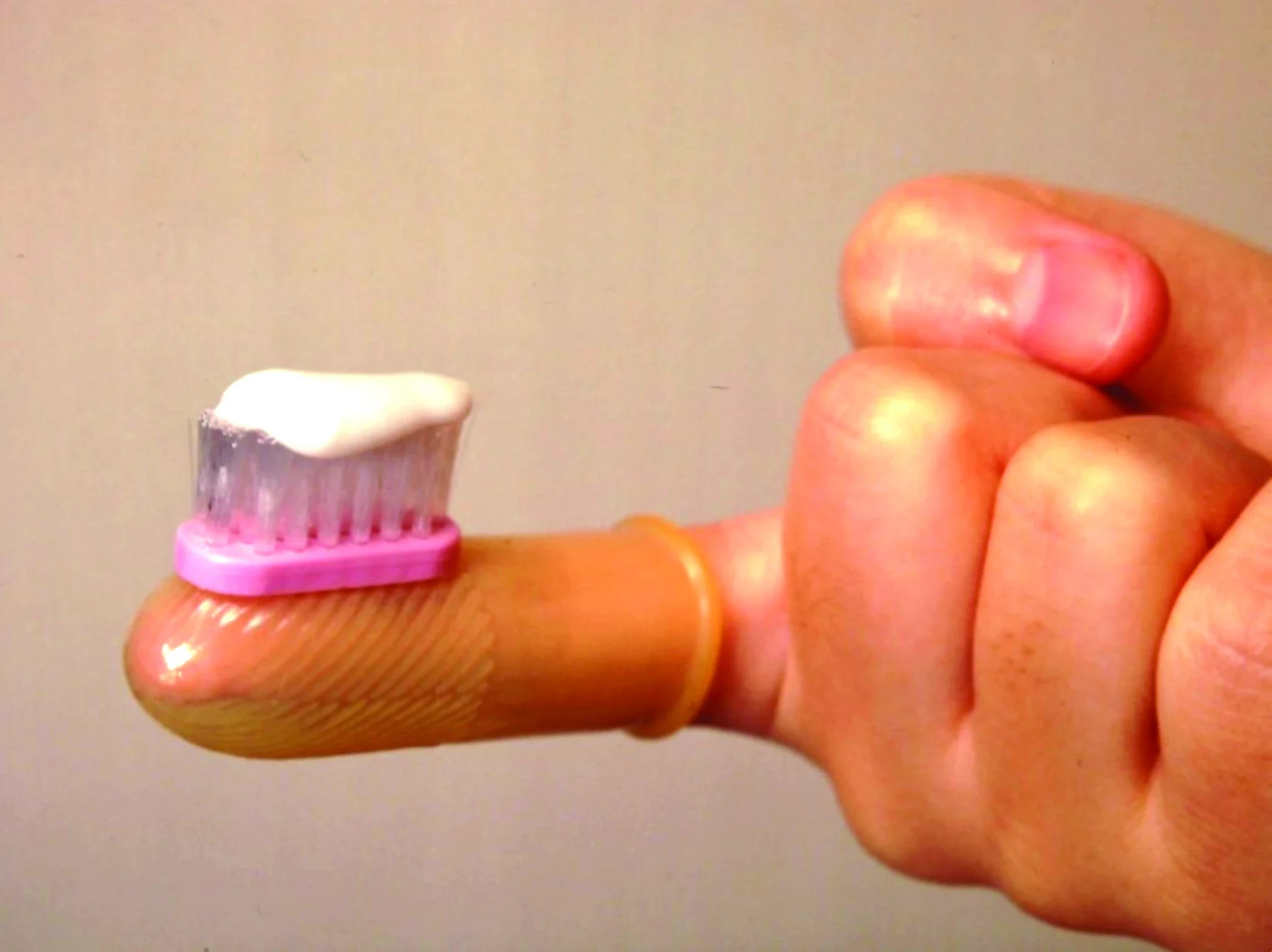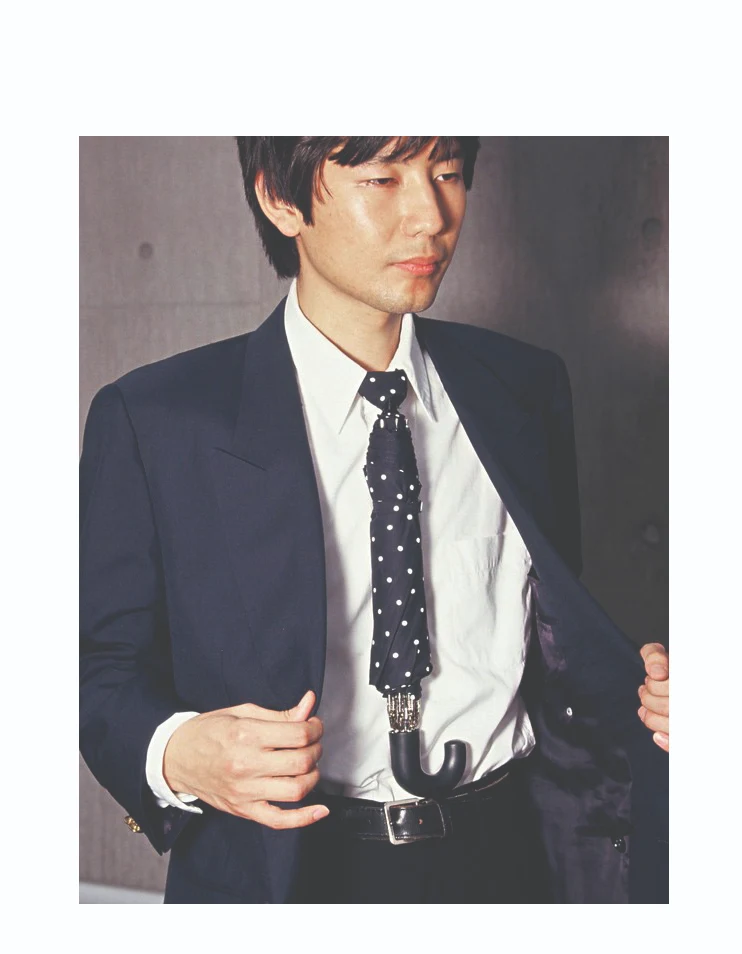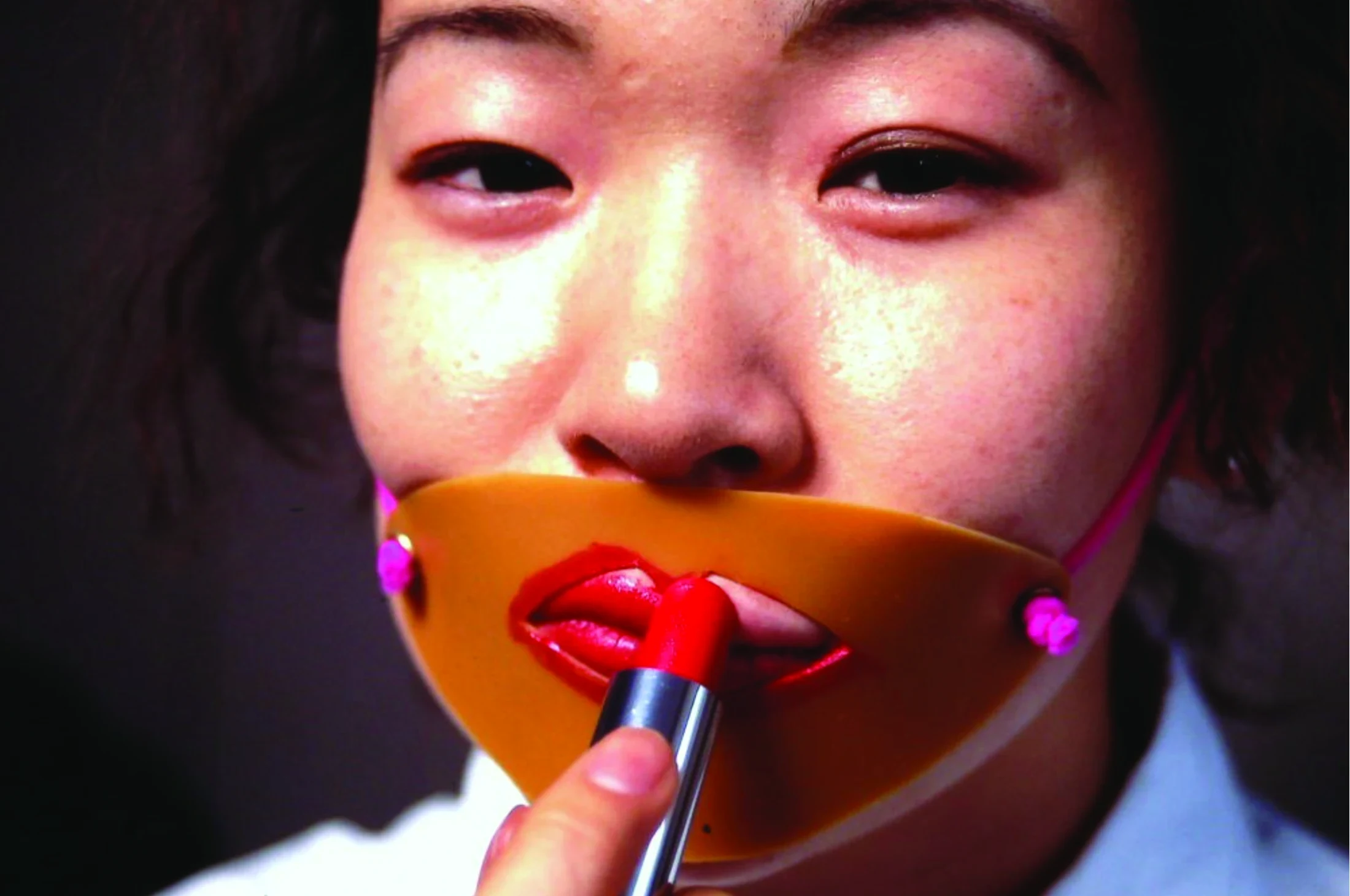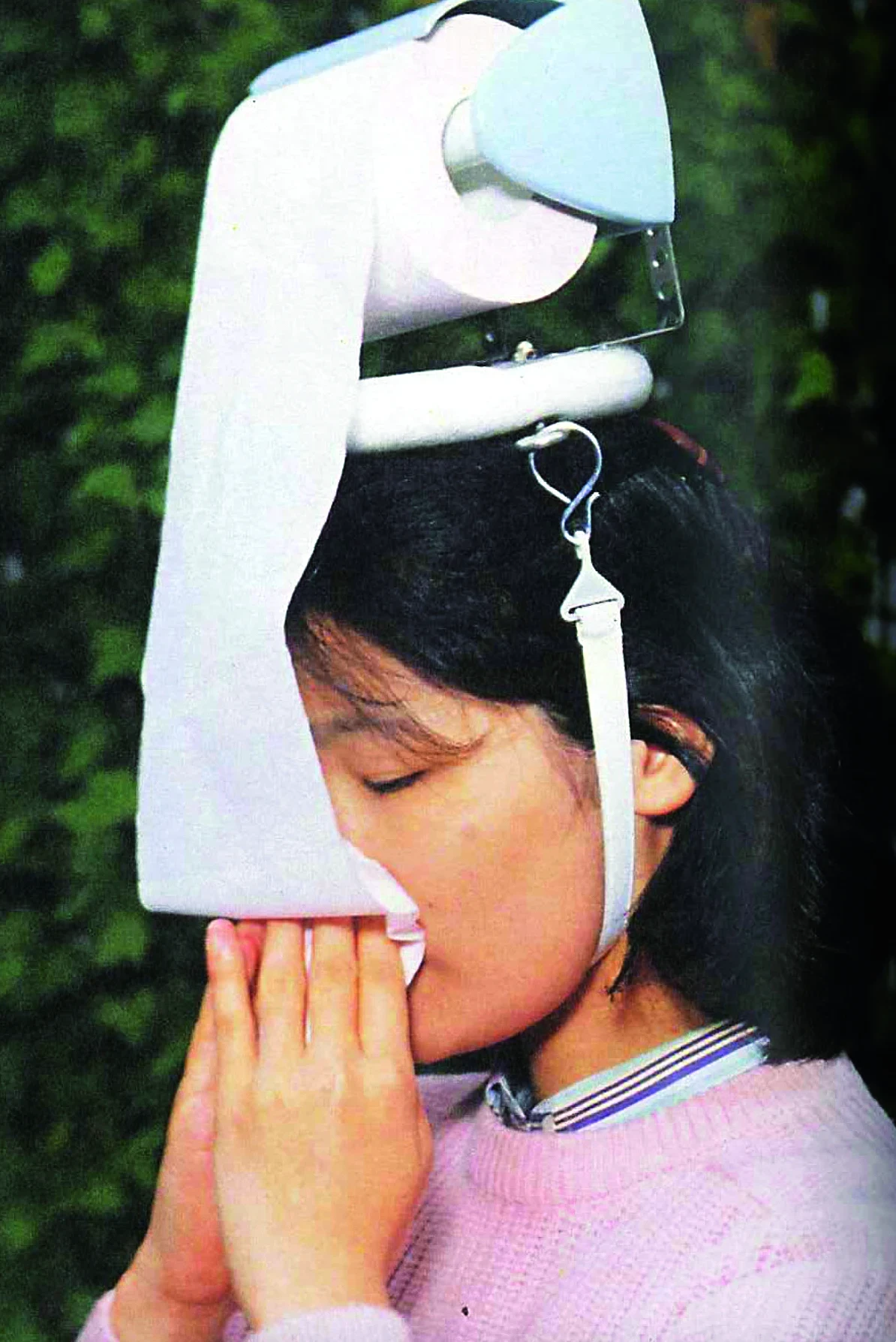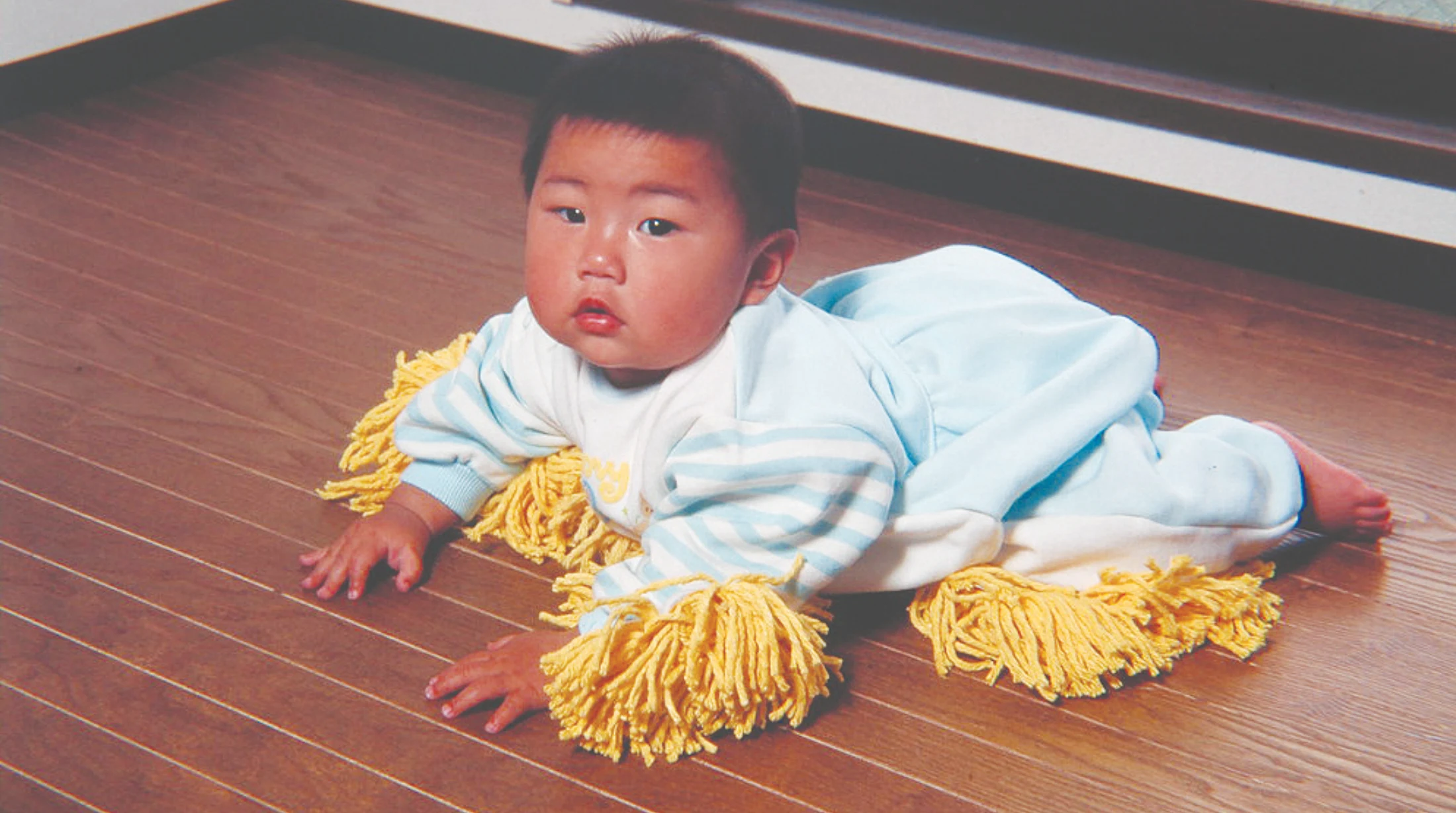




These are the words that greet you on the homepage of Chindogu.com – the internet home of the International Chindogu Society. Said to boast some 10,000 practitioners around the globe (including British celebrity chef and TV personality, Hugh Fearnley-Whittingstall), it's a community centred on the creation and celebration of (almost) useless gadgets, or officially: Chindogu.
It all sounds terribly serious. But also not. As Chindogu's founding father Kenji Kawakami puts it: "If people laugh, that's fine. We need more of it. I believe in rejecting society by laughing at it."
It was Kawakami's Eyedrop Funnel Glasses that started it all. The trained aerospace engineer turned inventor popped an image of them on a page that needed filling in a popular Japanese mail order catalogue he was editing in the early 1990s. Though they were not for sale, he filled other empty pages with more "invention dropouts" (such as a solar powered flashlight that could only be used if there was enough light to power it) and his readers were hooked. Kawakami called them Chindogu, (Chin meaning 'weird' and Dogu meaning 'tool') and since then has contributed more than 600 gadgets to the artform.
Dan Papia , was a writer for the English language magazine Tokyo Journal at the time and after featuring Kawakami's Chindogu in that publication's pages soon experienced its cult appeal himself. It was an endless stream of Chindogu related fan mail that inspired his idea of transforming Chindogu from a 'spectator sport' into an active global community of inventors of "un-useless" things or Chindogoists. Thus, the International Chindogu Society was born with Papia as co-founder and he remains president to this day. Books followed too, first authored by Kawakami and later by both Kawakami and Papia: 101 Unuseless Japanese Inventions, 99 More Unuseless Japanese Inventions, Bumper Book of Unuseless Japanese Inventions and The Big Bento Box of Unuseless Japanese Inventions.
But just as Kawakami has never filed a patent or earned a single yen for one of his creations, revenue from the books is apparently passed on to his favourite causes. "I despise materialism and the fact that everything is transformed into a marketable object," he once told The Japan Times. Indeed, Kawakami and his fellow Chindoguists around the world thumb their noses at capitalism and instead, submit themselves to a higher code and calling. The noble pursuit of conceiving and making human-made objects that have shed the chains of usefulness (to paraphrase the third tenet of Chindogu), or as Kawakami himself defines them: "strangely practical and utterly eccentric inventions designed to solve all the nagging problems of domestic life."